membership background

Spices articles from COWBERRY

Featured

What Is Brown Sugar? Types, How It Is Made, Nutrition and Uses

What Is Brown Sugar? Types, How It Is Made, Nutrition and Uses

What is brown sugar: sugar with part of the cane's molasses kept in — 380 kcal and 98.1 g of carbohydrate per 100 g. Types (demerara, muscovado, light and dark), names, how it is made, nutrition, uses, storage and buying.
05 Aug 2026by COWBERRY
11 minute read

Fresh Blogs

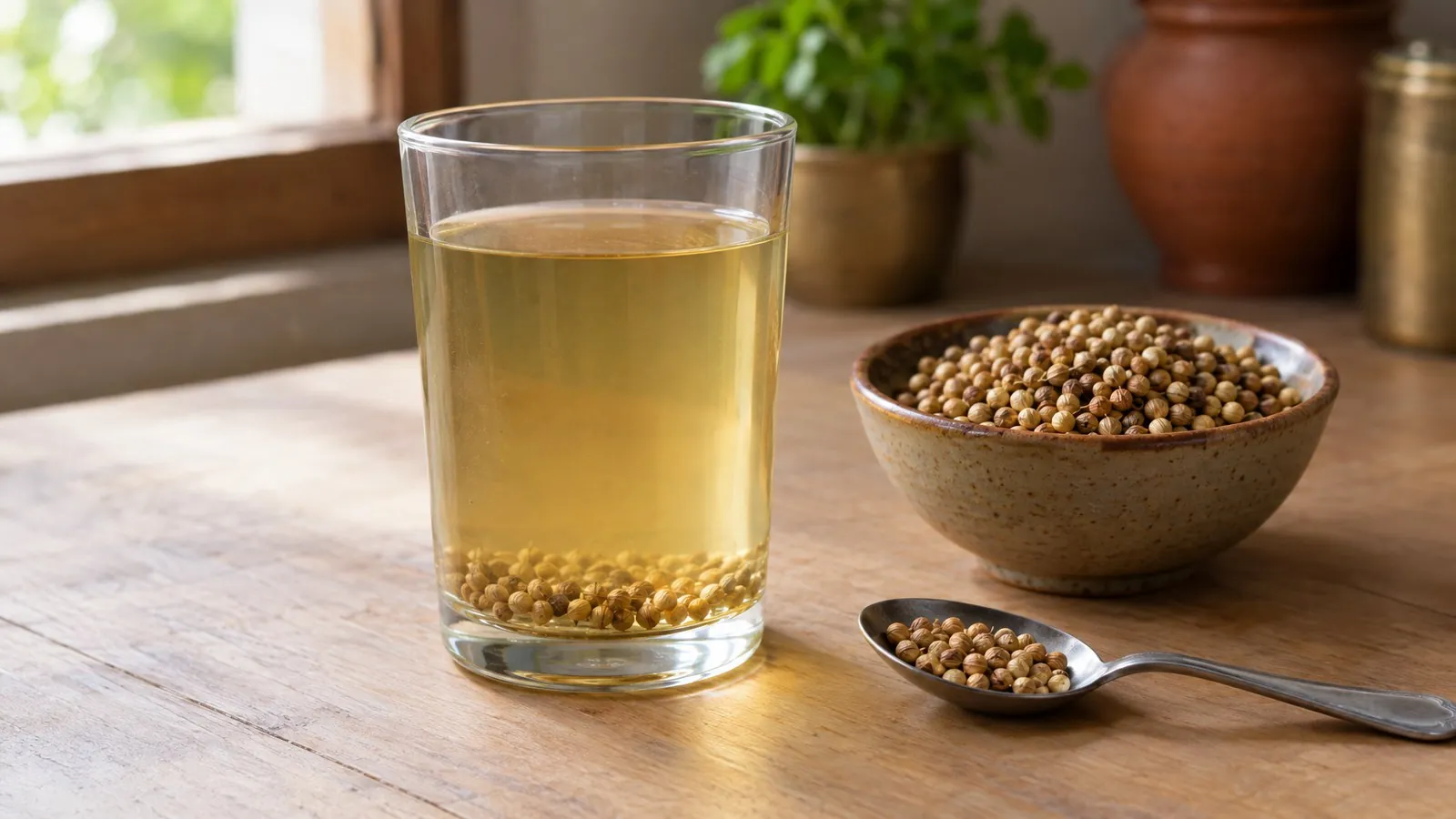
Coriander water benefits: what dhania water actually does

Coriander water benefits: what dhania water actually does

Coriander water benefits, answered honestly: the research reviewed here has no human trial showing coriander water does anything specific. Here is what is known about coriander, what one teaspoon of seeds holds, and how to make and drink the water.
05 Oct 2026by COWBERRY
7 minute read
Red rice vs brown rice: the fibre, GI and honest verdict
Red rice vs brown rice: the fibre, GI and honest verdict
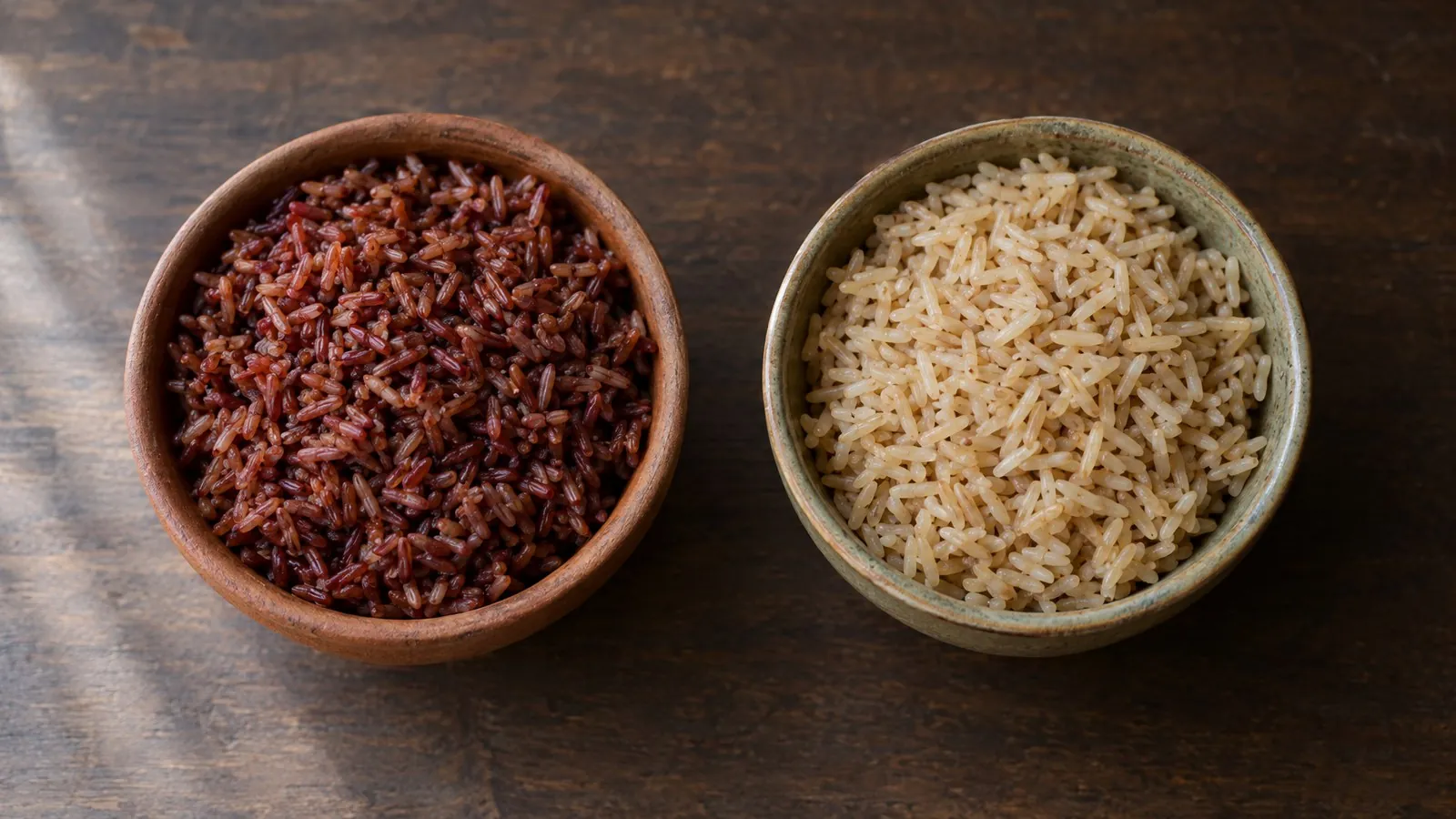
Red rice vs brown rice: brown rice lists more fibre and protein and an India-tested GI of 58, while red rice's seven foreign tests average 62. Side-by-side nutrition per 100 g, GI, cooking, cost and which to choose.
05 Oct 2026by COWBERRY
6 minute read

More Articles

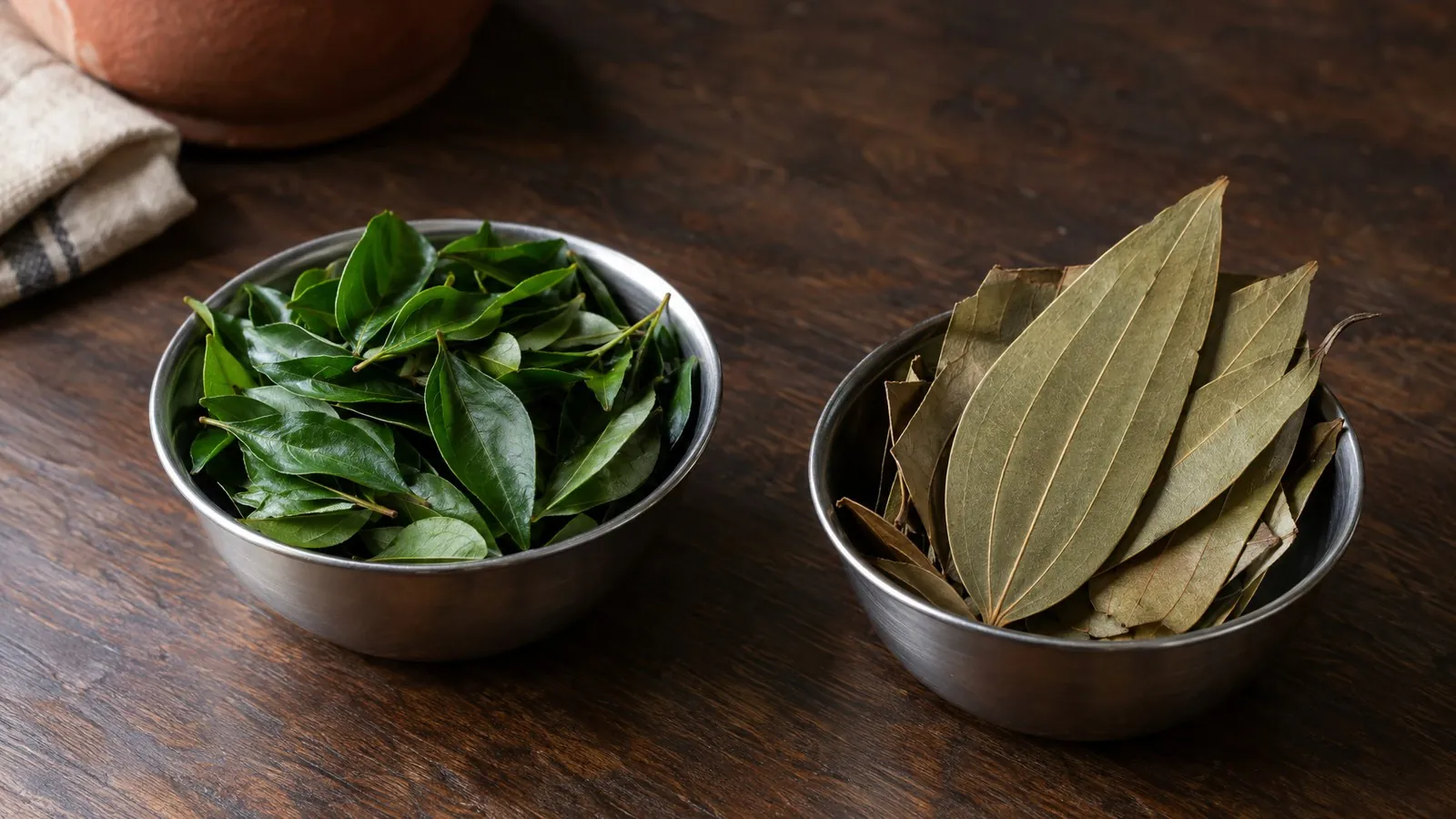
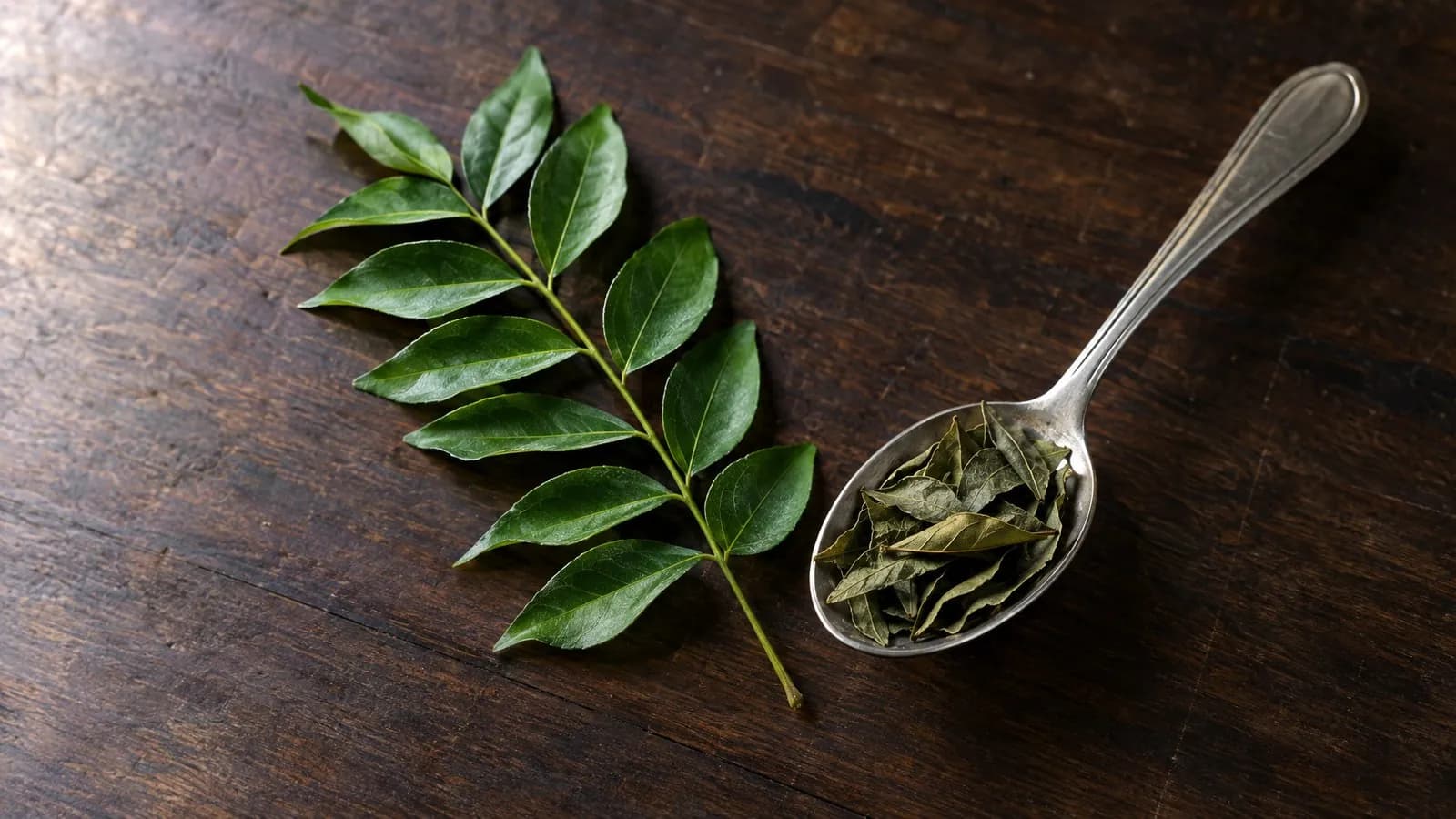
Difference between kadi patta and tej patta: taste and uses
Difference between kadi patta and tej patta: taste and uses

Difference between kadi patta and tej patta: kadi patta is the fresh green curry leaf fried in the tadka, tej patta is the dried bay leaf simmered whole in pulao and lifted out. Look, taste, uses and the food-table numbers side by side.
27 Sept 2026by COWBERRY
7 minute read
Curry leaves nutrition facts 100g: calories, vitamins and minerals
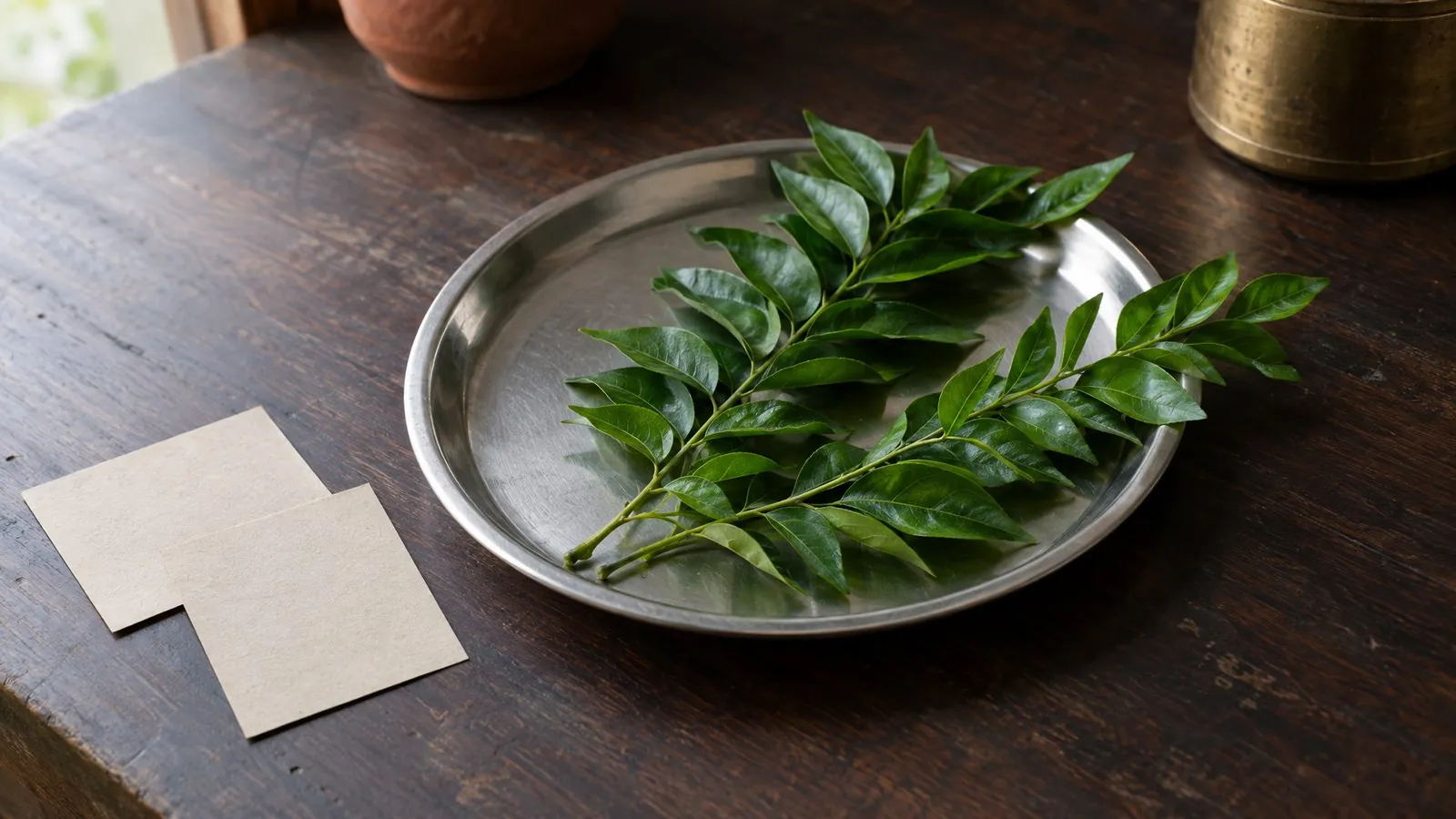
Curry leaves nutrition facts 100g: calories, vitamins and minerals

Curry leaves nutrition facts 100g from IFCT 2017 for the fresh leaf: 64 kcal, 7.41 g protein, 16.83 g fibre, 659 mg calcium, 8.67 mg iron, 117 mcg folate. Plus what one teaspoon (5 g) of the tadka carries and how the leaf compares with bay leaf and coriander powder.
26 Sept 2026by COWBERRY
7 minute read
Kadi patta in English (curry leaves): names in Indian languages
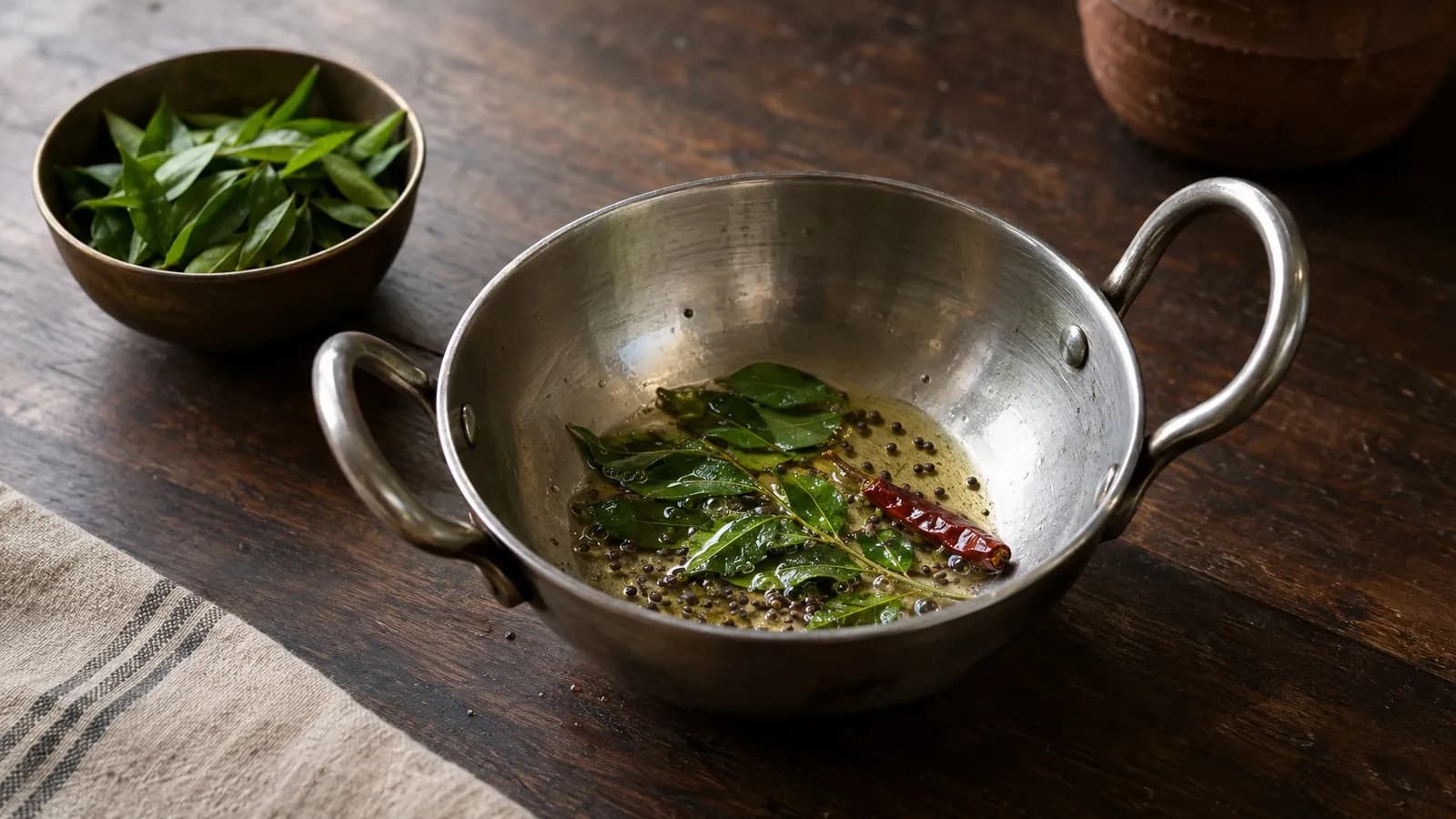
Kadi patta in English (curry leaves): names in Indian languages

Kadi patta in English is curry leaves, the leaf of the curry tree (Murraya koenigii). The table gives the leaf's name in 13 Indian languages, from Karibevu in Kannada to Kariveppilai in Tamil, each with its source.
25 Sept 2026by COWBERRY
5 minute read
Kadi patta benefits for diabetes: what the research shows
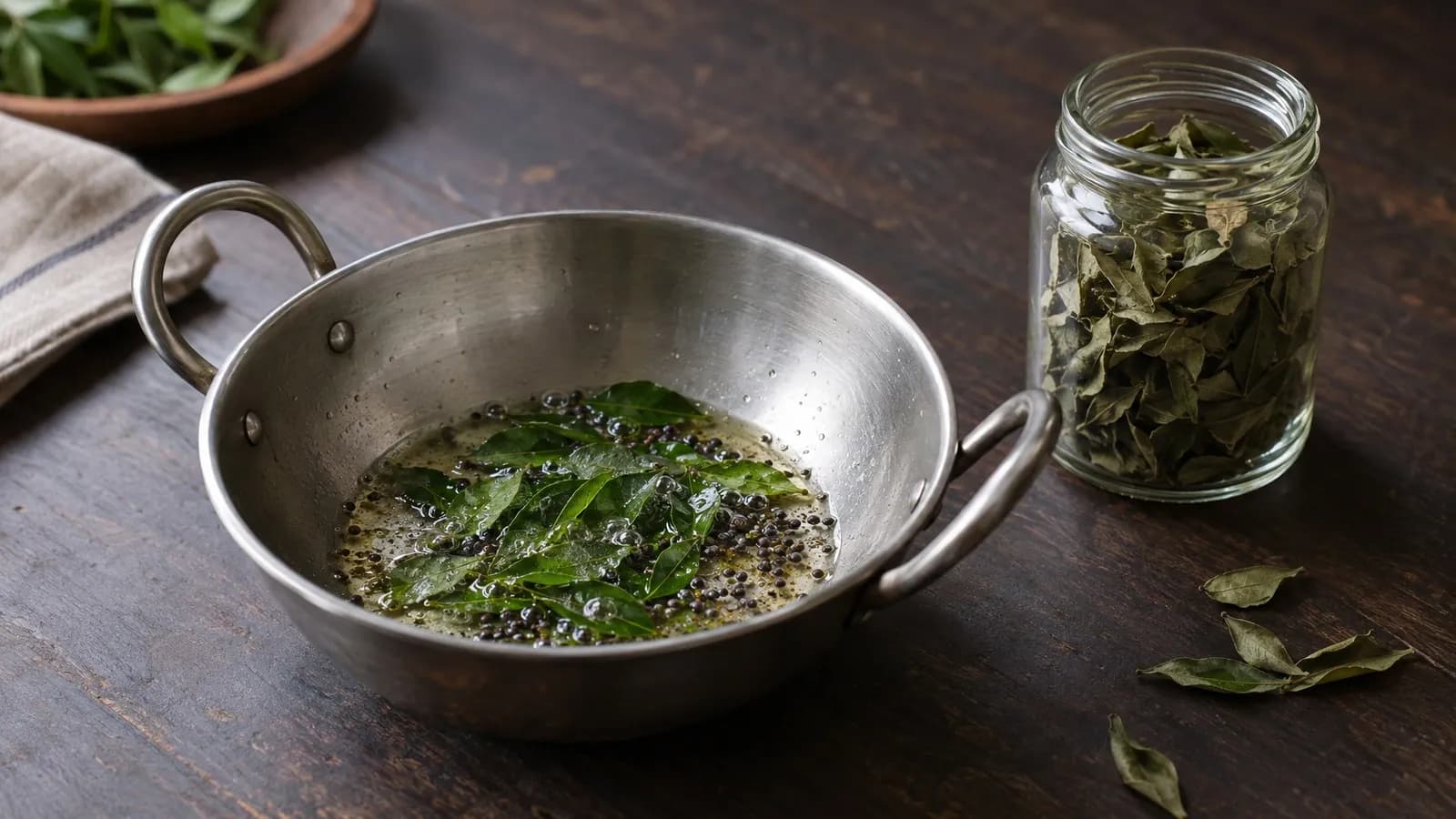
Kadi patta benefits for diabetes: what the research shows

Kadi patta benefits for diabetes, honestly: curry leaves flavour dal, rice and curries with almost no carbohydrate, but no study in people shows they lower blood sugar. What the 2021 and 2024 reviews found, the nutrition per teaspoon, and how to use the leaf.
24 Sept 2026by COWBERRY
9 minute read
Curry leaves benefits: what kadi patta offers and its side effects
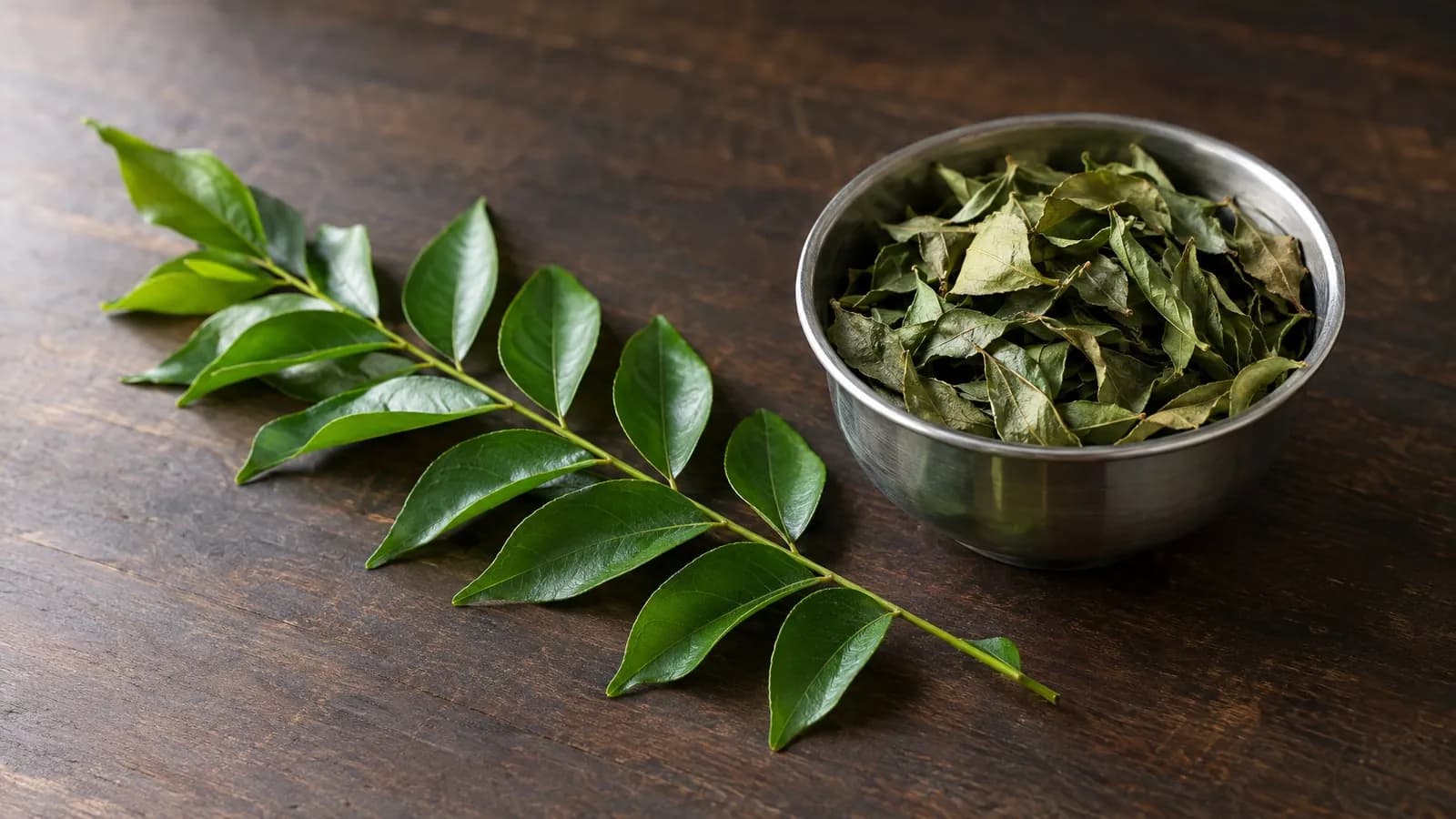
Curry leaves benefits: what kadi patta offers and its side effects

Curry leaves benefits, honestly: 659 mg calcium, 8.67 mg iron and 16.83 g fibre per 100 g (IFCT 2017), the Ayurvedic record, what the lab and animal studies suggest and what is not shown in people. Then the side effects, the daily amount and how to eat the leaf.
23 Sept 2026by COWBERRY
8 minute read
Curry leaves (kadi patta): names, nutrition, benefits and uses
Curry leaves (kadi patta): names, nutrition, benefits and uses

Curry leaves (kadi patta): the leaf's names in 13 Indian languages, its nutrition per 100 g (64 kcal, 16.83 g fibre, 659 mg calcium, 8.67 mg iron, IFCT 2017), benefits and side effects, storage, powder and the lemon rice recipe.
22 Sept 2026by COWBERRY
10 minute read
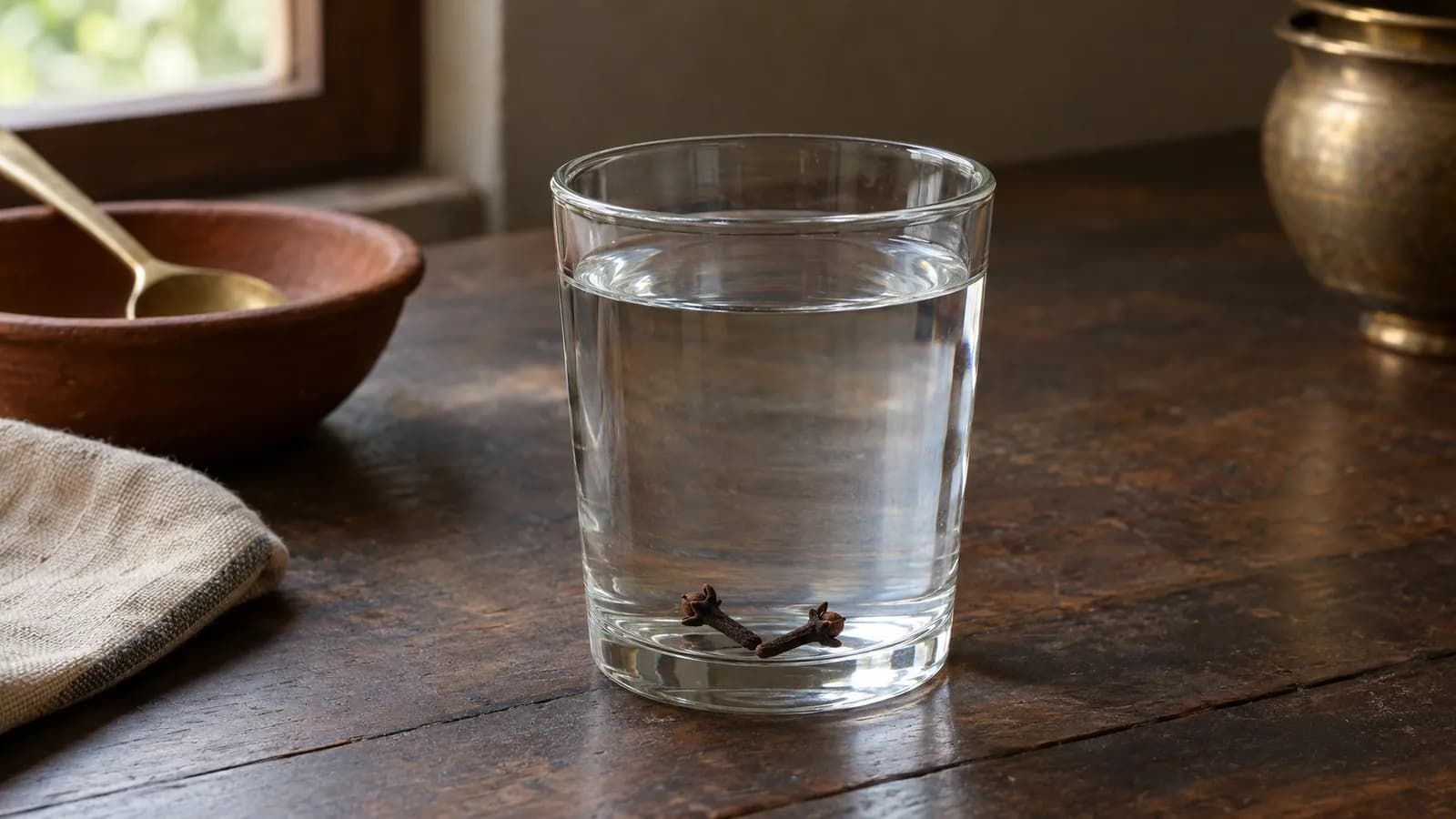
Cloves water benefits (and how to make laung ka pani)
Cloves water benefits (and how to make laung ka pani)

Cloves water benefits, each with its source: the clove reviews' laboratory findings, the per-glass numbers from two soaked buds, the overnight method with timings, and the honest line on laung water side effects.
17 Sept 2026by COWBERRY
7 minute read
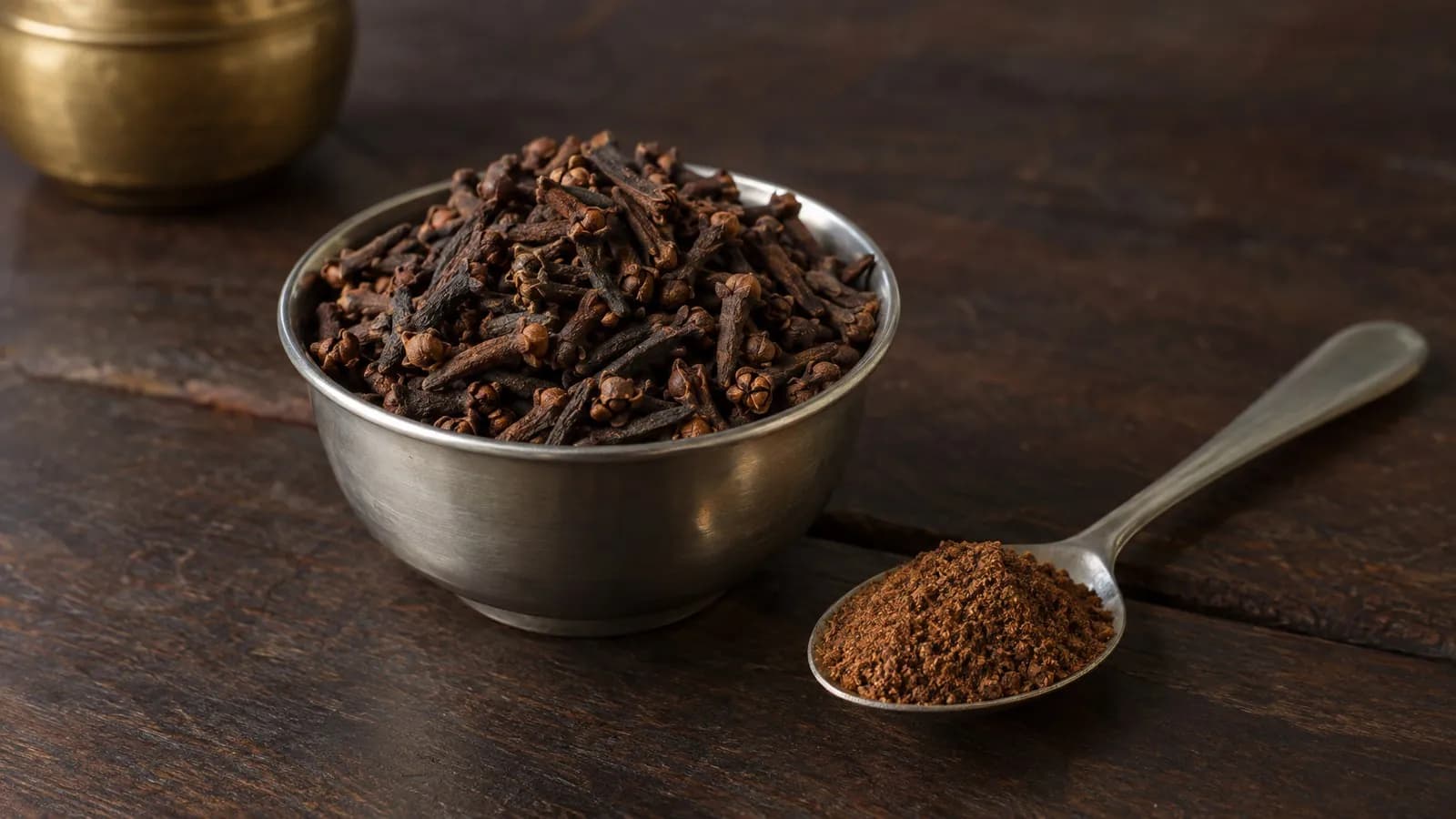
Cloves nutrition facts 100g: calories, protein and per-clove amounts
Cloves nutrition facts 100g: calories, protein and per-clove amounts

Cloves nutrition facts 100g from IFCT 2017: 187 kcal, 5.86 g protein, 34.52 g fibre, 567 mg calcium. Then the honest per-clove, per-teaspoon and per-cup numbers, cloves against cumin seeds and black pepper, and why no GI value exists.
16 Sept 2026by COWBERRY
8 minute read
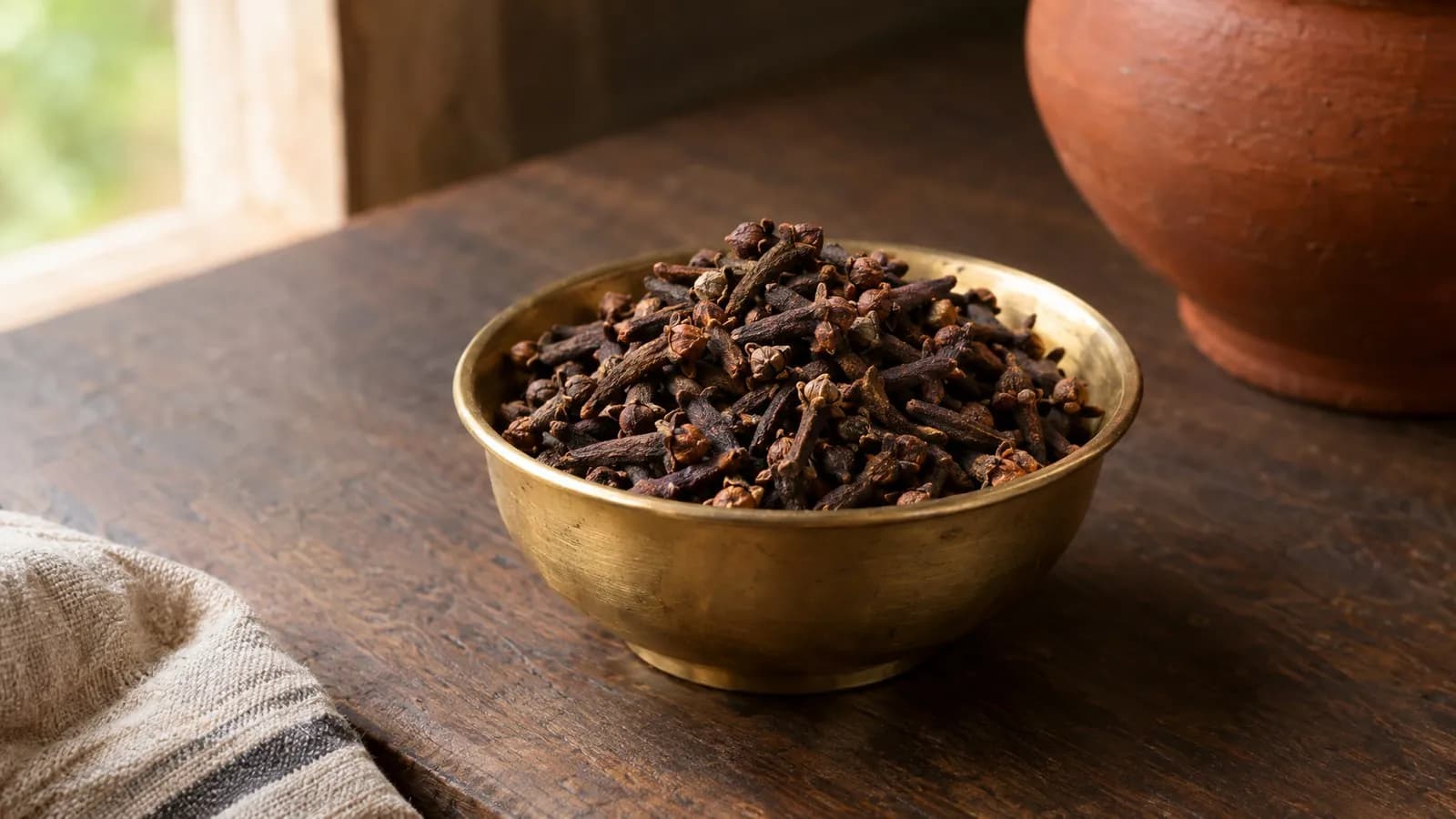
Laung in English (cloves): names in Hindi and Indian languages
Laung in English (cloves): names in Hindi and Indian languages

Laung in English is cloves: the dried flower buds of Syzygium aromaticum. Every Indian name from IFCT 2017 in one table, Lavang to Krambu, plus the garlic mix-up cleared.
14 Sept 2026by COWBERRY
4 minute read
Can diabetic eat cloves? Carbs, GI and what research shows
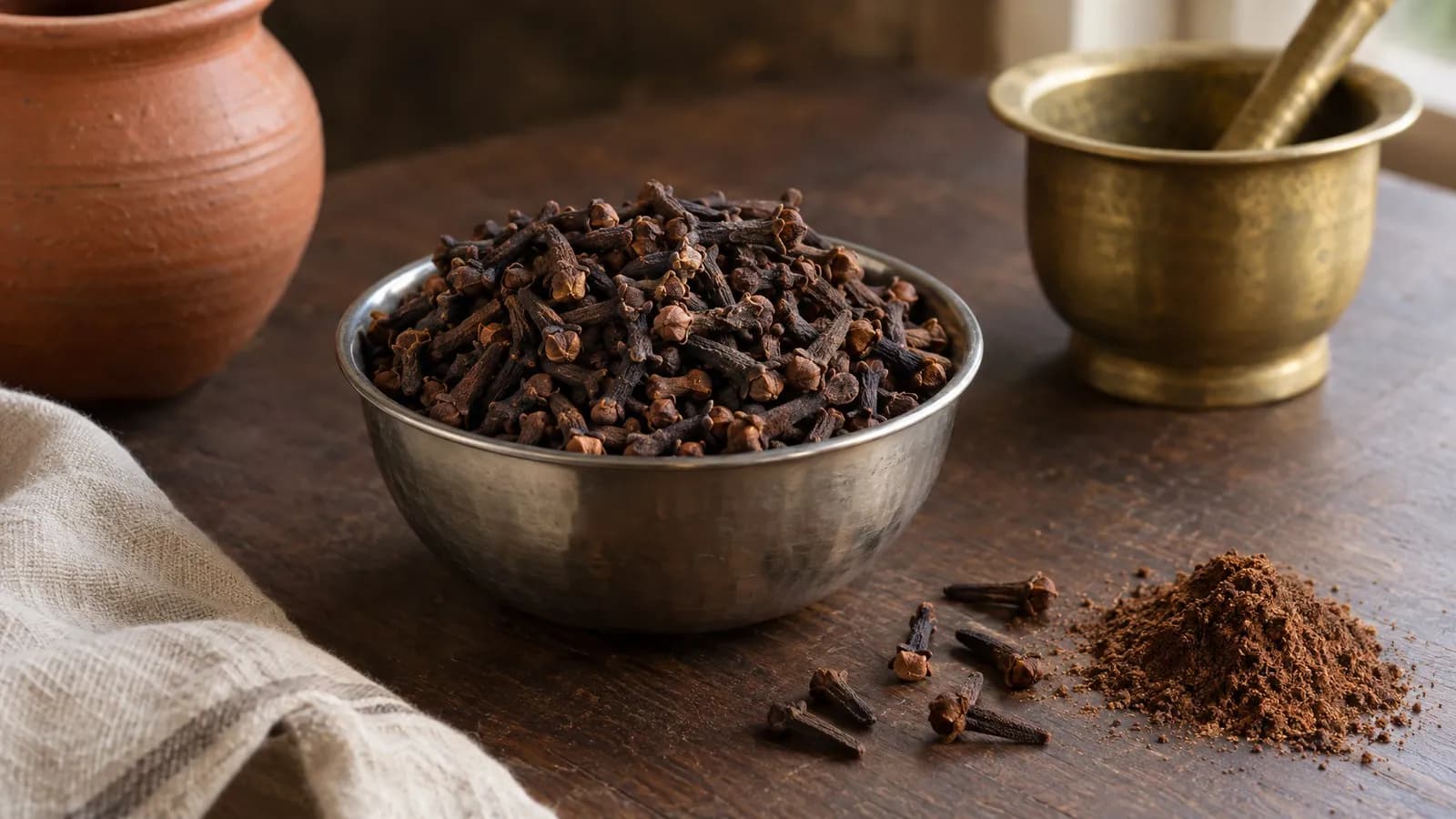
Can diabetic eat cloves? Carbs, GI and what research shows

Can diabetic eat cloves? Yes, as a spice in food, never as a medicine: no human study shows cloves lower blood sugar and no GI value exists. Carbs per clove from IFCT 2017, how much to use, what to avoid and when to talk to your doctor.
13 Sept 2026by COWBERRY
9 minute read
10 benefits of cloves (and its side effects)
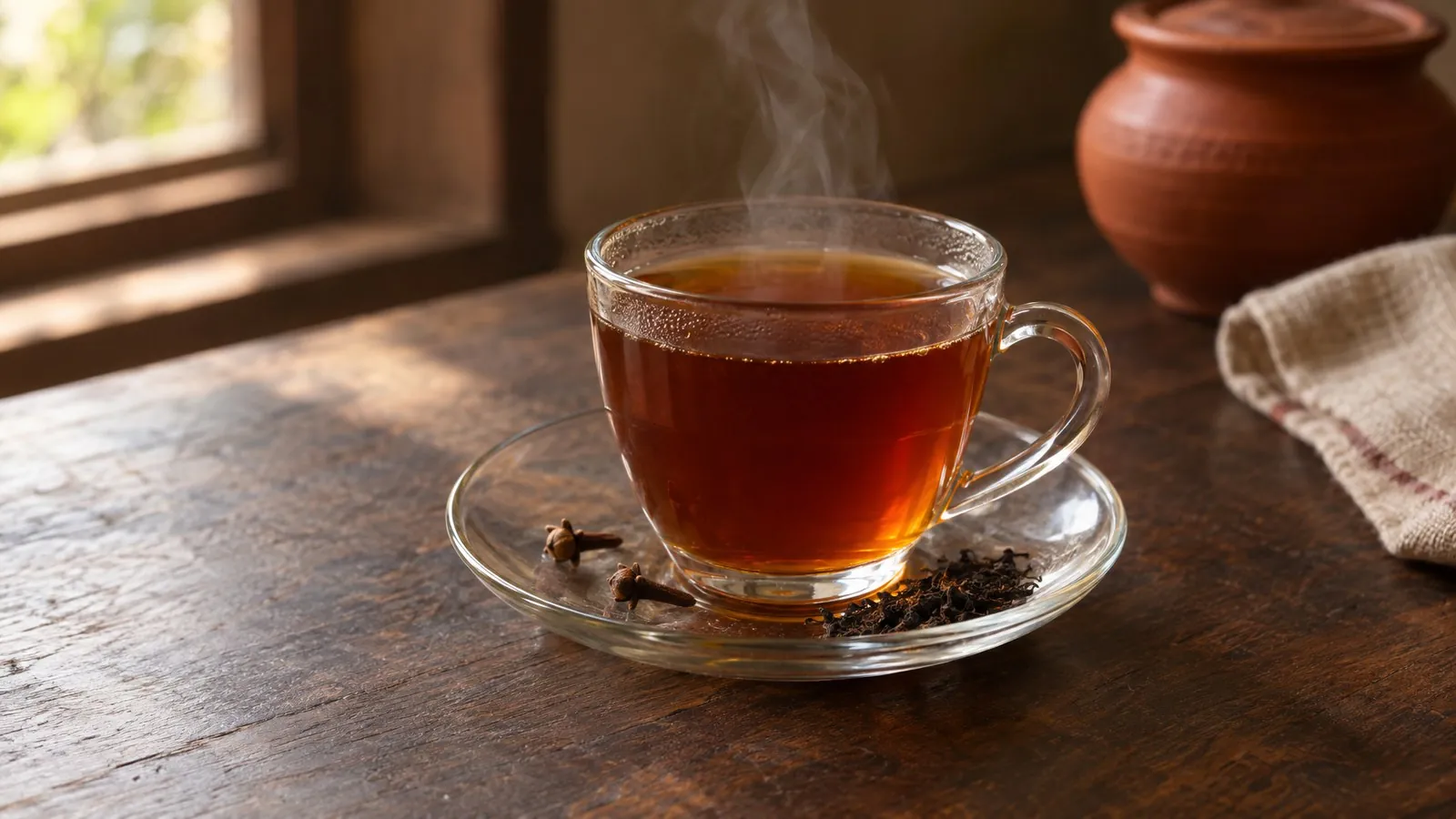
10 benefits of cloves (and its side effects)

Cloves benefits, each with the source behind it: antioxidant and antimicrobial activity from the clove reviews, the minerals per 100 g from IFCT 2017, and the honest line on what is not shown in people. Then cloves side effects and how much to use.
12 Sept 2026by COWBERRY
9 minute read
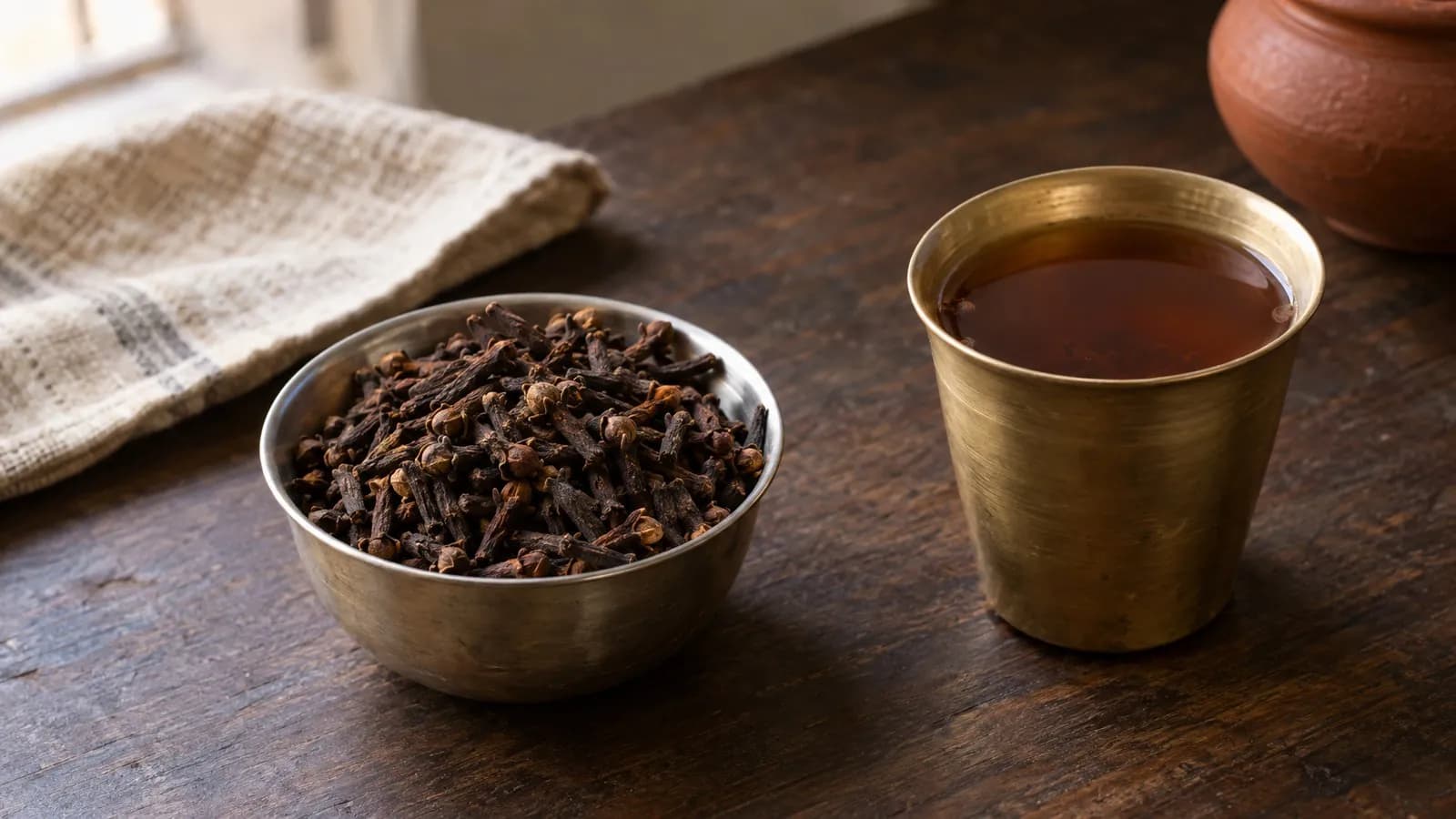
Cloves tea: benefits and how to make laung tea at home

Cloves tea: benefits and how to make laung tea at home

Cloves tea: which of the clove benefits actually apply to a cup of laung tea, the per-cup numbers from two buds, and the five-step method with timings, sugar-free.
11 Sept 2026by COWBERRY
7 minute read