membership background

Spices articles from COWBERRY

Featured

What Is Brown Sugar? Types, How It Is Made, Nutrition and Uses

What Is Brown Sugar? Types, How It Is Made, Nutrition and Uses

What is brown sugar: sugar with part of the cane's molasses kept in — 380 kcal and 98.1 g of carbohydrate per 100 g. Types (demerara, muscovado, light and dark), names, how it is made, nutrition, uses, storage and buying.
05 Aug 2026by COWBERRY
11 minute read

Fresh Blogs

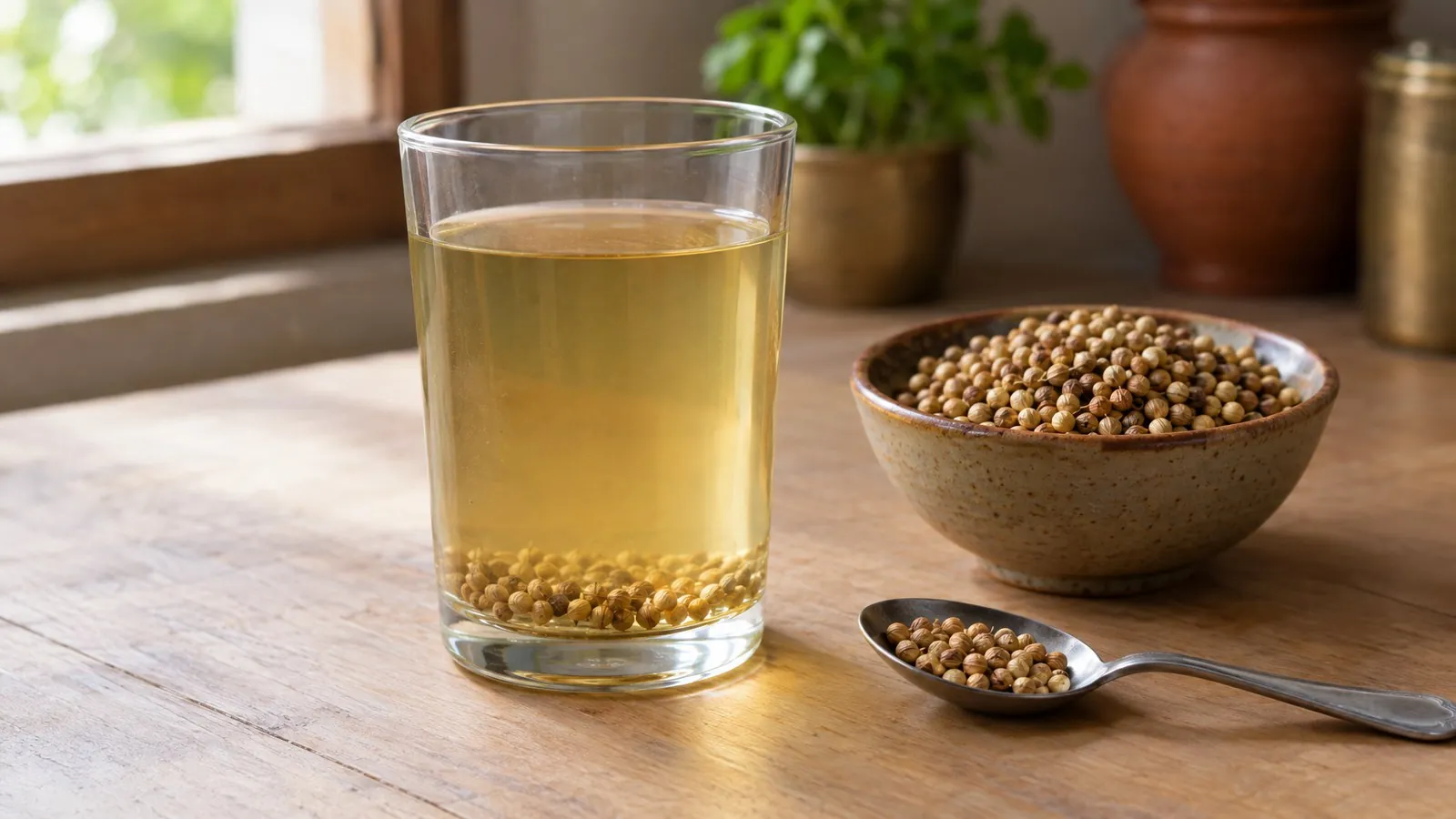
Coriander water benefits: what dhania water actually does

Coriander water benefits: what dhania water actually does

Coriander water benefits, answered honestly: the research reviewed here has no human trial showing coriander water does anything specific. Here is what is known about coriander, what one teaspoon of seeds holds, and how to make and drink the water.
05 Oct 2026by COWBERRY
7 minute read
Red rice vs brown rice: the fibre, GI and honest verdict
Red rice vs brown rice: the fibre, GI and honest verdict
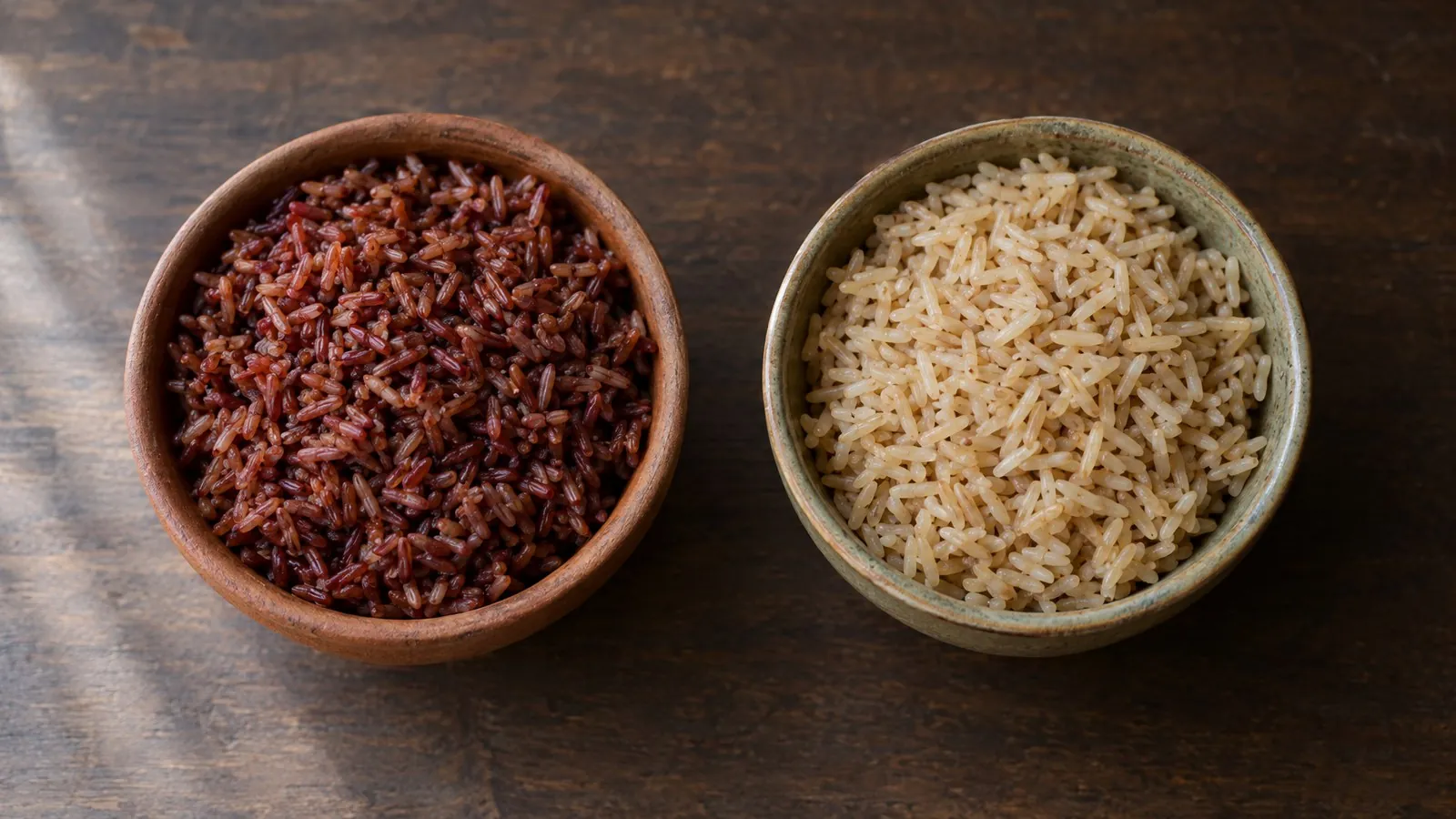
Red rice vs brown rice: brown rice lists more fibre and protein and an India-tested GI of 58, while red rice's seven foreign tests average 62. Side-by-side nutrition per 100 g, GI, cooking, cost and which to choose.
05 Oct 2026by COWBERRY
6 minute read

More Articles

Kali mirch nutritional value per 100g (black pepper)
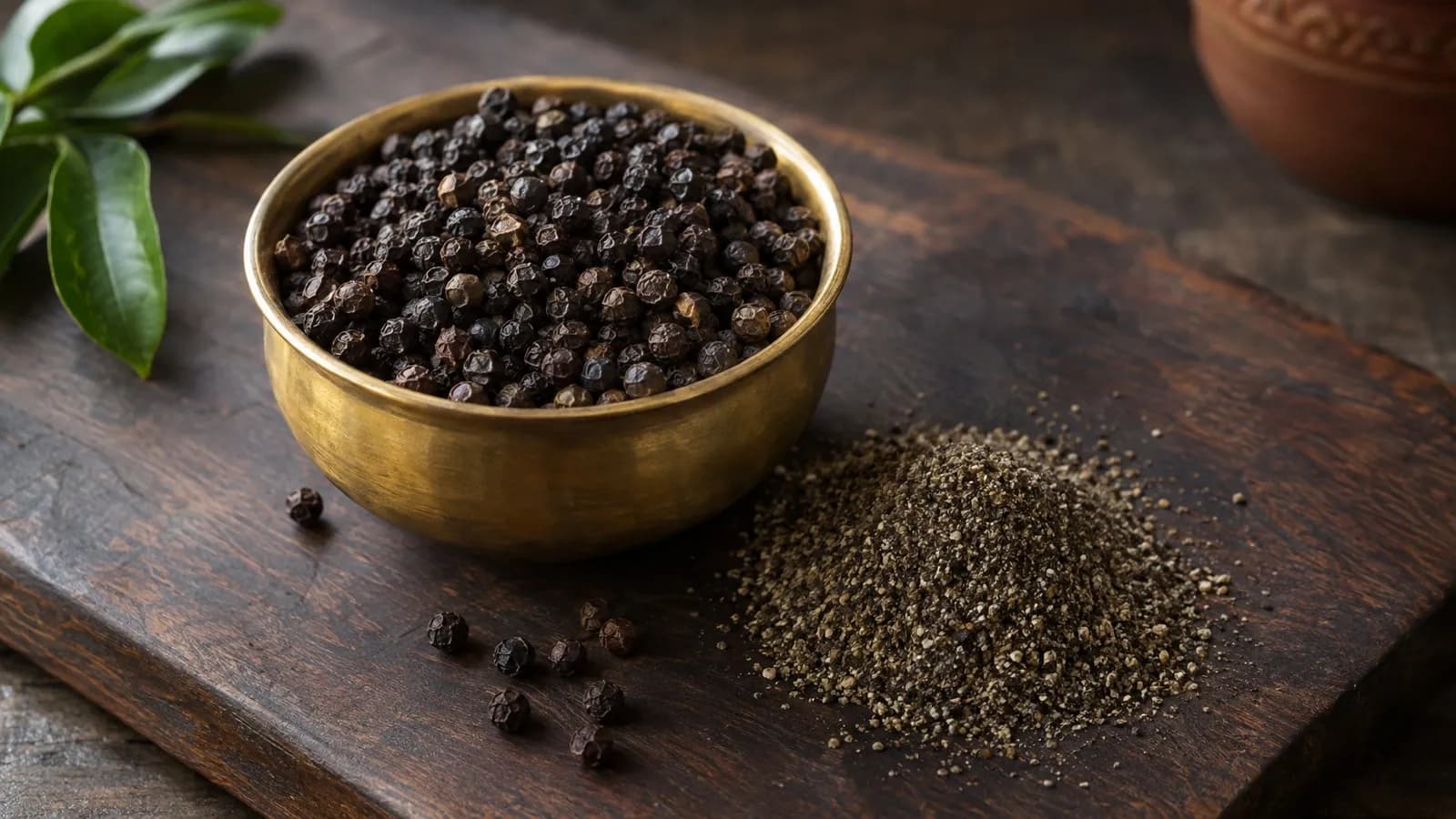
Kali mirch nutritional value per 100g (black pepper)

Kali mirch nutritional value per 100g (IFCT 2017): 218 kcal, 10.12 g protein, 33.16 g fibre, 11.91 mg iron, 405 mg calcium. Per teaspoon and tablespoon too, and black pepper against white pepper and cumin.
29 Aug 2026by COWBERRY
7 minute read
Kali mirch in English, Hindi and other Indian languages
Kali mirch in English, Hindi and other Indian languages

Kali mirch in English is black pepper, the dried berry of Piper nigrum. One table with every Indian name: Hindi Kalimirchi, Gujarati Mari, Marathi Mire, Bengali Golmarichi, Tamil Milagu, Telugu Miriyalu.
27 Aug 2026by COWBERRY
5 minute read
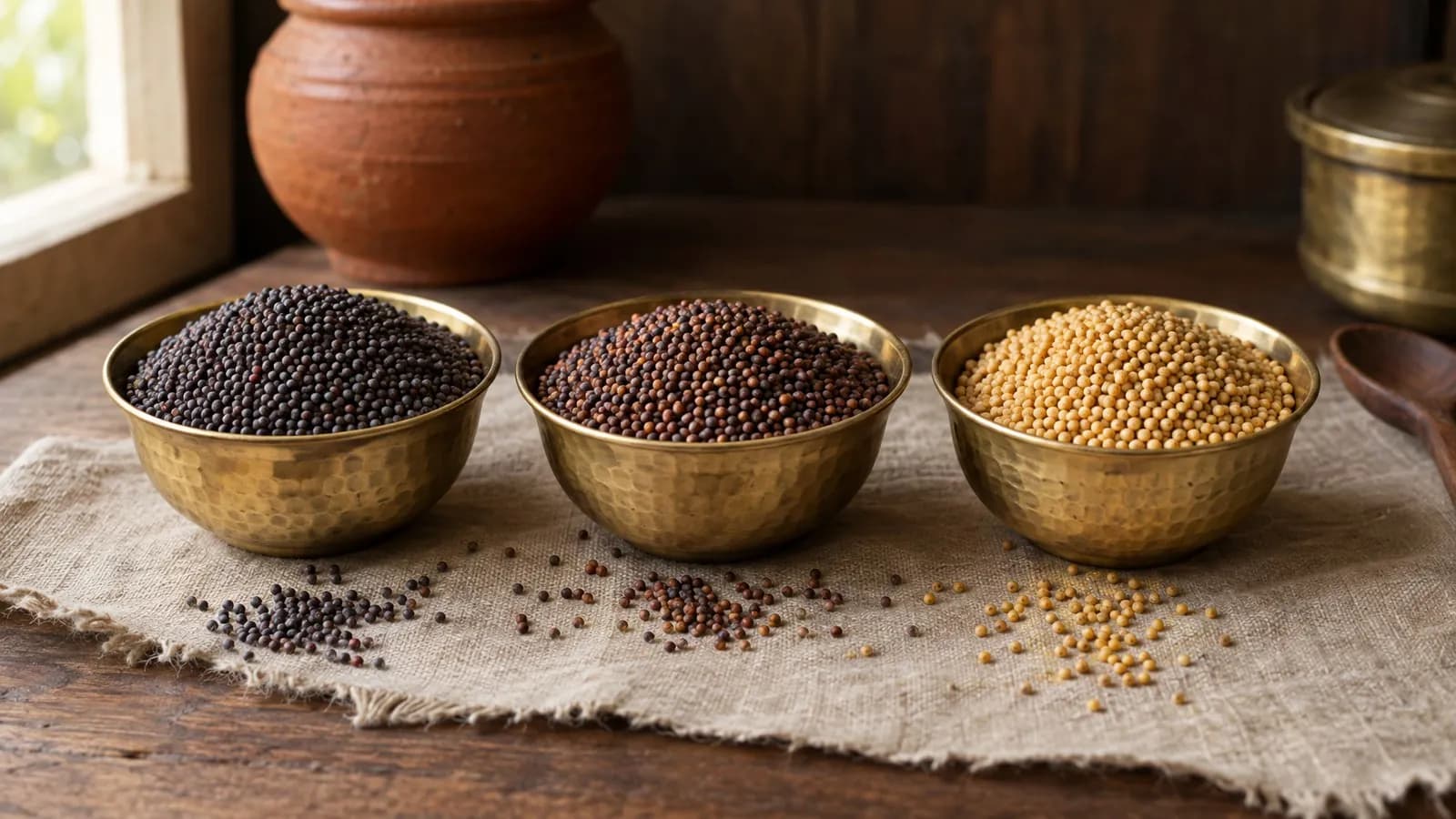
Mustard seeds types: yellow vs black, big vs small and which to use
Mustard seeds types: yellow vs black, big vs small and which to use

Mustard seeds types explained: black, brown and yellow mustard compared on size, heat and use, with the per 100 g numbers for the black seed and which rai fits pickles, tempering and curries.
27 Aug 2026by COWBERRY
8 minute read
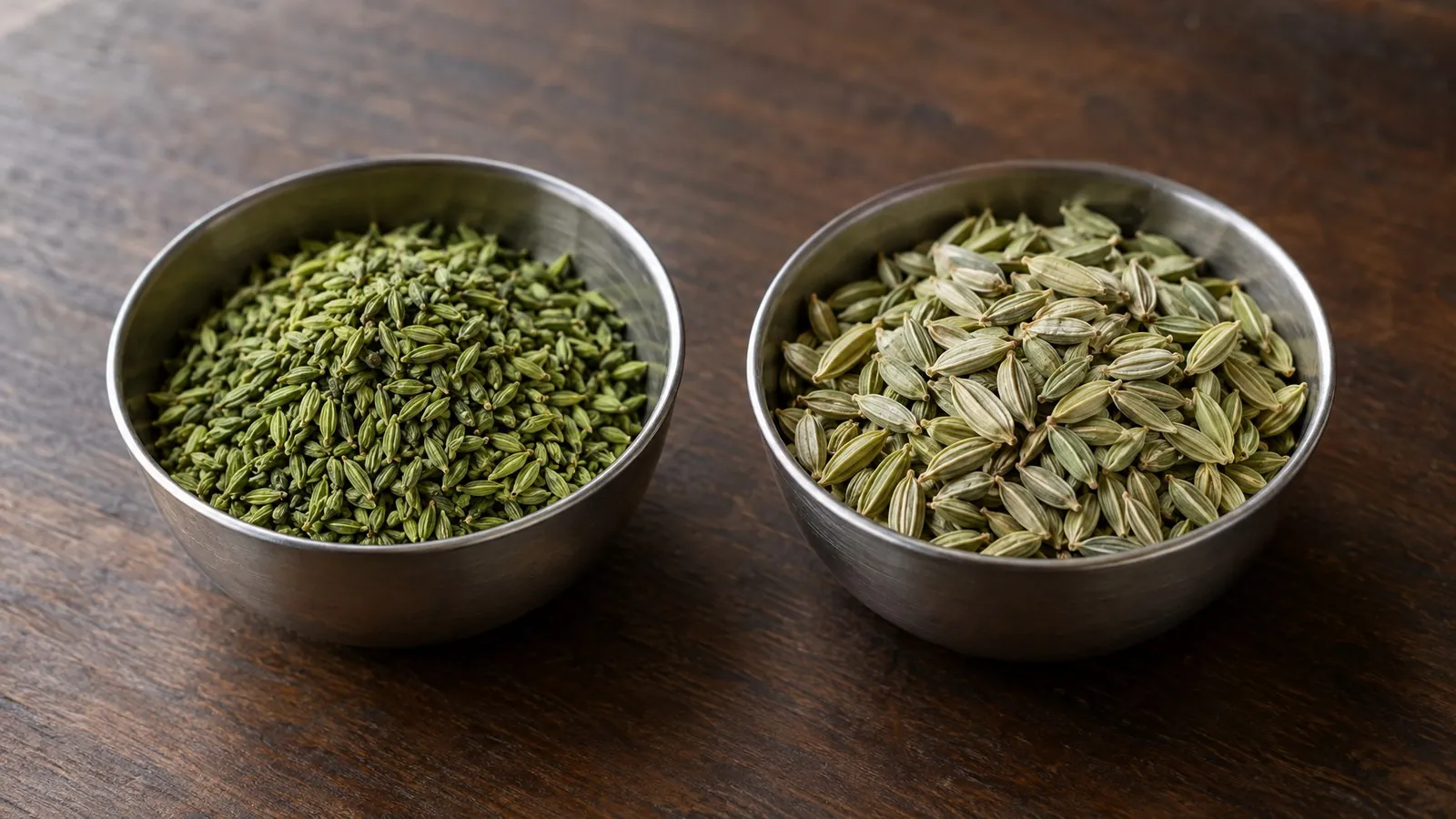
Which fennel seeds are good? Types of saunf and how to choose
Which fennel seeds are good? Types of saunf and how to choose

Which fennel seeds are good? Fresh, bright-green, even-coloured whole seeds, matched to the use: small green saunf for cooking, plump saunf for chewing. Big saunf, lucknowi saunf, nutrition per 100 g and per teaspoon.
26 Aug 2026by COWBERRY
8 minute read
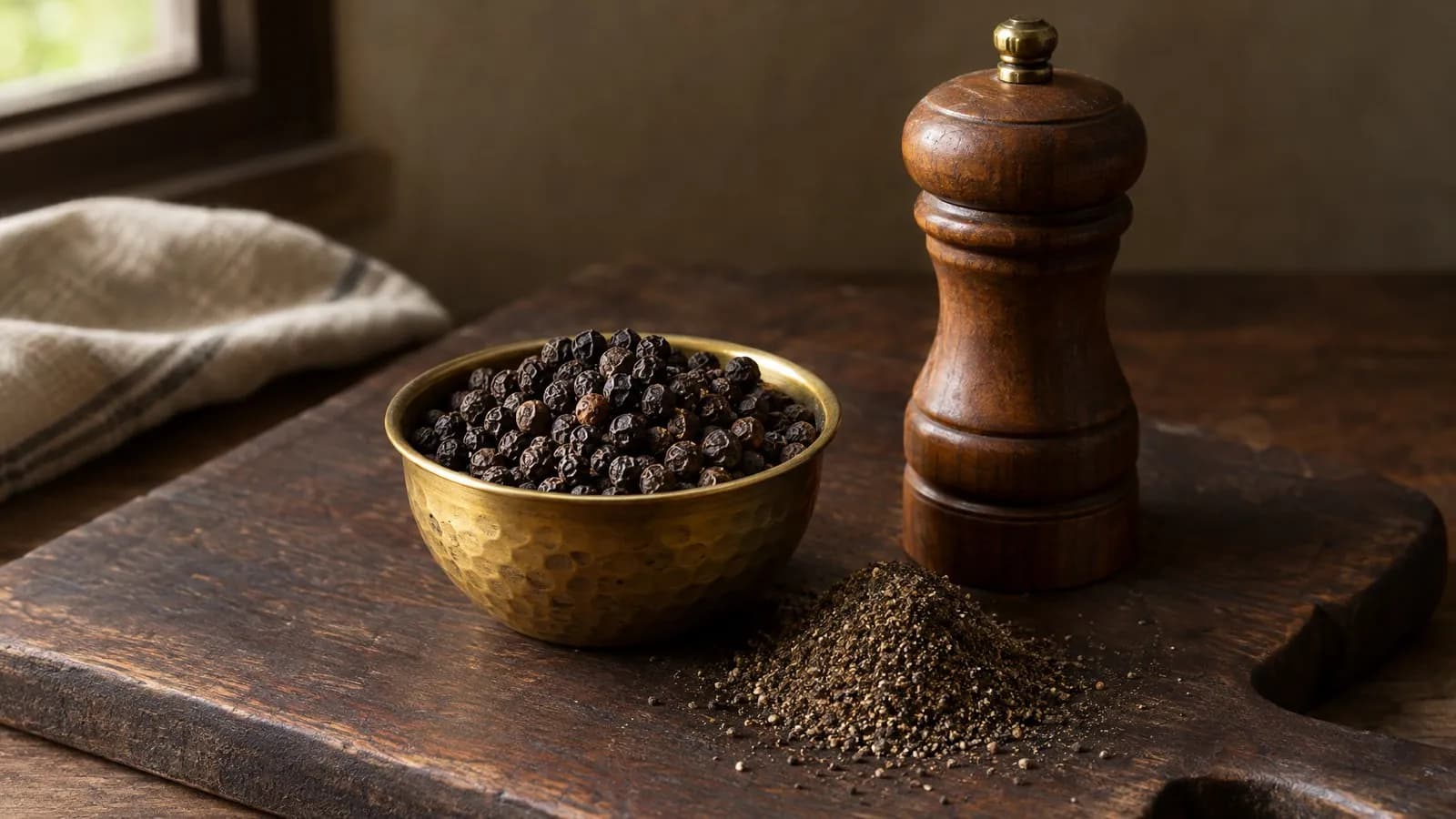
10 benefits of black pepper (and its side effects)
10 benefits of black pepper (and its side effects)

Black pepper benefits come in two sizes: the per-100 g numbers (10.12 g protein, 33.16 g fibre, 11.91 mg iron, IFCT 2017) and the per-pinch reality. Ten benefits with sources, the side effects, how much per day and how to eat it.
26 Aug 2026by COWBERRY
9 minute read
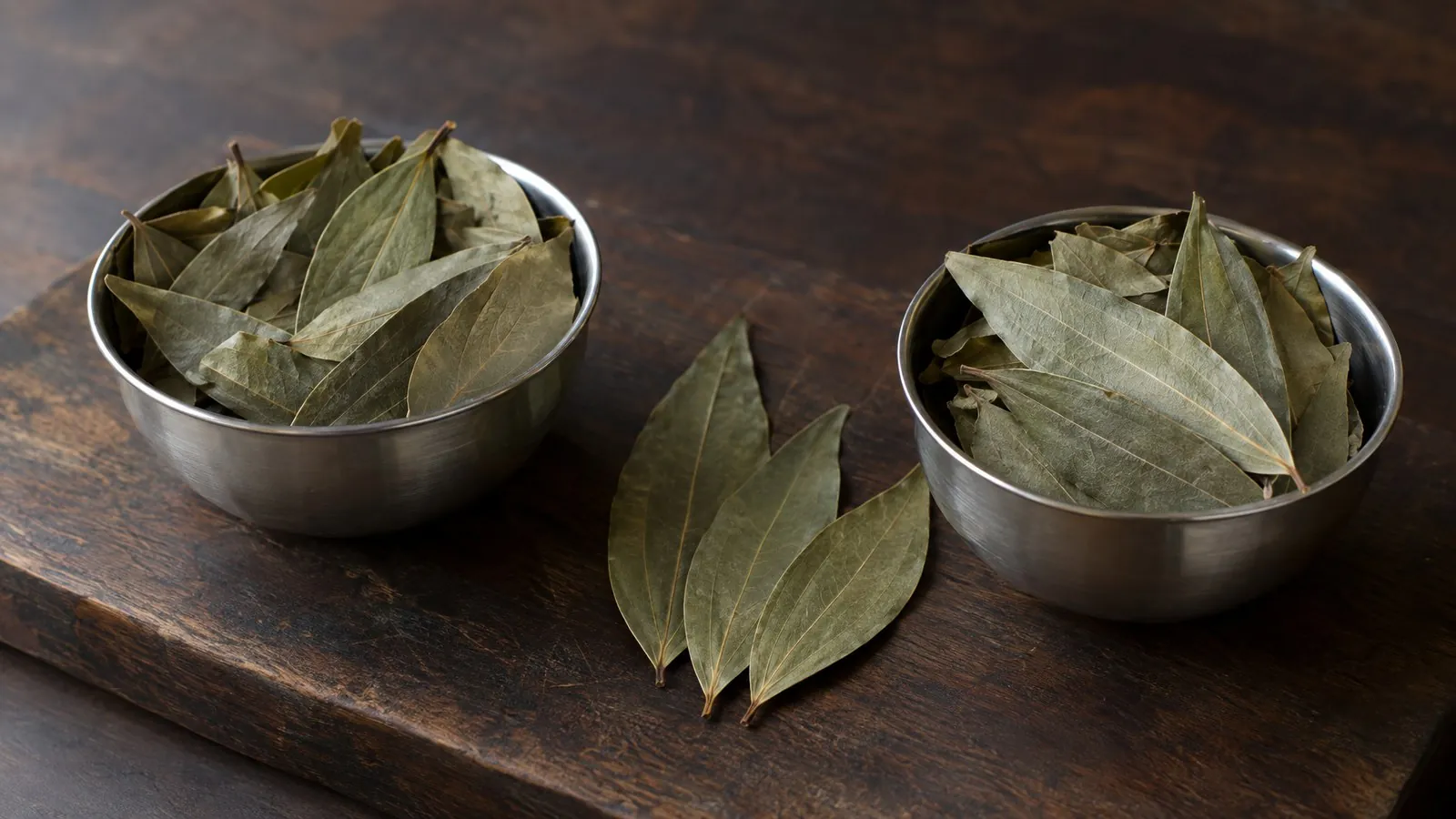
Tej patta vs bay leaf: the difference between them and uses
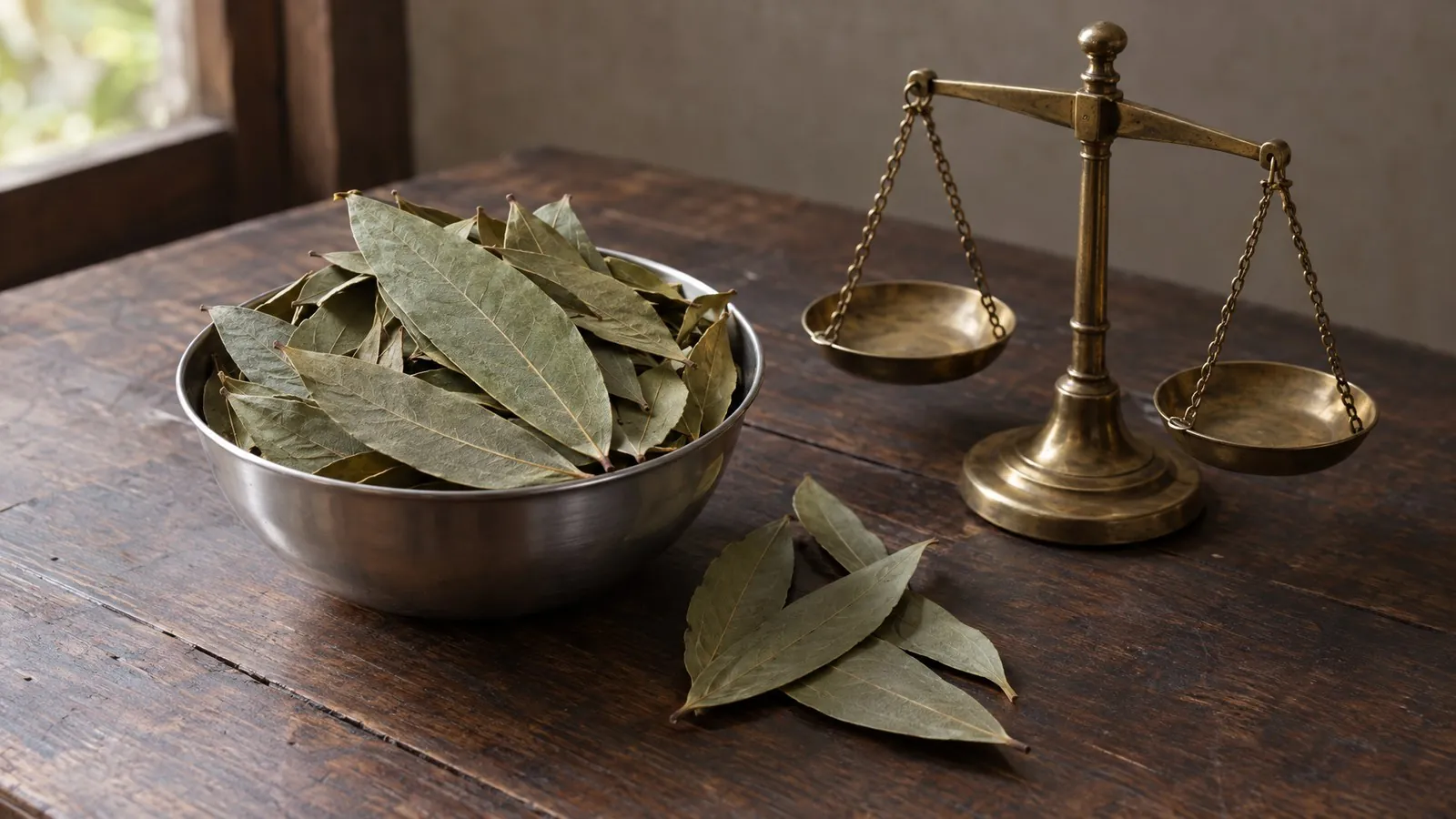
Tej patta vs bay leaf: the difference between them and uses

Tej patta vs bay leaf: one leaf in the kitchen, two trees in botany. The Hindi name, the Laurus nobilis vs Cinnamomum tamala split, which leaf the food tables record, and how to cook and buy each.
25 Aug 2026by COWBERRY
7 minute read
Bay leaf nutrition facts 100g: calories, fibre and what one leaf adds
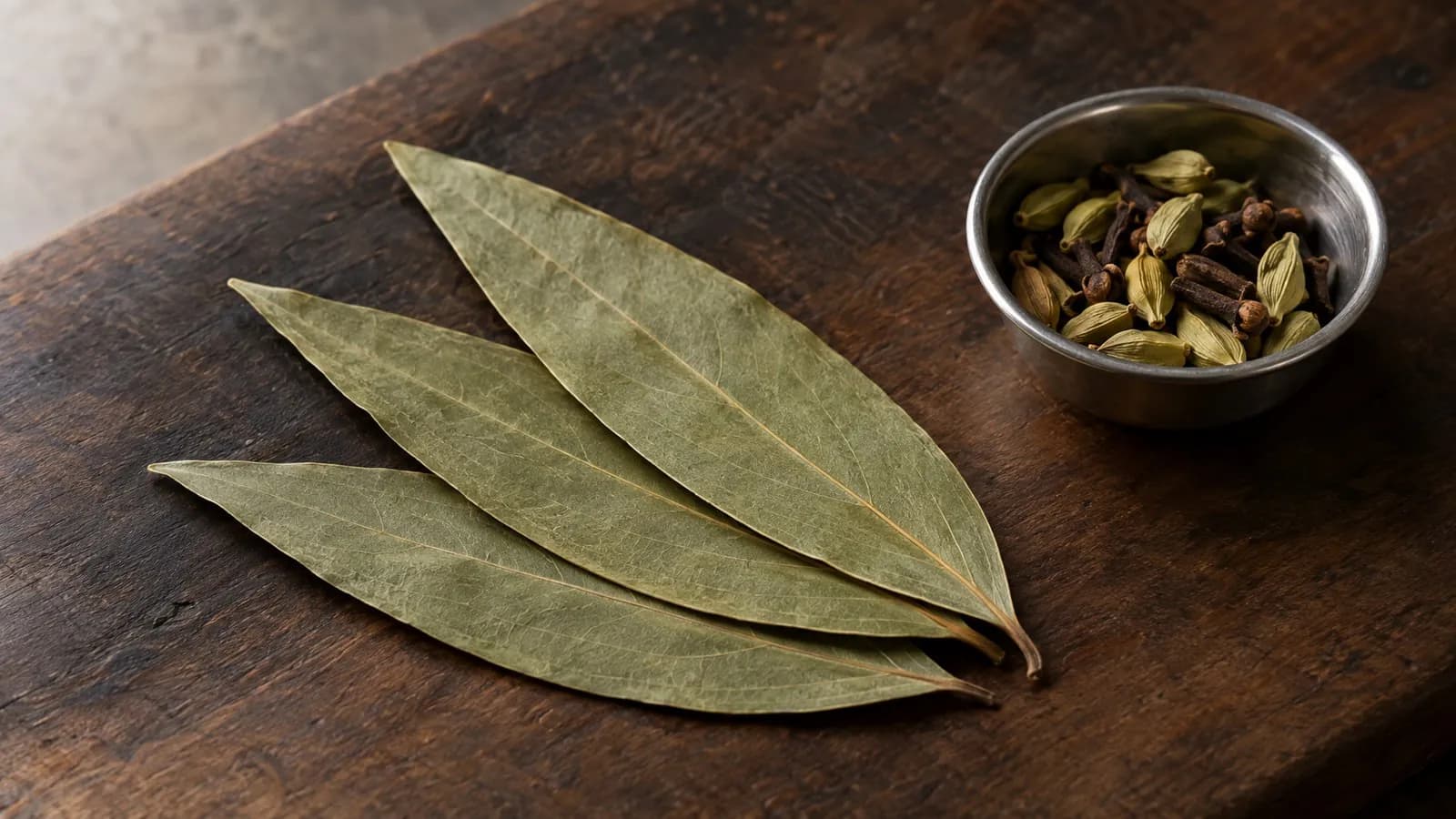
Bay leaf nutrition facts 100g: calories, fibre and what one leaf adds

Bay leaf nutrition facts 100g: the USDA record prints 313 kcal, 75.0 g carbohydrate, 26.3 g fibre, 43.0 mg iron and 834 mg calcium per 100 g of the dried European leaf. The catch: the leaf comes out before serving, so the real serving is 1 g of ground leaf, about 3 kcal.
24 Aug 2026by COWBERRY
7 minute read
Tej patta in English: bay leaf names in Hindi and Indian languages
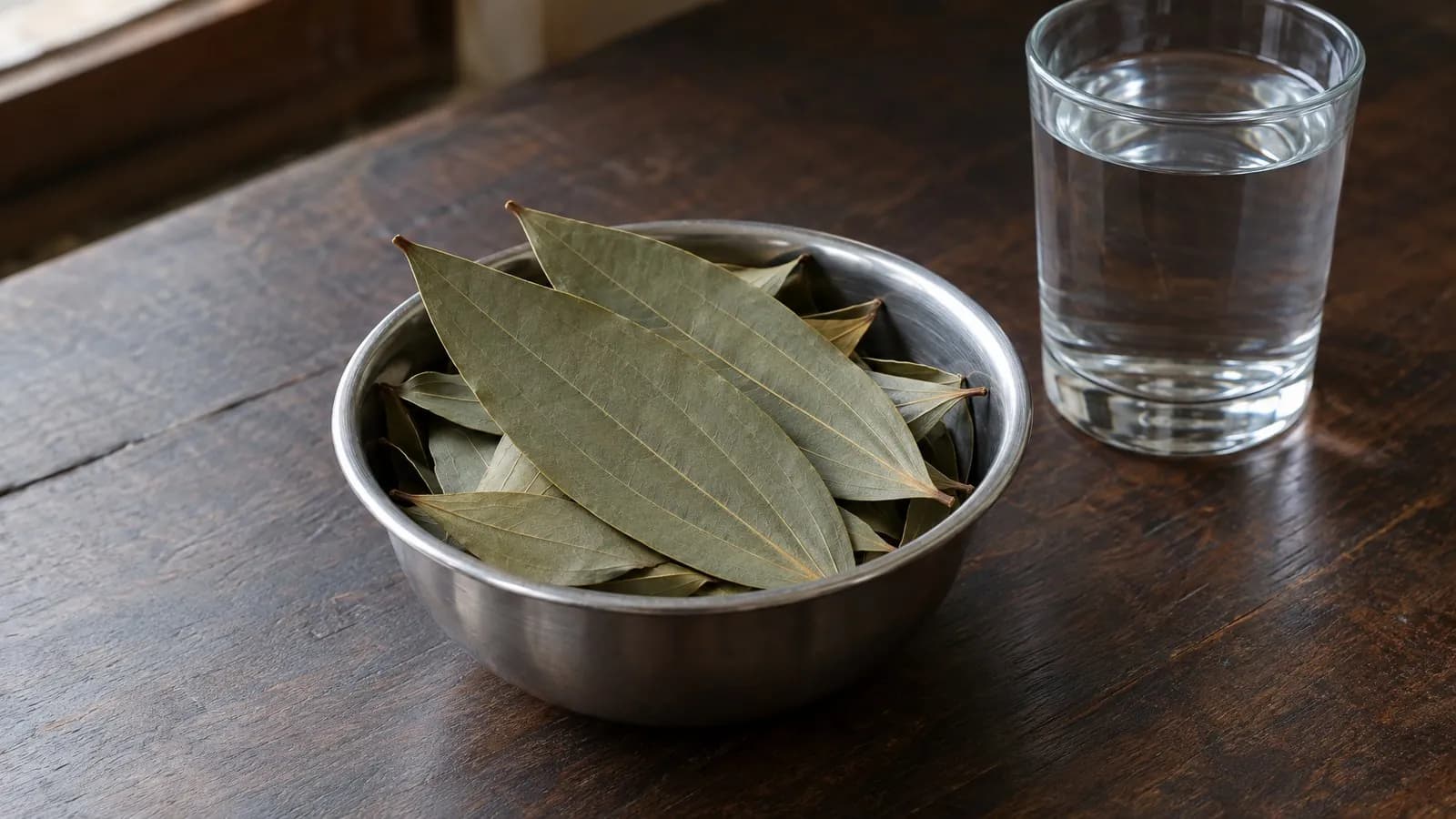
Tej patta in English: bay leaf names in Hindi and Indian languages

Tej patta in English is bay leaf. The Hindi name is tej patta, also written tejpat, the botanical name of the European bay leaf is Laurus nobilis, and the Indian leaf grows on Cinnamomum tamala. Every name with its source.
22 Aug 2026by COWBERRY
6 minute read
Is bay leaf good for diabetes? Blood sugar, lipids and how to take it
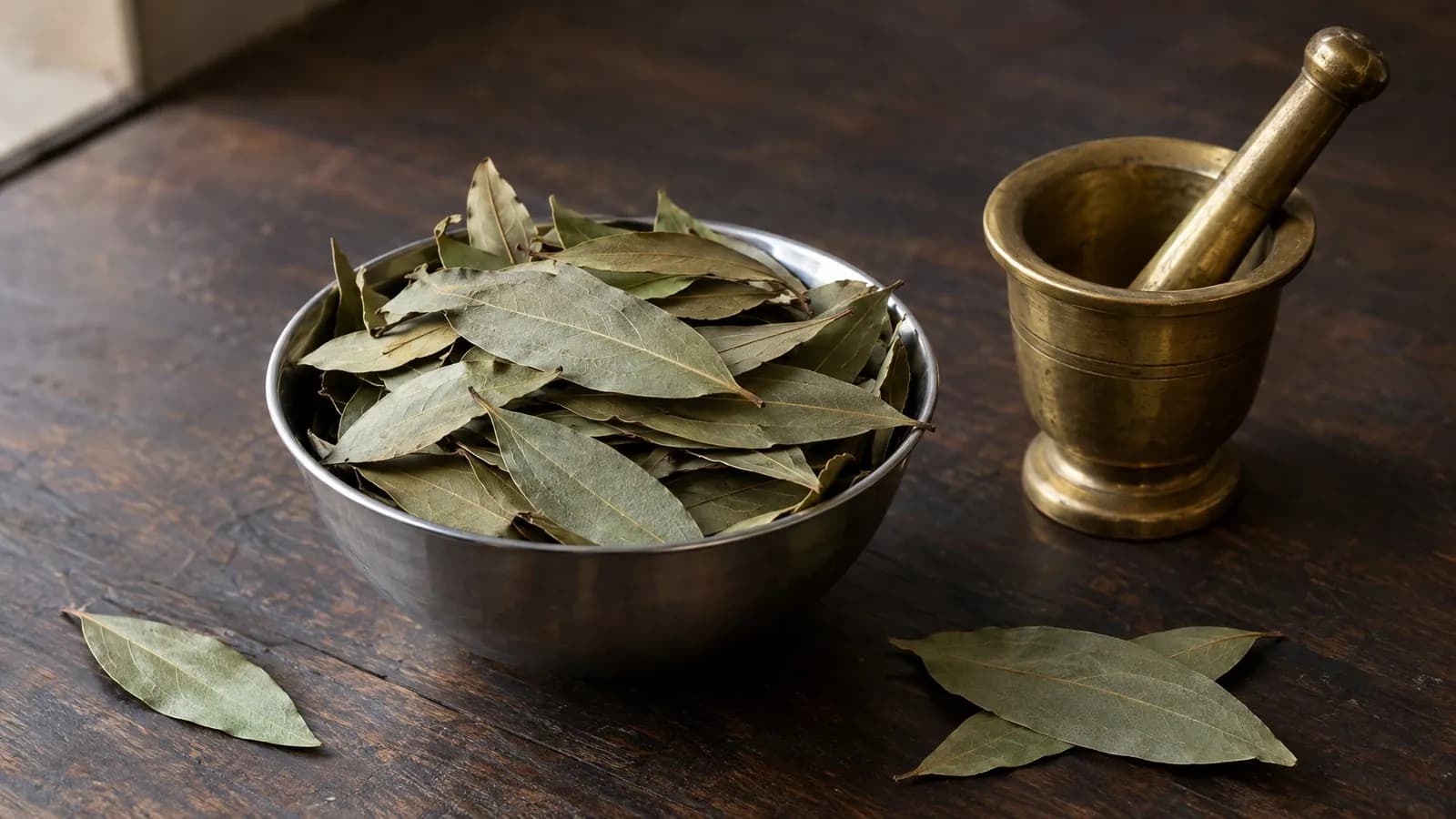
Is bay leaf good for diabetes? Blood sugar, lipids and how to take it

Is bay leaf good for diabetes? The honest answer: one small 2009 trial of ground bay leaf capsules lowered fasting glucose, total cholesterol and LDL in forty people over 30 days; its limits, and why the leaf in food is untested.
21 Aug 2026by COWBERRY
6 minute read
Tej patta benefits: uses, side effects and what research says
Tej patta benefits: uses, side effects and what research says

Tej patta benefits, honestly split: what the 2009 trial showed in forty people over 30 days, what traditional spice use adds, and the weight loss, hair and tea claims the studies do not test.
20 Aug 2026by COWBERRY
7 minute read
Difference between tamarind and malabar tamarind: taste and uses
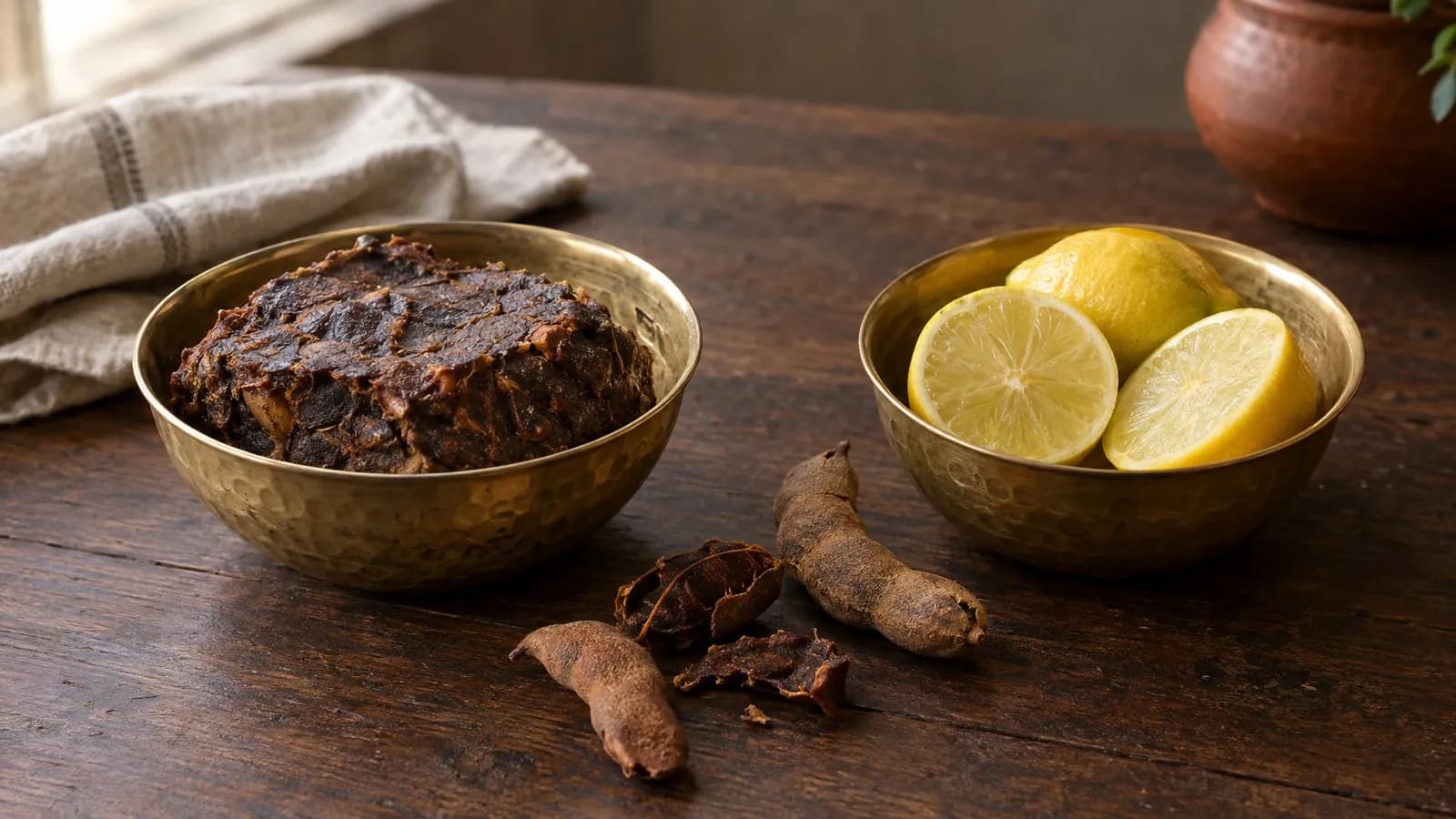
Difference between tamarind and malabar tamarind: taste and uses

Difference between tamarind and malabar tamarind: tamarind (imli) is documented with a full IFCT entry and kokum is not. Nutrition, taste, cooking, cost, and where lemon fits as the third souring option.
19 Aug 2026by COWBERRY
8 minute read
Amchur vs tamarind: taste, nutrition and which souring agent to use

Amchur vs tamarind: taste, nutrition and which souring agent to use

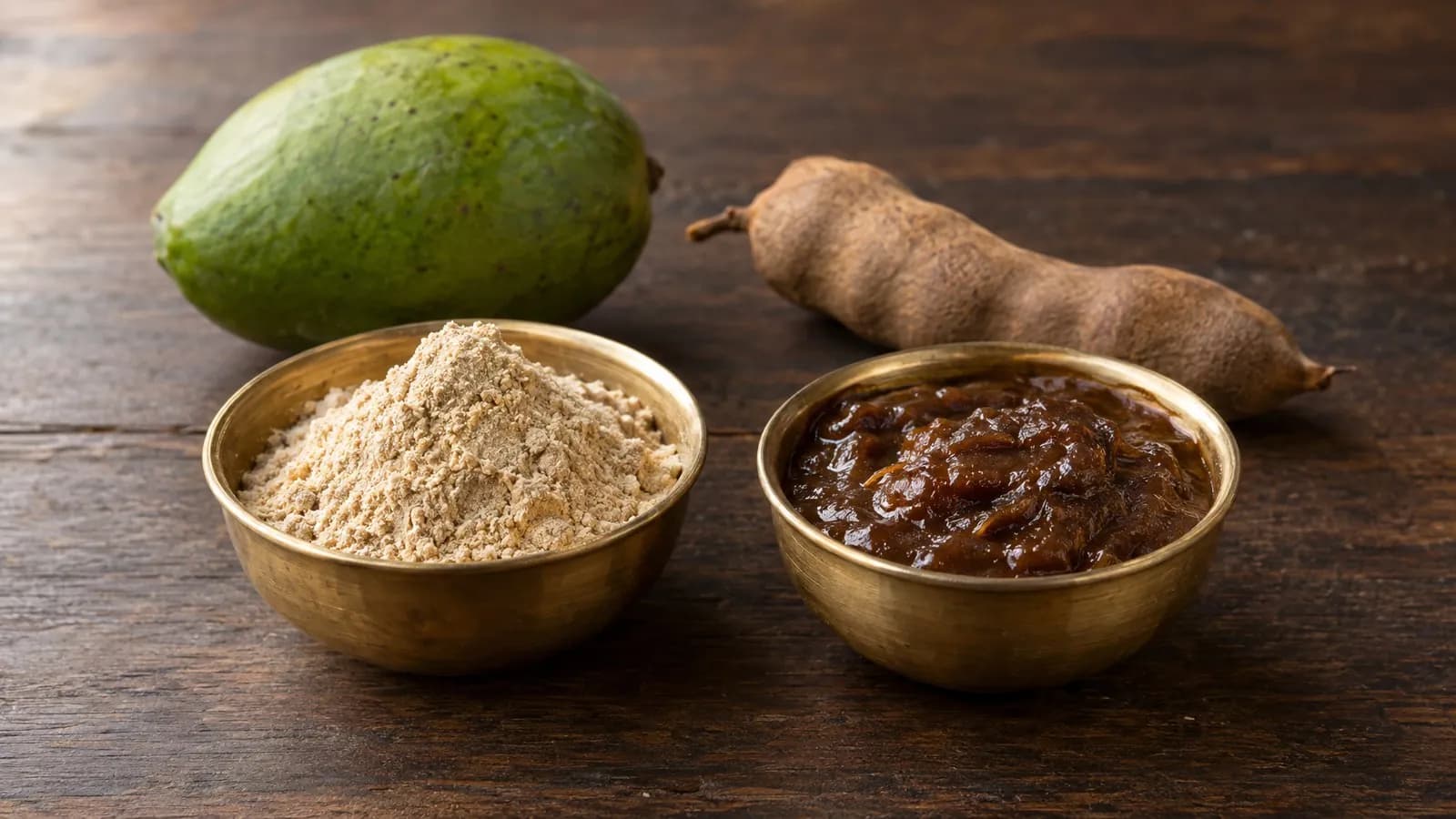
Amchur vs tamarind: dry mango powder against soaked tamarind pulp — form, taste, measured nutrition (tamarind per 100 g) and which sour fits which dish.
19 Aug 2026by COWBERRY
6 minute read