by COWBERRY

4 minute read
Laung in English (cloves): names in Hindi and Indian languages

Laung in English is cloves: the dried flower buds of the clove tree, Syzygium aromaticum. The same spice answers to different names across India: Lavang in Hindi, Krambu in Tamil, Long in Punjabi. This page lists every name from the IFCT 2017 tables, with the everyday spellings, and clears the confusion with garlic. The full story is on the cloves guide.
Laung in English: the short answer
Laung in English is cloves, and the name printed in the tables is "Cloves" with the s: the dried flower buds of the clove tree, whose botanical name is Syzygium aromaticum. Laung's meaning in English is exactly that, one word for one spice, the dark brown bud that goes into dals, biryanis and chai. Hindi's printed spelling is Lavang, and laung is the everyday form; both point to the same jar. The full guide to the spice is on the cloves hub.
Clove names across Indian languages
The table below is the IFCT 2017 local-names list for cloves. Notice the families within it: Lavang serves Hindi, Marathi and Gujarati; Long covers Punjabi, Assamese and Urdu; Tamil and Malayalam share Krambu; Kannada and Sanskrit both print Lavanga; Telugu prints Lavangu; Bengali prints Lobong and Odia prints Labang. Laung, the everyday spelling, sits with the Lavang family, and the table notes it under Hindi.
| Language | Name (romanised) |
|---|---|
| English | Cloves |
| Hindi | Lavang, Laung |
| Marathi | Lavang |
| Gujarati | Lavang |
| Punjabi | Long |
| Bengali | Lobong |
| Odia | Labang |
| Assamese | Long |
| Kannada | Lavanga |
| Telugu | Lavangu |
| Tamil | Krambu |
| Malayalam | Krambu |
| Urdu | Long |
| Sanskrit | Lavanga |
| Botanical name | Syzygium aromaticum |
Source: IFCT 2017 (ICMR-NIN) local-names list. — means no name recorded in the source.
Hindi ‘Laung’: spelling variant of the IFCT 2017 name ‘Lavang’.
Why the same spice has two names
Two names, one spice. The name in English is cloves, which is what the jar says; the name in Hindi is laung, printed Lavang in the tables, which is what the kitchen says. The spice has no other English name printed in the tables, and every other Indian name in the list above is a local spelling of the same bud, so a recipe calling for Krambu, Long or Lobong is asking for the same thing a recipe calling for cloves asks for. Nothing changes between the names, not the bud, not the dish and not the amount. Buying works the same way: whether the packet says cloves, laung or lavang, the contents are the same dried buds, so judge the bud, not the spelling.
Often confused with: a garlic clove
The English word "clove" pulls double duty, and the two foods it names have nothing in common. The spice on this page is the dried flower bud of the clove tree, Syzygium aromaticum. A garlic clove, the other use of the word, is a piece of a garlic bulb, a different plant used as a different ingredient. Hindi keeps the two apart, since garlic carries its own name and only the spice is laung. A recipe that says "2 cloves" usually means the spice bud; "2 garlic cloves" means the garlic.
Where clove trees grow
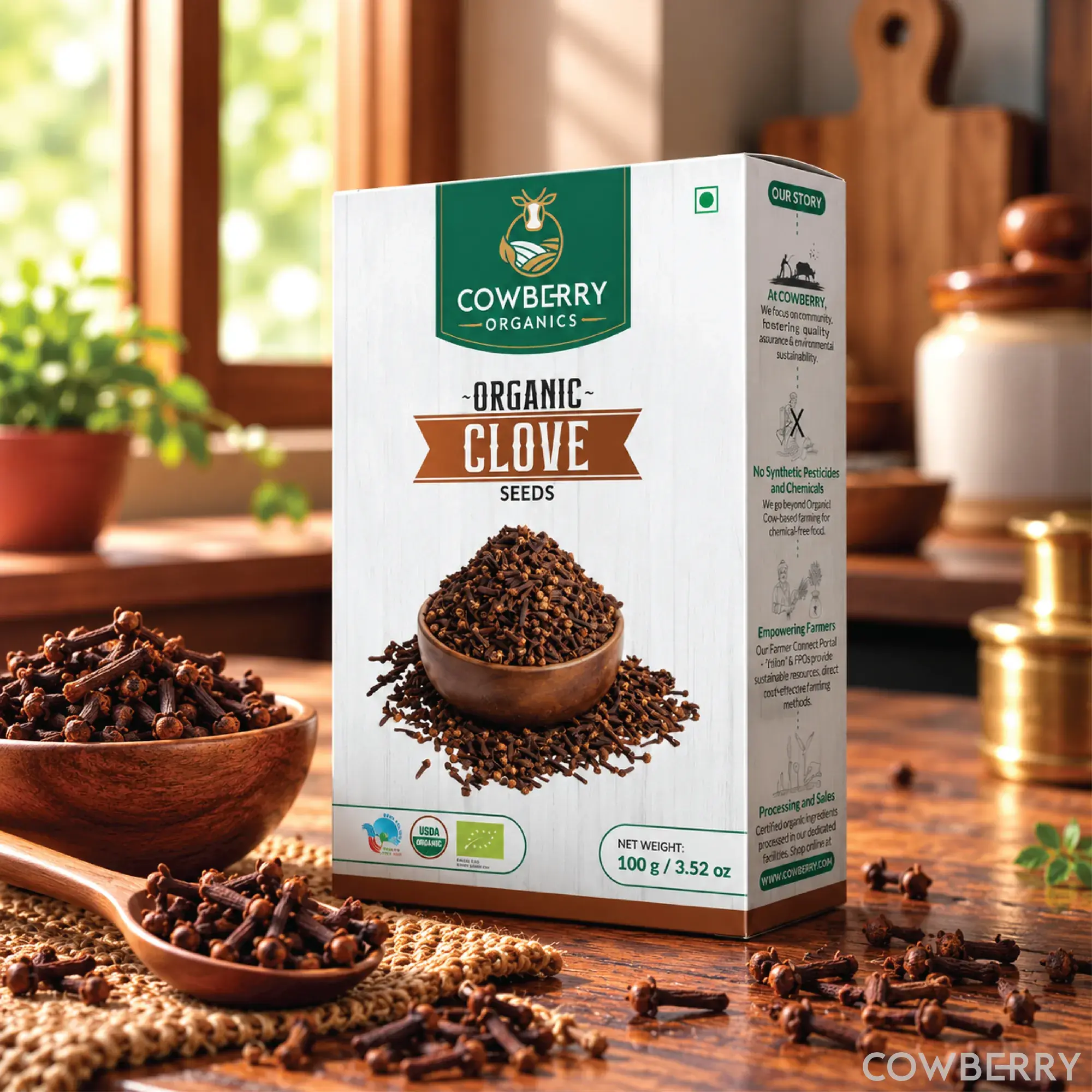
Kerala is known for its spice gardens, and its warm coastal climate suits the clove tree. The buds for COWBERRY's jar are organically grown in Kerala without synthetic pesticides, dried at the right stage and packed at peak freshness to hold their aroma, and the whole cloves are sun-dried. The same tree, Syzygium aromaticum, stands behind every name on this page, whichever language says it.
FAQs
What is laung called in english?
Laung is called cloves in English, printed as "Cloves" in the tables: the dried flower buds of the clove tree, Syzygium aromaticum. Hindi's printed spelling is Lavang, with laung as the everyday form. In the kitchen the two names are the same jar.
What is laung in english?
In English, laung is cloves, with the botanical name Syzygium aromaticum behind it. Tamil and Malayalam call the same bud Krambu, Punjabi calls it Long and Bengali calls it Lobong. One spice, many names; the table above lists them all.
What is cloves in hindi?
Cloves in Hindi is Lavang in the IFCT 2017 tables, and laung is the everyday spelling. Marathi and Gujarati also print Lavang, while Punjabi, Assamese and Urdu print Long. All of them name the same dried flower bud.
Difference between cloves and garlic?
Cloves are the dried flower buds of the clove tree, Syzygium aromaticum, a spice used a few buds at a time in dals, rice and chai. A garlic clove is a piece of a garlic bulb, a different plant and a different ingredient. Only the English word is shared.
How cloves are grown?
Clove trees are grown in Kerala's spice gardens. The buds for COWBERRY's jar are organically grown without synthetic pesticides, carefully dried at the right stage and packed at peak freshness. Each spice clove is a flower bud from the tree, dried whole.
References
Shop this article
Keep reading
Coriander water benefits: what dhania water actually does
Peanuts in Hindi (moongfali): groundnut names in Indian languages
Coriander vs cilantro: are they the same herb?