membership background

Grains & Millets articles from COWBERRY

Featured

What Is Brown Sugar? Types, How It Is Made, Nutrition and Uses

What Is Brown Sugar? Types, How It Is Made, Nutrition and Uses

What is brown sugar: sugar with part of the cane's molasses kept in — 380 kcal and 98.1 g of carbohydrate per 100 g. Types (demerara, muscovado, light and dark), names, how it is made, nutrition, uses, storage and buying.
05 Aug 2026by COWBERRY
11 minute read

Fresh Blogs

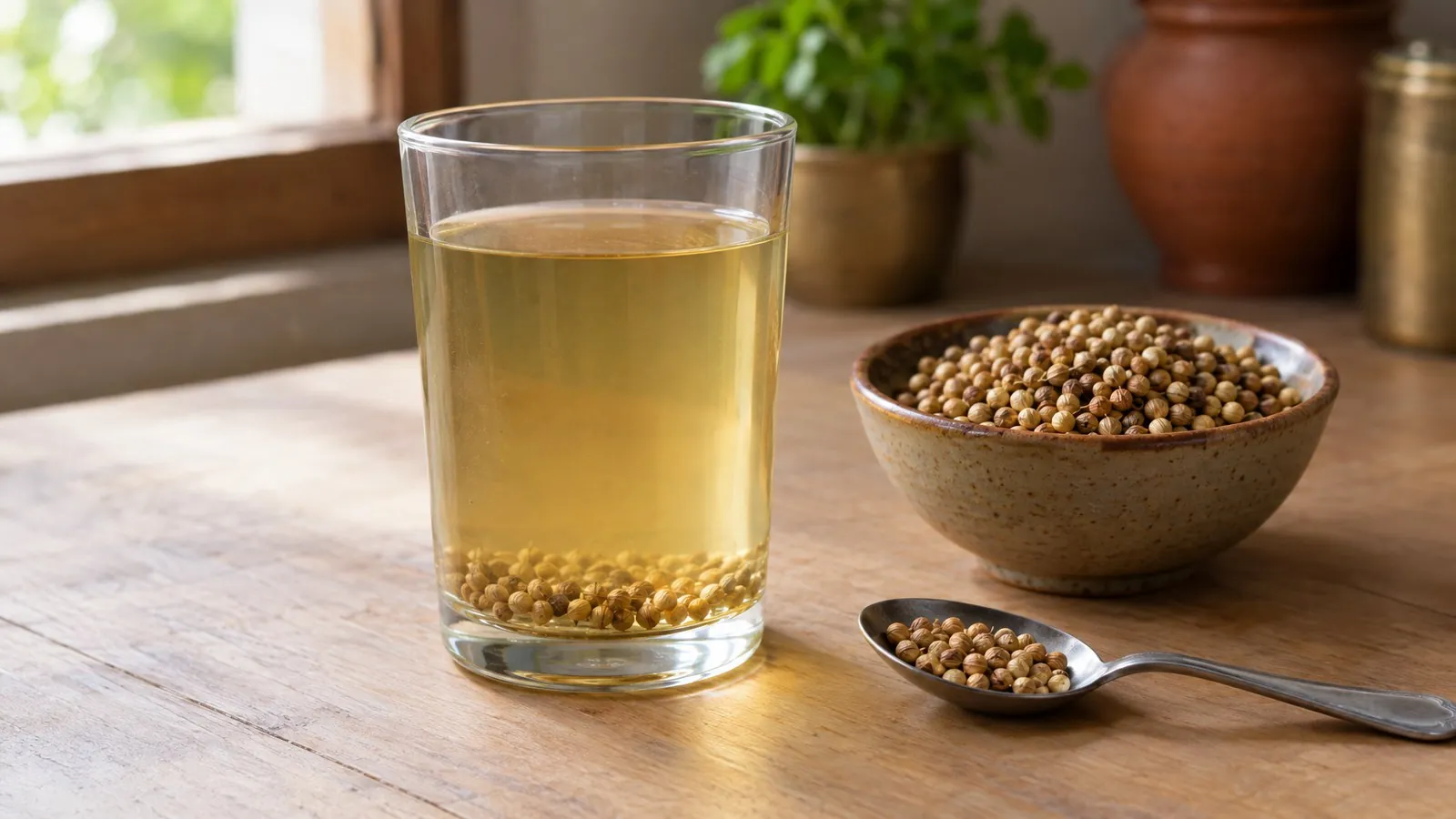
Coriander water benefits: what dhania water actually does

Coriander water benefits: what dhania water actually does

Coriander water benefits, answered honestly: the research reviewed here has no human trial showing coriander water does anything specific. Here is what is known about coriander, what one teaspoon of seeds holds, and how to make and drink the water.
05 Oct 2026by COWBERRY
7 minute read
Red rice vs brown rice: the fibre, GI and honest verdict
Red rice vs brown rice: the fibre, GI and honest verdict
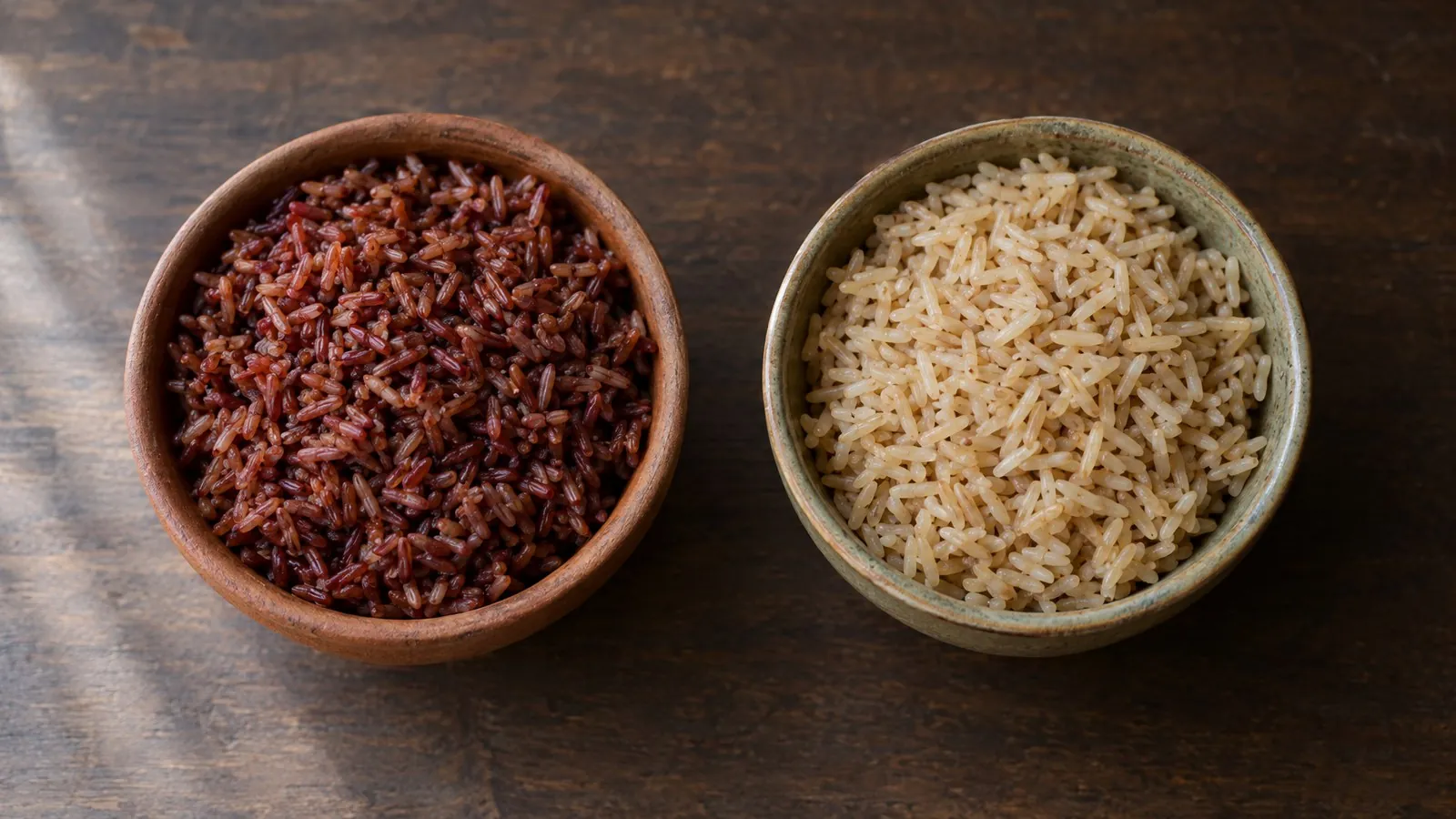
Red rice vs brown rice: brown rice lists more fibre and protein and an India-tested GI of 58, while red rice's seven foreign tests average 62. Side-by-side nutrition per 100 g, GI, cooking, cost and which to choose.
05 Oct 2026by COWBERRY
6 minute read

More Articles

Foxtail millet vs quinoa: nutrition, taste and which to choose
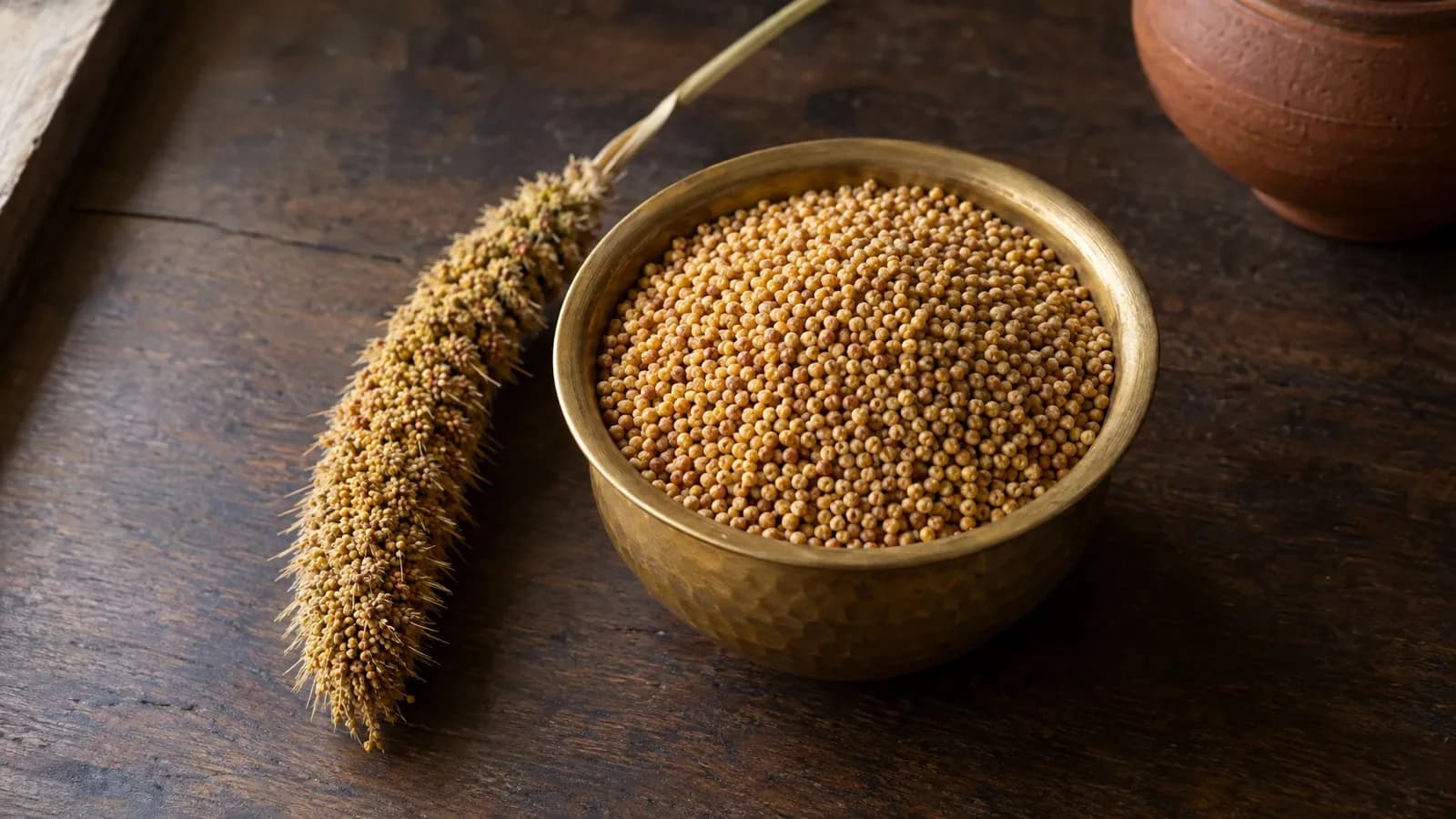
Foxtail millet vs quinoa: nutrition, taste and which to choose

Foxtail millet vs quinoa: korralu is not quinoa. Quinoa carries a full IFCT 2017 entry and a GI of 52; foxtail millet has no IFCT 2017 entry and a recorded GI of 89. Numbers, taste and cooking compared.
30 Sept 2026by COWBERRY
7 minute read
Foxtail millet in Kannada, Hindi, Tamil and other Indian names
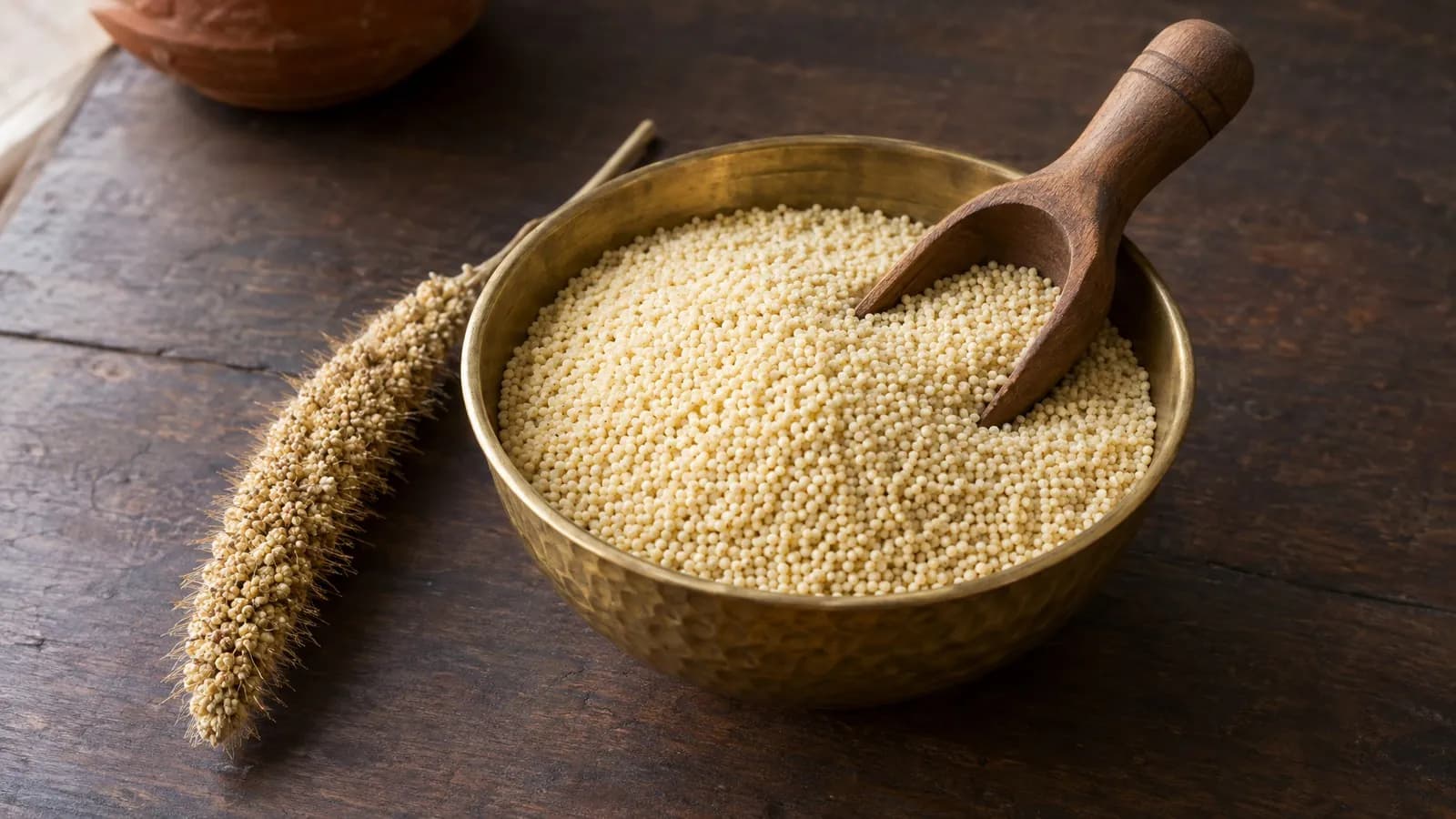
Foxtail millet in Kannada, Hindi, Tamil and other Indian names

Foxtail millet in Kannada is navane; in Hindi kangni or kakum, in Tamil tenai, in Telugu korra or korralu, in Marathi kang or rala, in Gujarati kang. Every regional name with its source.
29 Sept 2026by COWBERRY
6 minute read
10 benefits of kangni (foxtail millet) and its side effects
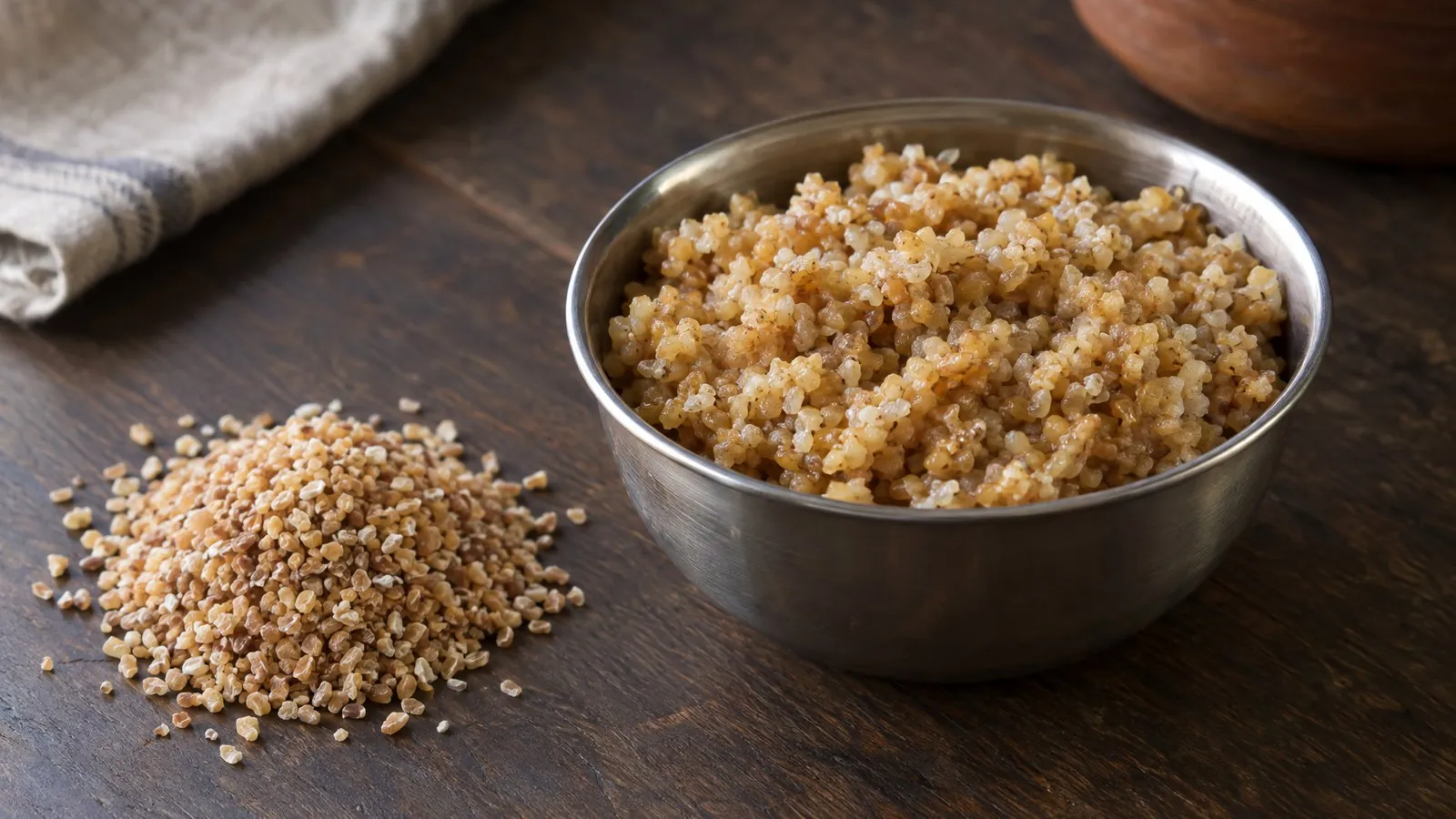
10 benefits of kangni (foxtail millet) and its side effects

Kangni benefits, one source at a time: a gluten-free grain with protein, fibre, polyphenols and micronutrients, one recorded GI of 89, and no composition table in the standard tables. Side effects, daily amount and how to eat it.
28 Sept 2026by COWBERRY
8 minute read
Dalia protein and nutrition per 100g: calories, carbs and GI
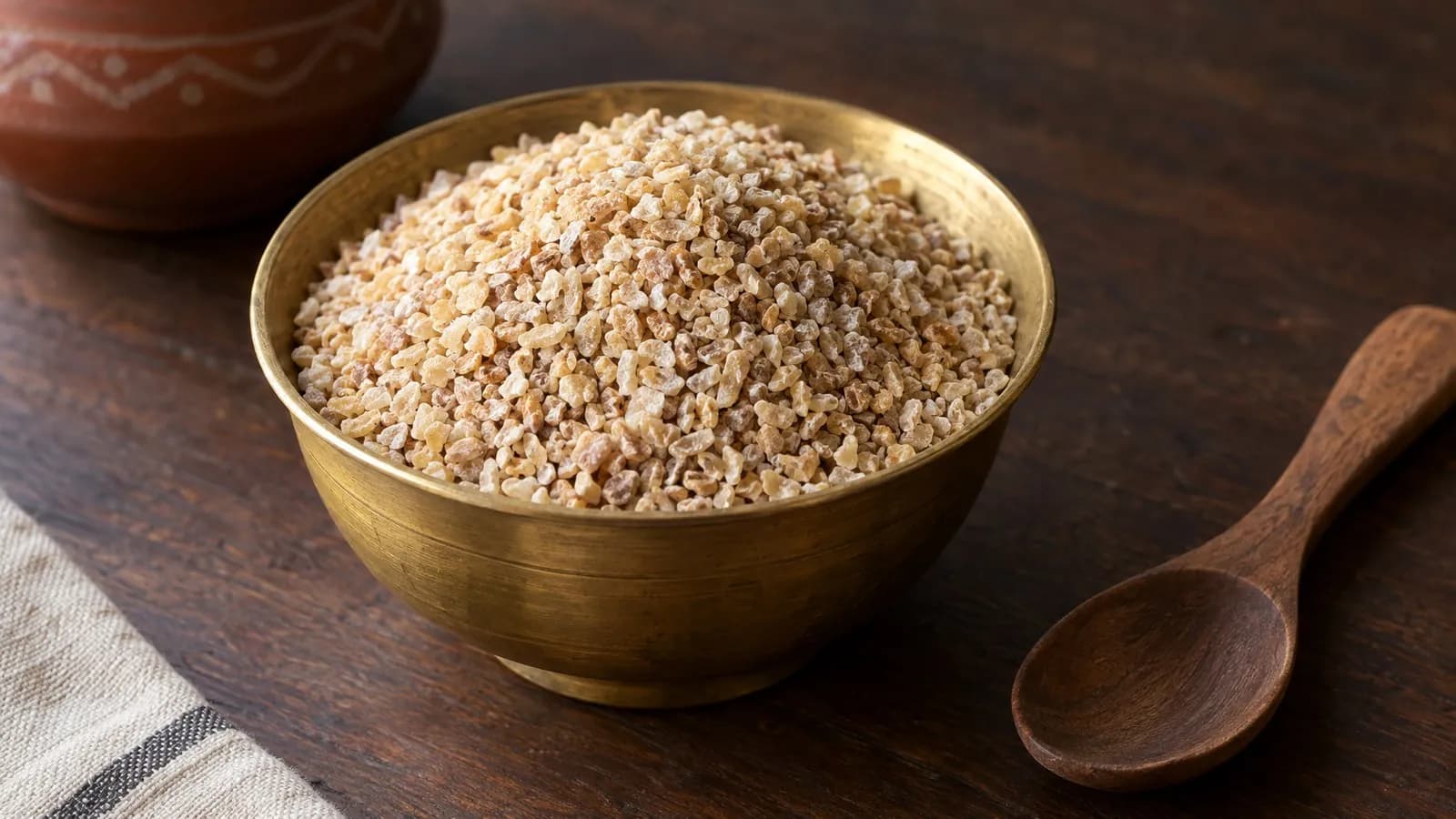
Dalia protein and nutrition per 100g: calories, carbs and GI

Dalia protein per 100g is 10.8 g, inside 342 kcal with 69.1 g of carbs, 8.8 g of fibre and a GI of 48 on plain boiled bulgur, its closest tested form. Full dalia nutritional value per 100 g and per katori, against whole wheat and rice.
24 Sept 2026by COWBERRY
8 minute read
Daliya meaning in English, Hindi and Indian languages
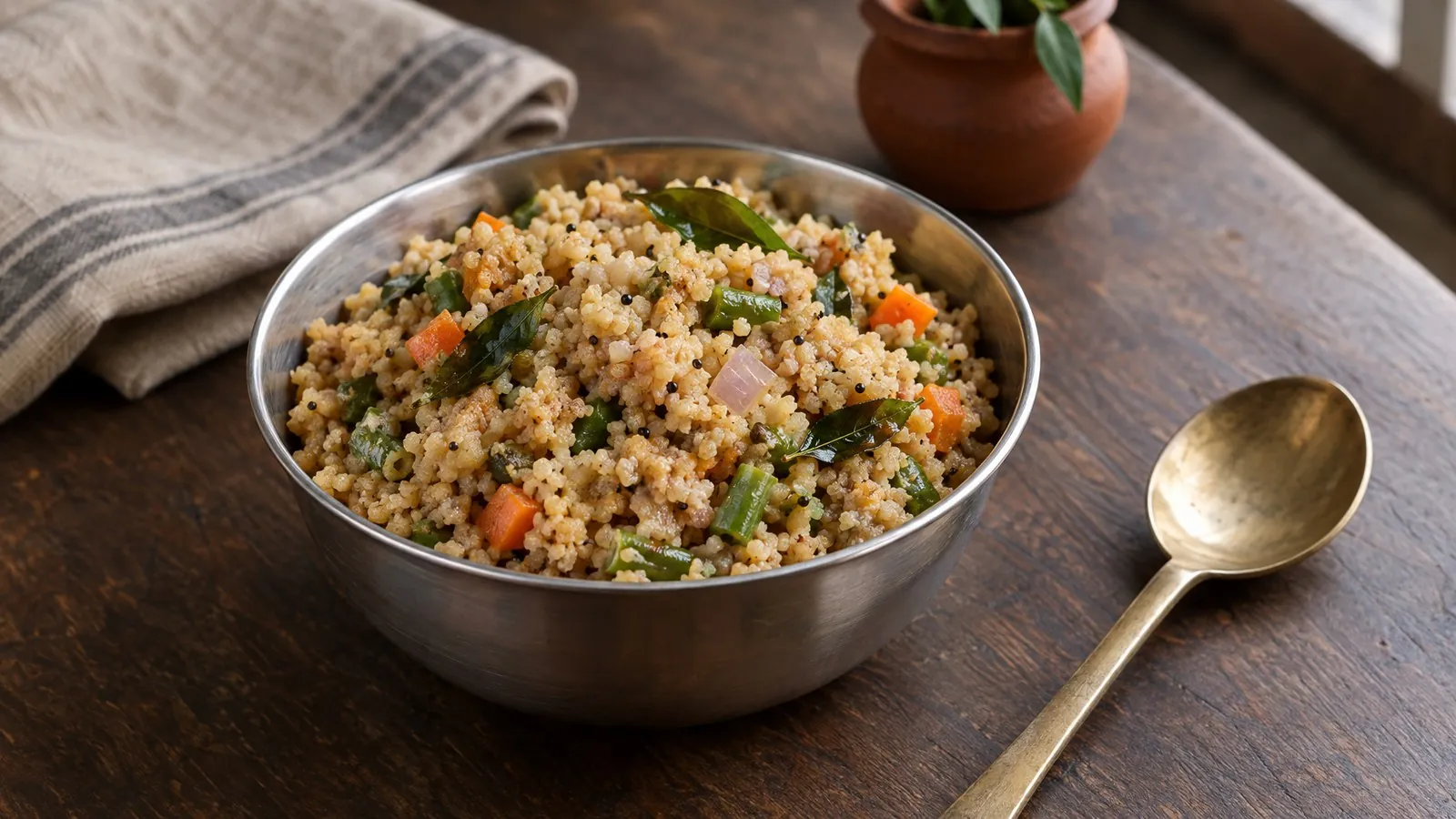
Daliya meaning in English, Hindi and Indian languages

Daliya meaning in English is broken wheat: IFCT 2017 prints wheat, bulgur for dalia, and names it Dalia in Hindi, Punjabi, Bengali, Odia, Assamese and Urdu, with the Marathi, Gujarati, Kannada, Telugu and Tamil names in the table.
22 Sept 2026by COWBERRY
6 minute read
Is dalia good for weight loss? Calories, protein and how to eat it
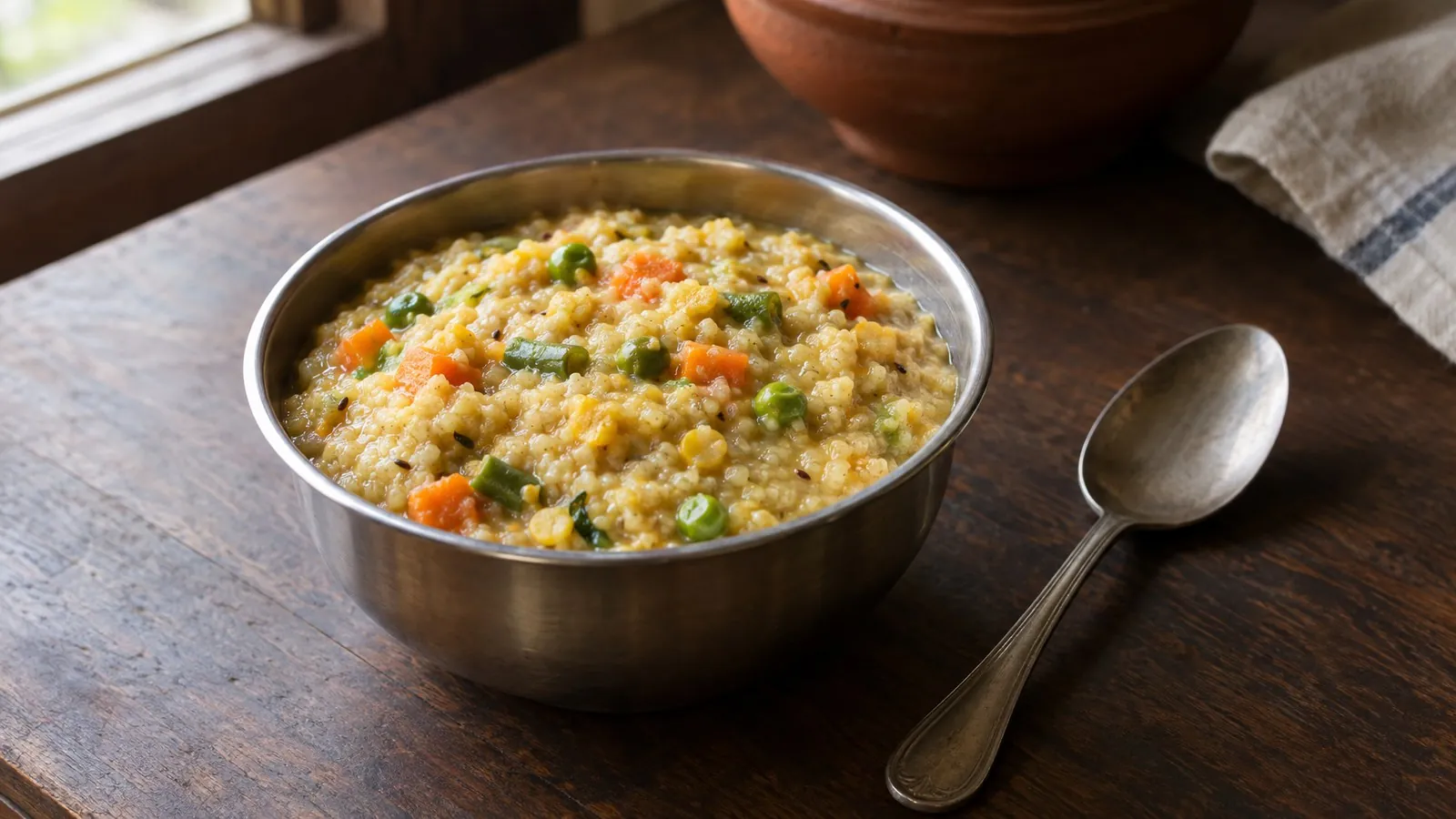
Is dalia good for weight loss? Calories, protein and how to eat it

Is dalia good for weight loss? A katori of cooked dalia holds 137 kcal with 3.5 g of fibre and 4.3 g of protein, and fibre trials tie higher fibre intake to lower bodyweight. Here is the serving math and a simple dalia meal plan.
21 Sept 2026by COWBERRY
8 minute read
Is dalia good for diabetes? GI, serving size and how to eat it
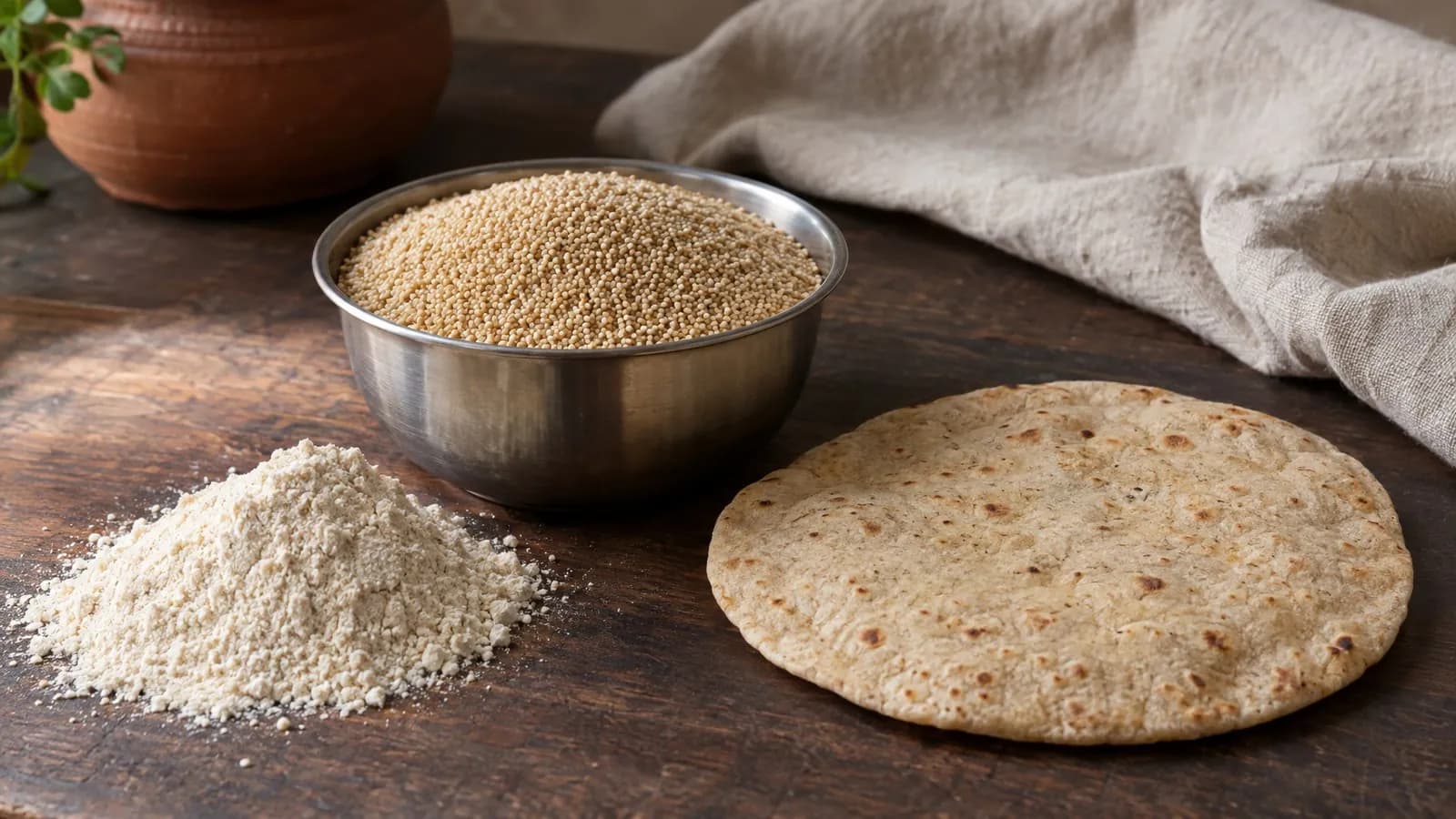
Is dalia good for diabetes? GI, serving size and how to eat it

Is dalia good for diabetes? Plain broken wheat carries 8.8 g of fibre per 100 g, its closest tested form (boiled bulgur) has a GI of 48, and a 40 g katori holds 27.6 g of carbohydrate and 137 kcal. Here is the portion rule, the better and worse ways to eat it, and the whole-grain studies.
20 Sept 2026by COWBERRY
8 minute read
Rajgira nutrition per 100g: calories, protein, carbs and GI
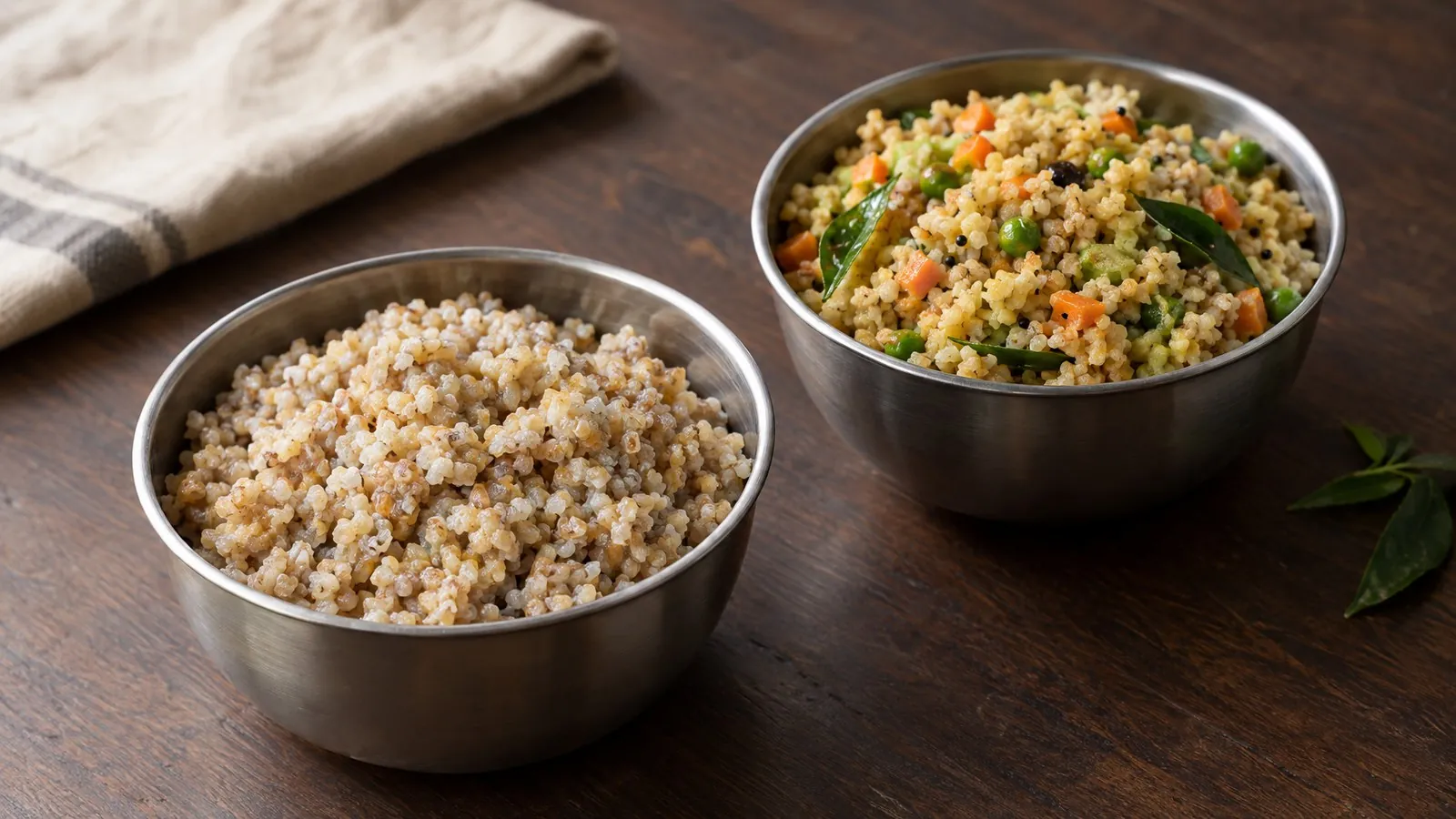
Rajgira nutrition per 100g: calories, protein, carbs and GI

Rajgira nutrition per 100 g from IFCT 2017: 356 kcal, 13.3 g protein, 61.5 g carbs, 7.5 g fibre, 8 mg iron, 162 mg calcium, and no tested GI. Plus calories per roti, katori of cooked rajgira and laddu, and rajgira beside wheat and quinoa.
19 Sept 2026by COWBERRY
9 minute read
10 benefits of dalia (and its side effects)
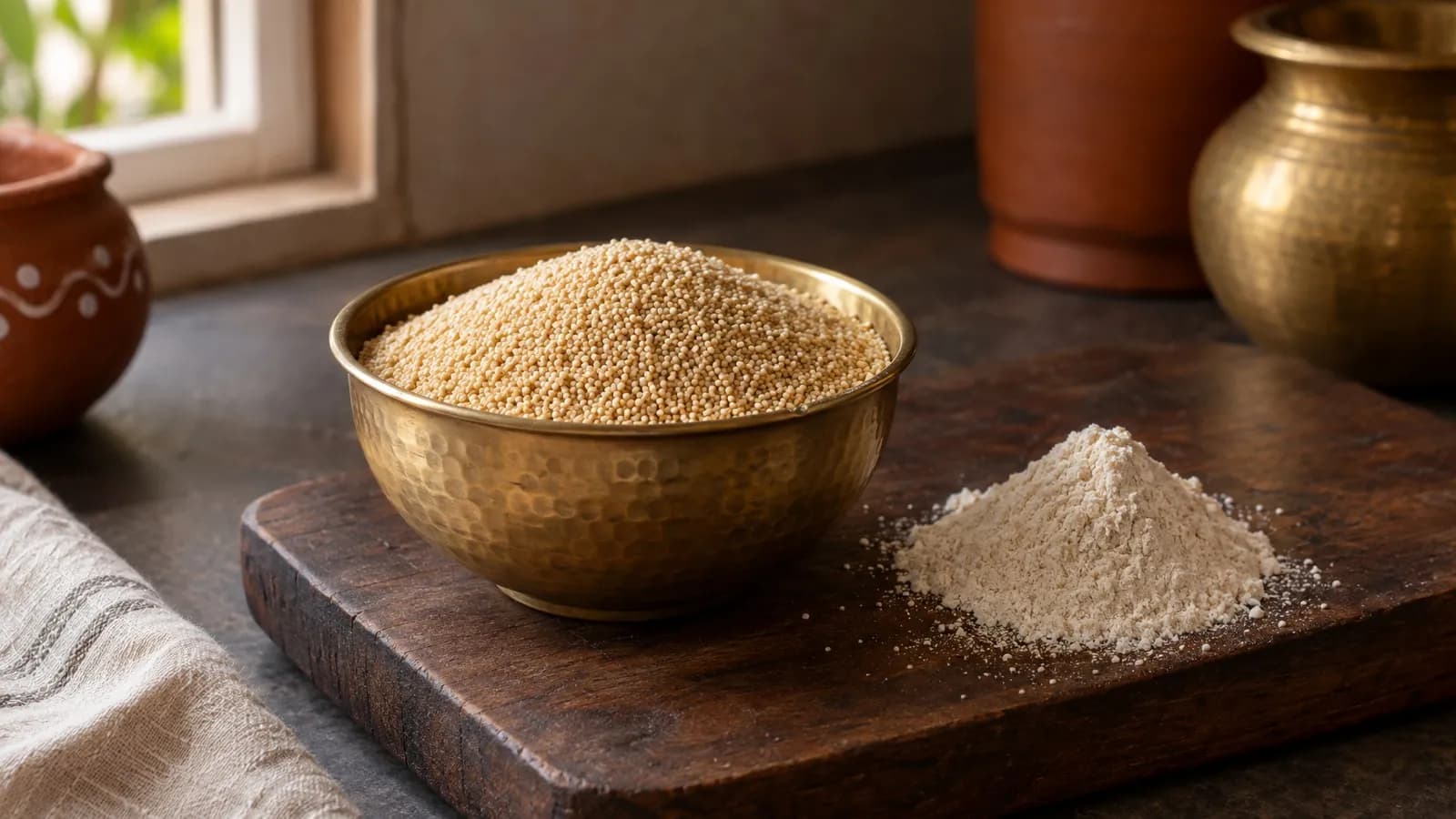
10 benefits of dalia (and its side effects)

Dalia benefits in 10 points: 8.8 g of fibre, a GI of 48 (boiled bulgur), 10.8 g of protein, iron and the whole-grain studies, with honest side effects, the daily portion and how to eat it.
19 Sept 2026by COWBERRY
9 minute read
Rajgira in English, Hindi and Indian languages (amaranth names)
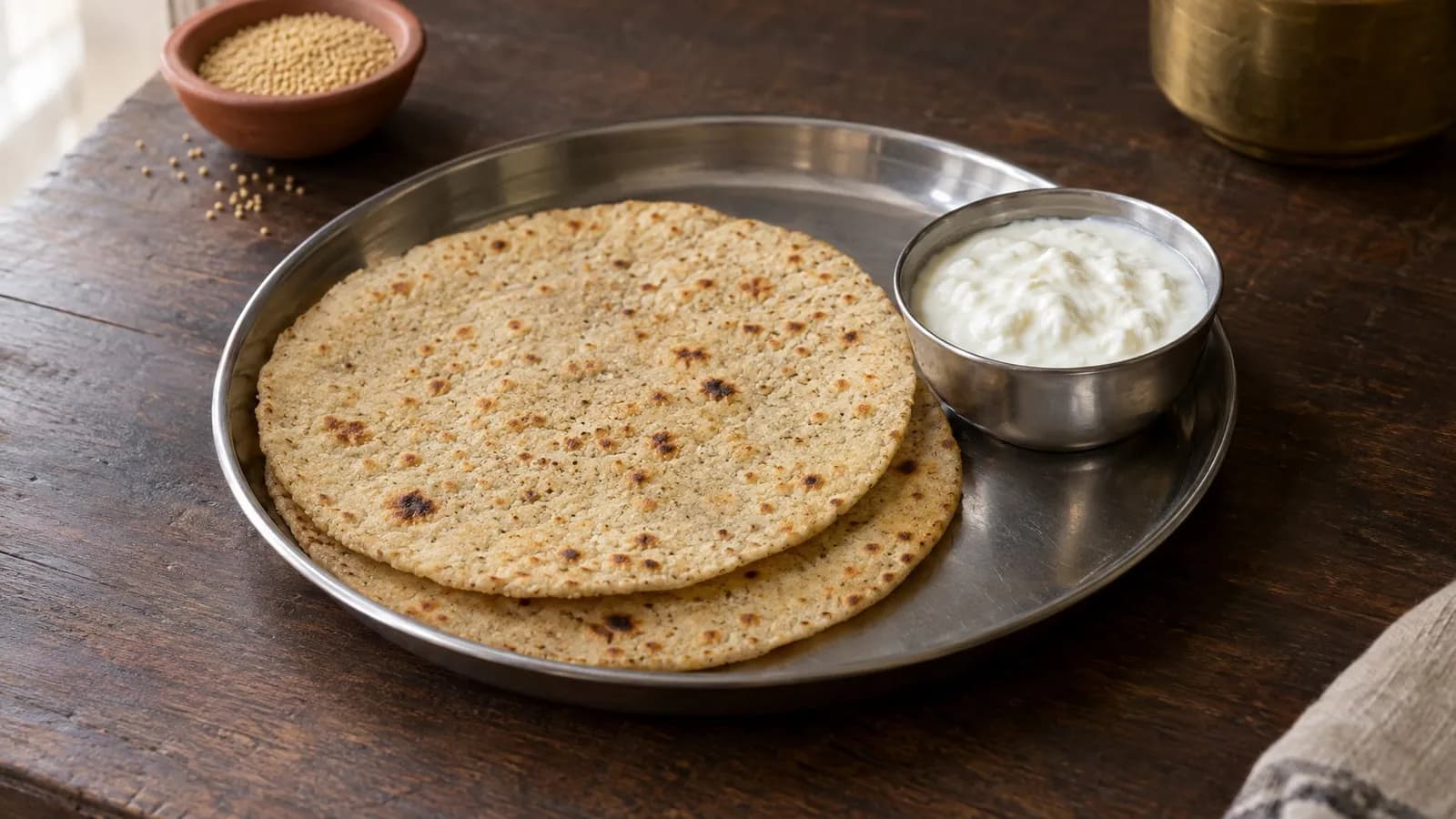
Rajgira in English, Hindi and Indian languages (amaranth names)

Rajgira in English is amaranth (Amaranthus cruentus); in Hindi ramdana, in Gujarati rajagaro, in Tamil keerai vidai. All ten IFCT 2017 language names, plus what quinoa, ragi, kuttu and kangni are not.
18 Sept 2026by COWBERRY
5 minute read
Is rajgira good for weight loss? Calories, fibre and how to eat it
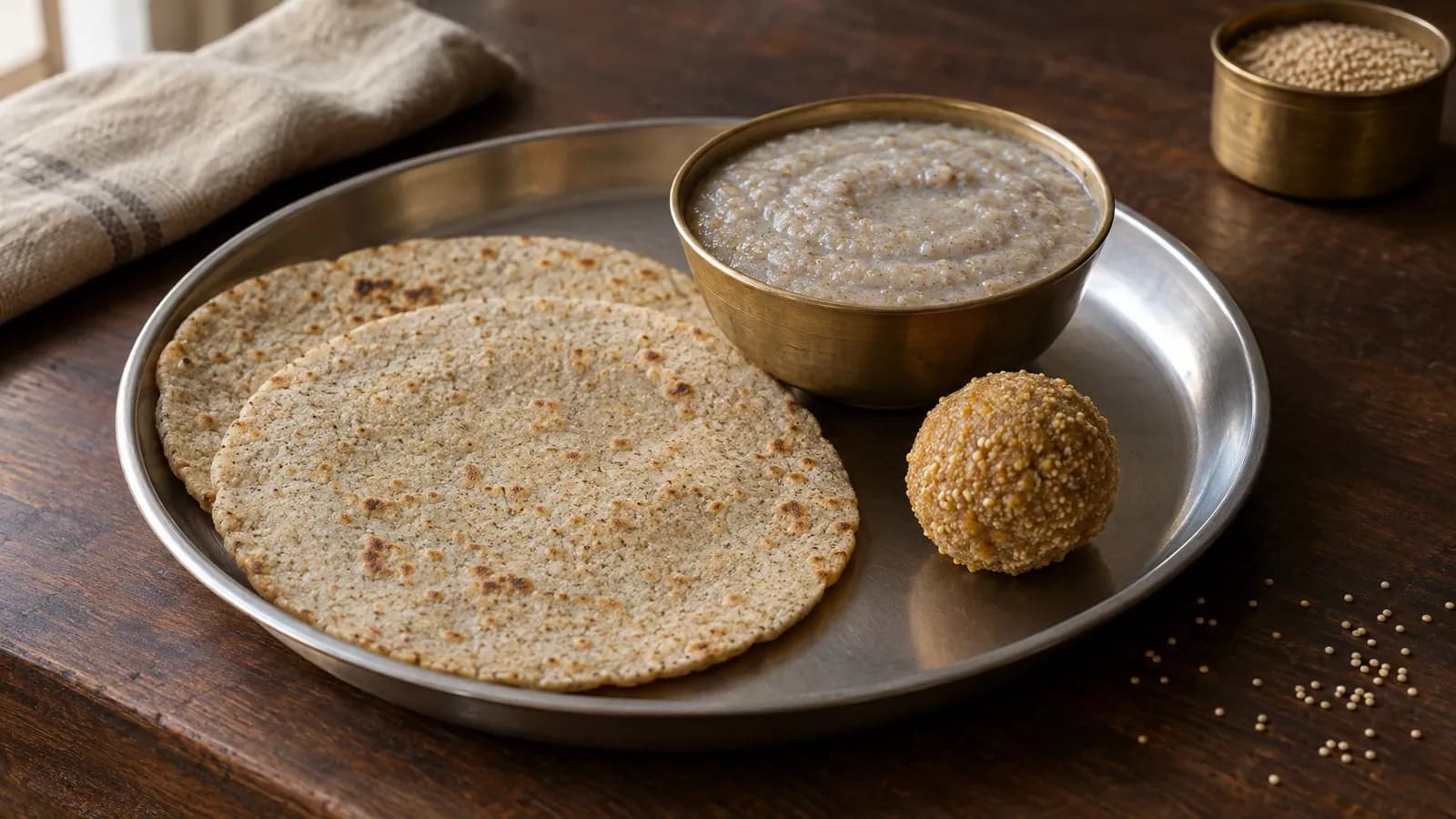
Is rajgira good for weight loss? Calories, fibre and how to eat it

Is rajgira good for weight loss? It can be, as a counted swap for refined flour. Calories, protein and fibre per 100 g, what one rajgira roti gives, how rajgira sits against kuttu and quinoa, and what to avoid.
17 Sept 2026by COWBERRY
7 minute read
10 benefits of rajgira (amaranth) and its side effects

10 benefits of rajgira (amaranth) and its side effects

Rajgira benefits, one nutrient at a time: 13.3 g protein, 7.5 g fibre, 8 mg iron, 162 mg calcium and 270 mg magnesium per 100 g (IFCT 2017), no gluten, no tested GI. Then the side effects, how much to eat and how to cook it.
16 Sept 2026by COWBERRY
9 minute read