membership background

Educational articles from COWBERRY

Featured

What Is Brown Sugar? Types, How It Is Made, Nutrition and Uses

What Is Brown Sugar? Types, How It Is Made, Nutrition and Uses

What is brown sugar: sugar with part of the cane's molasses kept in — 380 kcal and 98.1 g of carbohydrate per 100 g. Types (demerara, muscovado, light and dark), names, how it is made, nutrition, uses, storage and buying.
05 Aug 2026by COWBERRY
11 minute read

Fresh Blogs

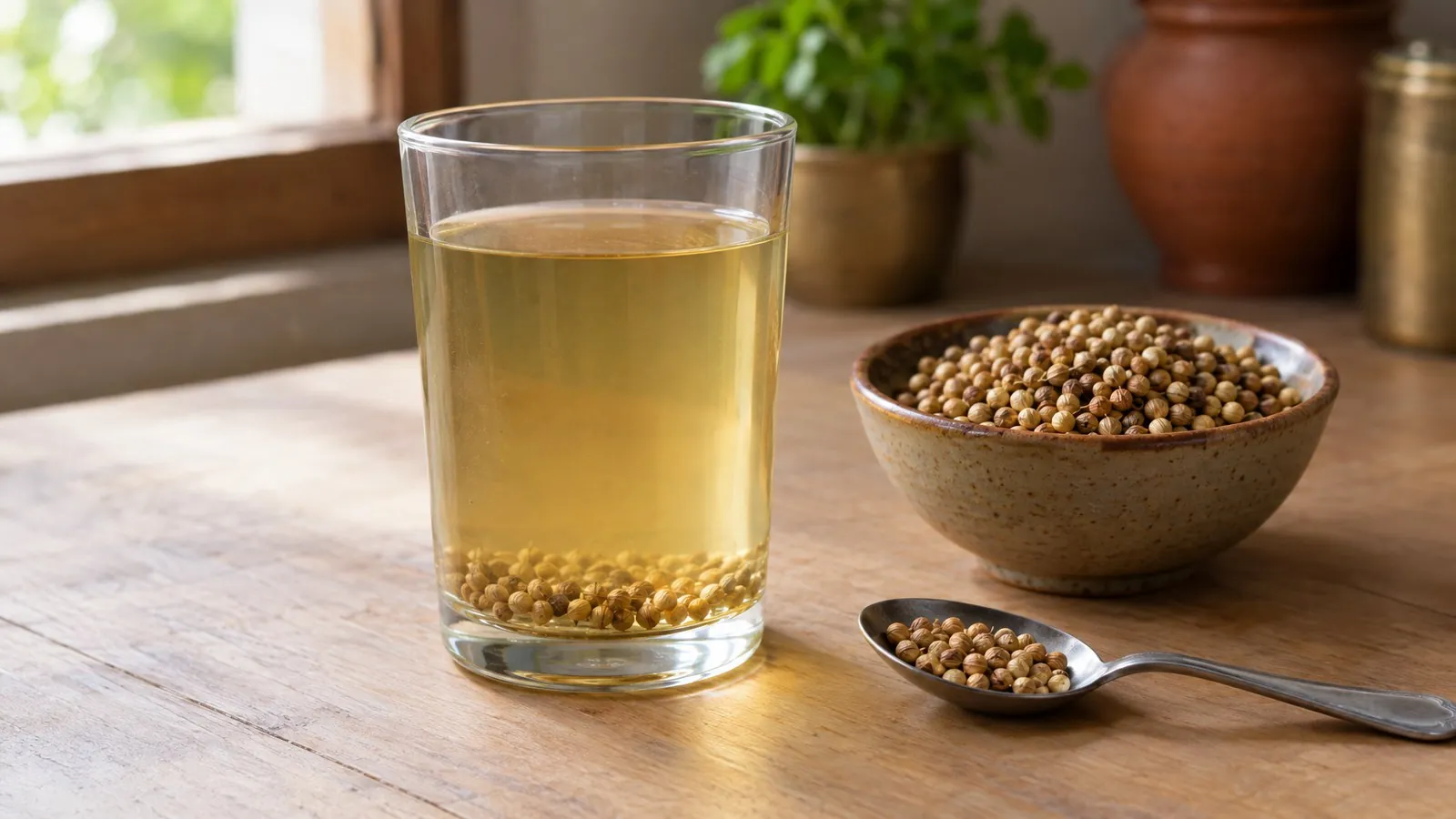
Coriander water benefits: what dhania water actually does

Coriander water benefits: what dhania water actually does

Coriander water benefits, answered honestly: the research reviewed here has no human trial showing coriander water does anything specific. Here is what is known about coriander, what one teaspoon of seeds holds, and how to make and drink the water.
05 Oct 2026by COWBERRY
7 minute read
Red rice vs brown rice: the fibre, GI and honest verdict
Red rice vs brown rice: the fibre, GI and honest verdict
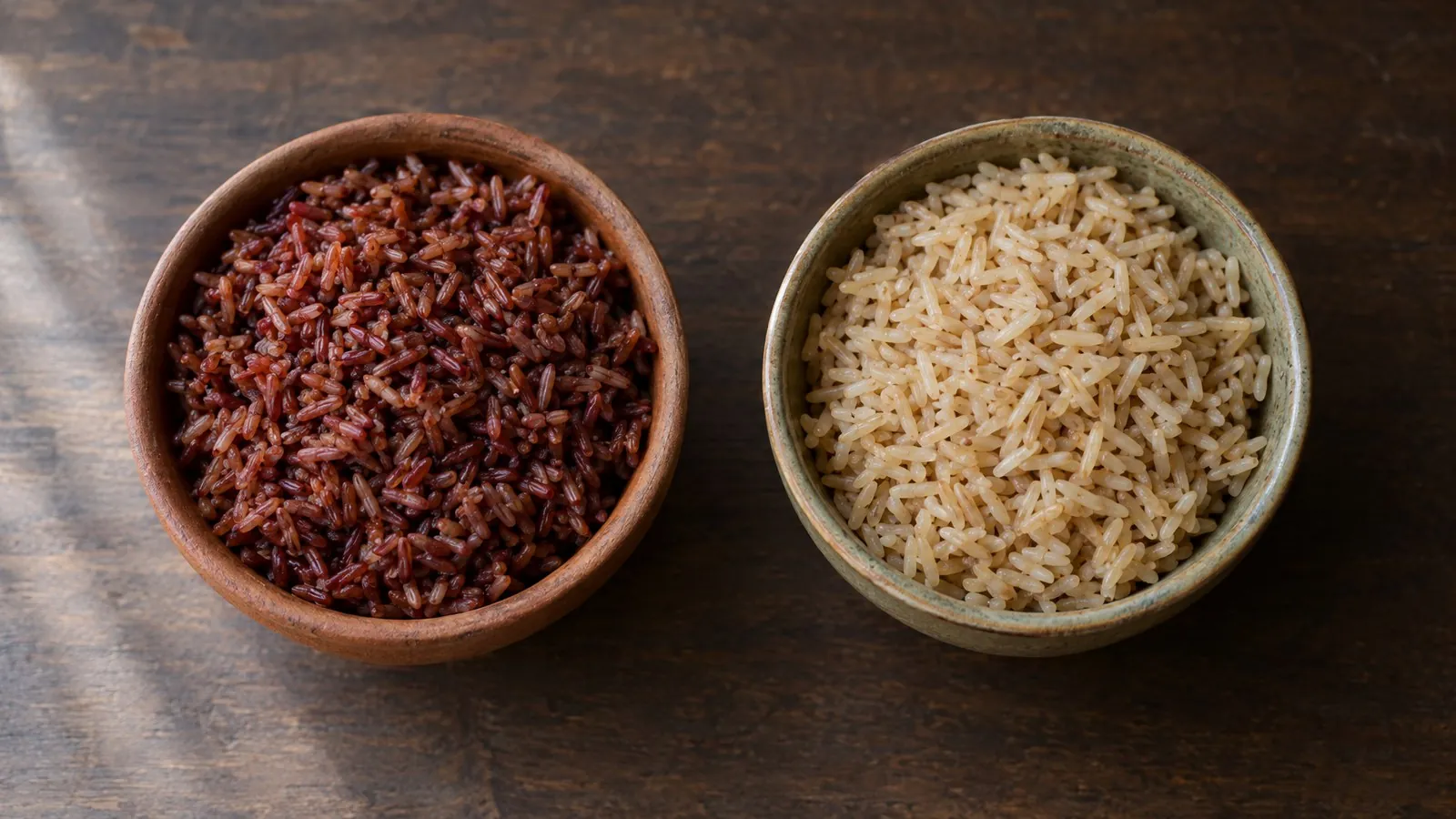
Red rice vs brown rice: brown rice lists more fibre and protein and an India-tested GI of 58, while red rice's seven foreign tests average 62. Side-by-side nutrition per 100 g, GI, cooking, cost and which to choose.
05 Oct 2026by COWBERRY
6 minute read

More Articles

Carbendazim in Your Kitchen: Hidden Fungicide in Spices
Carbendazim in Your Kitchen: Hidden Fungicide in Spices

Carbendazim is a hidden fungicide often found in spices and grains through illegal chemical use. Research connects it to hormone disruption, liver damage, and reproductive health issues. Since it leaves no visible trace, consumers cannot identify contamination without testing. The blog emphasises the importance of transparency, certified organic farming, and residue-free food. COWBERRY protects consumers by testing every batch for 252+ banned chemicals and sharing reports through QR codes.
27 May 2026
10 minute read
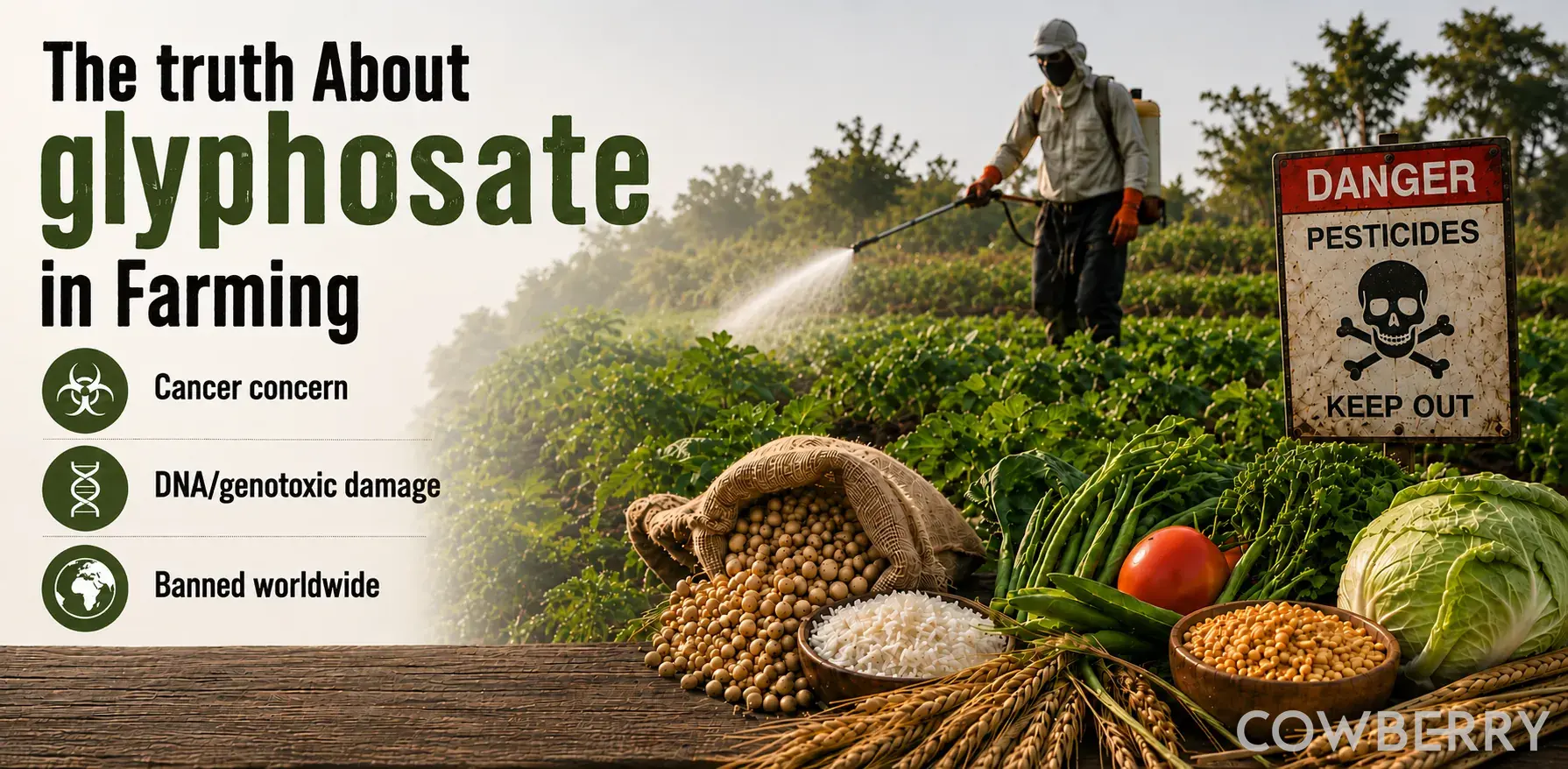
Glyphosate in Your Food: Why It Matters to Your Health
Glyphosate in Your Food: Why It Matters to Your Health

Glyphosate is a widely used herbicide that may leave harmful residues in food and water. Studies link it to cancer risks, DNA damage, and long-term health concerns. Despite restrictions in India, it is still used illegally on many crops. The blog explains how contaminated food can affect consumers silently over time. It also highlights how COWBERRY ensures clean, glyphosate-free products through organic farming and lab testing.
27 May 2026
20 minute read
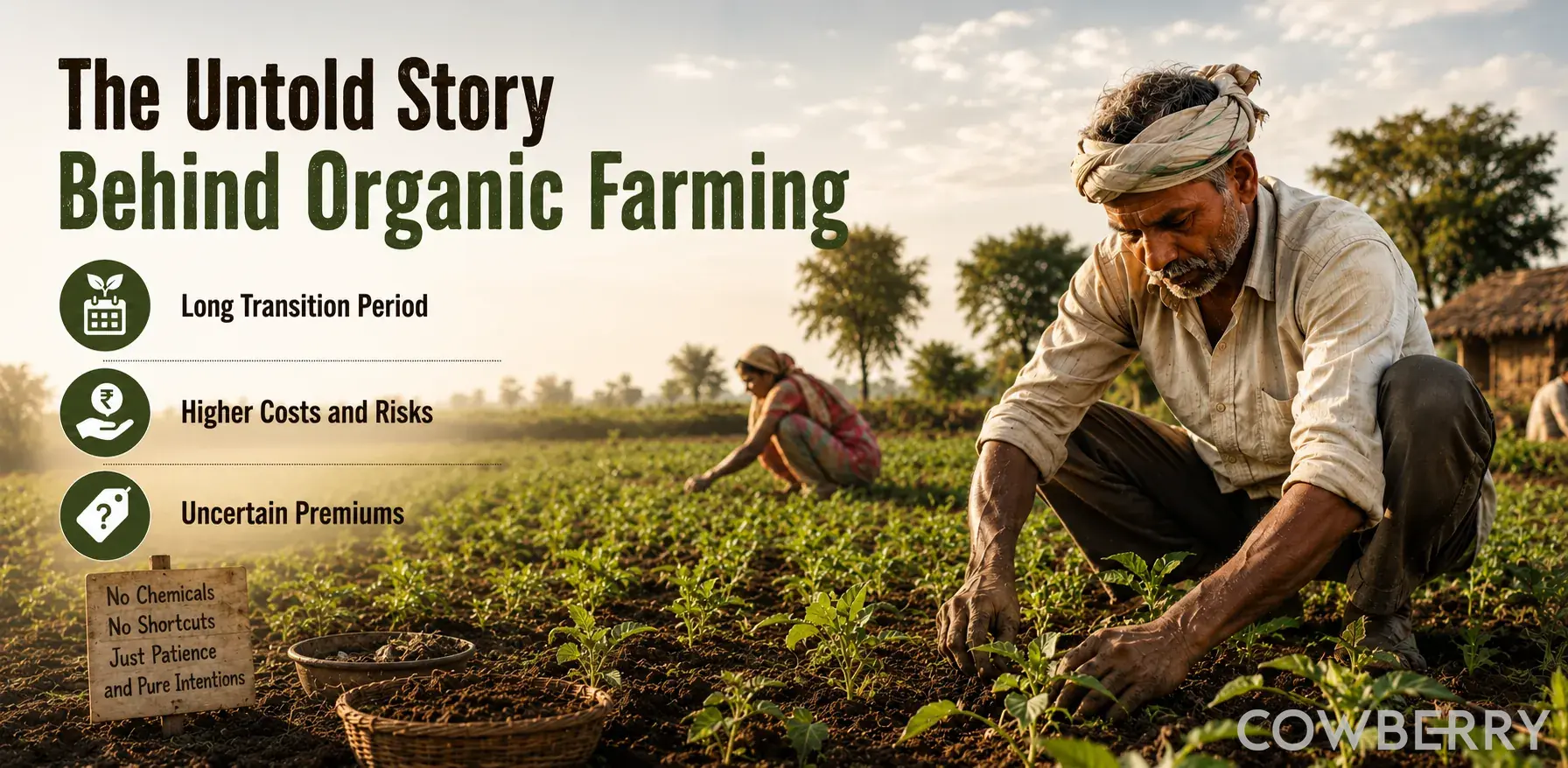
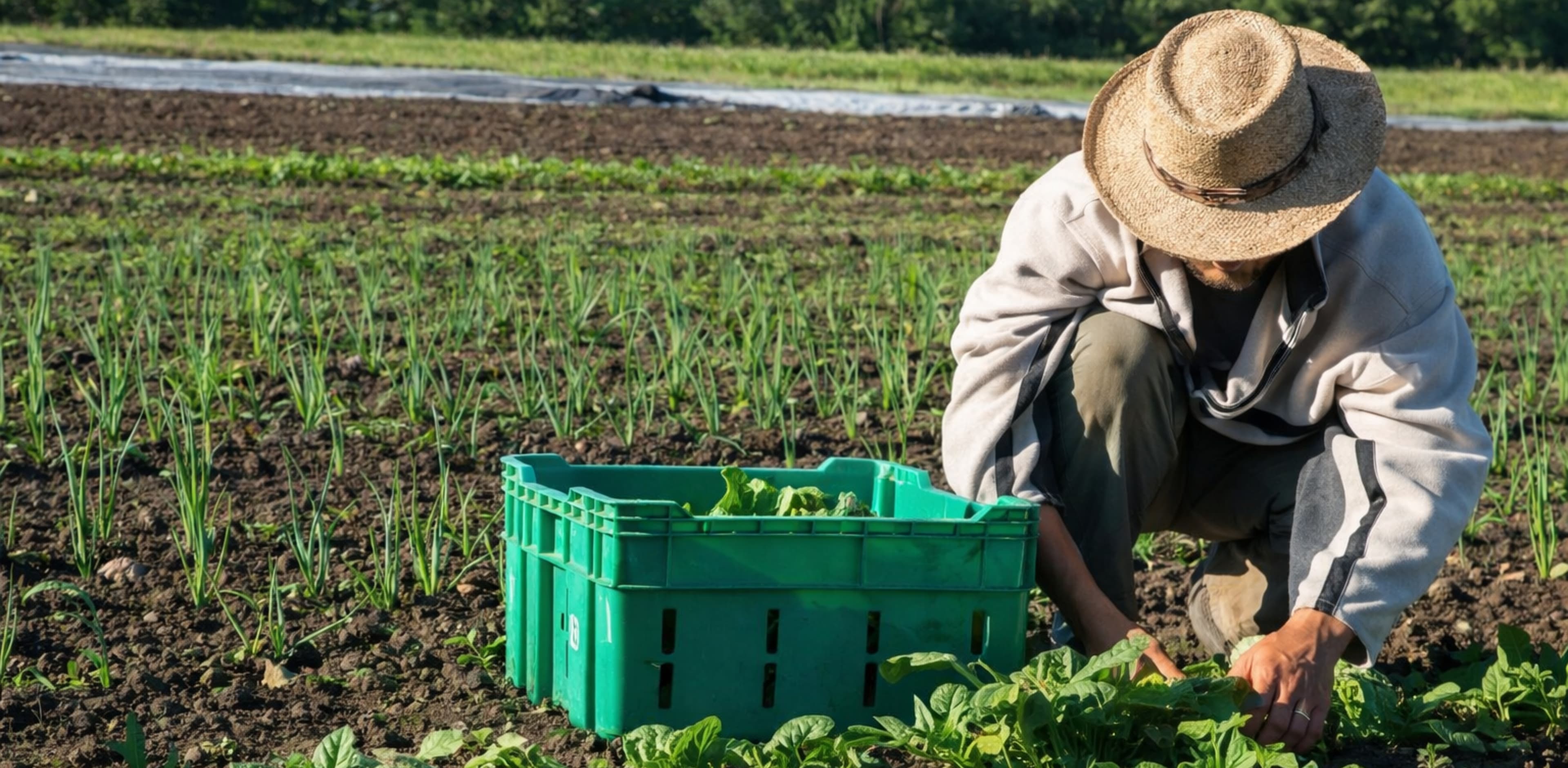
Meet the Farmers: The Hard Work Behind Every Clean Product
Meet the Farmers: The Hard Work Behind Every Clean Product

Behind every organic product is a farmer who chose the harder path — one built on patience, soil health, and long-term sustainability. This blog explores the real challenges organic farmers face, from the 3-year certification journey to higher labor and input costs, while highlighting how COWBERRY supports them through fair pricing, organic training, and traditional natural farming practices. It’s a story of resilience, trust, and farming that works with nature, not against it.
26 May 2026
20 minute read
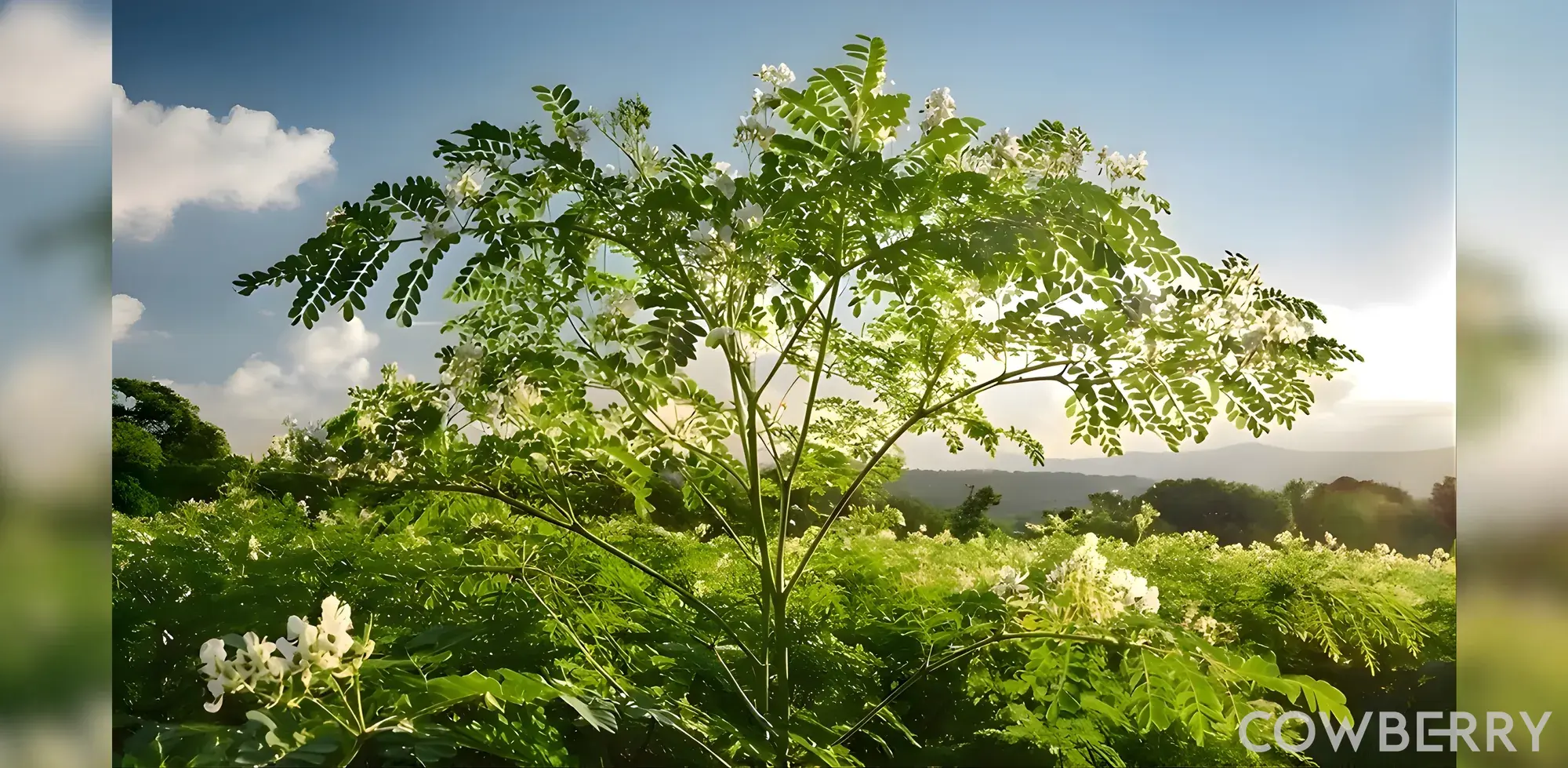
Moringa: The High-Value Crop Perfect for Organic Farming Systems

Moringa: The High-Value Crop Perfect for Organic Farming Systems

Moringa (Moringa oleifera), commonly known as the drumstick tree, is increasingly emerging as one of the most profitable crops in organic agriculture. Its ability to grow in diverse climatic conditions, low input requirements, and strong market demand for leaves, pods, and processed products make it a highly suitable crop for sustainable and natural farming systems.
11 Apr 2026
10 minute read
The Hidden Economics of Organic Farming No One Talks About
The Hidden Economics of Organic Farming No One Talks About

Organic farming is often presented as a moral choice, an environmental necessity, or a premium market opportunity. What is rarely discussed with equal honesty is its economic architecture. Beyond the philosophy lies a complex financial reality that determines whether an organic farm survives—or quietly collapses.
07 Apr 2026
10 minute read
Designing a Profitable 100-Acre Organic Farm: What Most Plans Get Wrong
Designing a Profitable 100-Acre Organic Farm: What Most Plans Get Wrong

Large-scale organic farming is often romanticized—but profitability at 100 acres requires systems thinking, not sentiment. After working on multi-acre natural and organic farm models, I’ve observed recurring strategic errors that undermine otherwise well-intentioned plans.
06 Apr 2026
10 minute read
How Soil Biology Helps Plants Handle Heat Stress
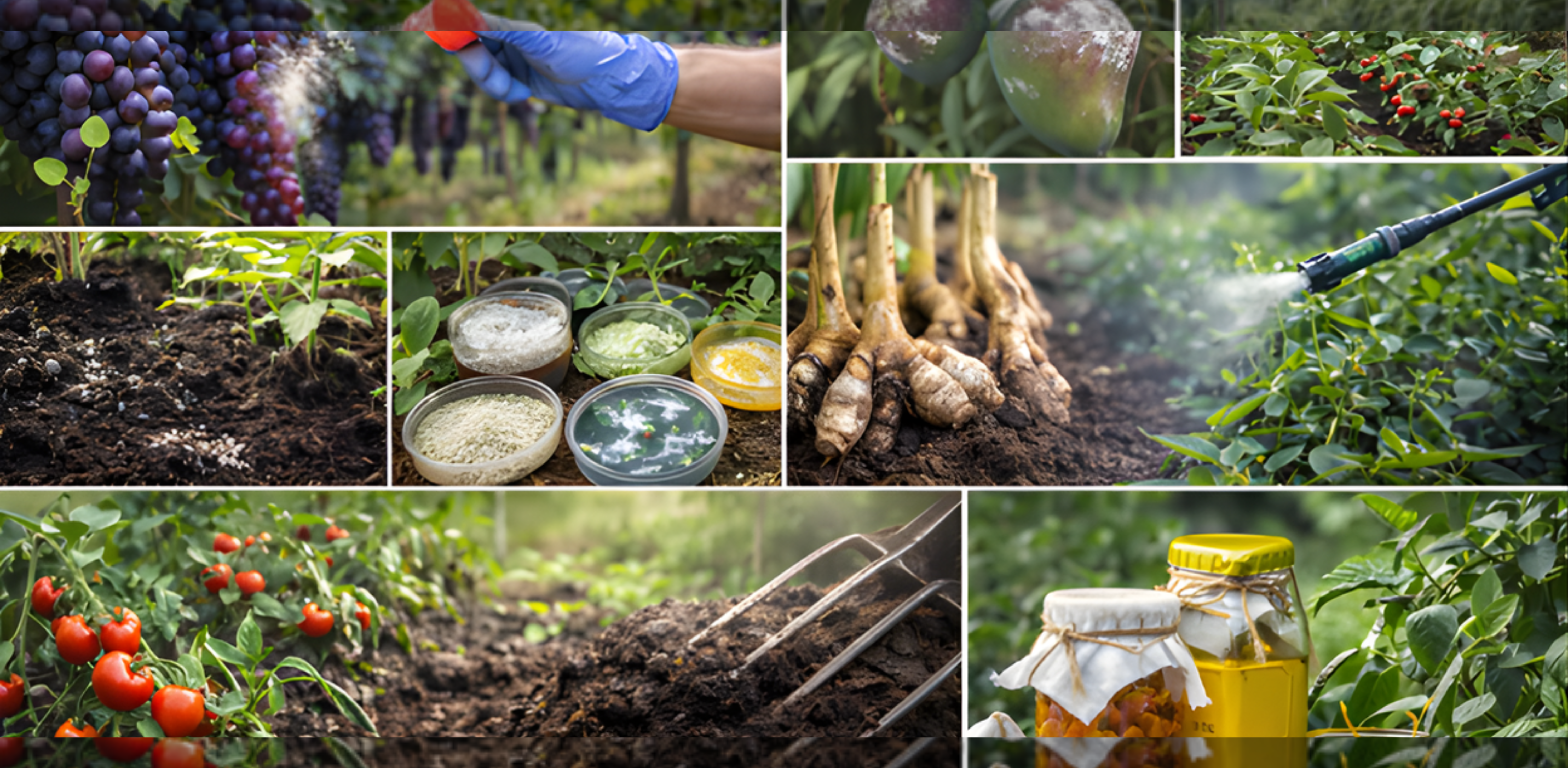
How Soil Biology Helps Plants Handle Heat Stress

Indian summers are becoming harsher. With rising temperatures, crops like mango, chilli, tomato, grapes, turmeric, and even pulses are experiencing heat stress — leading to flower drop, poor fruit set, sunburn, and reduced yields. While most farmers focus on irrigation to fight heat, the real solution often lies underground — in soil biology.
04 Apr 2026
10 minute read
Organic Fungicide Strategies for High-Value Crops

Organic Fungicide Strategies for High-Value Crops

In high-value crops like fruits, vegetables, spices, and plantation crops, fungal diseases cause more economic loss than insects. For organic farmers, the challenge is not just controlling disease, but doing so without compromising soil biology, residue safety, or certification compliance. Effective organic fungicide management is not about one product — it is about strategy, timing, and prevention.
31 Mar 2026
10 minute read
Climate-Smart Organic Farming Practices
Climate-Smart Organic Farming Practices

Climate change is no longer an abstract issue for Indian farmers. Erratic monsoons, longer dry spells, heat stress, and sudden pest outbreaks are now part of everyday farming. In this context, organic farming—when practiced systematically—emerges as one of the most climate-smart approaches suited to Indian conditions. Climate-smart organic farming works on three fronts: resilience, risk reduction, and long-term sustainability.
30 Mar 2026
10 minute read
Biochar: The Most Misunderstood Tool in Organic Farming

Biochar: The Most Misunderstood Tool in Organic Farming

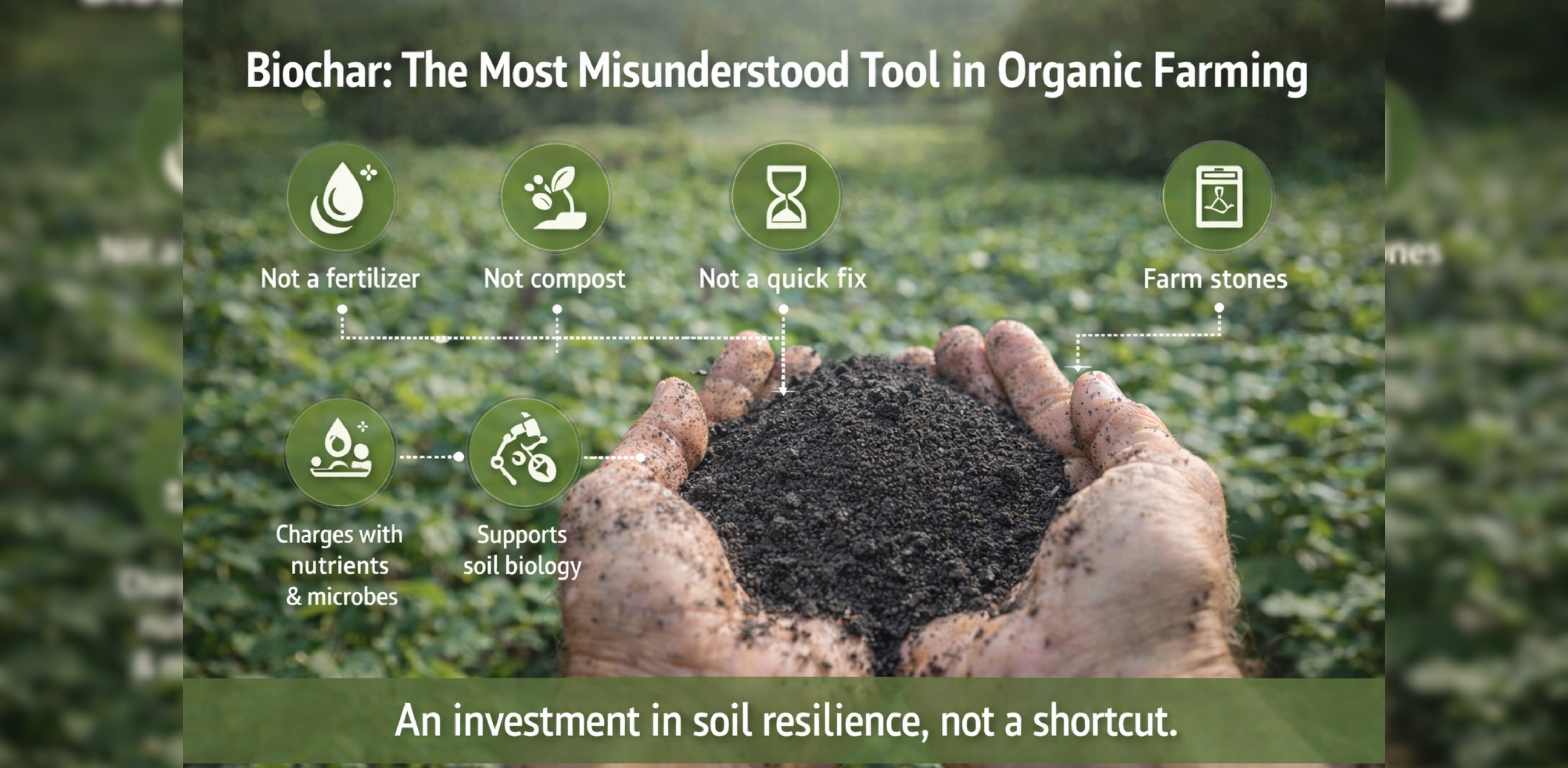
Biochar is often described as “black carbon” or “charcoal for soil.” But this simple description misses its real value. Biochar is not a fertilizer, not compost, and not a quick fix. It is a long-term soil conditioner that works with biology, not instead of it.

28 Mar 2026
10 minute read
The Future of Digital Traceability in Organics
The Future of Digital Traceability in Organics

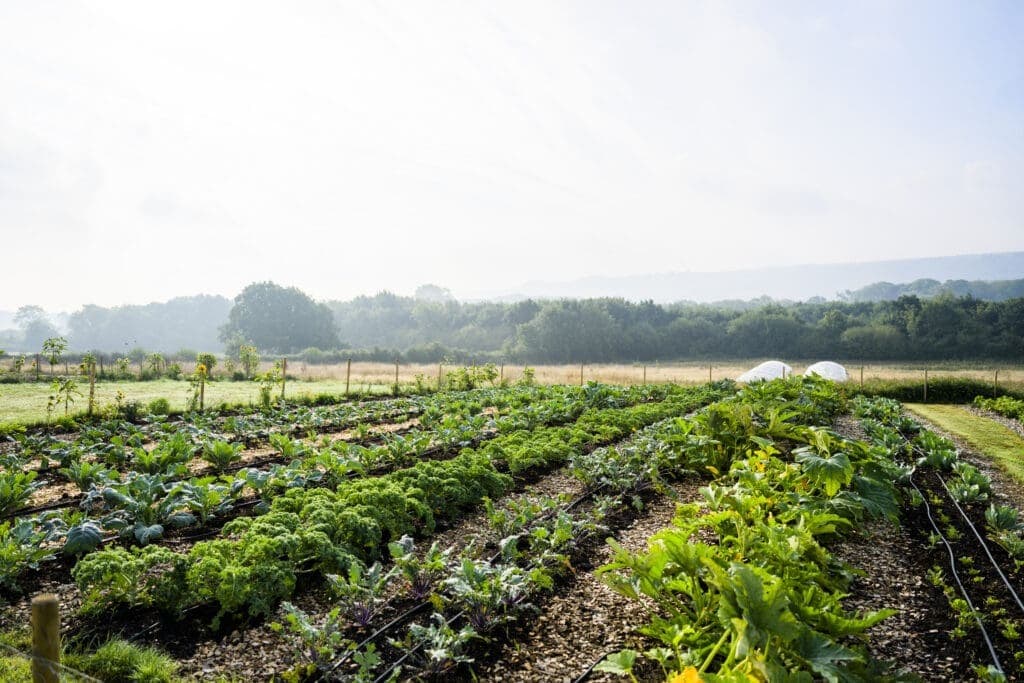
Trust is the true currency of organic farming. As organic markets grow, so does scrutiny — from consumers, certifiers, exporters, and regulators. In this changing landscape, digital traceability is emerging not as an extra feature, but as the backbone of credible organic systems. The future of organics will belong to farms that can prove what they practice, not just claim it.
27 Mar 2026
10 minute read
How Organic Farming Builds Real Protection Against Drought

How Organic Farming Builds Real Protection Against Drought

Drought is no longer an occasional problem for Indian farmers — it has become a regular threat. Many responses still focus on emergency irrigation, borewells, or expensive technologies. But the most reliable drought protection does not come from above the soil. It comes from within it. Organic farming, when practiced with intent, creates farms that hold water longer, lose less moisture, and recover faster after dry spells.
26 Mar 2026
10 minute read