membership background

Dals & Pulses articles from COWBERRY

Featured

What Is Brown Sugar? Types, How It Is Made, Nutrition and Uses

What Is Brown Sugar? Types, How It Is Made, Nutrition and Uses

What is brown sugar: sugar with part of the cane's molasses kept in — 380 kcal and 98.1 g of carbohydrate per 100 g. Types (demerara, muscovado, light and dark), names, how it is made, nutrition, uses, storage and buying.
05 Aug 2026by COWBERRY
11 minute read

Fresh Blogs

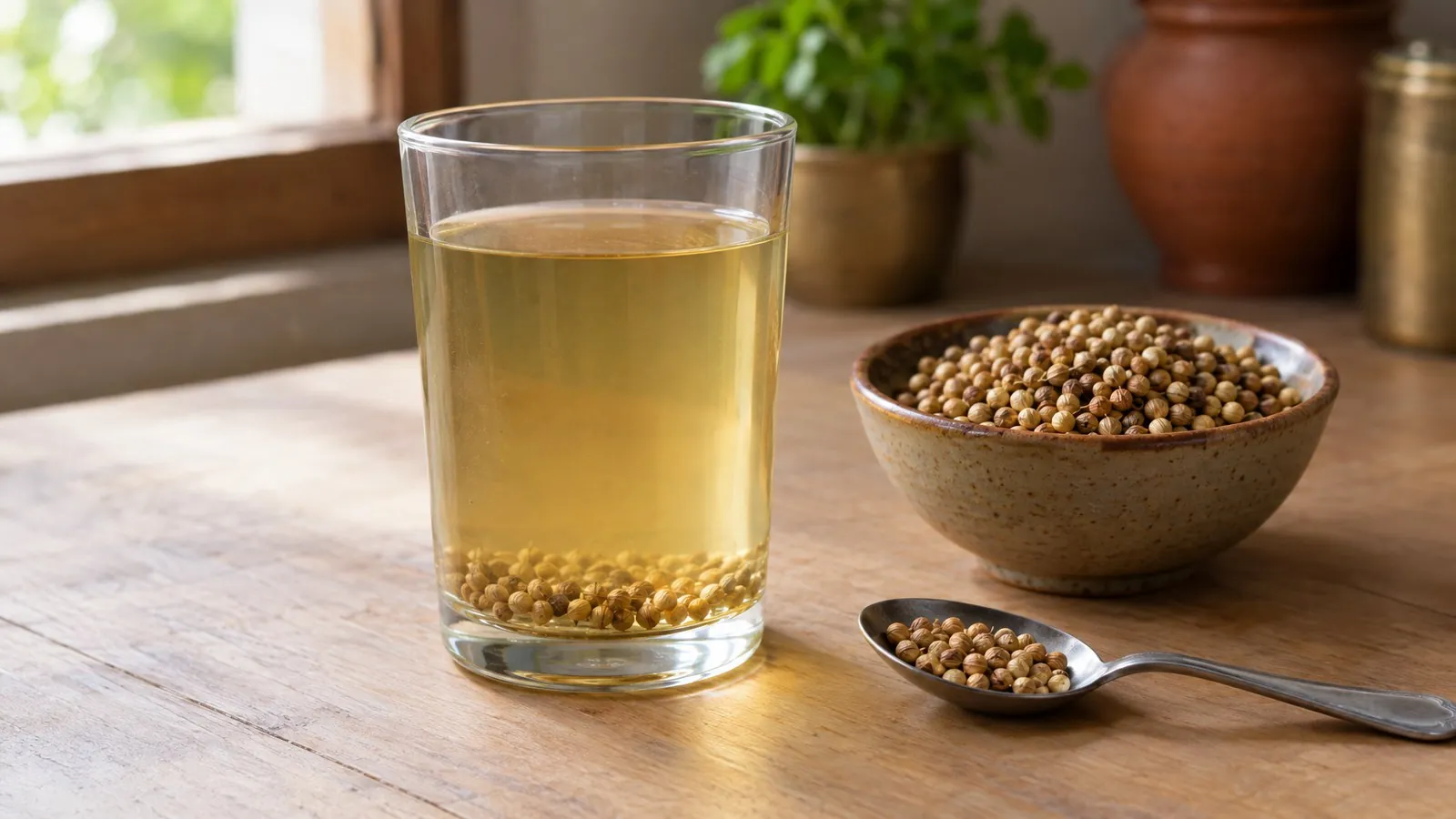
Coriander water benefits: what dhania water actually does

Coriander water benefits: what dhania water actually does

Coriander water benefits, answered honestly: the research reviewed here has no human trial showing coriander water does anything specific. Here is what is known about coriander, what one teaspoon of seeds holds, and how to make and drink the water.
05 Oct 2026by COWBERRY
7 minute read
Red rice vs brown rice: the fibre, GI and honest verdict
Red rice vs brown rice: the fibre, GI and honest verdict
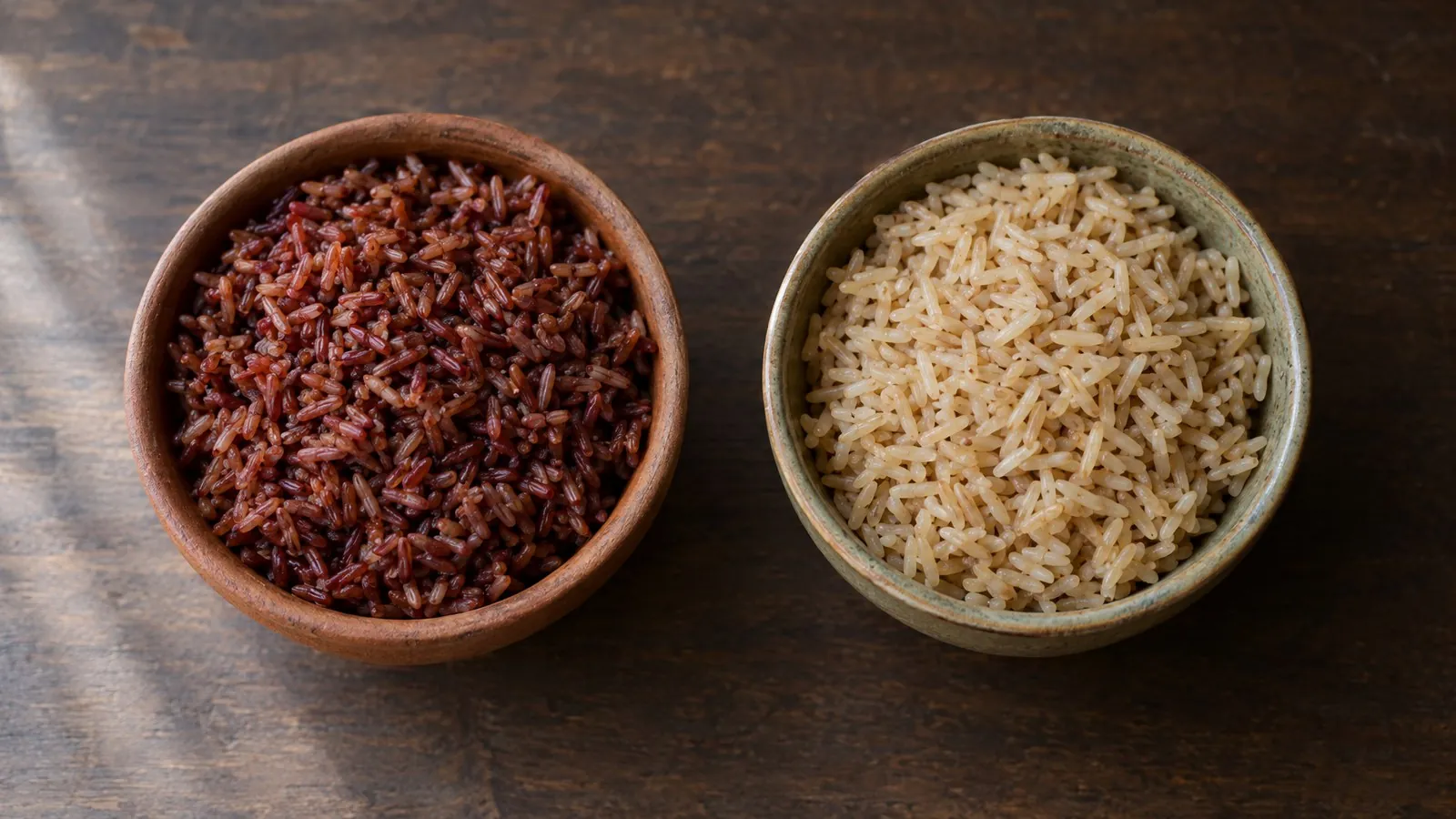
Red rice vs brown rice: brown rice lists more fibre and protein and an India-tested GI of 58, while red rice's seven foreign tests average 62. Side-by-side nutrition per 100 g, GI, cooking, cost and which to choose.
05 Oct 2026by COWBERRY
6 minute read

More Articles

Green gram plant: crop, varieties and how it grows in India
Green gram plant: crop, varieties and how it grows in India

The green gram plant is Vigna radiata, a legume grown for its dry seeds. This guide covers the green gram crop: how it fixes nitrogen, where it is eaten, what the seed holds per 100 g, and how to sprout it at home.
01 Oct 2026by COWBERRY
9 minute read
Rajma vs lobia: difference, nutrition and which to choose
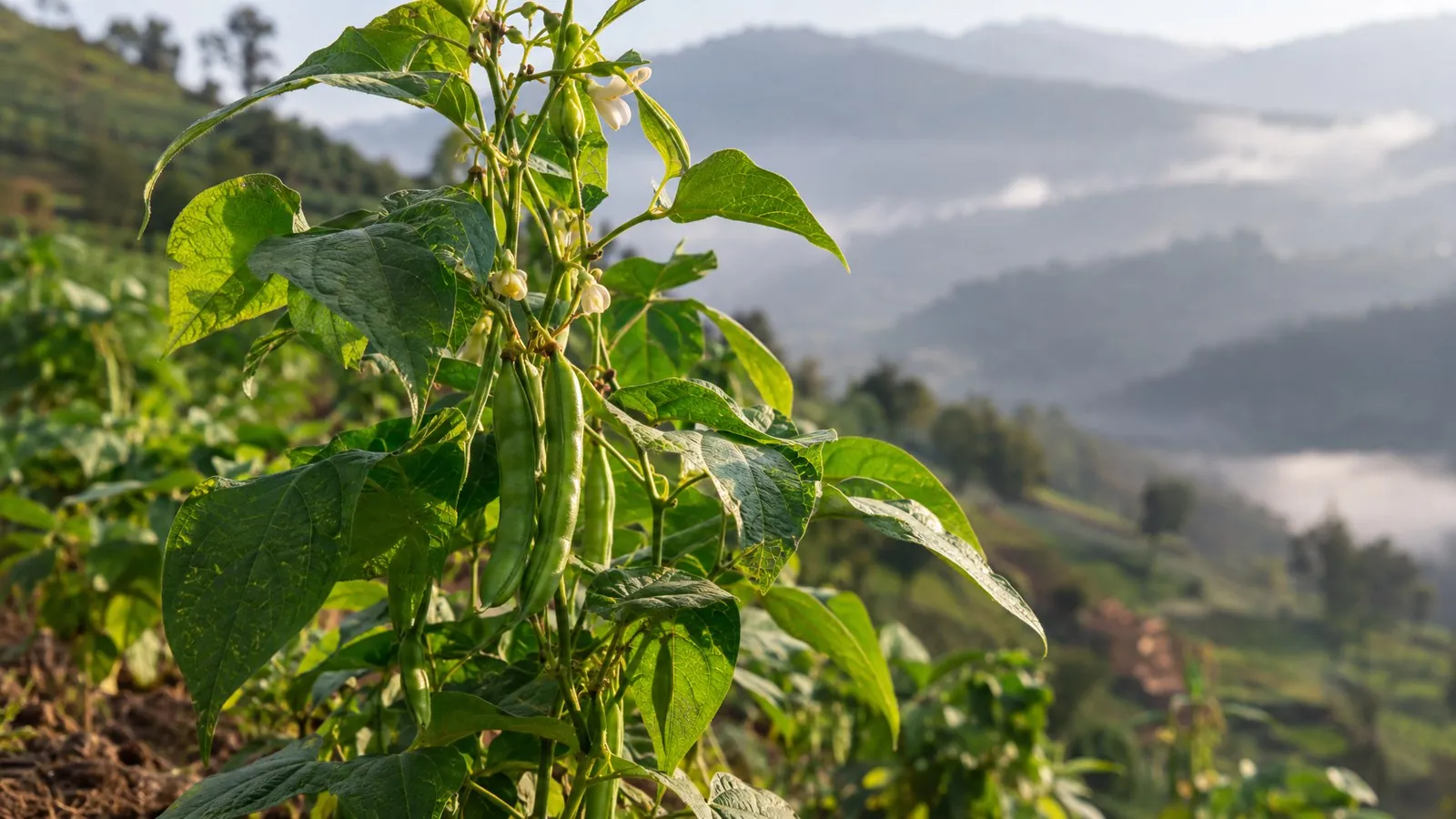
Rajma vs lobia: difference, nutrition and which to choose

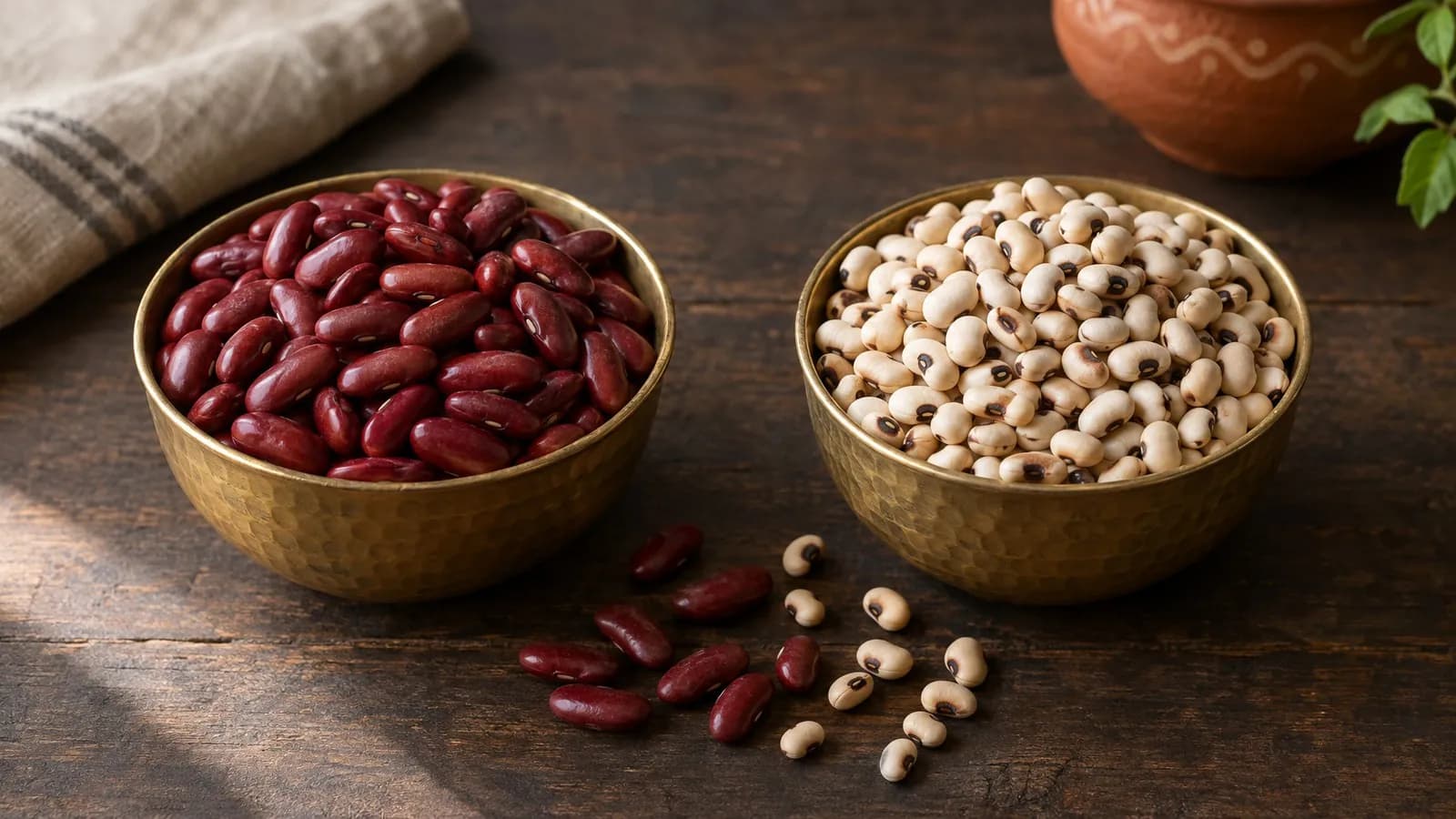
Rajma vs lobia: rajma is the red kidney bean (Phaseolus vulgaris) and lobia the cowpea (Vigna catjang), two different pulses. Lobia has slightly more protein and energy, rajma more fibre and iron; GI 45 vs 37.
29 Sept 2026by COWBERRY
7 minute read
Rajma plant: how rajma is grown in India (it is not a tree)
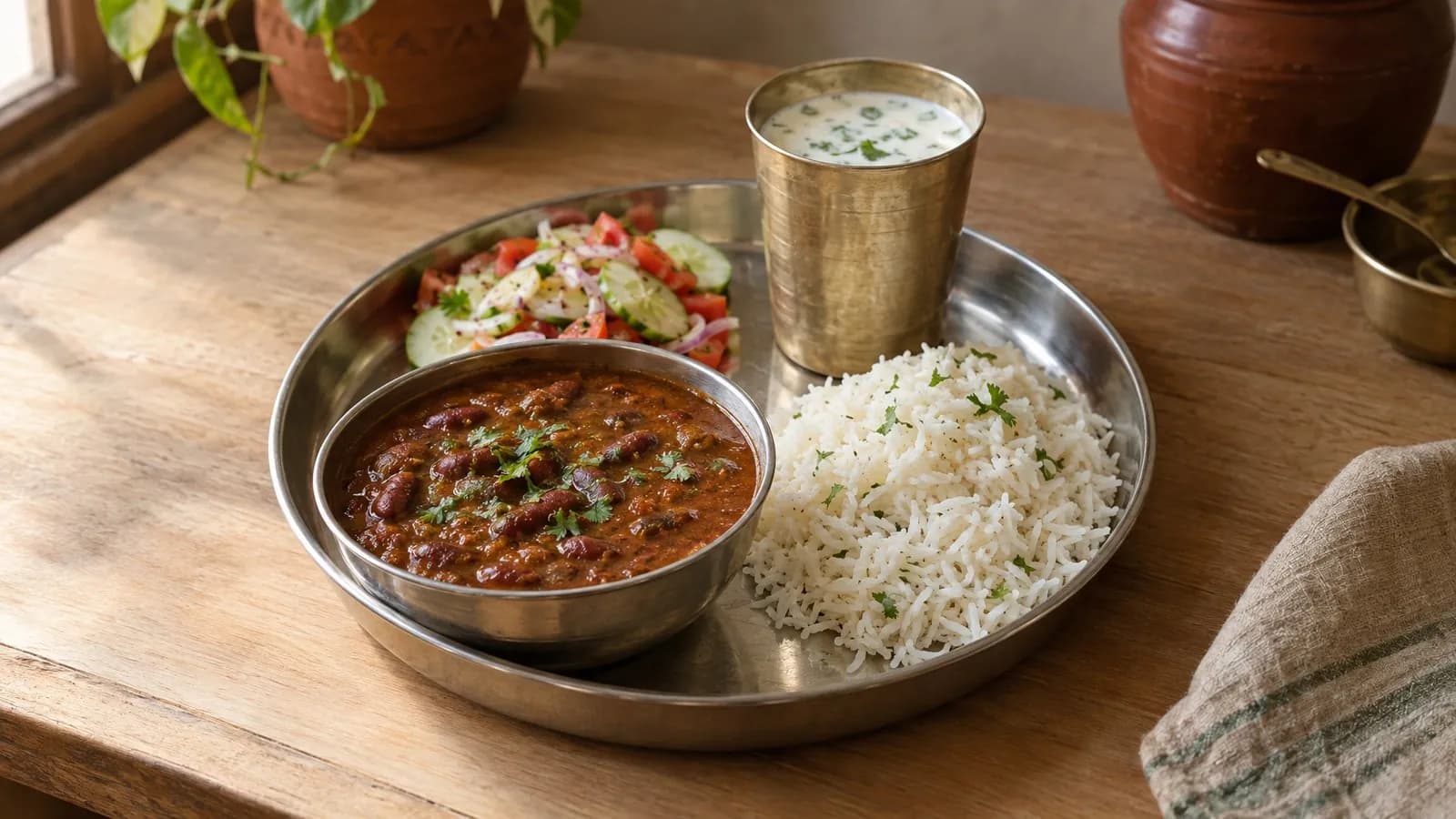
Rajma plant: how rajma is grown in India (it is not a tree)

Rajma tree is a misnomer: rajma grows on a leguminous plant, Phaseolus vulgaris. How COWBERRY's rajma is grown in Himachal Pradesh and Jammu, what pulses do for the soil, and the many Indian names for one seed.
27 Sept 2026by COWBERRY
8 minute read
Rajma in pregnancy: benefits, safety and how to eat it
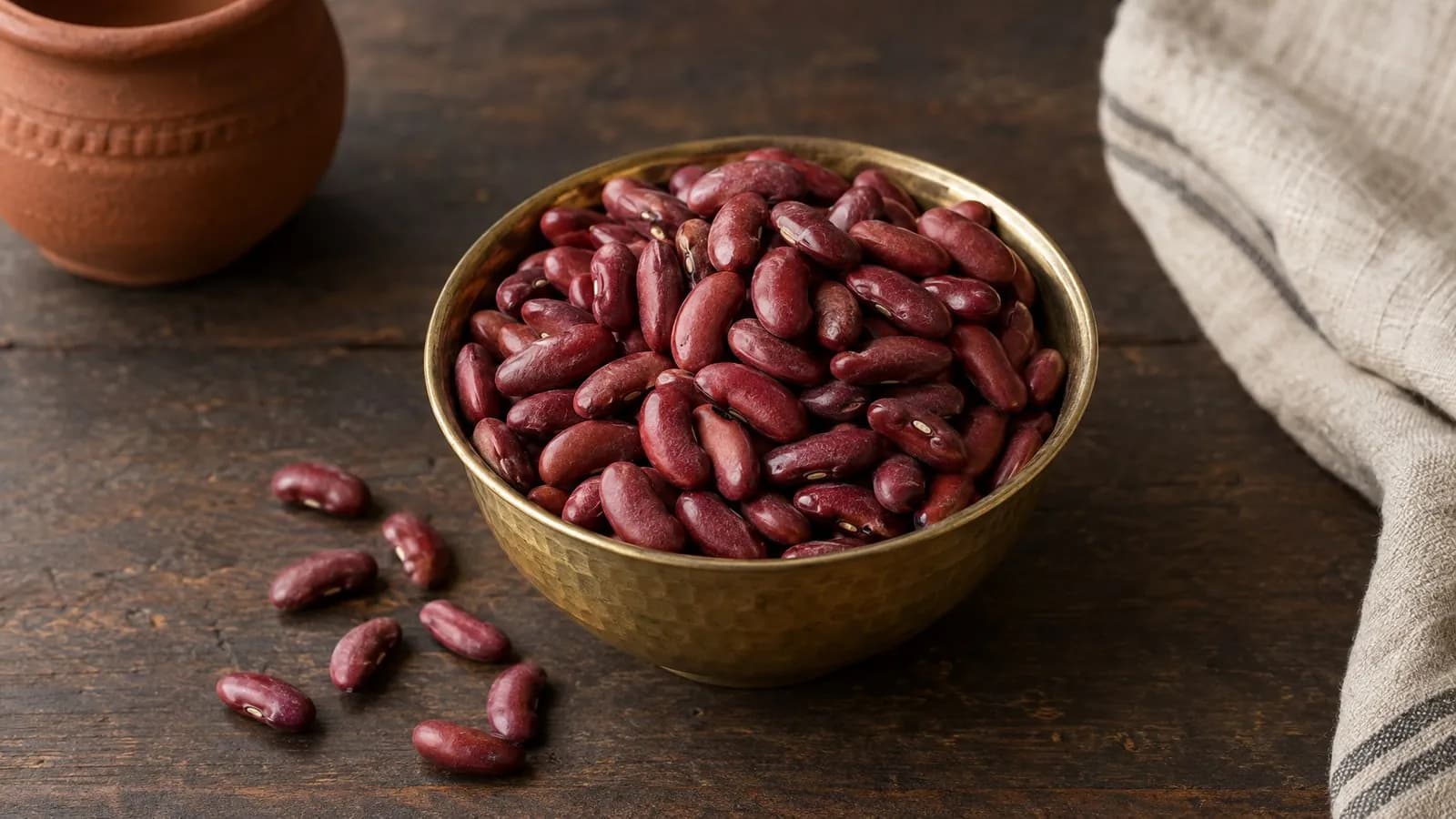
Rajma in pregnancy: benefits, safety and how to eat it

Rajma in pregnancy: the guidelines name kidney beans in the pregnancy pulse list (80 g a day) with 20 g breakfast and 30 g lunch slots, plus protein, iron and folate numbers, trimester notes and the cooking safety rules.
25 Sept 2026by COWBERRY
8 minute read
Kidney beans in Hindi: rajma names in Indian languages
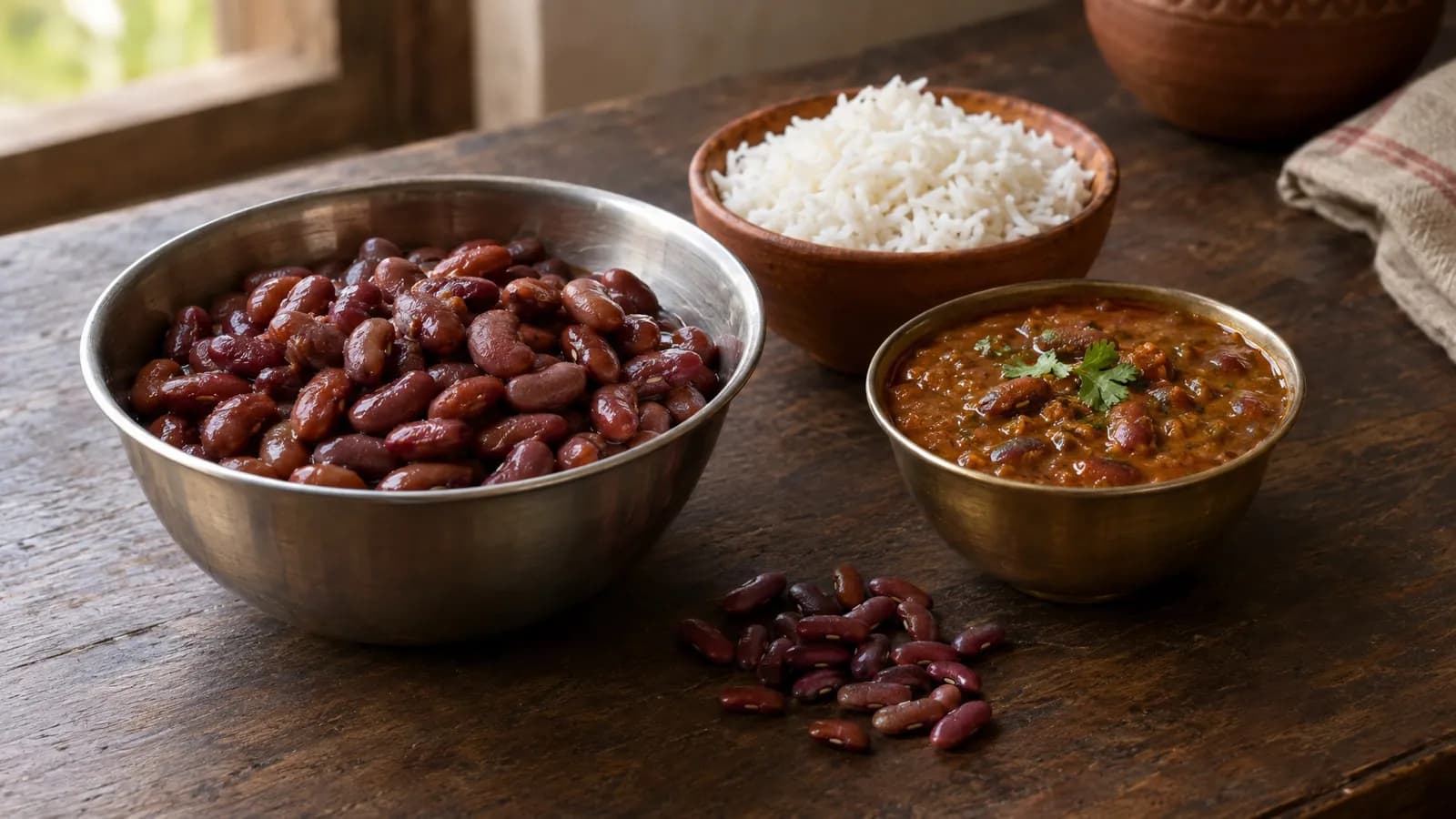
Kidney beans in Hindi: rajma names in Indian languages

Kidney beans in Hindi is rajmah; in English red kidney beans (Phaseolus vulgaris). Punjabi lal rajmah, Gujarati phansi (lal), Tamil karamani payir, plus every language and the names other dals share.
24 Sept 2026by COWBERRY
7 minute read
Rajma glycemic index and load: kidney beans GI explained
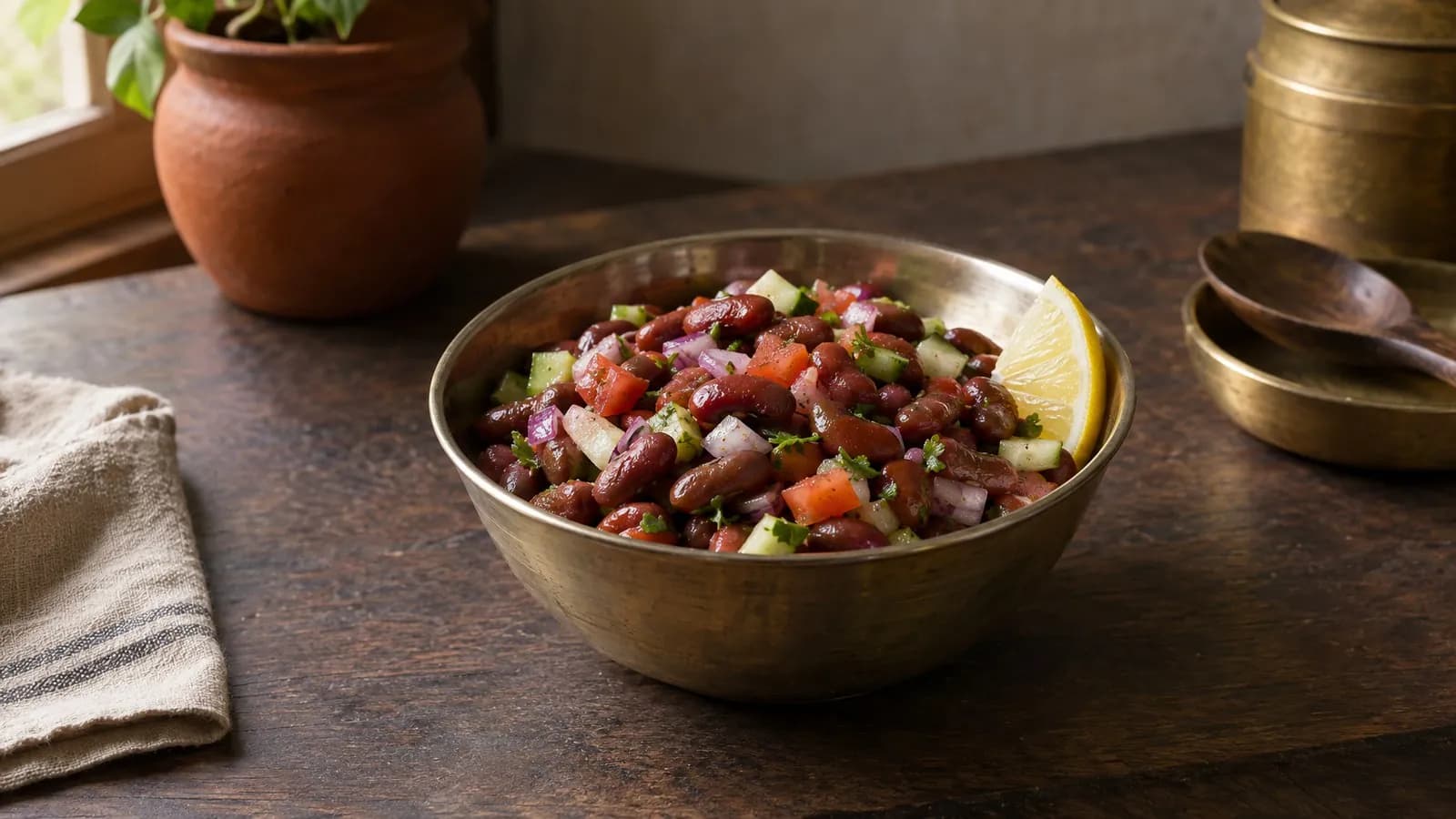
Rajma glycemic index and load: kidney beans GI explained

Rajma glycemic index is 45, the mean of two India tests in the University of Sydney GI database (boiled 19, soaked-and-steamed 70). Glycemic load per katori and per plate, why GI is never per 100 g, and how rajma compares with lobia, chana dal and wheat.
23 Sept 2026by COWBERRY
7 minute read
Rajma for weight loss: calories, fibre and how to eat it
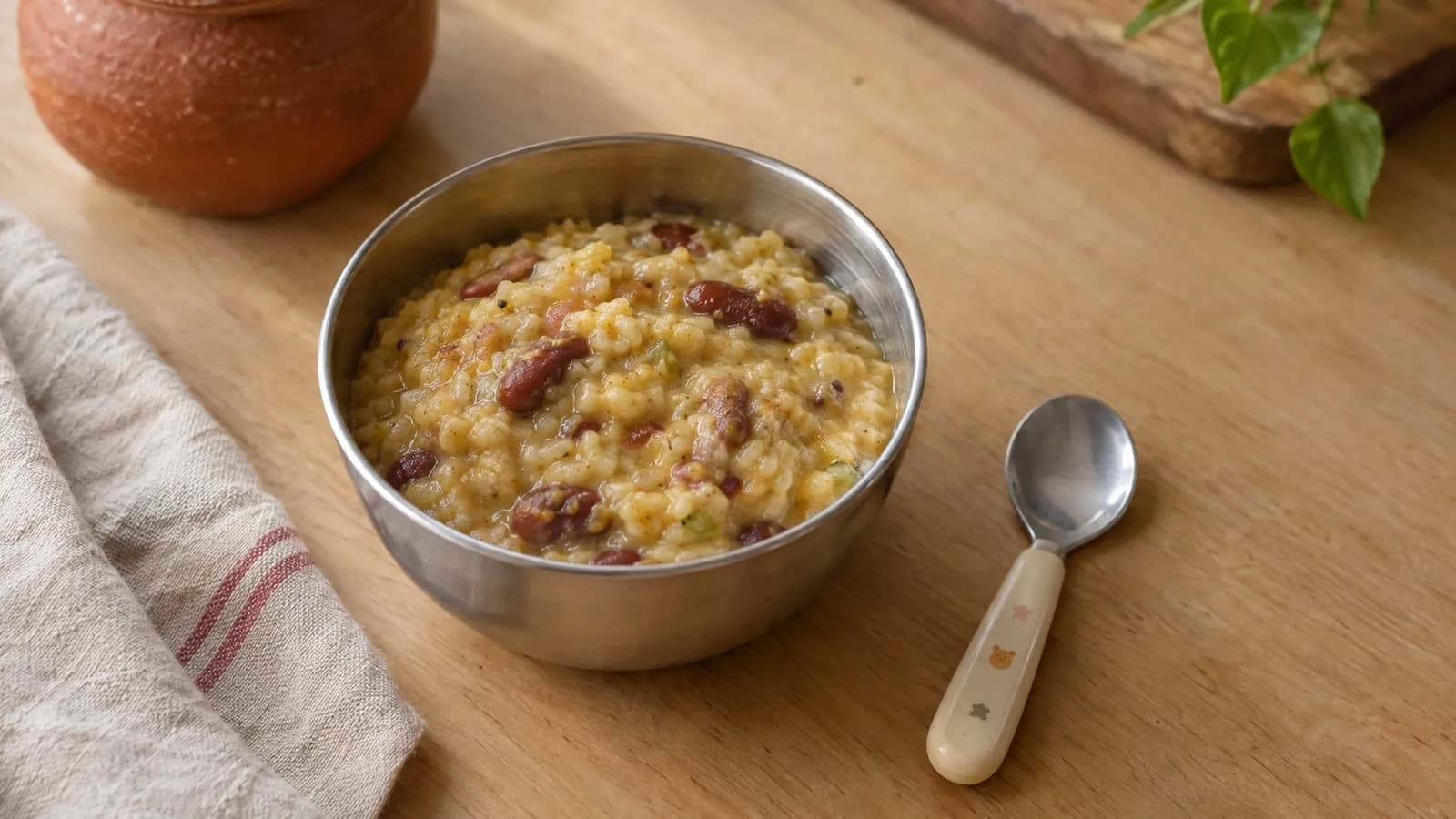
Rajma for weight loss: calories, fibre and how to eat it

Rajma for weight loss: a 50 g serving brings 150 kcal with 10 g of protein and 8.3 g of fibre. Katori numbers, the 2016 pulse weight meta-analysis, three ways to eat rajma in a calorie deficit, and why no single food decides the scale.
22 Sept 2026by COWBERRY
6 minute read
Rajma for babies: when to start, how to cook and serve it
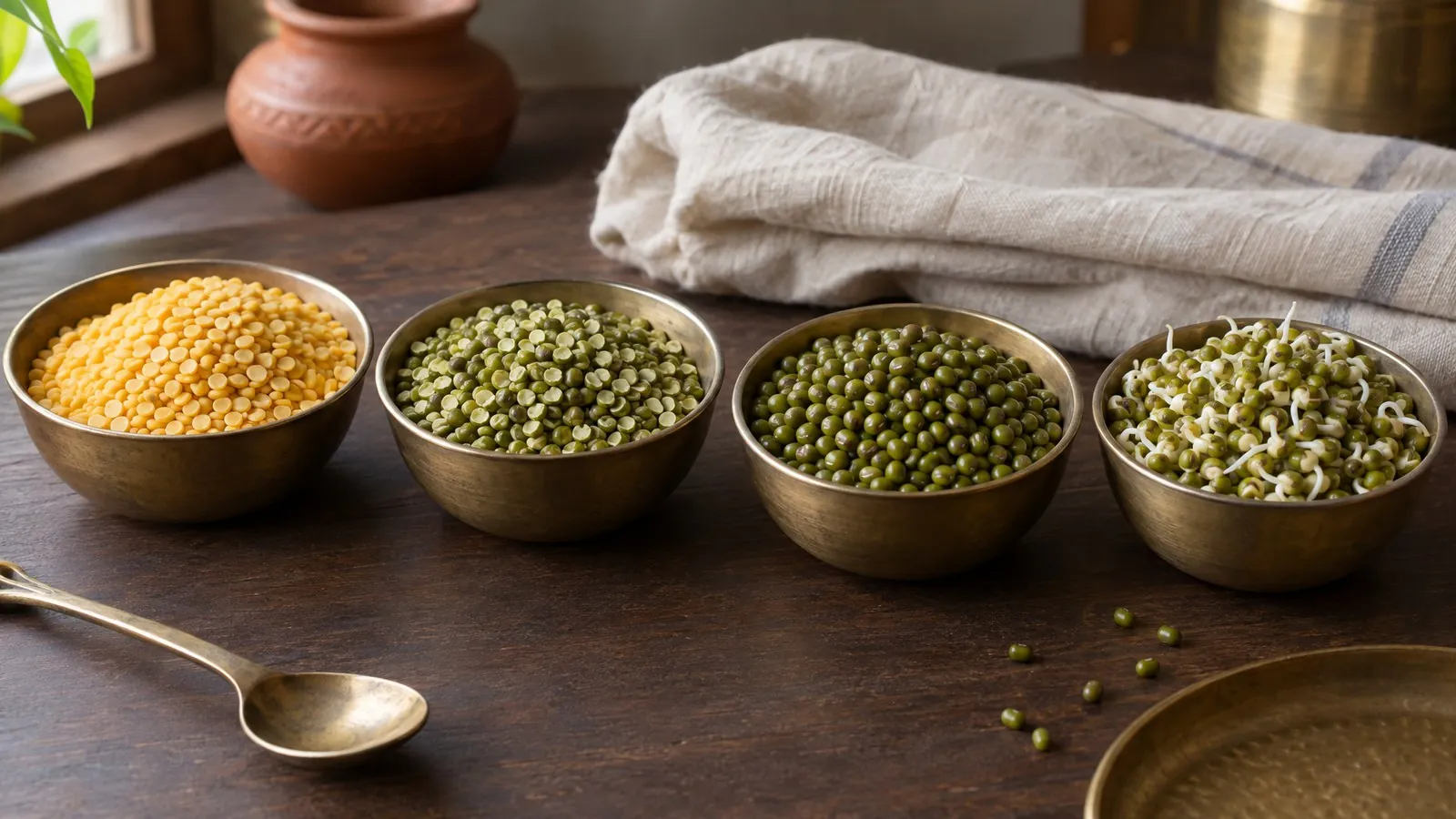
Rajma for babies: when to start, how to cook and serve it

Rajma for babies: from six months onwards, well-cooked, mashed and in the small amounts the ICMR-NIN charts give. The 5 g khichdi amount from 6 to 12 months, the 15 g step after one year, how to cook and mash rajma, and the salt, sugar and safety rules.
21 Sept 2026by COWBERRY
6 minute read
Moong dal types: yellow, green, chilka, dhuli and which is best
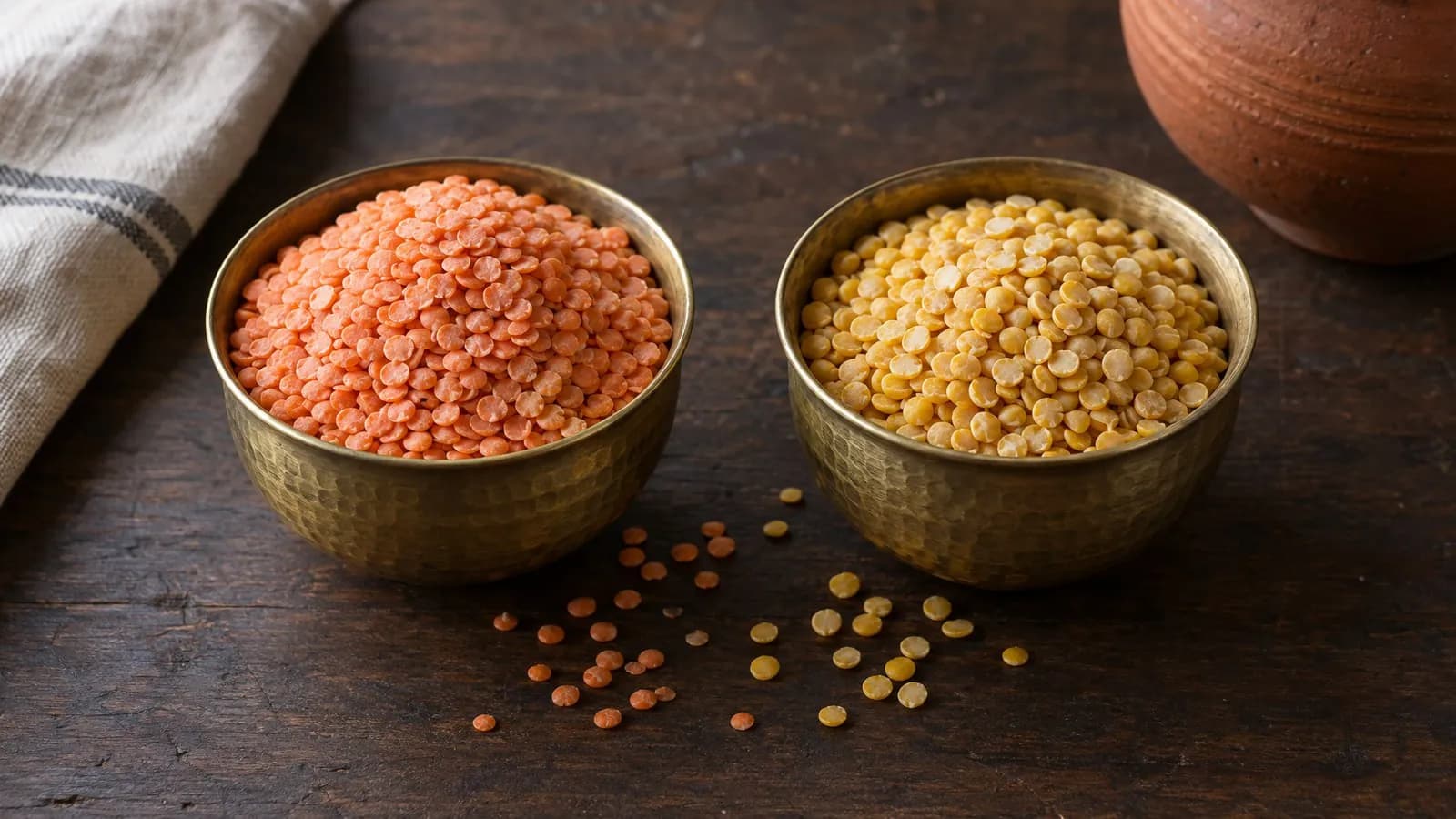
Moong dal types: yellow, green, chilka, dhuli and which is best

Moong dal types explained: yellow dhuli, green chilka, whole sabut and sprouts — what each is, how long it soaks and cooks, its nutrition, and which form to use for which dish.
09 Sept 2026by COWBERRY
9 minute read
Masoor dal vs toor dal: protein, nutrition and which to choose
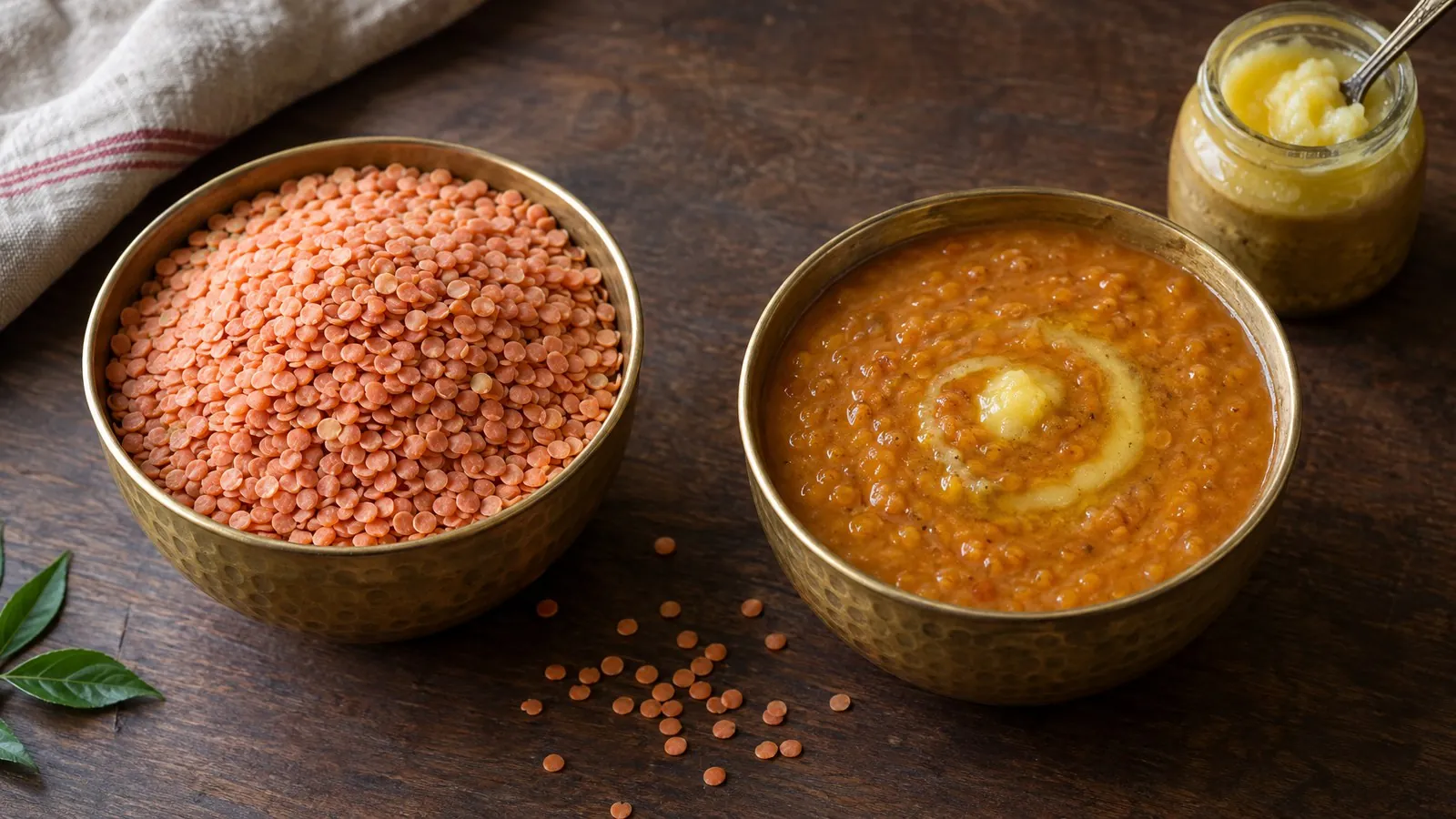
Masoor dal vs toor dal: protein, nutrition and which to choose

Masoor dal vs toor dal: red lentil against pigeon pea. Masoor has more protein, fibre and iron, toor more folate and calcium; GI 25 vs 20, 323 vs 331 kcal per 100 g.
01 Sept 2026by COWBERRY
8 minute read
Masoor dal protein per 100g: calories, carbs, fat and GI
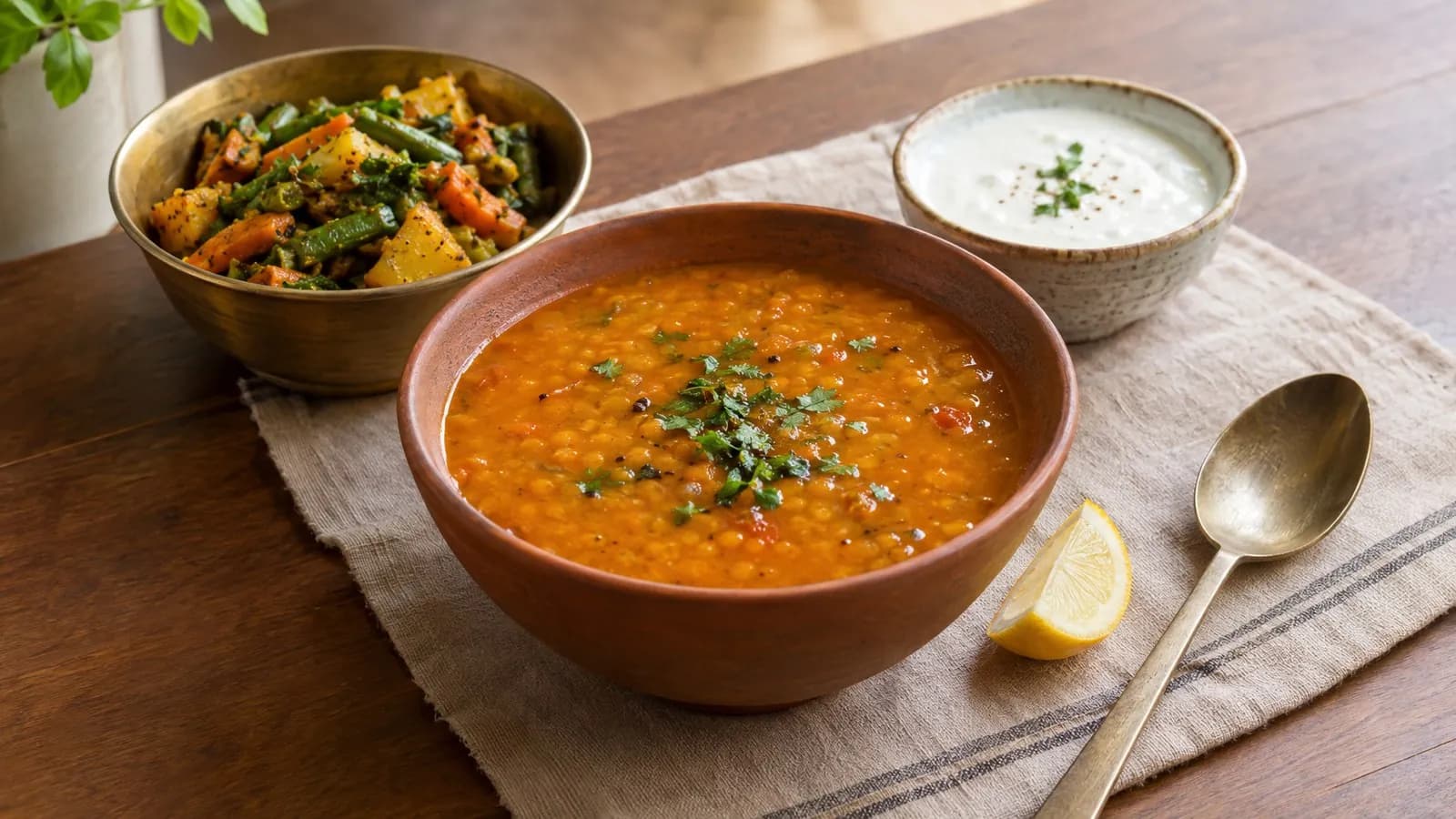
Masoor dal protein per 100g: calories, carbs, fat and GI

Masoor dal nutrition per 100 g (IFCT 2017): 323 kcal, 24.35 g protein, 52.53 g carbs, 10.43 g fibre, 0.75 g fat, 7.06 mg iron and a GI of 25, plus per-katori numbers and the comparison with toor and moong dal.
30 Aug 2026by COWBERRY
8 minute read
Masoor dal in pregnancy: benefits, portion and how to eat it

Masoor dal in pregnancy: benefits, portion and how to eat it

Masoor dal in pregnancy: protein, iron and folate per katori, what WHO and ICMR-NIN say about pulses and supplements, how much to eat, cooking for less gas and what to avoid.
29 Aug 2026by COWBERRY
7 minute read