membership background

Spices articles from COWBERRY

Featured

What Is Brown Sugar? Types, How It Is Made, Nutrition and Uses

What Is Brown Sugar? Types, How It Is Made, Nutrition and Uses

What is brown sugar: sugar with part of the cane's molasses kept in — 380 kcal and 98.1 g of carbohydrate per 100 g. Types (demerara, muscovado, light and dark), names, how it is made, nutrition, uses, storage and buying.
05 Aug 2026by COWBERRY
11 minute read

Fresh Blogs

Coriander water benefits: what dhania water actually does

Coriander water benefits: what dhania water actually does

Coriander water benefits, answered honestly: the research reviewed here has no human trial showing coriander water does anything specific. Here is what is known about coriander, what one teaspoon of seeds holds, and how to make and drink the water.
05 Oct 2026by COWBERRY
7 minute read
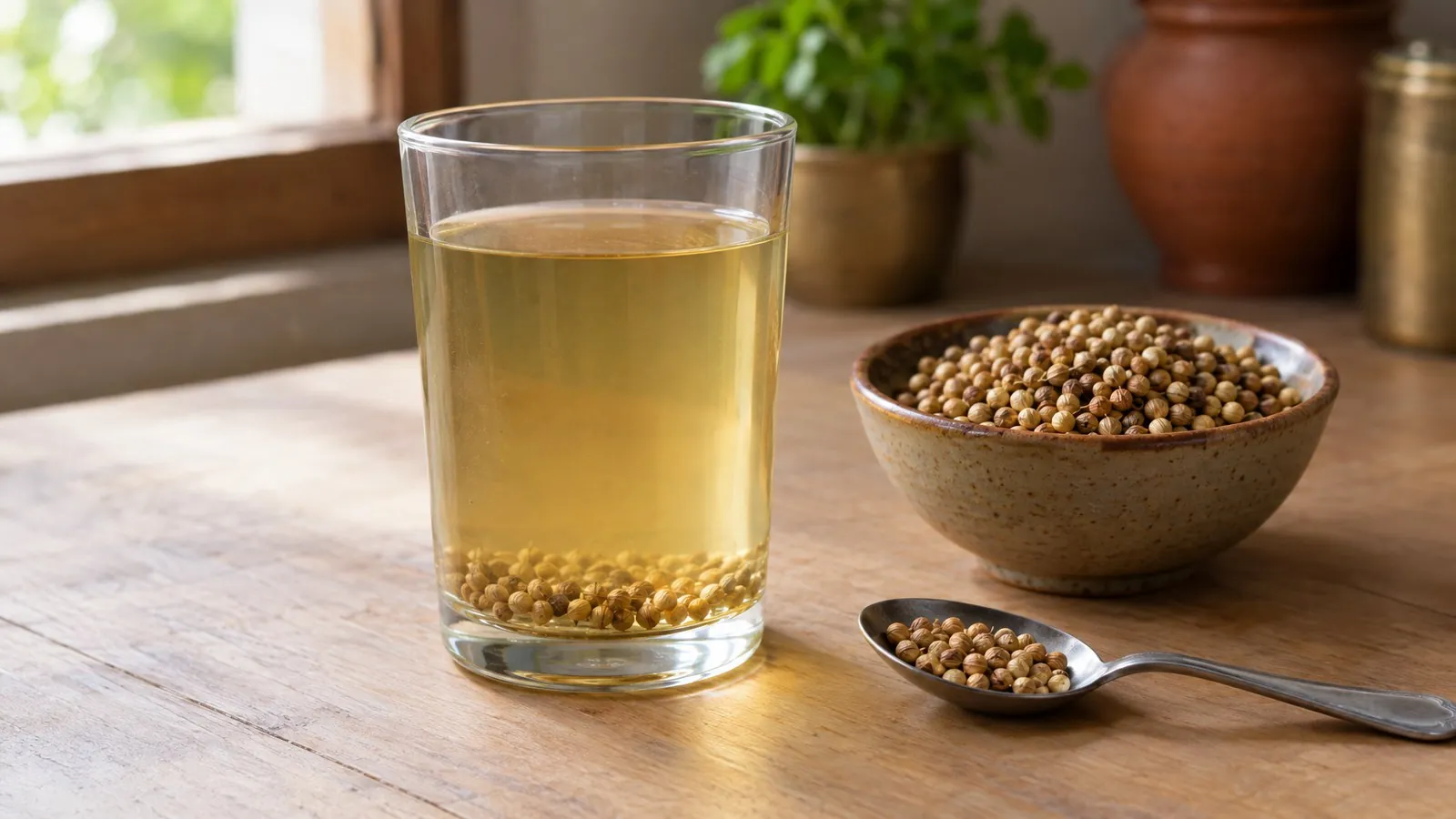
Red rice vs brown rice: the fibre, GI and honest verdict
Red rice vs brown rice: the fibre, GI and honest verdict
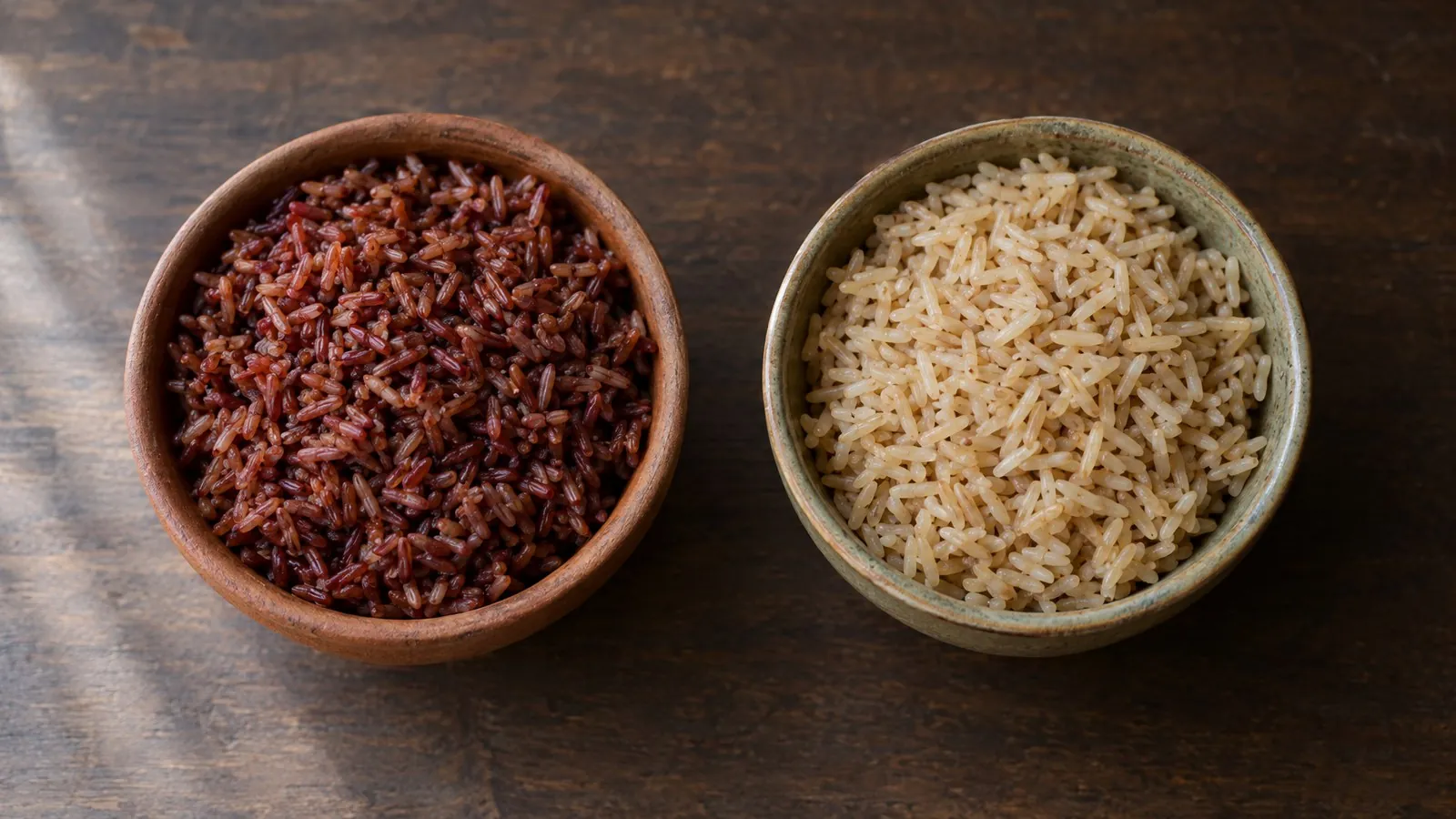
Red rice vs brown rice: brown rice lists more fibre and protein and an India-tested GI of 58, while red rice's seven foreign tests average 62. Side-by-side nutrition per 100 g, GI, cooking, cost and which to choose.
05 Oct 2026by COWBERRY
6 minute read

More Articles

Nutmeg nutrition facts 100g: calories, fat and what a pinch adds
Nutmeg nutrition facts 100g: calories, fat and what a pinch adds

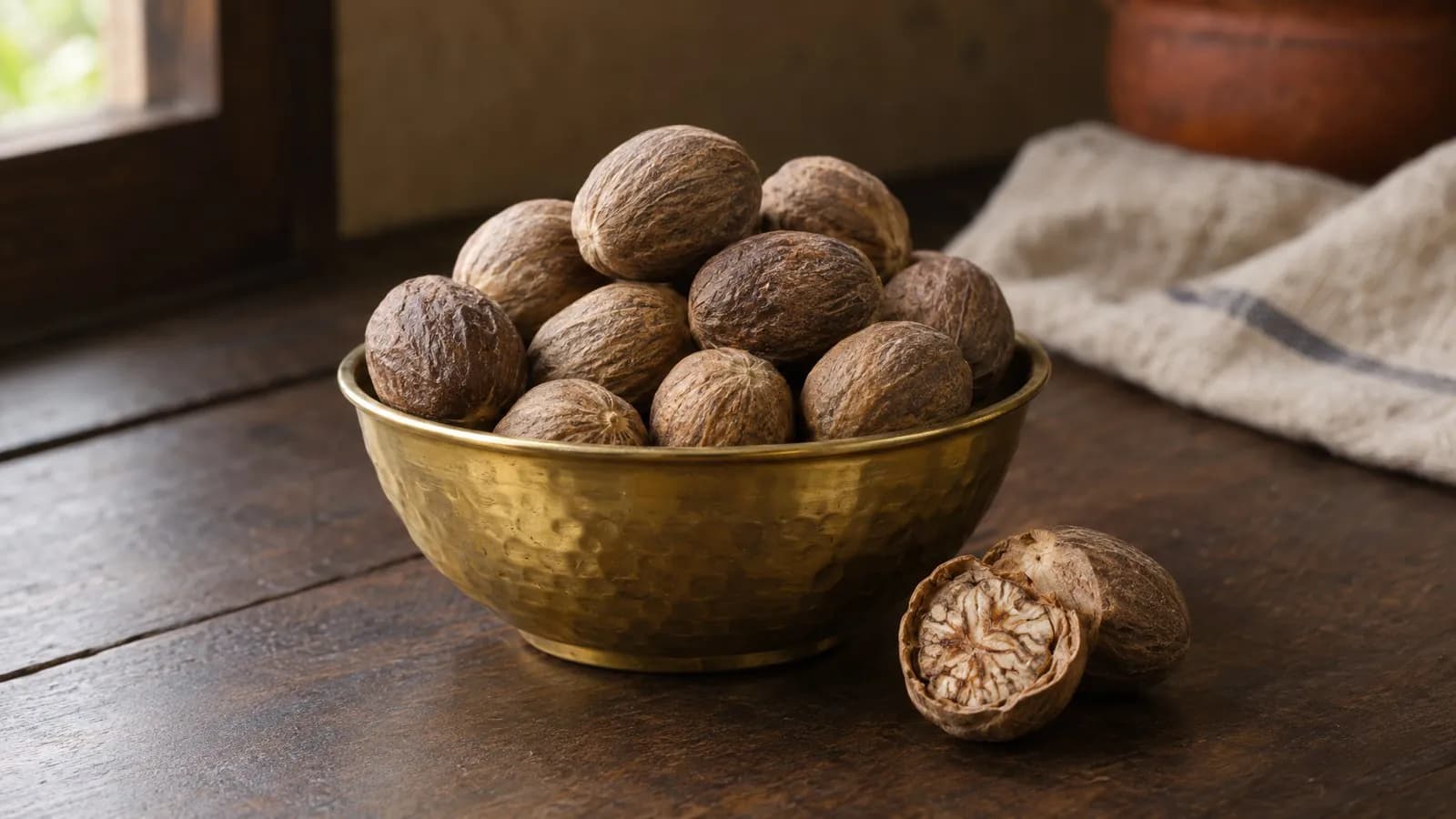
Nutmeg nutrition facts 100g from IFCT 2017: 464 kcal, 36.5 g fat, 27.6 g carbohydrate, 6.3 g protein, 148 mg calcium and more, with every number worked down to the 0.5 g pinch a dish actually uses.
03 Jul 2026by COWBERRY
7 minute read
Jaiphal in English: nutmeg names in Hindi and Indian languages
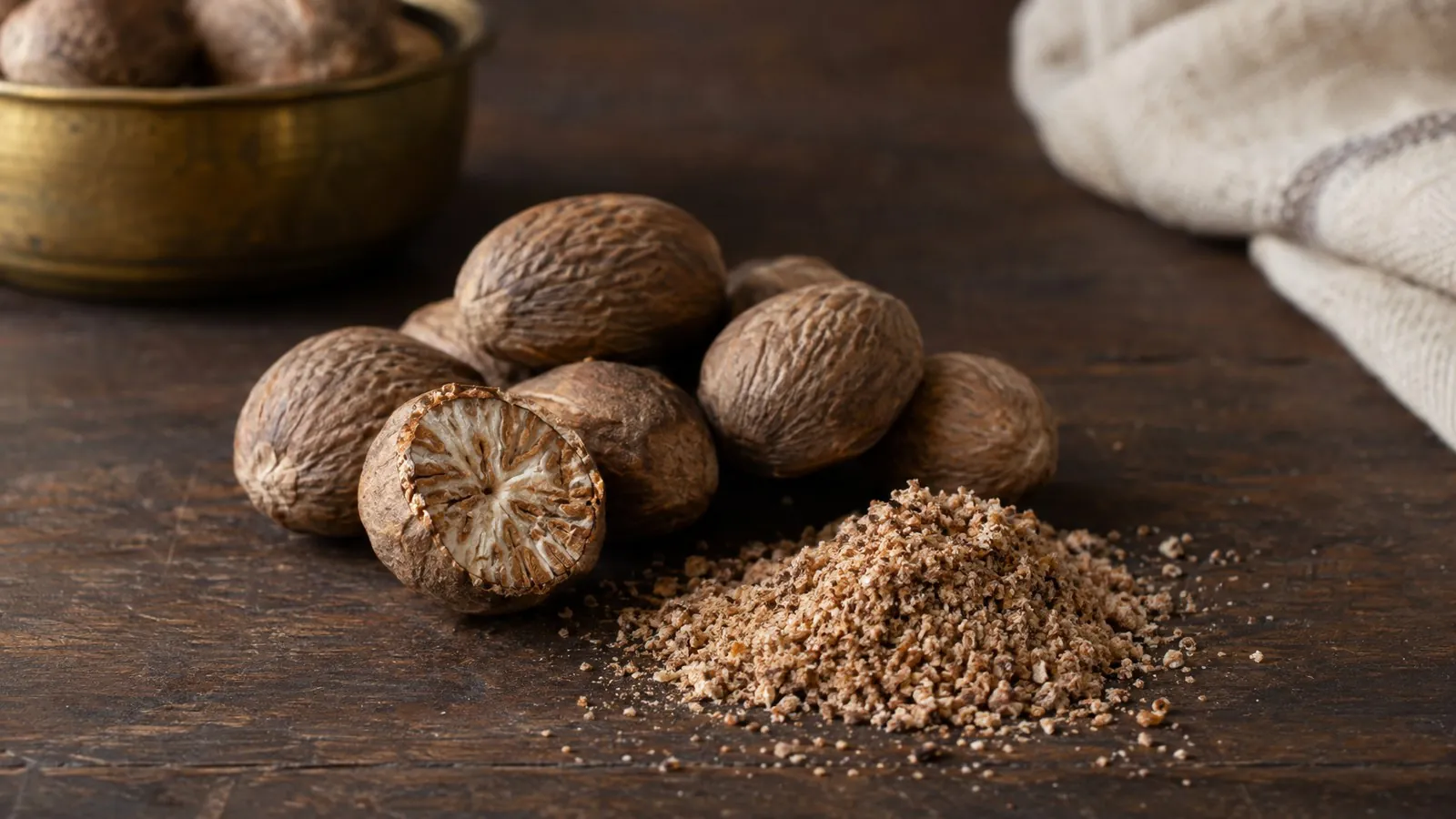
Jaiphal in English: nutmeg names in Hindi and Indian languages

Jaiphal in English is nutmeg, the seed of Myristica fragrans. All 13 Indian-language names in one table: jaiphal in Hindi, jathikai in Tamil, jayikayi mara in Kannada, jajikaya in Telugu.
01 Jul 2026by COWBERRY
5 minute read
10 benefits of nutmeg (and its side effects)
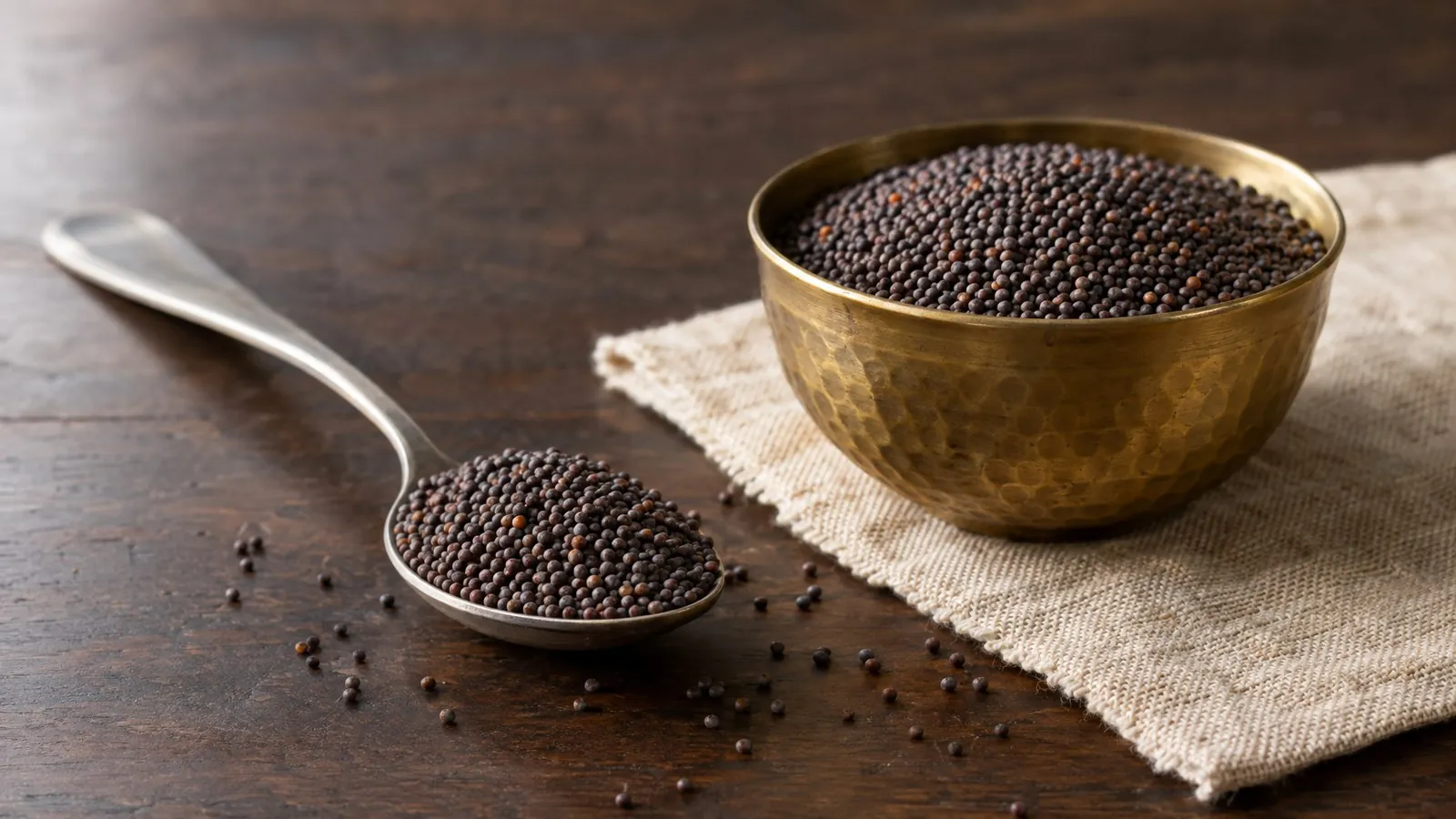
10 benefits of nutmeg (and its side effects)

Nutmeg benefits, each tied to its source: traditional use, the seed's compounds, essential-oil lab studies, minerals per 100 g. Then the side effects at high doses, the honest daily limit and how to use jaiphal.
30 Jun 2026by COWBERRY
8 minute read
Mustard seeds nutritional value per 100g: calories, protein and more
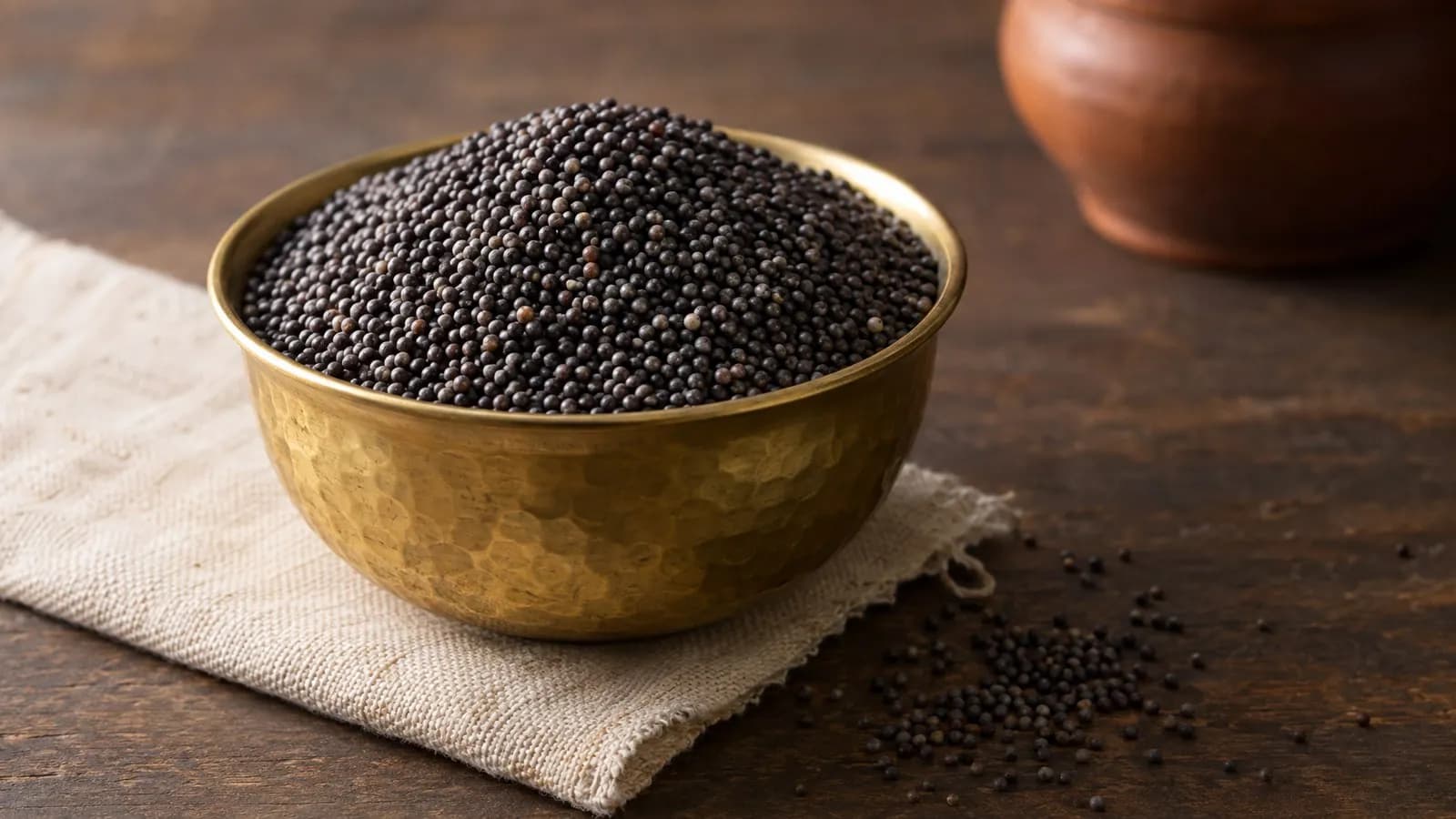
Mustard seeds nutritional value per 100g: calories, protein and more

Mustard seeds nutritional value per 100g from IFCT 2017: 510 kcal, 19.5 g protein, 40.2 g fat, 14.1 g fibre, 402 mg calcium, no GI printed. Plus per-teaspoon numbers and mustard against fenugreek and cumin.
29 Jun 2026by COWBERRY
7 minute read
Mustard seeds in English, Hindi and Indian languages (rai)
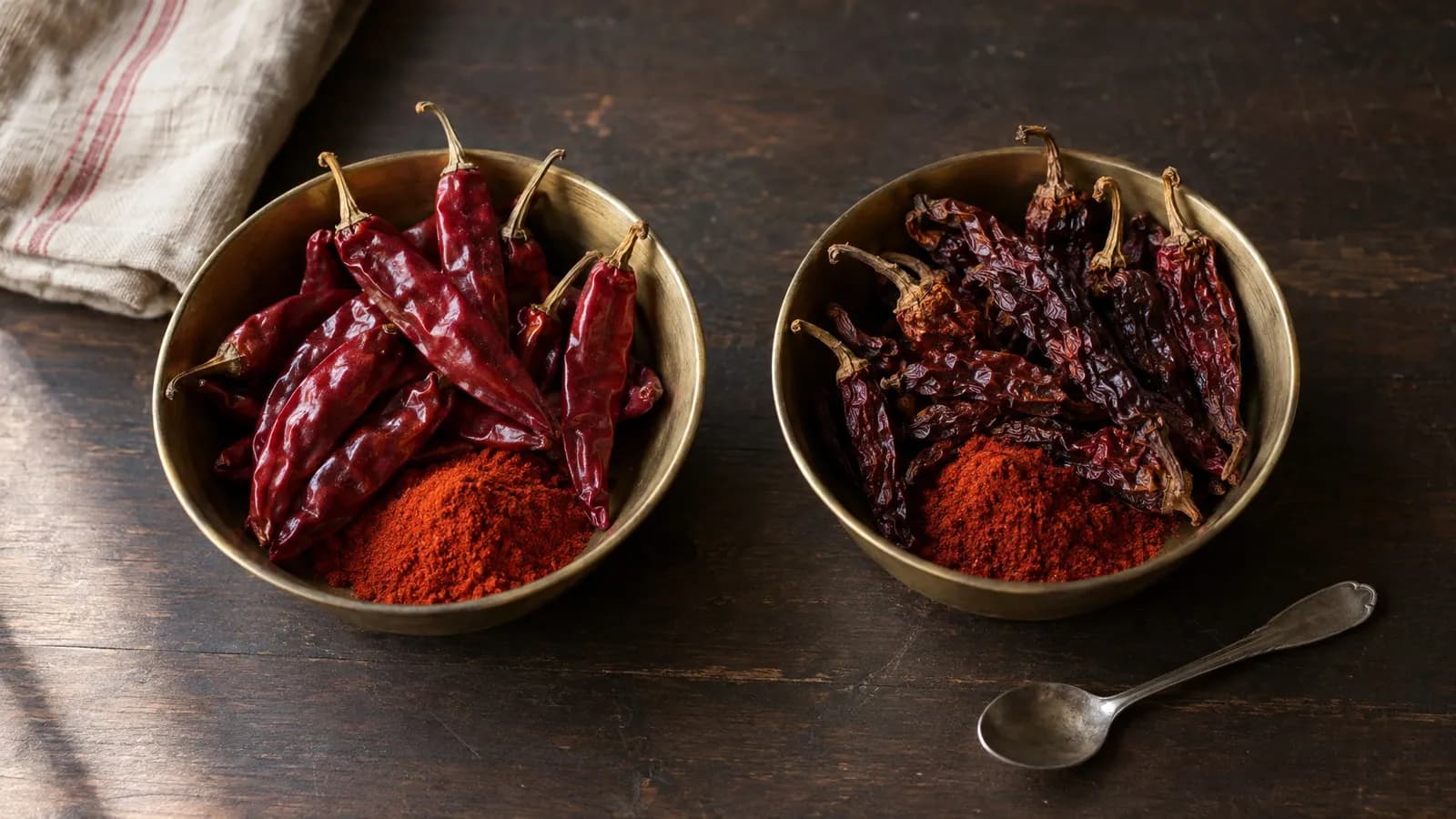
Mustard seeds in English, Hindi and Indian languages (rai)

Mustard seeds in Hindi is rai; in English it is mustard seeds, Brassica nigra. All 13 Indian language names from IFCT 2017: mohori, sorse, sasuve, avalu, kadugu and more.
28 Jun 2026by COWBERRY
5 minute read
Difference between kashmiri lal mirch and lal mirch: heat and colour
Difference between kashmiri lal mirch and lal mirch: heat and colour

The difference between kashmiri lal mirch and lal mirch is heat and colour: kashmiri lal mirch is mild with a deep red colour from Himachal Pradesh, while lal mirch like Guntur chilli brings strong heat. One IFCT nutrition entry covers both.
26 Jun 2026by COWBERRY
6 minute read
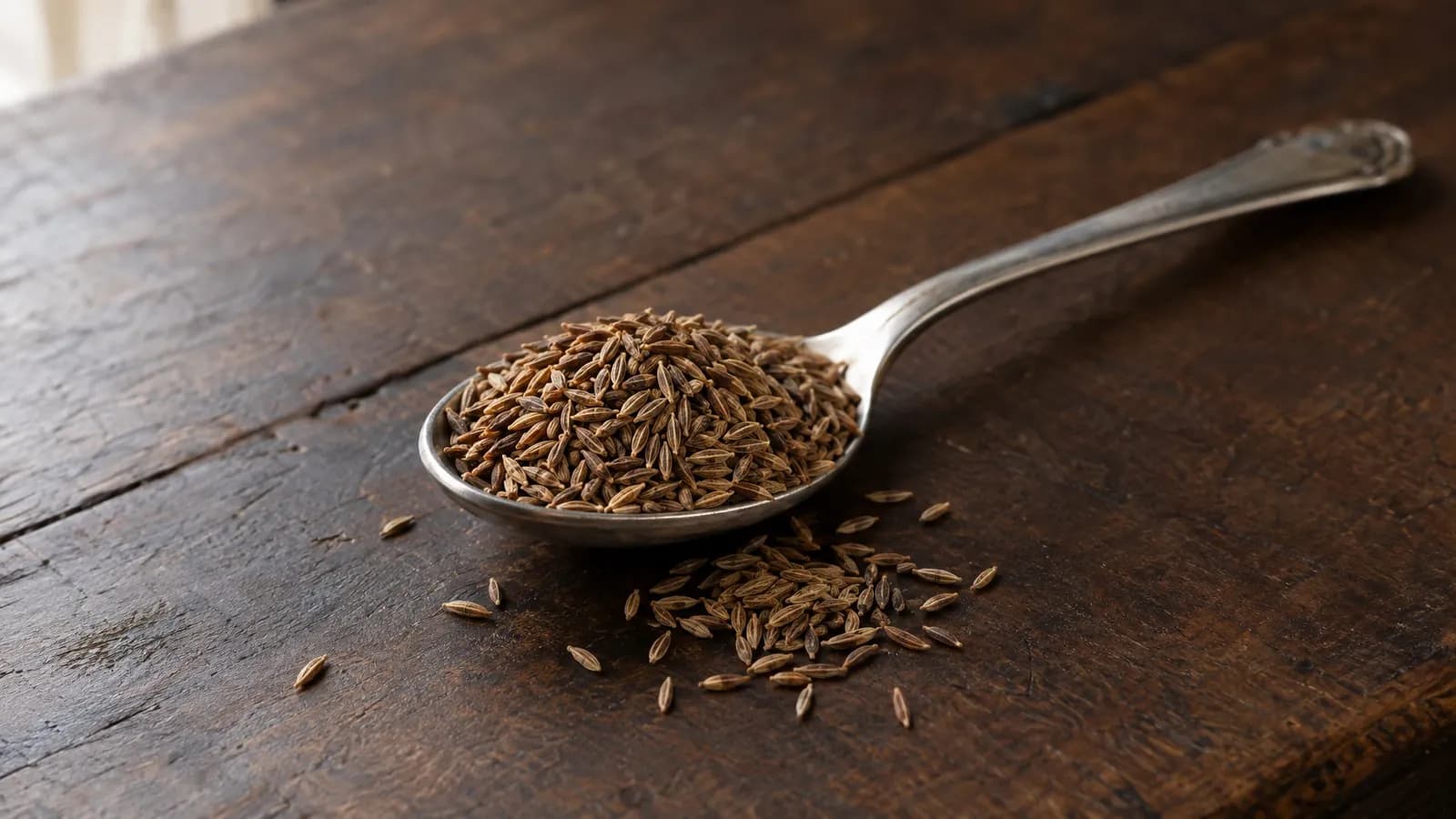
Jeera vs shahi jeera: difference, taste and which to choose
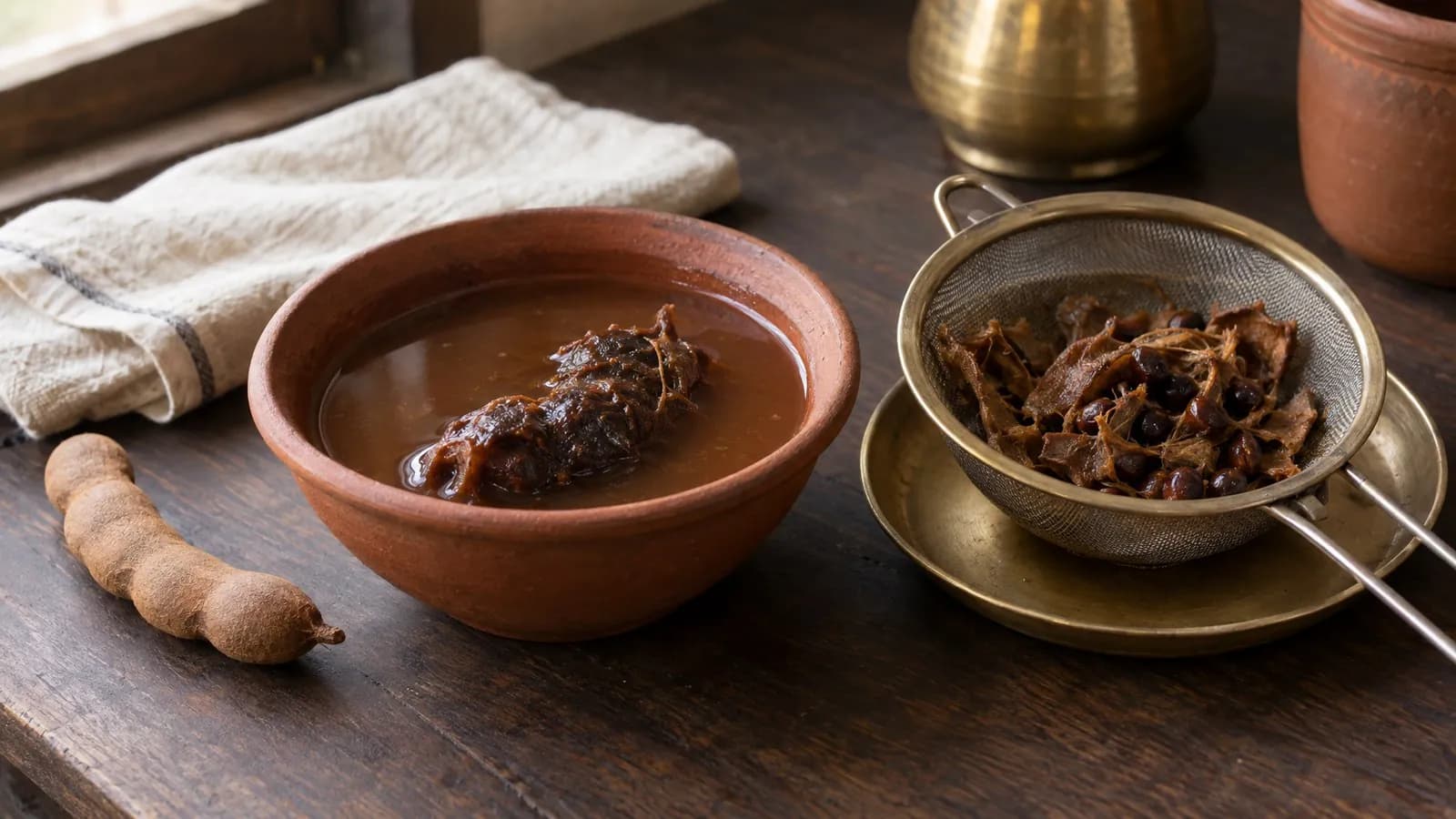
Jeera vs shahi jeera: difference, taste and which to choose

Jeera vs shahi jeera: jeera is cumin seeds, Cuminum cyminum, with a full IFCT 2017 nutrition entry; shahi jeera has no entry in the food tables or the shop. Which seed the recipes use, and how to check a pack.
25 Jun 2026by COWBERRY
7 minute read
Tamarind how to use: soak, extract pulp and add to cooking
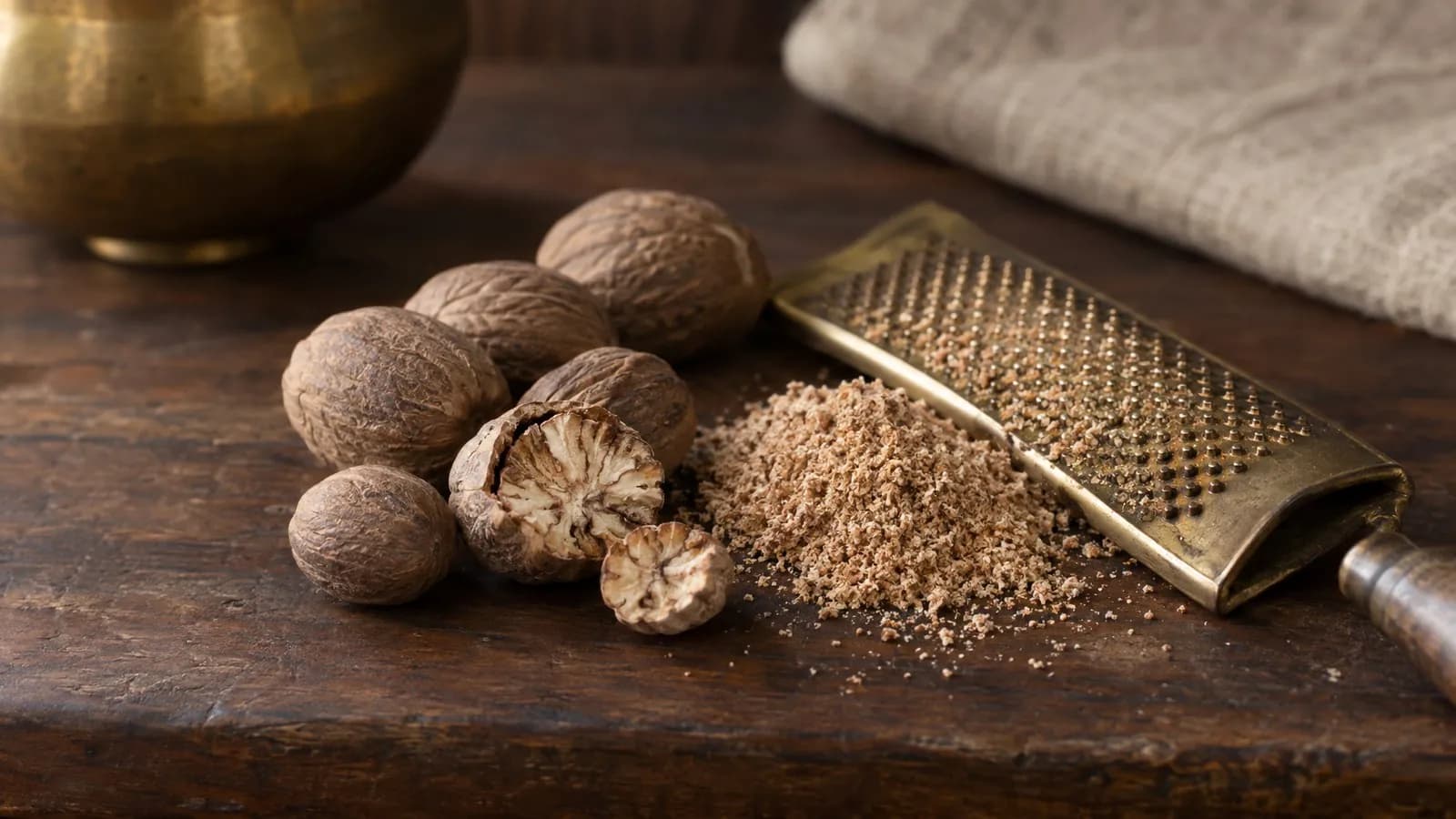
Tamarind how to use: soak, extract pulp and add to cooking

Tamarind how to use: soak a 10 g piece in 60 ml of warm water for 15 to 20 minutes, knead, strain out the seeds and fibre, and add the extract to sambar, rasam, chutneys and curries. Amounts per dish and mistakes to avoid.
23 Jun 2026by COWBERRY
6 minute read
How to use nutmeg: daily limit, grating and storage
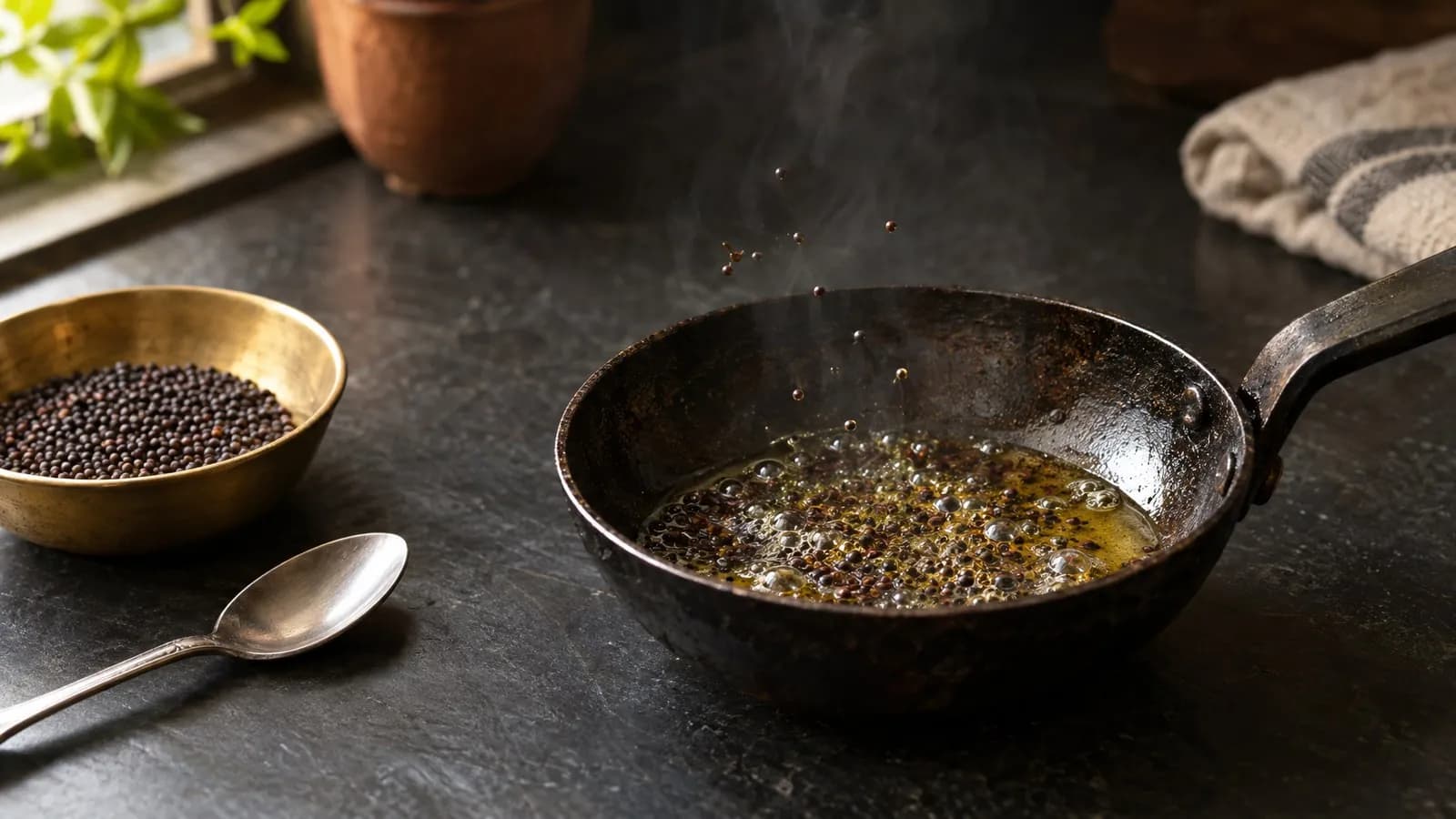
How to use nutmeg: daily limit, grating and storage

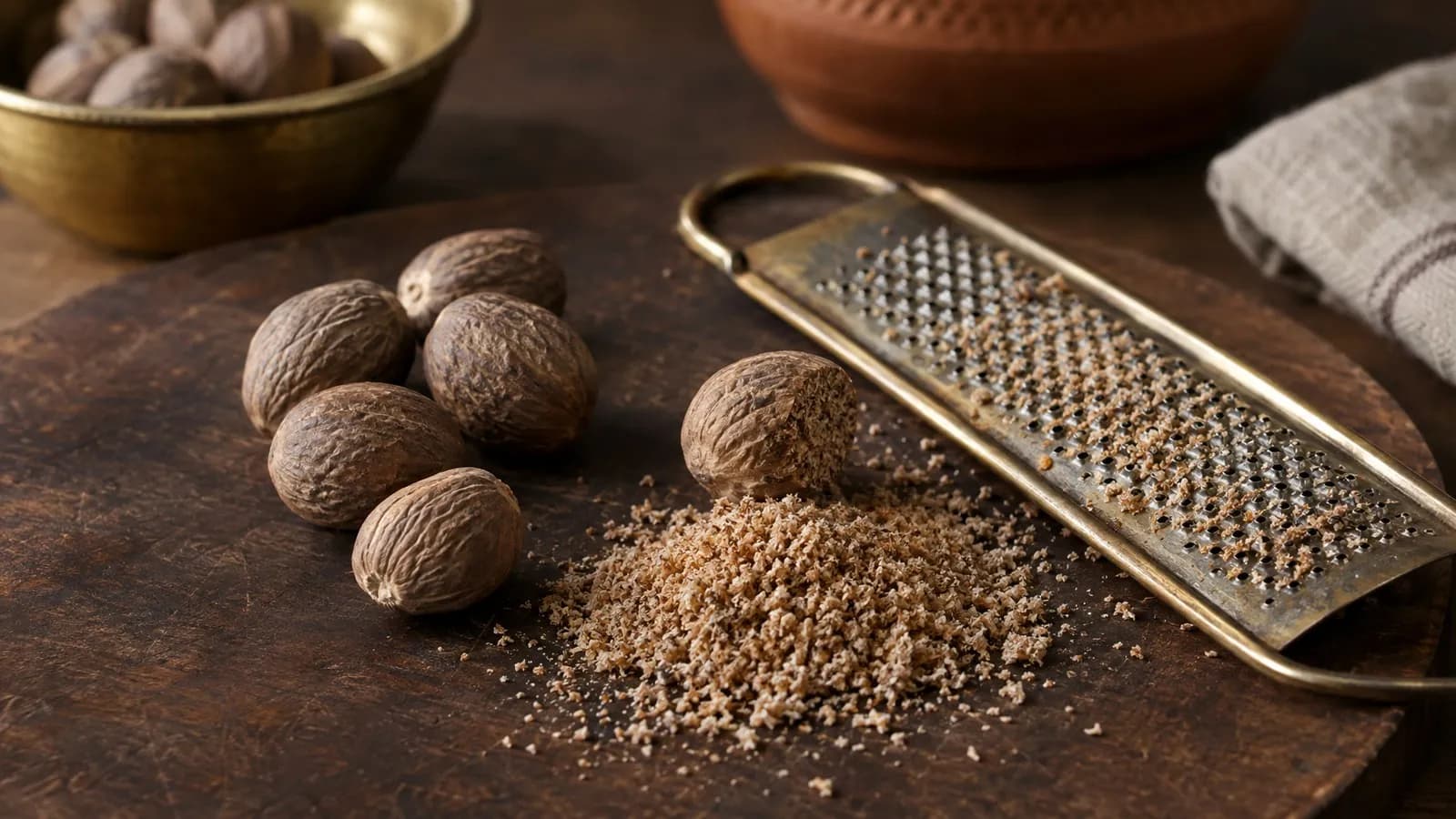
Nutmeg how to use: buy the whole seed, grate it fresh over the dish, add it near the end and keep the jar airtight. The honest daily-limit answer, grating steps, storage rules and common mistakes.
22 Jun 2026by COWBERRY
7 minute read
Mustard seeds: how to use them in cooking (tempering 101)
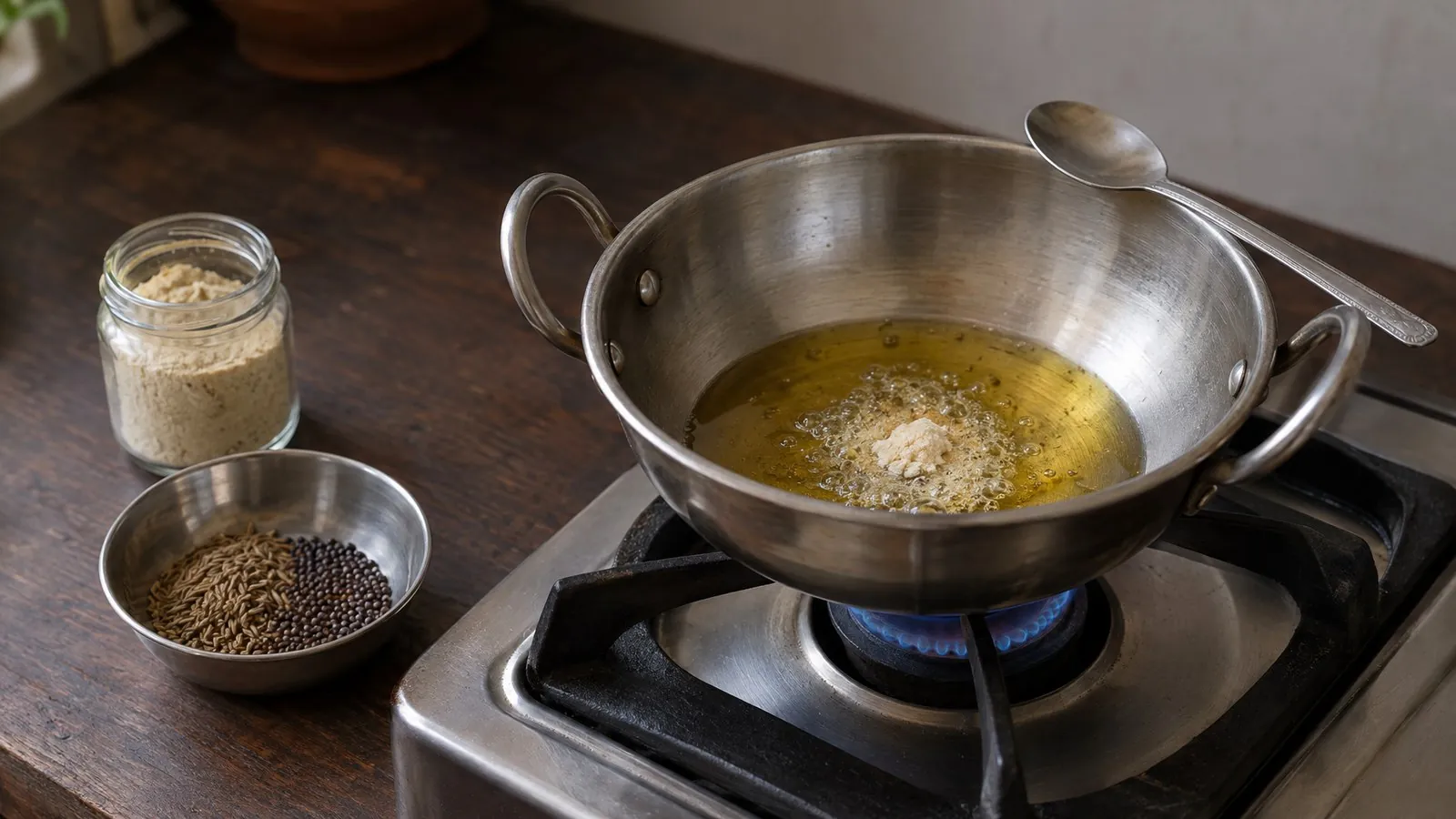
Mustard seeds: how to use them in cooking (tempering 101)

Mustard seeds how to use: add them to hot oil and wait for the pop, then pour the tadka over dal, sambar or poha. Step-by-step tempering, whole, ground and soaked uses, common mistakes, identification and storage.
21 Jun 2026by COWBERRY
7 minute read
Asafoetida how to use: cooking, storing and eating hing
Asafoetida how to use: cooking, storing and eating hing

Asafoetida how to use: a pinch into hot oil or ghee at the start of the tadka for dal, sambar, curries, vegetables and pickles, plus solid hing, common mistakes and airtight storage.
20 Jun 2026by COWBERRY
7 minute read
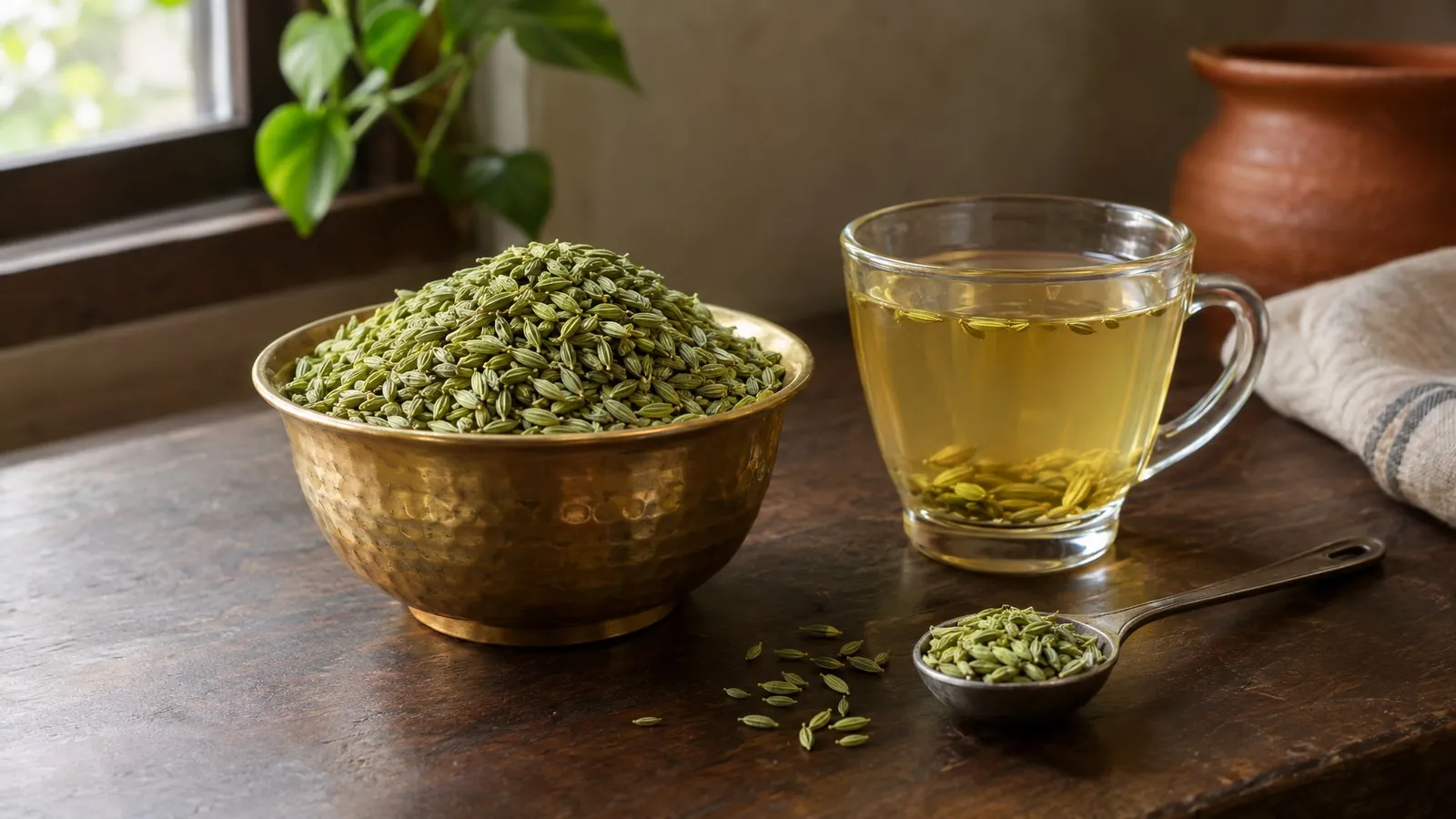
Saunf how to use: how to eat fennel seeds daily and in cooking

Saunf how to use: how to eat fennel seeds daily and in cooking

Saunf how to use: chew a pinch after meals, brew saunf tea or overnight saunf water, roast and grind it into masalas, and stir it into sweets like thandai. A teaspoon is about 2 g.
18 Jun 2026by COWBERRY
6 minute read