by COWBERRY

6 minute read
Tamarind how to use: soak, extract pulp and add to cooking

Tamarind how to use starts with one step: soak a small piece in warm water until it softens, then squeeze the pulp out of the seeds and fibre. A 10 g piece in 60 ml of warm water is ready to squeeze in about 20 minutes and sours a whole pot of sambar. The tamarind guide covers the fruit's names and nutrition; this page is the kitchen method.
Short answer: soak, squeeze, strain, cook
The tamarind you buy is a block of dried pulp holding seeds and fibre. To cook with it, you soften a piece in warm water, work the pulp off the seeds with your fingers, and strain out the solids. What you get is tamarind extract, which goes into the dish near the end of cooking; the first press is thick enough for sambar and chutney, and a second press with a little more water gives a thinner extract for rasam and dal.
The extract is used the same day it is made; for keeping pulp and paste, follow the tamarind how to store page.
Step by step: how to extract tamarind pulp
- Break off a 10 g piece. One piece, roughly the size of a small lime, is enough for a sambar or curry for four. Keep the rest of the block in its sealed jar.
- Soak it in 60 ml of warm water. Warm, not boiling, water softens the pulp fastest. Leave it 15 to 20 minutes if the block is soft and pliable, or up to 30 minutes if it has hardened with age.
- Knead it in the water. Rub and squeeze the piece between your fingers until the pulp loosens and the water turns thick and brown.
- Strain out the seeds and fibre. Press the mash through your fingers or a small sieve into a second bowl. The seeds and the stringy fibre stay behind; the brown paste that comes through is the extract.
- Take a second press for a thinner extract. Add two tablespoons of fresh water to the leftover seeds and fibre, knead once more and strain again. Use this thinner liquid for rasam or dal, where a gentler sourness is wanted.
- Discard the solids and cook. The seeds and fibre have given what they have; they go in the bin, not the pot. Use the extract the same day.
Tamarind paste, tamarind water and the block: which to use when
All three forms come from the same fruit; they differ in how much water is in them. Tamarind paste is the thick first press, the one to reach for when the dish needs body as well as sourness: sambar, chutney, marinades. Tamarind water is the thinner, second press, right for rasam, dal and any dish where the sourness should stay in the background. The dry block is simply the stored form of the pulp; you make paste and water from it as needed.
If you cook from a recipe that says "tamarind paste" or "tamarind pulp" without amounts, start with one tablespoon of the thick extract for a dish for four, taste, and add more in small steps, because batches differ in sourness.
How much tamarind to add to each dish
The table gives the working amounts for dishes that serve four, using the extract made in the steps above. They are starting points: tamarind varies in sourness, so taste and adjust.
| Dish | Tamarind to use | How to add it |
|---|---|---|
| Sambar | Extract from one 10 g piece | Stir in while the sambar simmers, before the final tempering |
| Rasam | Extract from one 10 g piece, as in the tomato rasam recipe | Add after the tomatoes have cooked, before the last boil |
| Imli chutney | Extract from 100 g for a large batch, as in the imli chutney recipe | Cook with the jaggery until the chutney coats a spoon |
| Curries and dals | Extract from one 10 g piece | Stir in partway through simmering and taste before serving |
| Marinades and sauces | 1 tsp thick extract | Whisk into the marinade with the spices and salt |
These amounts line up with the swaps on the tamarind substitute page, so a dish turns out the same whether you use the fruit or a stand-in.
Common mistakes
- Squeezing a dry block. Without the soak, almost nothing comes off the seeds; the 15 to 20 minutes in warm water is what makes the pulp let go.
- Too much water at the start. A thin first press cannot thicken later; keep the first soak to 60 ml and take the second press for volume.
- Seeds left in the extract. A seed in a chutney is a crunch nobody asked for; strain through a sieve if your fingers miss them.
- A big batch left on the counter. Tamarind water sours as it stands; make what the recipe needs and use it the same day, or chill it and use it within 48 hours.
- Not tasting. Two blocks from different batches can differ a lot in sourness, so add half the amount, taste, and top up.
What to cook with the extract
With the extract ready, the dishes that use tamarind open up: rasam, sambhar, chutneys, curries, dals, marinades, sauces and traditional beverages are all built on its sourness. Two recipes on this site take it from here. Tomato rasam uses the thin extract for a peppery, tangy soup, and imli chutney shows how the thick paste balances jaggery for chaat. The rasam soaks its 10 g of tamarind in hot water while the dal cooks, and the chutney soaks 100 g for 30 minutes before pressing out the pulp.
For the fruit behind the method, its names across Indian languages and its nutrition per 100 g, start with the tamarind hub.
FAQs
How long to soak tamarind?
Fifteen to twenty minutes in warm water is enough for a soft 10 g piece, and up to 30 minutes for a block that has hardened. Knead the piece in the water, strain out the seeds and fibre, and the extract is ready. Soaking overnight in cool water is also done; keep that extract in the fridge and use it within 48 hours.
What is tamarind pulp?
Tamarind pulp is the soft, sticky flesh of the fruit around the seeds, the part that carries the sourness. IFCT 2017 lists the food as "Tamarind, pulp". When you soak a piece and squeeze it in water, the pulp is what dissolves into your extract.
Which tamarind is best?
There is no single best tamarind; the block and the paste are the same fruit in different forms, and recipes choose by convenience. For most Indian cooking, buy the block, which keeps for months, and make the paste fresh. A block that is soft and pliable releases its pulp faster than a rock-hard one.
Can tamarind cause miscarriage in first trimester?
No human study of tamarind and miscarriage is cited on this site, so there is no evidence to point either way. If you are pregnant and worried about any food, the person to ask is your doctor, who knows your pregnancy.
References
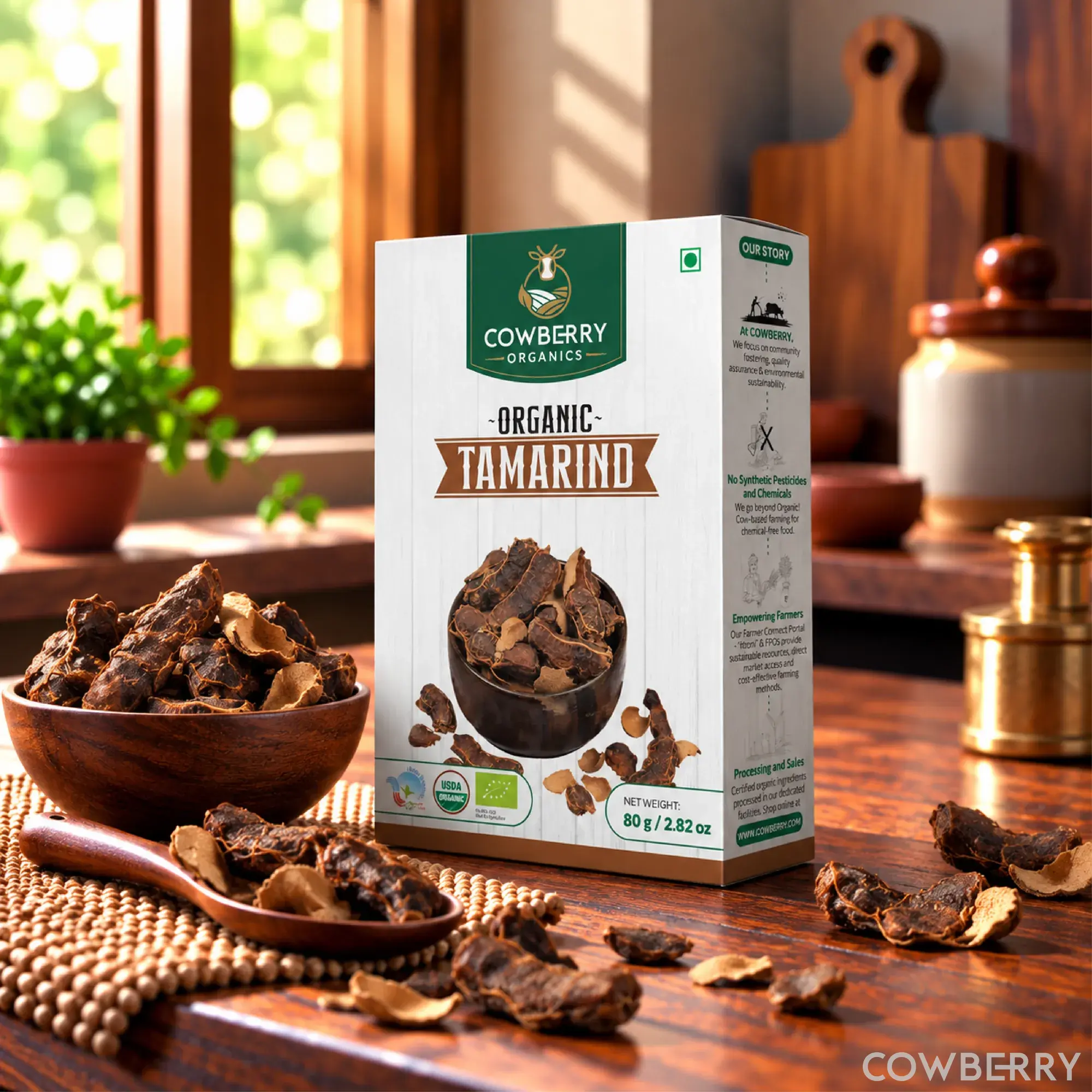
Shop this article
Keep reading
Coriander water benefits: what dhania water actually does
Peanuts in Hindi (moongfali): groundnut names in Indian languages
Coriander vs cilantro: are they the same herb?