membership background

Spices articles from COWBERRY

Featured

What Is Brown Sugar? Types, How It Is Made, Nutrition and Uses

What Is Brown Sugar? Types, How It Is Made, Nutrition and Uses

What is brown sugar: sugar with part of the cane's molasses kept in — 380 kcal and 98.1 g of carbohydrate per 100 g. Types (demerara, muscovado, light and dark), names, how it is made, nutrition, uses, storage and buying.
05 Aug 2026by COWBERRY
11 minute read

Fresh Blogs

Coriander water benefits: what dhania water actually does

Coriander water benefits: what dhania water actually does

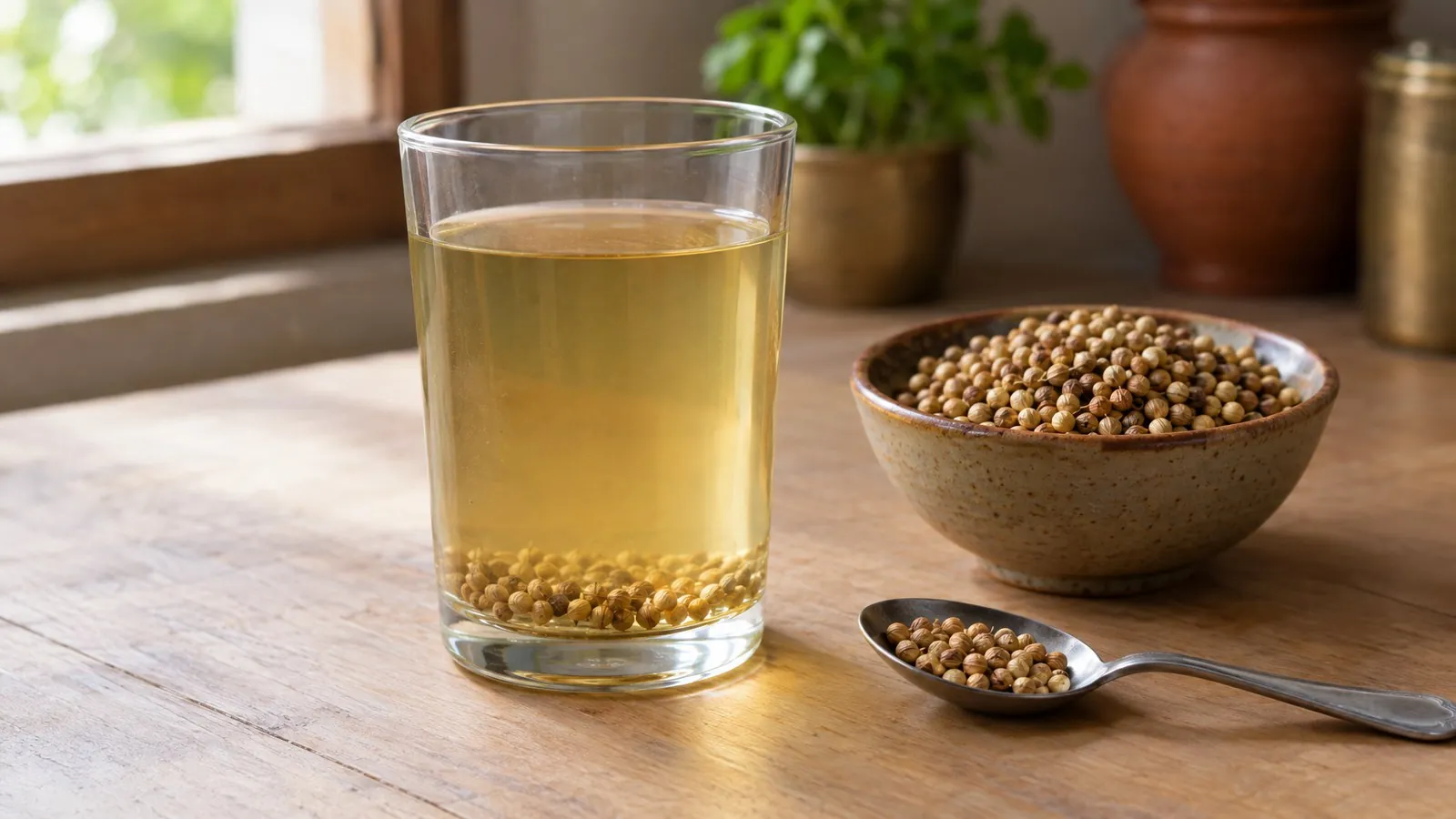
Coriander water benefits, answered honestly: the research reviewed here has no human trial showing coriander water does anything specific. Here is what is known about coriander, what one teaspoon of seeds holds, and how to make and drink the water.
05 Oct 2026by COWBERRY
7 minute read
Red rice vs brown rice: the fibre, GI and honest verdict
Red rice vs brown rice: the fibre, GI and honest verdict
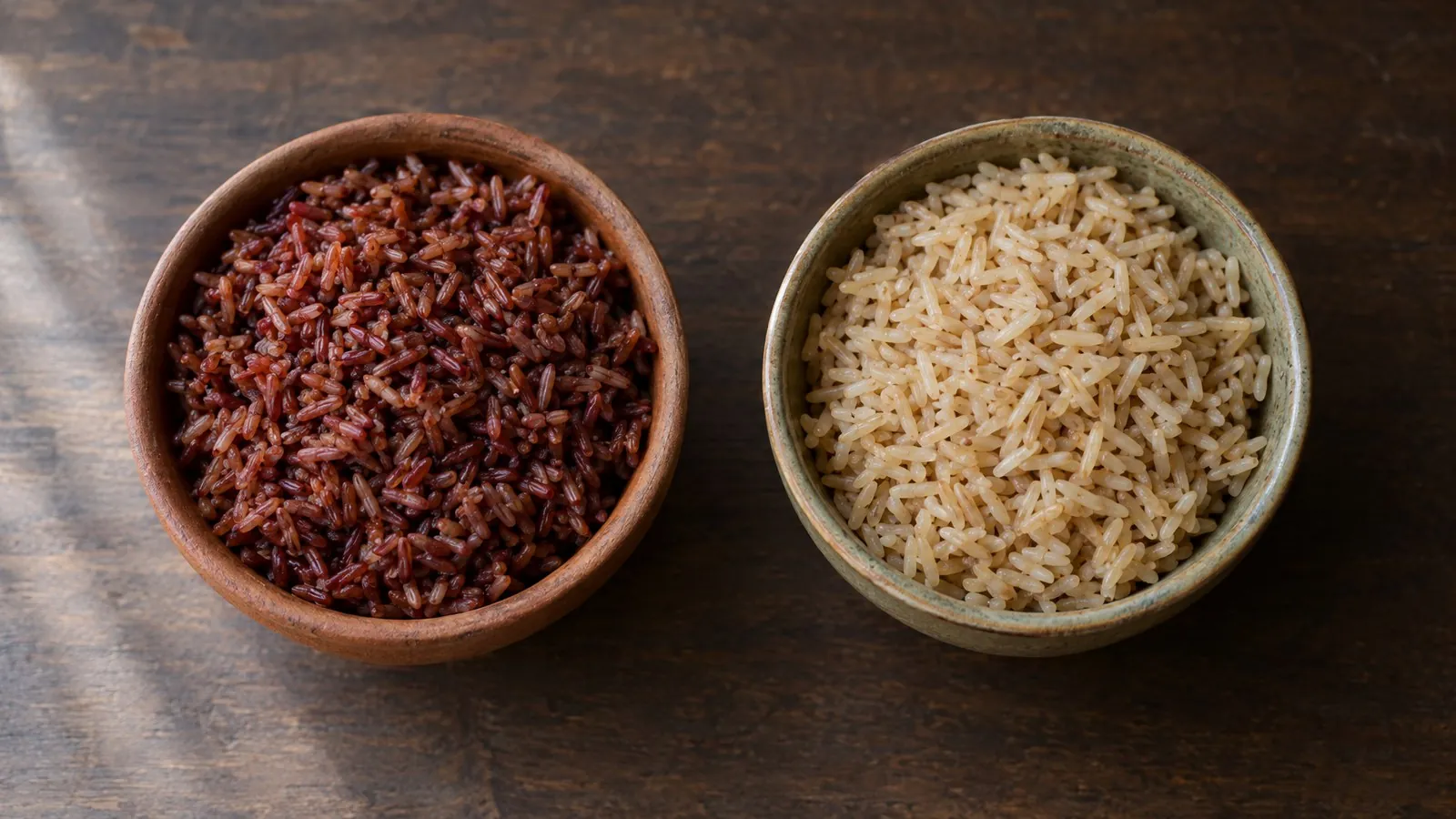
Red rice vs brown rice: brown rice lists more fibre and protein and an India-tested GI of 58, while red rice's seven foreign tests average 62. Side-by-side nutrition per 100 g, GI, cooking, cost and which to choose.
05 Oct 2026by COWBERRY
6 minute read

More Articles

Amchur substitute: what to use instead of dry mango powder in cooking
Amchur substitute: what to use instead of dry mango powder in cooking

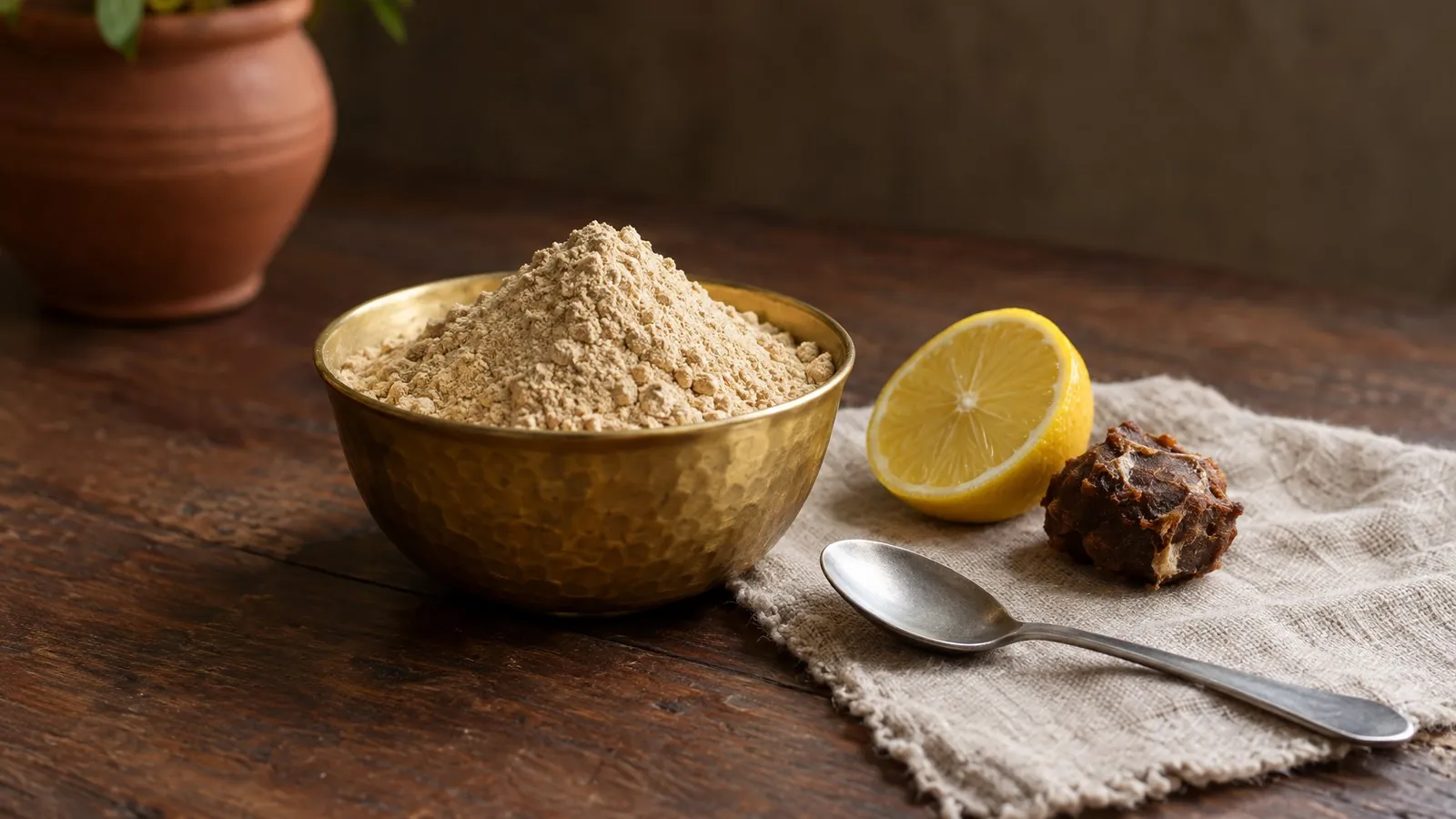
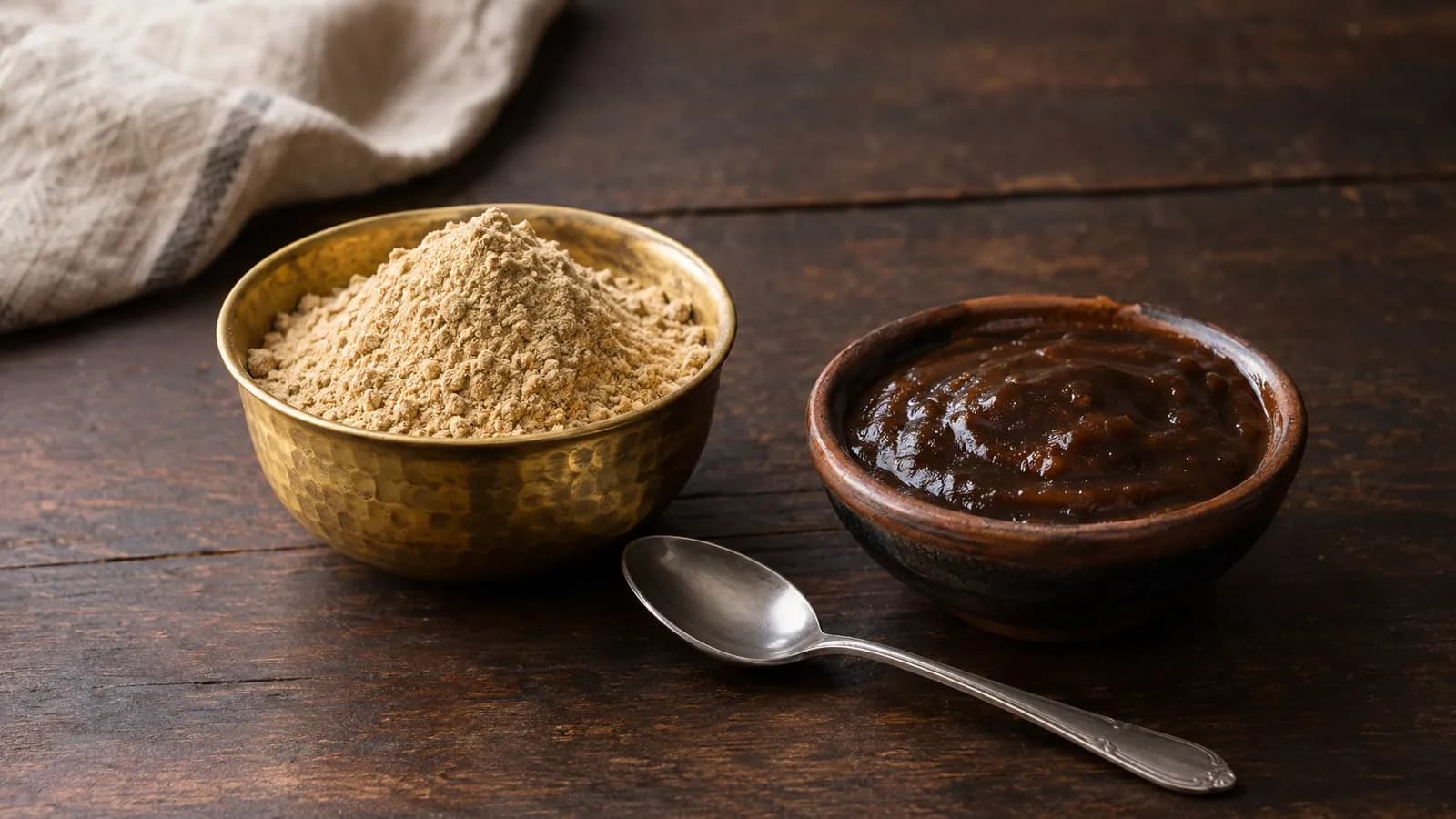
Amchur substitute: lemon juice, tamarind and chaat masala for the same tang, with how much of each to swap in curries, chutneys and chaat. What each swap changes, and what none of them can match.
18 Aug 2026by COWBERRY
8 minute read
Amchur nutritional value per 100g: calories, vitamins and minerals
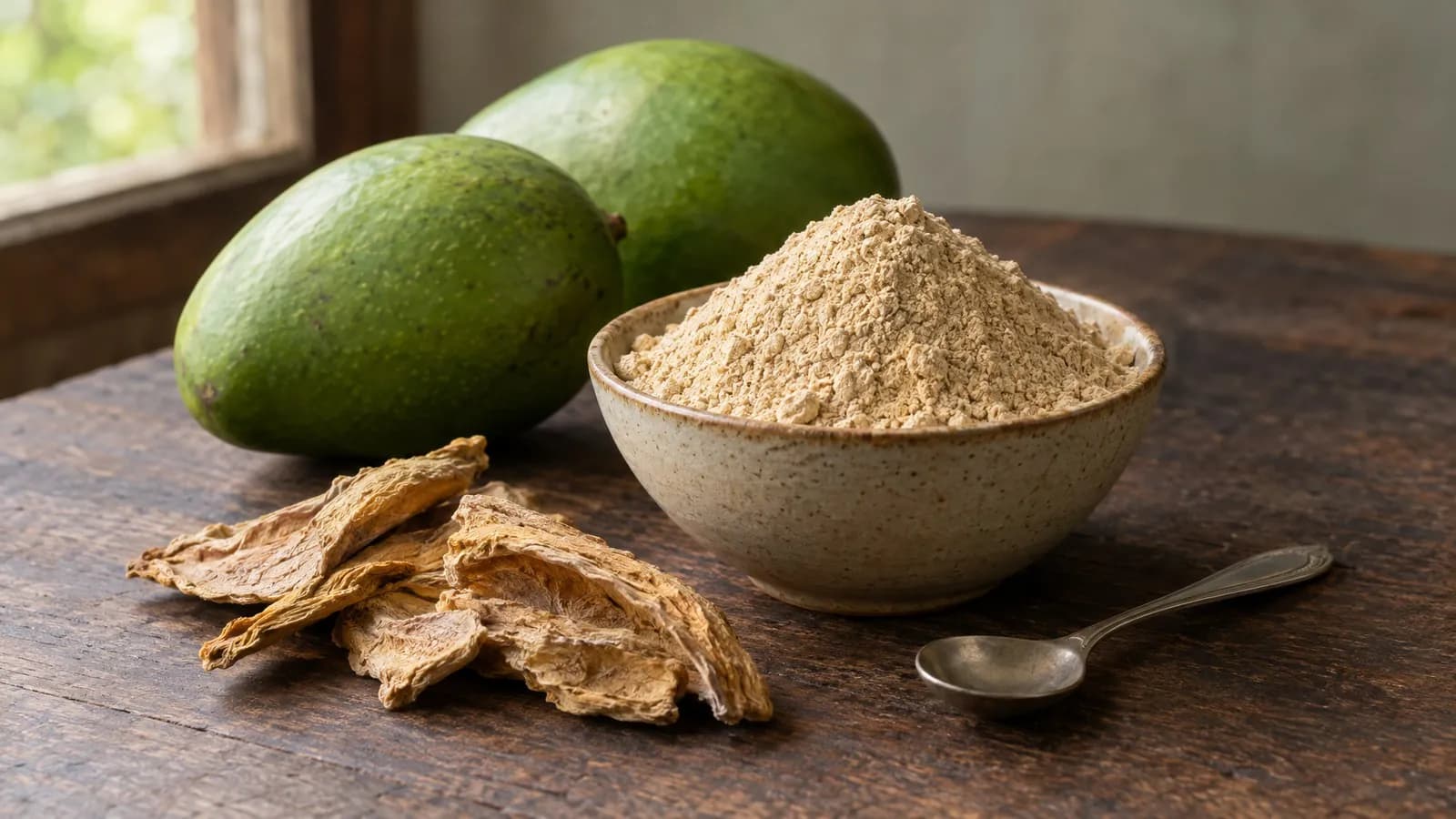
Amchur nutritional value per 100g: calories, vitamins and minerals

Amchur nutritional value per 100g from the pack label: 378.9 kcal, 86.1 g of carbohydrate, 8.7 g of fibre and 18.8 mg of vitamin C, with the printed tamarind pulp comparison and per-teaspoon figures.
17 Aug 2026by COWBERRY
5 minute read
Amchur in English: dry mango powder names in Indian languages
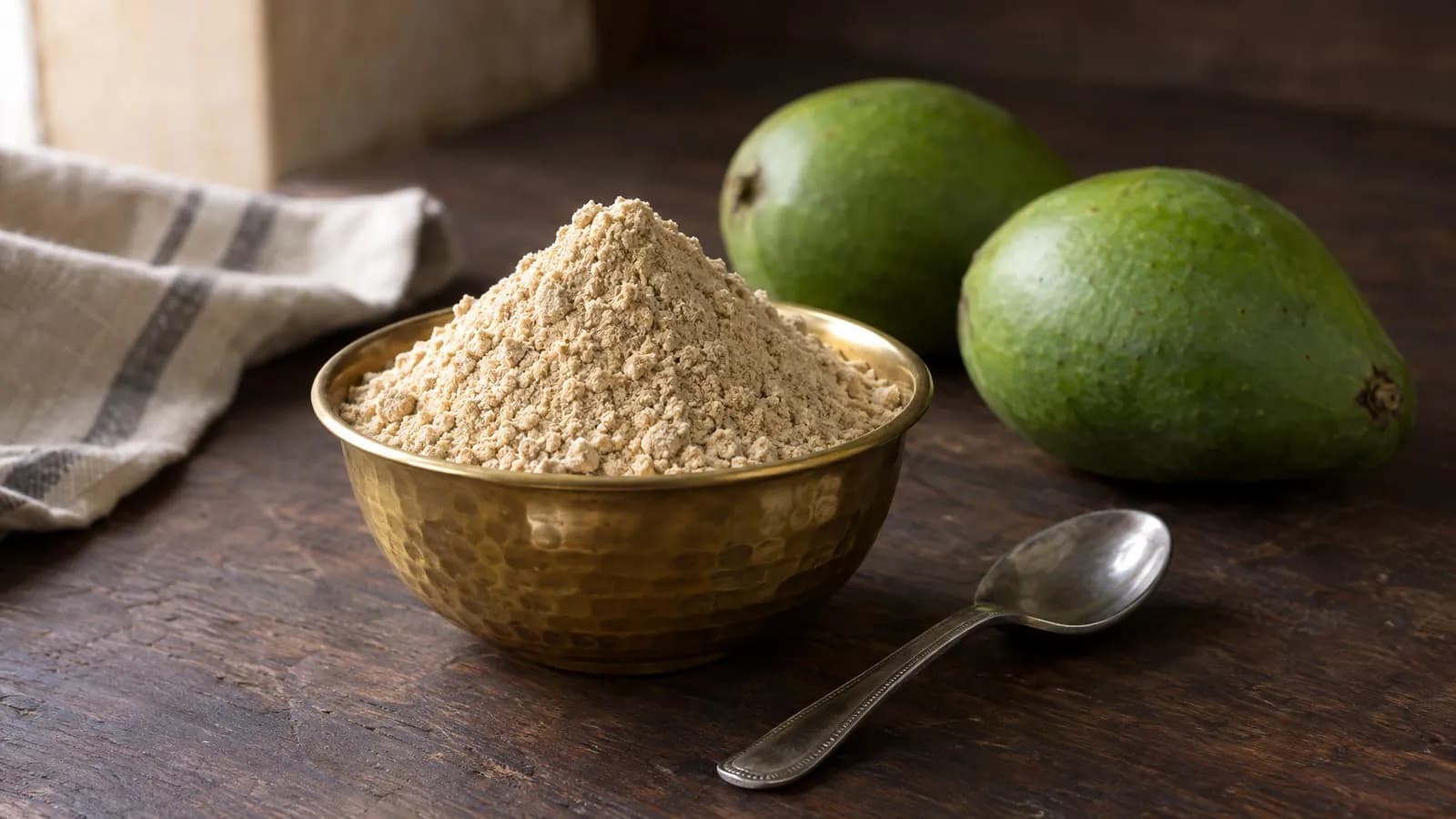
Amchur in English: dry mango powder names in Indian languages

Amchur in English is dry mango powder, also written mango powder; in Hindi it is amchur or aamchur. Which names are on record, and why the regional rows stay blank.
15 Aug 2026by COWBERRY
4 minute read
10 benefits of dry mango powder (amchur) and its side effects
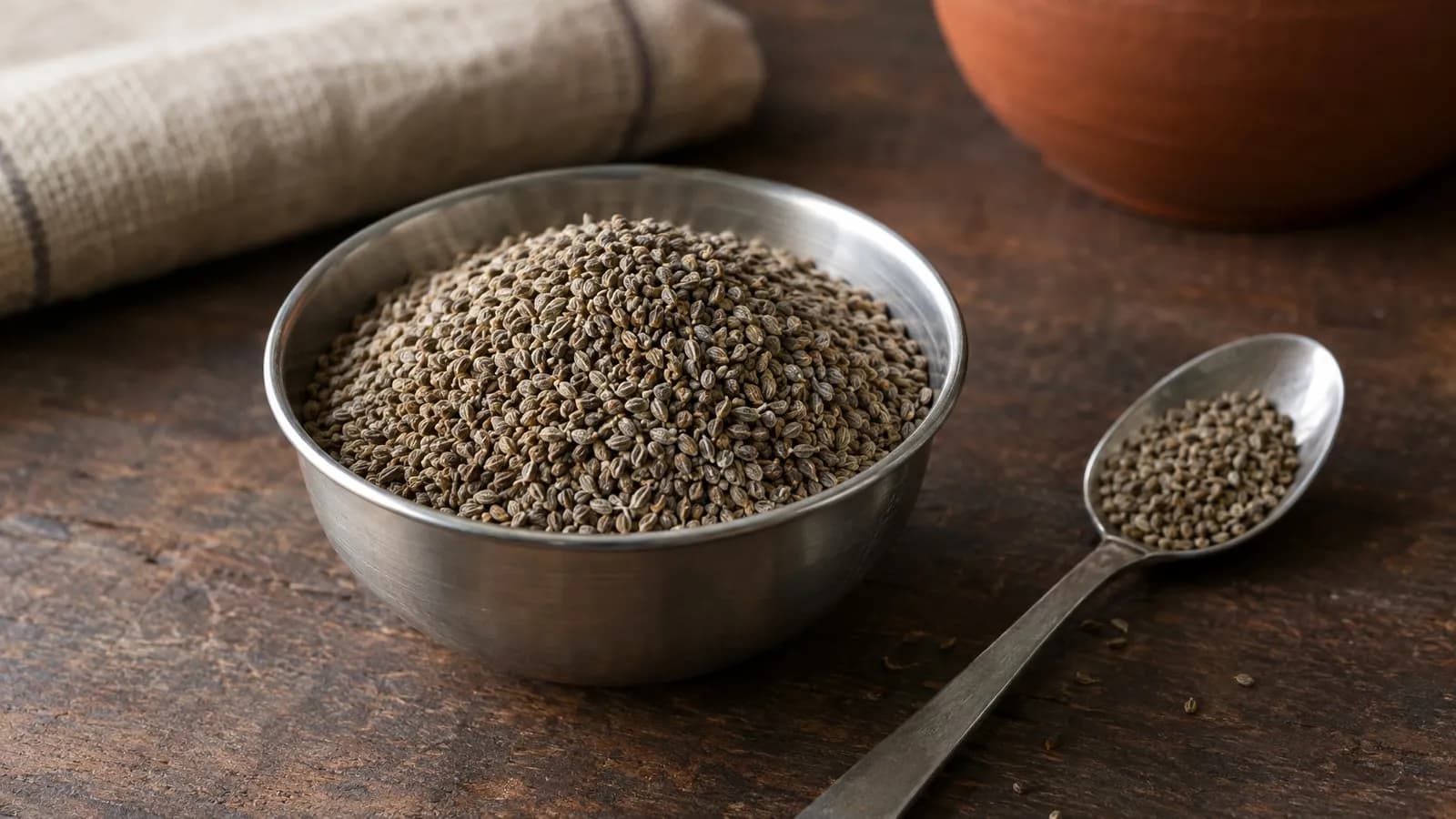
10 benefits of dry mango powder (amchur) and its side effects

Dry mango powder benefits, layer by layer: 11.4 kcal and a bright sour in a teaspoon, the pack-label minerals, the 2011 digestion-model finding, then the side effects, daily amount and how to eat it.
14 Aug 2026by COWBERRY
8 minute read
Carom seeds nutritional value per 100g: calories, protein and minerals
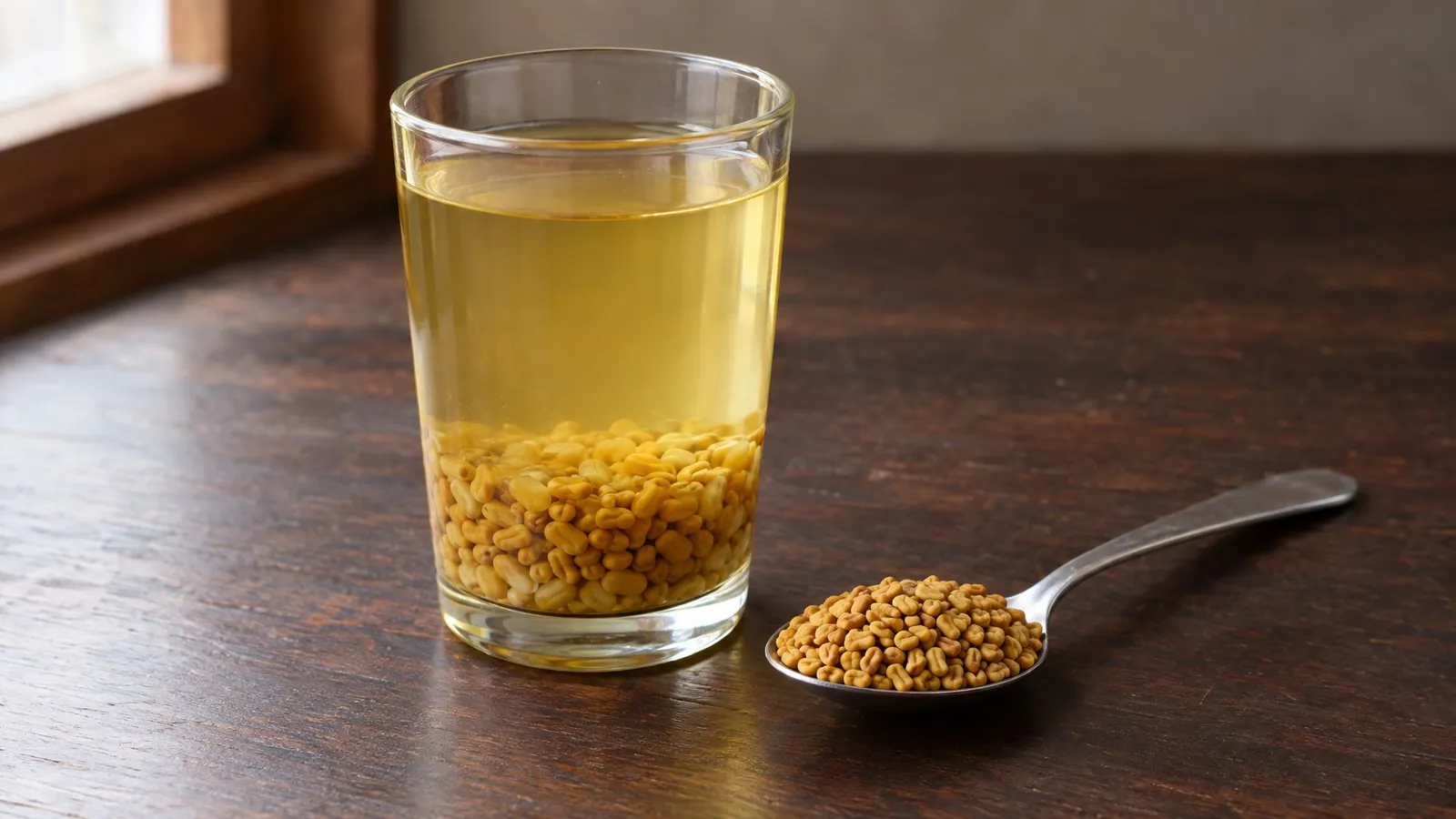
Carom seeds nutritional value per 100g: calories, protein and minerals

Carom seeds nutritional value per 100g: 358 kcal, 15.89 g protein, 21.11 g fat, 24.53 g carbs and 20.58 g fibre per 100 g, with calcium 1034 mg, iron 13.65 mg and zinc 5.67 mg, plus what one teaspoon adds.
13 Aug 2026by COWBERRY
6 minute read
Methi dana water benefits and how to make it at home
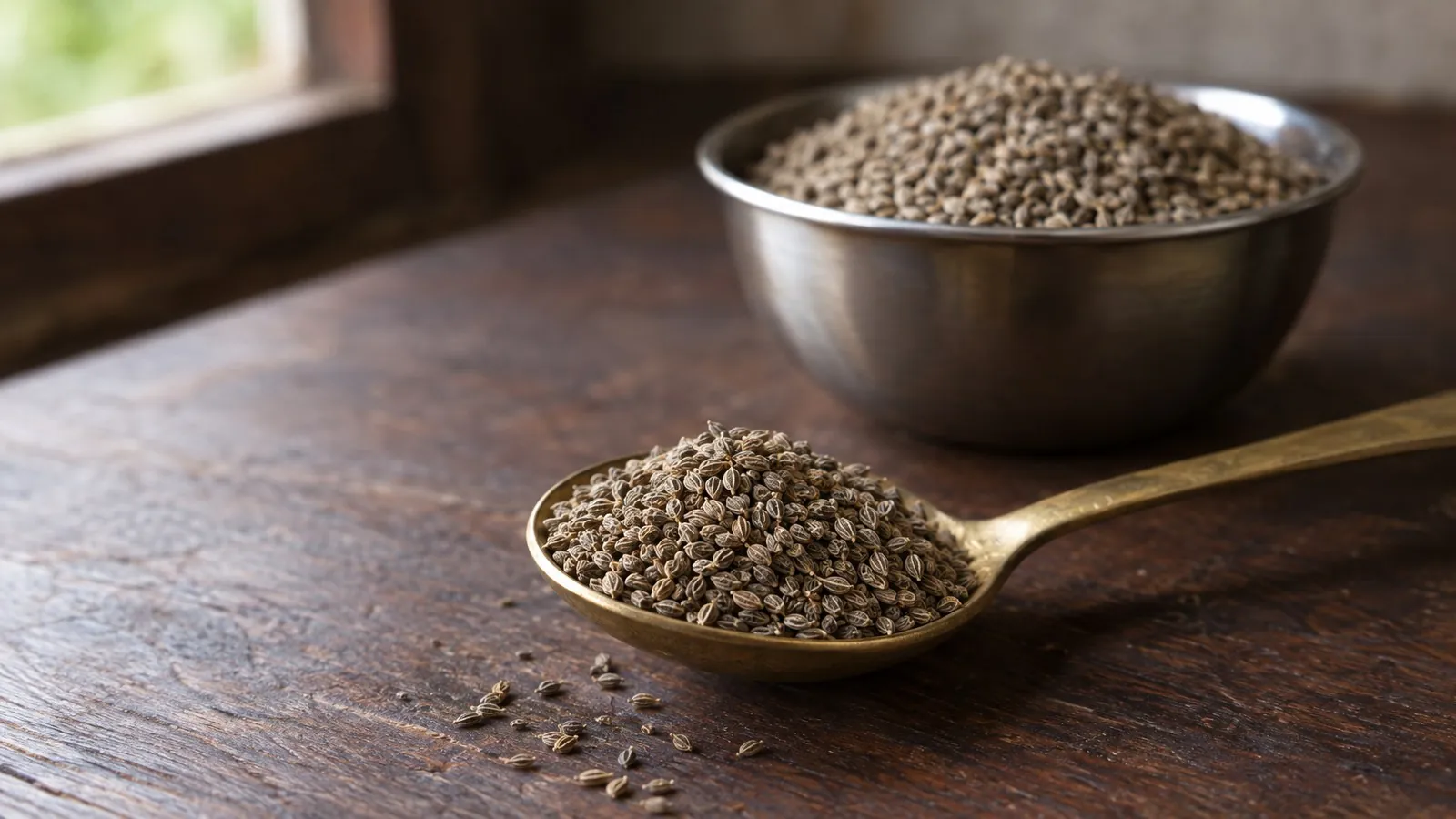
Methi dana water benefits and how to make it at home

Methi dana water benefits, stated honestly: the soak water itself has no trials, and the seed findings it borrows from are on the diabetes page. The overnight method, ratio and what one glass gives.
11 Aug 2026by COWBERRY
6 minute read
Ajwain in english and hindi: carom seeds names in indian languages
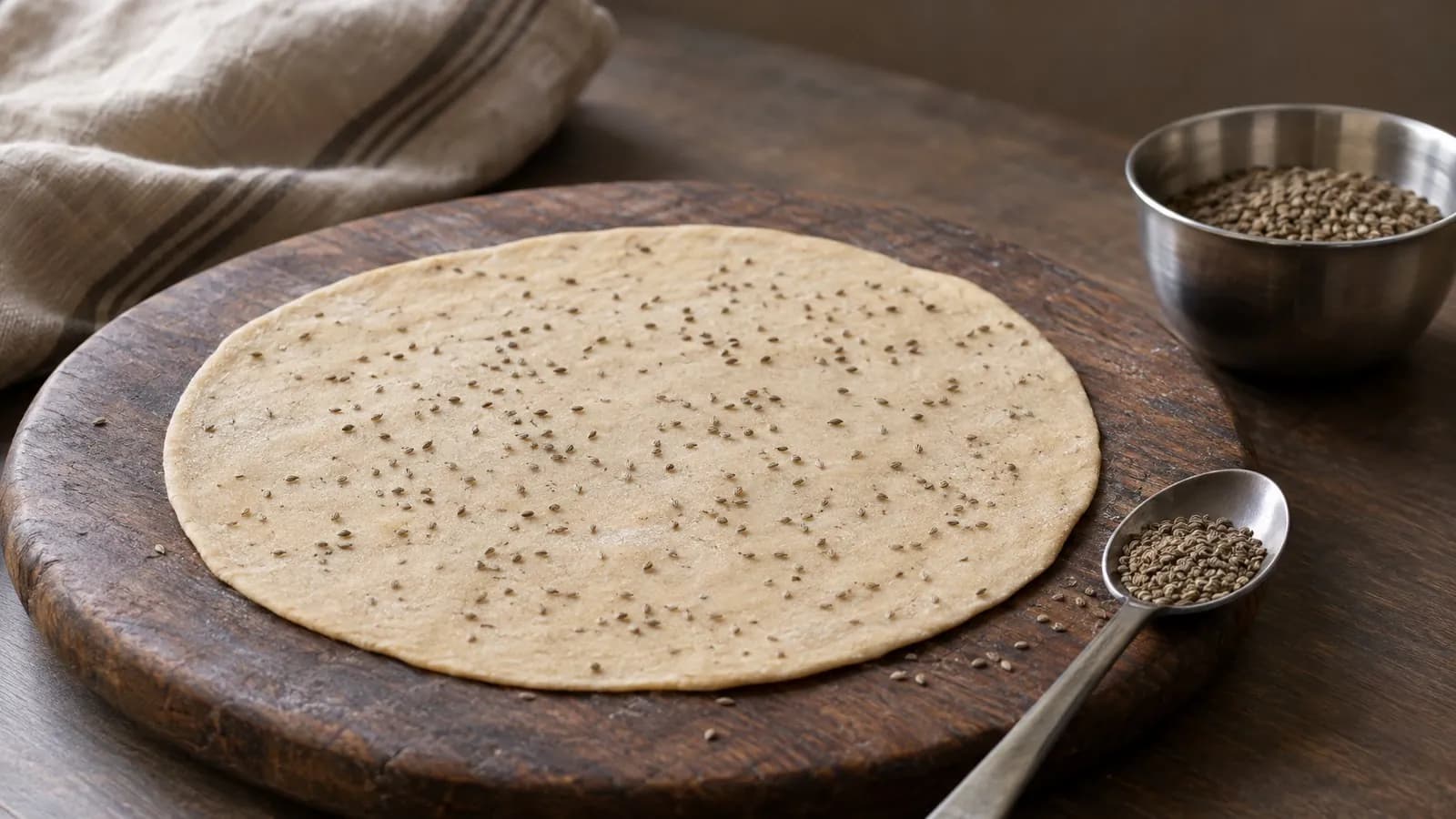
Ajwain in english and hindi: carom seeds names in indian languages

Ajwain in English is carom seeds, botanical name Trachyspermum ammi; ajwain in Hindi is ajwan, in Gujarati ajmo, in Marathi onva, in Tamil omum. All 13 Indian-language names with their spellings and sources.
11 Aug 2026by COWBERRY
6 minute read
Ajwain benefits: uses of carom seeds and their side effects
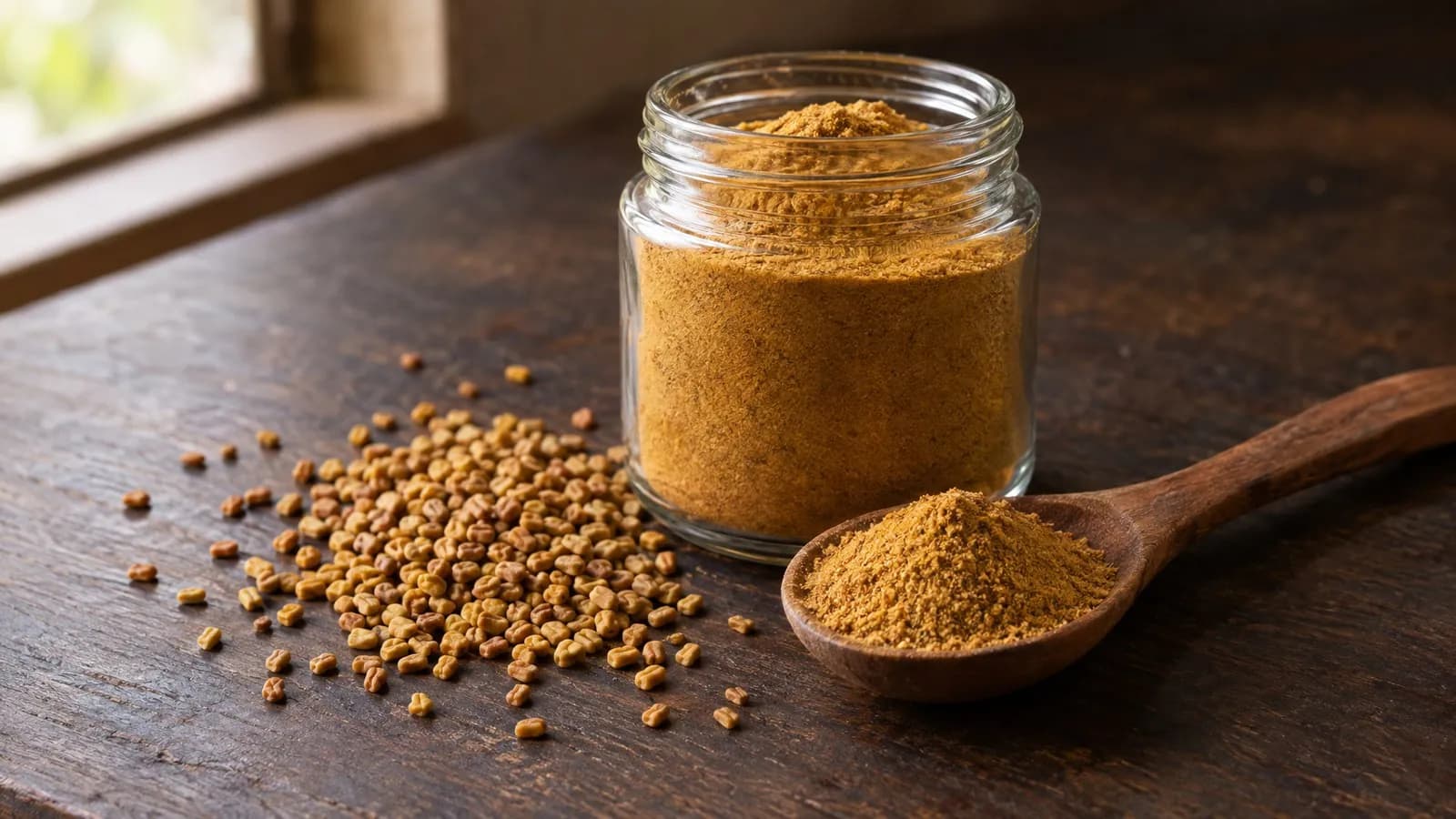
Ajwain benefits: uses of carom seeds and their side effects

Ajwain benefits, separated honestly: what the 2014 Phytotherapy Research review shows from earlier studies, the nutrition per 100 g, the side effects that are not on record, and the kitchen amounts.
10 Aug 2026by COWBERRY
8 minute read
How to make fenugreek powder at home and when to use it
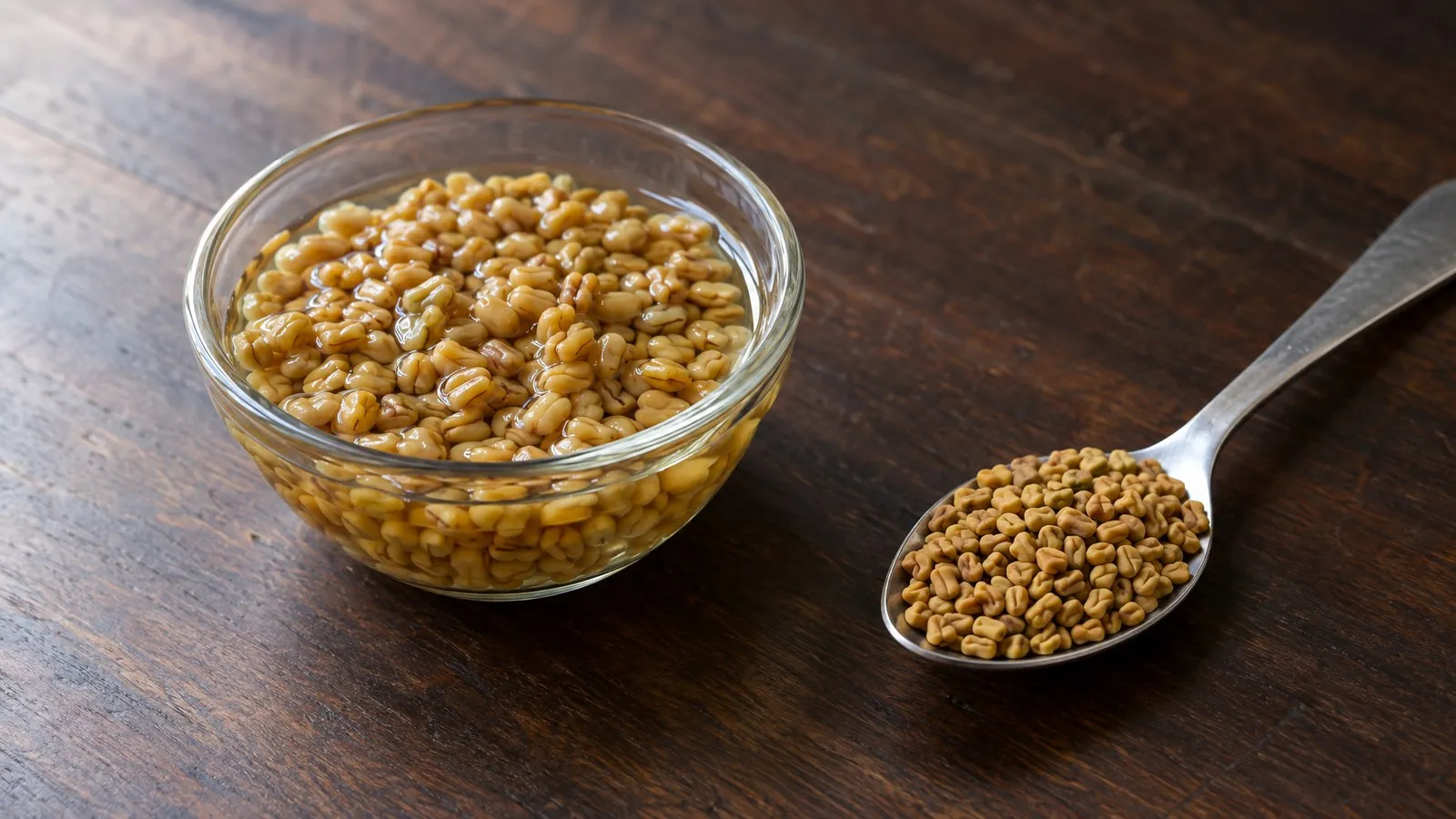
How to make fenugreek powder at home and when to use it

How to make fenugreek powder at home: roast methi dana low and slow, cool it fully, grind in pulses, store it airtight. Seeds vs powder, uses and what a teaspoon holds.
09 Aug 2026by COWBERRY
6 minute read
Fenugreek seeds: how to eat, soak and use them daily
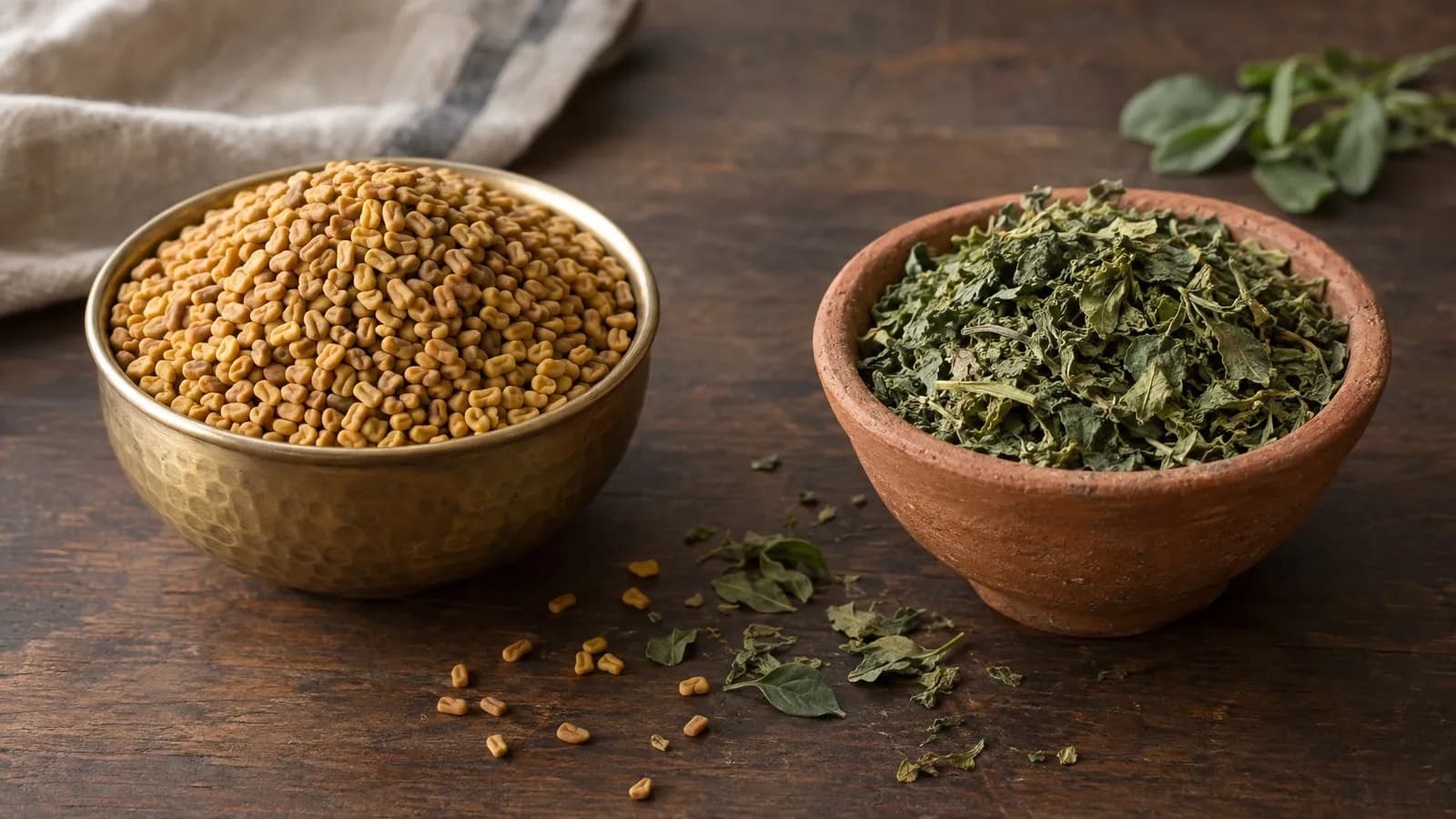
Fenugreek seeds: how to eat, soak and use them daily

Fenugreek seeds how to eat: soaked overnight, tempered in oil, roasted into powder or sprouted at home. Portions, soaking time and what a teaspoon holds.
06 Aug 2026by COWBERRY
7 minute read
Difference between kasuri methi and methi: dried leaves vs seeds
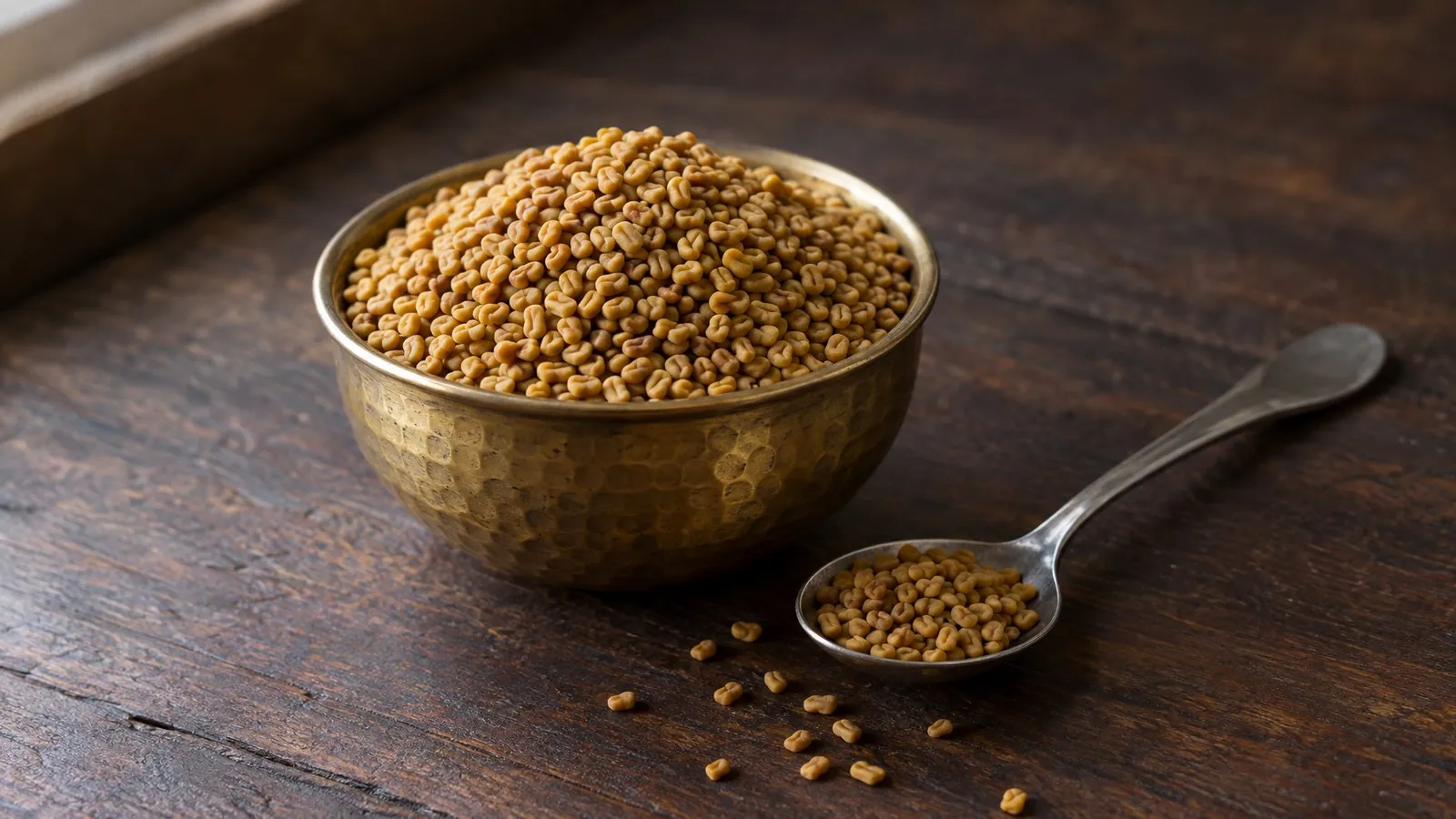
Difference between kasuri methi and methi: dried leaves vs seeds

Difference between kasuri methi and methi: kasuri methi is dried fenugreek leaves, a finishing herb; methi dana is the seed, a cooking spice. Taste, nutrition per 100 g, uses and which one fits where.
04 Aug 2026by COWBERRY
7 minute read
Fenugreek seeds nutrition per 100g: calories, protein, fibre and GI

Fenugreek seeds nutrition per 100g: calories, protein, fibre and GI

Fenugreek seeds nutrition per 100 g from IFCT 2017: 235 kcal, 25.41 g protein, 47.55 g fibre, 10.57 g carbs, 8.47 mg iron, and why no GI figure is printed. Plus what one teaspoon (4 g) of methi dana gives.
03 Aug 2026by COWBERRY
8 minute read