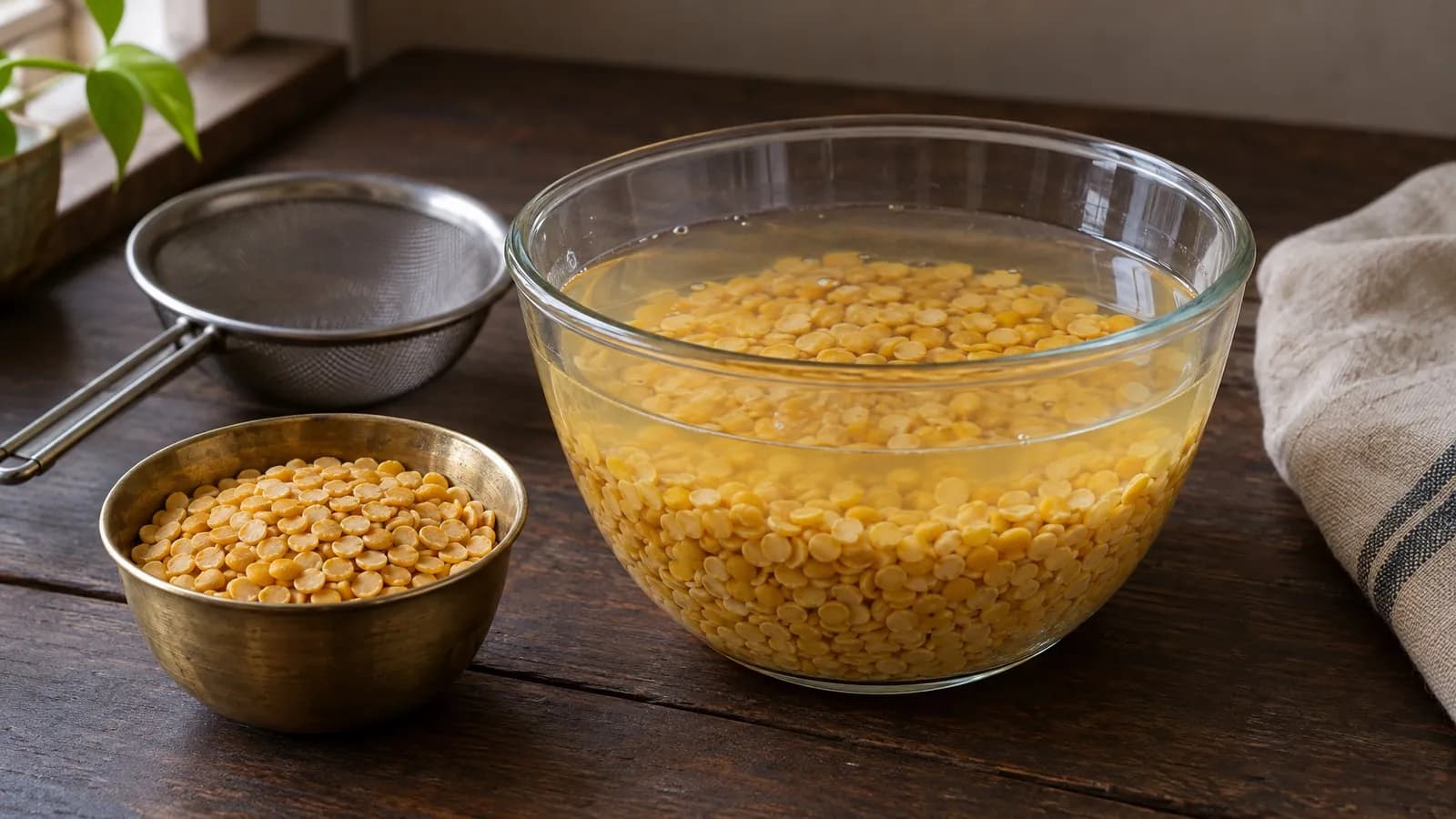
membership background

Dals & Pulses articles from COWBERRY

Featured

What Is Brown Sugar? Types, How It Is Made, Nutrition and Uses

What Is Brown Sugar? Types, How It Is Made, Nutrition and Uses

What is brown sugar: sugar with part of the cane's molasses kept in — 380 kcal and 98.1 g of carbohydrate per 100 g. Types (demerara, muscovado, light and dark), names, how it is made, nutrition, uses, storage and buying.
05 Aug 2026by COWBERRY
11 minute read

Fresh Blogs

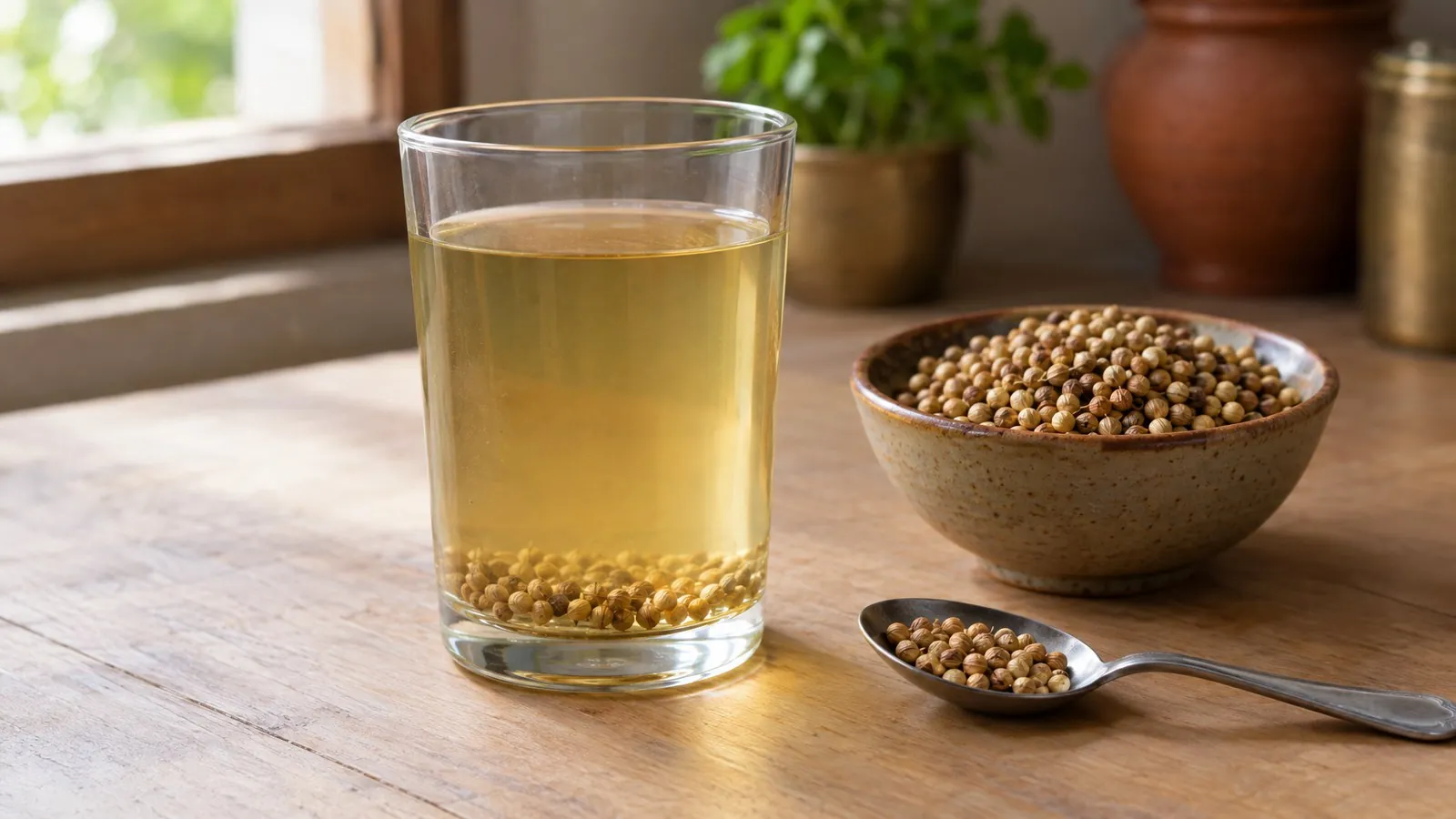
Coriander water benefits: what dhania water actually does

Coriander water benefits: what dhania water actually does

Coriander water benefits, answered honestly: the research reviewed here has no human trial showing coriander water does anything specific. Here is what is known about coriander, what one teaspoon of seeds holds, and how to make and drink the water.
05 Oct 2026by COWBERRY
7 minute read
Red rice vs brown rice: the fibre, GI and honest verdict
Red rice vs brown rice: the fibre, GI and honest verdict
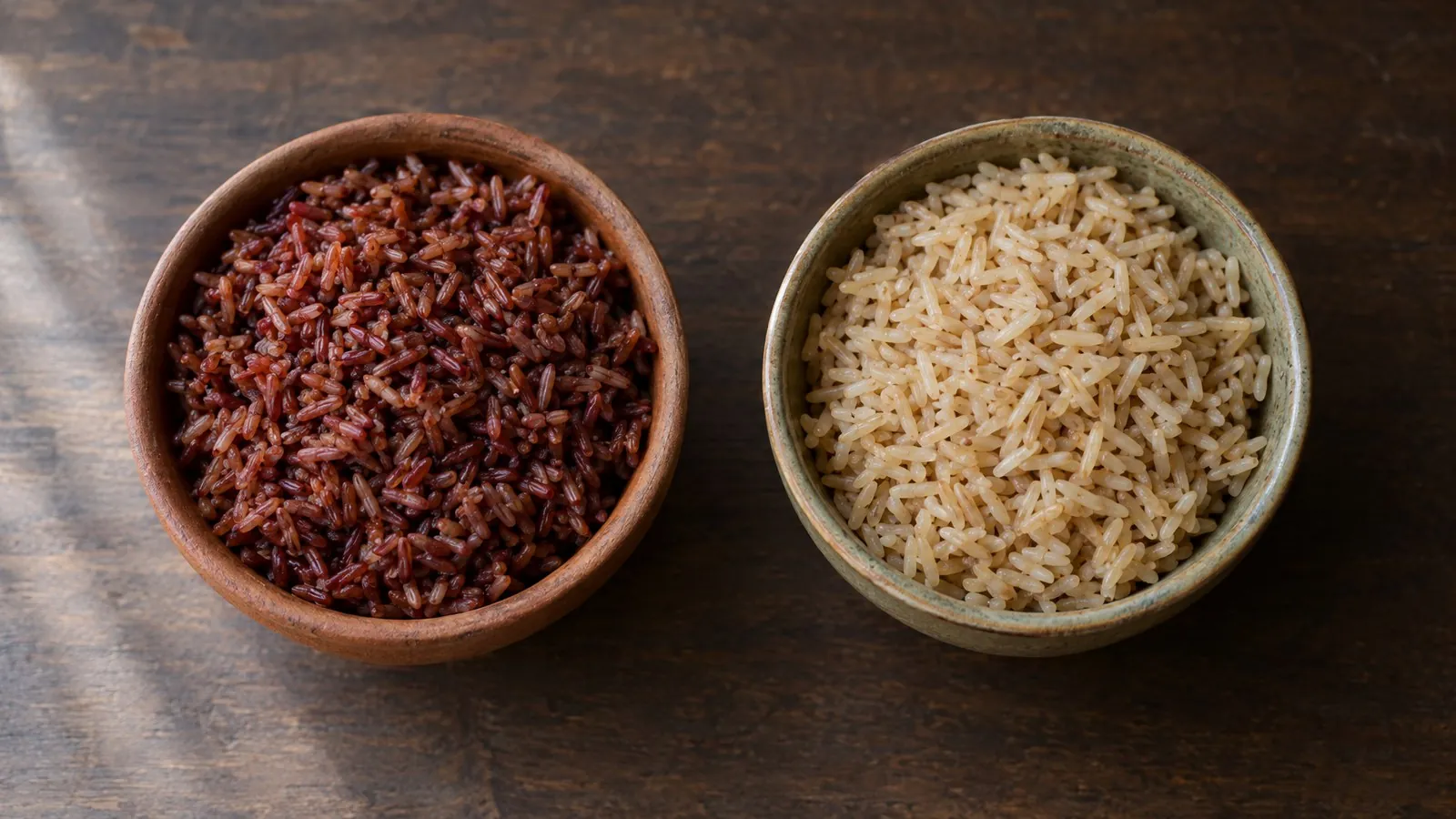
Red rice vs brown rice: brown rice lists more fibre and protein and an India-tested GI of 58, while red rice's seven foreign tests average 62. Side-by-side nutrition per 100 g, GI, cooking, cost and which to choose.
05 Oct 2026by COWBERRY
6 minute read

More Articles

Toor dal soaked overnight: how long and why to soak
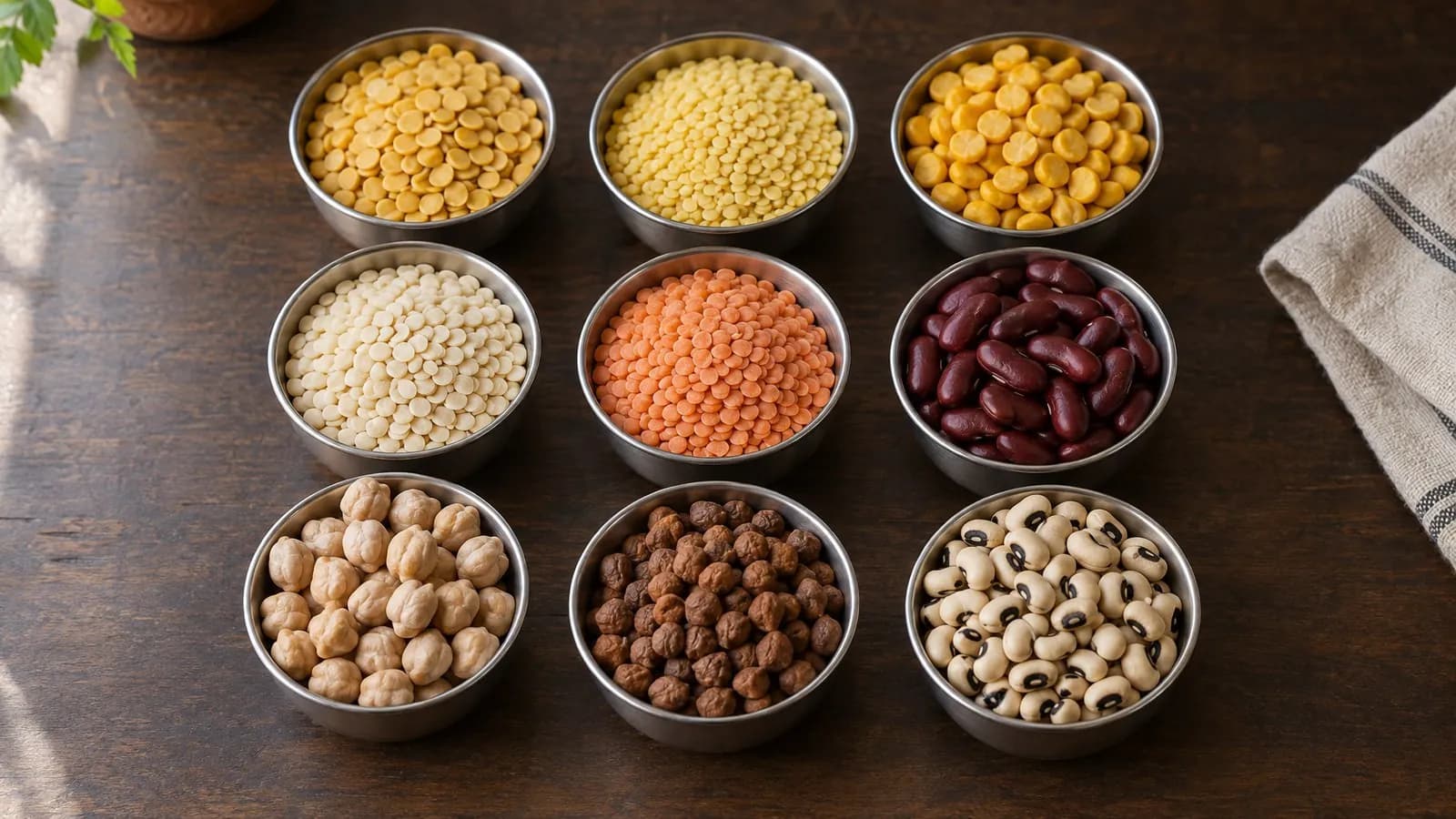
Toor dal soaked overnight: how long and why to soak

How to soak toor dal: a 20 to 30 minute soak covers the everyday pot, and an overnight soak in the fridge gives the fullest softening, drained and cooked in fresh water. What soaking changes, the mistakes to avoid and the exact timings.
24 Jun 2026by COWBERRY
7 minute read
Types of dal: names in English, Hindi and other Indian languages
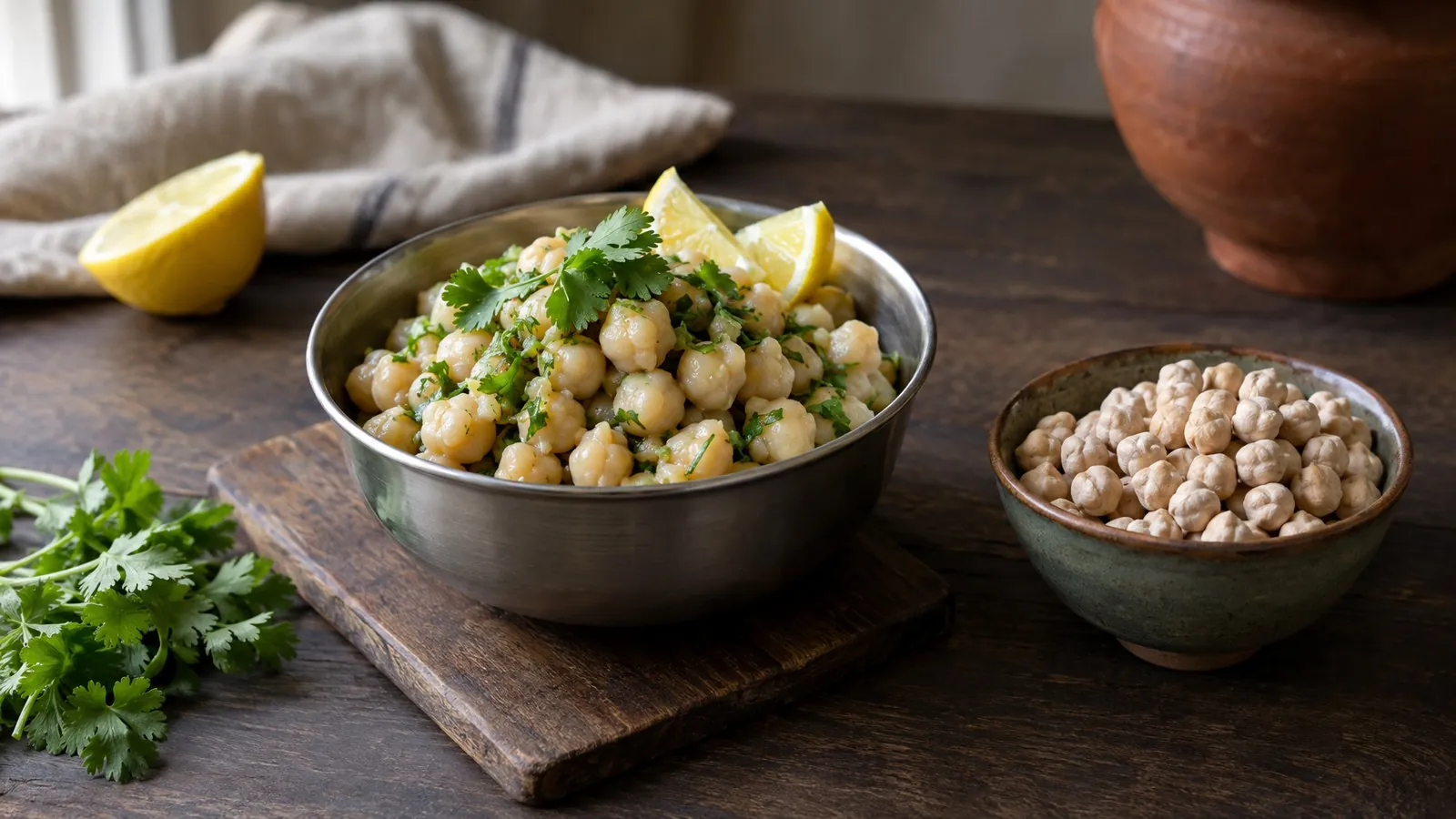
Types of dal: names in English, Hindi and other Indian languages

The everyday types of dal with their names in English, Hindi, Kannada, Telugu, Tamil and other Indian languages where IFCT 2017 lists them: toor, moong, chana, urad, masoor, rajma, kabuli chana, kala chana and lobia, how to tell them apart by look, and which dal goes in which dish.
24 Jun 2026by COWBERRY
10 minute read
Kabuli chana in pregnancy: benefits, safety and how to eat it
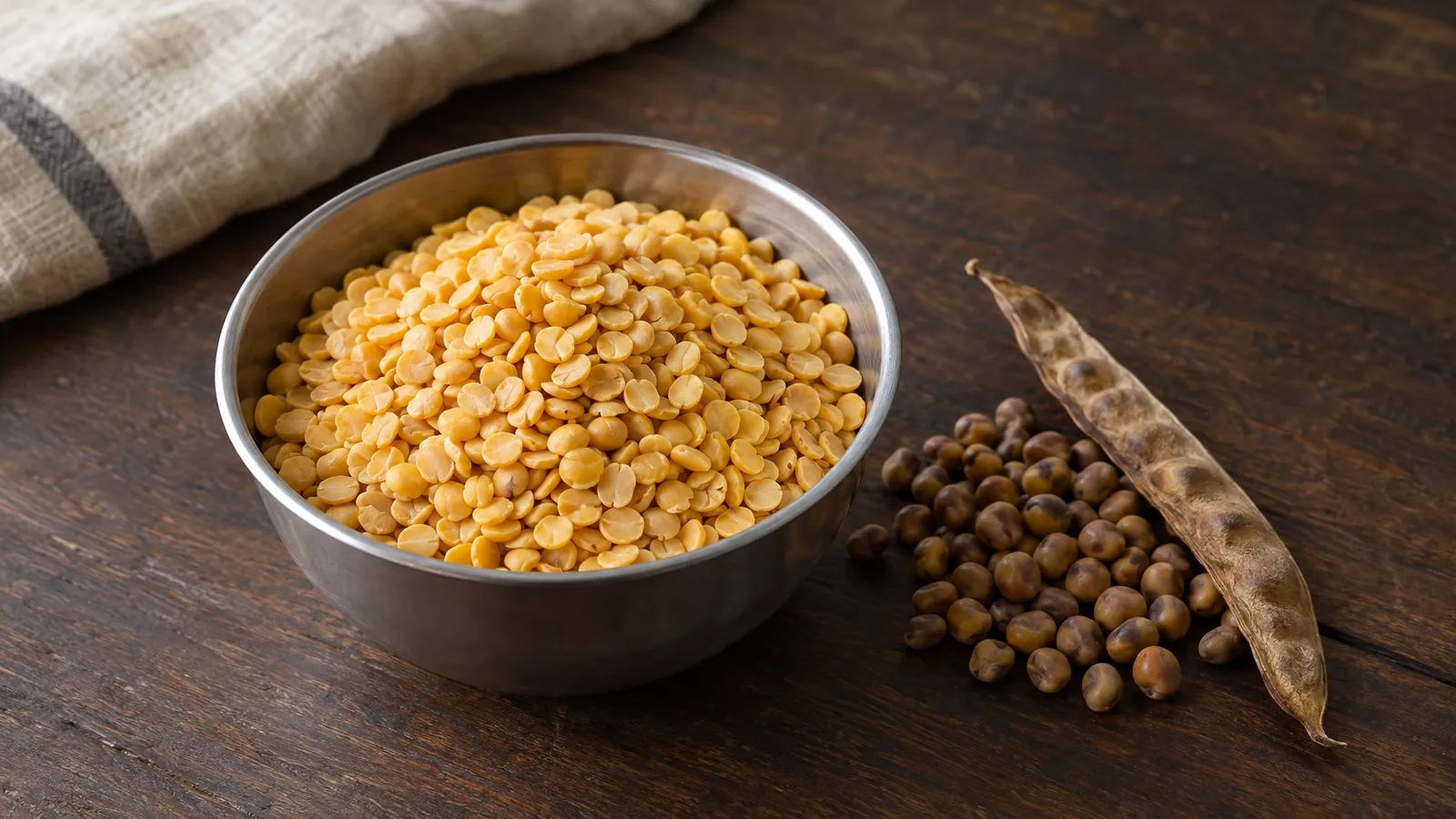
Kabuli chana in pregnancy: benefits, safety and how to eat it

Kabuli chana in pregnancy: 557 mcg folate and 4.31 mg iron per 100 g, the ICMR-NIN guidelines on legumes and folic acid, WHO supplement advice, safe cooking and the cautions that matter.
23 Jun 2026by COWBERRY
7 minute read
Kandi pappu in English: toor dal in Hindi, Kannada, Tamil and more
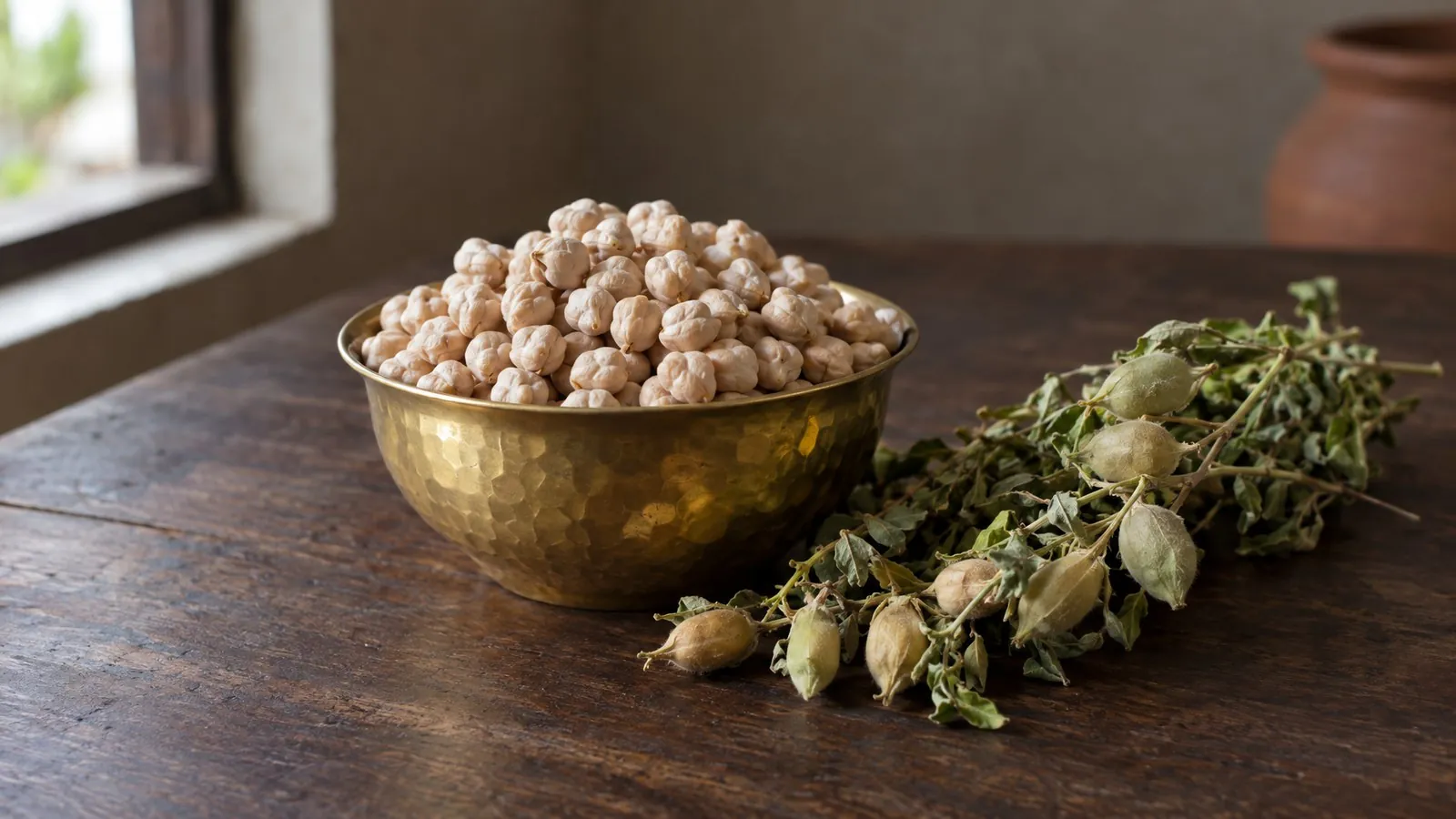
Kandi pappu in English: toor dal in Hindi, Kannada, Tamil and more

Kandi pappu in English is toor dal, the split pigeon pea (Cajanus cajan). Its names in Hindi, Marathi, Gujarati, Kannada, Telugu, Tamil, Malayalam and the other Indian languages from the IFCT 2017 list, the dals it is confused with, and where it grows.
23 Jun 2026by COWBERRY
7 minute read
Chickpeas in Hindi: kabuli chana names in English and Indian languages
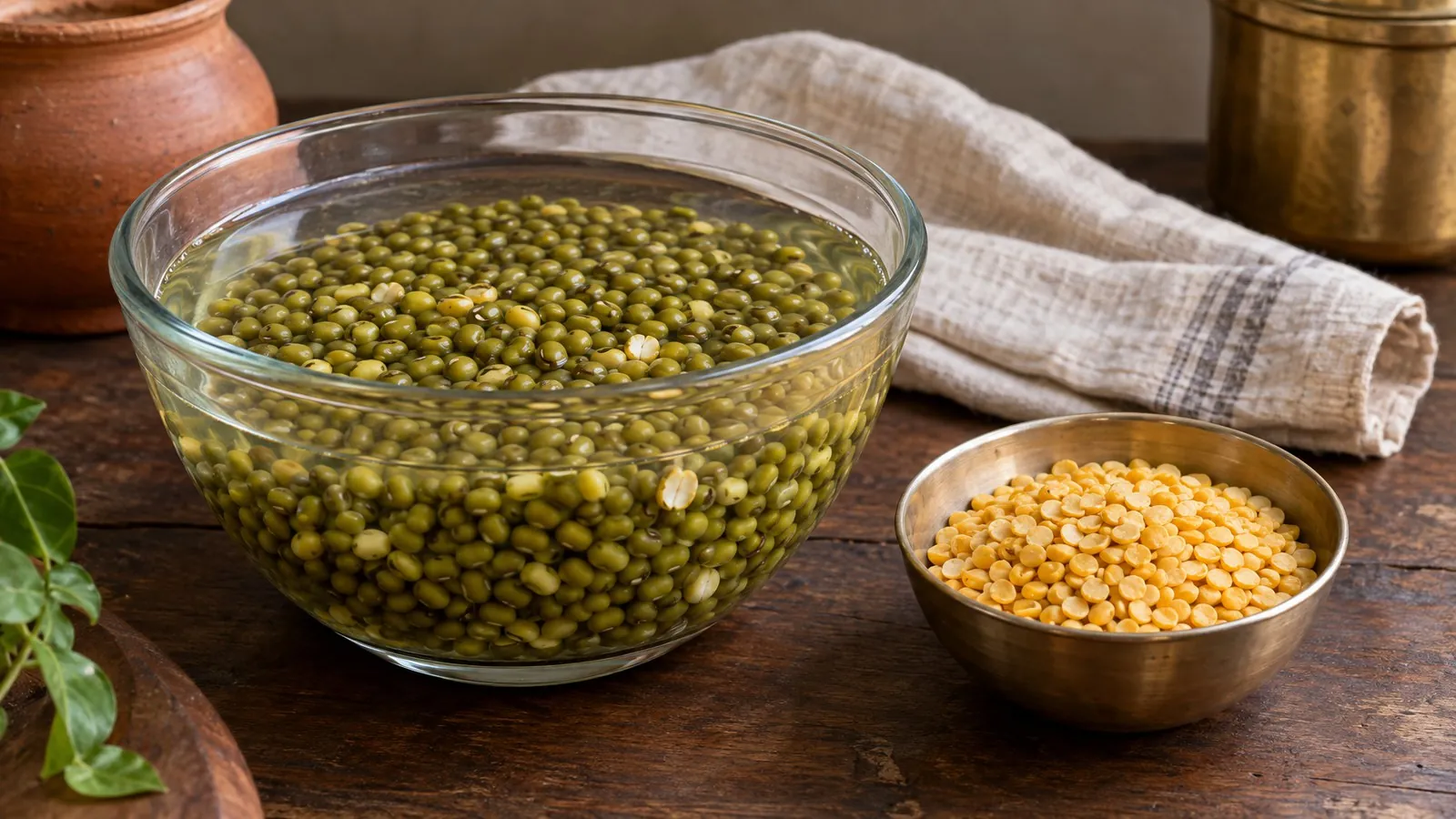
Chickpeas in Hindi: kabuli chana names in English and Indian languages

Chickpeas in Hindi is chana, and the white type is kabuli chana; in English chickpeas, garbanzo beans or bengal gram, botanical name Cicer arietinum. Names by language, sourced.
22 Jun 2026by COWBERRY
6 minute read
How to soak moong: dal and sabut moong soaking time
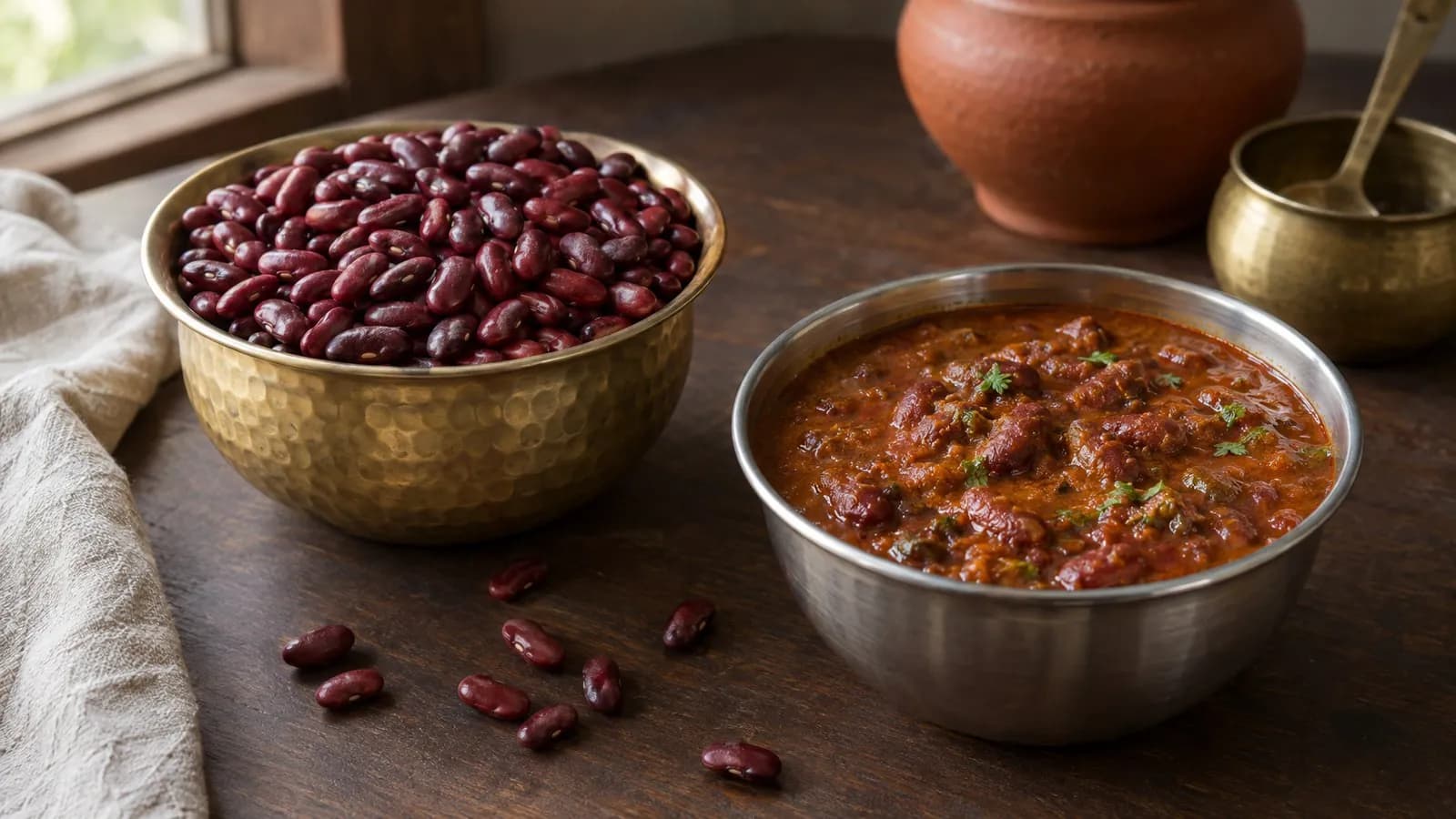
How to soak moong: dal and sabut moong soaking time

How to soak moong: no soak for yellow split dal, 30 minutes for green split chilka, 8 to 12 hours for sabut moong, plus a quick hot-water method and what soaking does.
22 Jun 2026by COWBERRY
5 minute read
Rajma protein per 100 g, calories, carbs and fibre: full nutrition
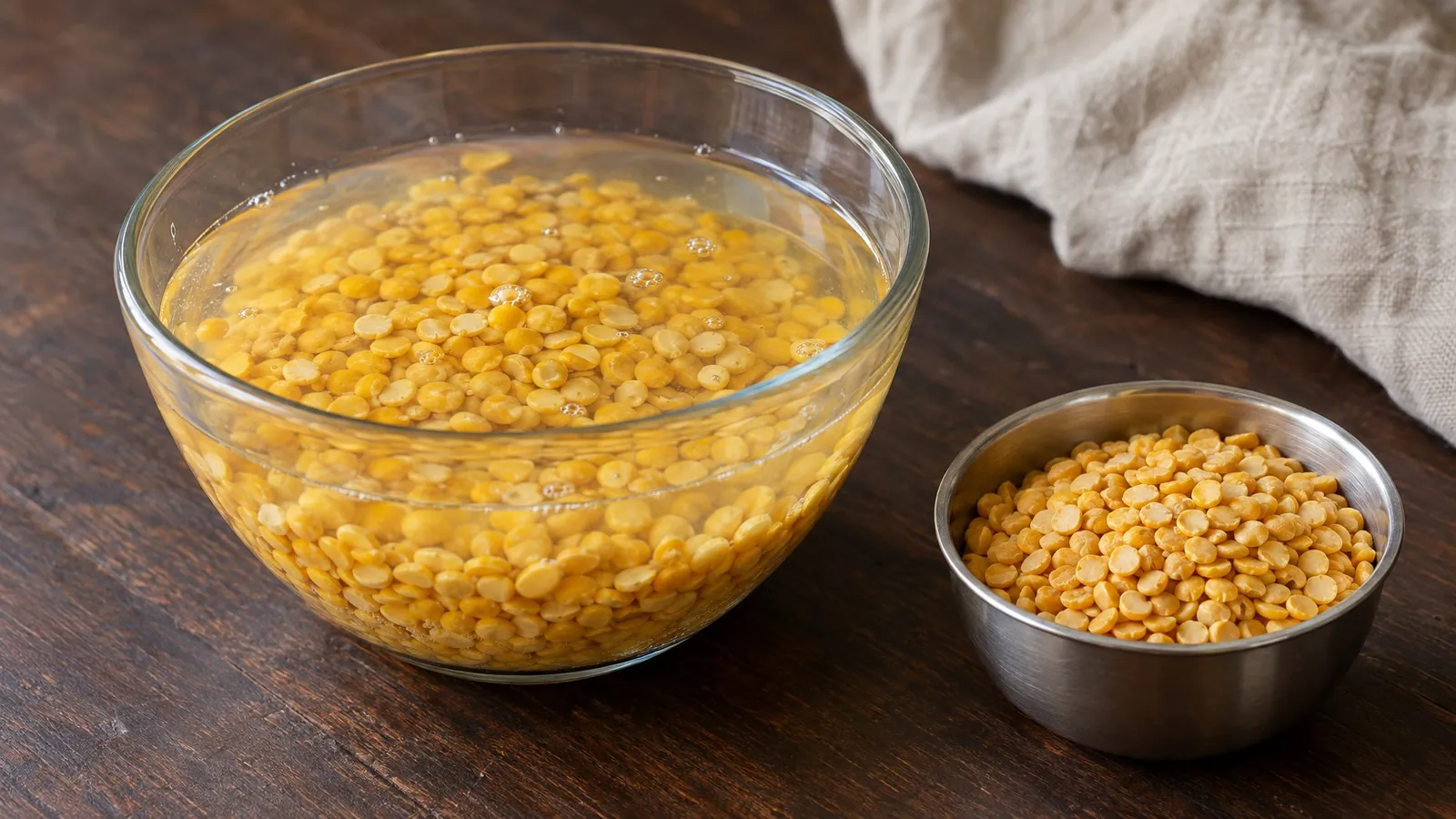
Rajma protein per 100 g, calories, carbs and fibre: full nutrition

Rajma protein per 100 g is 19.9 g (IFCT 2017), with 300 kcal, 48.6 g carbohydrate and 16.6 g fibre. The full rajma nutrition table per 100 g and per katori, set against kabuli chana and kala chana, with the glycemic index and minerals.
21 Jun 2026by COWBERRY
10 minute read
Chana dal soaked overnight: how long and why to soak
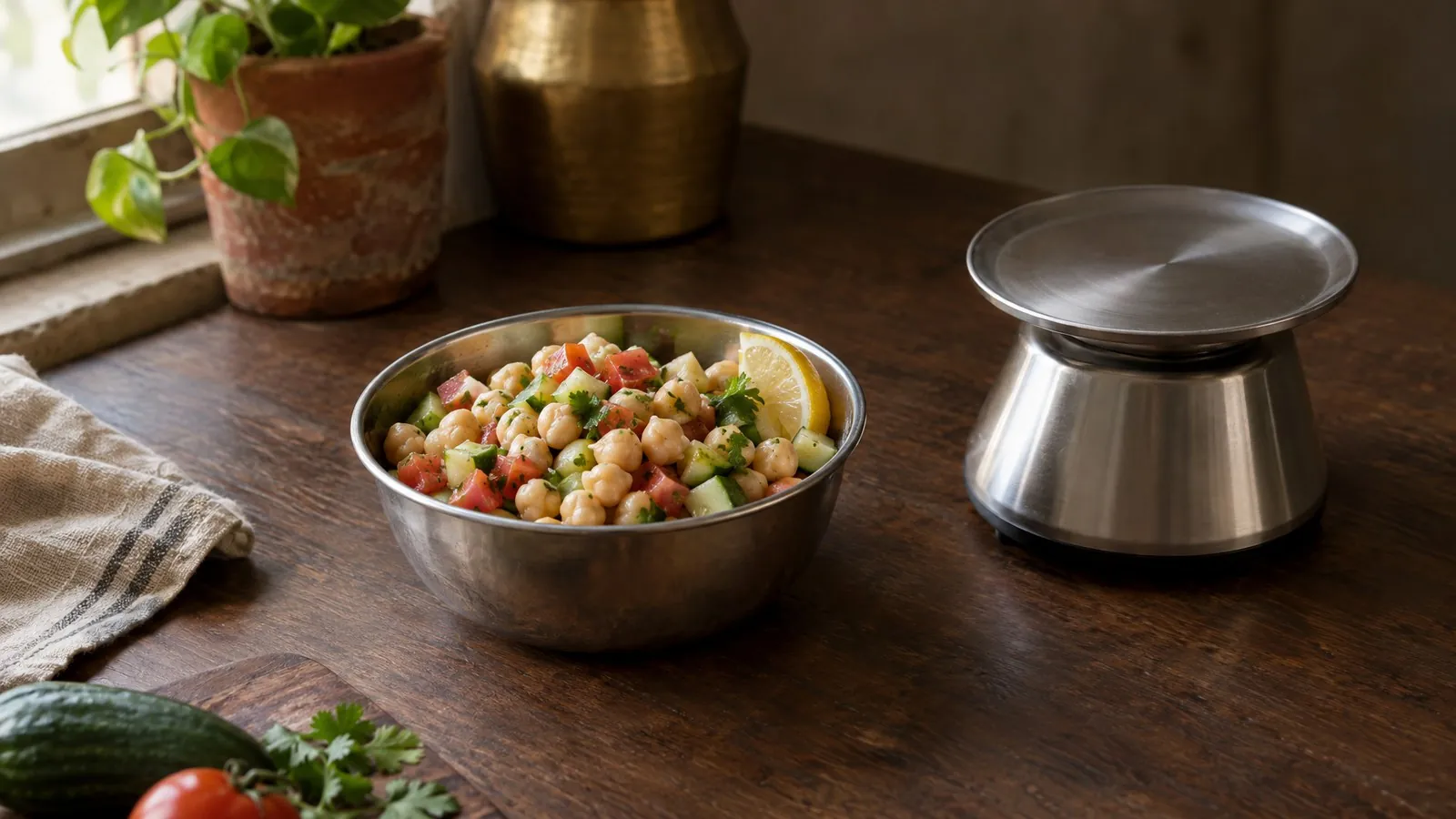
Chana dal soaked overnight: how long and why to soak

Chana dal soaked overnight: 6 to 8 hours in cool water, one hour at room temperature or a 30-minute hot soak, what soaking changes, and cooking it unsoaked.
21 Jun 2026by COWBERRY
6 minute read
Chickpeas (kabuli chana) for weight loss: calories, protein, portions
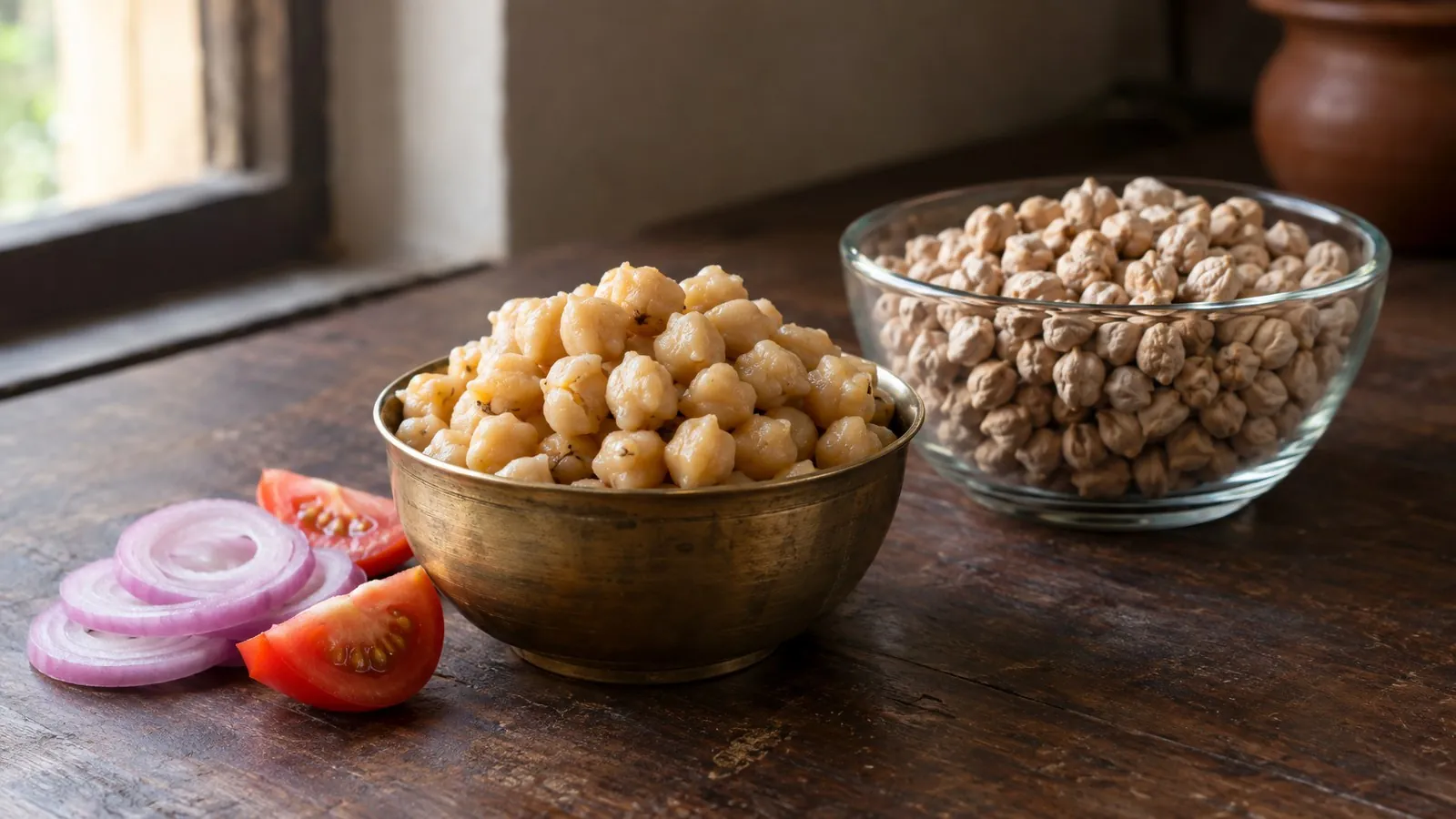
Chickpeas (kabuli chana) for weight loss: calories, protein, portions

Chickpeas for weight loss: 378 kcal, 20.5 g protein and 12.2 g fibre per 100 g, a 113 kcal cooked katori, the 2016 pulse meta-analysis and how to eat them so the calories work for you, not against you.
21 Jun 2026by COWBERRY
7 minute read
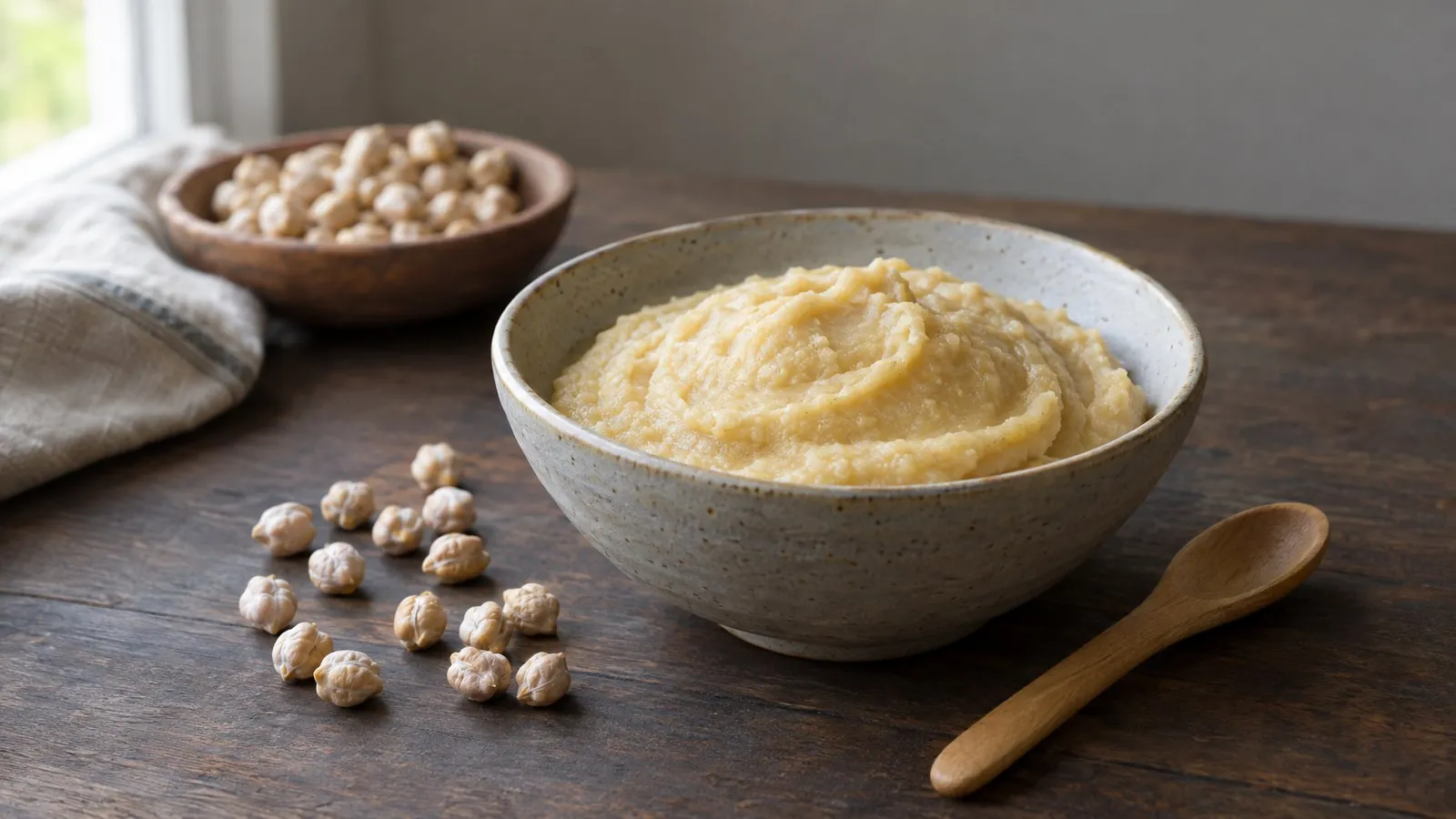
Is kabuli chana good for diabetes? GI, fibre and portions
Is kabuli chana good for diabetes? GI, fibre and portions

Is kabuli chana good for diabetes? Boiled chickpeas average a GI of 23, the low band, with 63 g carbohydrate and 12.2 g fibre per 100 g; portions, the 2009 pulses meta-analysis and plate ideas.
20 Jun 2026by COWBERRY
8 minute read
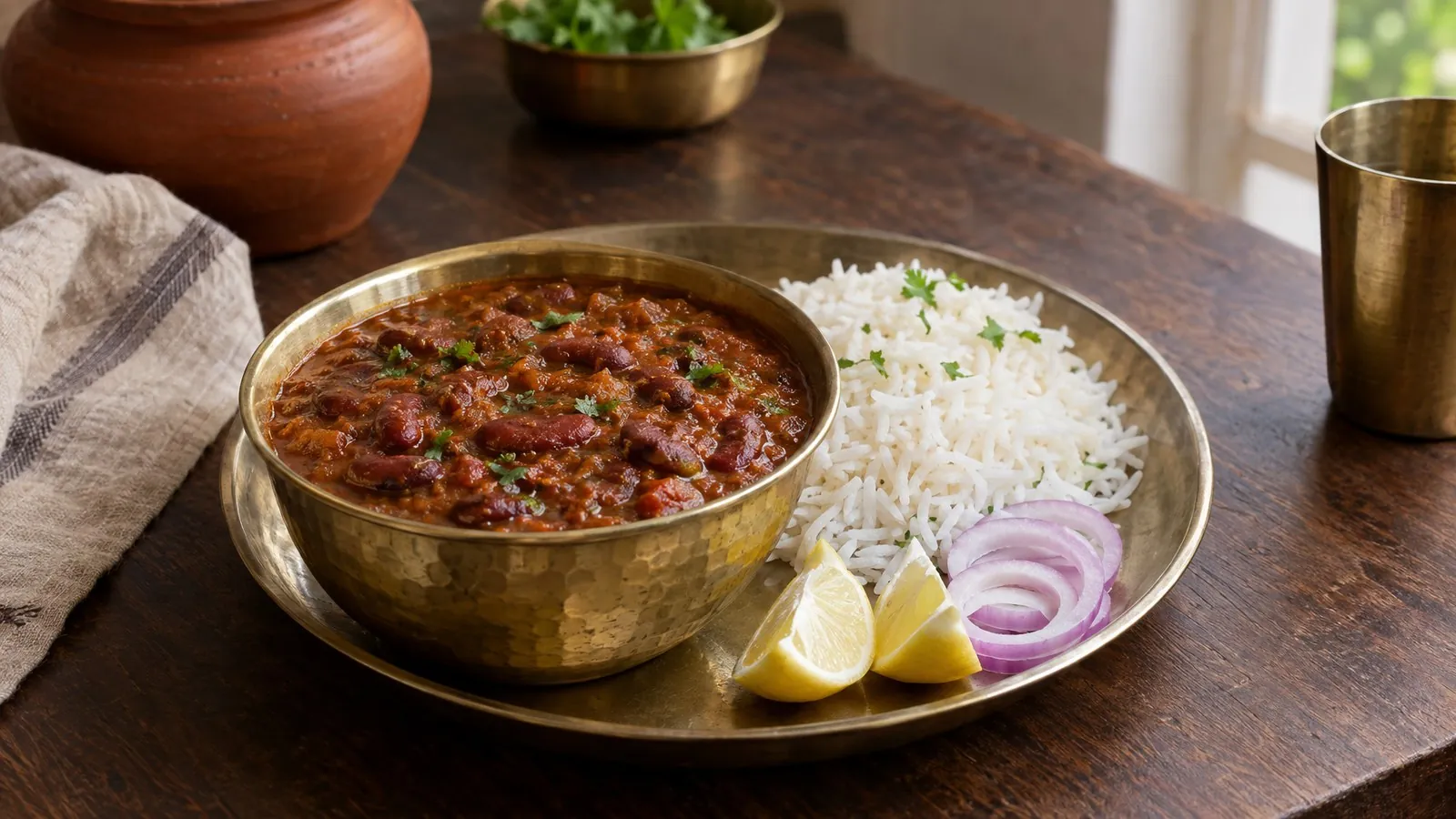
10 benefits of rajma (kidney beans) and its side effects
10 benefits of rajma (kidney beans) and its side effects

Ten rajma benefits with the number behind each: 19.9 g protein, 16.6 g fibre, 6.1 mg iron and 316 mcg folate per 100 g (IFCT 2017). Also the side effects of undercooked beans, gas and allergy, how much to eat in a day and how to serve it.
20 Jun 2026by COWBERRY
10 minute read
Chickpeas for babies: when to start, how to cook and serve

Chickpeas for babies: when to start, how to cook and serve

Chickpeas for babies: start around six months, cooked soft and mashed. WHO weaning ages, NHS salt and honey rules, a chickpeas recipe for baby, feeds a day and the gas and choking cautions.
19 Jun 2026by COWBERRY
7 minute read