membership background

Dals & Pulses articles from COWBERRY

Featured

What Is Brown Sugar? Types, How It Is Made, Nutrition and Uses

What Is Brown Sugar? Types, How It Is Made, Nutrition and Uses

What is brown sugar: sugar with part of the cane's molasses kept in — 380 kcal and 98.1 g of carbohydrate per 100 g. Types (demerara, muscovado, light and dark), names, how it is made, nutrition, uses, storage and buying.
05 Aug 2026by COWBERRY
11 minute read

Fresh Blogs

Coriander water benefits: what dhania water actually does

Coriander water benefits: what dhania water actually does

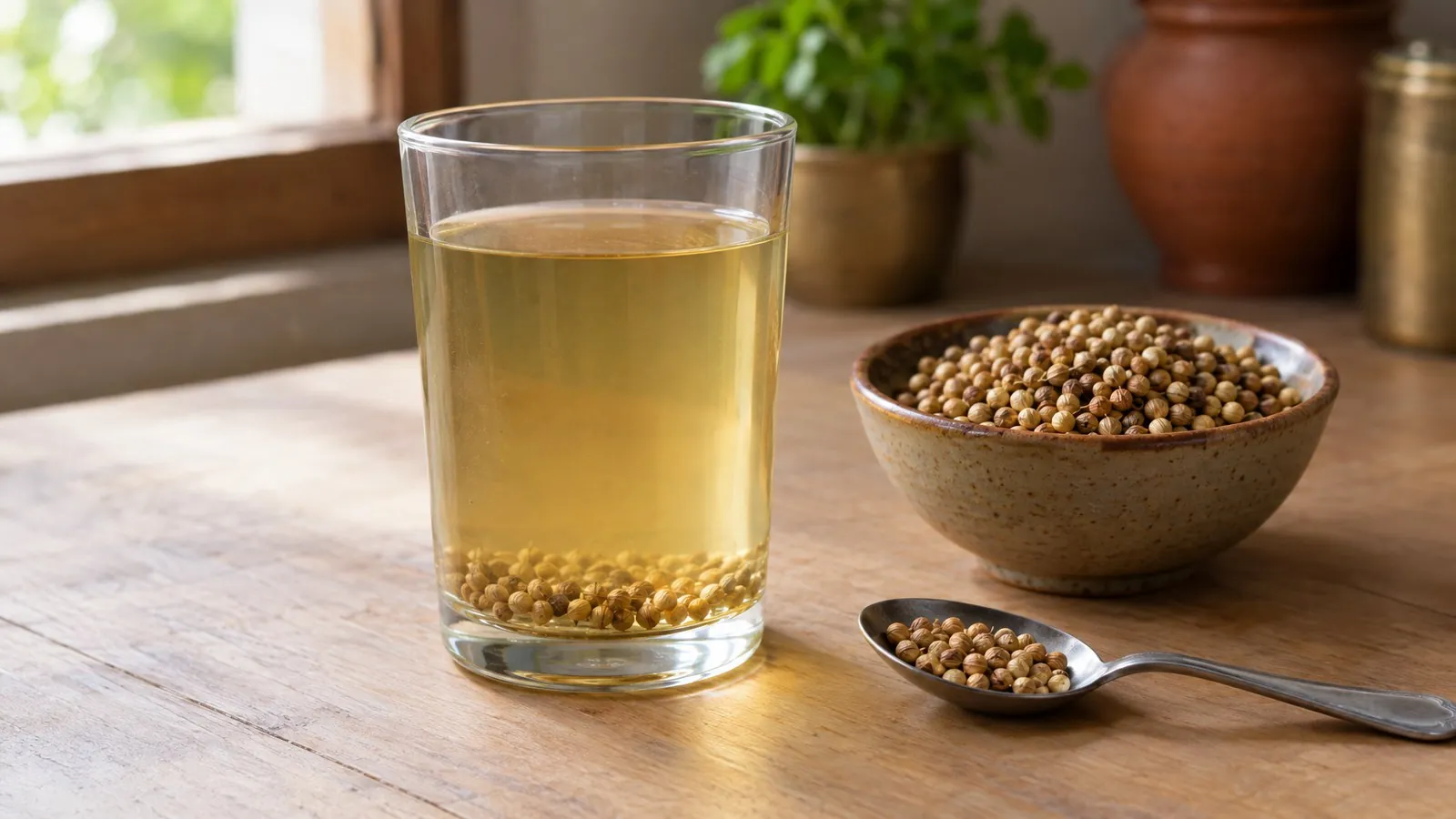
Coriander water benefits, answered honestly: the research reviewed here has no human trial showing coriander water does anything specific. Here is what is known about coriander, what one teaspoon of seeds holds, and how to make and drink the water.
05 Oct 2026by COWBERRY
7 minute read
Red rice vs brown rice: the fibre, GI and honest verdict
Red rice vs brown rice: the fibre, GI and honest verdict
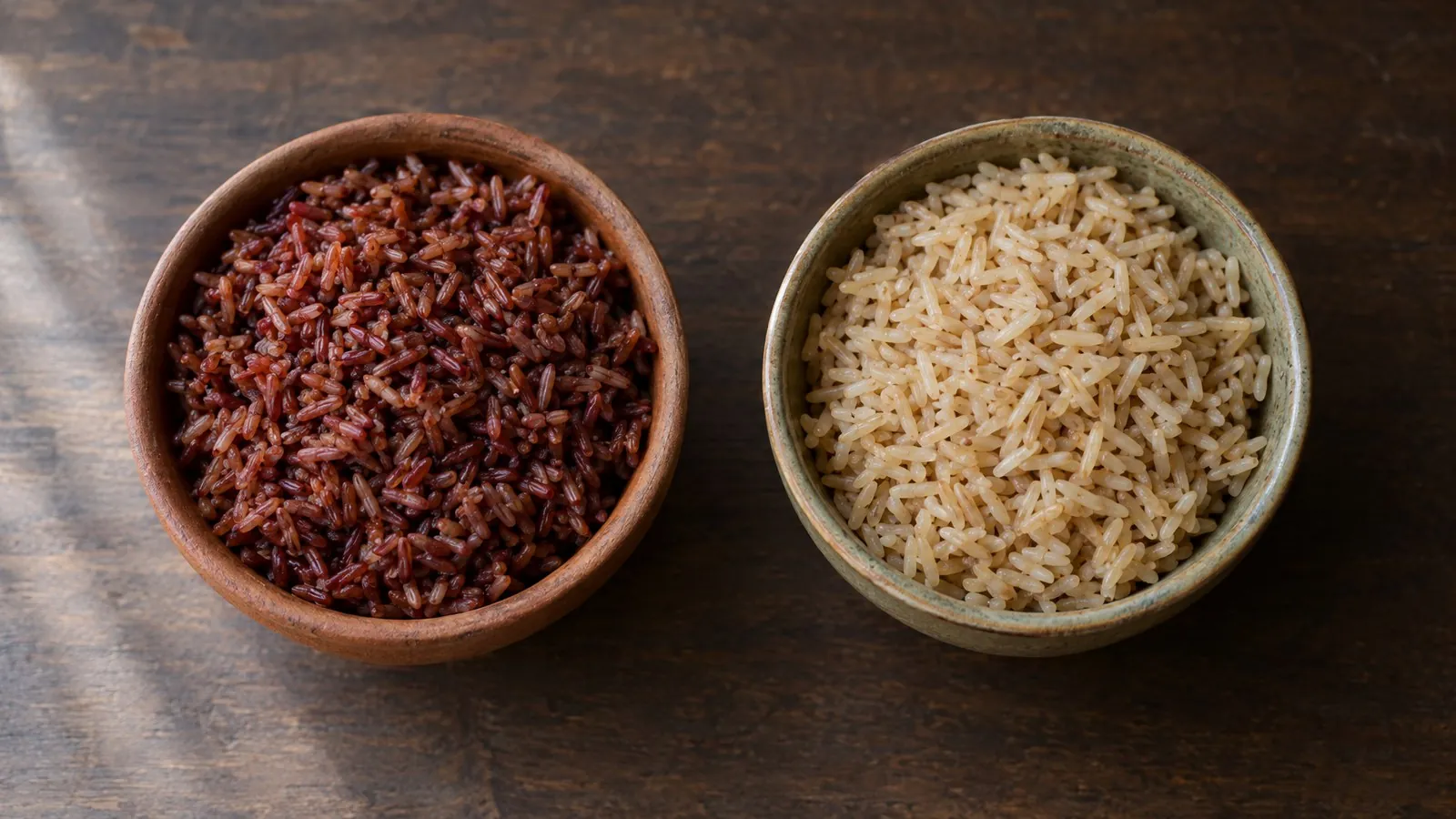
Red rice vs brown rice: brown rice lists more fibre and protein and an India-tested GI of 58, while red rice's seven foreign tests average 62. Side-by-side nutrition per 100 g, GI, cooking, cost and which to choose.
05 Oct 2026by COWBERRY
6 minute read

More Articles

Is sattu good for weight loss? Protein, trials and a calorie deficit
Is sattu good for weight loss? Protein, trials and a calorie deficit

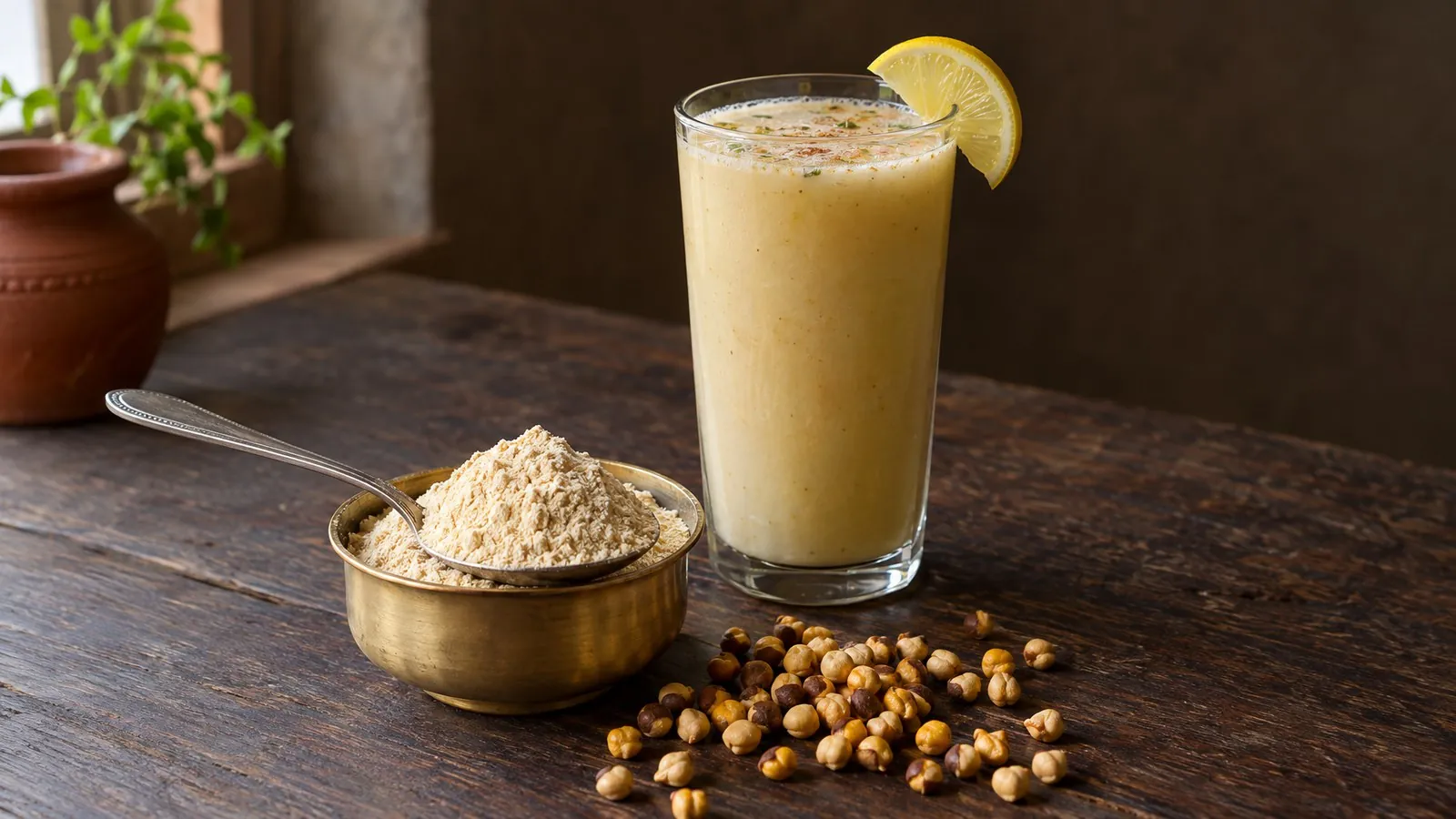
Is sattu good for weight loss? Neither IFCT 2017 nor the USDA record carries a composition for sattu, so no calories are quoted. The published numbers: the FSSAI 20 percent protein floor, the pulses meta-analysis (a modest 0.34 kg) and how an unsweetened sattu drink fits a deficit or a bulk.
01 May 2026by COWBERRY
8 minute read
Dal protein per 100 g: the common dals compared (and per katori)
Dal protein per 100 g: the common dals compared (and per katori)

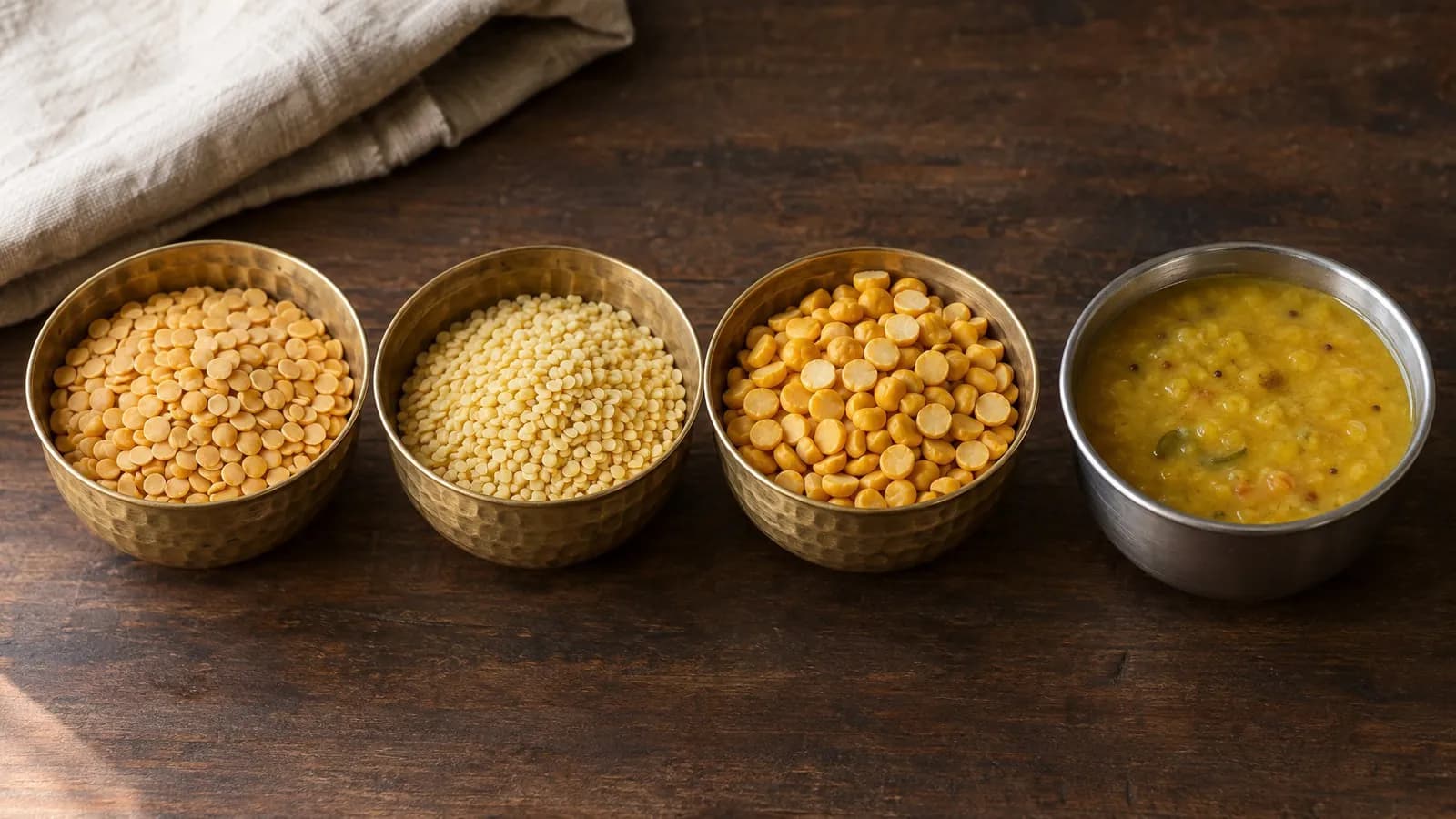
Dal protein per 100 g for toor, moong, chana, urad, masoor, sabut moong, rajma, kabuli chana, kala chana and lobia from IFCT 2017 and USDA, worked out per katori of cooked dal, with calories, fibre, GI and why dal plus rice or roti makes a complete protein.
30 Apr 2026by COWBERRY
12 minute read
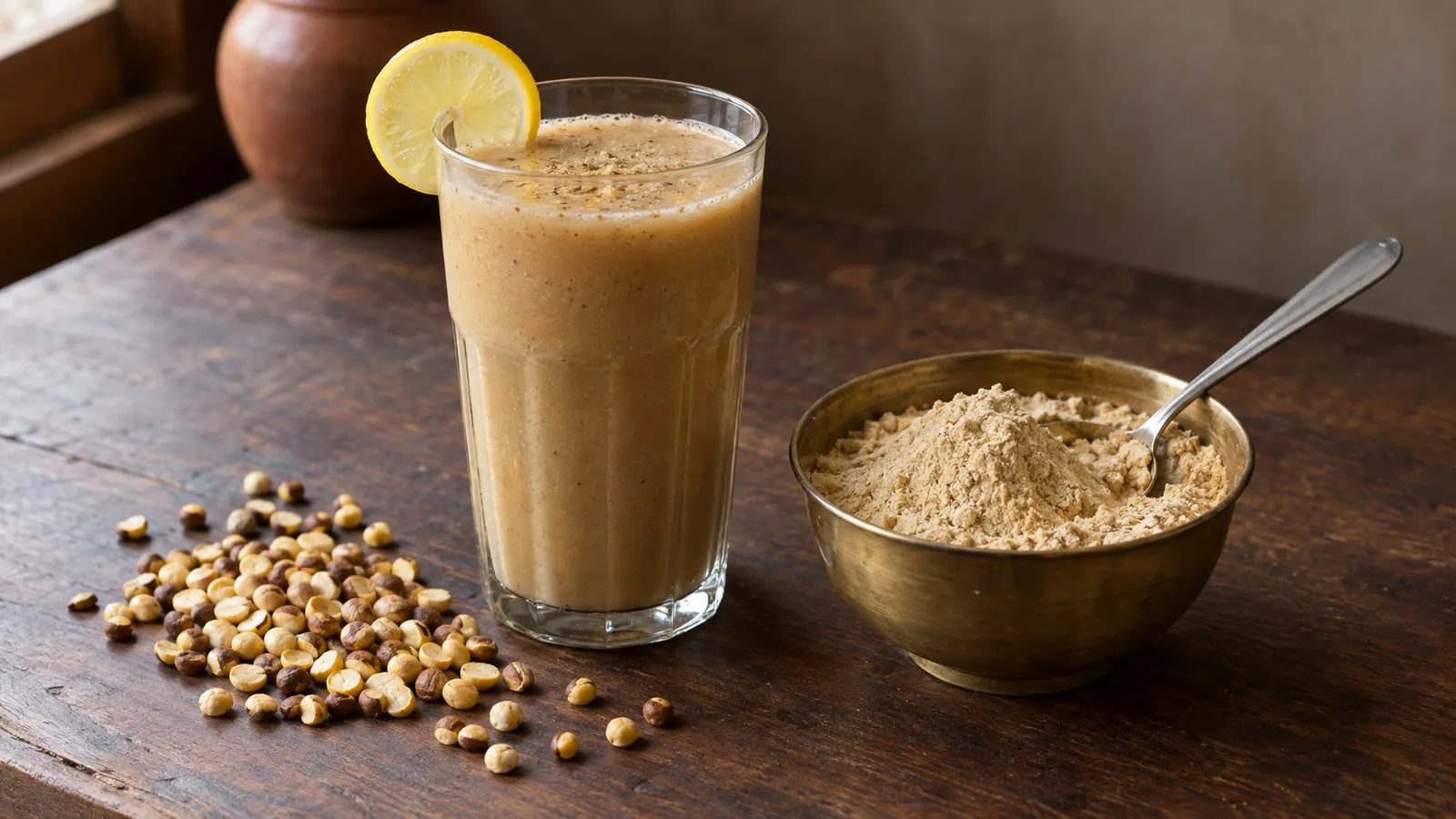
10 benefits of sattu (and its side effects)
10 benefits of sattu (and its side effects)

Sattu benefits, one printed number and a studied gram family: the FSSAI 20 percent protein floor, pulse-class satiety and glycaemic trials, the 3:1 cereal pairing, then honest side effects and how much fits a day.
30 Apr 2026by COWBERRY
11 minute read
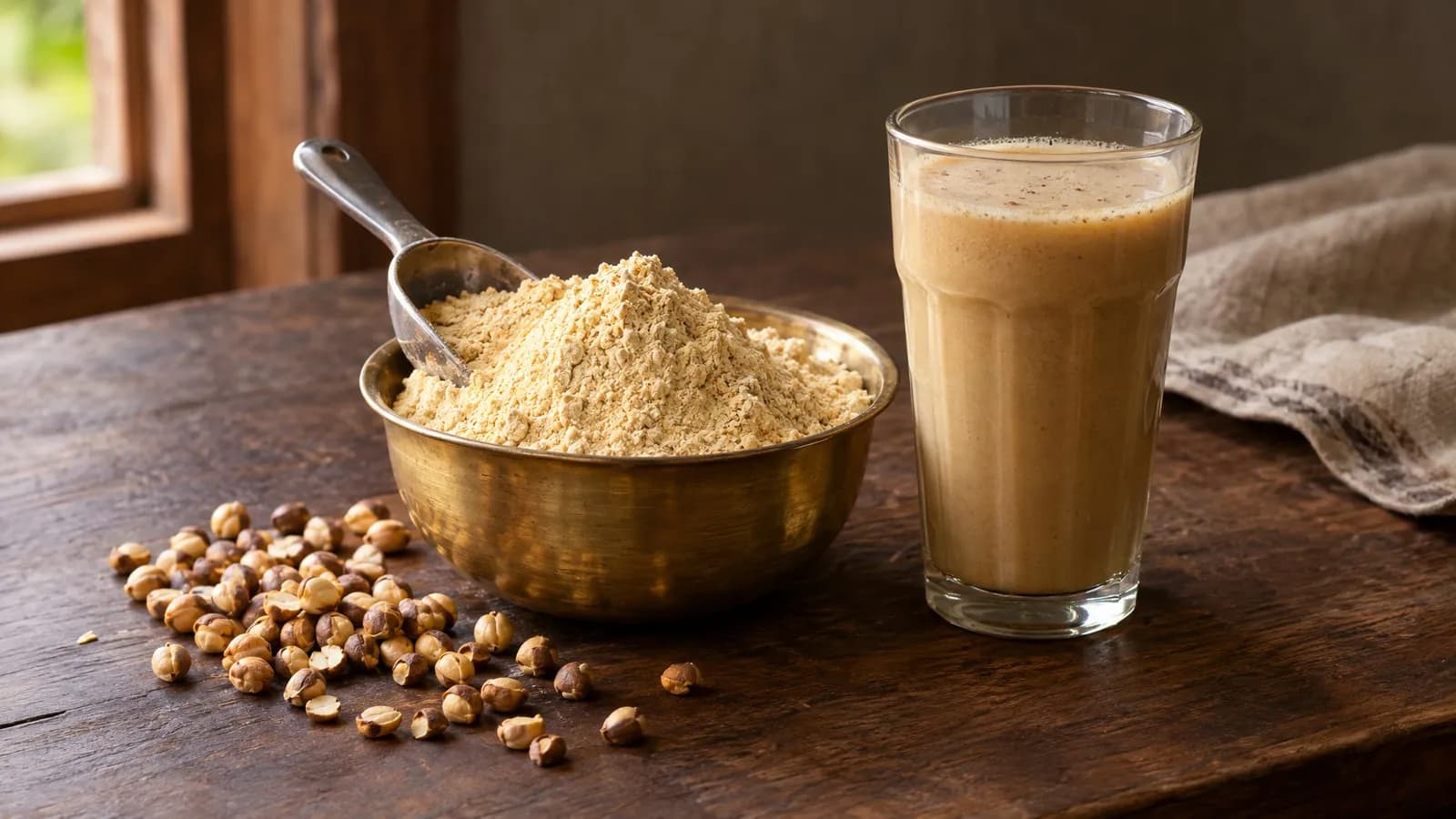
Sattu (roasted gram flour): names, nutrition, benefits and how to use
Sattu (roasted gram flour): names, nutrition, benefits and how to use

Sattu, the roasted Bengal gram flour: what it is, its names in English and Indian languages, the one nutrition figure printed for it, the benefits and side effects, and how to buy, store and use it.
29 Apr 2026by COWBERRY
10 minute read
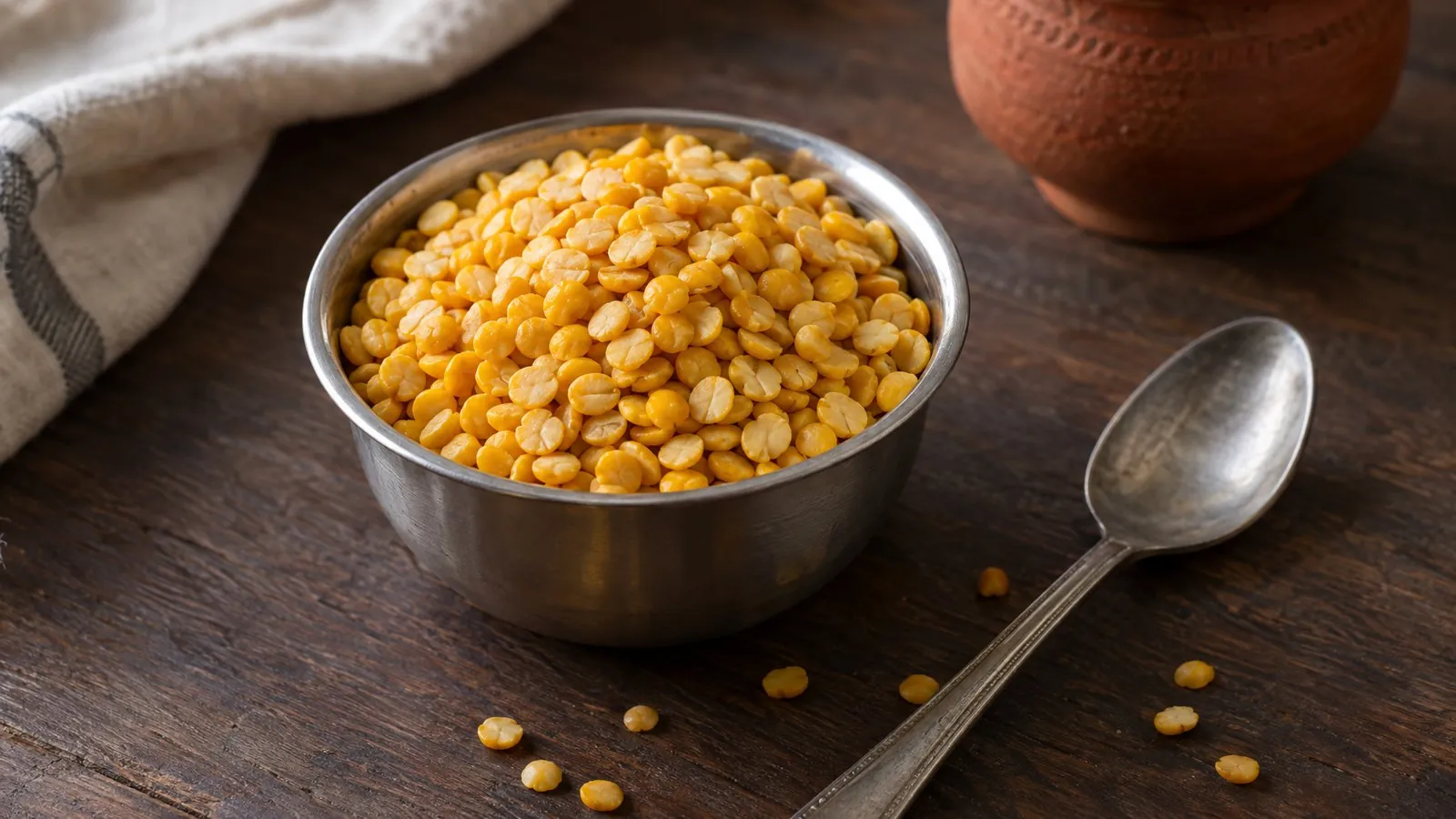
Chana dal protein per 100 g, calories, fibre and GI (bengal gram)
Chana dal protein per 100 g, calories, fibre and GI (bengal gram)

Chana dal protein per 100 g is 21.55 g, with 329 kcal, 15.15 g fibre and a GI of 11 (IFCT 2017, University of Sydney). The full bengal gram nutrition table against kala chana and besan, per-katori figures, iron, folate and the other minerals.
26 Apr 2026by COWBERRY
9 minute read
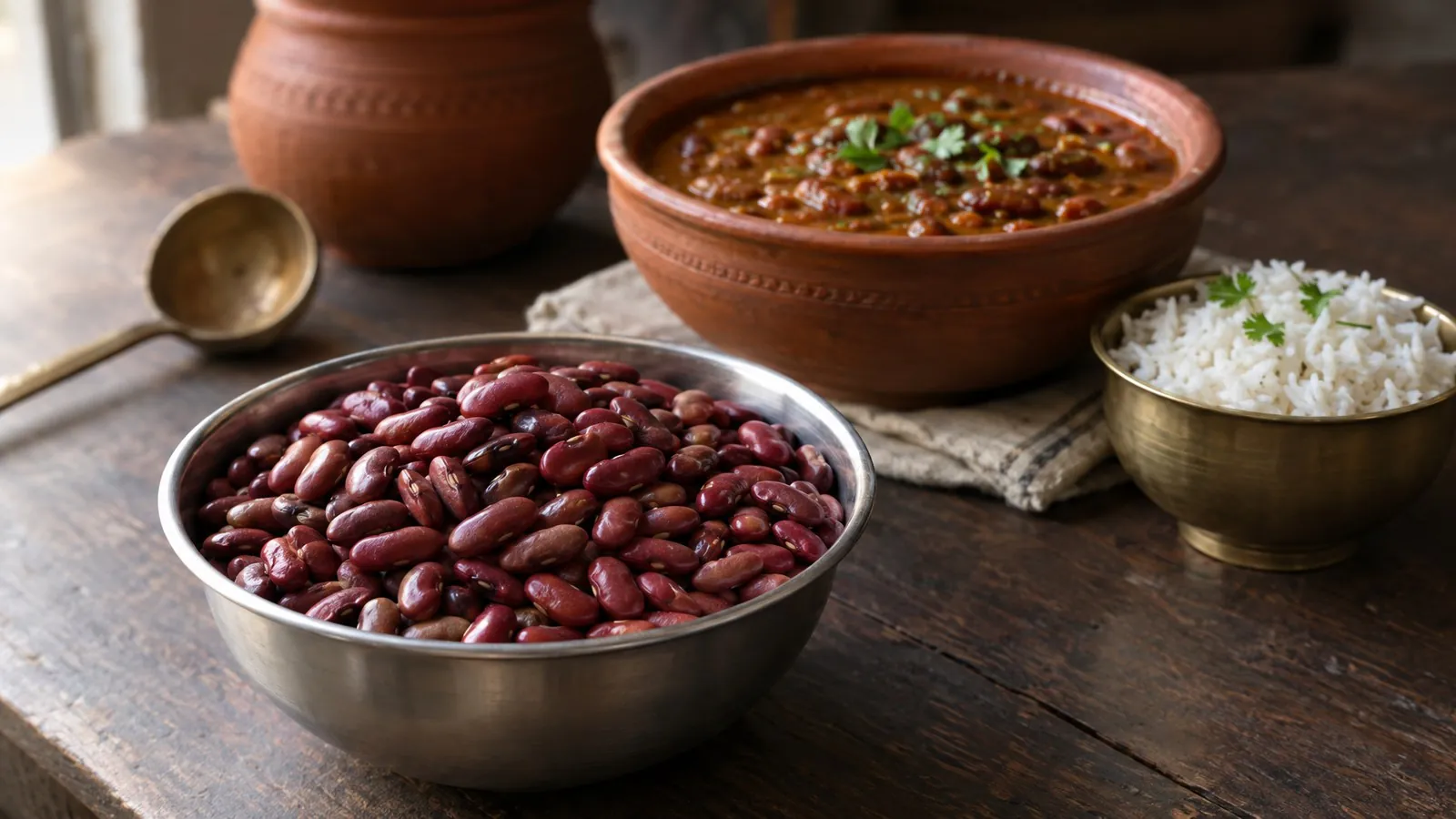
Rajma beans (red kidney beans): nutrition, benefits, cooking
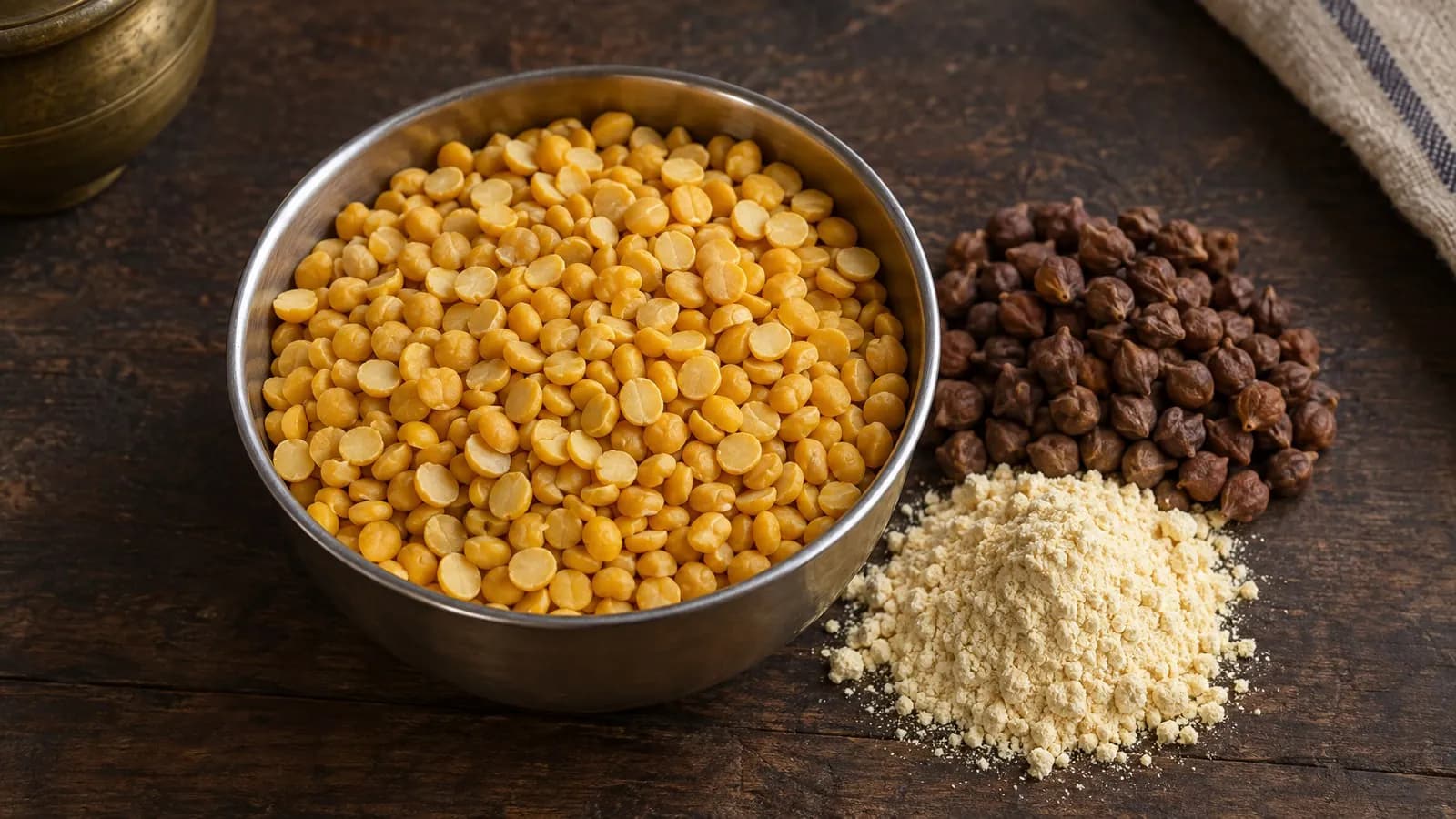
Rajma beans (red kidney beans): nutrition, benefits, cooking

Rajma beans are red kidney beans: 19.9 g protein, 16.6 g fibre and 300 kcal per 100 g, a tested GI of 45, its names in Indian languages, benefits and side effects, cooking, storage and recipes, each topic linked to its own page.
26 Apr 2026by COWBERRY
10 minute read
Chana dal in English, Hindi, Kannada, Telugu, Tamil and Malayalam
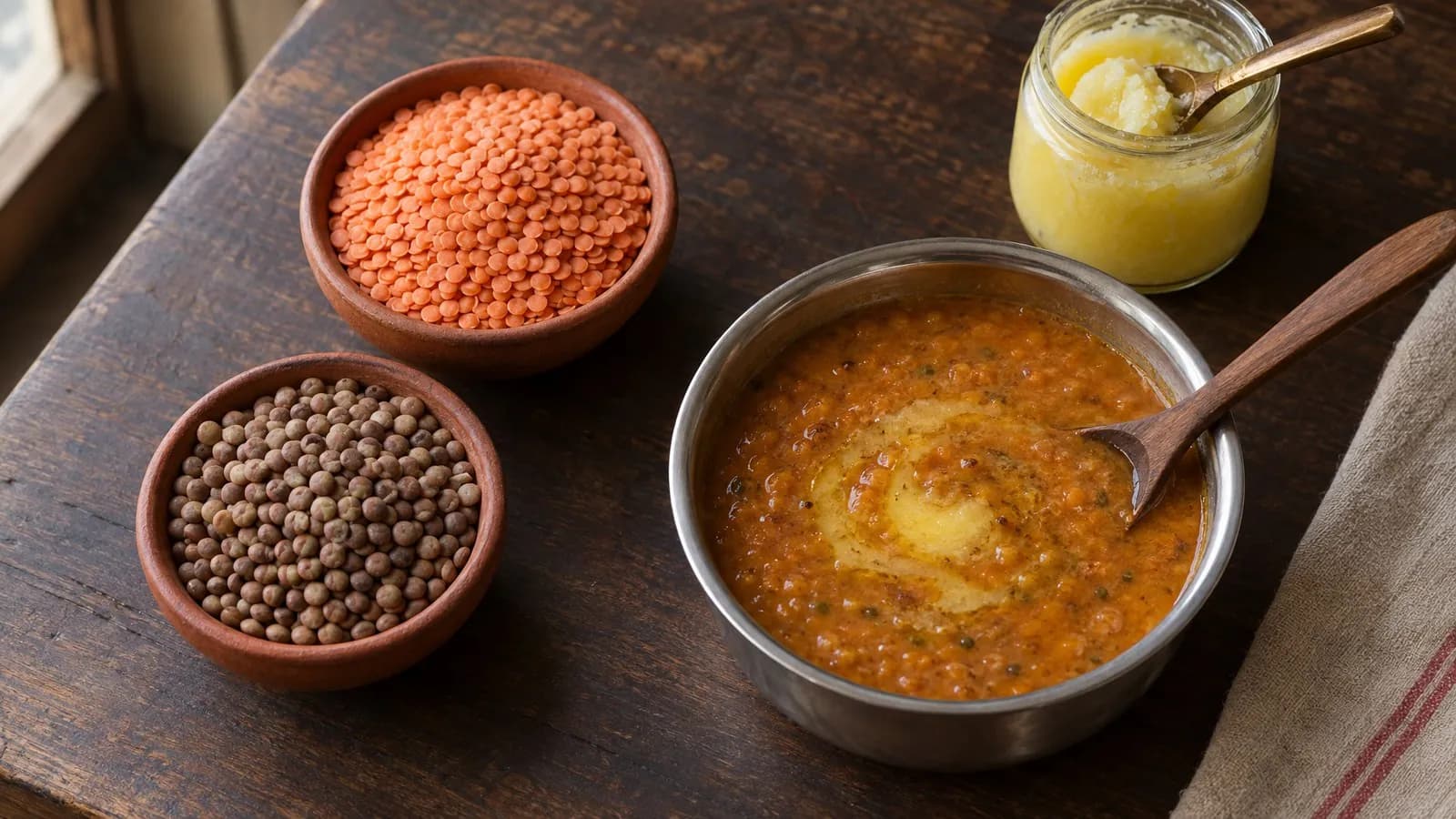
Chana dal in English, Hindi, Kannada, Telugu, Tamil and Malayalam

Chana dal in English is split Bengal gram, the skinned split desi chickpea. Its name in 13 languages, based on the IFCT 2017 list (kadle bele, sanaga pappu, kadalai paruppu, kadala parippu, cholar dal), what it is confused with and where it grows.
24 Apr 2026by COWBERRY
7 minute read
Masoor dal (red lentils): names, nutrition, benefits and how to cook
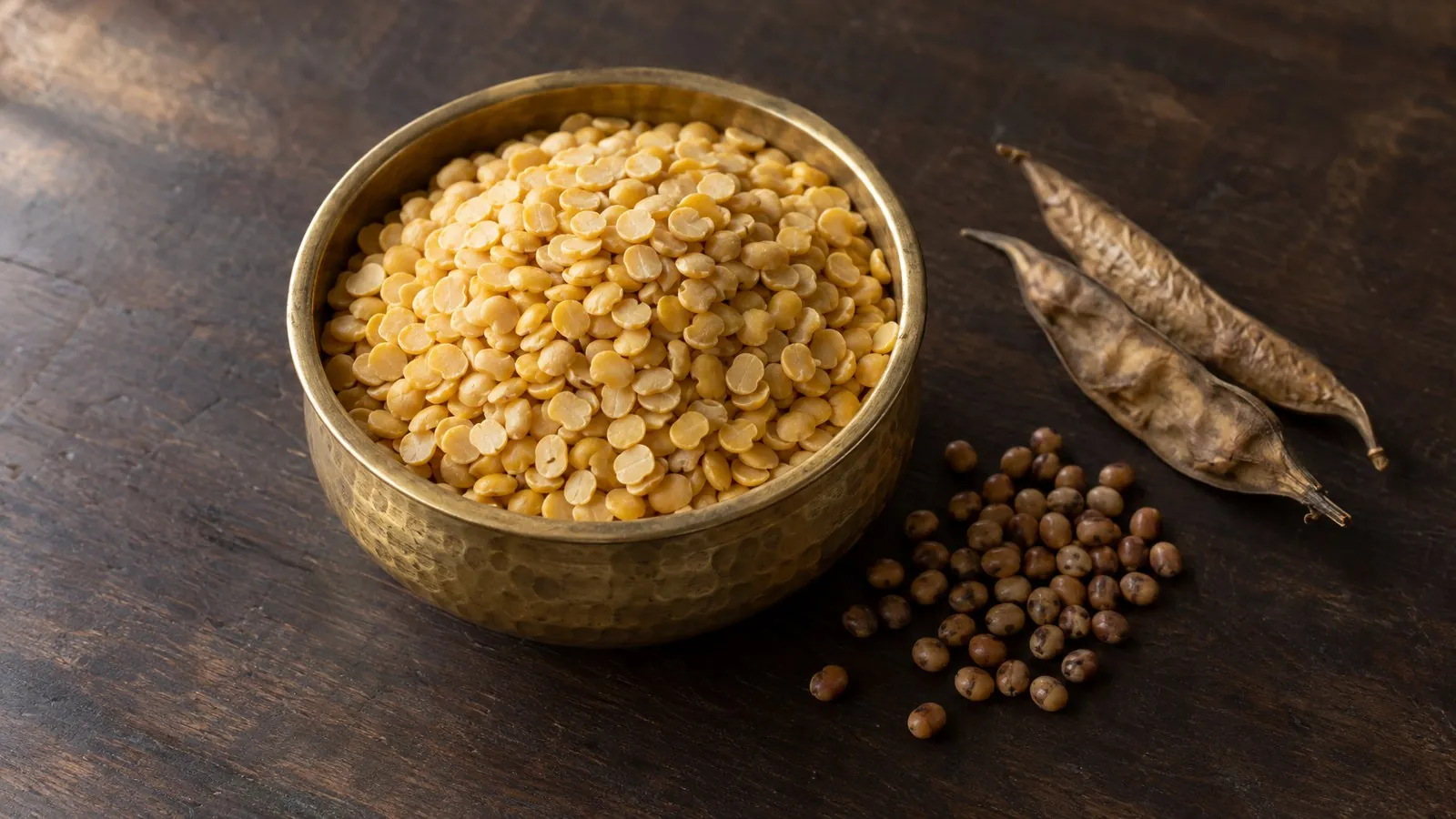
Masoor dal (red lentils): names, nutrition, benefits and how to cook

Masoor dal: the split red lentil in one page — what it is, its 13 Indian names, nutrition per 100 g (323 kcal, 24.35 g protein, GI 25), benefits, side effects, cooking, storage and buying.
21 Apr 2026by COWBERRY
10 minute read
Toor dal (arhar, pigeon pea): names, nutrition, benefits, how to cook
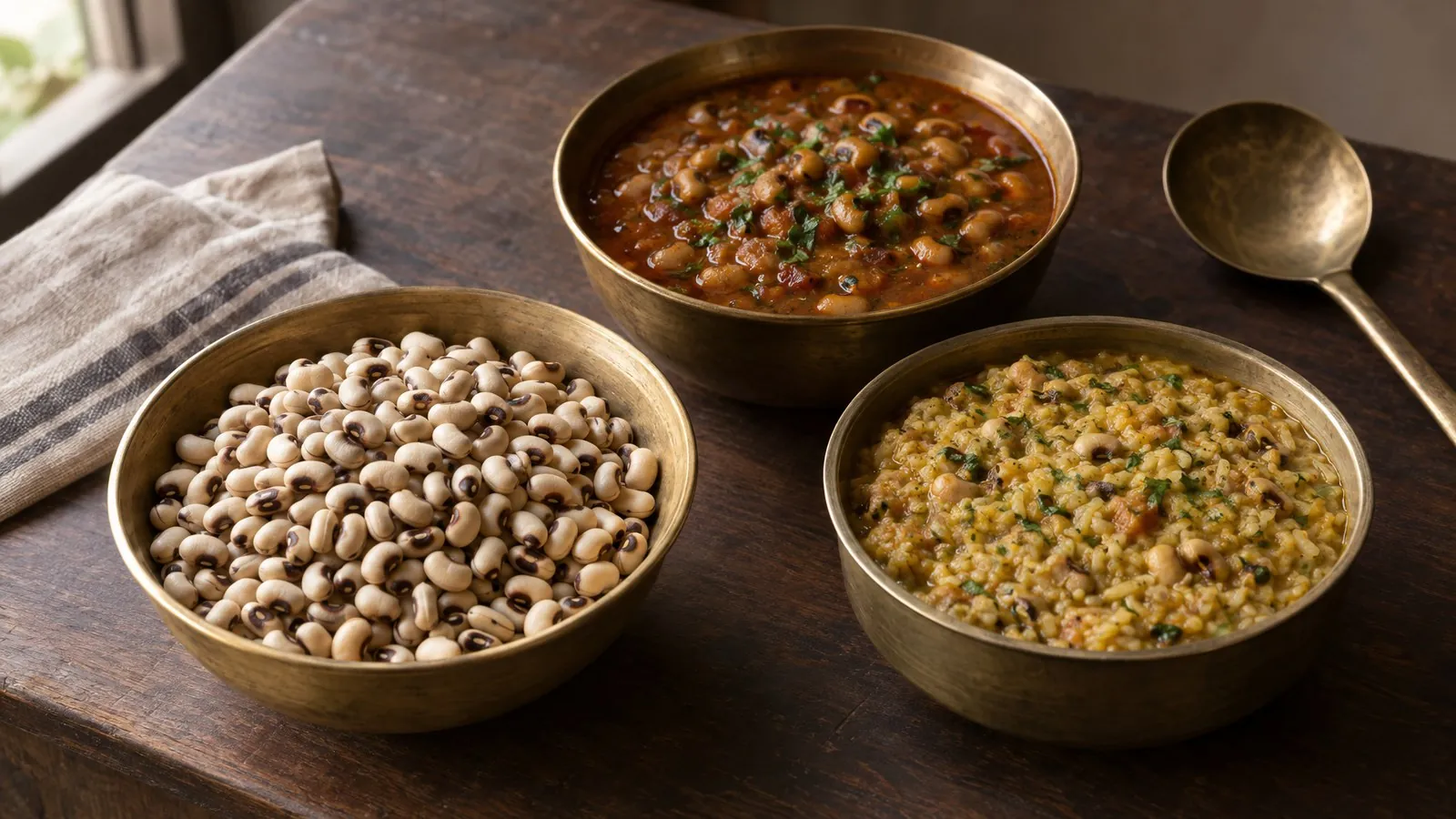
Toor dal (arhar, pigeon pea): names, nutrition, benefits, how to cook

Toor dal (arhar, split pigeon pea) explained: its names across India, IFCT 2017 nutrition per 100 g, benefits, who should limit it, how to soak and pressure cook it for sambar and dal tadka, unpolished vs polished, storage and what to check when buying.
20 Apr 2026by COWBERRY
13 minute read
Lobia (black eyed peas): nutrition, benefits and how to cook
Lobia (black eyed peas): nutrition, benefits and how to cook

Lobia (black eyed peas, cowpea): what it is, Indian names, IFCT 2017 nutrition per 100 g, benefits and who should limit it, soaking and cooking, recipes and what to check when buying.
19 Apr 2026by COWBERRY
10 minute read
Moong dal (split green gram): names, nutrition, benefits, how to cook
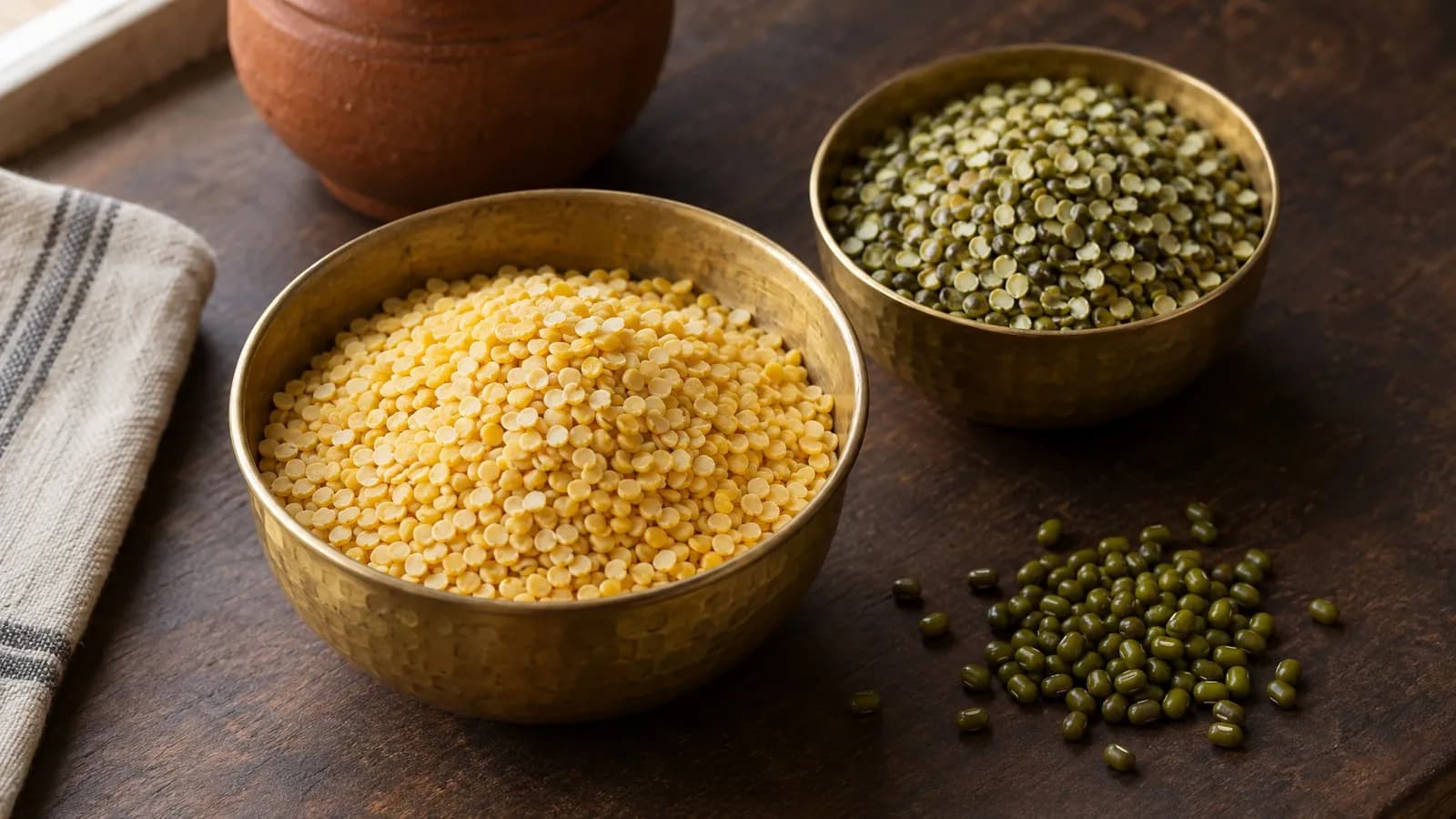
Moong dal (split green gram): names, nutrition, benefits, how to cook

Moong dal (split green gram, mung bean) explained: yellow vs chilka, its names across India, IFCT 2017 nutrition per 100 g, benefits, who should limit it, how to cook and store it, three recipes and what to check when buying.
17 Apr 2026by COWBERRY
15 minute read
Which masoor dal is best: whole vs split, brown vs red

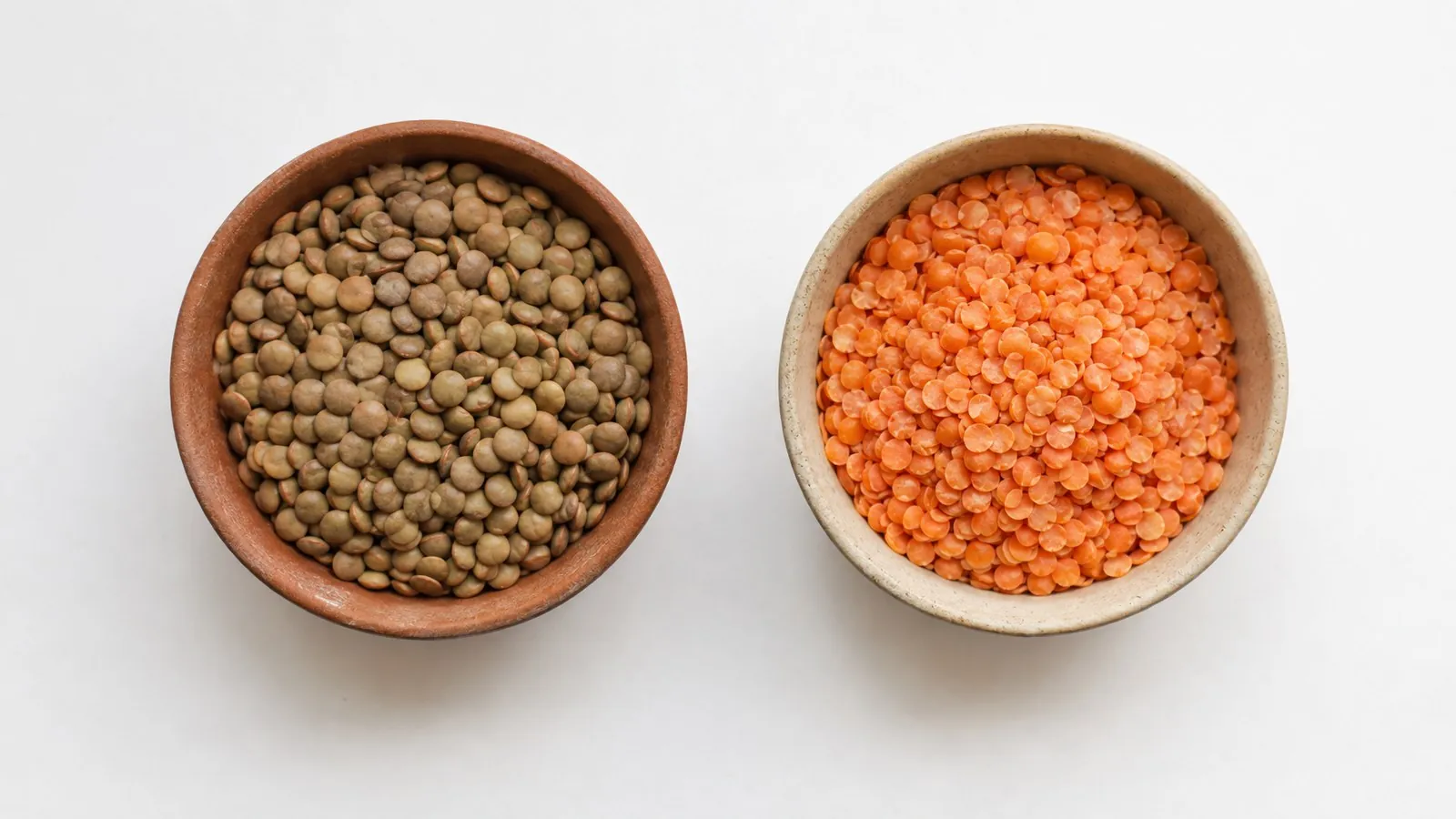
Which masoor dal is best: whole vs split, brown vs red

Which masoor dal is best depends on the dish: whole (sabut), split (dhuli) and malka masoor compared on looks, cooking and use, plus red vs brown vs green lentils.
16 Apr 2026by COWBERRY
9 minute read