membership background

Dals & Pulses articles from COWBERRY

Featured

What Is Brown Sugar? Types, How It Is Made, Nutrition and Uses

What Is Brown Sugar? Types, How It Is Made, Nutrition and Uses

What is brown sugar: sugar with part of the cane's molasses kept in — 380 kcal and 98.1 g of carbohydrate per 100 g. Types (demerara, muscovado, light and dark), names, how it is made, nutrition, uses, storage and buying.
05 Aug 2026by COWBERRY
11 minute read

Fresh Blogs

Coriander water benefits: what dhania water actually does

Coriander water benefits: what dhania water actually does

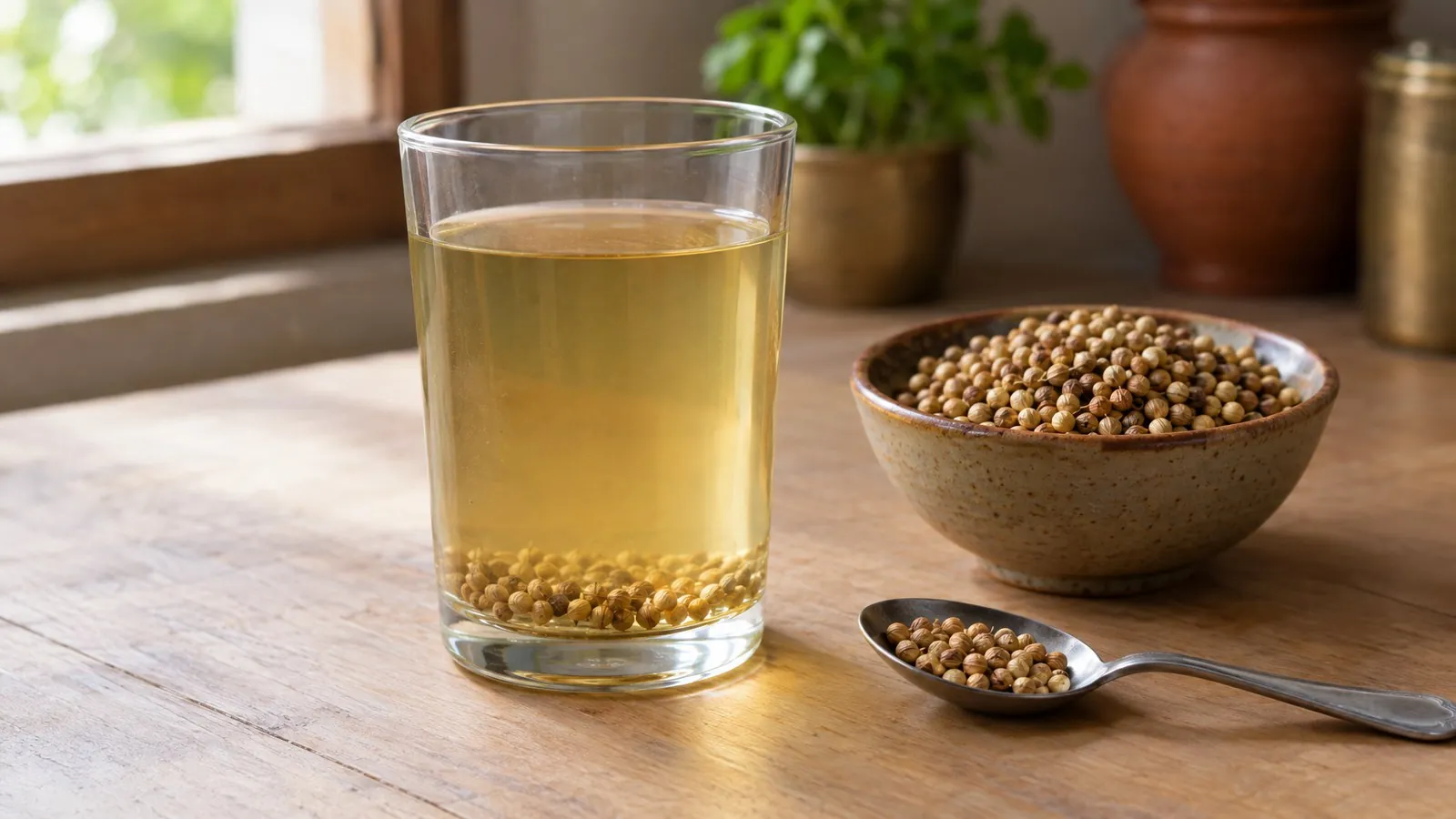
Coriander water benefits, answered honestly: the research reviewed here has no human trial showing coriander water does anything specific. Here is what is known about coriander, what one teaspoon of seeds holds, and how to make and drink the water.
05 Oct 2026by COWBERRY
7 minute read
Red rice vs brown rice: the fibre, GI and honest verdict
Red rice vs brown rice: the fibre, GI and honest verdict
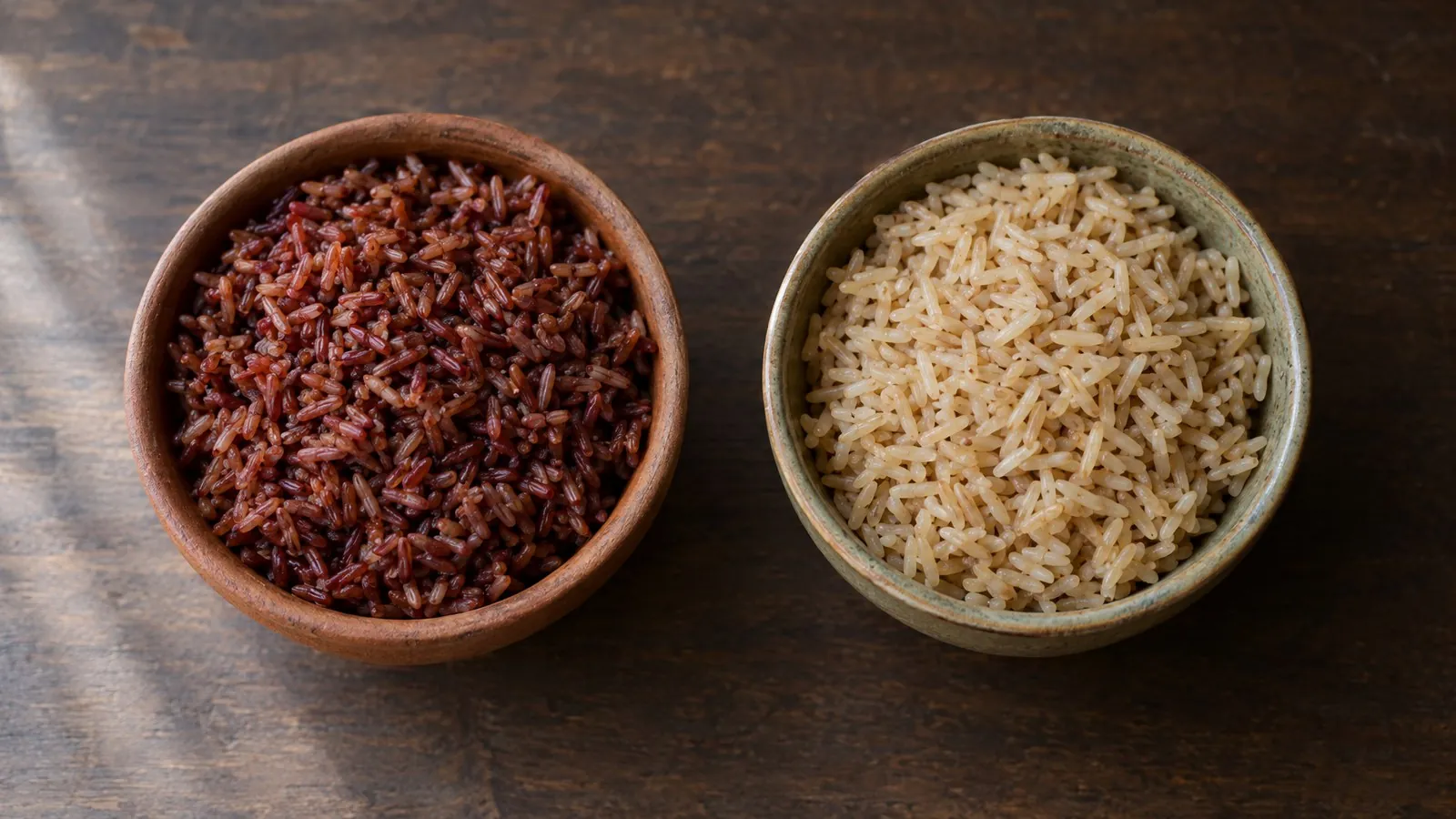
Red rice vs brown rice: brown rice lists more fibre and protein and an India-tested GI of 58, while red rice's seven foreign tests average 62. Side-by-side nutrition per 100 g, GI, cooking, cost and which to choose.
05 Oct 2026by COWBERRY
6 minute read

More Articles

Kabuli chana soaking time: how long to soak and quick-soak
Kabuli chana soaking time: how long to soak and quick-soak

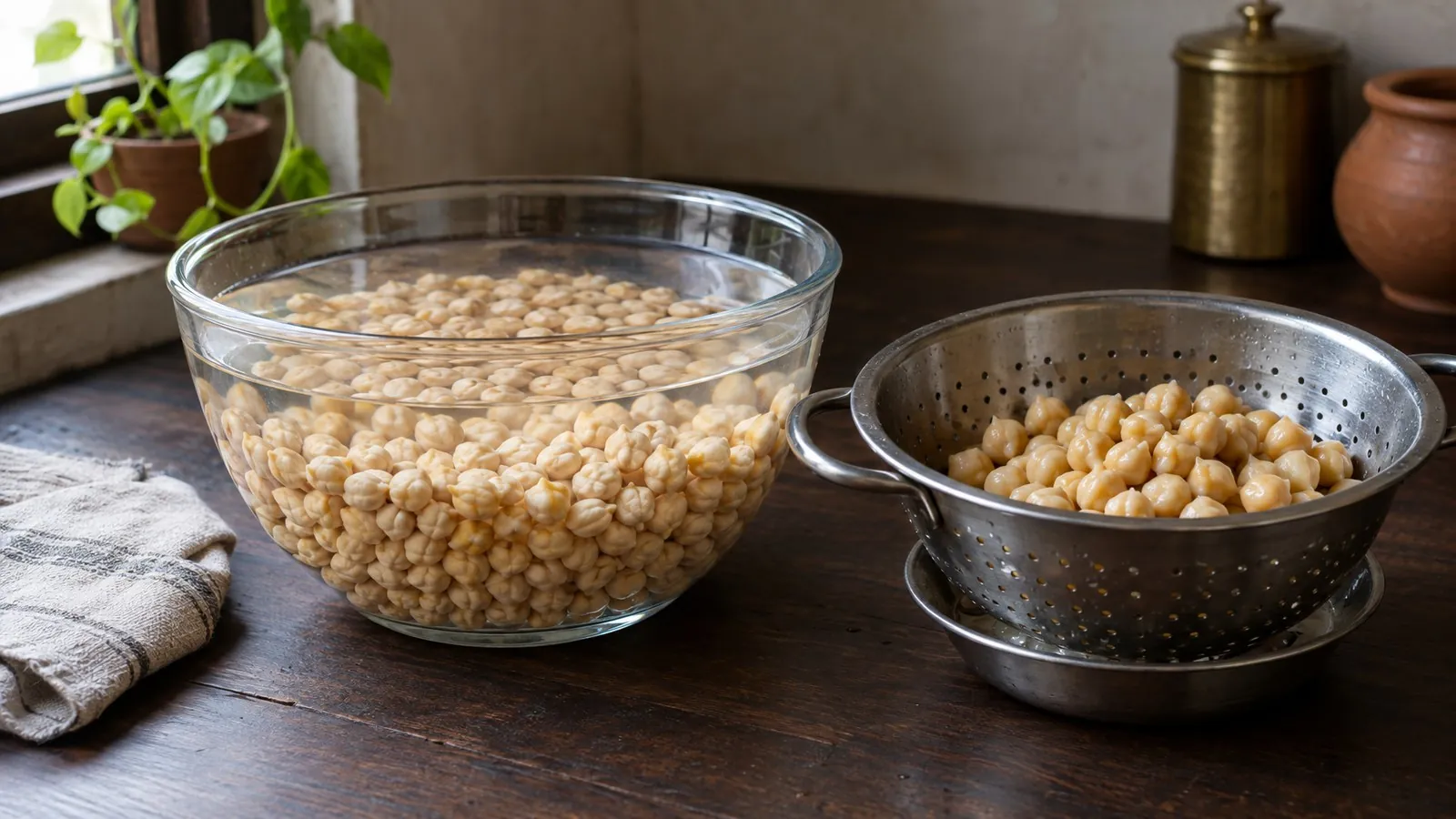
Kabuli chana soaking time: 8 to 12 hours in cold water, or overnight, and a two-hour hot quick soak when the menu is decided late. Steps, water ratio, mistakes and what to do when chana stay hard.
05 Jun 2026by COWBERRY
6 minute read
Moong dal in English, Hindi, Kannada (hesaru bele), Telugu and Tamil
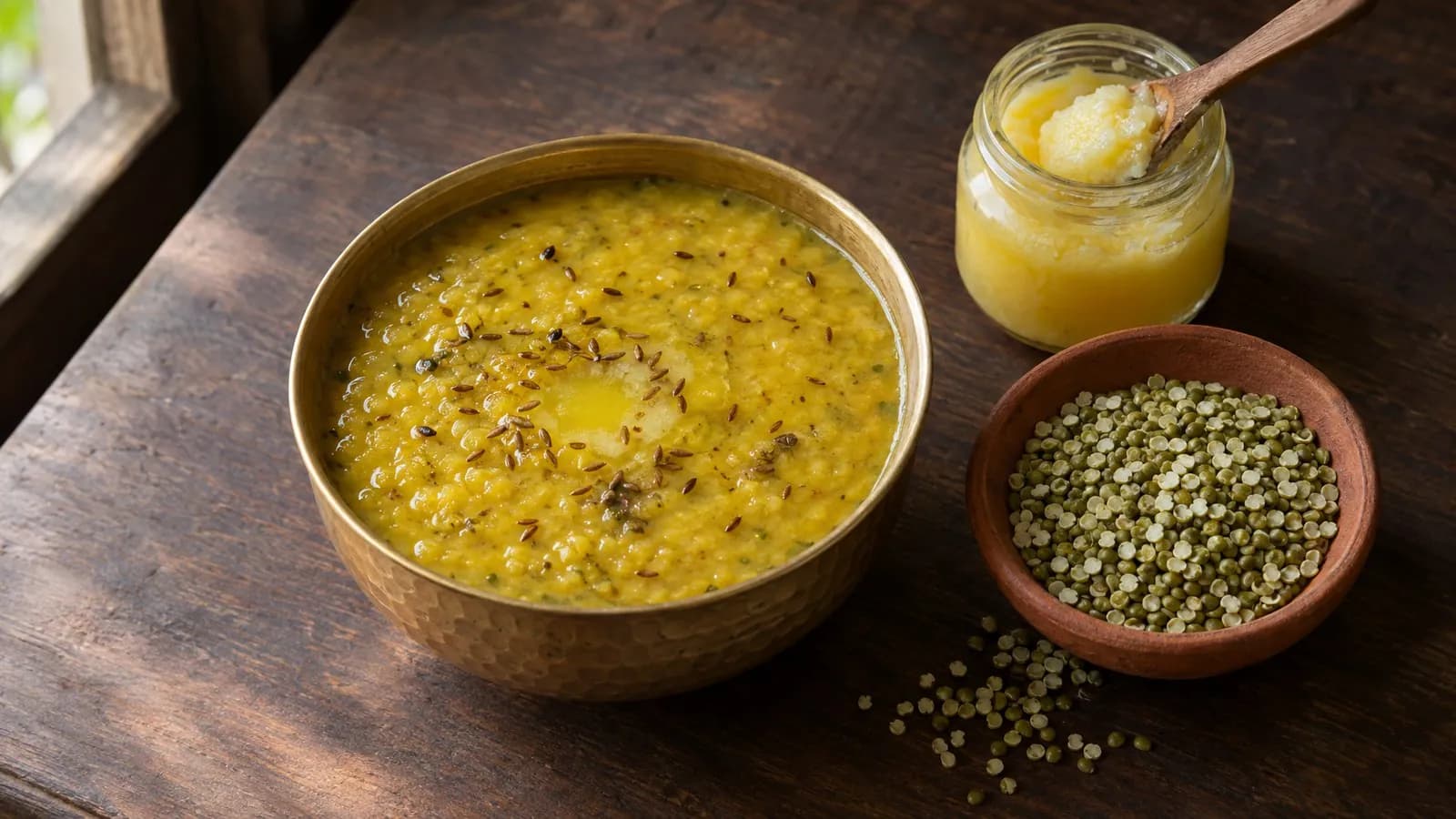
Moong dal in English, Hindi, Kannada (hesaru bele), Telugu and Tamil

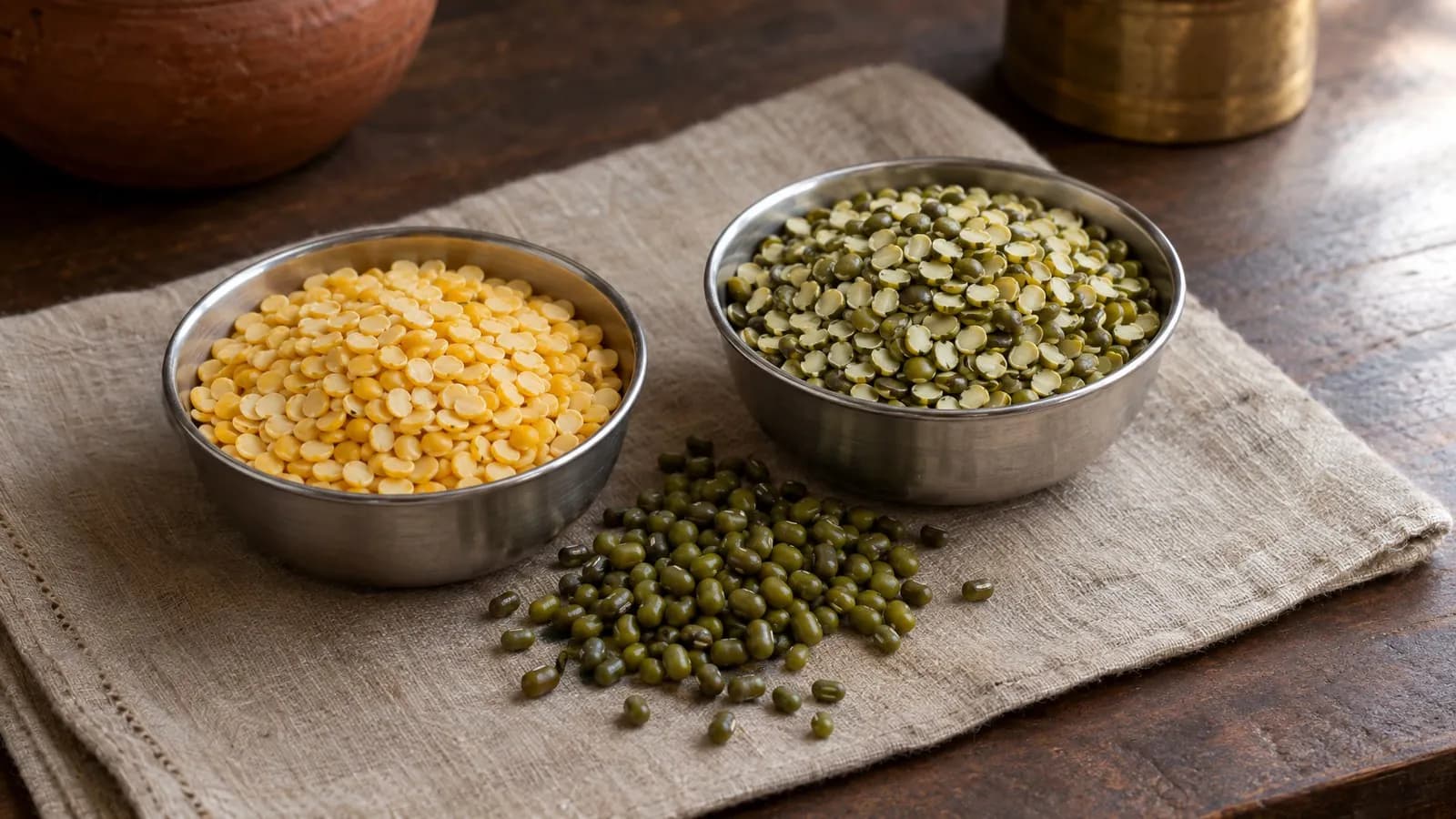
Hesaru bele in English is moong dal, or split green gram. The name of moong dal in Hindi, Kannada, Telugu, Tamil and eight more Indian languages from the IFCT 2017 list, the dals it is confused with, and where it grows.
04 Jun 2026by COWBERRY
7 minute read
10 benefits of moong dal (and its side effects)
10 benefits of moong dal (and its side effects)

Ten moong dal benefits with the IFCT 2017 number behind each: 23.88 g protein, 9.37 g fibre, 92.11 mcg folate and 1268 mg potassium per 100 g, and a GI of 38. Plus its side effects, who should limit it, how much to eat a day and how to cook it.
03 Jun 2026by COWBERRY
15 minute read
Black chickpeas how to eat: soaked, boiled, roasted and daily
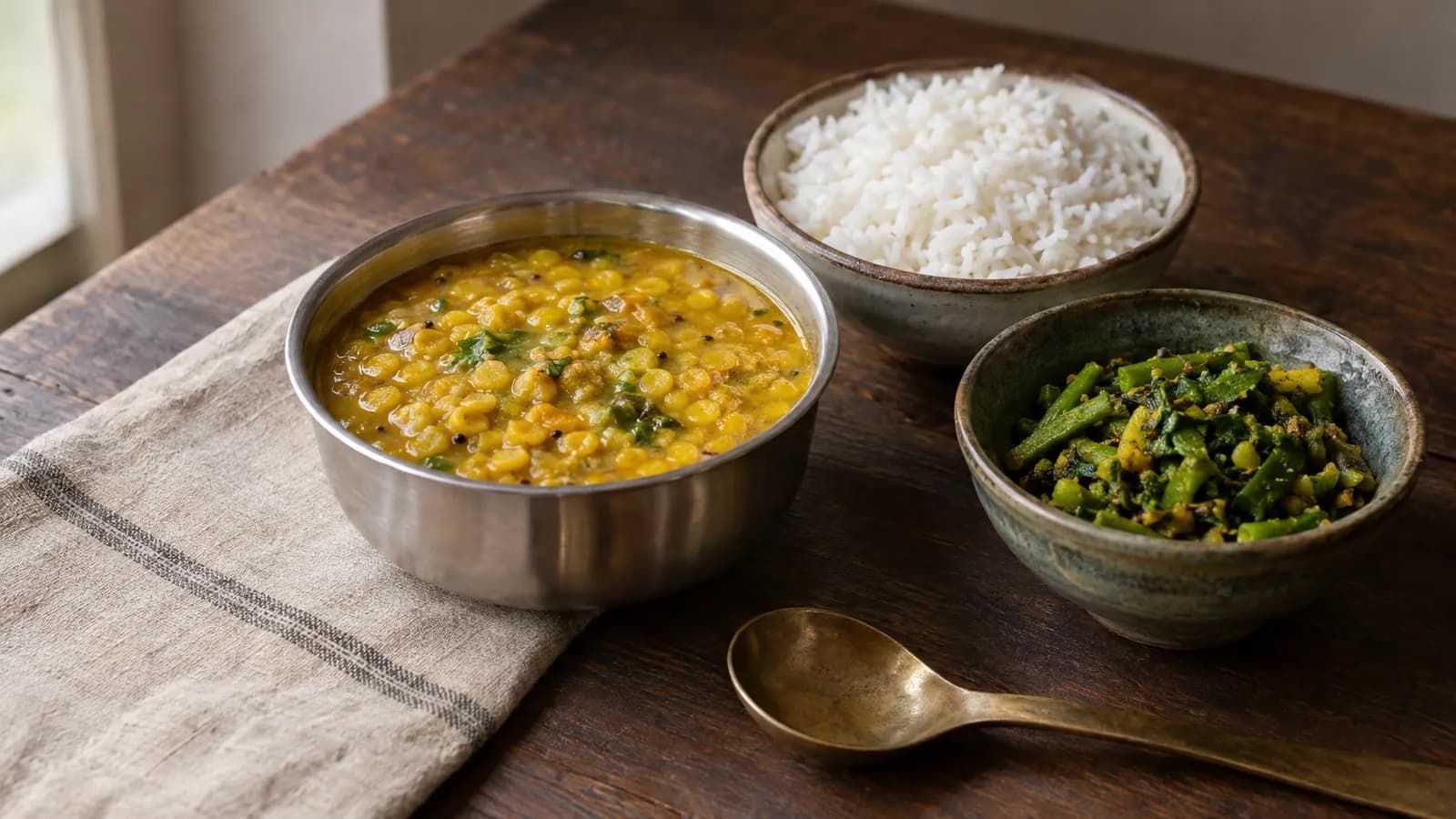
Black chickpeas how to eat: soaked, boiled, roasted and daily

Black chickpeas how to eat: soak 6 to 8 hours, cook soft, then turn one katori (30 g dry) into bowls, chaat, curry, khichdi, tikki or a roasted snack.
02 Jun 2026by COWBERRY
6 minute read
Chana dal in pregnancy: benefits, safety and how to eat it
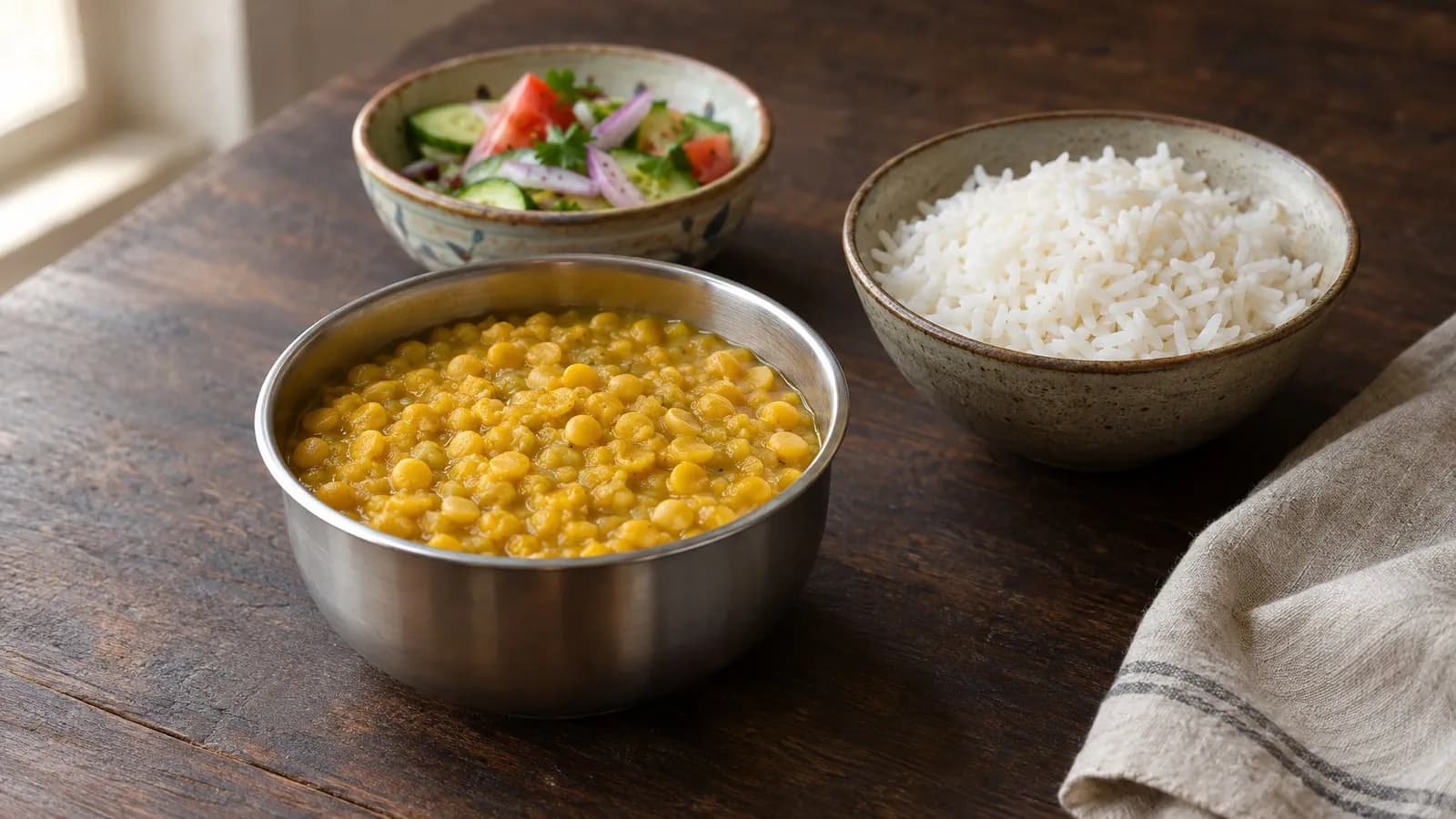
Chana dal in pregnancy: benefits, safety and how to eat it

Chana dal in pregnancy: safe when well cooked, with pulses at 80 g a day in ICMR-NIN guidance. Protein, iron and folate per katori, gas-friendly cooking and the safety notes.
01 Jun 2026by COWBERRY
7 minute read
Is chana dal good for weight loss? Calories and portions
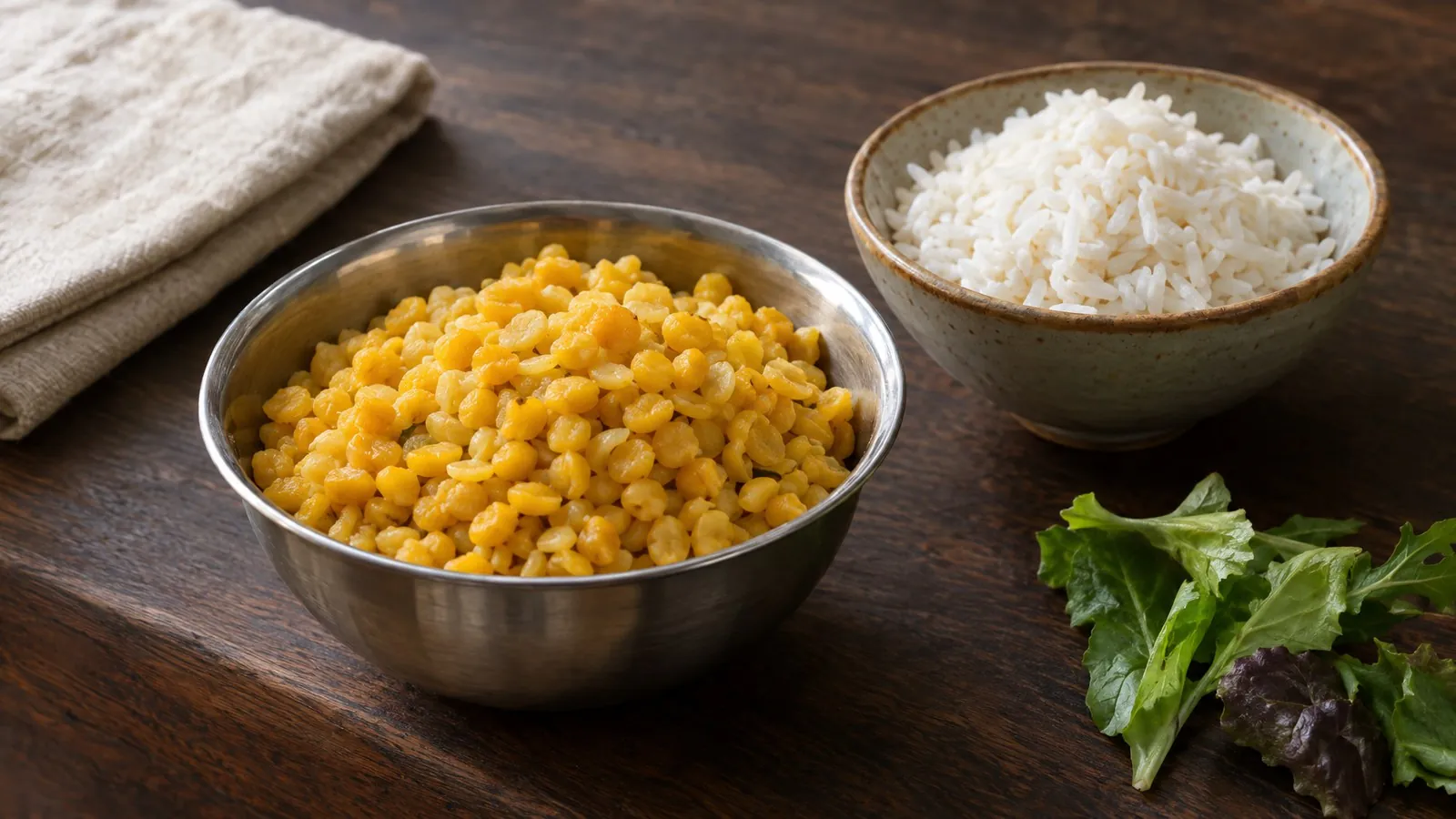
Is chana dal good for weight loss? Calories and portions

Is chana dal good for weight loss? Yes: a katori of boiled dal has about 99 kcal with 6.5 g of protein and 4.5 g of fibre, and trials put a number on pulse diets. Portions and pairing.
31 May 2026by COWBERRY
7 minute read
Urad gota vs urad dal: what it is, how it differs and how to use it
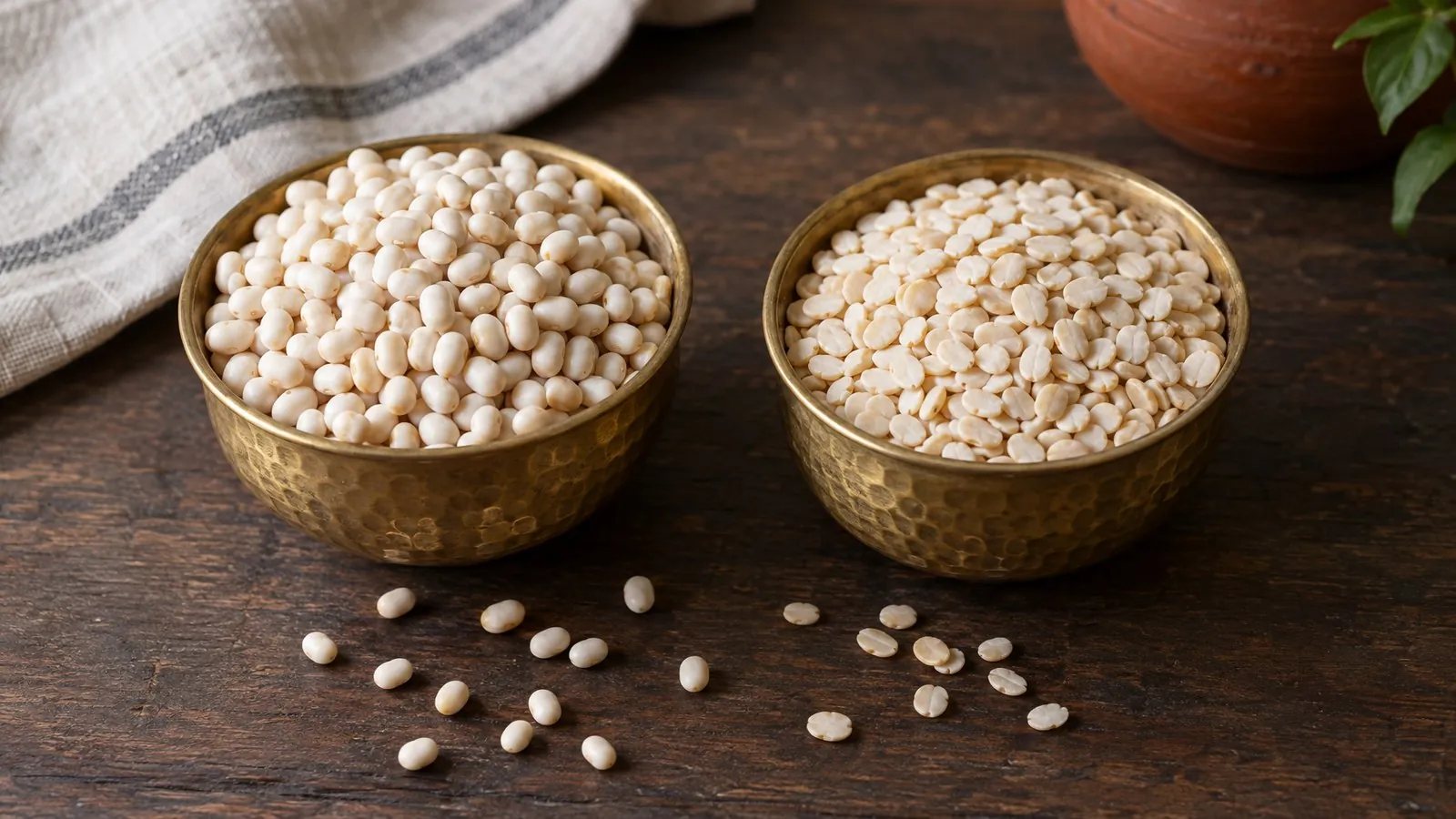
Urad gota vs urad dal: what it is, how it differs and how to use it

Urad gota vs urad dal: gota is whole, husked, ivory-white urad and urad dal is the same bean split. Side by side on cooking, soaking, batter and nutrition, and which form suits which dish.
30 May 2026by COWBERRY
7 minute read
Chana dal glycemic index: is it good for diabetes?
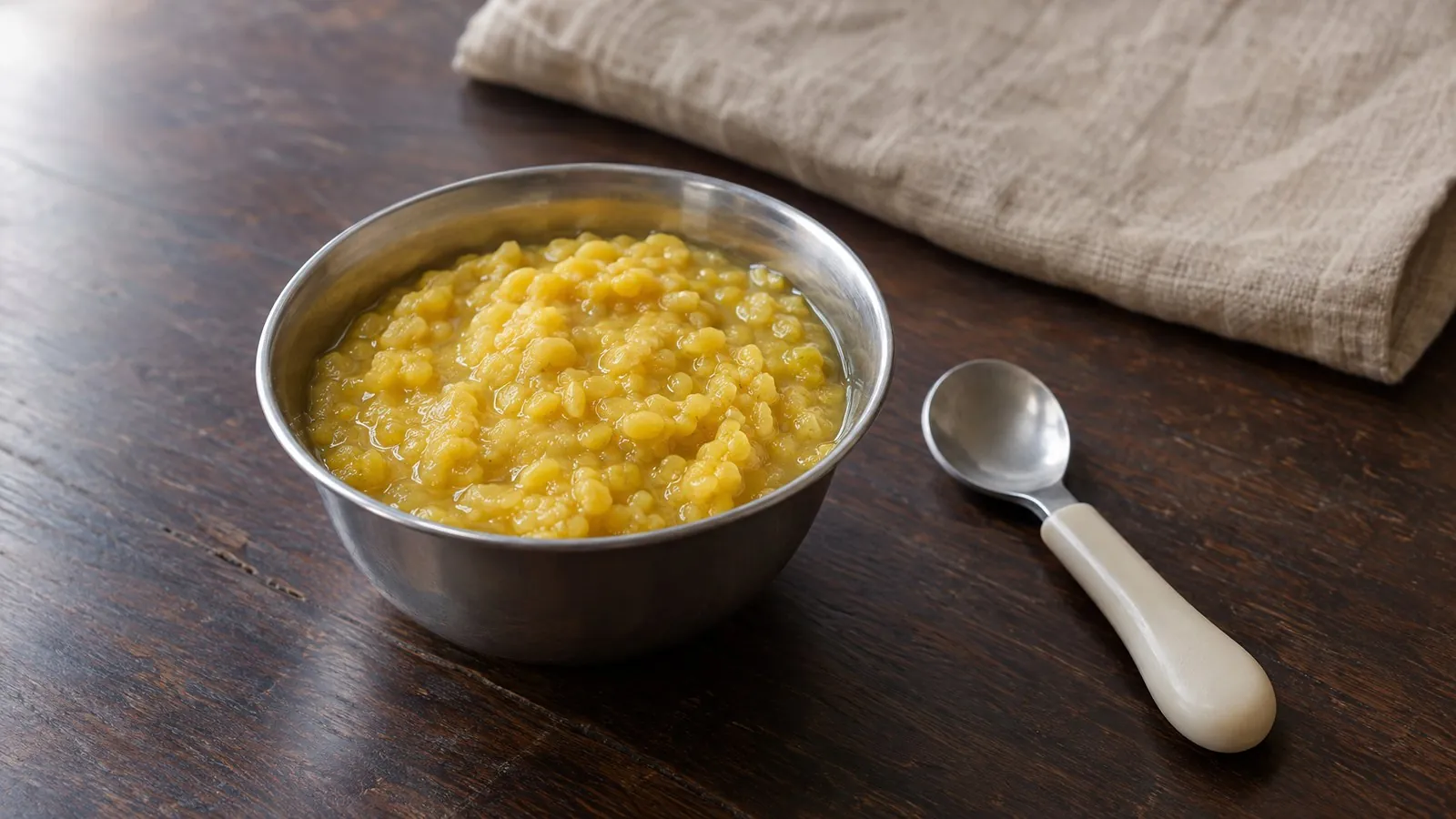
Chana dal glycemic index: is it good for diabetes?

Chana dal glycemic index: 11 in the University of Sydney database, a single India-tested entry for boiled dal. Glycaemic load per katori, fibre, portions and pairing for diabetes.
30 May 2026by COWBERRY
7 minute read
Rajma how many whistles: cooking time, water and tips
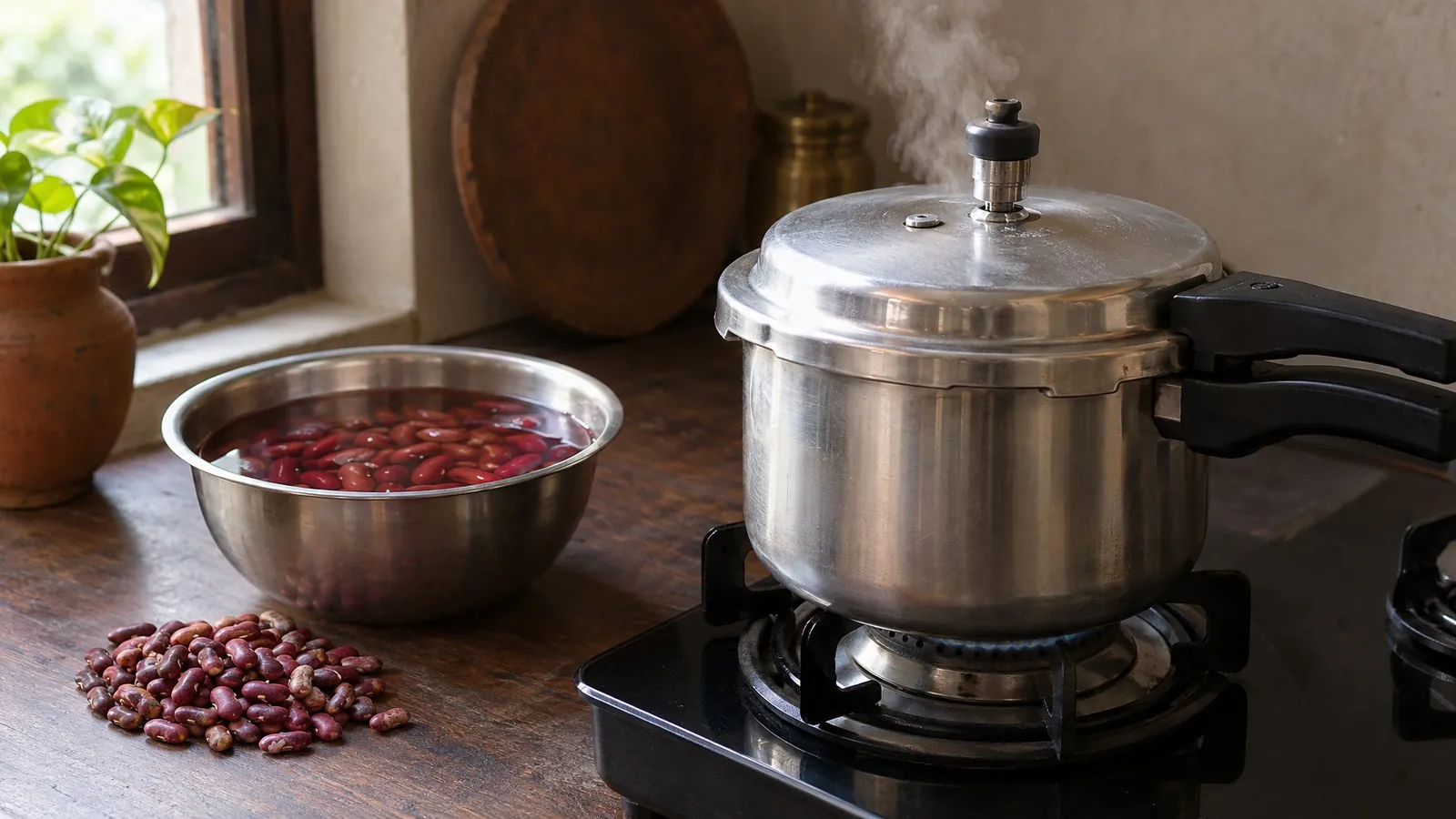
Rajma how many whistles: cooking time, water and tips

Rajma how many whistles: no fixed count; first whistle on high, then 20 minutes on low, then the spoon test. Water ratio, step-by-step pressure cooking and fixes for rajma that stays hard or bitter.
29 May 2026by COWBERRY
8 minute read
Chana dal for babies: when to start and how to serve
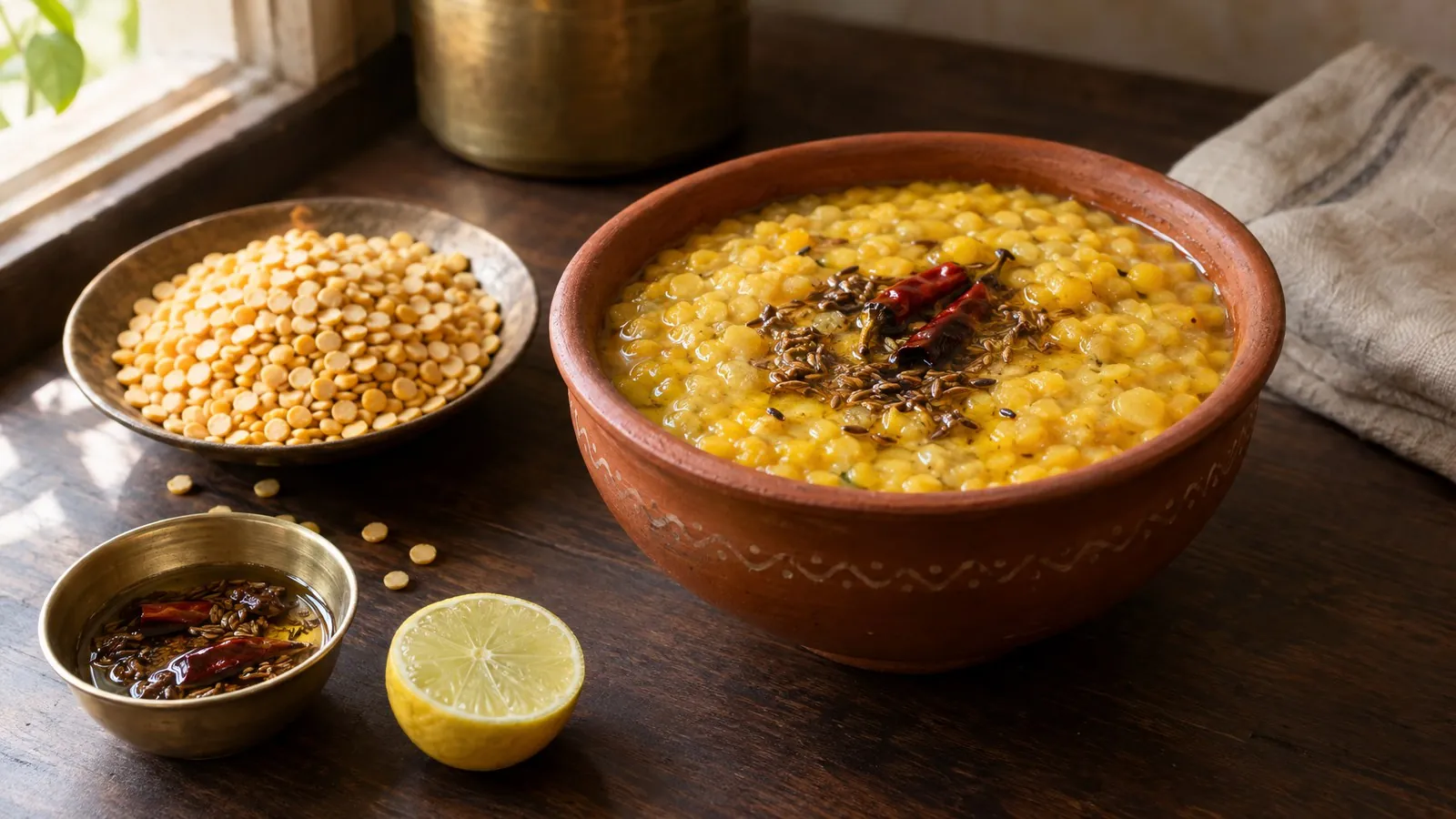
Chana dal for babies: when to start and how to serve

Chana dal for babies: start after six months with the 5 g amount ICMR-NIN sample menus print, cooked soft and mashed, with no salt or sugar. Portions, gas and choking notes.
29 May 2026by COWBERRY
7 minute read
Bengal gram benefits and side effects: chana dal guide
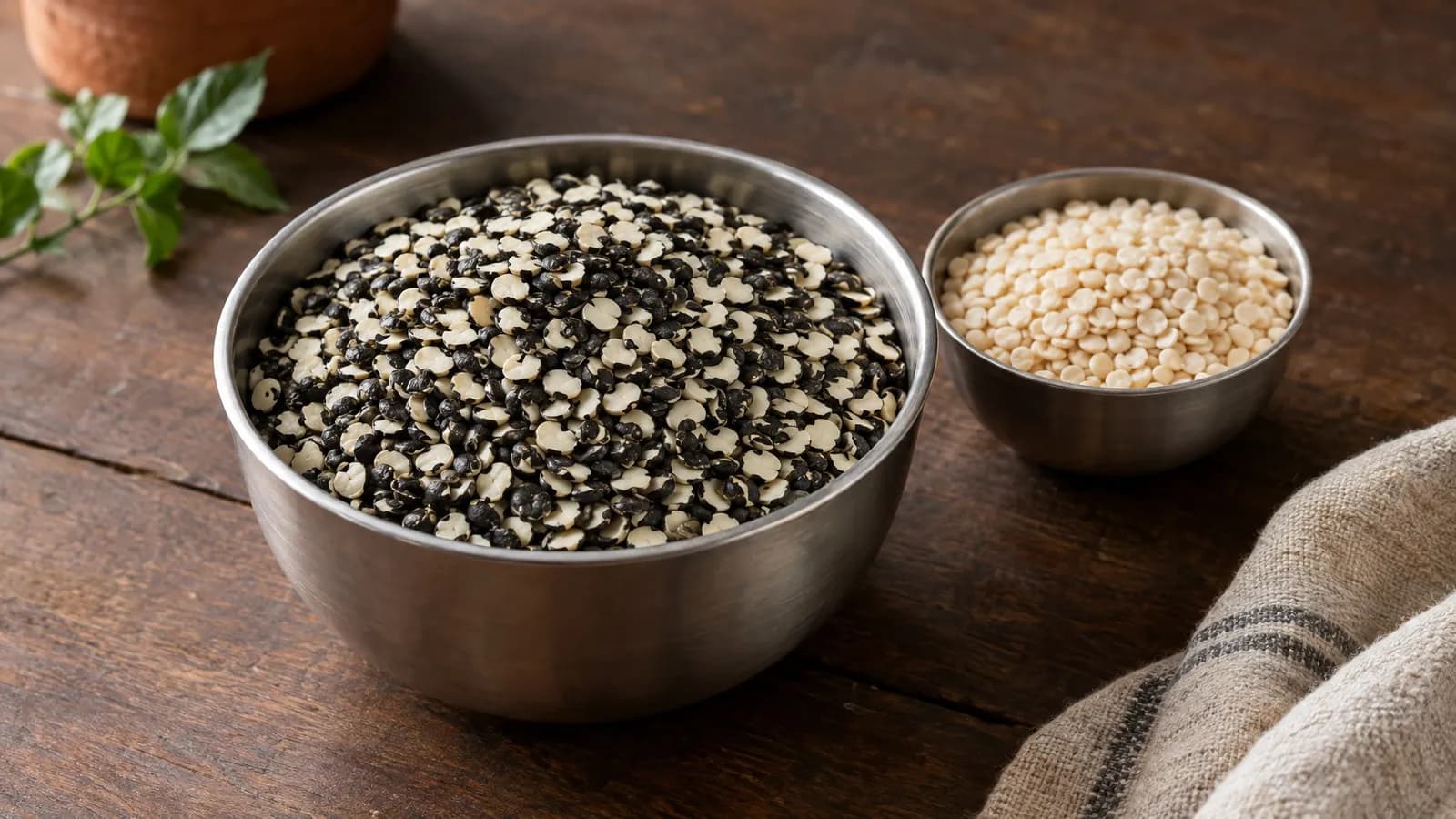
Bengal gram benefits and side effects: chana dal guide

Chana dal (bengal gram) benefits with the nutrient behind each one: 21.55 g protein, 15.15 g fibre, 6.08 mg iron and 182 mcg folate per 100 g, boiled GI 11. Includes gas and uric-acid notes, the 85 g a day figure and recipe links.
28 May 2026by COWBERRY
9 minute read
Urad dal protein per 100g: calories, carbs, fibre, iron and GI

Urad dal protein per 100g: calories, carbs, fibre, iron and GI

Urad dal protein per 100 g: 23.06 g protein, 324 kcal, 51 g carbs, 11.93 g fibre, 4.67 mg iron and a GI of 43 (IFCT 2017), plus katori and cup portions and urad beside toor and moong dal.
28 May 2026by COWBERRY
8 minute read