by COWBERRY

10 minute read
Types of dal: names in English, Hindi and other Indian languages

The types of dal on this page are nine everyday pulses: toor (arhar), moong, chana, urad and masoor as split dals, and rajma, kabuli chana, kala chana and lobia cooked whole. "Dal in English" has no single answer because each is a different plant, so this page gives each dal's names by language, from kandi pappu to kadle bele, and shows how to recognise each one.
Dal in English: what the word covers
"Dal" is Hindi for a split pulse, and it is used for both the dry split seed in the jar and the cooked dish made from it. In English the nearest single word is pulse, which the FAO describes as a legume harvested for its dry seed; "lentil" is used loosely on menus for every dal, though strictly a lentil is masoor alone. IFCT 2017 calls several pulses "gram": red gram is toor, green gram is moong, black gram is urad and Bengal gram is chana. So "dal in English" has a different answer for each dal, which is why this page goes pulse by pulse.
Every region has its own word for dal too: pappu in Telugu, paruppu in Tamil, parippu in Malayalam, bele in Kannada, daad in Gujarati and dail in Assamese. Kandi pappu, thuvaram paruppu and togari bele therefore all mean "toor dal", and kadle bele and sanaga pappu both mean "chana dal". Protein, calories and GI for the common dals below are compared on the dal protein per 100 g page.
Toor dal (arhar): kandi pappu, togari bele, thuvaram paruppu
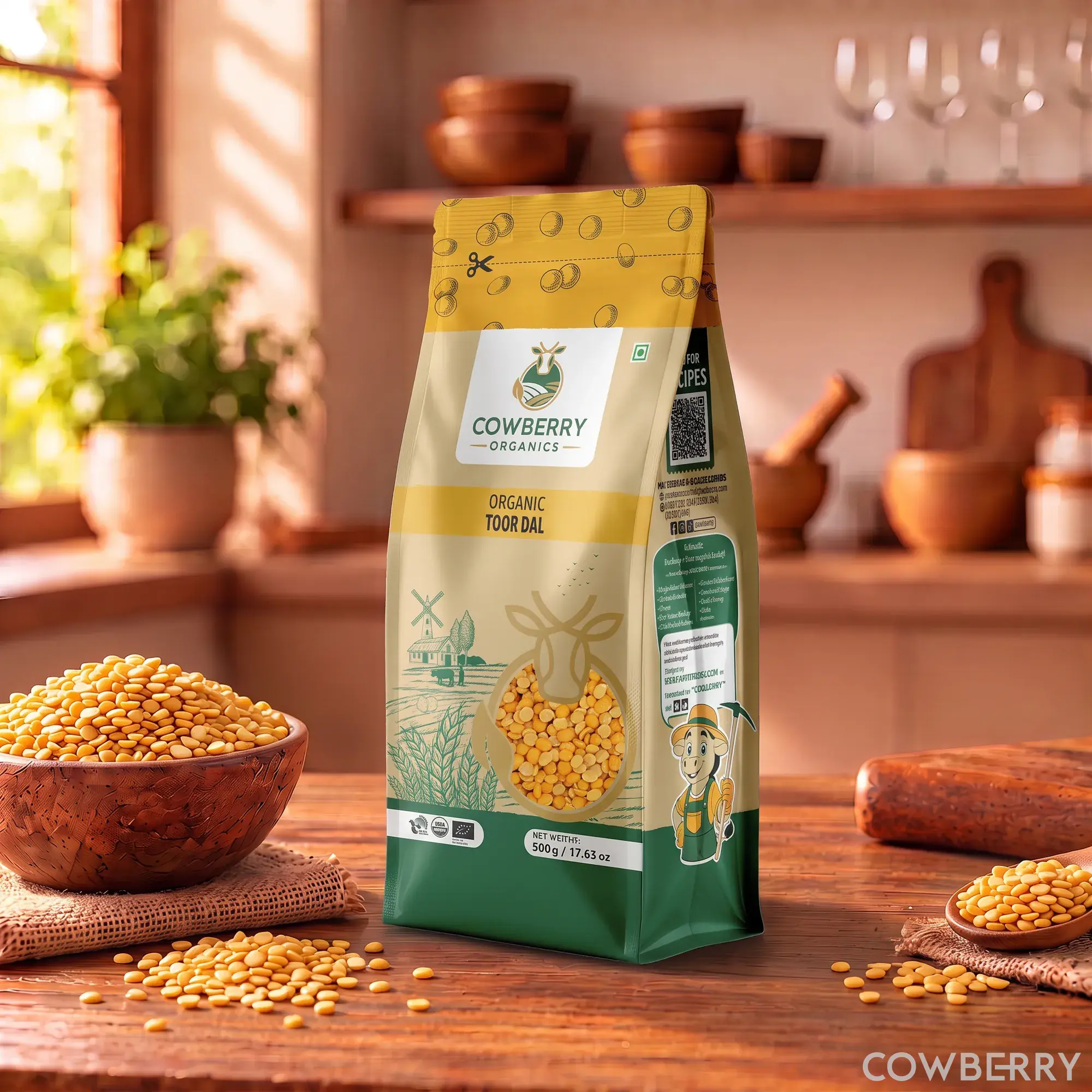
Toor dal, arhar dal, tur dal and tuvar dal are one dal: the split, dehusked pigeon pea (Cajanus cajan), a flat, matte yellow disc and the base of sambar, dal tadka, Gujarati tuver dal and Andhra pappu. Kandi pappu in English is toor dal; so are togari bele (Kannada) and thuvaram paruppu (Tamil), added below as spelling variants of the IFCT 2017 names thugare bele and tuvaram paruppu. Its nutrition, cooking and buying guide is on the toor dal page, and every name with its region is on kandi pappu in English.
| Language | Name (romanised) |
|---|---|
| English | Red gram, dal |
| Hindi | Arhar dal |
| Marathi | Turdal |
| Gujarati | Tuver ni daad |
| Punjabi | Arhar dal |
| Bengali | Arhar dal |
| Odia | Harada dal |
| Assamese | Rohor dail |
| Kannada | Thugare bele, Togari bele |
| Telugu | Kandi pappu |
| Tamil | Tuvaram paruppu, Thuvaram paruppu |
| Malayalam | Tuvaru parippu |
| Urdu | Tuvar ki dal |
| Sanskrit | Aaddhakii |
| Botanical name | Cajanus cajan |
Source: IFCT 2017 (ICMR-NIN) local-names list. — means no name recorded in the source.
Kannada ‘Togari bele’: spelling variant of the IFCT 2017 name ‘Thugare bele’. Tamil ‘Thuvaram paruppu’: spelling variant of the IFCT 2017 name ‘Tuvaram paruppu’.
Moong dal: hesaru bele, pesara pappu, payatham paruppu
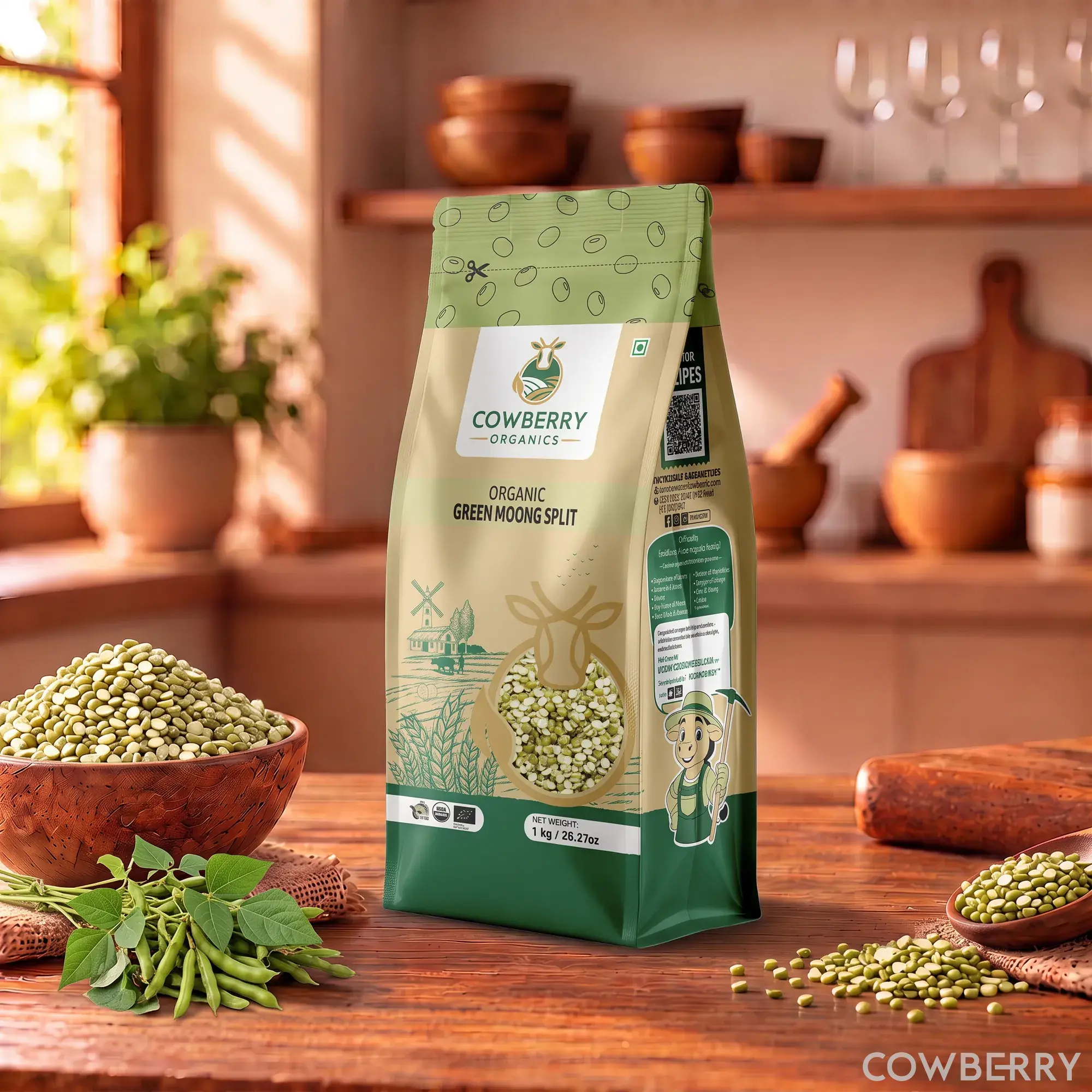
Moong dal comes from green gram (Vigna radiata), and the bean is sold three ways: yellow moong dal with the skin removed, chilka moong split with its green skin on, and sabut or whole green moong. It is smaller and paler than toor and chana dal and quick to cook, which makes it the dal of khichdi, moong dal halwa and moong dal chilla. Kannada hesaru bele (IFCT: hesara bele), Telugu pesara pappu and Tamil payatham paruppu are the southern names. The moong dal guide covers the split dal, the green gram guide the whole bean and its sprouts, and every name is on hesaru bele in English. Start cooking with moong dal khichdi.
| Language | Name (romanised) |
|---|---|
| English | Green gram, dal |
| Hindi | Mug dal |
| Marathi | Mug dal |
| Gujarati | Mug ni daad |
| Punjabi | Mungi-di-dal |
| Bengali | Mung dal |
| Odia | Muga Dali |
| Assamese | Dhua mogu dail |
| Kannada | Hesara bele, Hesaru bele |
| Telugu | Pesara pappu |
| Tamil | Payatham paruppu |
| Malayalam | Cheru payar parippu |
| Urdu | Moong dal |
| Sanskrit | — |
| Botanical name | Vigna radiata |
Source: IFCT 2017 (ICMR-NIN) local-names list. — means no name recorded in the source.
Kannada ‘Hesaru bele’: spelling variant of the IFCT 2017 name ‘Hesara bele’.
Chana dal: kadle bele, sanaga pappu, kadalai paruppu
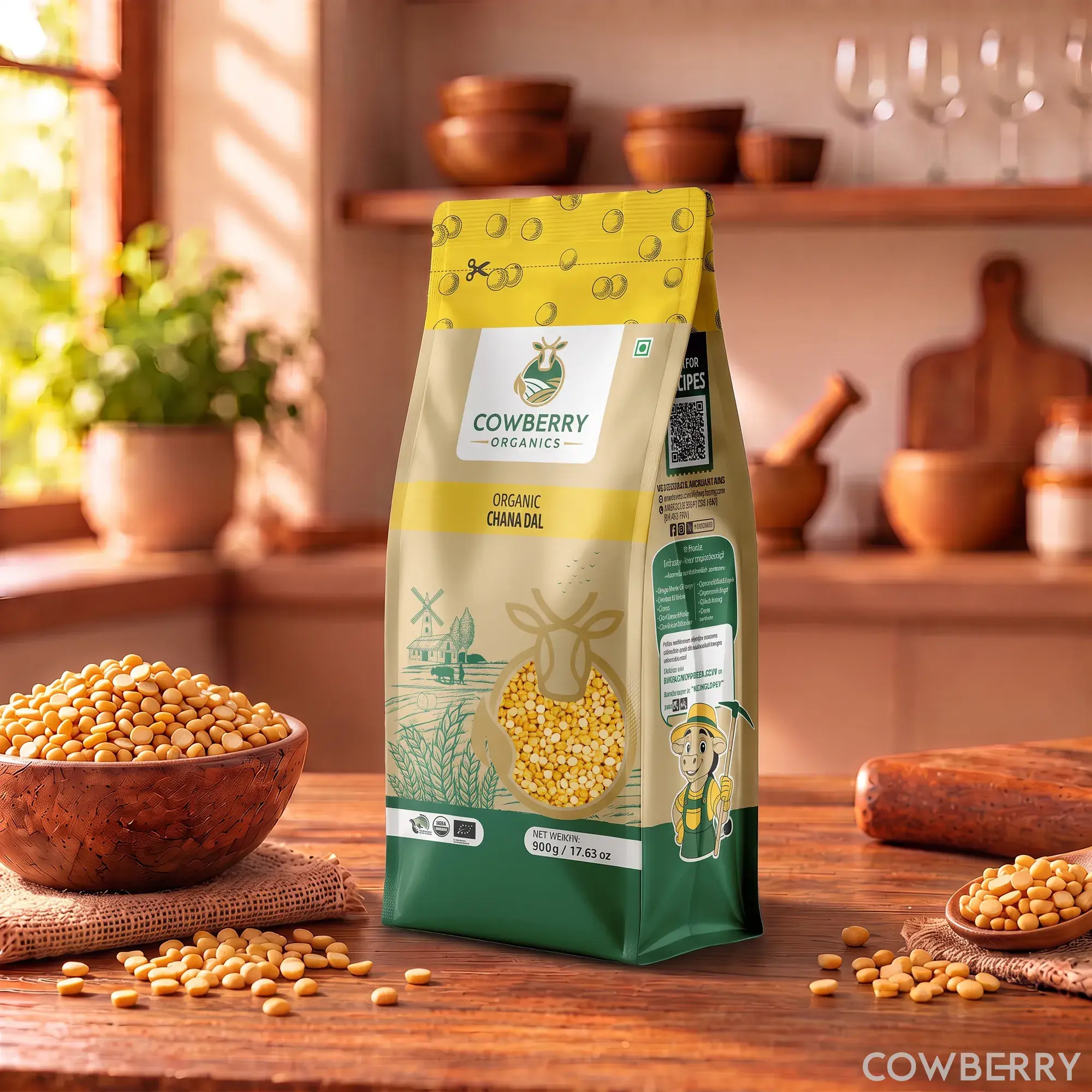
Chana dal is split Bengal gram, the desi chickpea (Cicer arietinum) with its dark skin removed and the seed split. It is larger and more wedge-shaped than toor, a deeper yellow with a slightly rough surface, and it needs longer cooking than toor or moong dal. Ground fine it becomes besan. Kadle bele in English is chana dal (IFCT prints kadale bele); Telugu says sanaga pappu and Tamil kadalai paruppu, printed in IFCT as sanaga papu and kadalaiparuppu. See the chana dal guide, the full name list on chana dal in English, and chana dal fry to cook it.
| Language | Name (romanised) |
|---|---|
| English | Bengal gram, dal |
| Hindi | Chan-ki-dal |
| Marathi | Harabara dal |
| Gujarati | Chana-ni-daad |
| Punjabi | Sholedi dal |
| Bengali | Cholar dal |
| Odia | Channa dali (Buta dali) |
| Assamese | Boot dail |
| Kannada | Kadale bele, Kadle bele |
| Telugu | Sanaga papu, Sanaga pappu |
| Tamil | Kadalaiparuppu, Kadalai paruppu |
| Malayalam | Kadala parippu |
| Urdu | Chane ki dal |
| Sanskrit | — |
| Botanical name | Cicer arietinum |
Source: IFCT 2017 (ICMR-NIN) local-names list. — means no name recorded in the source.
Kannada ‘Kadle bele’: spelling variant of the IFCT 2017 name ‘Kadale bele’. Telugu ‘Sanaga pappu’: spelling variant of the IFCT 2017 name ‘Sanaga papu’. Tamil ‘Kadalai paruppu’: spelling variant of the IFCT 2017 name ‘Kadalaiparuppu’.
Urad dal: minapappu, uddina bele, ulutham paruppu
Urad dal is split black gram (Phaseolus mungo in the IFCT list). Whole it is black; split with the skin it is black-and-white chilka urad; split and skinned it is the cream-white urad dal that grinds to the sticky batter of idli, dosa and medu vada, and the whole bean is the base of dal makhani. Minapappu in English is urad dal (IFCT spells it minapapappu); Kannada uddina bele (IFCT: uddhina bele) and Tamil ulutham paruppu are the other southern names, and Punjabi calls it maa ki daal. The full list of its names is on the minapappu in English page.
| Language | Name (romanised) |
|---|---|
| English | Black gram, dal |
| Hindi | Urd dal |
| Marathi | Uddachi dal |
| Gujarati | Aadad ni daad |
| Punjabi | Maa ki daal |
| Bengali | Biulir dal |
| Odia | Birri dali |
| Assamese | Matir dail phola |
| Kannada | Uddhina bele, Uddina bele |
| Telugu | Minapapappu, Minapappu |
| Tamil | Ulutham paruppu |
| Malayalam | Uzhunnu parippu |
| Urdu | Mash ki dal |
| Sanskrit | Maassa |
| Botanical name | Phaseolus mungo |
Source: IFCT 2017 (ICMR-NIN) local-names list. — means no name recorded in the source.
Kannada ‘Uddina bele’: spelling variant of the IFCT 2017 name ‘Uddhina bele’. Telugu ‘Minapappu’: spelling variant of the IFCT 2017 name ‘Minapapappu’.
Masoor dal: masur bele, misur pappu, mysore paruppu
Masoor is the true lentil (Lens culinaris). Whole it is a small brown-skinned disc (sabut masoor); split and skinned it is the salmon-orange masoor dal that cooks in minutes without soaking and turns pale yellow in the pot. It is an everyday dal in Bengal and across much of north India. IFCT 2017 gives Kannada masur bele, Telugu misur pappu and Tamil mysore paruppu as the southern names; the table lists the rest.
| Language | Name (romanised) |
|---|---|
| English | Lentil, dal |
| Hindi | Masoor dal |
| Marathi | Masur dal |
| Gujarati | Masoor ni daad |
| Punjabi | Dhooli masari dal |
| Bengali | Mosur dal |
| Odia | Masura dali |
| Assamese | Masur dail |
| Kannada | Masur bele |
| Telugu | Misur pappu |
| Tamil | Mysore paruppu |
| Malayalam | Masur parippu |
| Urdu | Masur dal |
| Sanskrit | Masura |
| Botanical name | Lens culinaris |
Source: IFCT 2017 (ICMR-NIN) local-names list. — means no name recorded in the source.
Rajma, kabuli chana, kala chana and lobia
Rajma (red kidney bean)
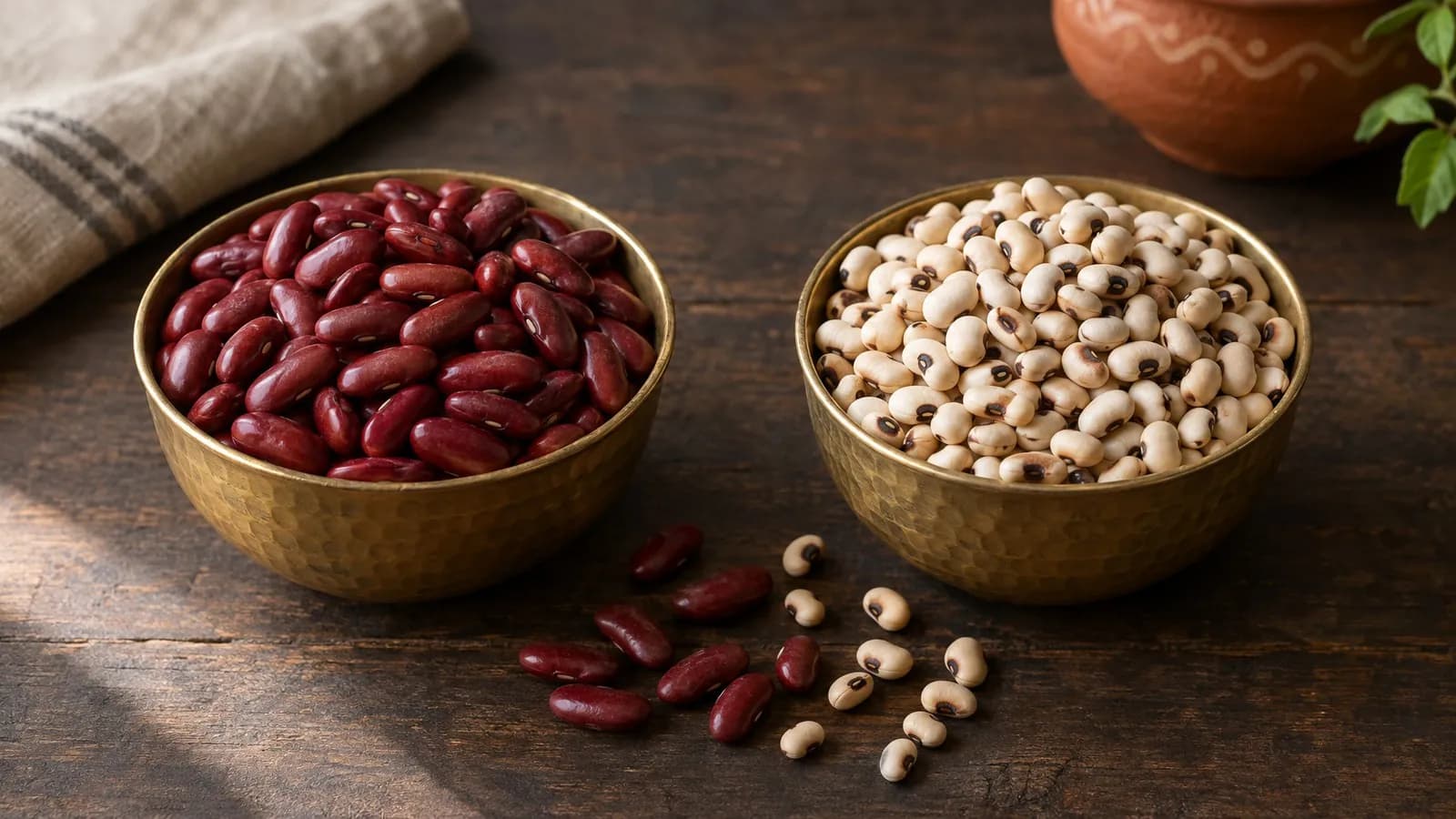
Rajma (Phaseolus vulgaris) is cooked whole rather than split: rajmah in Hindi, Malayalam and Assamese, lal rajmah in Punjabi, shravangheveda in Marathi, phansi in Gujarati, barbati beej in Bengali and barigalu in Telugu, all per IFCT 2017. The varieties, Kashmiri rajma among them, are compared under rajma in English and its types, and the dish to start with is rajma chawal.
Kabuli chana (chickpea)
The large, cream chickpea of chole is kabuli chana: chickpea or garbanzo bean in English. IFCT 2017 has no separate entry for it, and in Hindi it is simply kabuli chana. Cook it as chole.
Kala chana (Bengal gram, whole)
Kala chana is the small, dark-brown desi chickpea eaten whole: chana in Hindi, Gujarati and Urdu, harbara in Marathi, chola in Bengali, buta in Odia, boot in Assamese, sanagalu in Telugu, kadale in Kannada, kadala in Malayalam and kondaikadalai in Tamil. Split and skinned it becomes chana dal; roasted and ground it becomes sattu. Try kala chana curry.
Lobia (cowpea, black-eyed pea)
Lobia is the cream bean with a black eye (IFCT: cowpea, white, Vigna catjang): lobia in Hindi and Punjabi, chavli in Marathi, chorap in Gujarati, barbati in Bengali, jhudunga in Odia, alasande in Kannada, bobbarlu in Telugu, karamani in Tamil and vella payaru in Malayalam. It cooks without a long soak and takes a tangy gravy well.
Which dal for which dish
Most dal dishes are built around one dal, chosen for how it behaves in the pot rather than for its numbers: toor thickens, moong softens fast, chana holds its shape, urad turns sticky when ground, and the whole beans keep their skins through a long simmer. The table gives the usual pairings; the classic dal tadka shows toor at work.
| Dish | Dal used | Why that one |
|---|---|---|
| Sambar, rasam, pappu | Toor dal | Cooks to a thick, smooth body that holds tamarind and vegetables |
| Dal tadka, dal fry | Toor dal (some add a spoon of moong or chana dal) | Body and a mild, nutty taste under the tadka |
| Khichdi, moong dal halwa, moong dal chilla | Moong dal | Quick to cook and soft in the pot |
| Idli, dosa, medu vada | Urad dal | Ground urad turns sticky and traps air, so the batter rises and the vada stays crisp |
| Dal makhani | Whole black urad with a little rajma | Long simmering turns the skins creamy |
| Chana dal fry, puran poli, khaman dhokla | Chana dal | Holds its shape when cooked and grinds to a sweet, nutty paste |
| Chole | Kabuli chana | Large, soft, cream chickpeas that soak up the masala |
| Rajma chawal | Rajma | Kidney beans that stay whole in a thick gravy |
| Sundal, kala chana curry, sattu | Kala chana | Firm and earthy, and the base of sattu flour |
| Lobia curry, chavli usal | Lobia | Cooks without long soaking and takes a tangy gravy |
| Masoor dal | Masoor | Cooks in minutes with no soaking |
How to tell the dals apart by look
Once you have seen them side by side, no dal is hard to name. Size, colour and surface give each one away.
- Toor dal: flat, matte, mid-yellow discs with a slight dip in the middle, larger than moong dal, with the odd reddish-edged piece.
- Moong dal: small, pale yellow, oval and thin; paler than toor and chana dal.
- Chilka moong: the same seed split with its green skin on; green outside, yellow inside.
- Chana dal: larger than toor and moong dal, wedge-shaped with a rough, pitted surface and a deeper yellow.
- Urad dal: cream-white, not yellow, split ovals; chilka urad shows black skin, and whole urad is black.
- Masoor dal: thin, flat, salmon-orange discs; whole masoor is small and brown.
- Rajma: kidney-shaped beans, dark red, light red or speckled, much larger than any split dal.
- Kabuli chana: round, cream-beige chickpeas with a small beak.
- Kala chana: the same shape but smaller, with a rough, dark brown skin.
- Lobia: cream, kidney-shaped beans with a black spot at the hilum, the eye.
If a jar is unlabelled, go by size and colour first and then by the skin: a green skin on a split dal means chilka moong, and a black skin means chilka urad. For what each one gives you, see the dal protein per 100 g comparison.
FAQs
How many types of dal?
This page counts nine everyday staples: toor, moong, chana, urad and masoor as split dals, and rajma, kabuli chana, kala chana and lobia as whole pulses. Regional kitchens use more than these nine, and some, such as moong and urad, come in three forms: whole, split with the skin, and split without it.
What is masoor dal?
Masoor dal is the split red lentil, the only true lentil among Indian dals. The whole bean is small and brown; split and skinned it is salmon-orange and cooks in about 15 minutes with no soaking, turning pale yellow in the pot. It is an everyday dal in Bengal and much of north India, and a quick dal for a weeknight.
Which dal is used in khichdi?
Yellow moong dal in most of India, because it cooks as fast as the rice; chilka moong for a heartier khichdi; toor dal in Gujarati khichdi; and masoor dal in some Bengali khichuri. Bajra khichdi swaps the rice for millet. The moong dal khichdi recipe uses chilka moong and gives the method and ratios.
Is toor dal a lentil?
Botanically no. Toor dal is the split pigeon pea (Cajanus cajan); lentils are masoor, a different plant. Indian English and restaurant menus abroad use "lentils" for every dal, so "yellow lentils" usually means toor or moong dal. In nutrition terms they all belong to one family, the pulses, which supply protein and fibre and are low in fat.
Difference between green grams and lentils?
Green gram is moong (Vigna radiata): a small, round-oval green bean that sprouts easily and is split into yellow moong dal. Lentils are masoor: flat brown discs that split into orange masoor dal. They are different plants with different shapes and uses; moong is sprouted and made into halwa and chilla, while masoor cooks quickly into a soft, thick dal.
Which dal is used in upma?
Upma is made from rava, not dal, but its tempering often uses two dals for crunch: a teaspoon each of chana dal and urad dal fried in oil with mustard seeds, curry leaves and hing until golden. Lemon rice and coconut chutney are tempered the same way.
References
Shop this article
Keep reading
Green gram plant: crop, varieties and how it grows in India
Rajma vs lobia: difference, nutrition and which to choose
Rajma plant: how rajma is grown in India (it is not a tree)