membership background

Grains & Millets articles from COWBERRY

Featured

What Is Brown Sugar? Types, How It Is Made, Nutrition and Uses

What Is Brown Sugar? Types, How It Is Made, Nutrition and Uses

What is brown sugar: sugar with part of the cane's molasses kept in — 380 kcal and 98.1 g of carbohydrate per 100 g. Types (demerara, muscovado, light and dark), names, how it is made, nutrition, uses, storage and buying.
05 Aug 2026by COWBERRY
11 minute read

Fresh Blogs

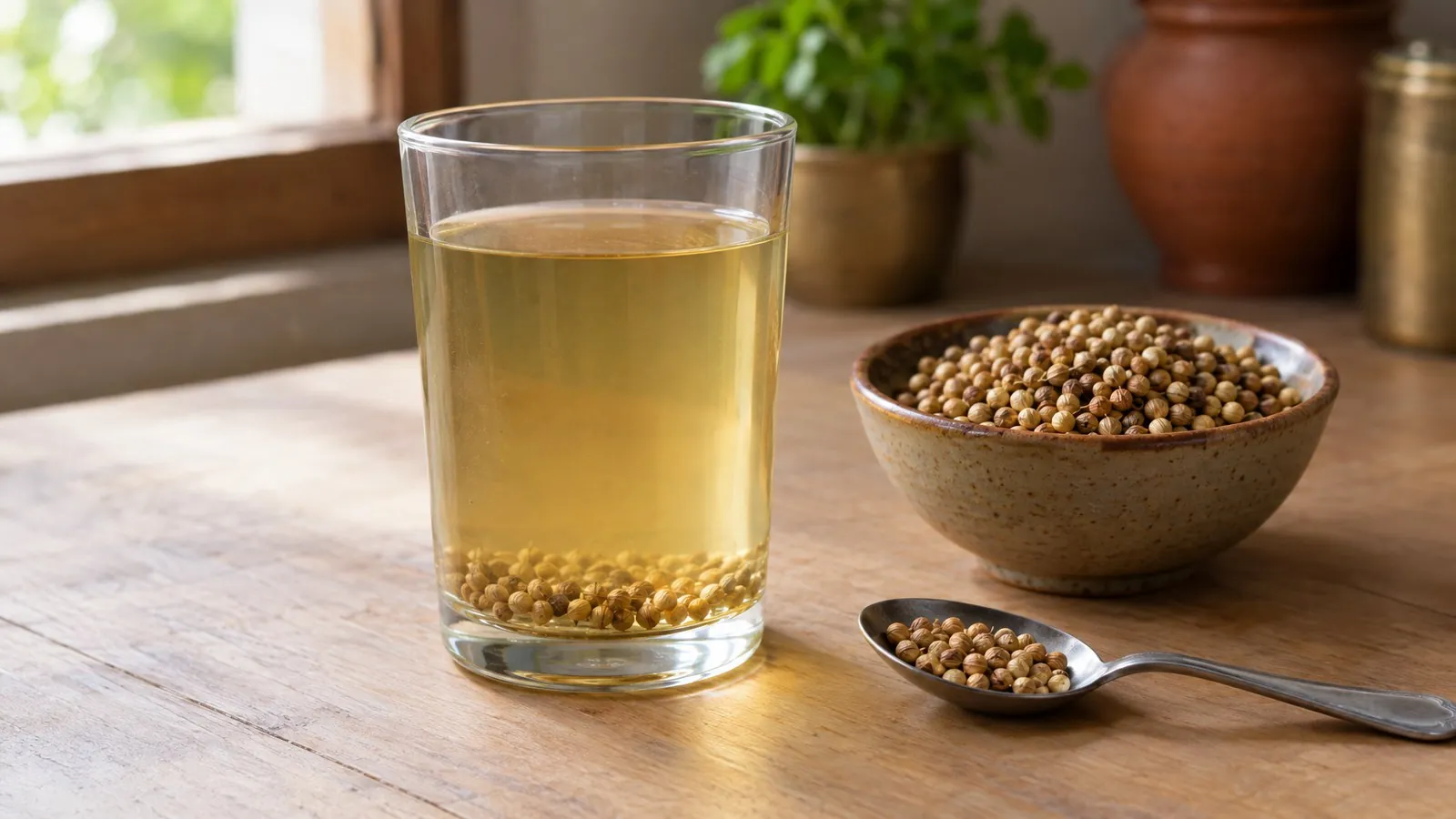
Coriander water benefits: what dhania water actually does

Coriander water benefits: what dhania water actually does

Coriander water benefits, answered honestly: the research reviewed here has no human trial showing coriander water does anything specific. Here is what is known about coriander, what one teaspoon of seeds holds, and how to make and drink the water.
05 Oct 2026by COWBERRY
7 minute read
Red rice vs brown rice: the fibre, GI and honest verdict
Red rice vs brown rice: the fibre, GI and honest verdict
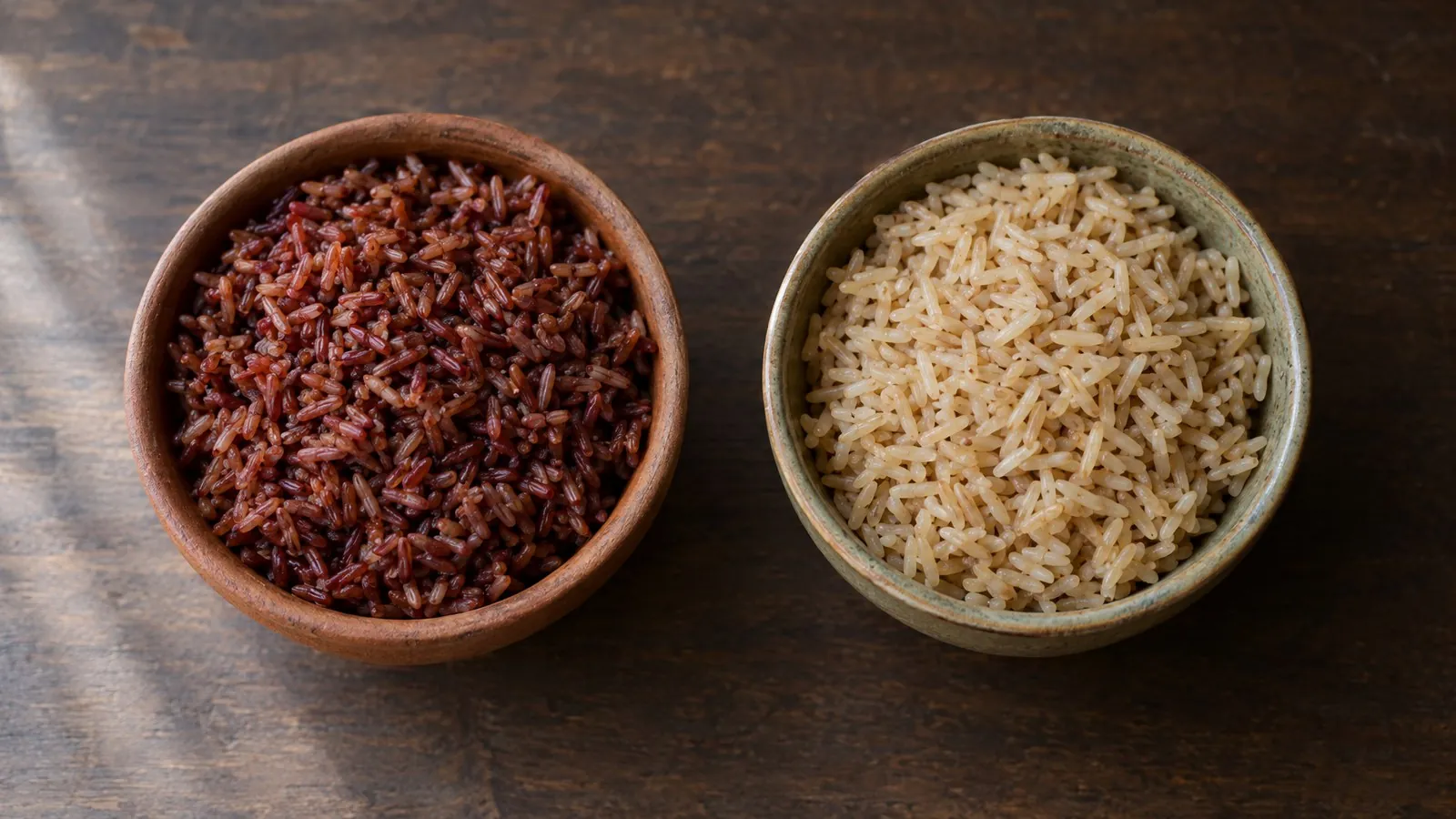
Red rice vs brown rice: brown rice lists more fibre and protein and an India-tested GI of 58, while red rice's seven foreign tests average 62. Side-by-side nutrition per 100 g, GI, cooking, cost and which to choose.
05 Oct 2026by COWBERRY
6 minute read

More Articles

Is bajra good for diabetes? GI, portion size, and how to eat it
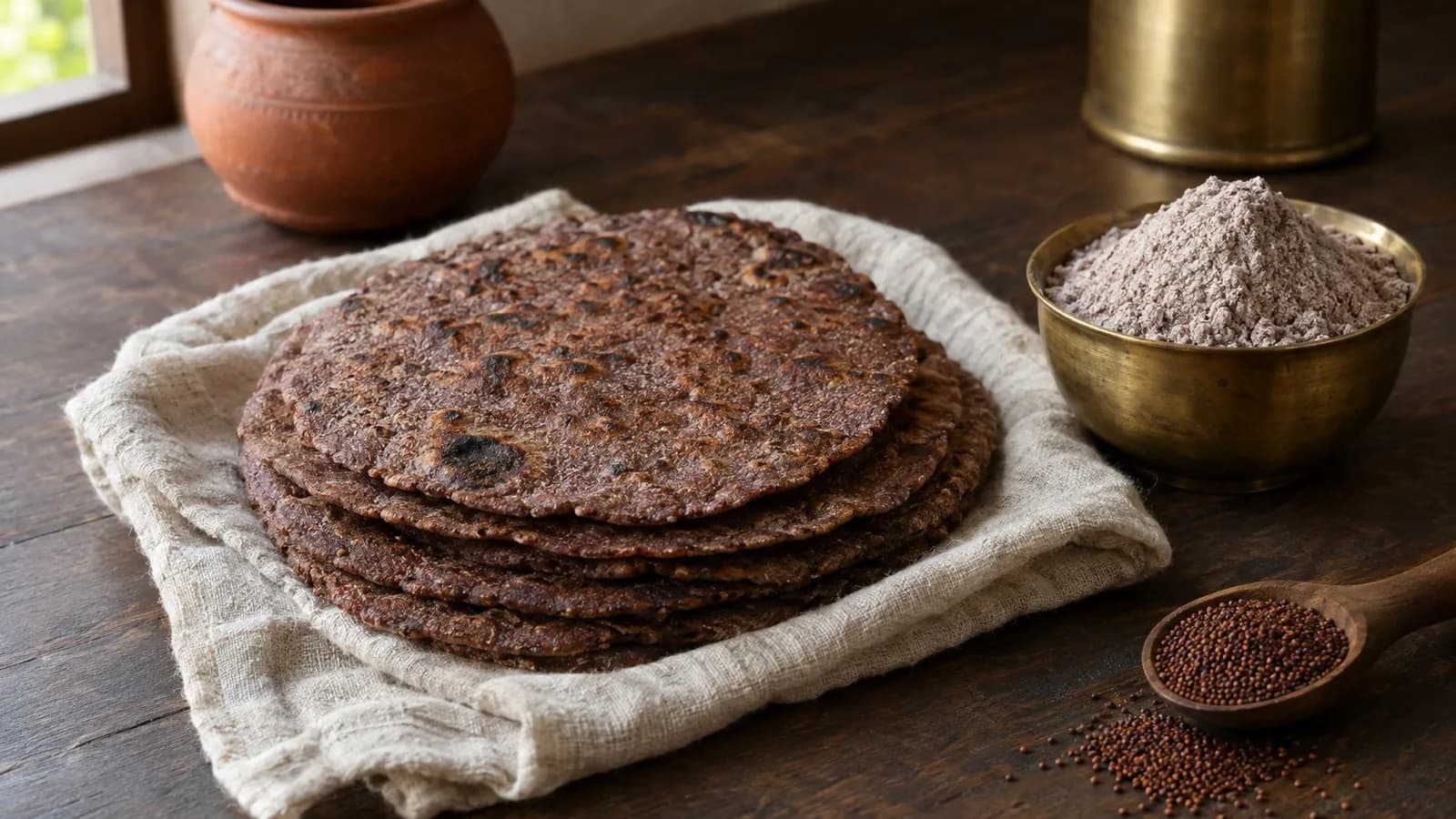
Is bajra good for diabetes? GI, portion size, and how to eat it

Bajra for diabetes: the tested GI of 57 across three India-tested flatbreads, carbohydrate per roti and per katori, what the 2021 millets meta-analysis found, and how to plan portions.
22 May 2026by COWBERRY
7 minute read
Is ragi gluten free? Yes, and how to use it in a gluten-free diet
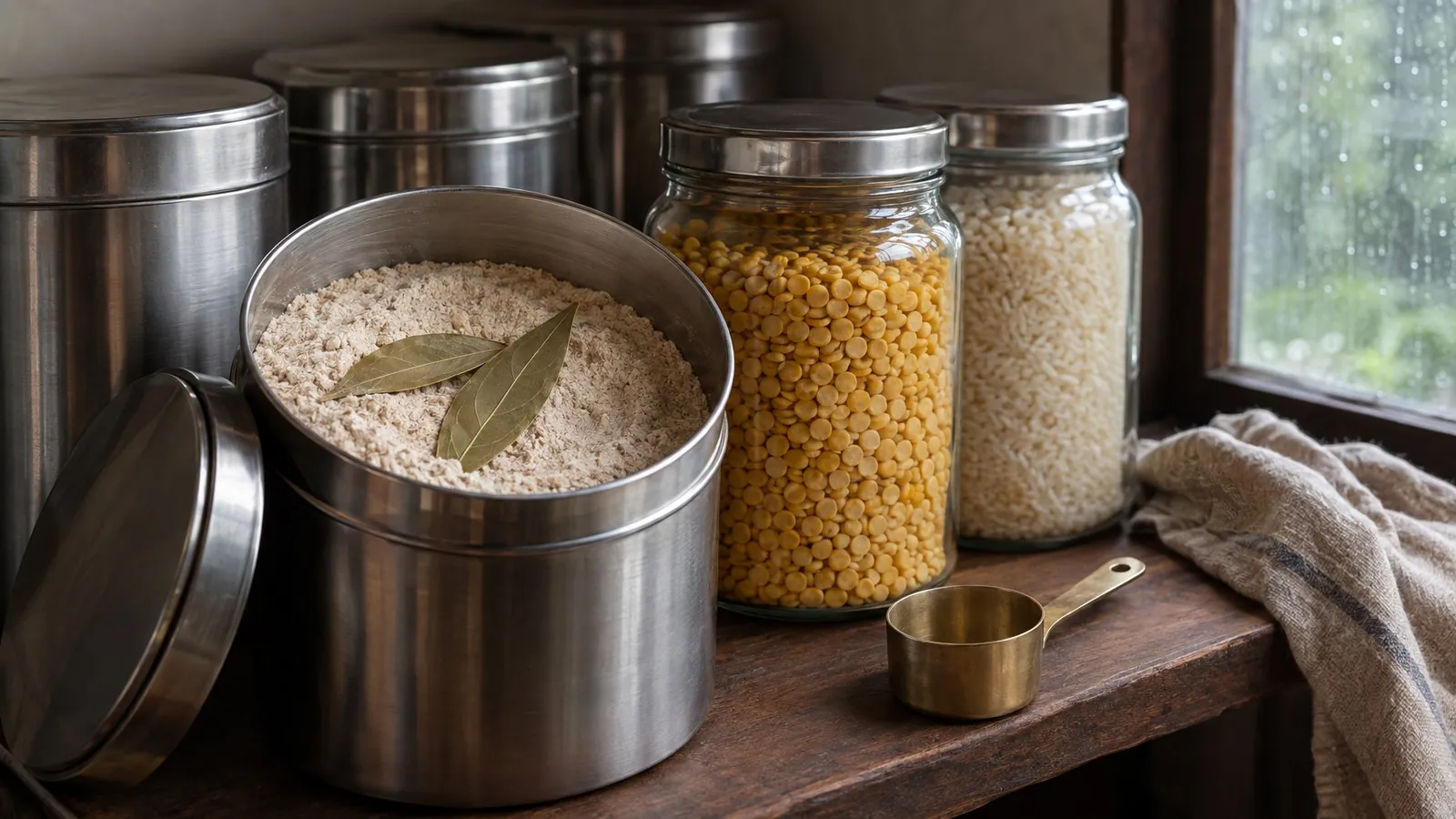
Is ragi gluten free? Yes, and how to use it in a gluten-free diet

Is ragi gluten free? Yes: finger millet is a millet, not a type of wheat, so plain ragi grain and flour contain no gluten. The botany, cross-contamination in mills, who it matters for (coeliac disease, wheat allergy), which COWBERRY millets qualify and how to cook without gluten.
16 May 2026by COWBERRY
10 minute read
How to store atta, grains and dals in the monsoon (and keep weevils out)
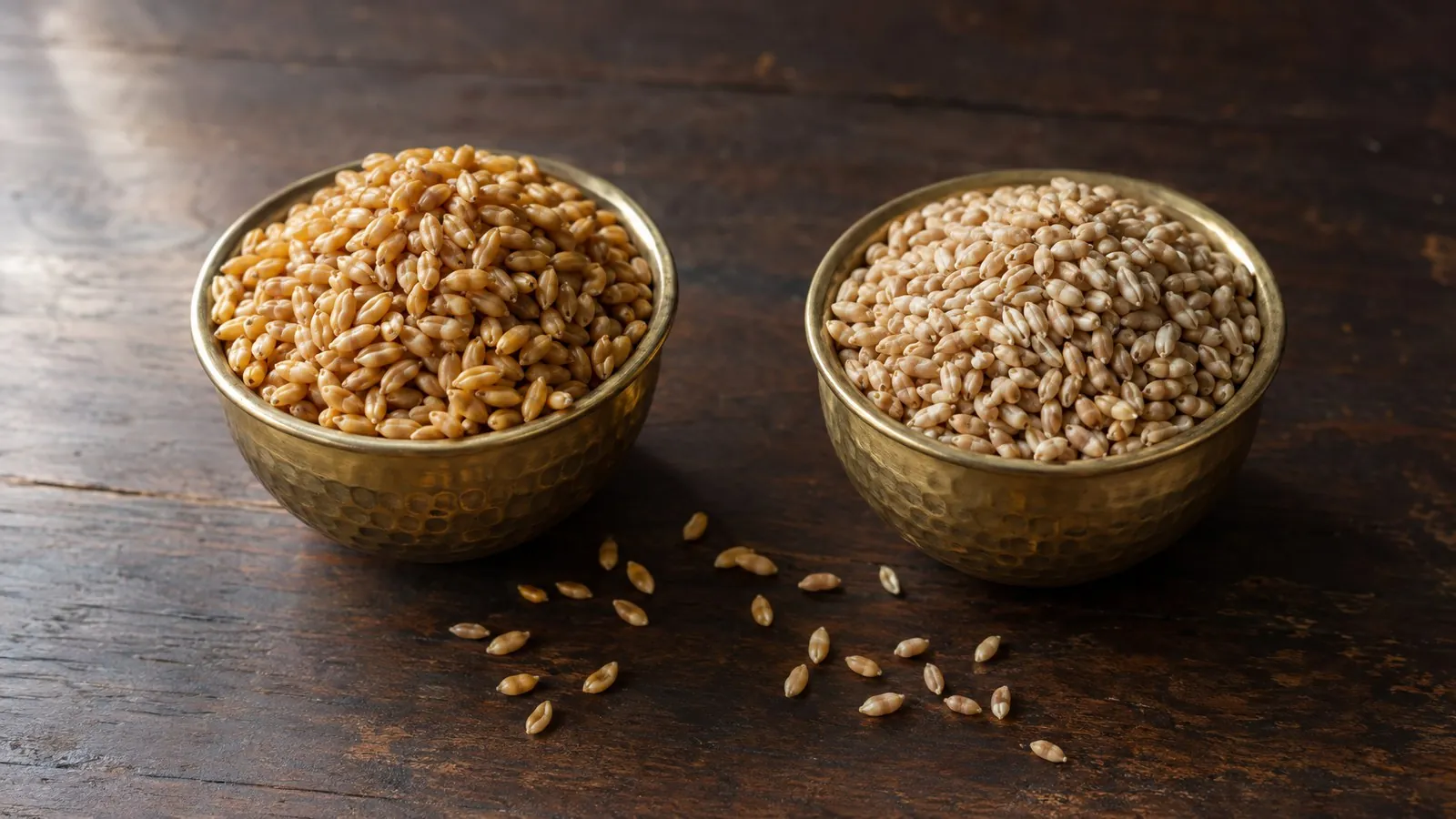
How to store atta, grains and dals in the monsoon (and keep weevils out)

How to store atta, whole grains, millet flours, dals and poha through the Indian monsoon: airtight, dry, cool, small batches, the freezer for millet flours, what neem and bay leaves can and cannot do, and how long each keeps.
15 May 2026by COWBERRY
12 minute read
What is difference between sharbati wheat and normal wheat?
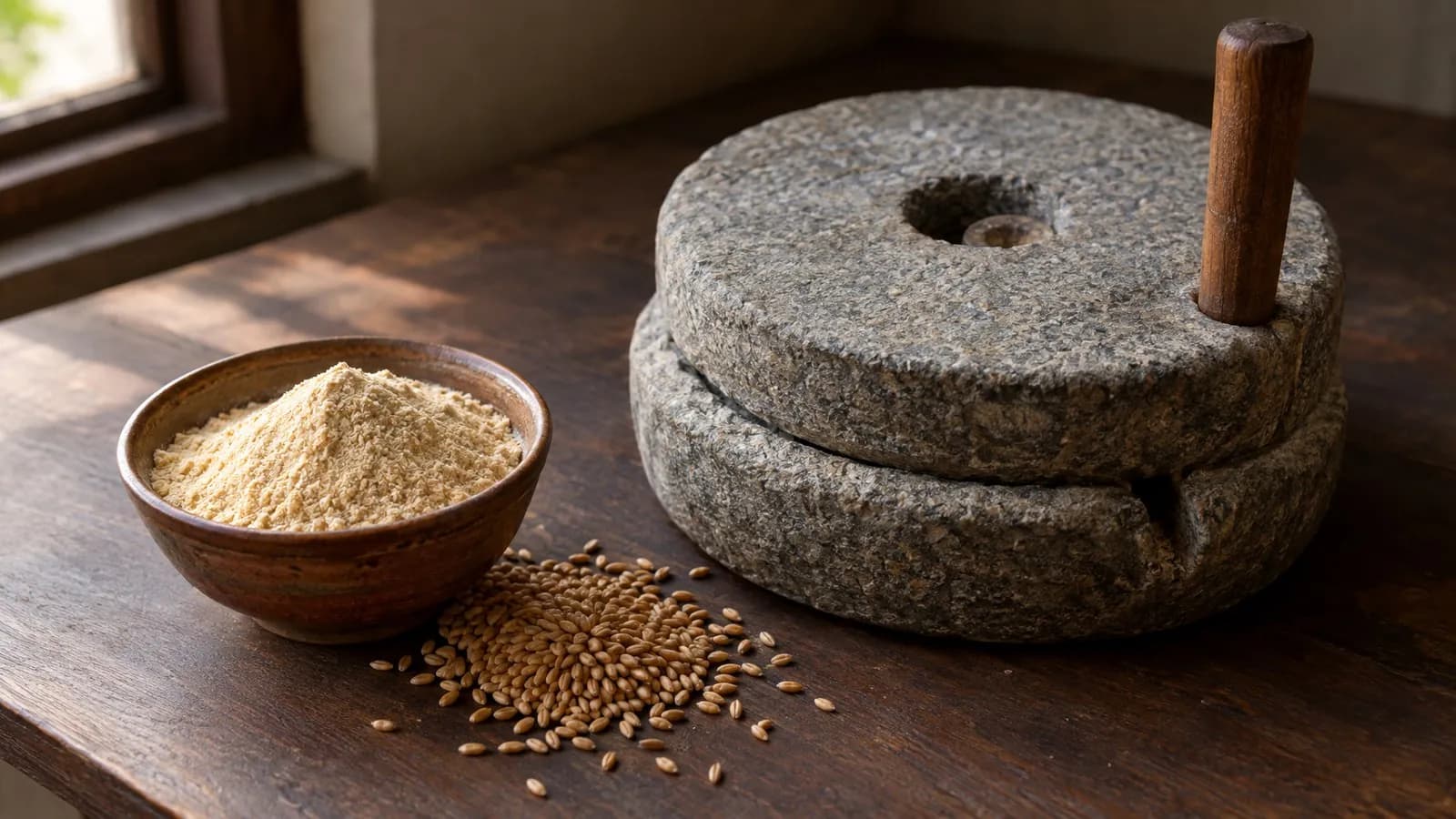
What is difference between sharbati wheat and normal wheat?

What is difference between sharbati wheat and normal wheat? Sharbati is the named premium variety of Madhya Pradesh, golden and sweet-tasting; normal wheat is wheat sold without a variety name. IFCT 2017 gives no separate figures for sharbati. The side-by-side and which to buy for rotis.
09 May 2026by COWBERRY
7 minute read
Difference between sharbati atta and chakki atta: variety vs mill
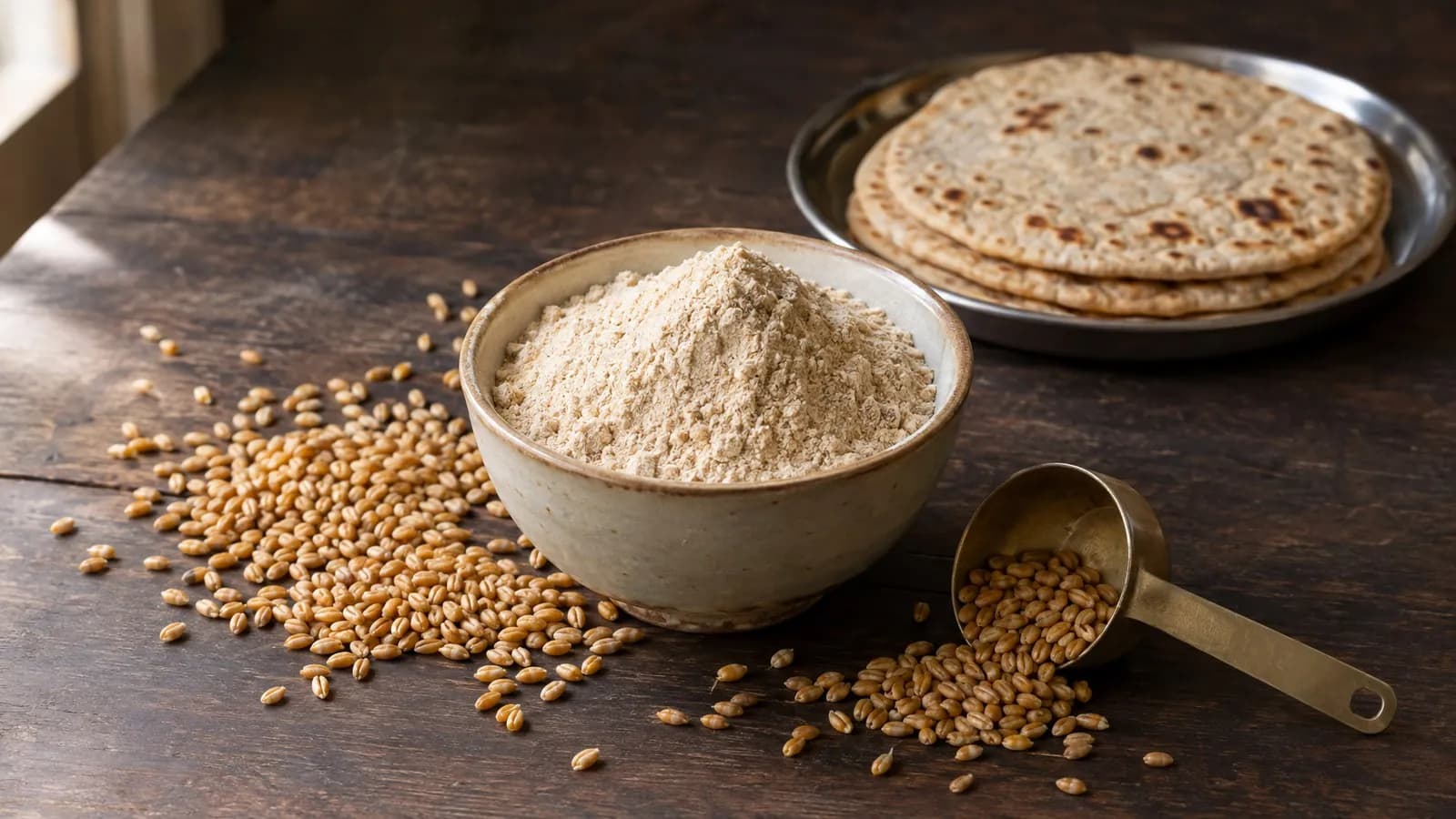
Difference between sharbati atta and chakki atta: variety vs mill

Difference between sharbati atta and chakki atta: sharbati names the wheat variety from Madhya Pradesh, chakki names the stone mill, and the sharbati flour in this catalogue is chakki-ground. What each word means, the fibre numbers, which to buy.
08 May 2026by COWBERRY
6 minute read
Gehu atta (wheat flour): names, nutrition, benefits and how to cook it
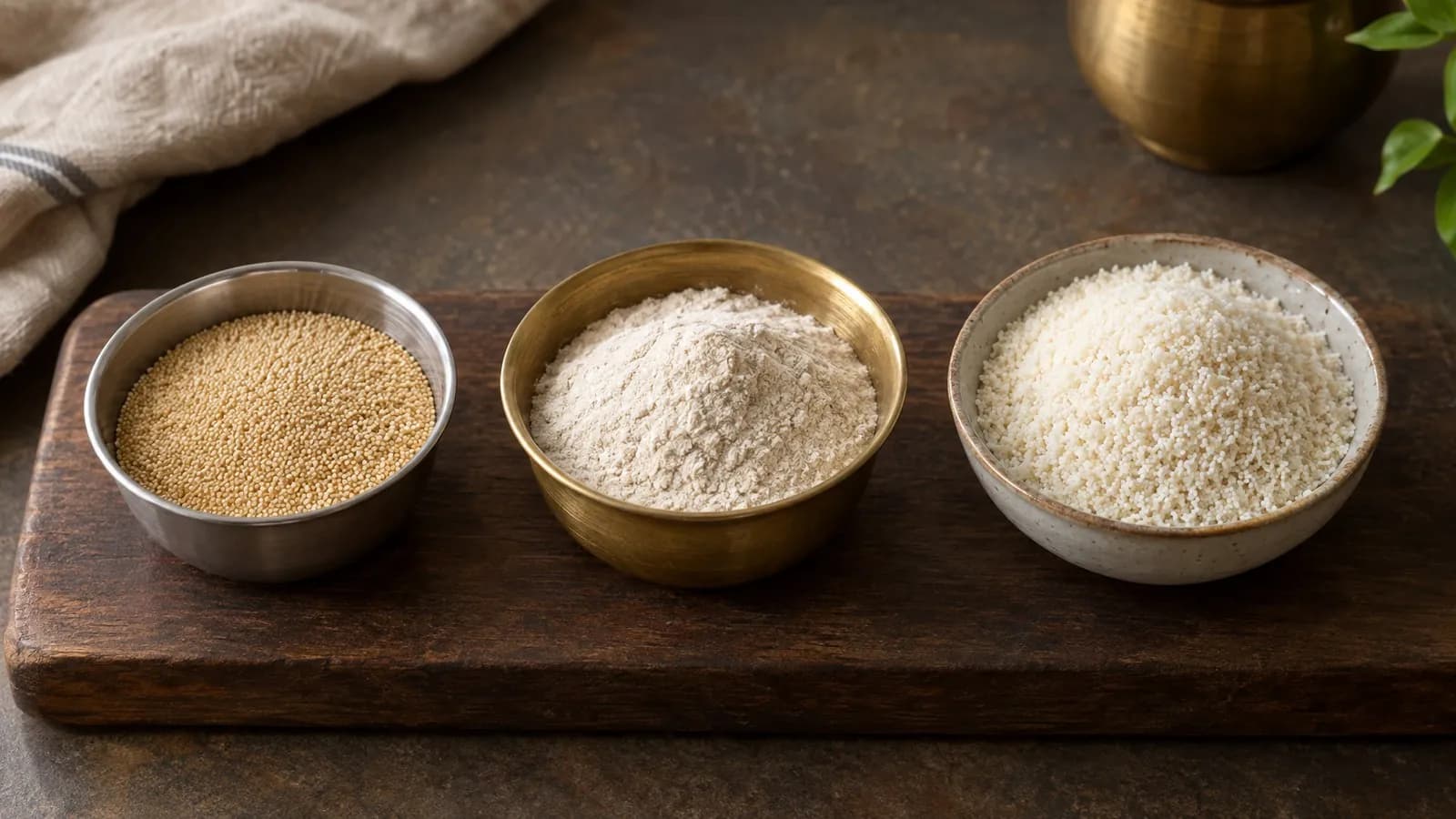
Gehu atta (wheat flour): names, nutrition, benefits and how to cook it

Gehu atta (wheat flour): what sharbati wheat is, its 13 Indian language names, 322 kcal, 10.59 g protein and 11.23 g fibre per 100 g, whole wheat's GI of 47, the benefits and side effects, roti basics, storage, and every wheat recipe on this site.
04 May 2026by COWBERRY
10 minute read
Rajgira (amaranth): names, nutrition, benefits and how to cook it

Rajgira (amaranth): names, nutrition, benefits and how to cook it
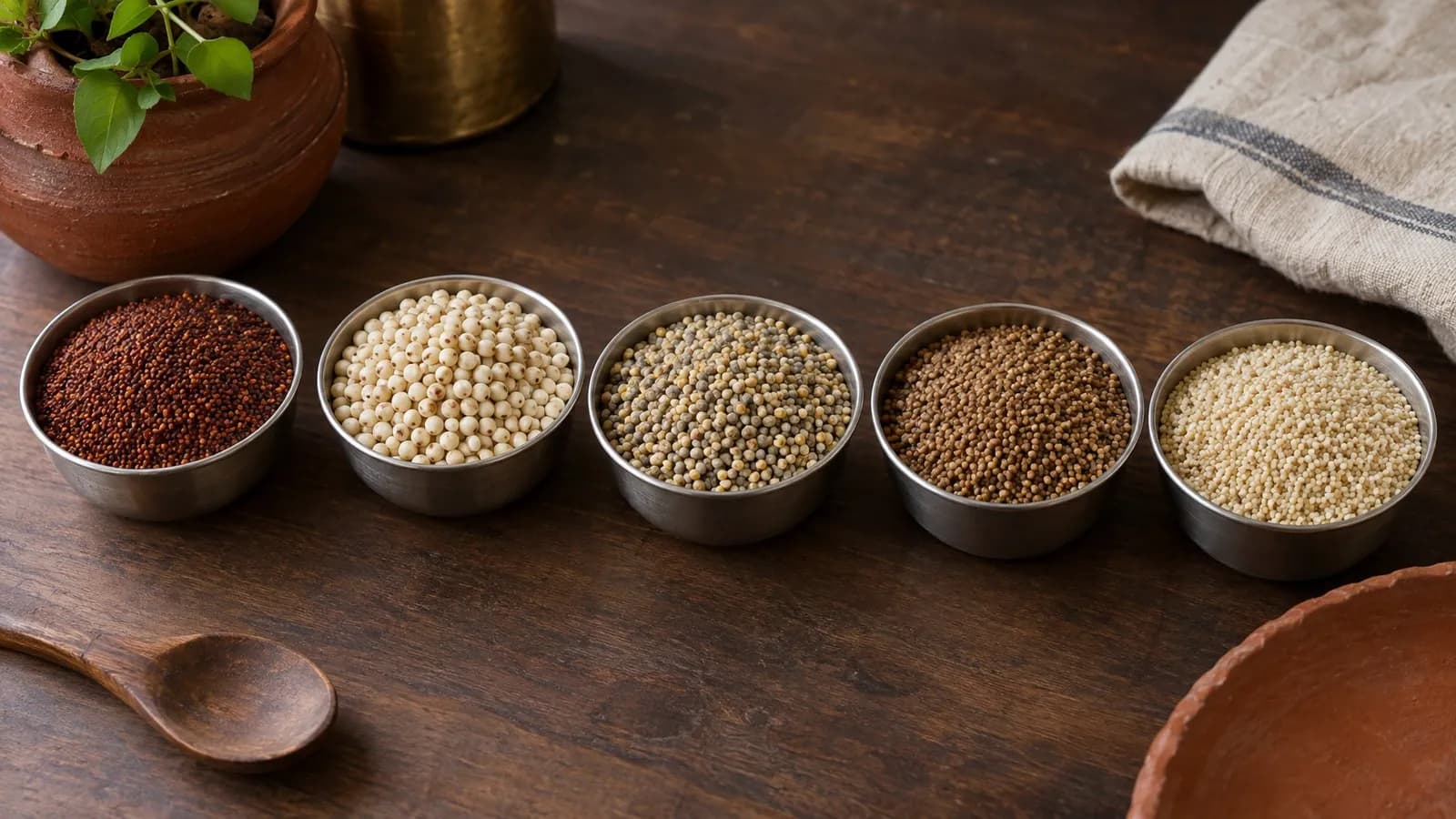
Rajgira is amaranth: names in ten Indian languages, nutrition per 100 g, benefits, side effects, storage, and how to cook rajgira flour, whole seed and popped.
25 Apr 2026by COWBERRY
10 minute read
What is millet: types, names, nutrition and how to cook it
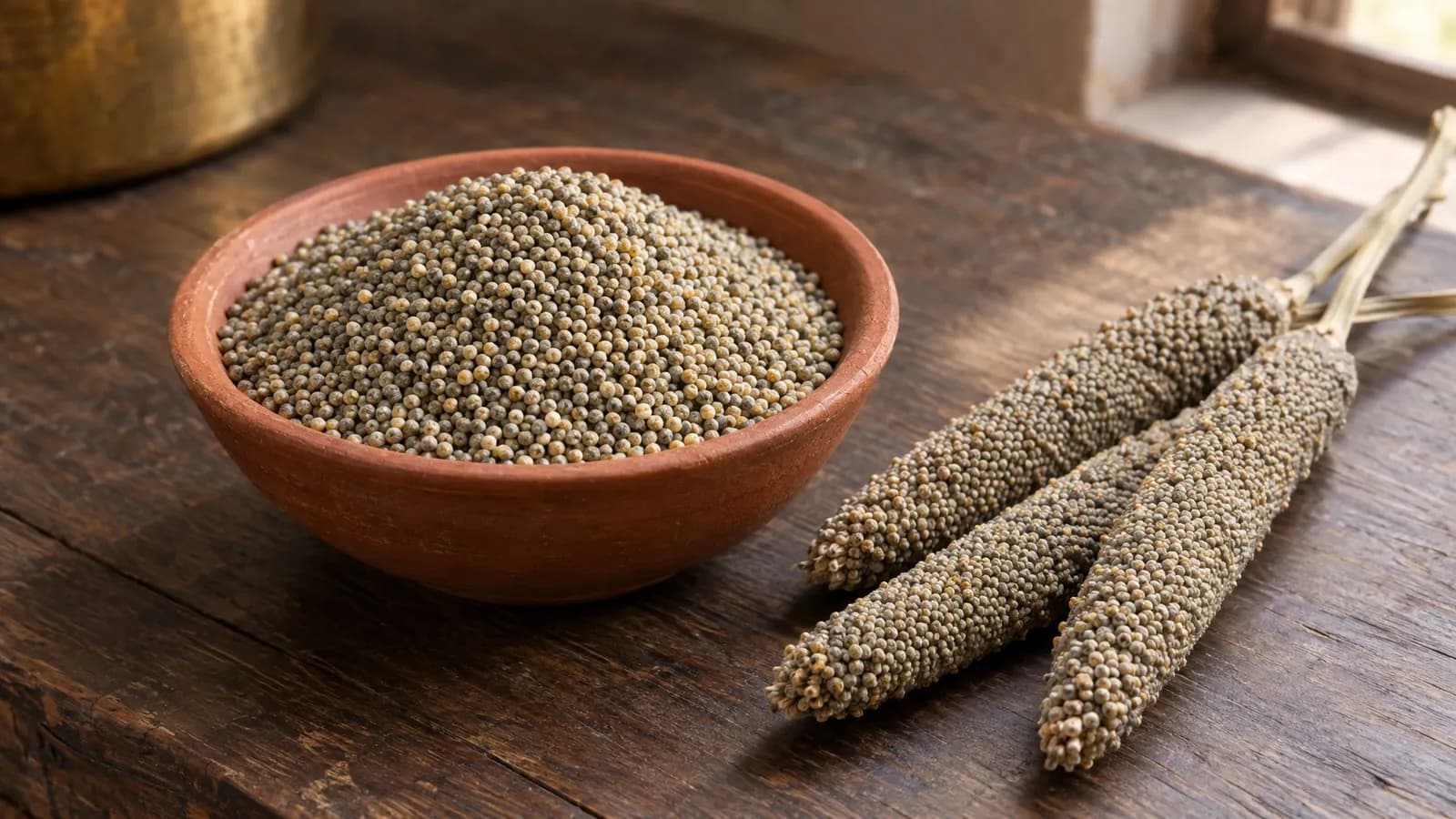
What is millet: types, names, nutrition and how to cook it

What is millet? Meet the Indian millet family — ragi, jowar, bajra and the small grains — with names, per-100g nutrition, GI, cooking and storage.
22 Apr 2026by COWBERRY
10 minute read
Sajjalu in English is pearl millet: bajra names in Indian languages
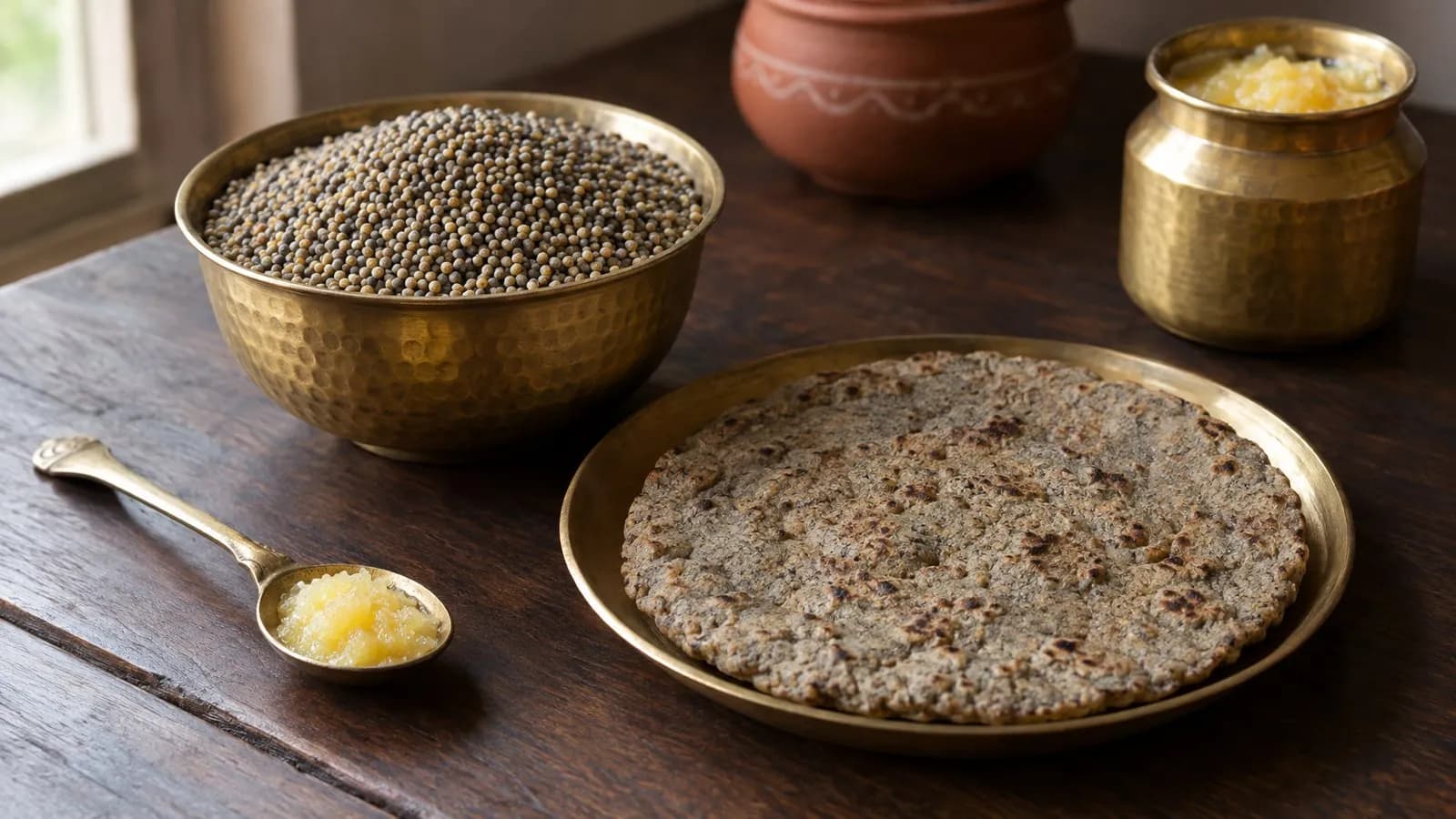
Sajjalu in English is pearl millet: bajra names in Indian languages

Sajjalu, sajje, kambu, bajri and bajra are all pearl millet (Pennisetum typhoideum). Every name by Indian language from IFCT 2017 and ICAR-IIMR, the grains it is confused with, and where bajra grows in India.
22 Apr 2026by COWBERRY
7 minute read
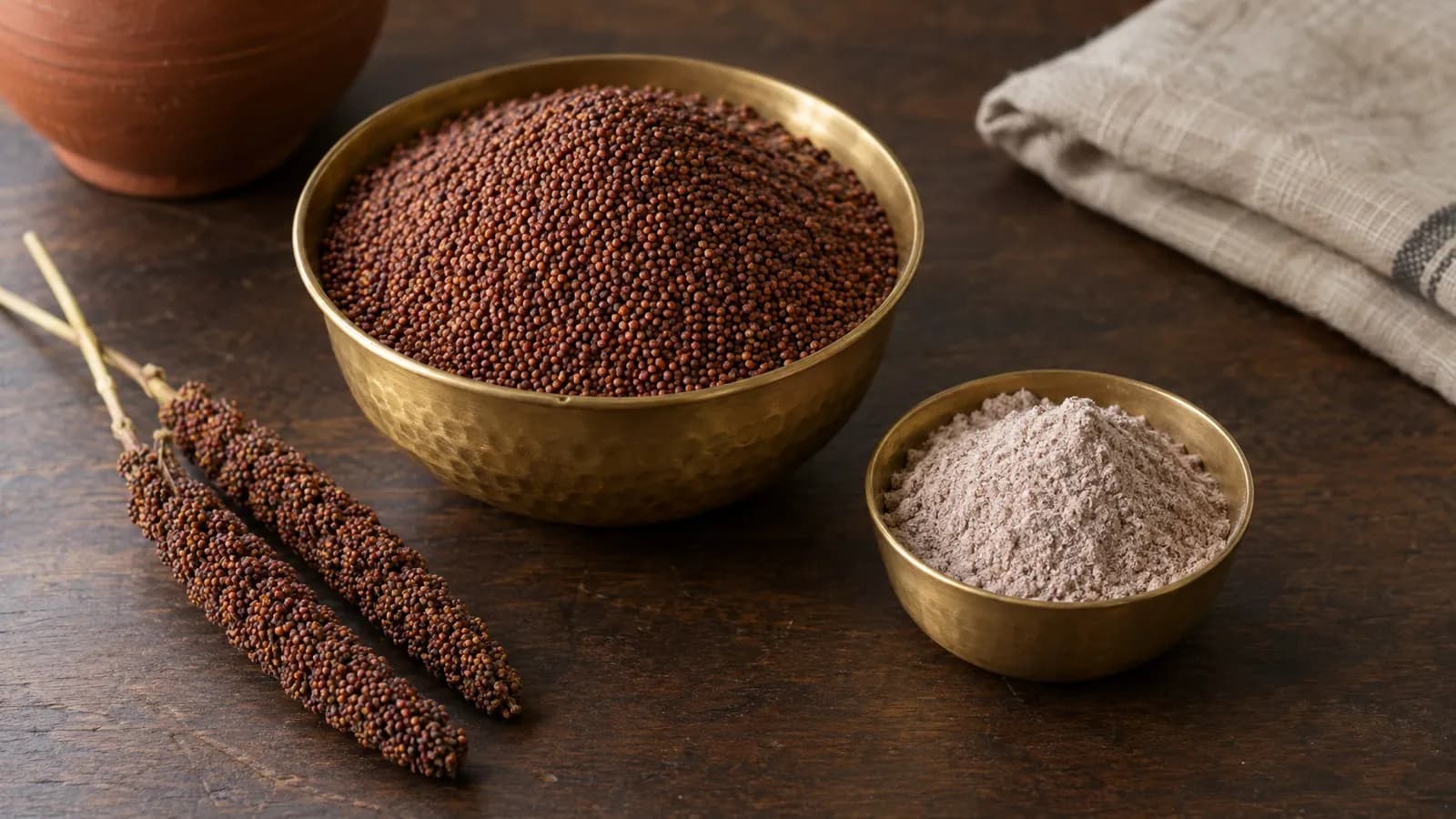
10 benefits of bajra (pearl millet) and its side effects
10 benefits of bajra (pearl millet) and its side effects

Ten bajra benefits, each tied to an IFCT 2017 number or a cited source: iron, fibre, protein, magnesium, a GI of 57, gluten-free and more, plus the side effects, how much bajra per day and how to eat it.
21 Apr 2026by COWBERRY
10 minute read
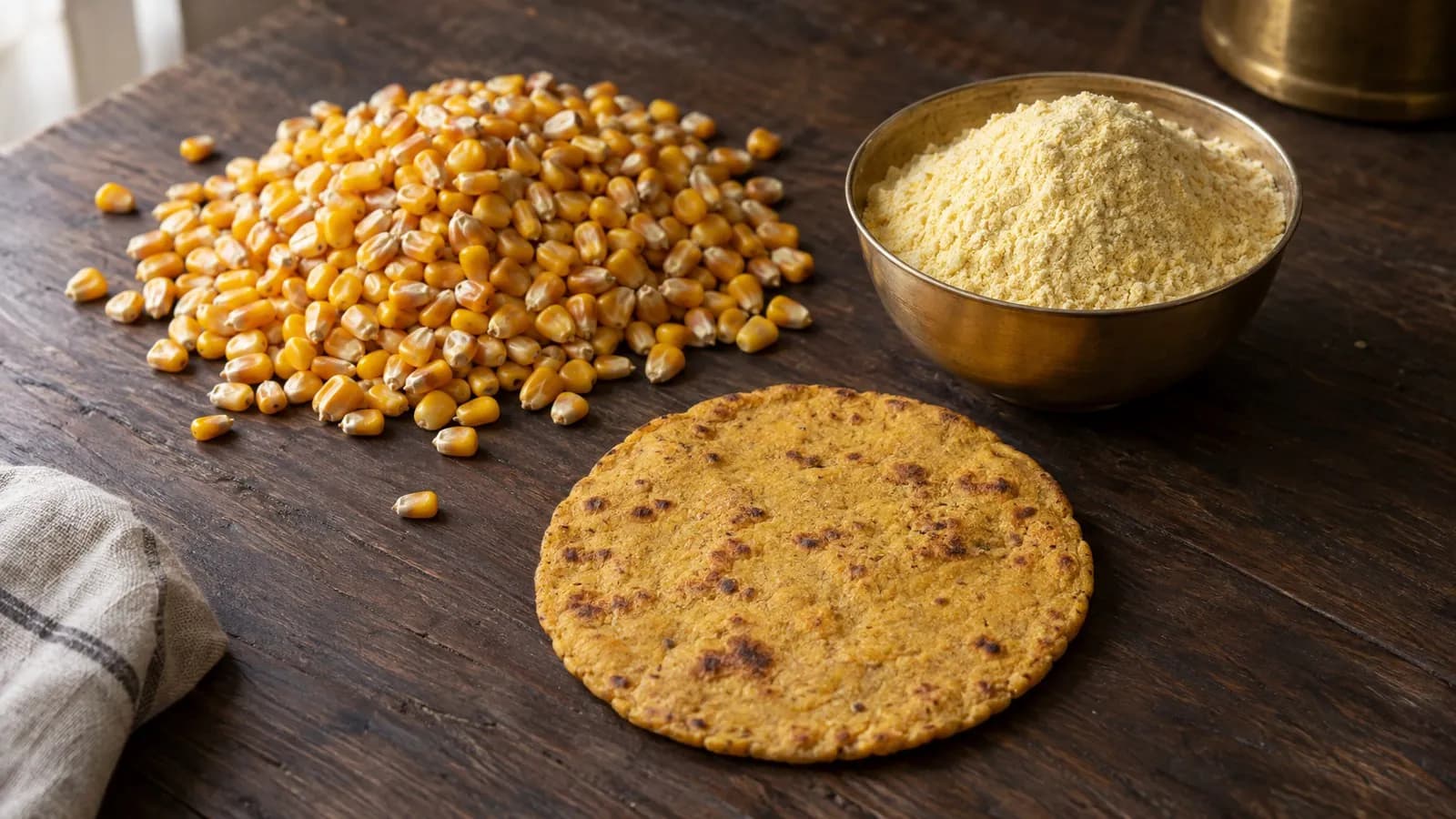
Makki (maize): names, nutrition, benefits and how to cook it
Makki (maize): names, nutrition, benefits and how to cook it

What makki (maize) is, its names across India, IFCT 2017 nutrition per 100 g, benefits and side effects, how to cook and store makki atta, recipes and what to check when buying.
20 Apr 2026by COWBERRY
10 minute read
Ragi (finger millet): names, nutrition, benefits and how to use it

Ragi (finger millet): names, nutrition, benefits and how to use it

Ragi (finger millet, nachni) explained: what it is, its names across India, IFCT 2017 nutrition per 100 g, benefits, who should limit it, how to cook and store it, six recipes and what to check when buying.
19 Apr 2026by COWBERRY
12 minute read