
Oils & Ghee articles from COWBERRY
Featured

What Is Brown Sugar? Types, How It Is Made, Nutrition and Uses
What is brown sugar: sugar with part of the cane's molasses kept in — 380 kcal and 98.1 g of carbohydrate per 100 g. Types (demerara, muscovado, light and dark), names, how it is made, nutrition, uses, storage and buying.
Fresh Blogs

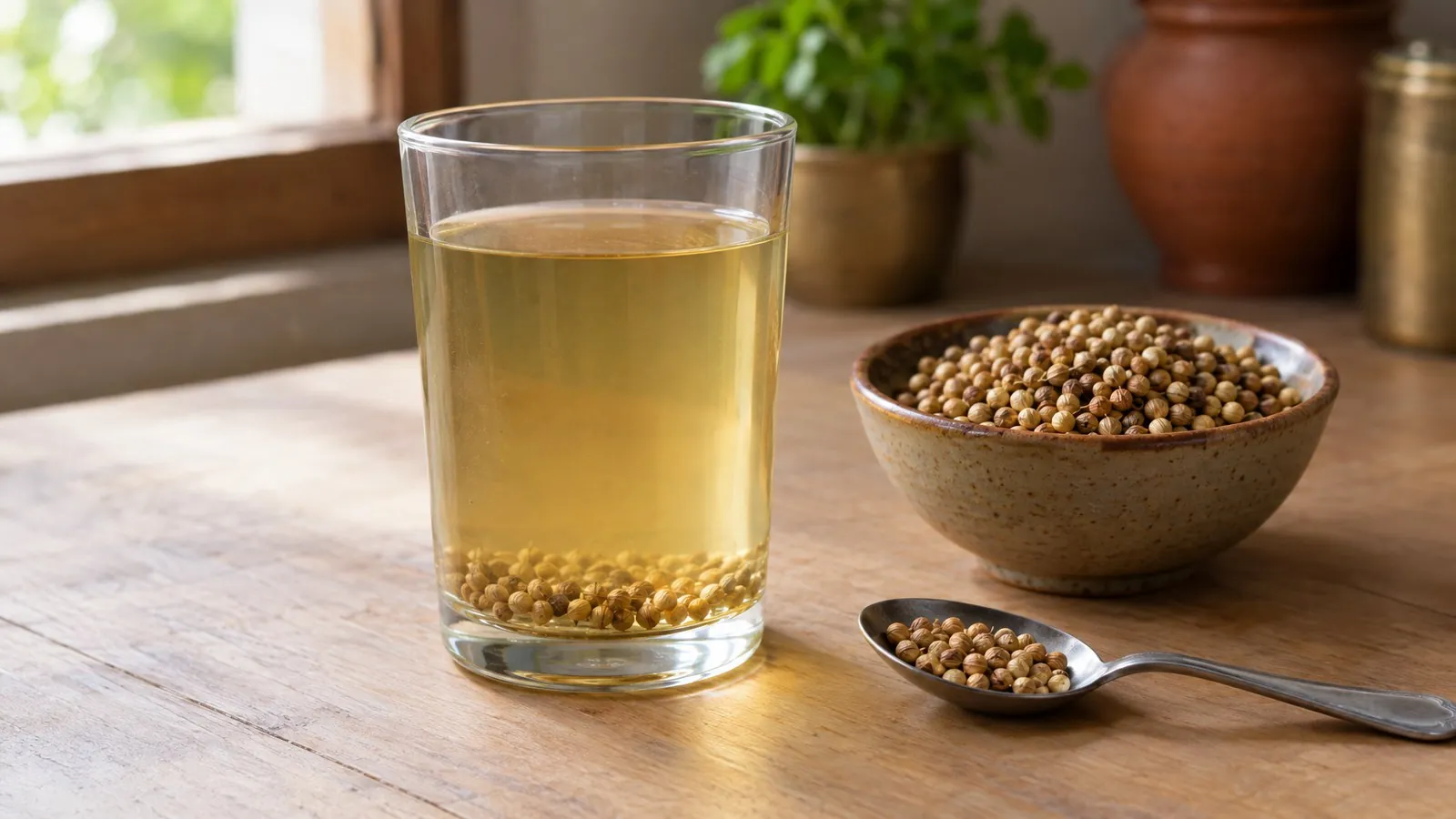
Coriander water benefits: what dhania water actually does
Coriander water benefits, answered honestly: the research reviewed here has no human trial showing coriander water does anything specific. Here is what is known about coriander, what one teaspoon of seeds holds, and how to make and drink the water.

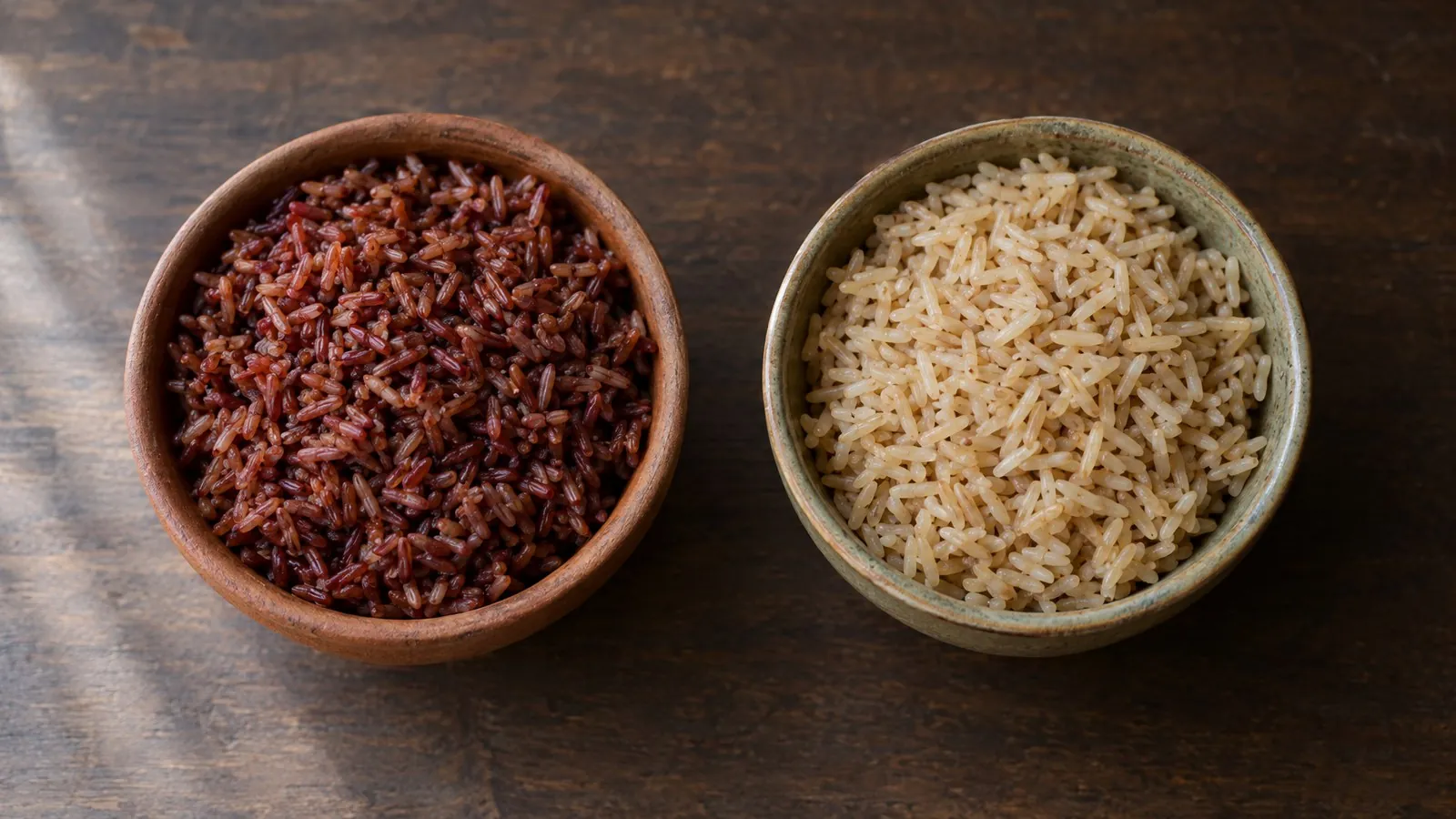
Red rice vs brown rice: the fibre, GI and honest verdict
Red rice vs brown rice: brown rice lists more fibre and protein and an India-tested GI of 58, while red rice's seven foreign tests average 62. Side-by-side nutrition per 100 g, GI, cooking, cost and which to choose.
More Articles
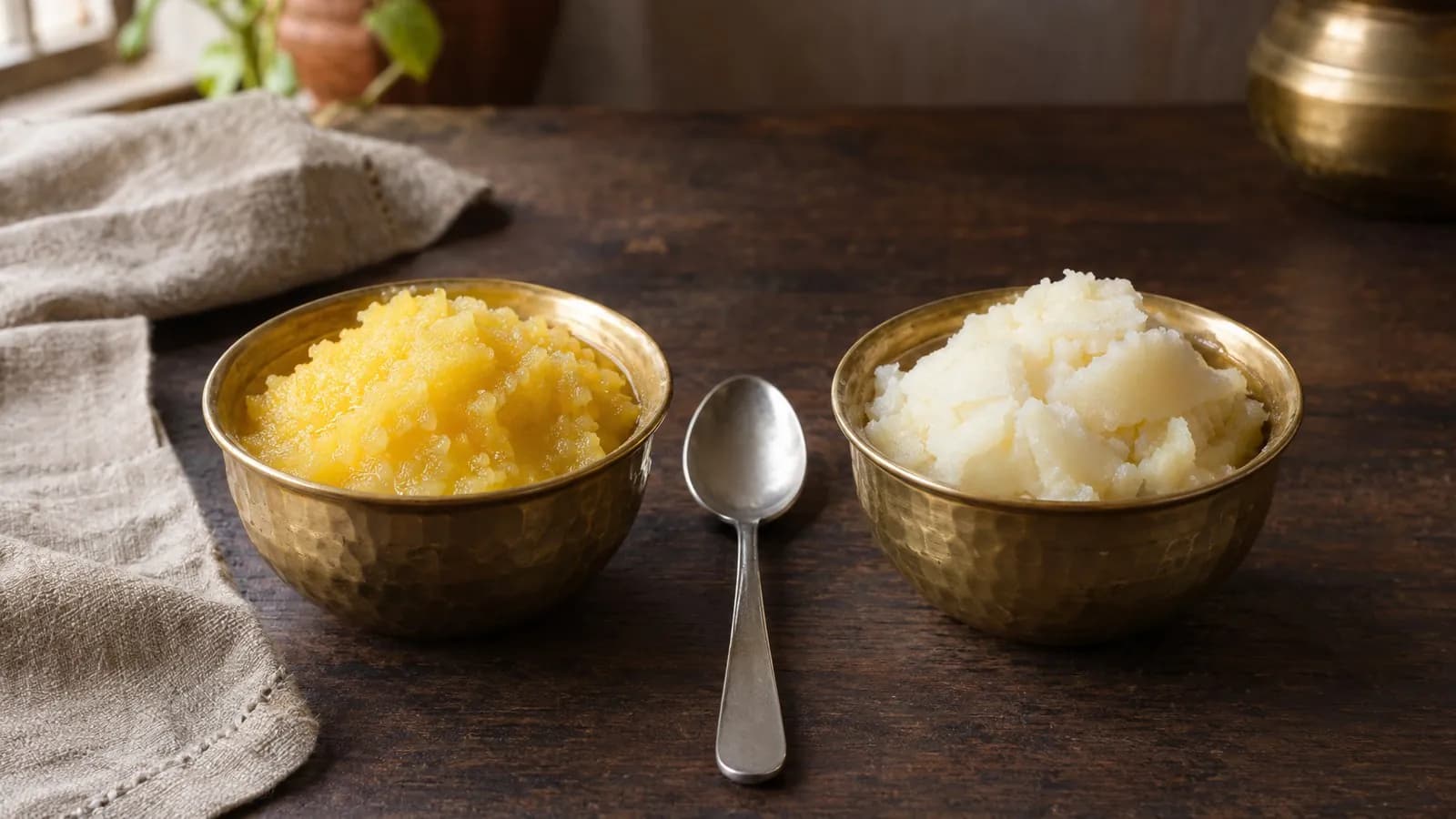
Cow ghee vs buffalo ghee: colour, fat, taste and which to choose
Cow ghee vs buffalo ghee compared: why one is yellow and the other white, texture, taste, fat and calories, what a 2022 lab study measured, relative cost and which ghee suits which use.
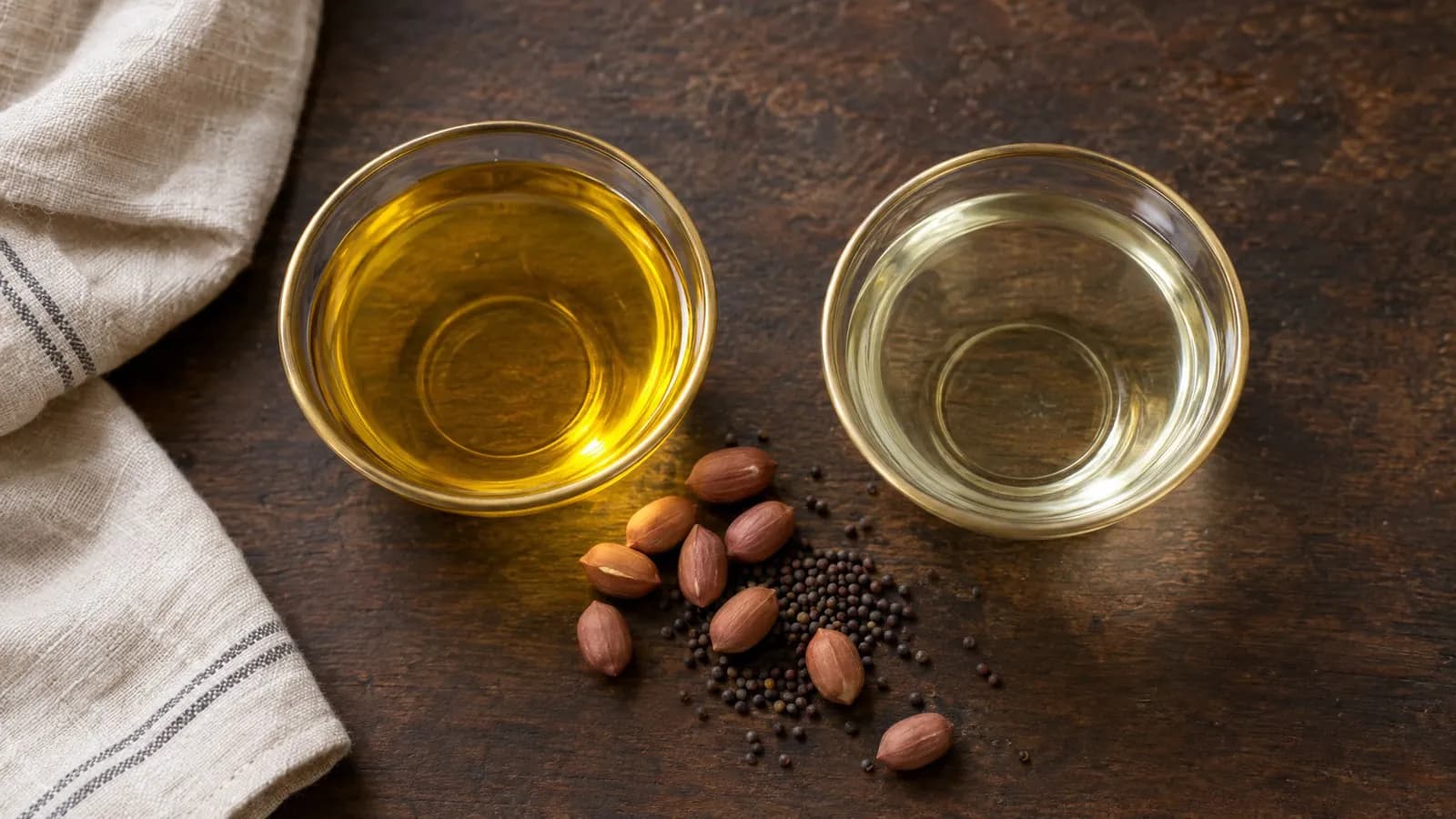
Cold-pressed oil vs refined oil: how each is made and which to use
Cold pressed oil vs refined oil: how each is made, what refining removes and adds, why the calories are the same, and which oil to use for which job, with ICMR-NIN and WHO as sources.
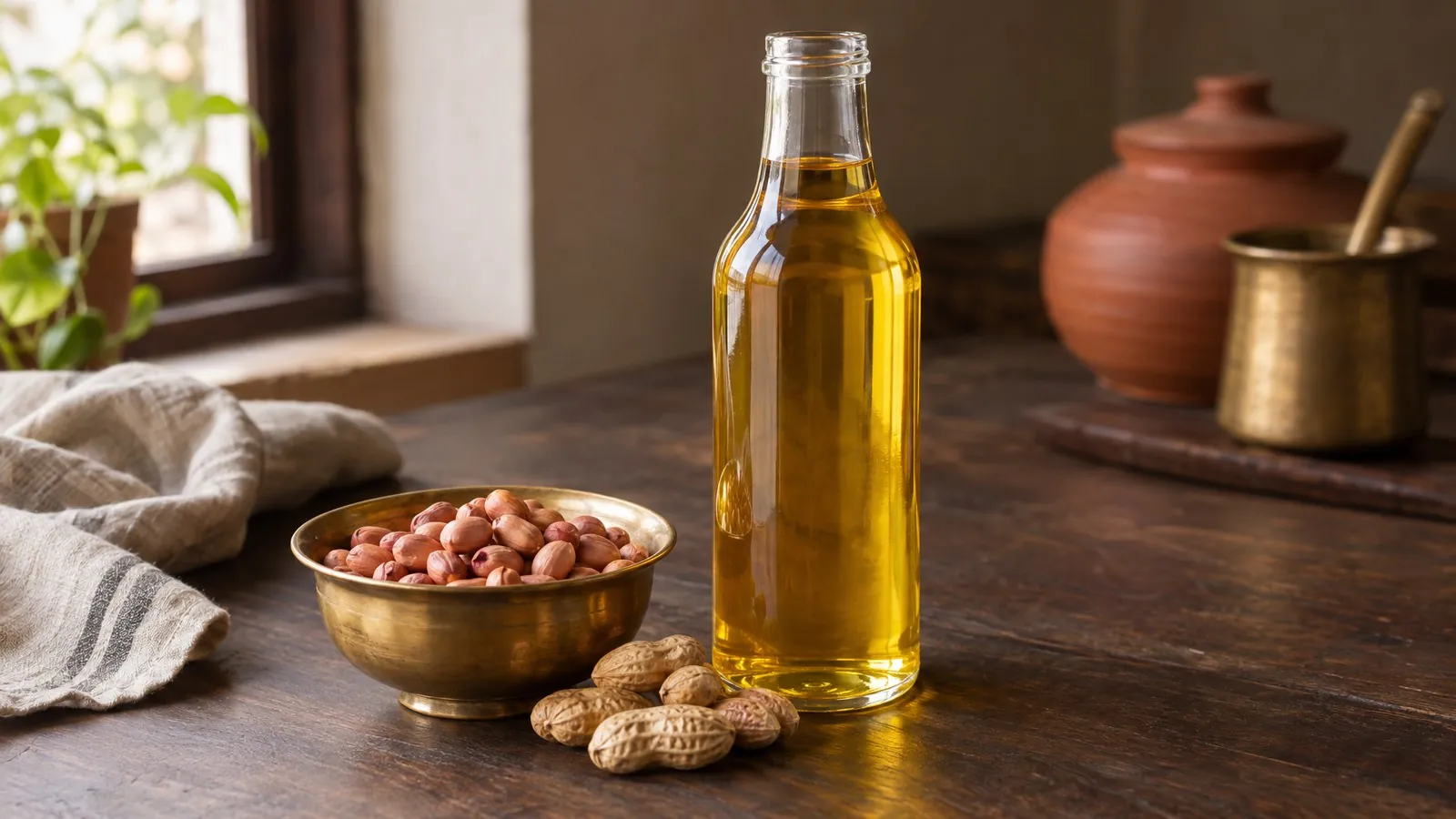
Is peanut oil good for health? 8 cold-pressed groundnut oil benefits
Is peanut oil good for health? Eight benefits of cold-pressed groundnut oil, from its MUFA and tocopherols to its flavour, plus side effects, calories per spoon and a daily limit.
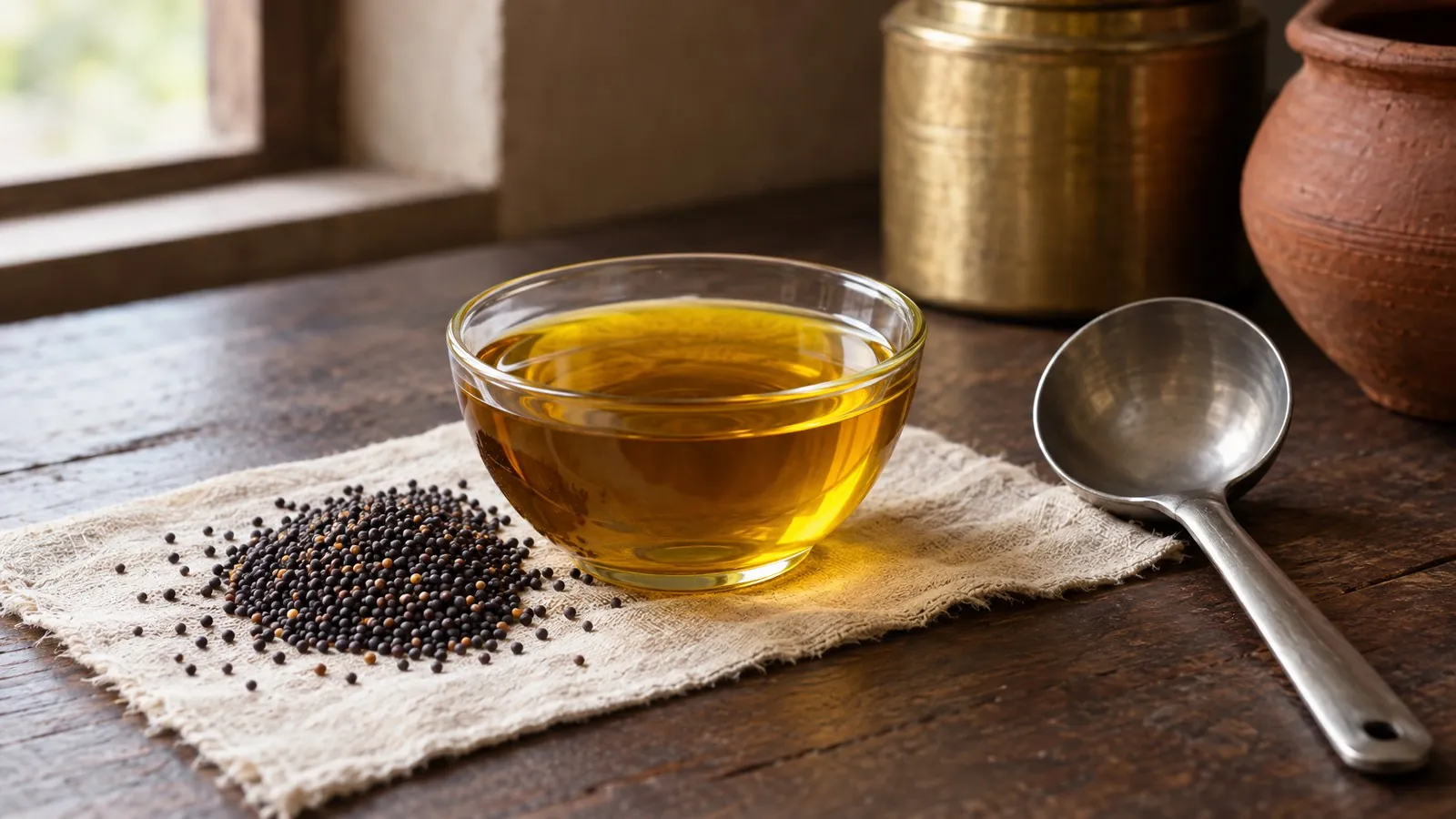
Mustard oil: names, nutrition, benefits and how to cook with it
Mustard oil (sarson ka tel): what it is, its names across India, nutrition per 100 g, the fat profile and erucic acid, benefits, who should limit it, how to cook and store it, and what to check when buying.
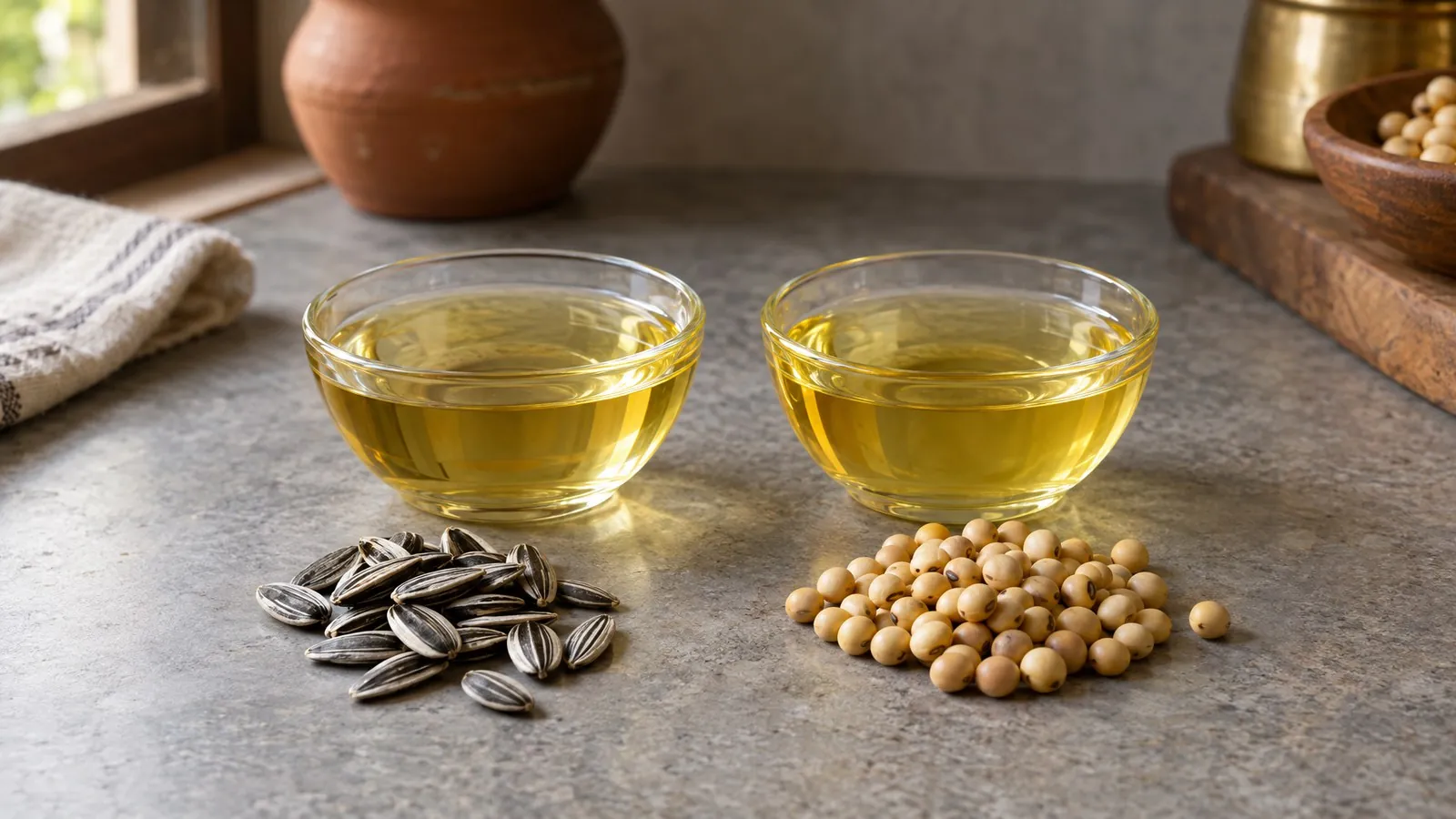
Sunflower oil vs soybean oil: nutrition and which to choose
Sunflower oil vs soybean oil compared on omega-3, omega-6, flavour and frying, with every source named and the honest note that neither oil has a nutrition table on this site.
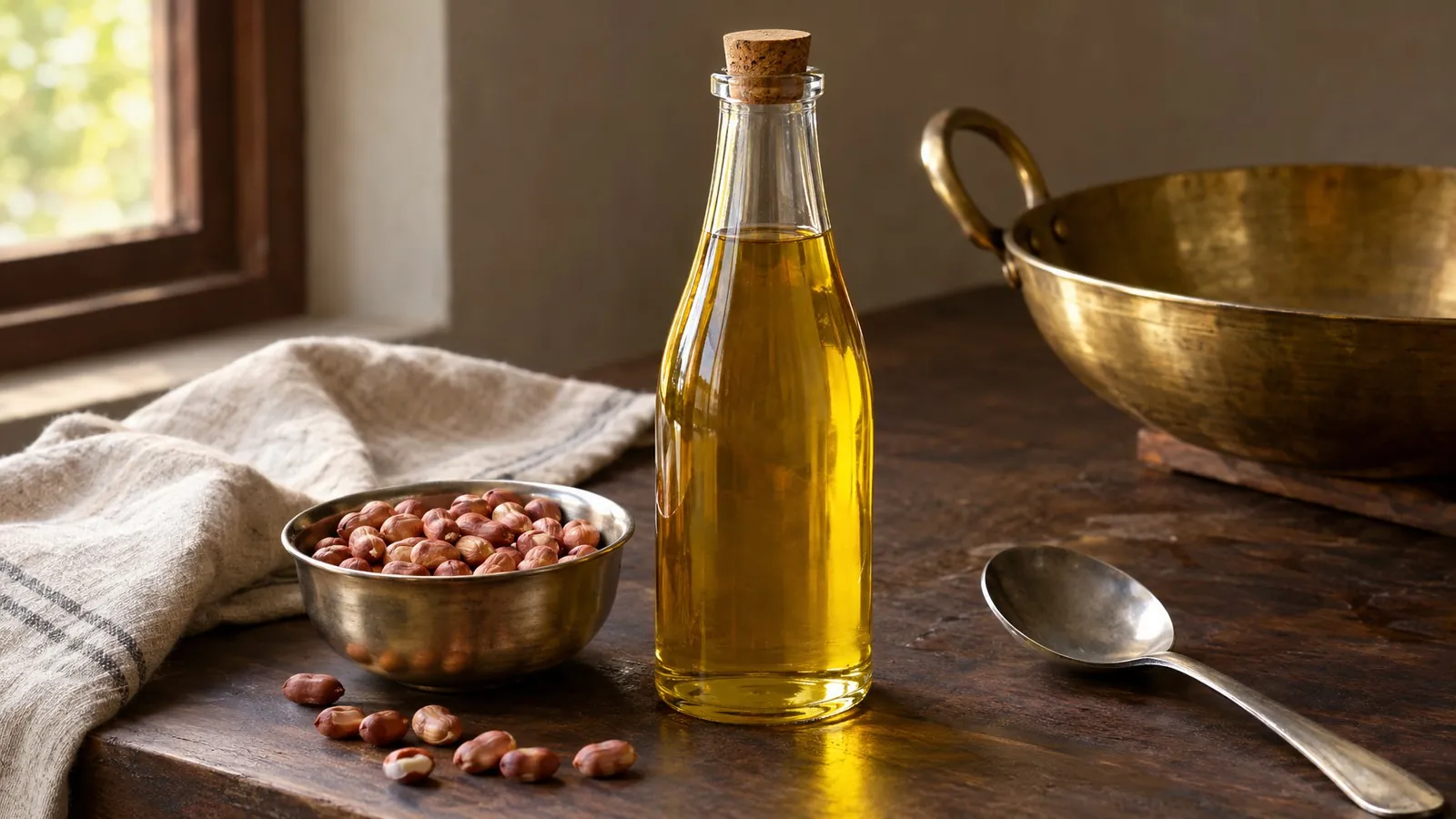
Groundnut oil: names, nutrition, benefits and how to cook with it
Groundnut oil: what it is, its Indian names, per-100g nutrition, benefits, side effects, cooking, storage, recipes and how to buy it.
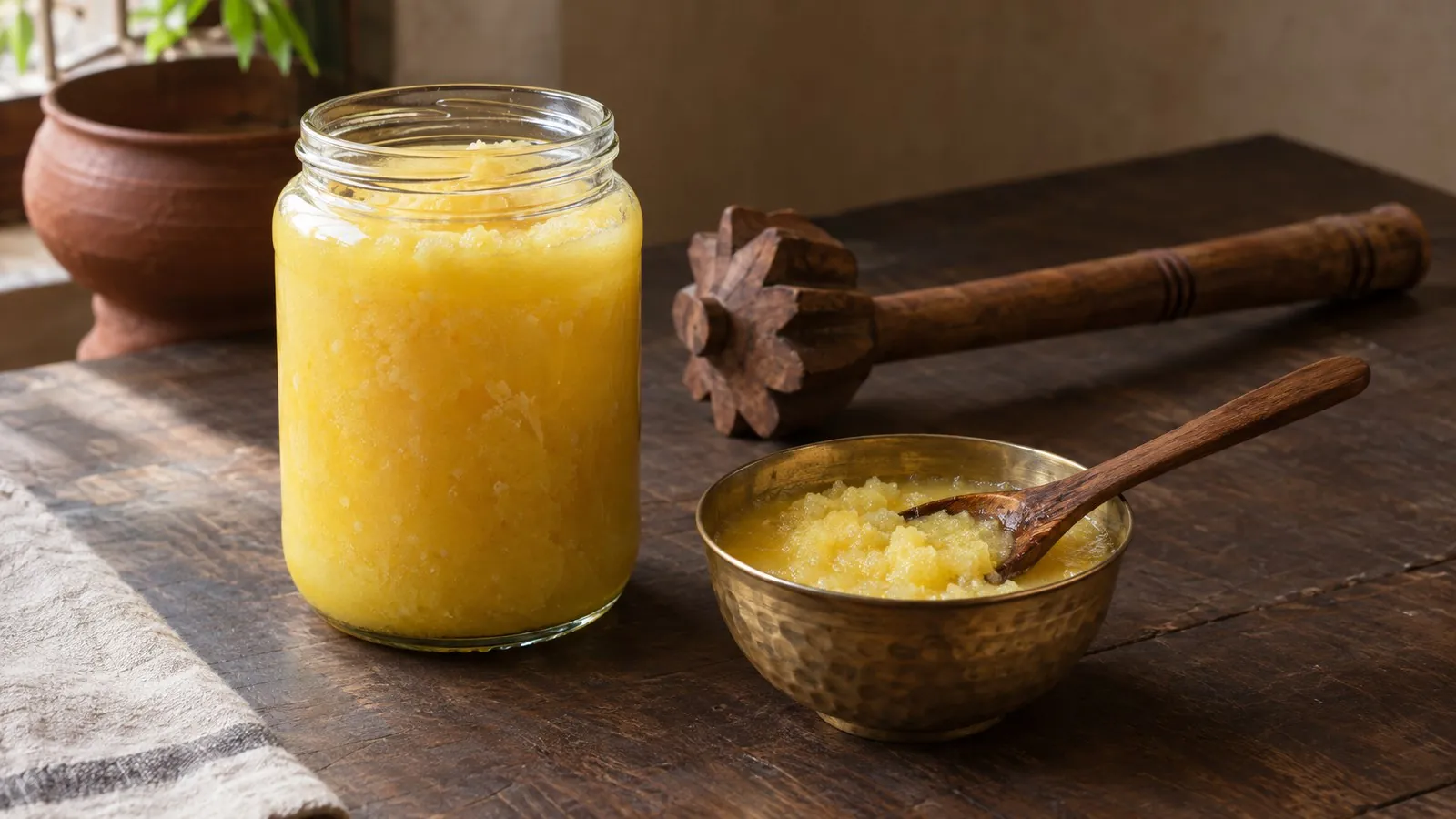
A2 cow ghee: what it is, how bilona ghee is made, benefits and uses
Bilona ghee and A2 cow ghee explained: what the two words mean, how curd-churned ghee is made, USDA nutrition per 100 g and per spoon, benefits with sources, who should limit it, and how to use, store and buy it.