membership background

Oils & Ghee articles from COWBERRY

Featured

What Is Brown Sugar? Types, How It Is Made, Nutrition and Uses

What Is Brown Sugar? Types, How It Is Made, Nutrition and Uses

What is brown sugar: sugar with part of the cane's molasses kept in — 380 kcal and 98.1 g of carbohydrate per 100 g. Types (demerara, muscovado, light and dark), names, how it is made, nutrition, uses, storage and buying.
05 Aug 2026by COWBERRY
11 minute read

Fresh Blogs

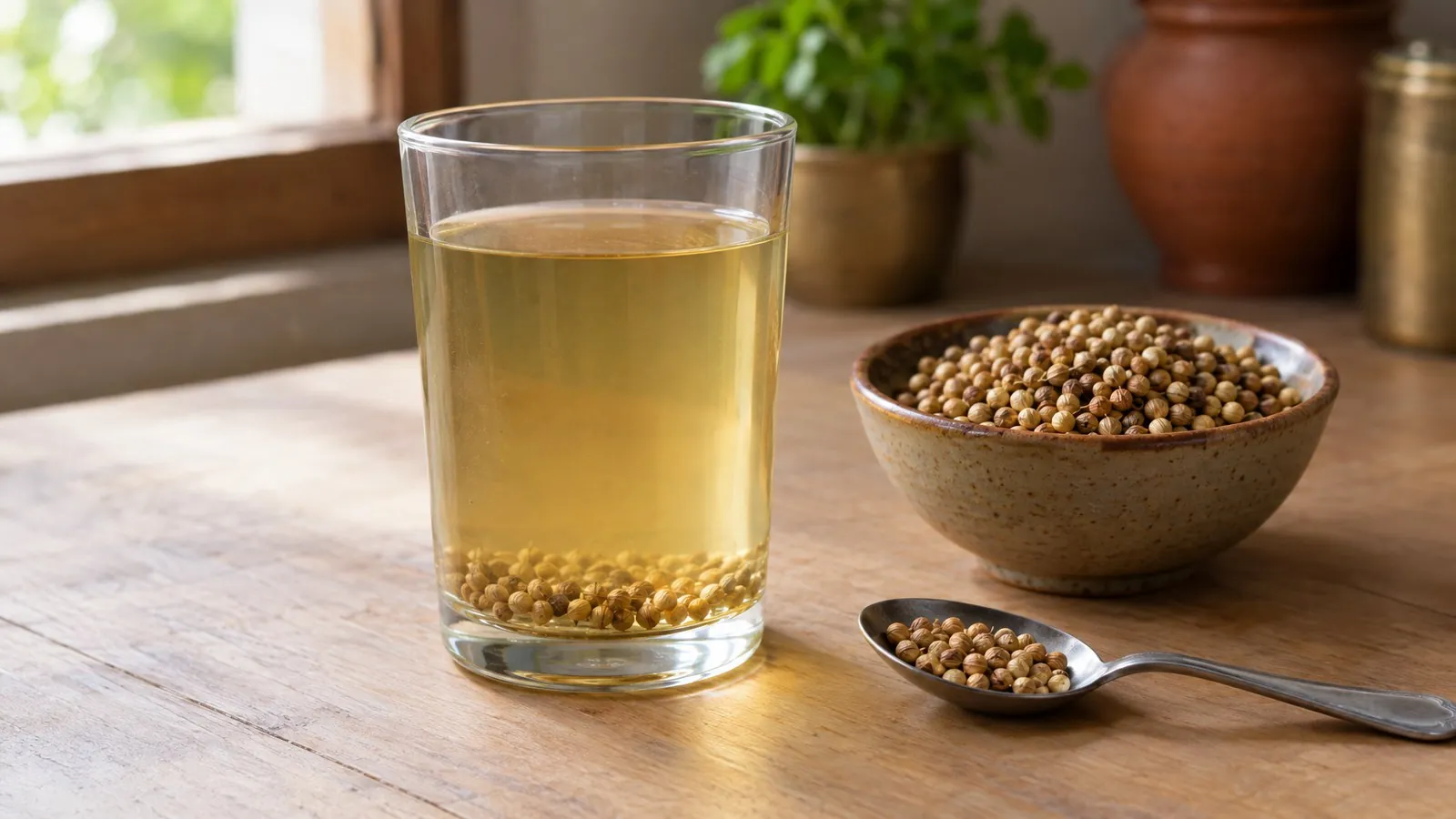
Coriander water benefits: what dhania water actually does

Coriander water benefits: what dhania water actually does

Coriander water benefits, answered honestly: the research reviewed here has no human trial showing coriander water does anything specific. Here is what is known about coriander, what one teaspoon of seeds holds, and how to make and drink the water.
05 Oct 2026by COWBERRY
7 minute read
Red rice vs brown rice: the fibre, GI and honest verdict
Red rice vs brown rice: the fibre, GI and honest verdict
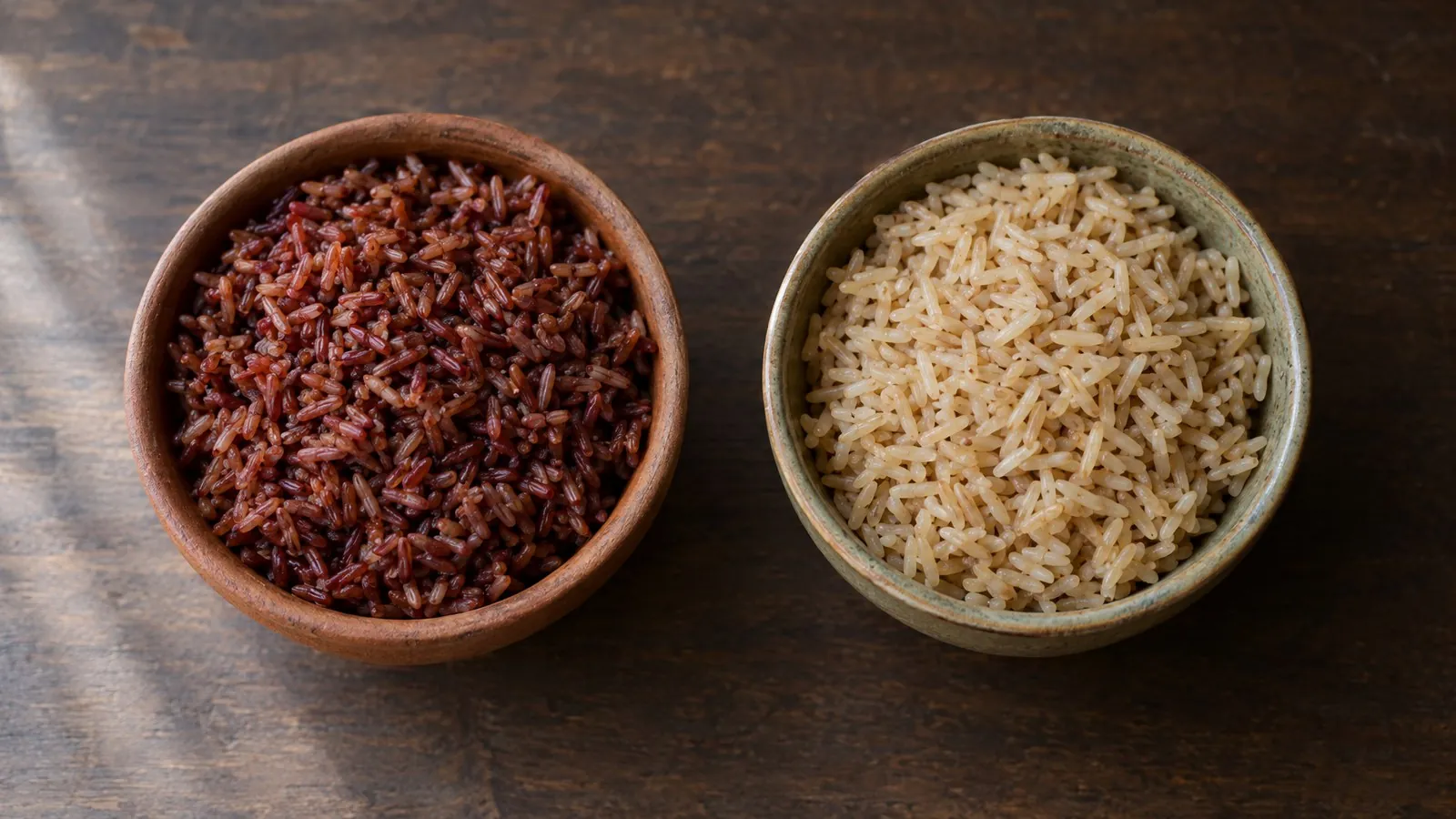
Red rice vs brown rice: brown rice lists more fibre and protein and an India-tested GI of 58, while red rice's seven foreign tests average 62. Side-by-side nutrition per 100 g, GI, cooking, cost and which to choose.
05 Oct 2026by COWBERRY
6 minute read

More Articles

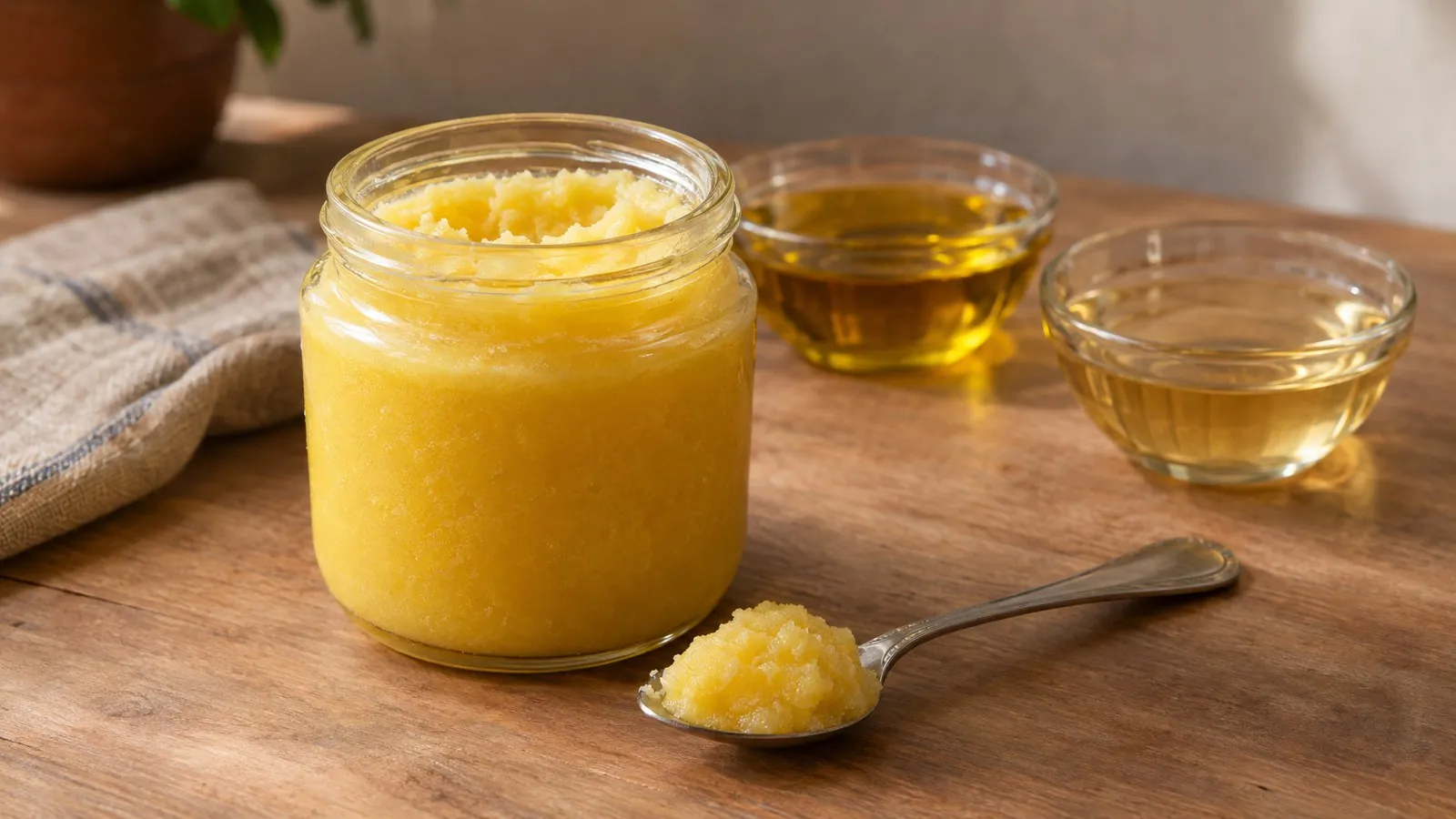
Desi ghee nutrition per 100 g: A2 ghee fat, protein and vitamins
Desi ghee nutrition per 100 g: A2 ghee fat, protein and vitamins

Desi ghee nutrition per 100 g: 900 kcal and 100 g of fat, 0 g of protein, carbohydrate, fibre, iron, calcium and sodium, and no GI figure. What each spoon adds, the vitamin and omega 3 answers, and ghee beside mustard and groundnut oil.
08 Jun 2026by COWBERRY
7 minute read
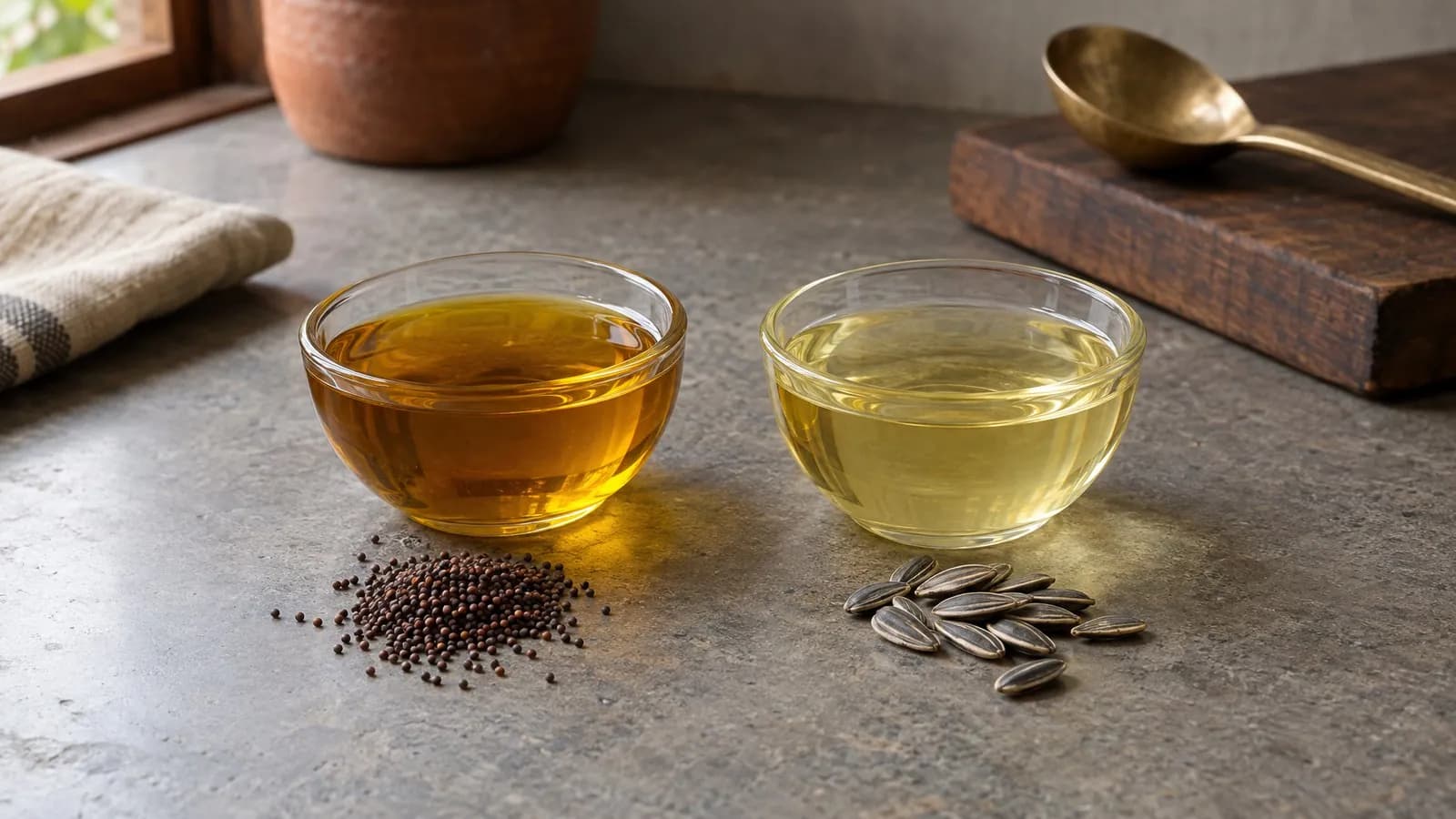
Mustard oil vs sunflower oil: fats, taste and which is better for you
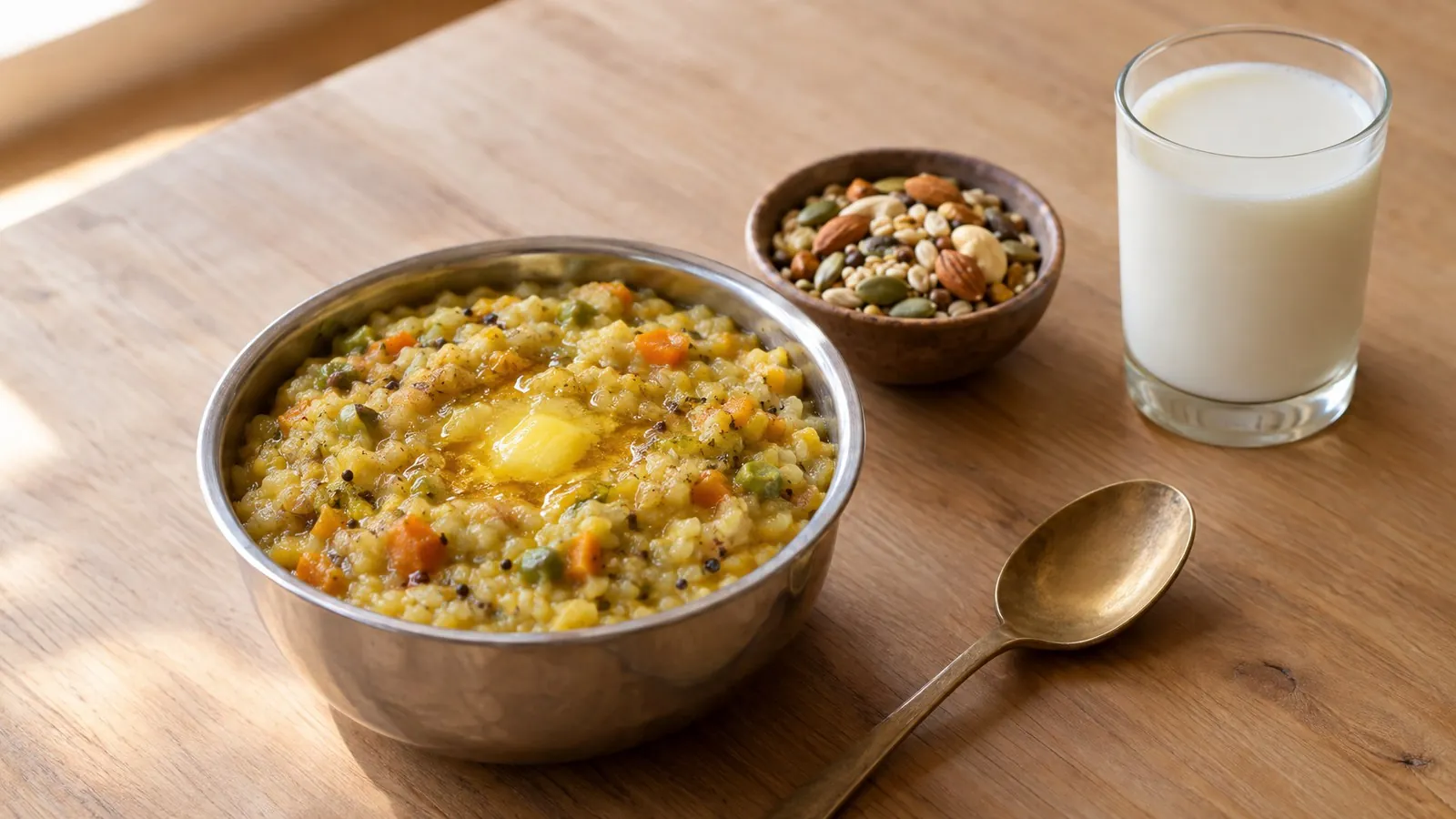
Mustard oil vs sunflower oil: fats, taste and which is better for you

Mustard oil vs sunflower oil compared on saturated fat, omega-3, erucic acid, taste and cooking, with sources for every claim and a plain answer on which oil suits whom.
08 Jun 2026by COWBERRY
9 minute read
Ghee in pregnancy: is it safe, how much and what guidance says
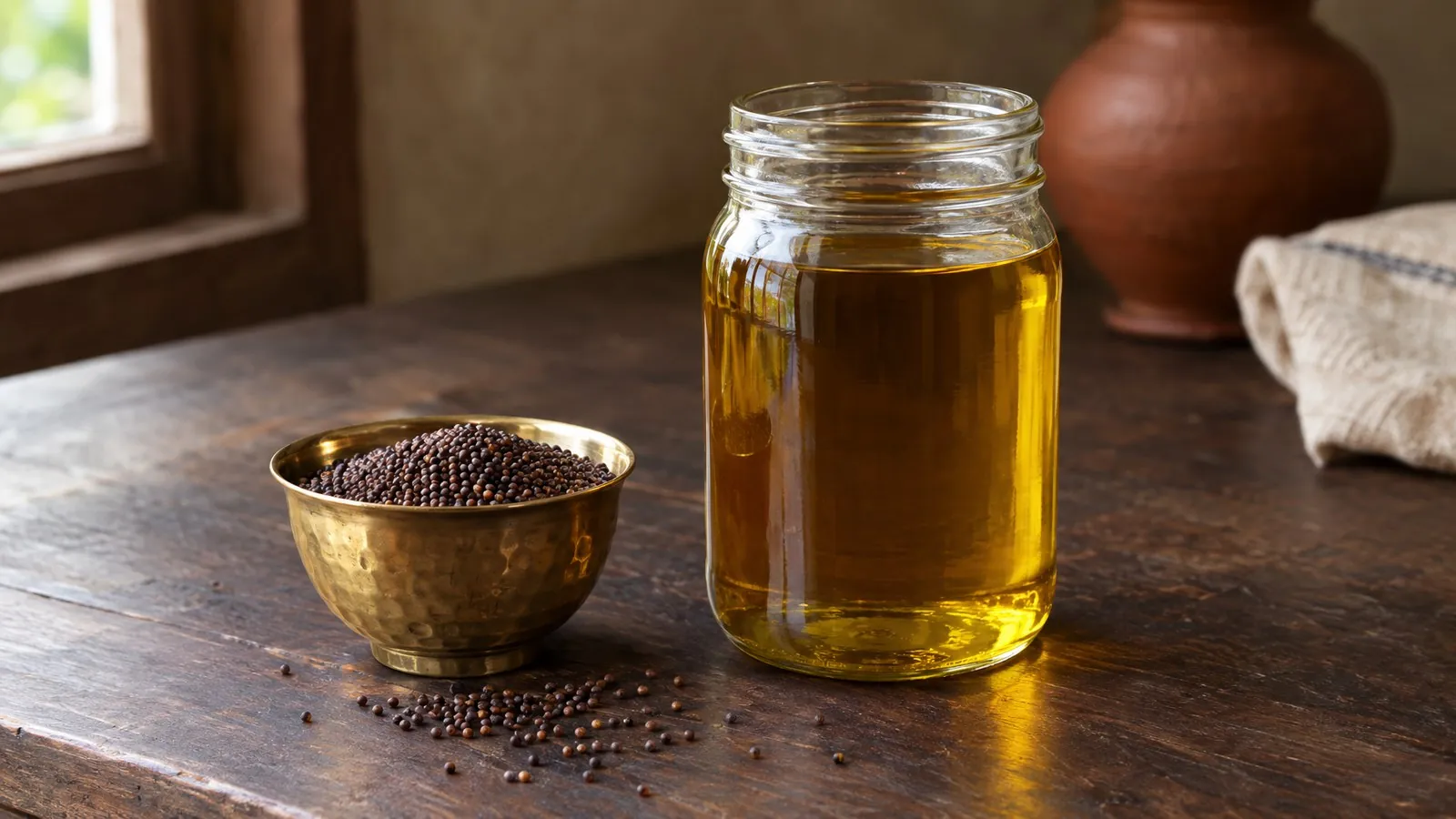
Ghee in pregnancy: is it safe, how much and what guidance says

Ghee in pregnancy is safe as a small everyday fat, and no guidance asks for more of it: what WHO antenatal care and ICMR-NIN say about visible fat, the 20 ml oils-and-fats line in the pregnancy chart, the 350 extra trimester calories, better and worse ways to use ghee, and when to ask your doctor.
07 Jun 2026by COWBERRY
6 minute read
10 benefits of mustard oil (and its side effects)
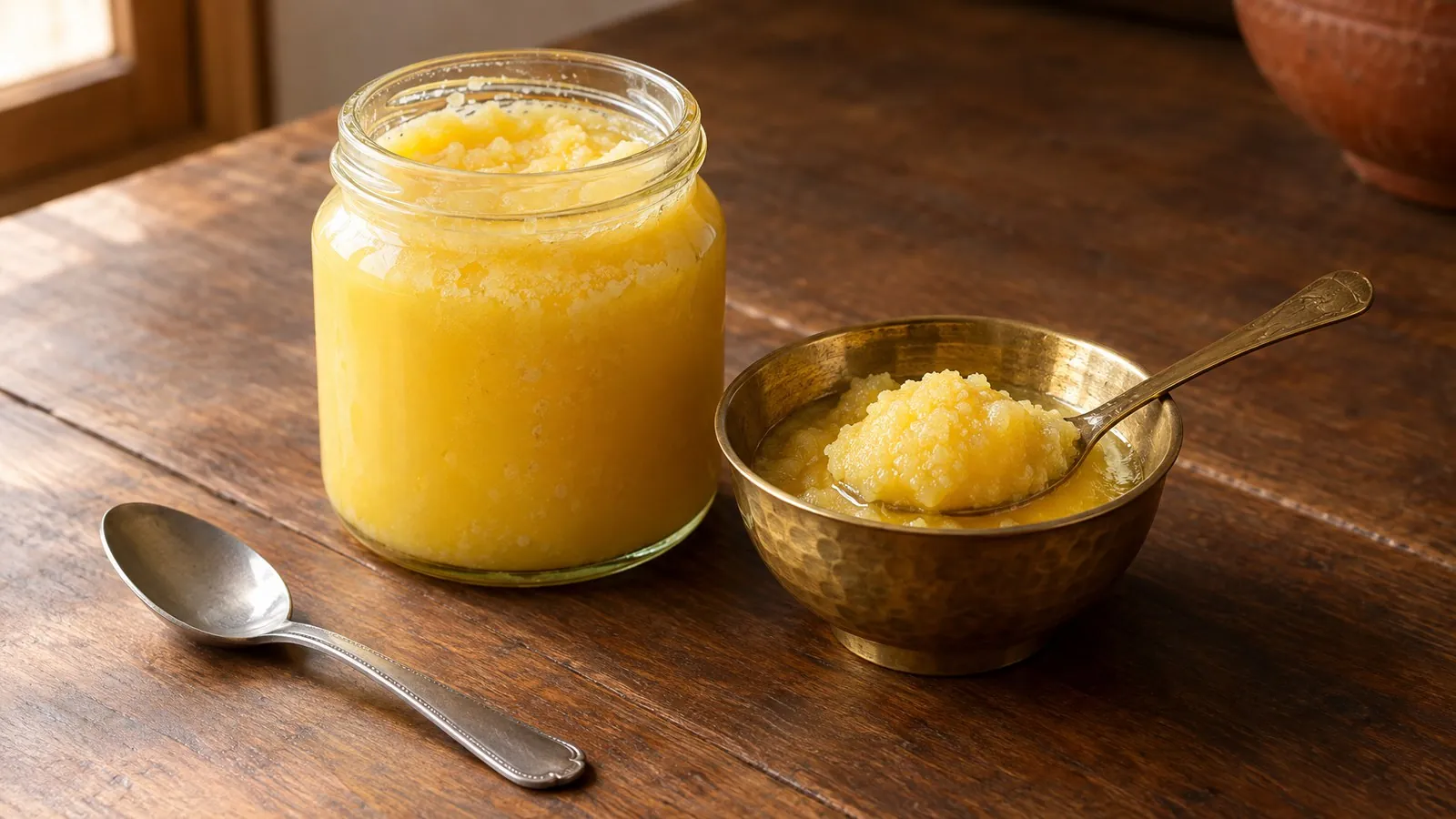
10 benefits of mustard oil (and its side effects)

Mustard oil benefits and side effects with sources: low saturated fat, omega-3 ALA, what erucic acid means, how much oil to use a day and how to cook with kachi ghani mustard oil.
07 Jun 2026by COWBERRY
11 minute read
Desi ghee in English, Hindi and Indian languages: names and meaning
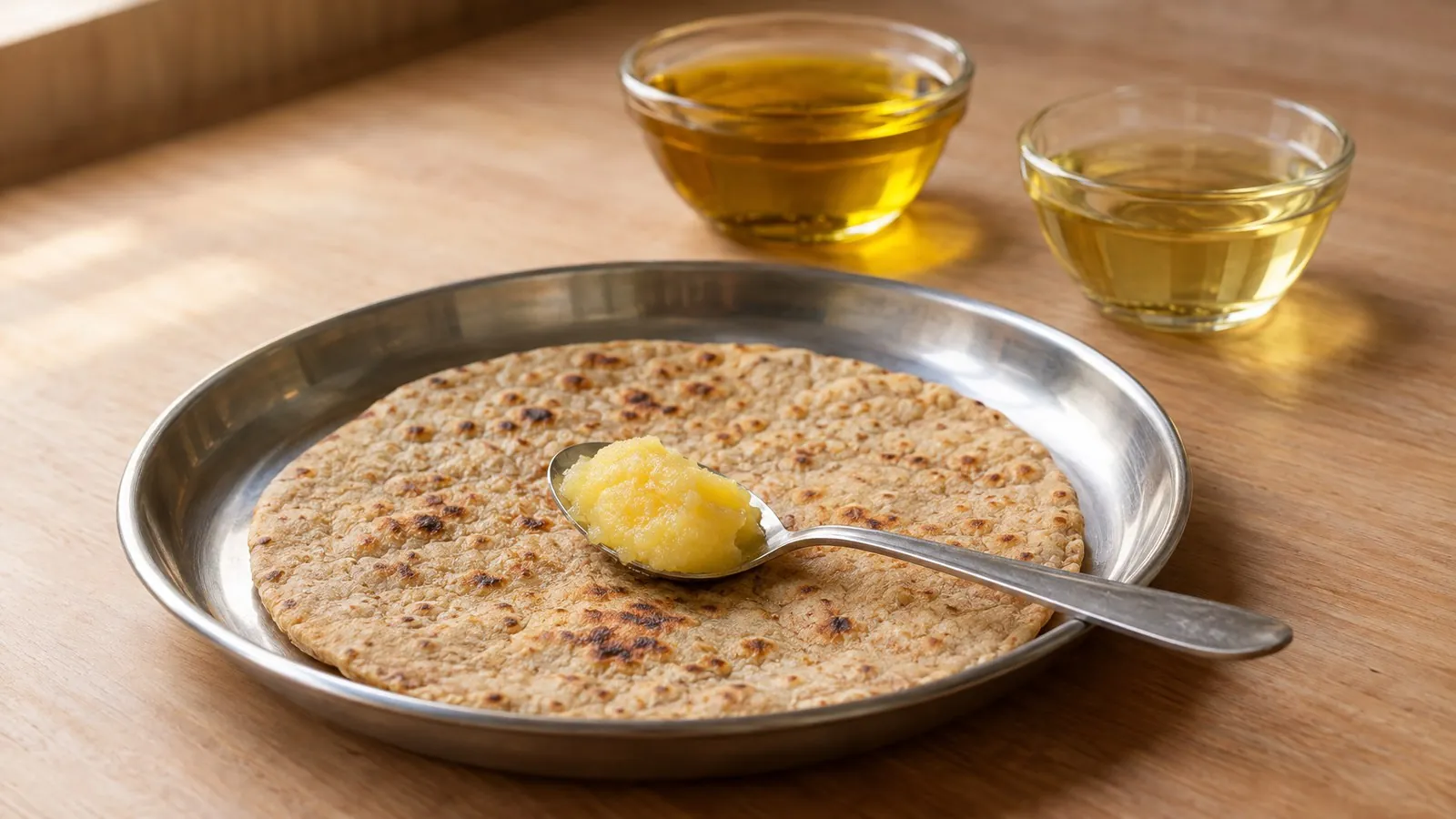
Desi ghee in English, Hindi and Indian languages: names and meaning

Desi ghee in English is ghee; Marathi says tup, Kannada tuppa, Telugu neyyi, Tamil nei, Malayalam neyy and Sanskrit ghrita. Every name IFCT 2017 lists for ghee, plus what desi, pure and A2 mean on a label.
06 Jun 2026by COWBERRY
6 minute read
Is desi ghee good for weight loss? Calories, portions and weight gain
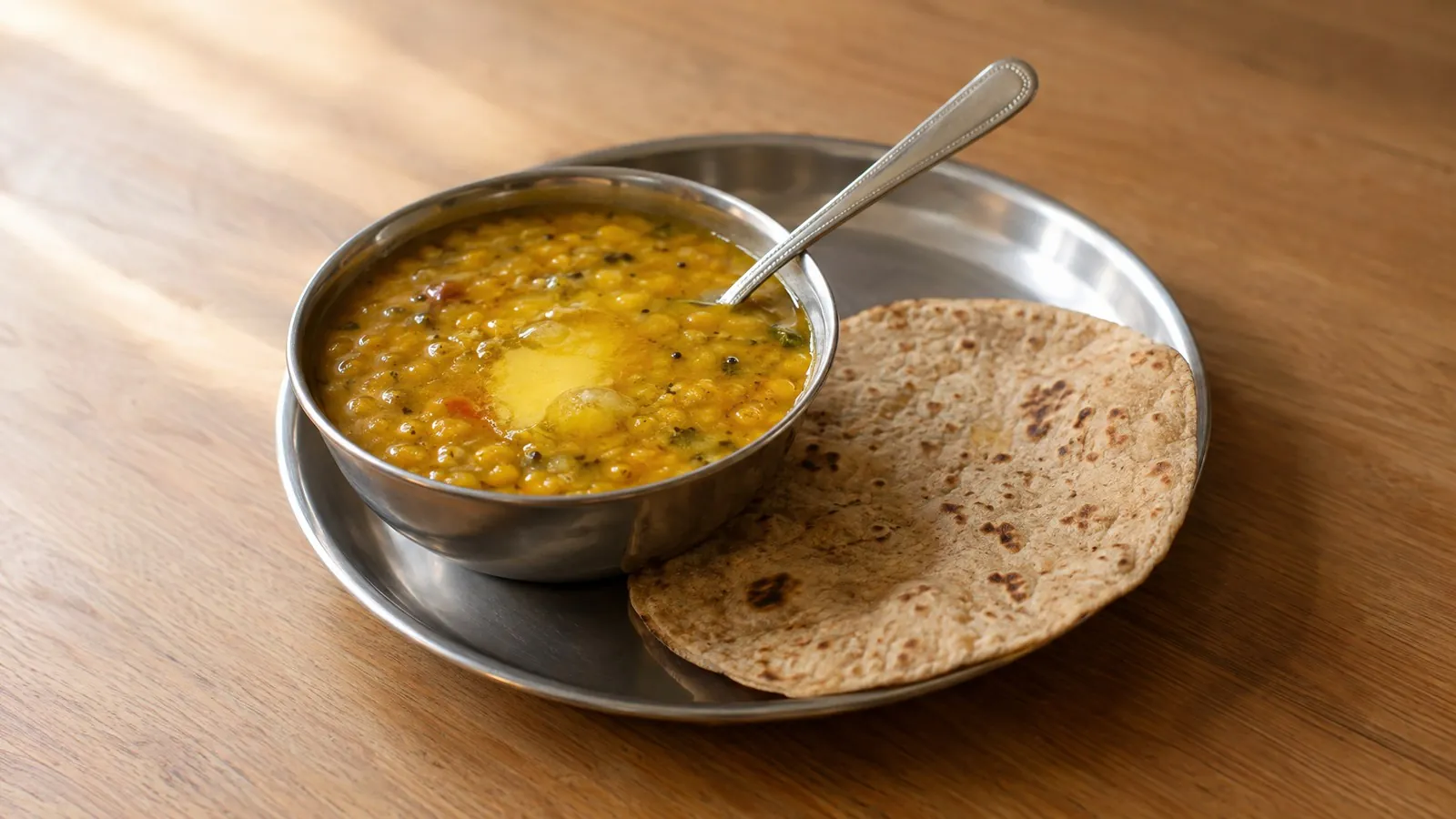
Is desi ghee good for weight loss? Calories, portions and weight gain

Is desi ghee good for weight loss? Ghee is pure fat: 900 kcal per 100 g and 45 kcal a teaspoon, and no trial shows it burning fat. What the ICMR-NIN 1 to 2 teaspoon rule means, how ghee compares with mustard and groundnut oil, the swaps that matter and what to ask a dietitian.
05 Jun 2026by COWBERRY
6 minute read
Is A2 ghee good for diabetes? GI, carbs and how much to have
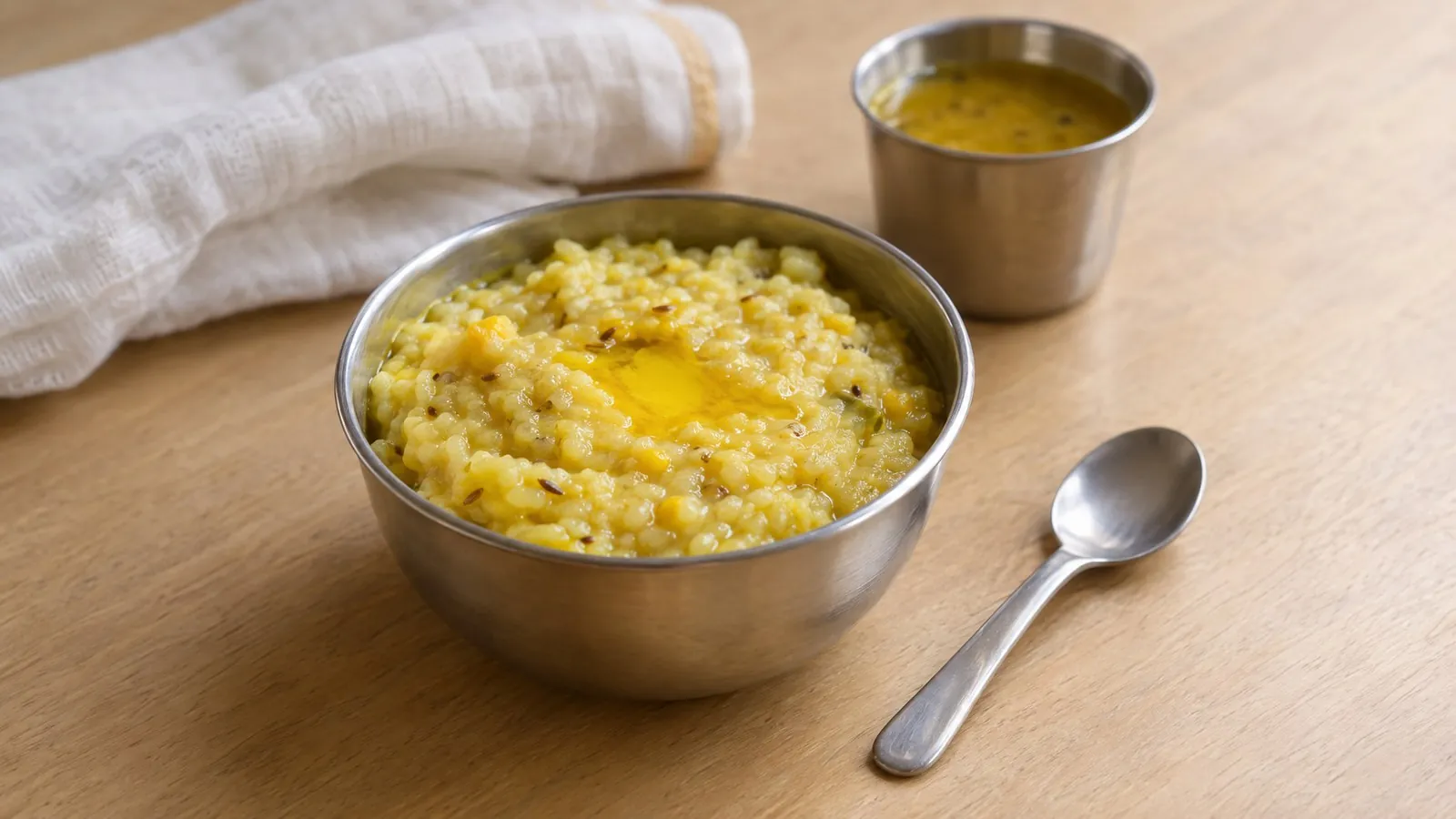
Is A2 ghee good for diabetes? GI, carbs and how much to have

Is A2 ghee good for diabetes? Ghee has 0 g of carbohydrate per 100 g, so it carries no GI figure and adds no glucose. What it does add is fat and 900 kcal per 100 g, plus the saturated fat the WHO guideline and ICMR-NIN ask you to watch. Teaspoons, tadka and what to ask your doctor.
04 Jun 2026by COWBERRY
7 minute read
A2 ghee for babies: when to start, how much and how to serve it
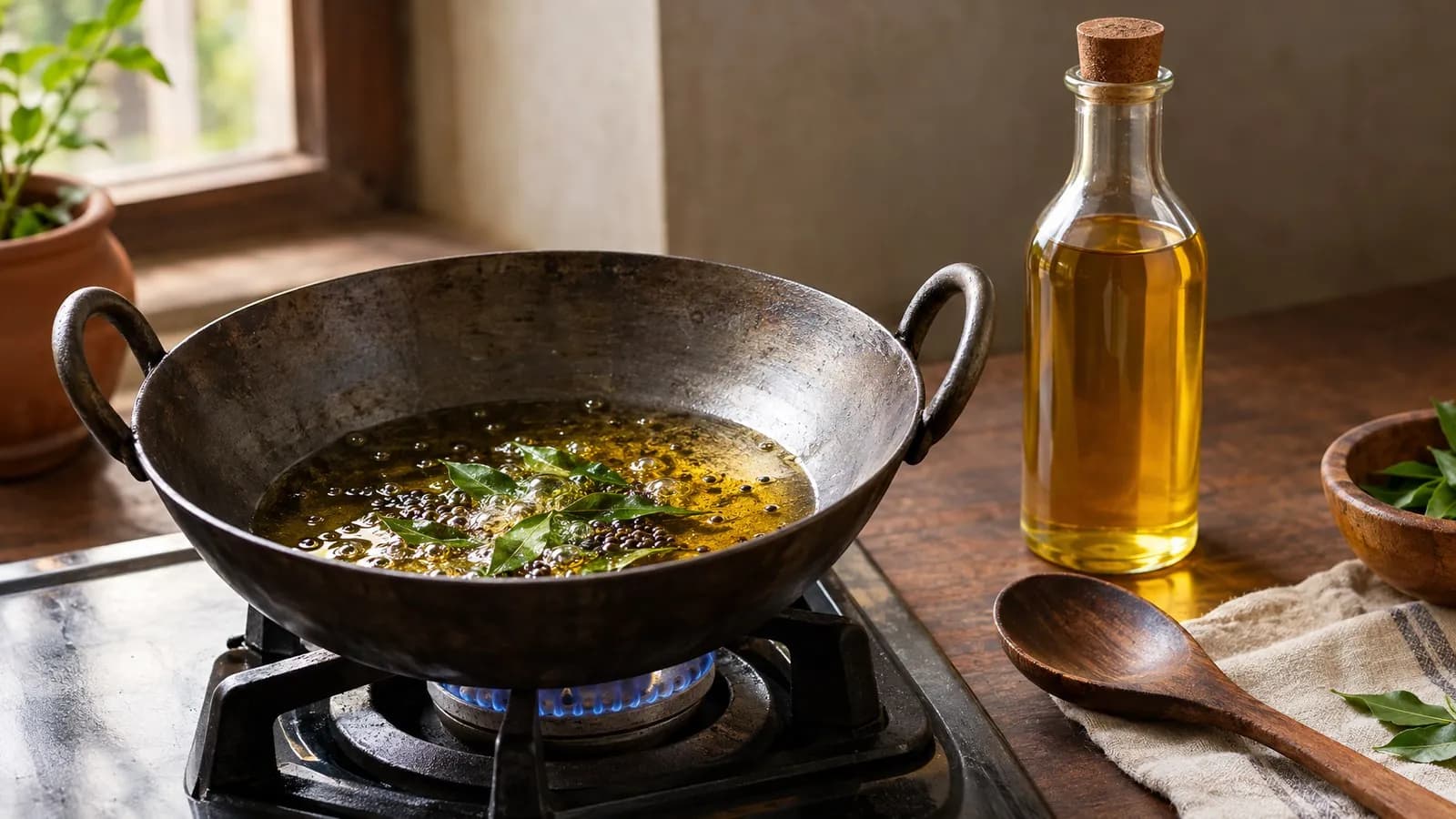
A2 ghee for babies: when to start, how much and how to serve it

A2 ghee for babies is a food for after six months, never before: when the WHO and ICMR-NIN say other foods can start, the 5 g of oil or ghee in ICMR-NIN's sample menus, how to introduce ghee one new food at a time, what to avoid and the calories in a teaspoon.
03 Jun 2026by COWBERRY
8 minute read
Peanut oil uses: how to cook, fry and bake with groundnut oil
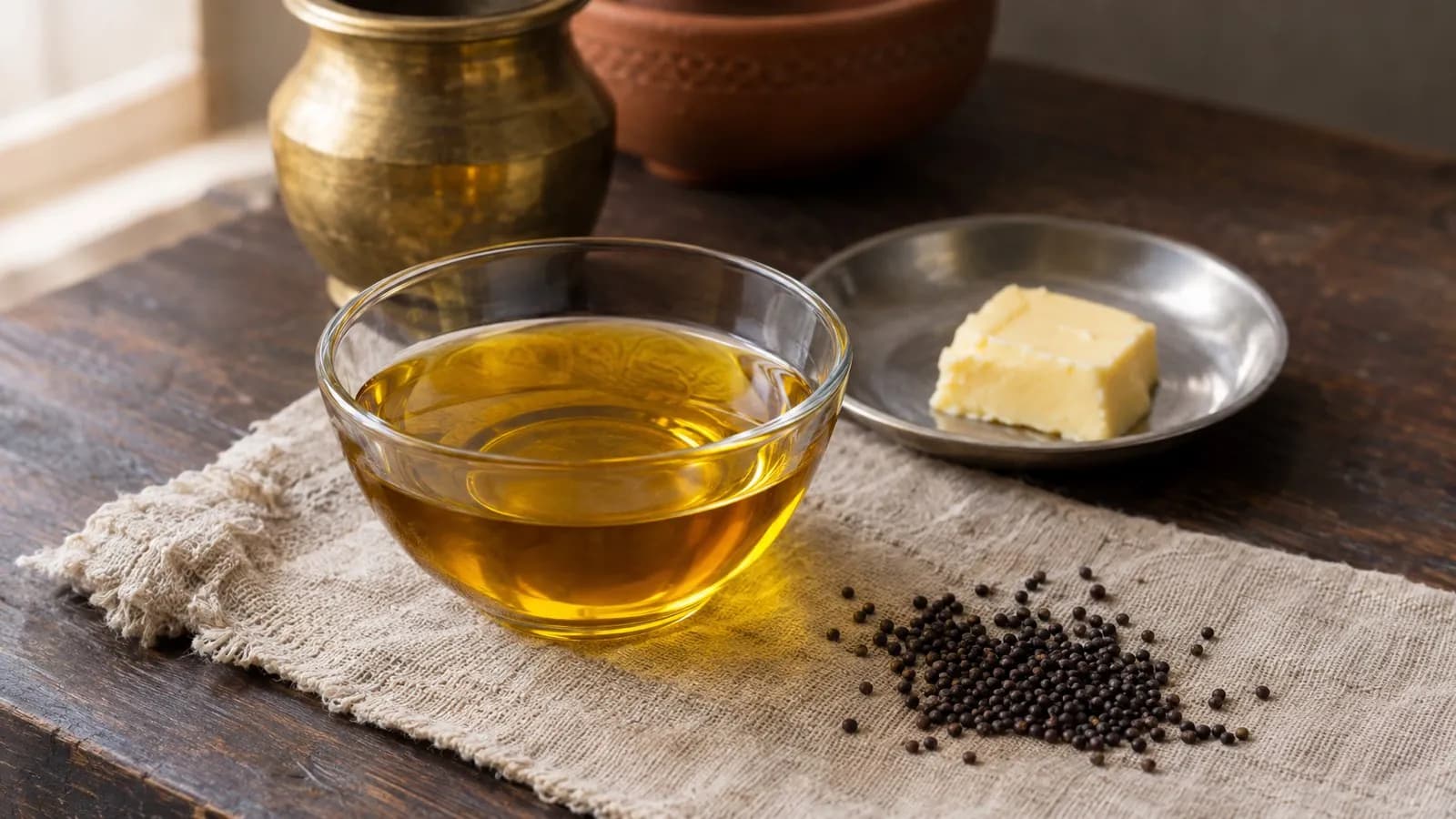
Peanut oil uses: how to cook, fry and bake with groundnut oil

Peanut oil uses from tadka to deep frying: five methods step by step, how much oil per day, common mistakes and how to store and reuse the oil.
31 May 2026by COWBERRY
7 minute read
How to identify pure mustard oil at home: tests and the label
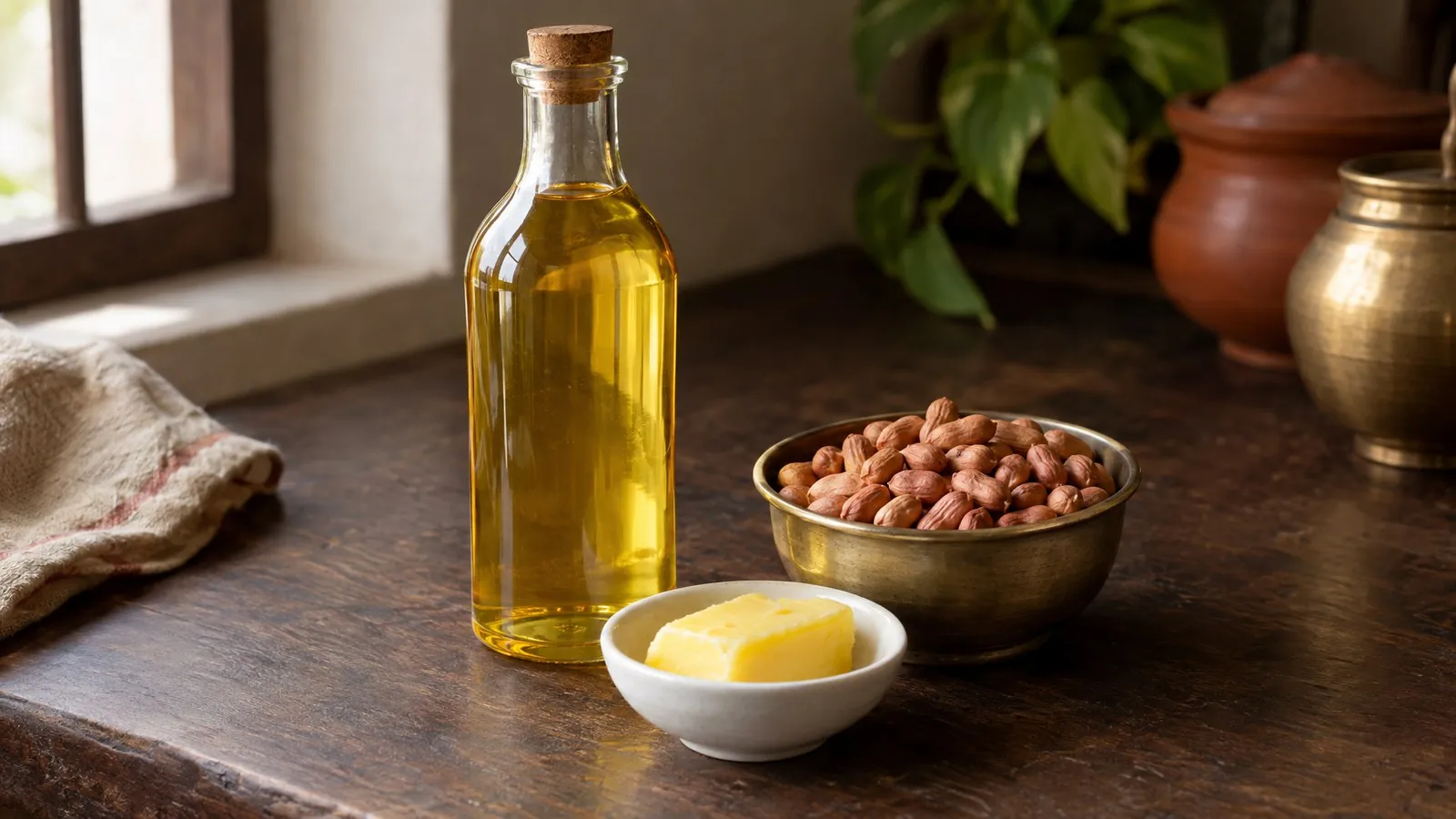
How to identify pure mustard oil at home: tests and the label

The FSSAI household tests that touch mustard oil, step by step and with what each result means; the adulterants only a laboratory can find; and what to read on the label.
26 May 2026by COWBERRY
9 minute read
How to identify pure groundnut oil at home with simple tests
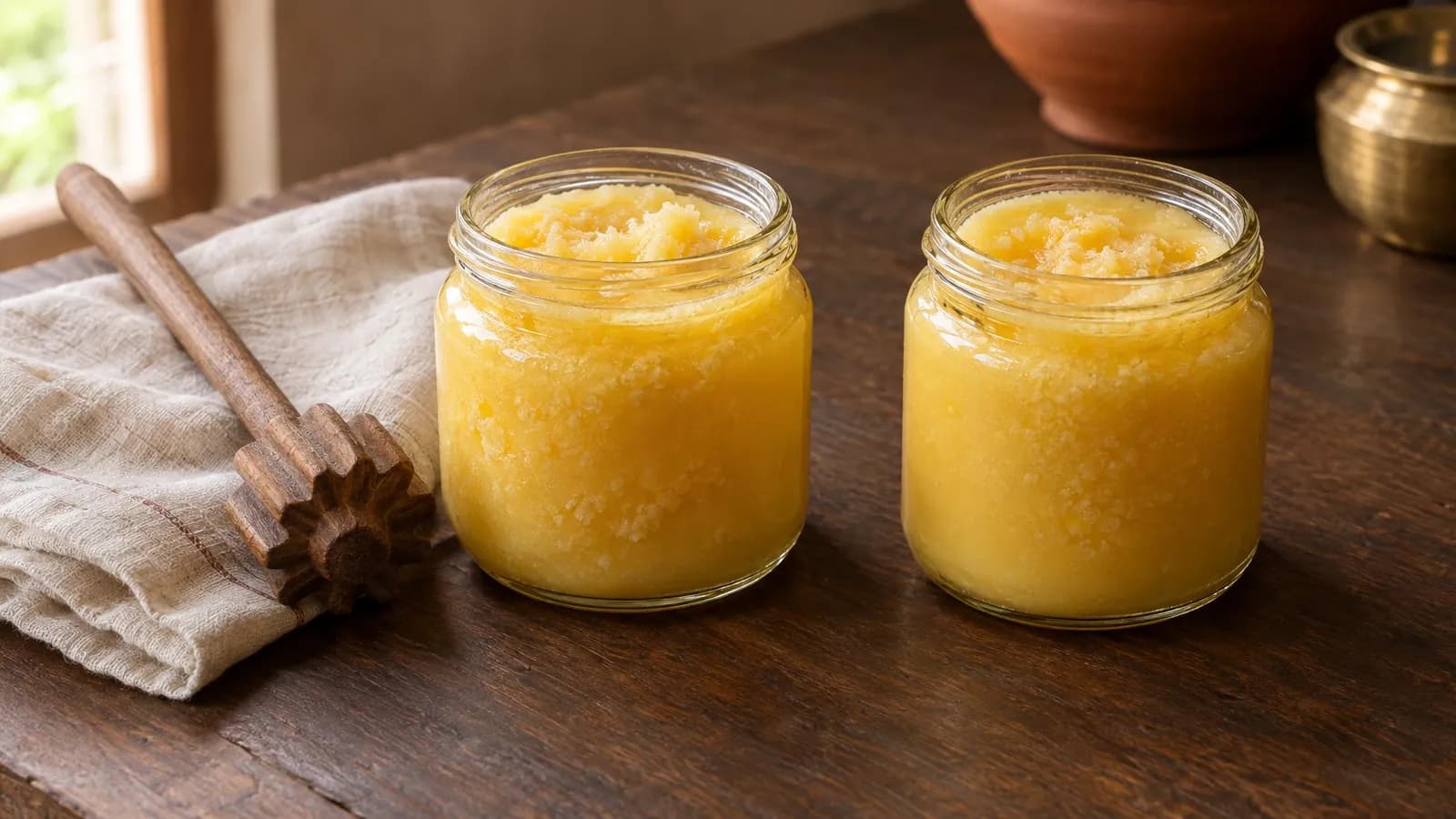
How to identify pure groundnut oil at home with simple tests

How to identify pure groundnut oil: the official butter test for TOCP, why kitchen checks cannot prove purity, what the label must say and how to store the oil.
25 May 2026by COWBERRY
7 minute read
A2 ghee vs normal ghee: what differs and what the studies say

A2 ghee vs normal ghee: what differs and what the studies say

A2 ghee vs normal ghee: the difference is in the milk, not the fat. Both are 900 kcal and 100 g of fat per 100 g with 0 g protein; what A1 and A2 are, what the studies say, and what the label means.
21 May 2026by COWBERRY
8 minute read