membership background

COWBERRY's Blog: Organic Food, Recipes & Healthy Living

Featured

What Is Brown Sugar? Types, How It Is Made, Nutrition and Uses

What Is Brown Sugar? Types, How It Is Made, Nutrition and Uses

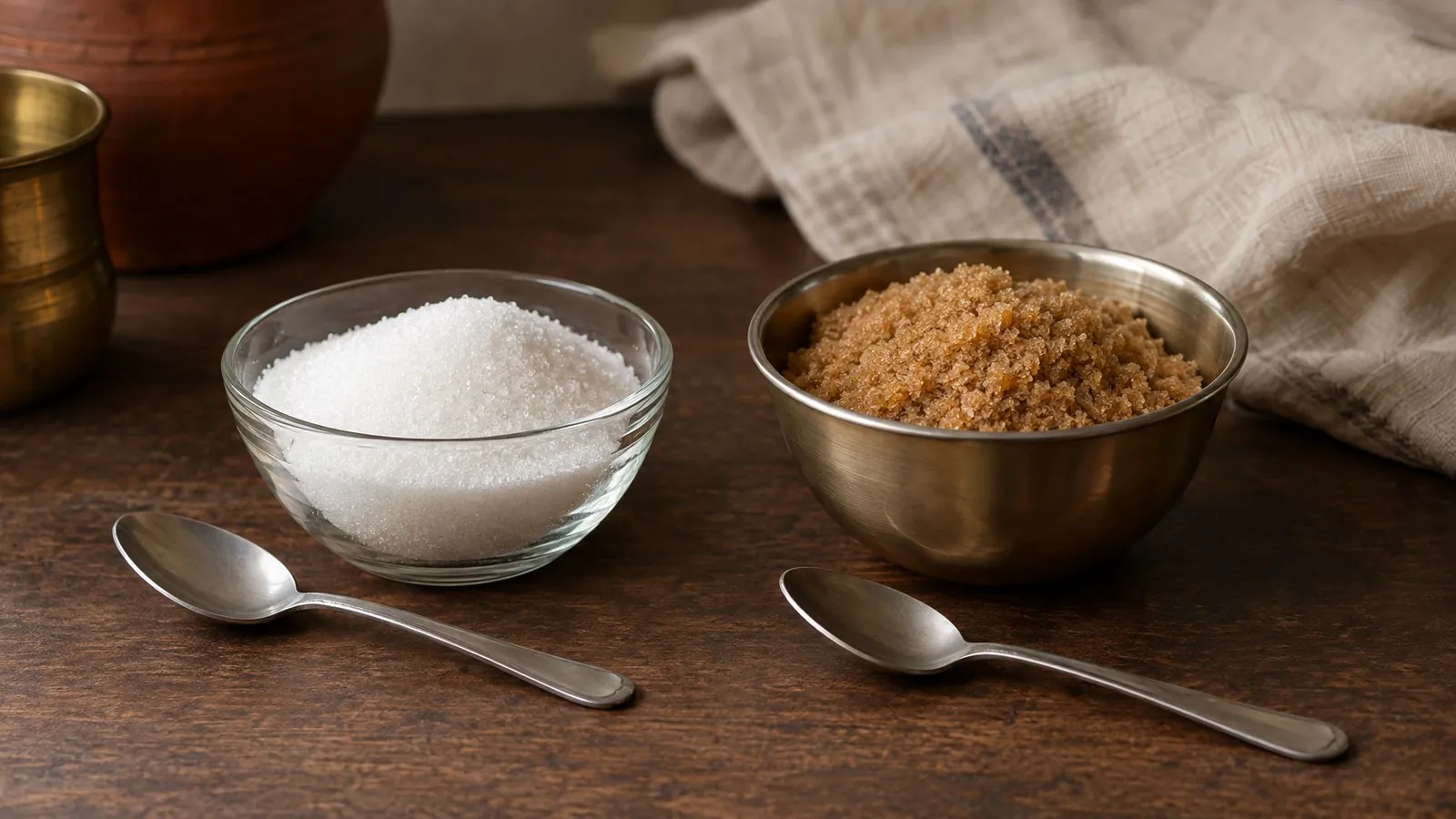
What is brown sugar: sugar with part of the cane's molasses kept in — 380 kcal and 98.1 g of carbohydrate per 100 g. Types (demerara, muscovado, light and dark), names, how it is made, nutrition, uses, storage and buying.
05 Aug 2026by COWBERRY
11 minute read

Fresh Blogs

Coriander water benefits: what dhania water actually does

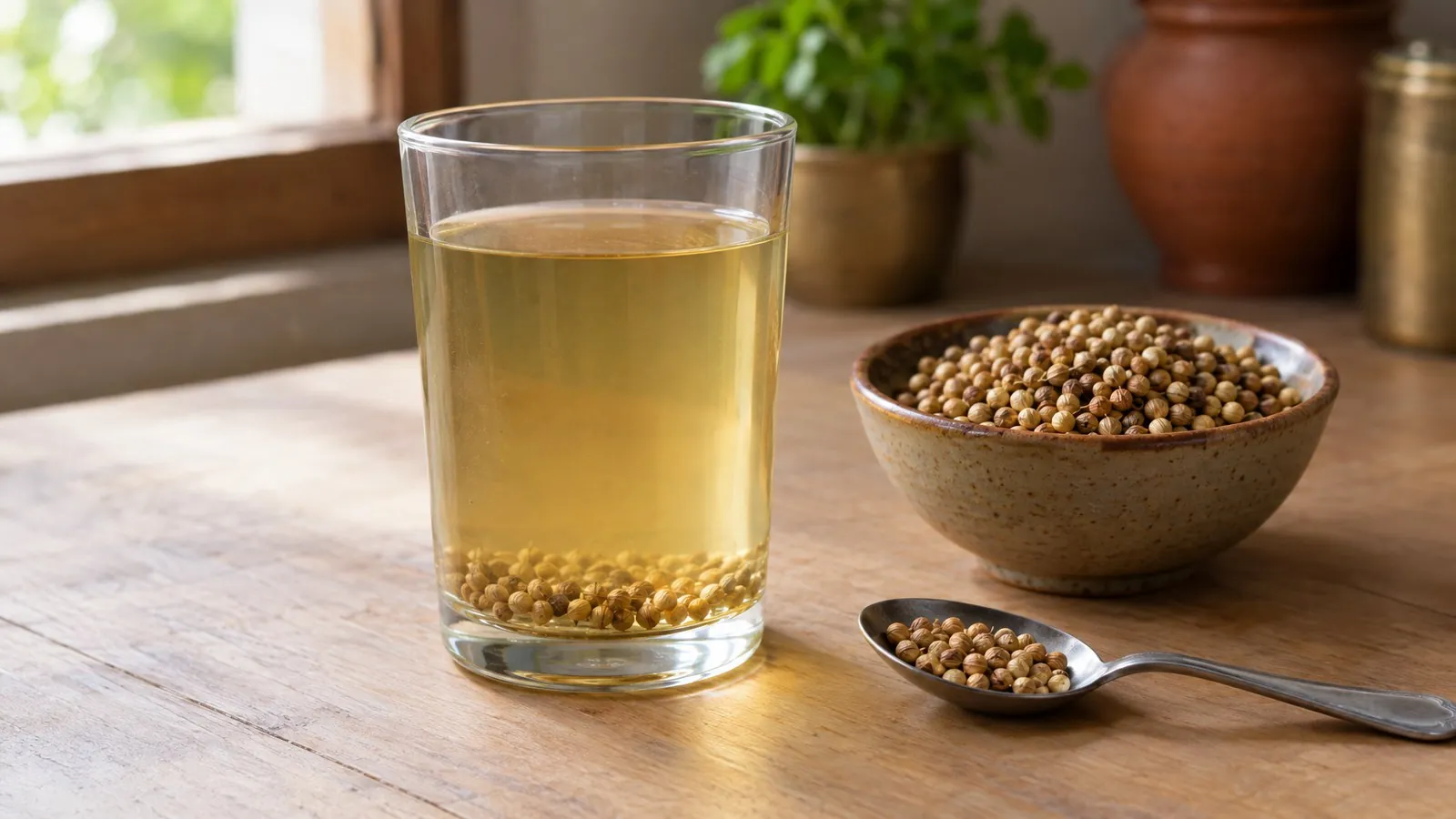
Coriander water benefits: what dhania water actually does

Coriander water benefits, answered honestly: the research reviewed here has no human trial showing coriander water does anything specific. Here is what is known about coriander, what one teaspoon of seeds holds, and how to make and drink the water.
05 Oct 2026by COWBERRY
7 minute read
Red rice vs brown rice: the fibre, GI and honest verdict
Red rice vs brown rice: the fibre, GI and honest verdict
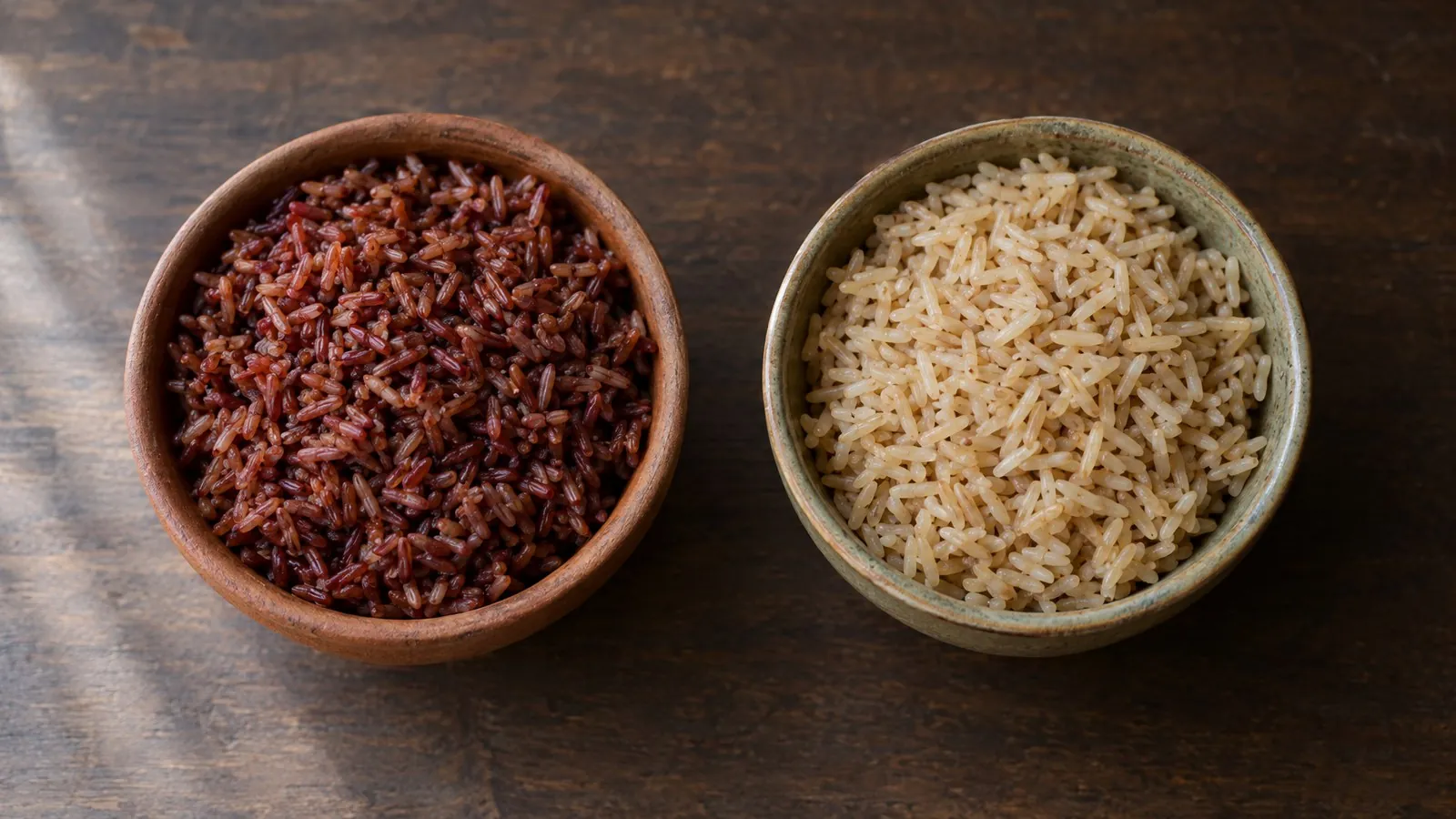
Red rice vs brown rice: brown rice lists more fibre and protein and an India-tested GI of 58, while red rice's seven foreign tests average 62. Side-by-side nutrition per 100 g, GI, cooking, cost and which to choose.
05 Oct 2026by COWBERRY
6 minute read

More Articles

Little millet (samai): names, nutrition, benefits and how to cook it
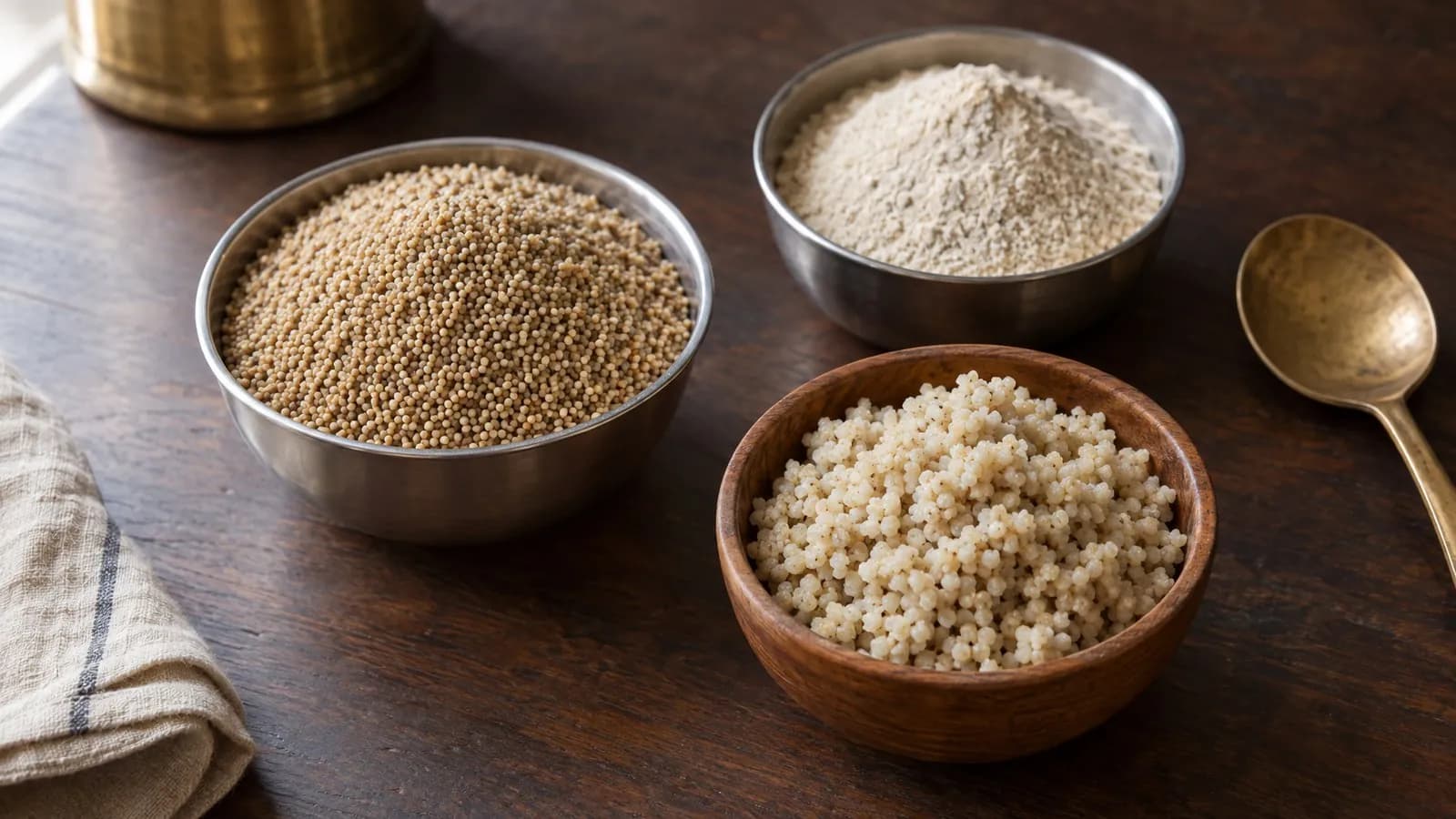
Little millet (samai): names, nutrition, benefits and how to cook it

Little millet (samai, kutki) explained: what the grain is, its names across India, IFCT 2017 nutrition per 100 g, benefits, side effects, how to cook and store it, and what to look for when buying.
18 Apr 2026by COWBERRY
11 minute read
White Sugar Glycemic Index: GI of White, Brown Sugar and Honey
White Sugar Glycemic Index: GI of White, Brown Sugar and Honey

The white sugar glycemic index is 70, the mean of 25 tests in the University of Sydney database, with brown sugar at 71 and honey at 63. Why the numbers spread, what a teaspoon really costs, and the daily sugar caps.
17 Apr 2026by COWBERRY
7 minute read
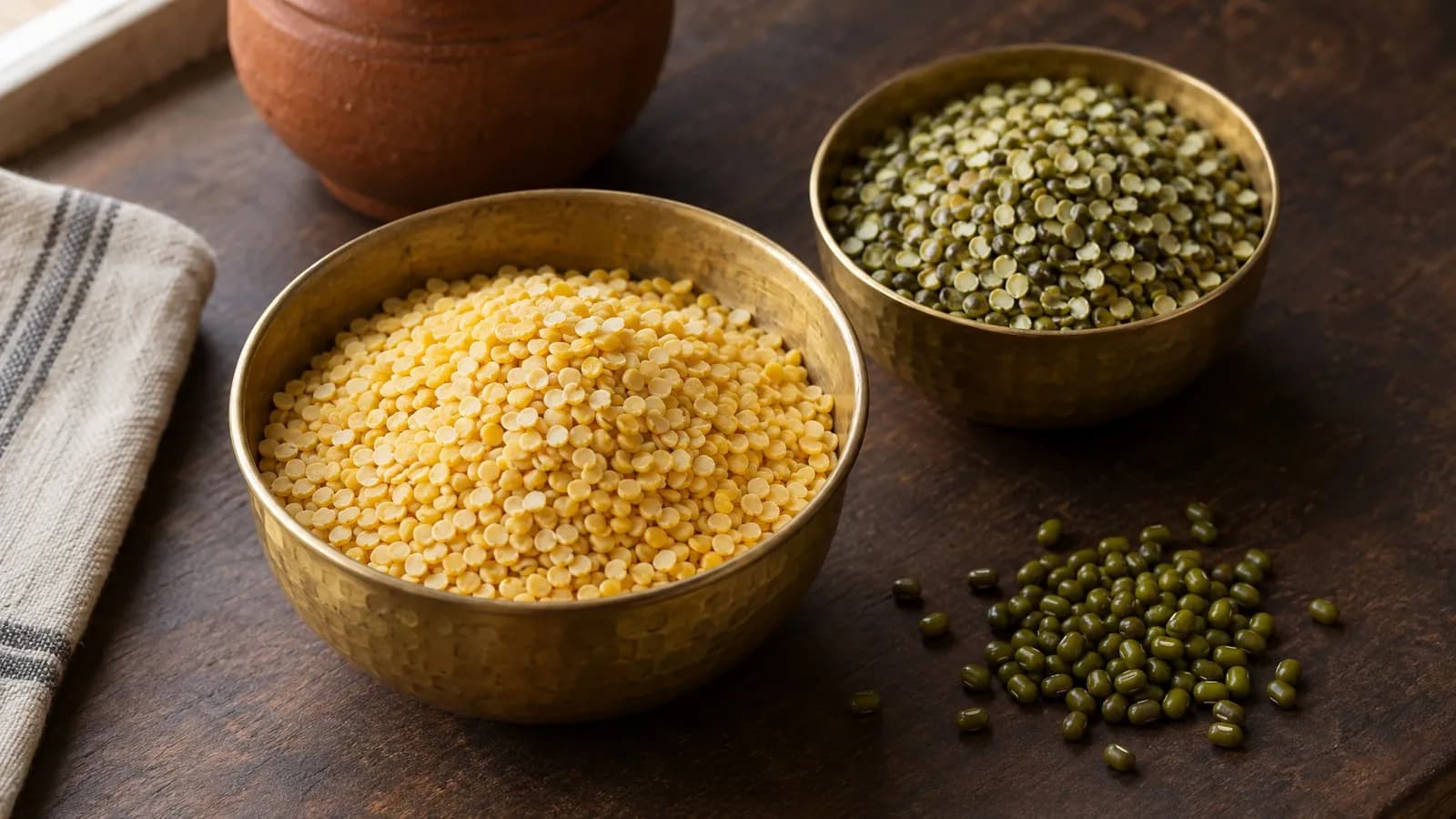
Moong dal (split green gram): names, nutrition, benefits, how to cook
Moong dal (split green gram): names, nutrition, benefits, how to cook

Moong dal (split green gram, mung bean) explained: yellow vs chilka, its names across India, IFCT 2017 nutrition per 100 g, benefits, who should limit it, how to cook and store it, three recipes and what to check when buying.
17 Apr 2026by COWBERRY
15 minute read
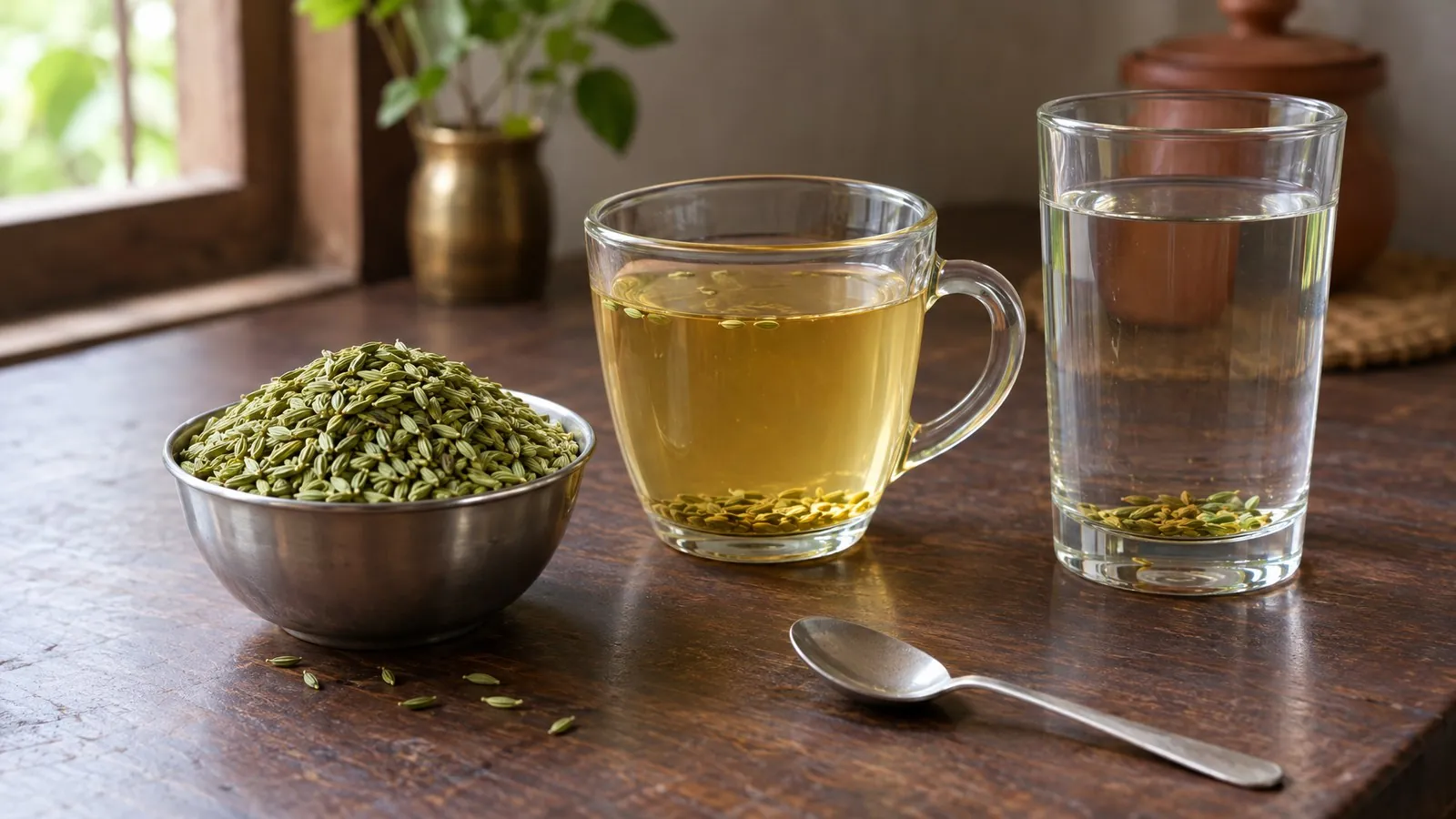
Fennel seeds (saunf): names, nutrition, benefits and how to use it
Fennel seeds (saunf): names, nutrition, benefits and how to use it

Fennel seeds (saunf) explained: what they are, names across Indian languages, nutrition per 100 g and per teaspoon, benefits and side effects kept honest, how to use, store and buy saunf, with the two recipes.
17 Apr 2026by COWBERRY
10 minute read
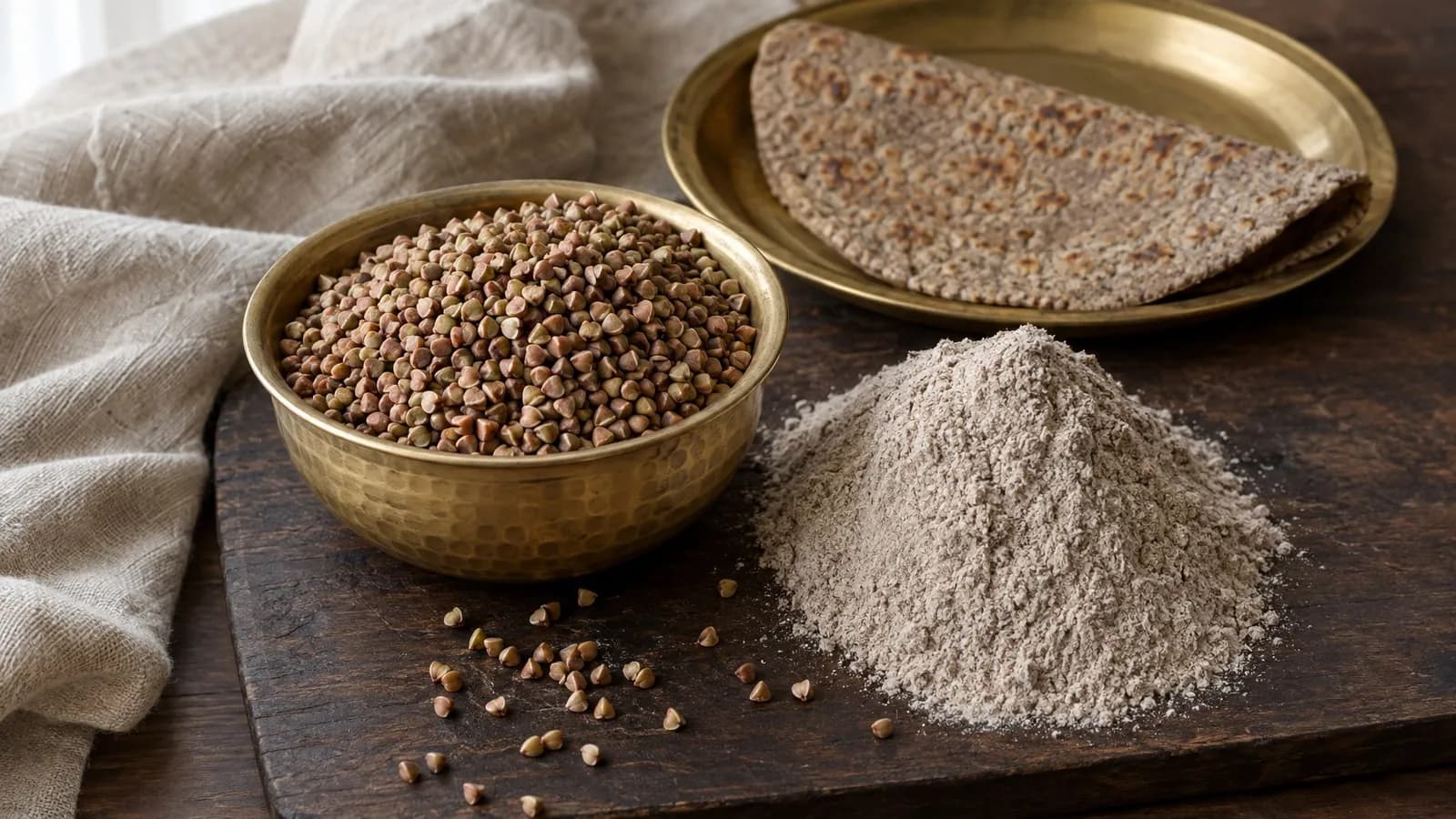
Kuttu (buckwheat): names, nutrition, benefits and how to cook it
Kuttu (buckwheat): names, nutrition, benefits and how to cook it

Kuttu (buckwheat) explained: what it is, its English and Hindi names, USDA nutrition per 100 g, the benefits, who should limit it, how to cook and store it, the recipes and what to look for when buying.
17 Apr 2026by COWBERRY
11 minute read
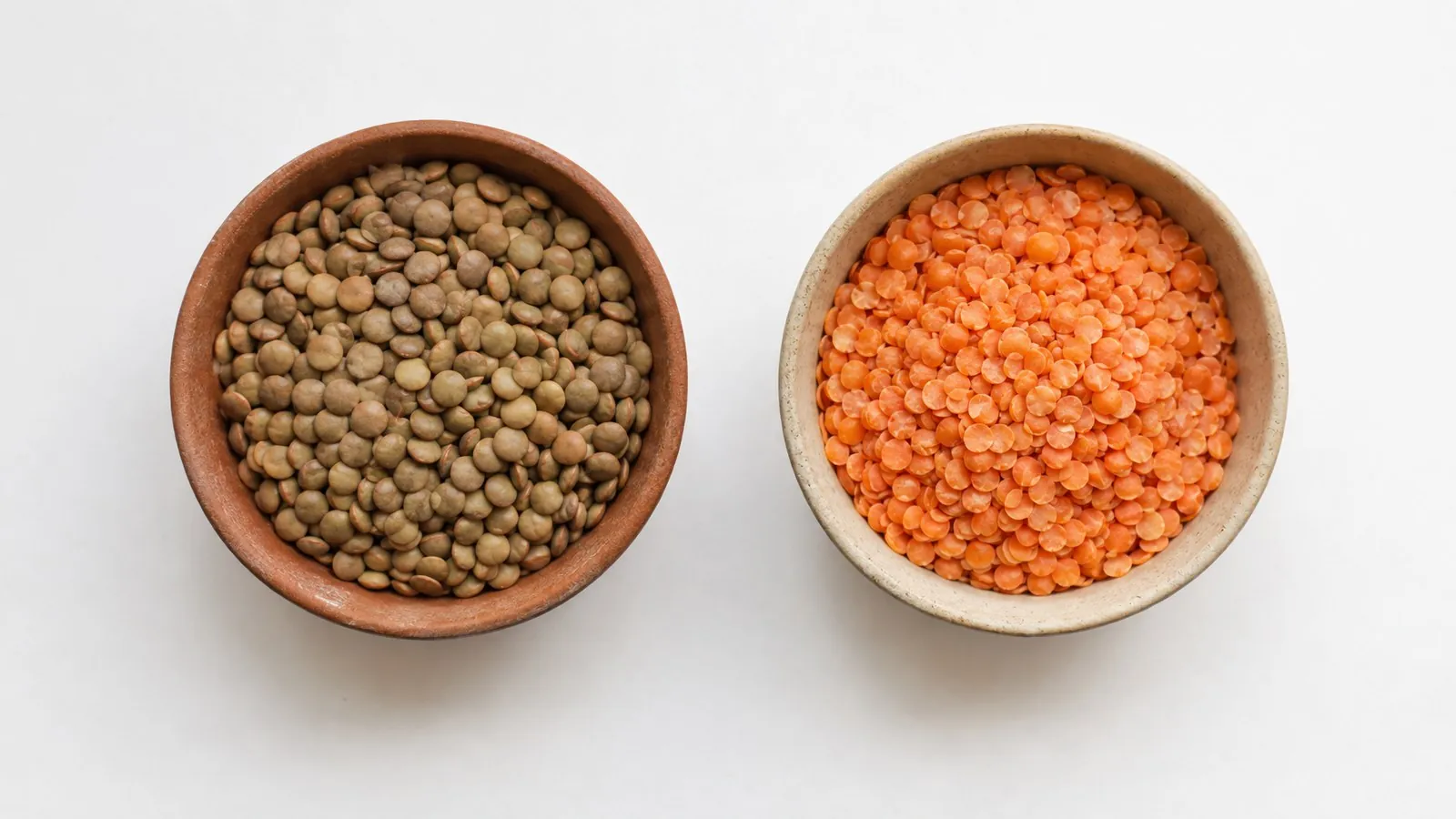
Which masoor dal is best: whole vs split, brown vs red
Which masoor dal is best: whole vs split, brown vs red

Which masoor dal is best depends on the dish: whole (sabut), split (dhuli) and malka masoor compared on looks, cooking and use, plus red vs brown vs green lentils.
16 Apr 2026by COWBERRY
9 minute read
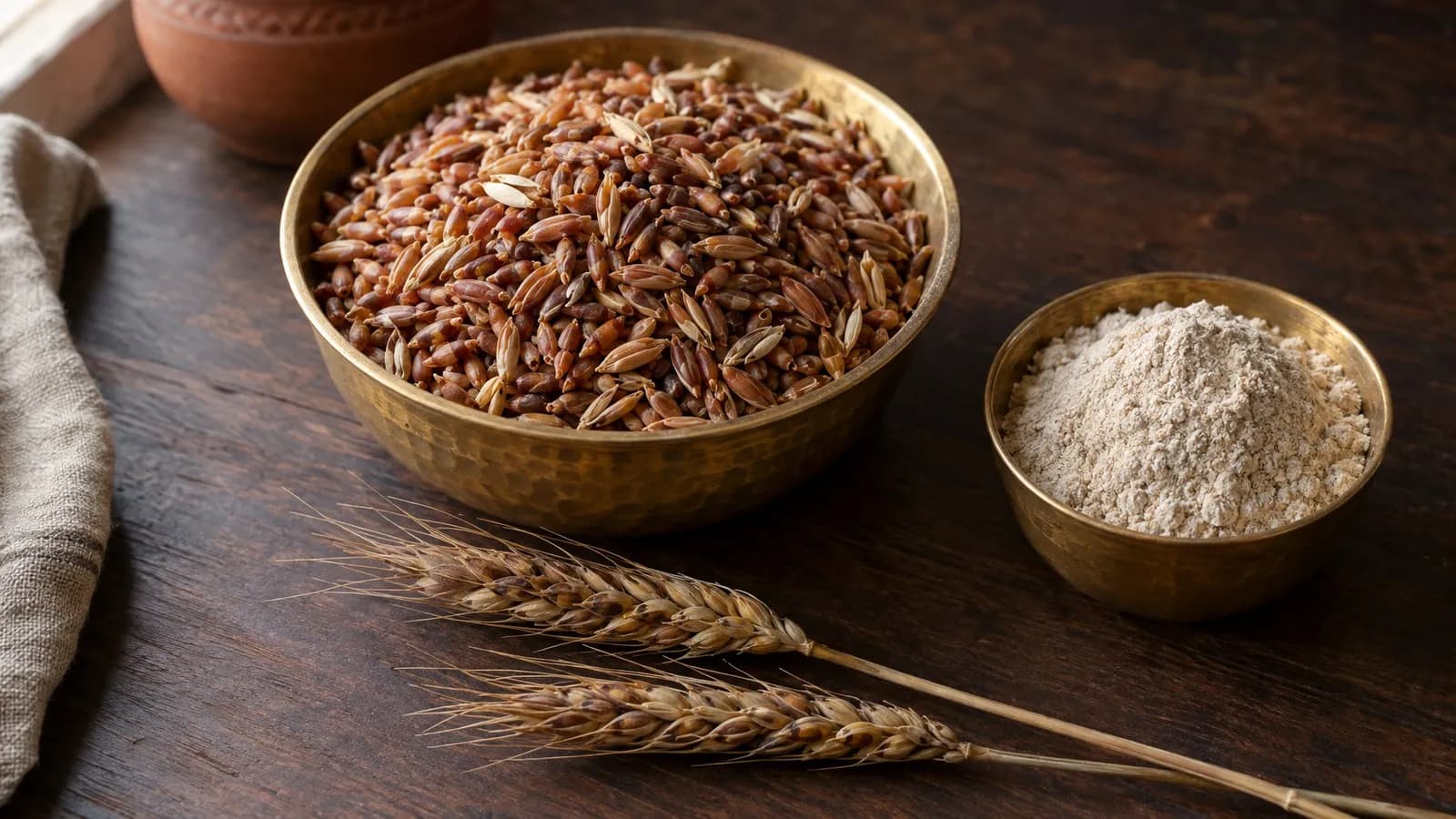
Khapli atta (emmer wheat): what it is, nutrition, benefits and uses
Khapli atta (emmer wheat): what it is, nutrition, benefits and uses

Khapli atta is flour milled from khapli wheat, the Indian emmer (Triticum dicoccum). What it is, its names, what the nutrition tables do and do not show, its benefits, the gluten question, and how to cook, store and buy it.
16 Apr 2026by COWBERRY
13 minute read
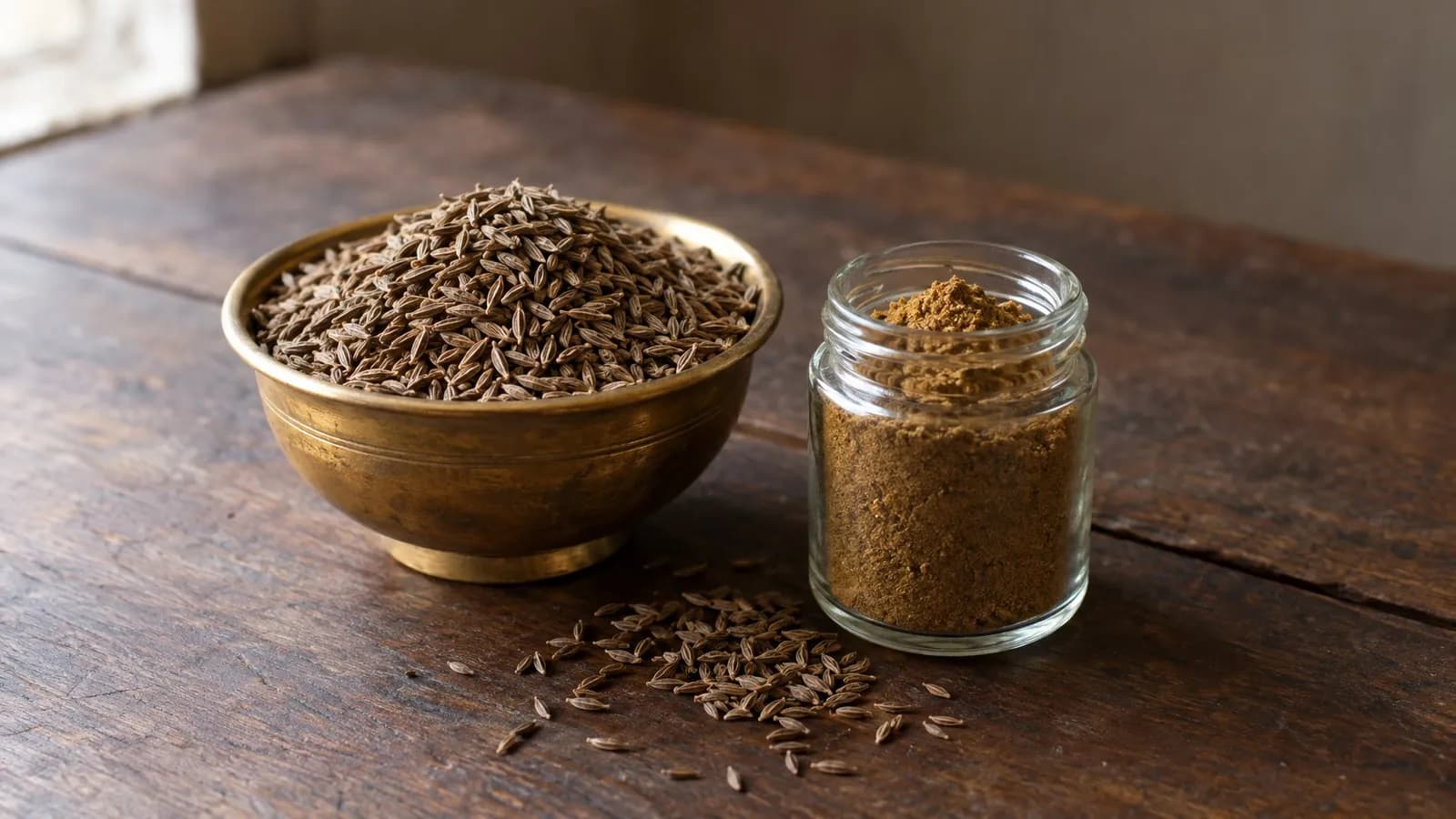
Cumin seeds (jeera): names, nutrition, benefits and how to cook it
Cumin seeds (jeera): names, nutrition, benefits and how to cook it

Cumin seeds (jeera): what the seed is, its names in 13 Indian languages, IFCT 2017 nutrition per 100 g and per teaspoon, what the research shows and does not, tadka and recipes, jeera water and tea, storage and buying.
16 Apr 2026by COWBERRY
10 minute read
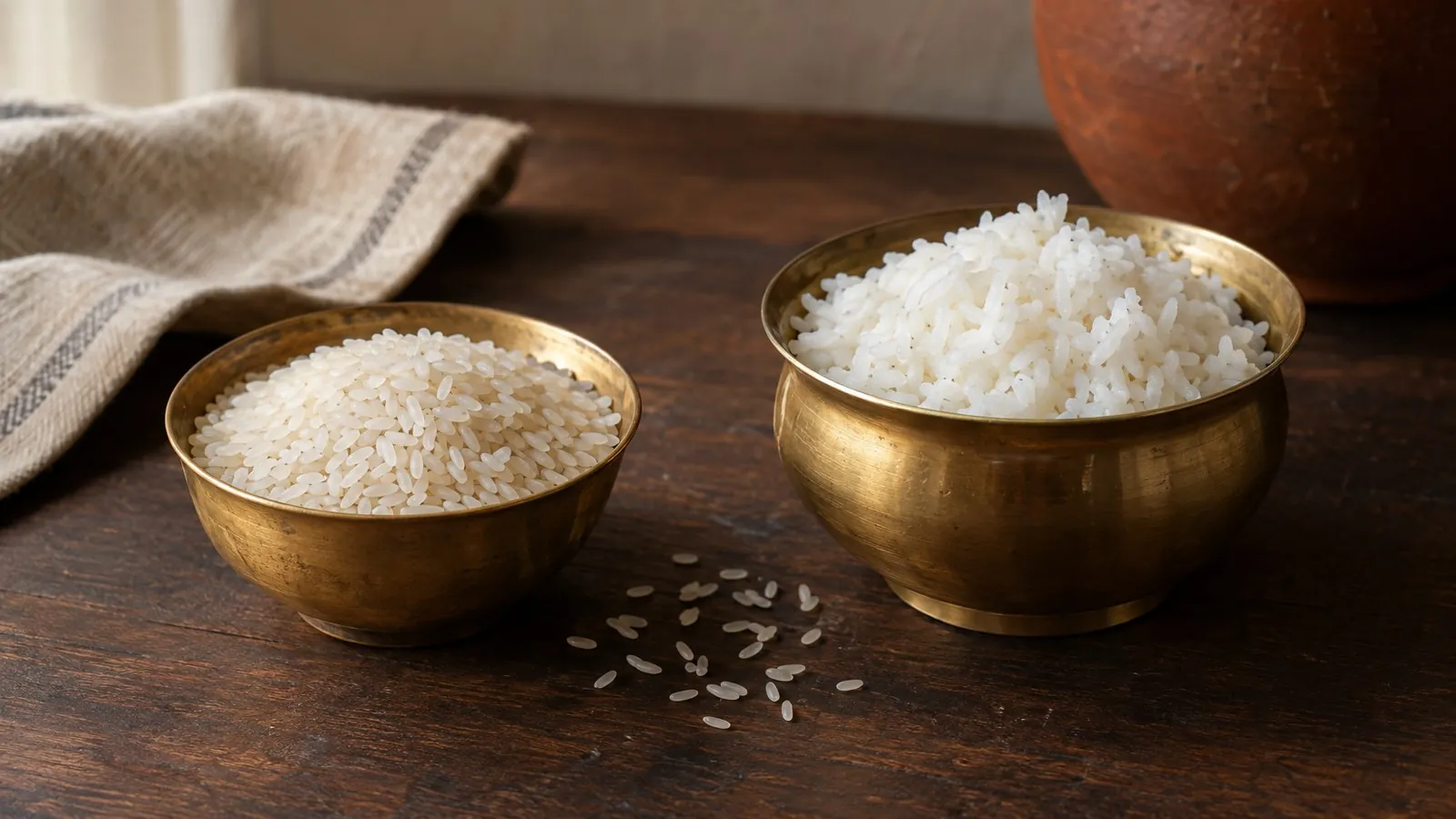
Kolam rice (wada kolam): meaning, nutrition, benefits and cooking
Kolam rice (wada kolam): meaning, nutrition, benefits and cooking

Kolam rice (wada kolam): the medium-grain white rice of Maharashtra and Madhya Pradesh — meaning, Indian names, nutrition per 100g, GI 77, benefits, raw vs boiled, and cooking.
16 Apr 2026by COWBERRY
10 minute read
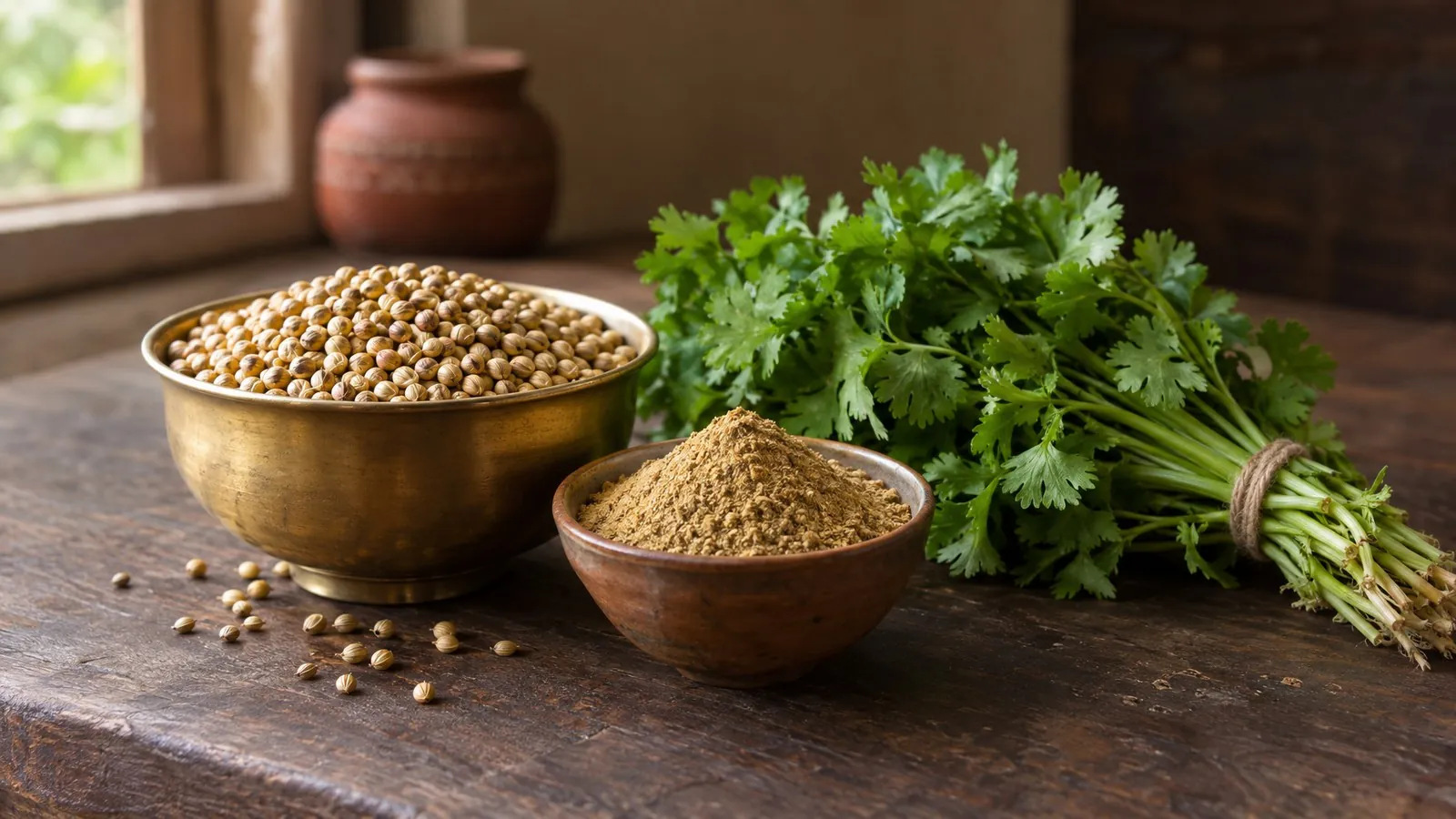
Coriander seeds (dhania): names, nutrition, benefits and uses
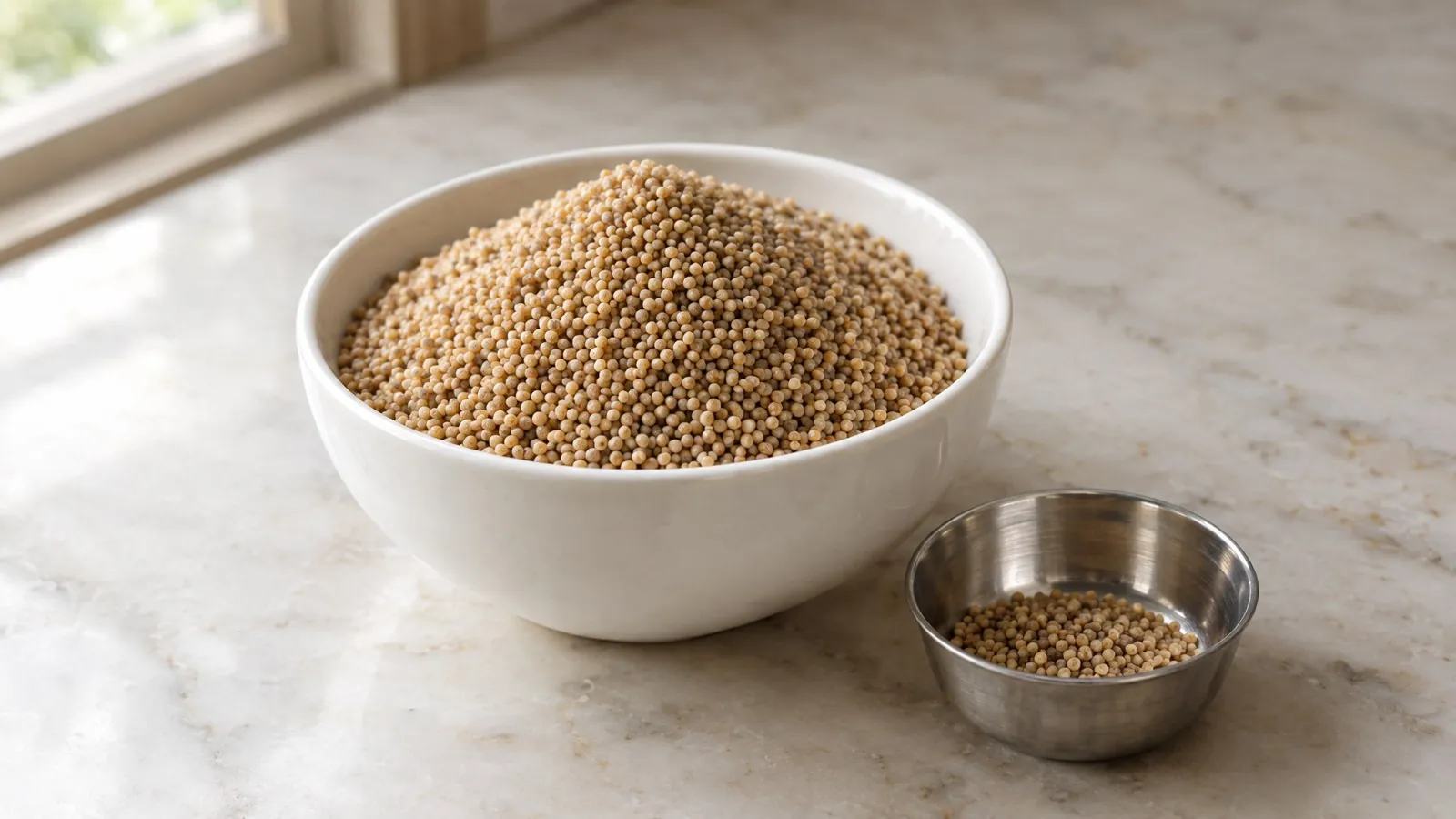
Coriander seeds (dhania): names, nutrition, benefits and uses

Coriander seeds (dhania): what they are, names in 13 Indian languages, nutrition per 100 g for seeds and powder, benefits, side effects, how to cook with seeds, powder and leaves, storage and buying.
15 Apr 2026by COWBERRY
10 minute read
Which Jaggery Is Best? Colour, Type and Process Compared
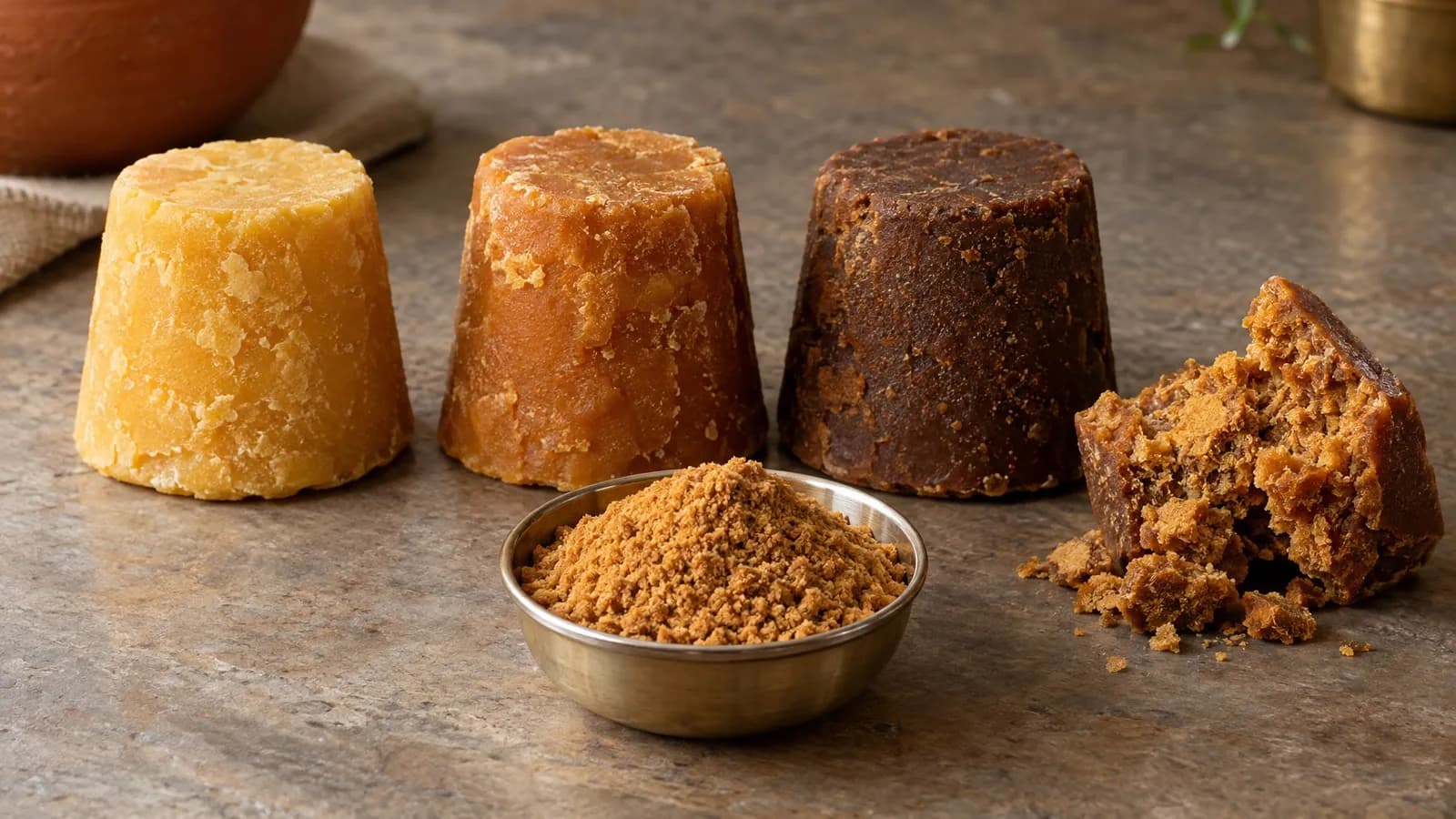
Which Jaggery Is Best? Colour, Type and Process Compared

Which jaggery is best? The job decides the kind: yellow vs brown colour, black jaggery's real numbers, powder vs cubes, and what to read on the pack, with FSSAI's cane-jaggery standard as the yardstick.
15 Apr 2026by COWBERRY
7 minute read
Kodo millet (varagu): names, nutrition, benefits and how to cook it

Kodo millet (varagu): names, nutrition, benefits and how to cook it

Kodo millet (varagu, kodra, arikelu) is the small Indian grain Paspalum scrobiculatum: 332 kcal, 8.9 g protein and 6.4 g fibre per 100 g, no printed plain-grain GI, and it cooks like rice. Names, nutrition, benefits, side effects, cooking and storage.
15 Apr 2026by COWBERRY
11 minute read