membership background

COWBERRY's Blog: Organic Food, Recipes & Healthy Living

Featured

What Is Brown Sugar? Types, How It Is Made, Nutrition and Uses

What Is Brown Sugar? Types, How It Is Made, Nutrition and Uses

What is brown sugar: sugar with part of the cane's molasses kept in — 380 kcal and 98.1 g of carbohydrate per 100 g. Types (demerara, muscovado, light and dark), names, how it is made, nutrition, uses, storage and buying.
05 Aug 2026by COWBERRY
11 minute read

Fresh Blogs

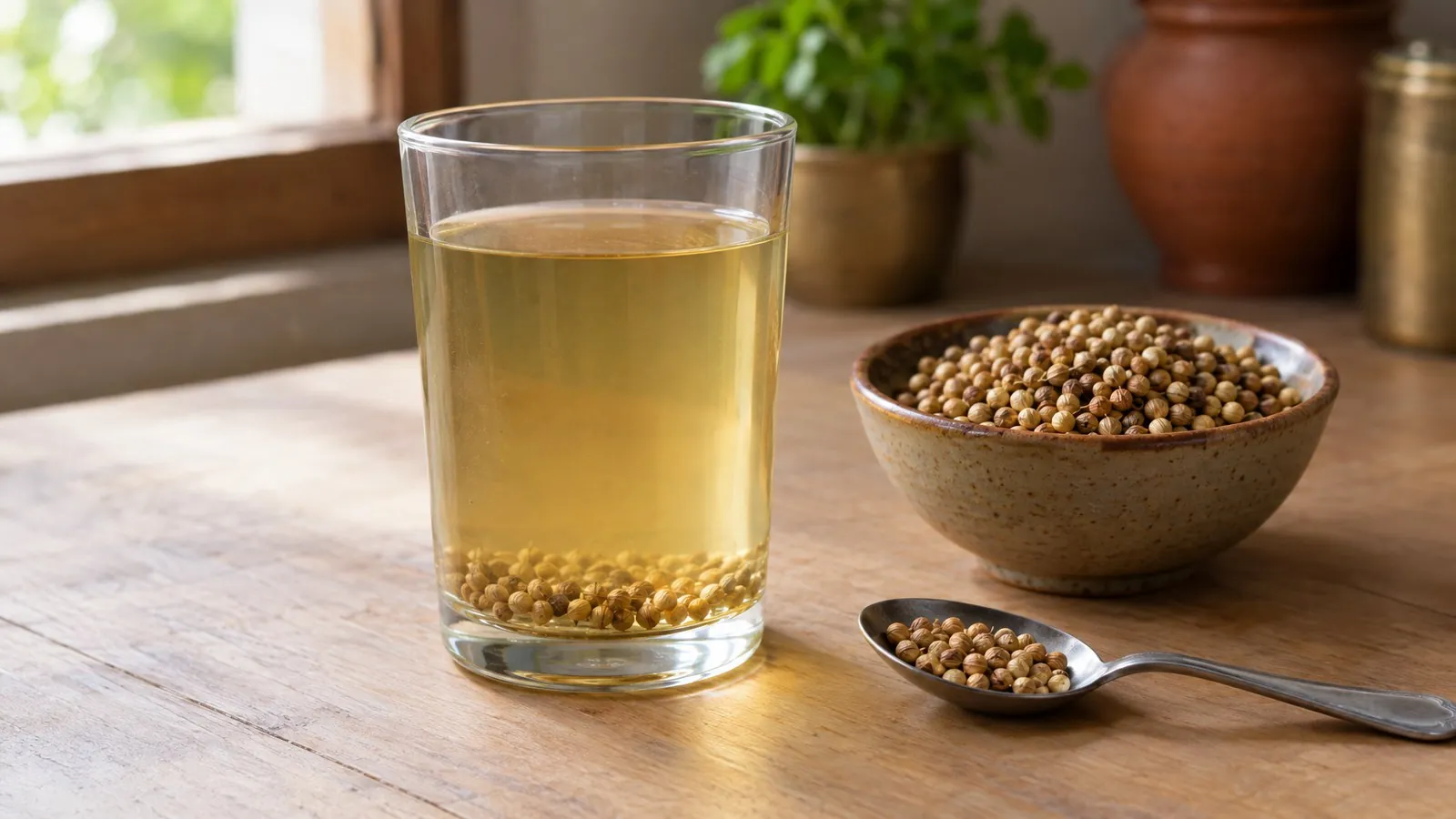
Coriander water benefits: what dhania water actually does

Coriander water benefits: what dhania water actually does

Coriander water benefits, answered honestly: the research reviewed here has no human trial showing coriander water does anything specific. Here is what is known about coriander, what one teaspoon of seeds holds, and how to make and drink the water.
05 Oct 2026by COWBERRY
7 minute read
Red rice vs brown rice: the fibre, GI and honest verdict
Red rice vs brown rice: the fibre, GI and honest verdict
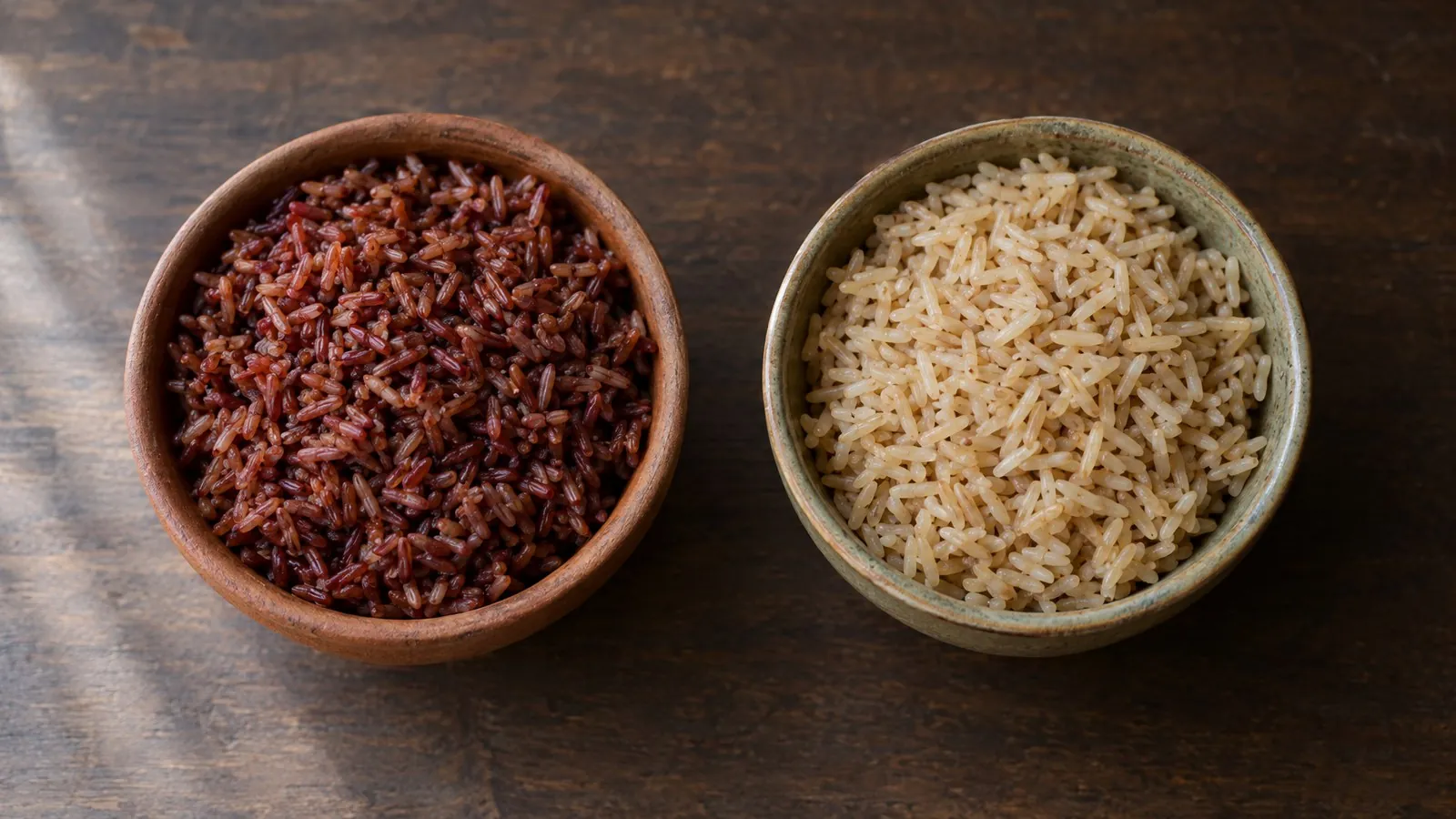
Red rice vs brown rice: brown rice lists more fibre and protein and an India-tested GI of 58, while red rice's seven foreign tests average 62. Side-by-side nutrition per 100 g, GI, cooking, cost and which to choose.
05 Oct 2026by COWBERRY
6 minute read

More Articles

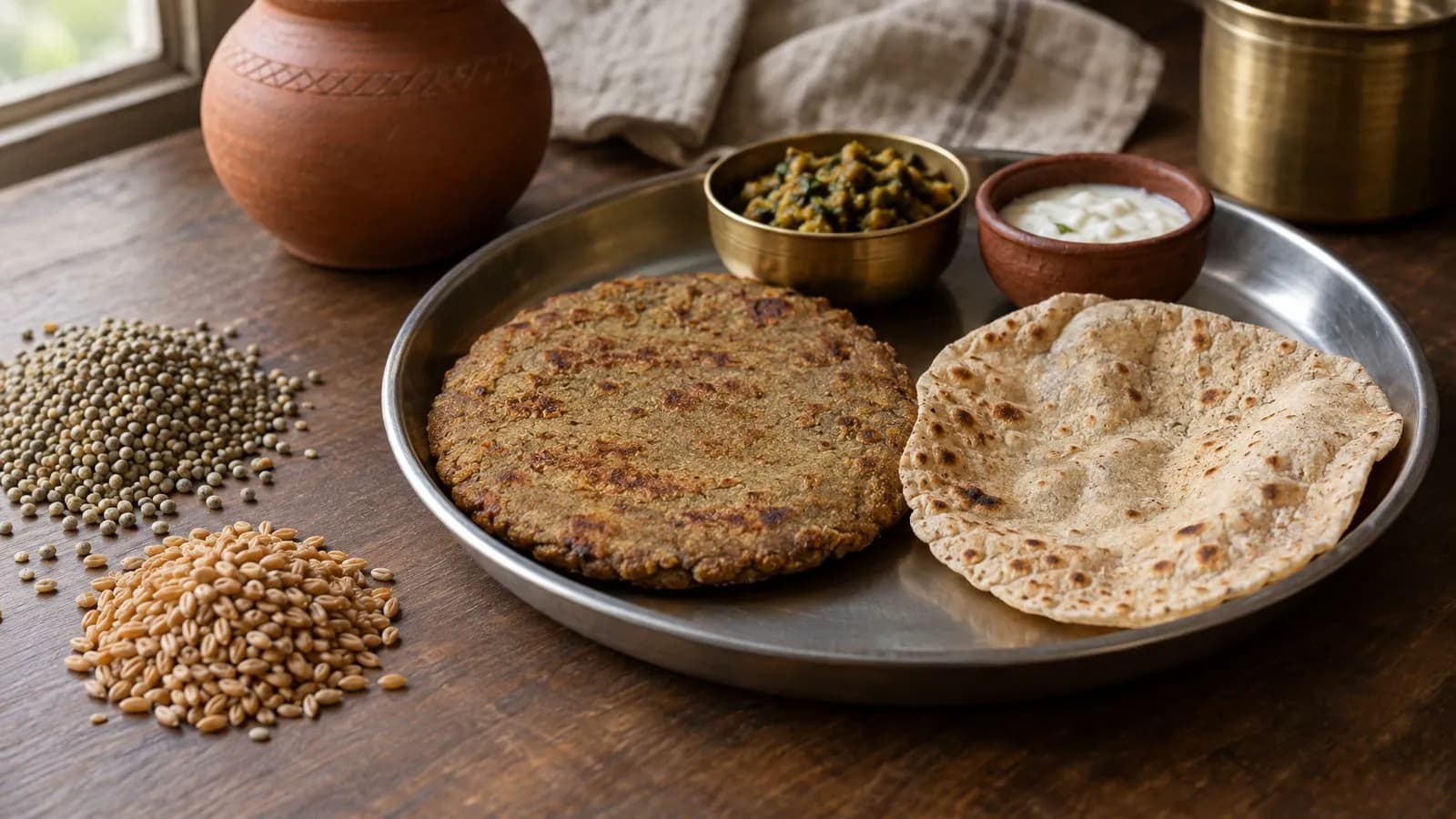
Bajra vs wheat: nutrition, taste, and which one to choose
Bajra vs wheat: nutrition, taste, and which one to choose

Bajra vs wheat: iron, calcium, fat and fibre compared per 100 g, GI of bajra roti and wheat roti, taste and roti-making, cost, and which grain suits whom.
27 May 2026by COWBERRY
6 minute read
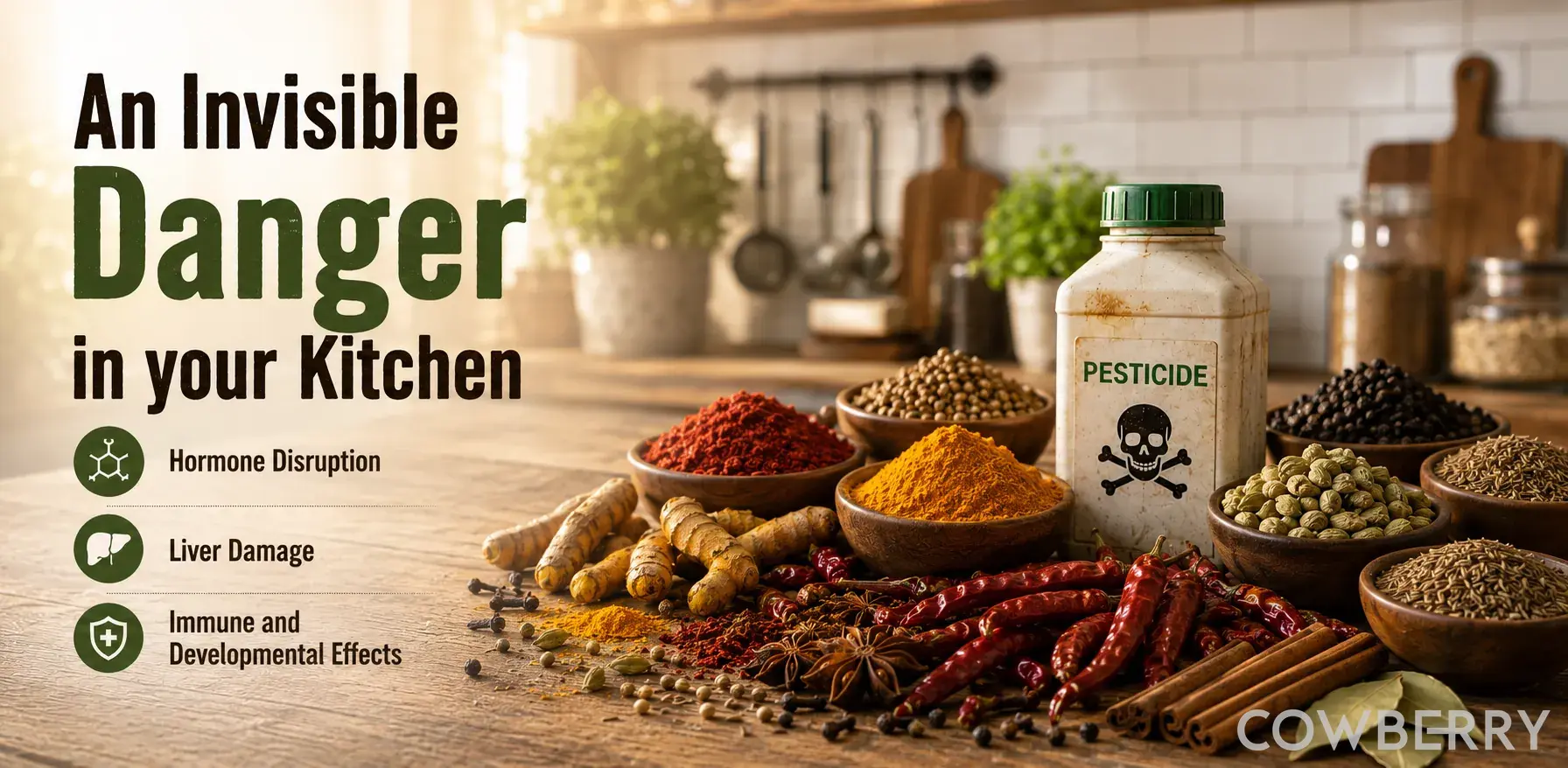
Carbendazim in Your Kitchen: Hidden Fungicide in Spices
Carbendazim in Your Kitchen: Hidden Fungicide in Spices

Carbendazim is a hidden fungicide often found in spices and grains through illegal chemical use. Research connects it to hormone disruption, liver damage, and reproductive health issues. Since it leaves no visible trace, consumers cannot identify contamination without testing. The blog emphasises the importance of transparency, certified organic farming, and residue-free food. COWBERRY protects consumers by testing every batch for 252+ banned chemicals and sharing reports through QR codes.
27 May 2026
10 minute read
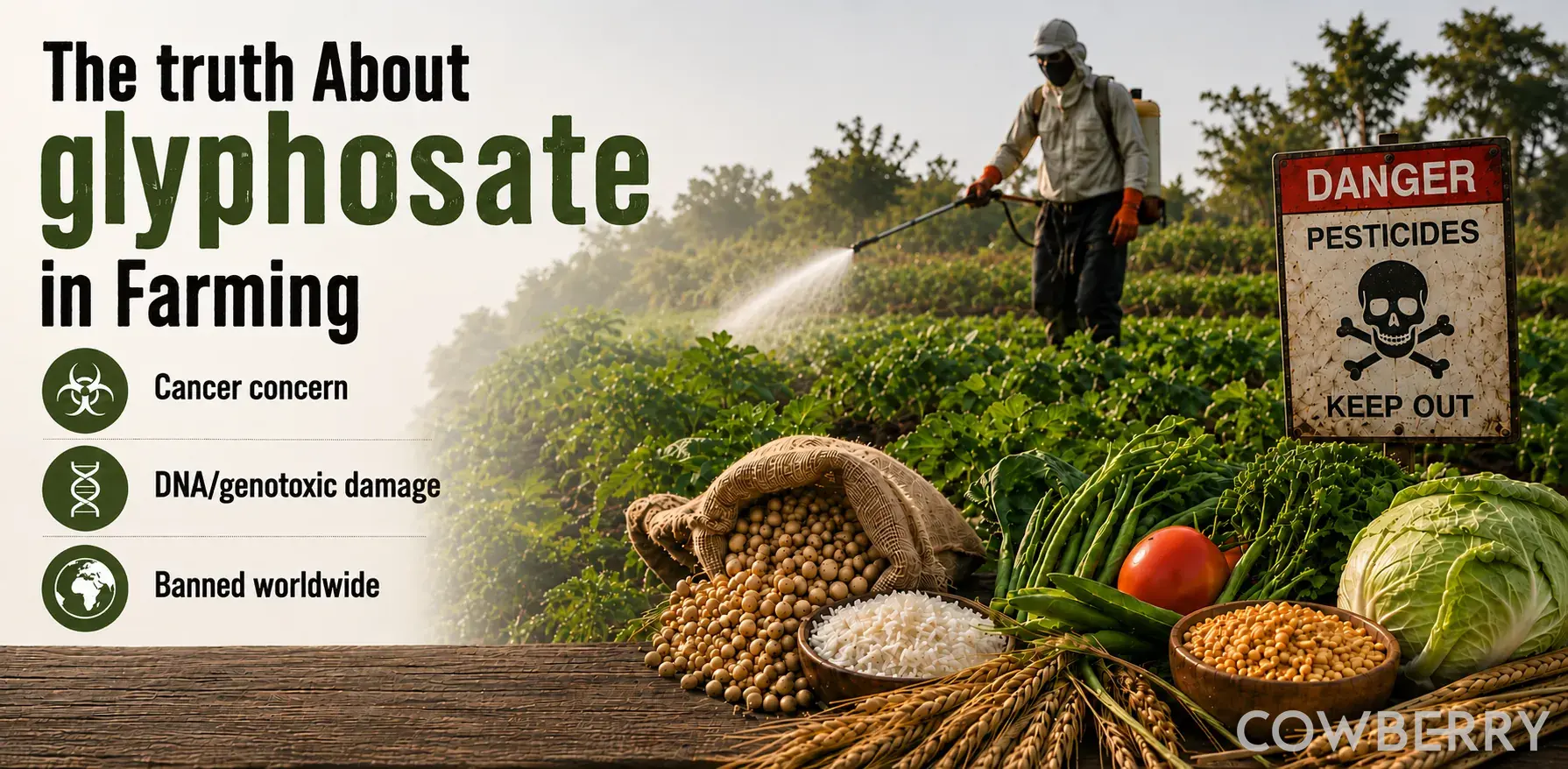
Glyphosate in Your Food: Why It Matters to Your Health
Glyphosate in Your Food: Why It Matters to Your Health

Glyphosate is a widely used herbicide that may leave harmful residues in food and water. Studies link it to cancer risks, DNA damage, and long-term health concerns. Despite restrictions in India, it is still used illegally on many crops. The blog explains how contaminated food can affect consumers silently over time. It also highlights how COWBERRY ensures clean, glyphosate-free products through organic farming and lab testing.
27 May 2026
20 minute read
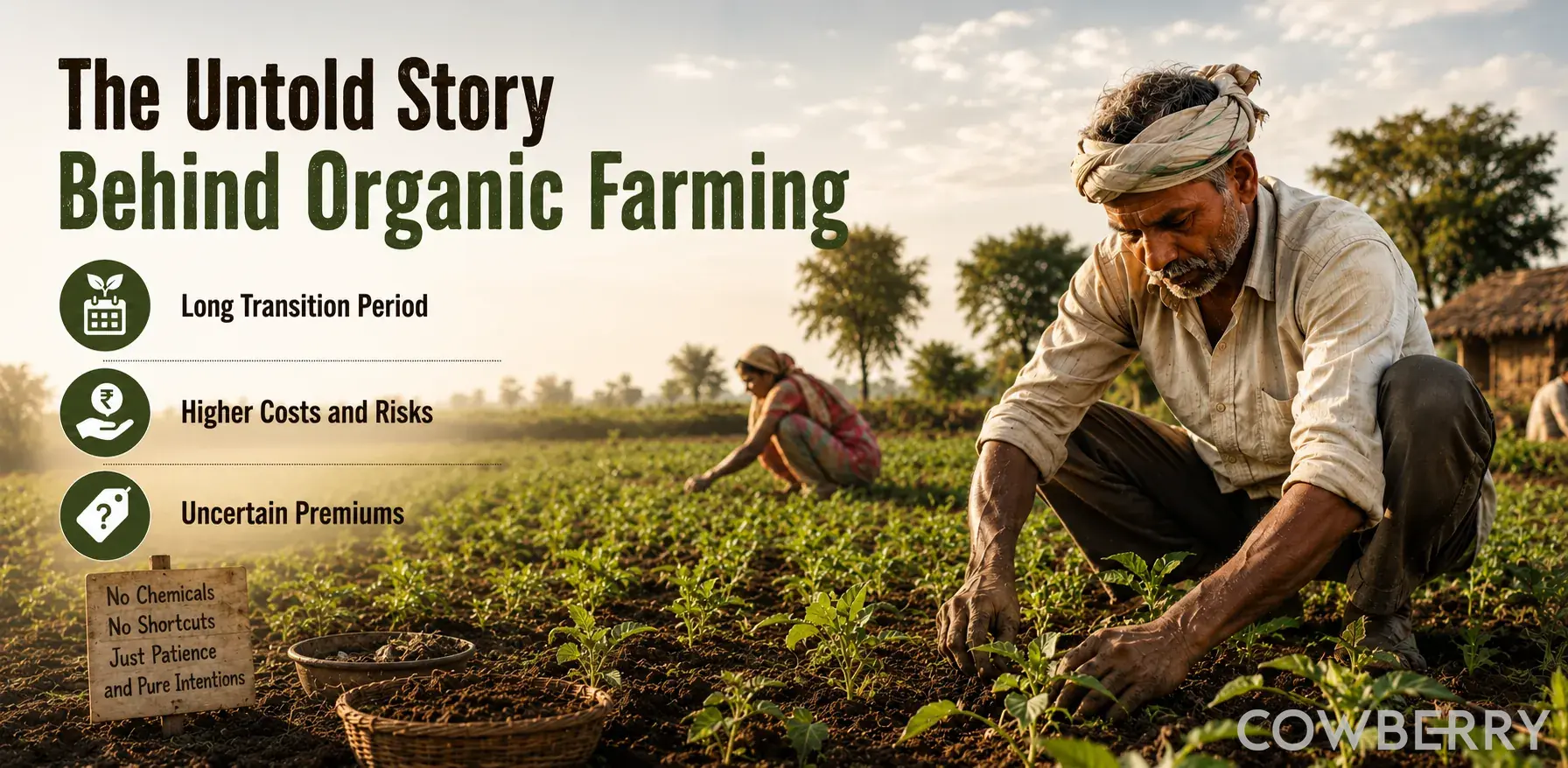
Meet the Farmers: The Hard Work Behind Every Clean Product
Meet the Farmers: The Hard Work Behind Every Clean Product

Behind every organic product is a farmer who chose the harder path — one built on patience, soil health, and long-term sustainability. This blog explores the real challenges organic farmers face, from the 3-year certification journey to higher labor and input costs, while highlighting how COWBERRY supports them through fair pricing, organic training, and traditional natural farming practices. It’s a story of resilience, trust, and farming that works with nature, not against it.
26 May 2026
20 minute read
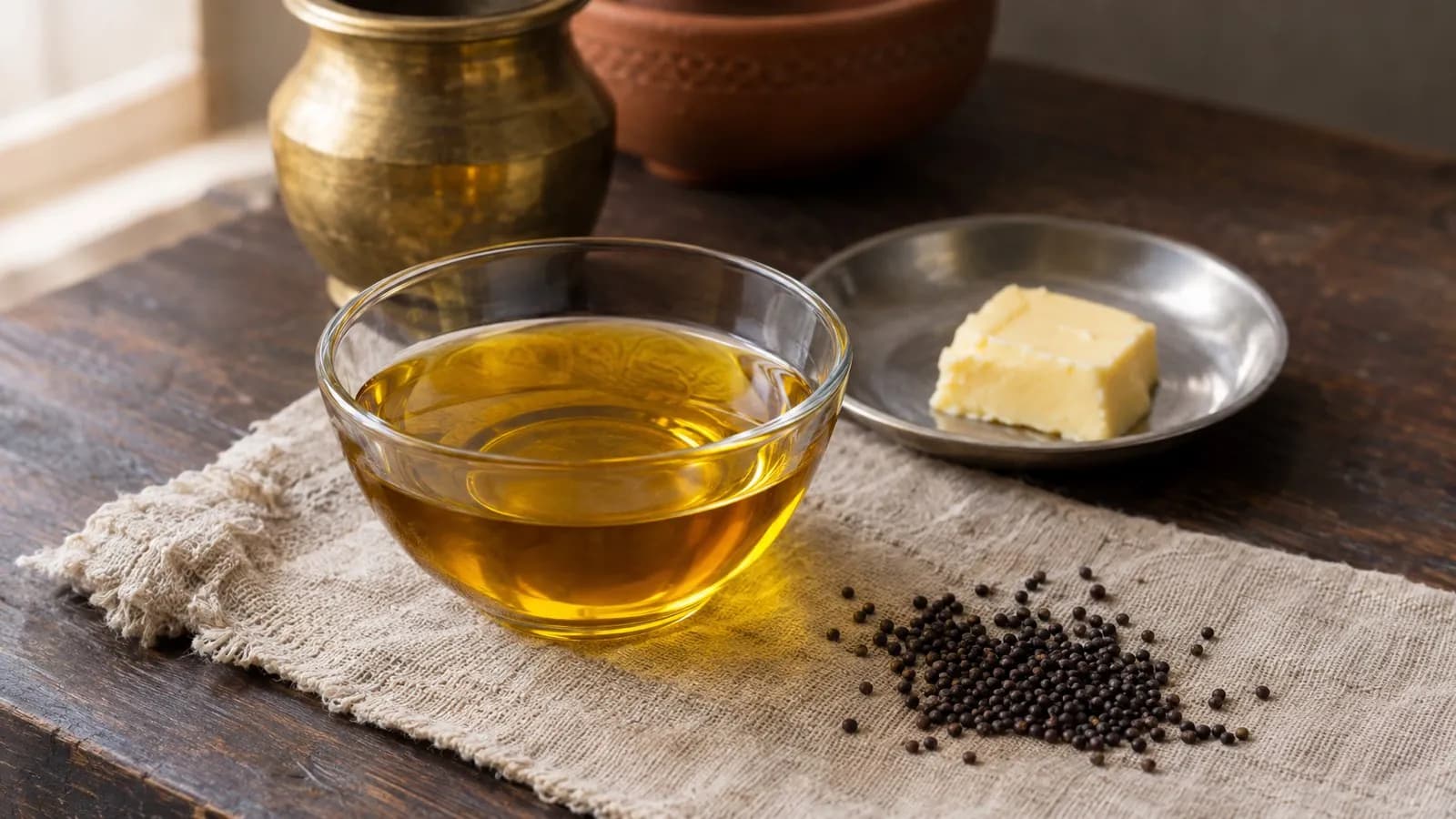
How to identify pure mustard oil at home: tests and the label
How to identify pure mustard oil at home: tests and the label

The FSSAI household tests that touch mustard oil, step by step and with what each result means; the adulterants only a laboratory can find; and what to read on the label.
26 May 2026by COWBERRY
9 minute read
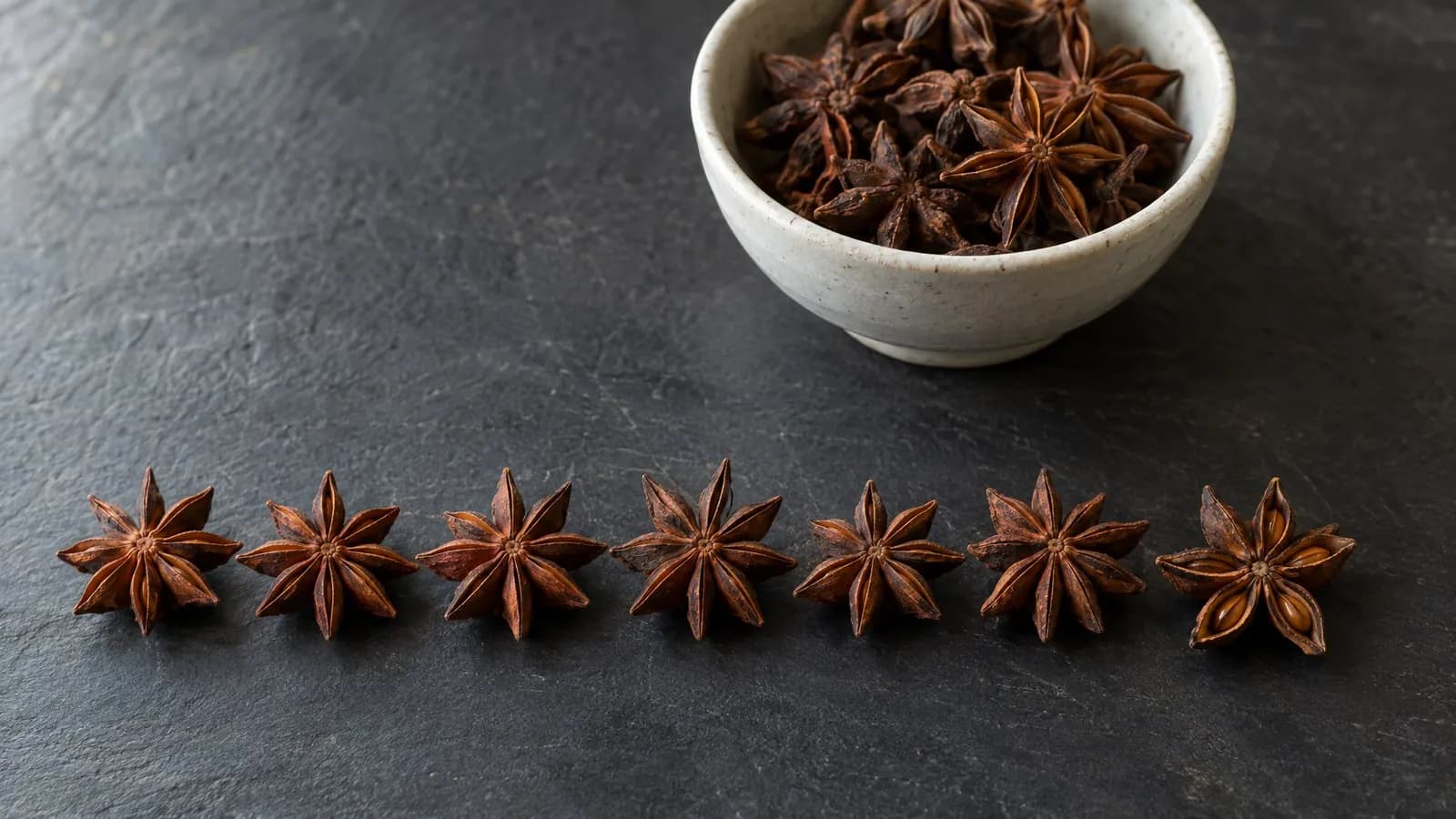
Which star anise is toxic, and how to check star anise purity
Which star anise is toxic, and how to check star anise purity

Which star anise is toxic: the Japanese star anise and the poisonous star anise, two look-alikes that can contaminate the true spice. What the sources print, plus FSSAI's label rules.
26 May 2026by COWBERRY
6 minute read
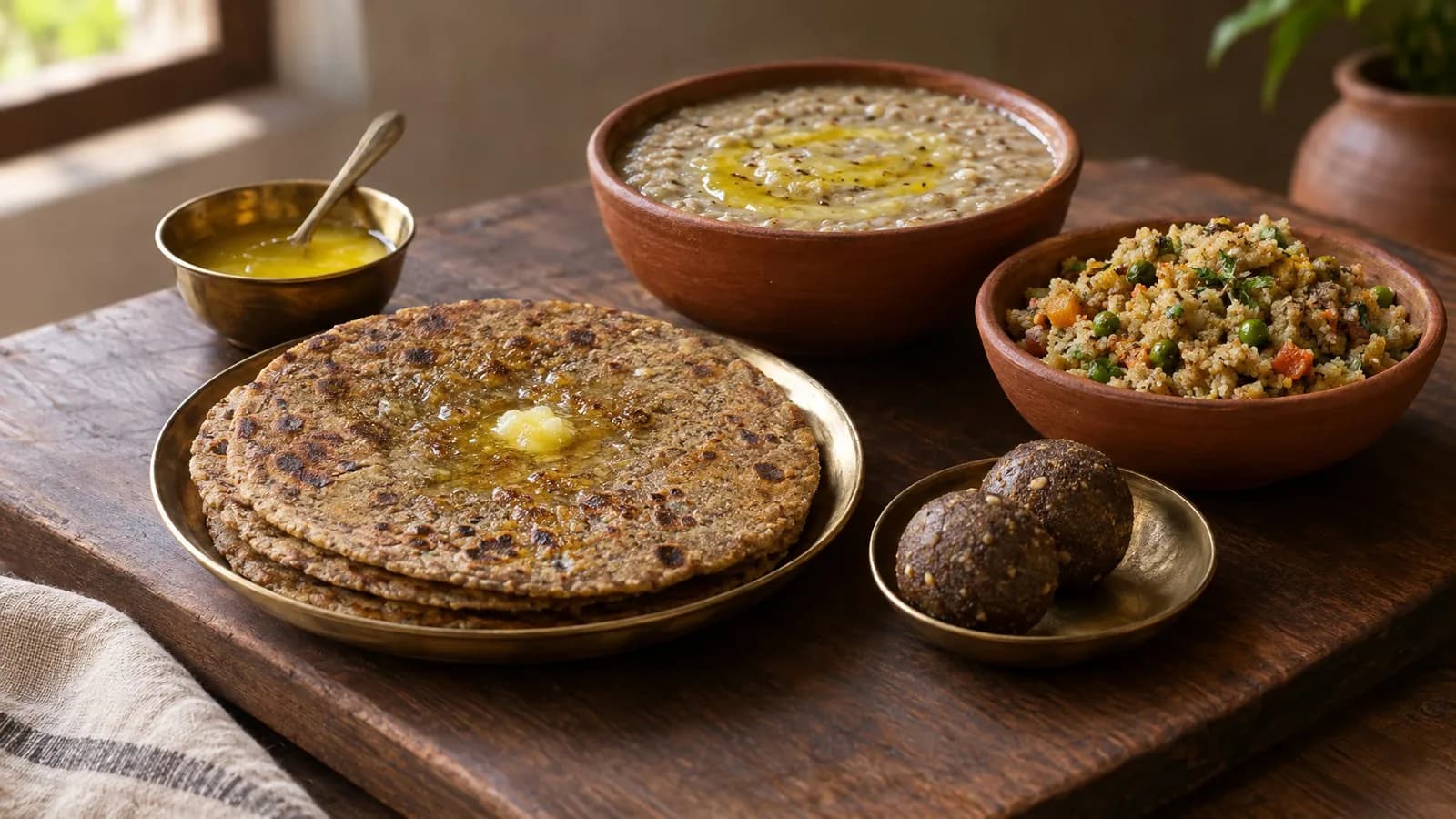
10 bajra recipes: roti, khichdi, upma, laddu, and more
10 bajra recipes: roti, khichdi, upma, laddu, and more

Ten bajra recipes grouped by meal: upma, porridge and dosa for breakfast, roti, methi roti and khichdi for dinner, thepla, rab, a sprouted salad and laddu. Four have step-by-step pages, six have two-line methods.
26 May 2026by COWBERRY
6 minute read
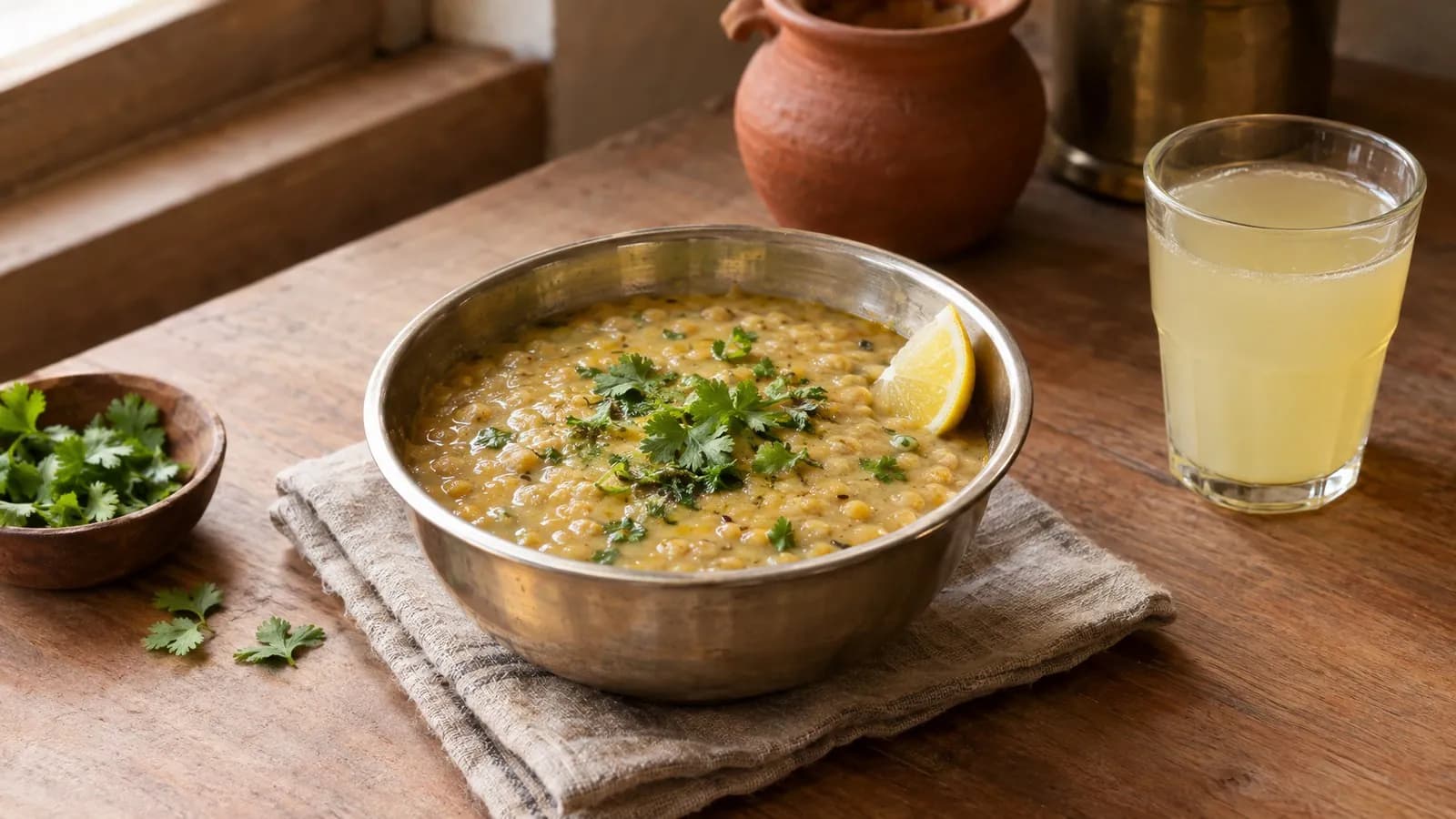
Urad dal in pregnancy: how much to eat and how to cook it
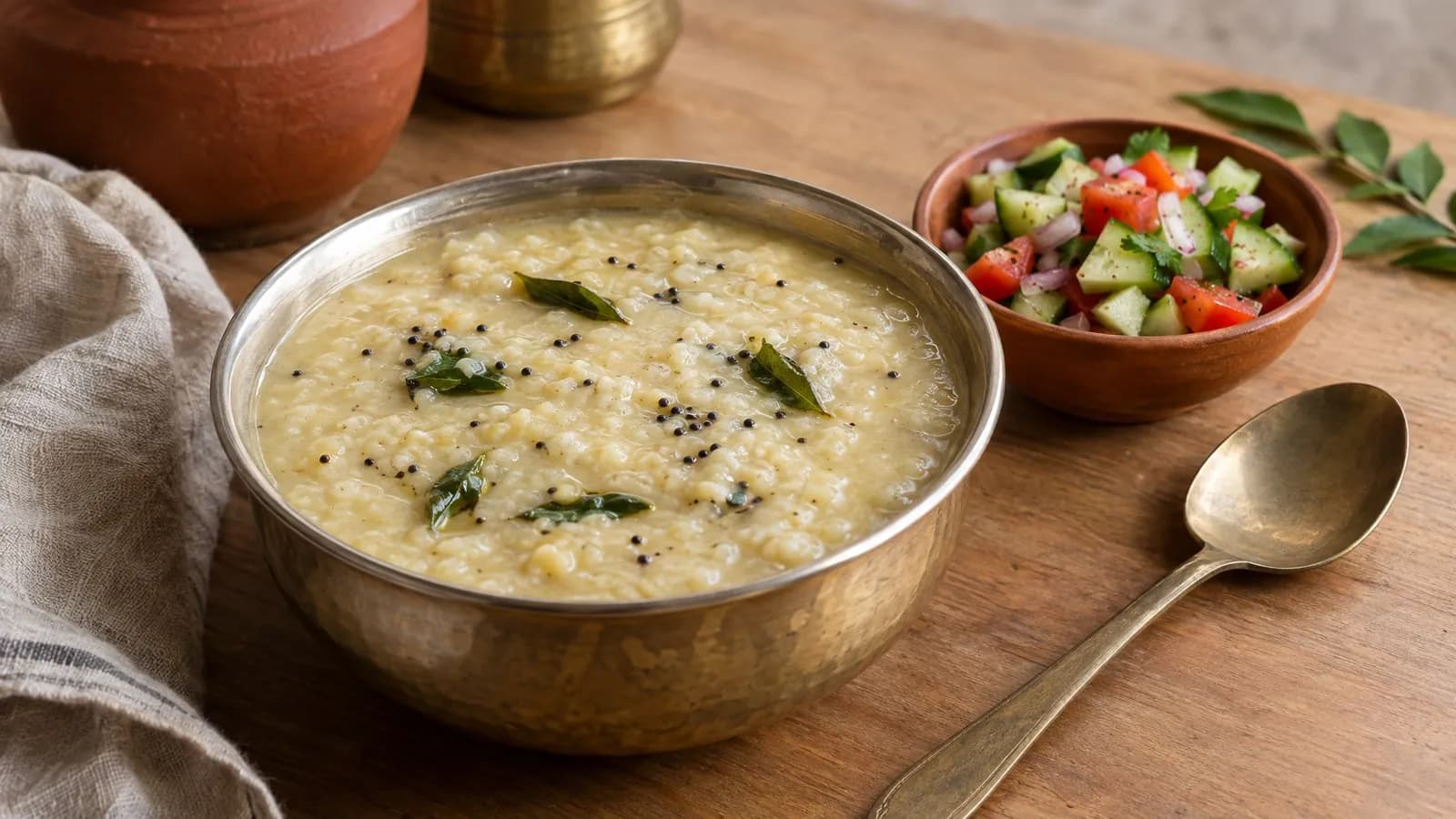
Urad dal in pregnancy: how much to eat and how to cook it

Urad dal in pregnancy: the folate, iron and protein in a katori, how much fits a day, how to cook it safely, and what stays off the plate.
26 May 2026by COWBERRY
6 minute read
Is urad dal good for weight loss? Calories, protein and portions
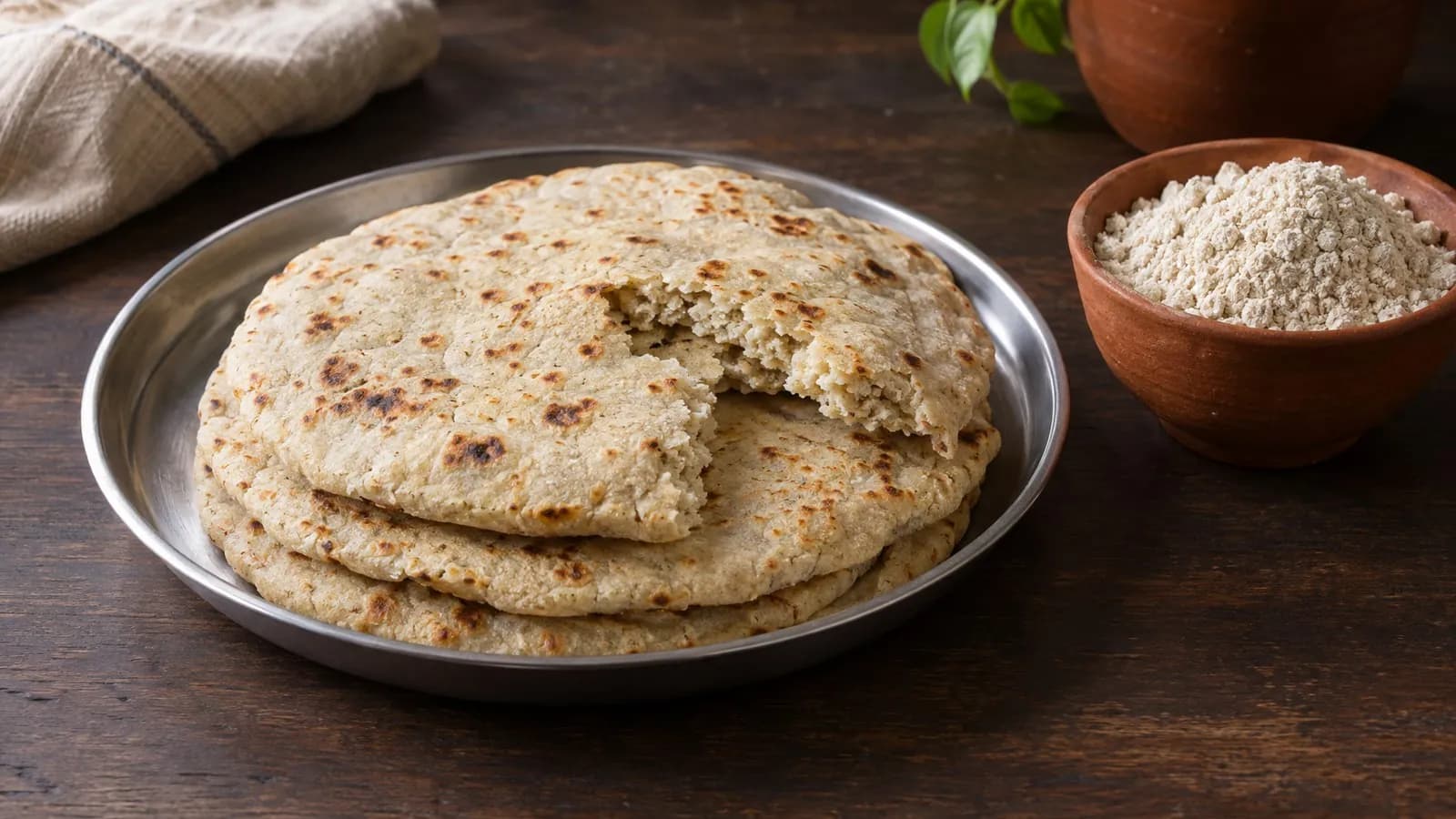
Is urad dal good for weight loss? Calories, protein and portions

Is urad dal good for weight loss? The katori's calories, protein and fibre, what the pulse trials found, and the cooking habits that decide it.
25 May 2026by COWBERRY
6 minute read
Jowar roti calories and jowar nutritional value per 100 g
Jowar roti calories and jowar nutritional value per 100 g

Jowar roti calories per roti, bhakri and katori, worked out from the IFCT 2017 jowar nutritional value per 100 g (334 kcal, 9.97 g protein, 67.68 g carbs, 10.22 g fibre), against whole wheat and bajra, with the GI of 66.
25 May 2026by COWBERRY
10 minute read
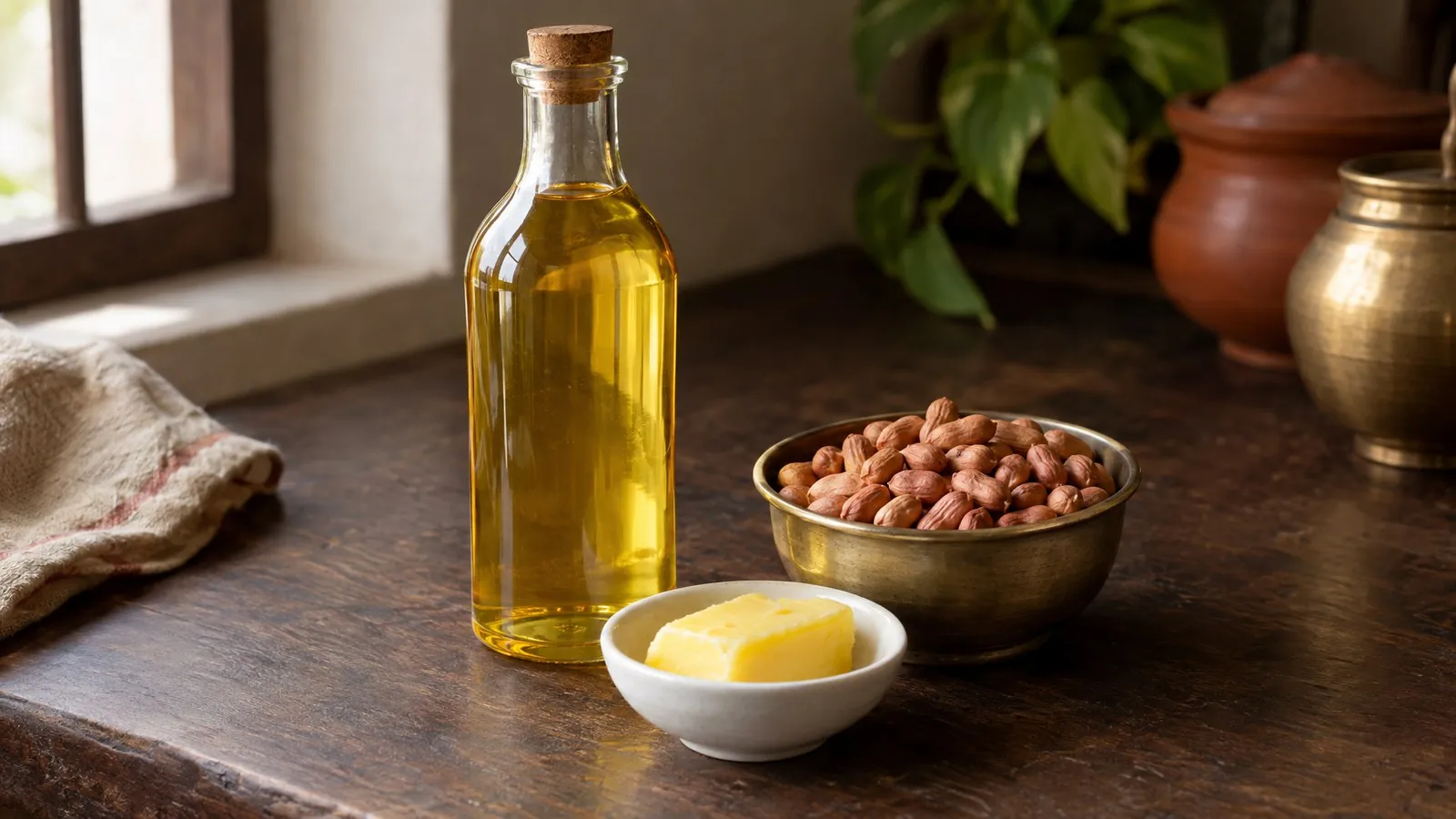
How to identify pure groundnut oil at home with simple tests
How to identify pure groundnut oil at home with simple tests

How to identify pure groundnut oil: the official butter test for TOCP, why kitchen checks cannot prove purity, what the label must say and how to store the oil.
25 May 2026by COWBERRY
7 minute read
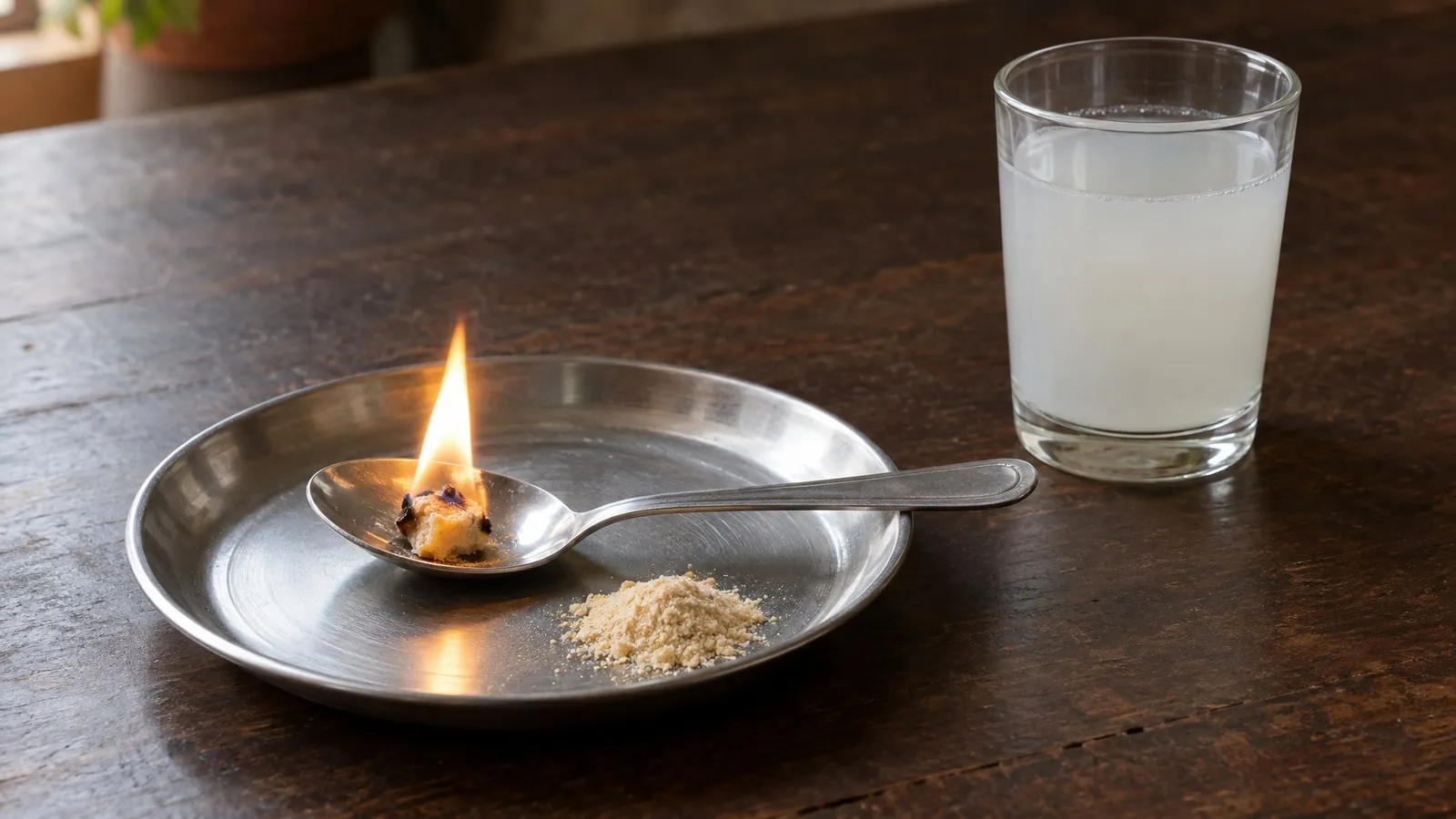
Asafoetida adulteration test: how to check hing purity at home

Asafoetida adulteration test: how to check hing purity at home

Asafoetida adulteration test: FSSAI's household checks for hing, the camphor burn test, the milky-water test and the soapstone settling test, step by step, plus what to read on the label.
25 May 2026by COWBERRY
8 minute read