
20 minute read
Glyphosate in Your Food: Why It Matters to Your Health

Glyphosate is a widely used weedkiller (the active ingredient in Monsanto’s “Roundup” herbicide) that first came on the market in 1974. While it was originally approved in India only for tea plantations and non-crop areas (like railways and farm bunds), many farmers have since used it on other food crops. Today, traces of glyphosate show up in soils and produce worldwide – even some foods sold as “organic” have been found to contain residues. This matters to you because glyphosate doesn’t wash off easily and can end up on your dinner plate. It’s been linked not only to environmental harm but also to human health risks.
Glyphosate works by disrupting plant enzymes, but it can also bind minerals and affect living cells. In fact, leading health agencies warn that glyphosate is probably carcinogenic. In 2015, the World Health Organisation’s cancer agency (IARC) classified glyphosate as Group 2A – “probably carcinogenic to humans”. Independent experts in India reached similar conclusions. For example, doctors at PGIMER (Chandigarh) reported that glyphosate can damage human DNA and pose a cancer risk. In 2018, Punjab’s government banned glyphosate sales after calling it a “cancer-causing” herbicide. Globally, 35 countries have already banned or restricted glyphosate use, including France, Sri Lanka, and Colombia, due to these health concerns.
Glyphosate in Indian Farming
In India, glyphosate was first
permitted in the early 1970s for tea gardens and the adjoining non-crop
areas. Officially, the Central Insecticide Board (CIB) still only allows it
in tea plantations and areas like railway tracks or irrigation canals. For
example, the Tribune newspaper noted that “the CIB… has recommended the use of
[glyphosate] only for tea gardens and non-cropped areas”. In practice, however,
many farmers have used it beyond those zones. A recent study by Pesticide
Action Network (PAN) India found glyphosate being used on more than 20
different food crops (maize, sugarcane, vegetables, etc.) in violation of the
rules.
- History: Glyphosate (Roundup) was introduced
globally in 1974; in India it soon gained popularity with plantation
managers.
- Regulations: By law, glyphosate is not
supposed to be sprayed on most food crops. It’s approved only for tea
gardens and industrial/railway weeds.
- Reality: Studies show many farmers ignore
these limits, using it illegally on corn, cotton, vegetables, and fruits.
This “off-label” use spreads glyphosate residue into the food chain.
Health Risks: Carcinogens and
DNA Damage
Why the worry? Glyphosate’s safety
is hotly debated, but there is credible evidence of serious risks. The IARC/WHO
classification (probable human carcinogen) was based on animal studies, human
epidemiology, and lab tests[4].
In simpler terms, glyphosate can cause cancer in lab animals, and there are
data linking it to certain cancers (like lymphoma) in people. Indian
experts have echoed these warnings. PGIMER scientists noted glyphosate’s
potential to damage DNA in human cells, raising concerns about long-term health
impacts. Laboratory research around the world has found that glyphosate (and
commercial Roundup products) can cause DNA strand breaks and other genotoxic
effects in cell and animal studies.
Common potential effects
associated with glyphosate exposure include:
- Cancer risk: Classified as a “probable”
carcinogen, linked to non-Hodgkin lymphoma and other cancers.
- DNA/genotoxic damage: Research (including by
PGIMER, Chandigarh) shows glyphosate can damage human DNA.
- Chronic ailments: Some studies associate
glyphosate exposure with kidney/liver problems, hormonal disruption, and
even neural or reproductive issues (thousands of studies globally point to
various health effects).
It’s important to stress that even tiny residues matter. Glyphosate is often used as a desiccant (to dry crops before harvest), so residues can remain on grains, pulses, and spices. For consumers, the concern is that eating food sprayed with glyphosate over the years may contribute to health problems. For example, testing by consumer groups (like the US Environmental Working Group) has found glyphosate residues in products ranging from cereals to baby food. The European Food Safety Authority and other agencies set “maximum residue limits,” but mounting evidence suggests lower thresholds and more caution are prudent.
Global Bans and Warnings
Because of these risks, many
governments have taken action:
- 35+ countries banned or limited glyphosate.
For example, Sri Lanka and the Netherlands have banned it outright; France
plans to phase it out; several US cities ban municipal use.
- Indian states alert. Punjab banned
glyphosate sales in 2018 after scientists flagged it as a cancer-causing
weedkiller. Maharashtra and other states monitor glyphosate use following
central guidelines.
- International debates. The EU and EPA (USA)
have ongoing reviews; some regulators maintain that proper use poses low
risk, but the IARC’s findings mean caution is warranted.
These bans underscore that glyphosate isn’t just “another pesticide” – it’s one of the most controversial. Even if agricultural workers use protective gear, residues can spread through soil and water. And for you, the consumer, the message is: be aware of what’s on your plate.
How Clean Food Brands Protect
You
At COWBERRY, we take glyphosate
and other chemicals seriously. Our philosophy is “clean, honest food you can
trust.” Here’s what we do differently:
- 100% Organic Farming: We buy directly from
certified organic farms. No synthetic herbicides or pesticides (like
glyphosate) are ever used on our crops.
- Ancient, Natural Pest Control: Farmers we
partner with use traditional methods (neemastra, jeevamrit, agniastra,
etc.) instead of chemicals. These build soil health and pest resistance
without toxins.
- Batch-by-Batch Lab Testing: Every batch of
COWBERRY produce is tested in accredited labs for over 252 banned
pesticides and heavy metals. This includes glyphosate plus every other
known toxic residue. We demand zero tolerance.
- Transparent QR Reporting: We link test results directly to our products. Scan the QR code on any COWBERRY package to see the complete lab report. It clearly shows that no glyphosate (and no banned chemicals) were detected in that batch. This traceability means you don’t have to take our word for it – you can see the data yourself.
By choosing COWBERRY, you’re
choosing food grown with care for the earth and your family. You’re
helping farmers who “do things right, not just fast.” When you buy COWBERRY,
you support: healthy soil, traditional farming wisdom, and cleaner food for
everyone.
Key Takeaways for Consumers
- Glyphosate Risks: A probable carcinogen
(Group 2A) linked to cancer and DNA damage.
- Not Just a Farm Issue: It can contaminate
food and water. Long-term exposure may harm your health and that of your
family.
- Check for Transparency: Always ask, “Who
tested this produce?” and “Can I see the results?” Brands like COWBERRY
provide QR codes with lab reports for full transparency.
- Choose Certified Organic: Certified organic
foods limit harmful residues. COWBERRY’s India Organic, USDA Organic,
& EU Organic certifications plus lab testing give extra assurance.
- Support Safe Practices: Farmers switching to
organic methods protect biodiversity, groundwater, and rural health –
benefits you reap when you eat their produce.
Conclusion: Food Without
Compromise
Glyphosate’s story in India (from
a 1970s weedkiller for railways and tea gardens, to a widespread controversial
herbicide) shows how farming practices can ripple out to consumers’ kitchens.
Today, it’s clearer than ever that “clean food” means more than labels – it
means strict testing and honest reporting.
You don’t have to wait for
regulators to act. As a shopper, you can vote with your wallet. Choose
brands that guarantee “No Glyphosate” and “Other Banned Chemicals” mandated
by APEDA in their products. COWBERRY stands behind every item with
science-backed assurance: our organic foods are tested clean.
Protect your health and your family by staying informed and demanding transparency. Because when it comes to toxins like glyphosate, no risk is worth taking — and your choice matters.
Ready to take action? Scan the QR code on your next COWBERRY purchase and see for yourself the detailed test report. Every batch is certified free from glyphosate and 252+ other toxic residues. It’s real proof that clean food doesn’t have to be a question of luck. It’s a promise we keep.
Keep reading
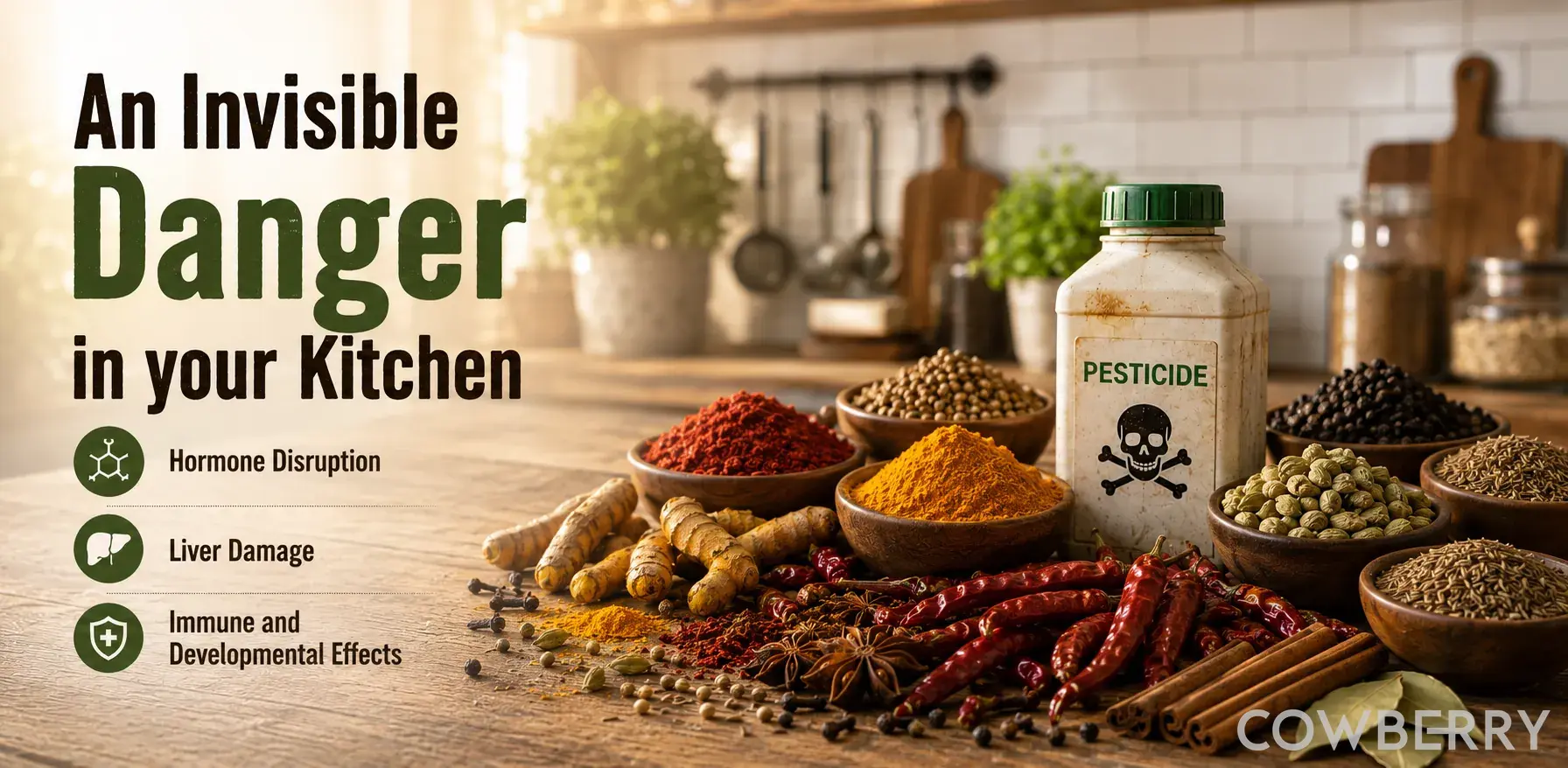
Carbendazim in Your Kitchen: Hidden Fungicide in Spices
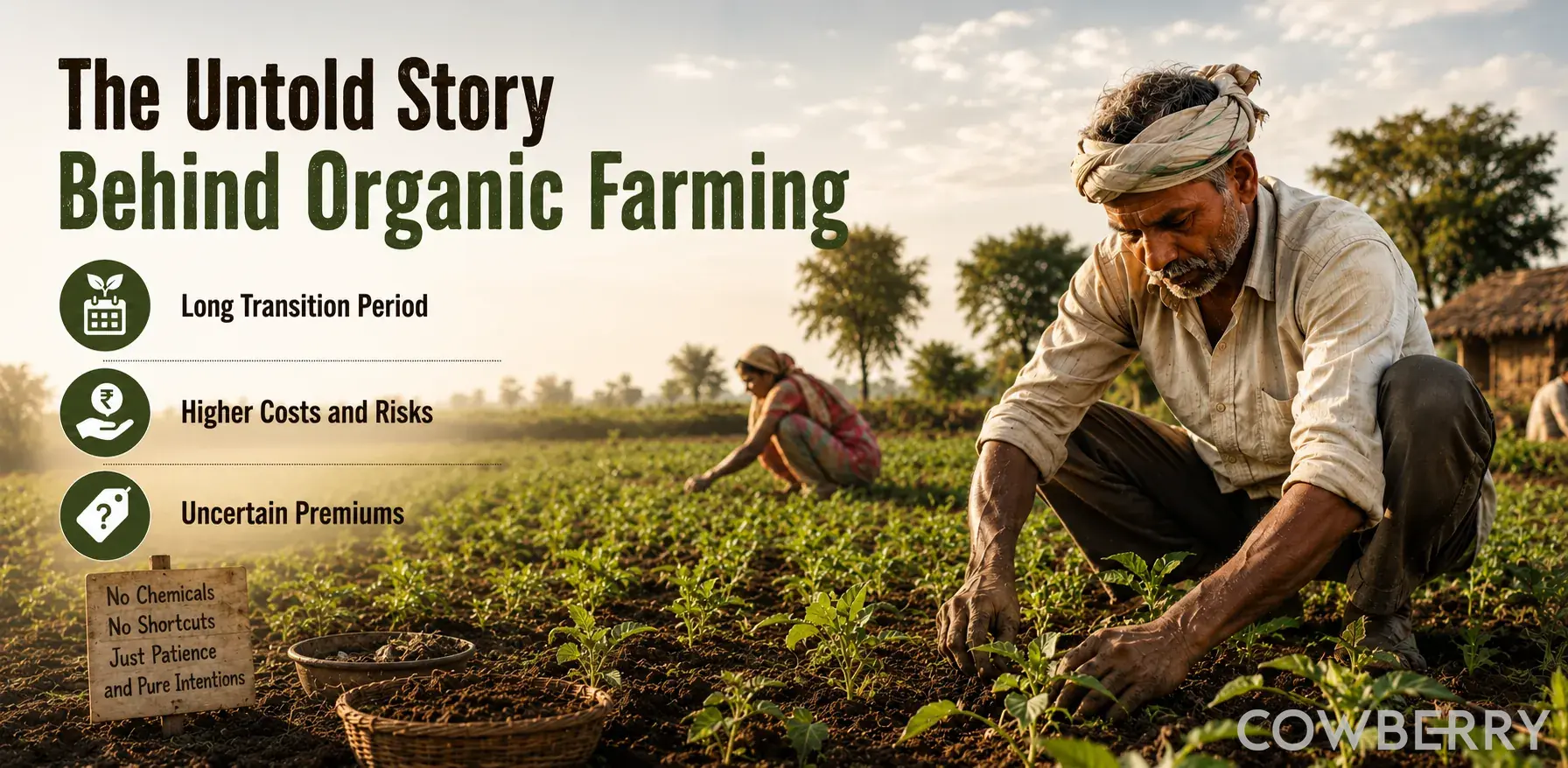
Meet the Farmers: The Hard Work Behind Every Clean Product

Moringa: The High-Value Crop Perfect for Organic Farming Systems