by COWBERRY

9 minute read
Chana dal protein per 100 g, calories, fibre and GI (bengal gram)

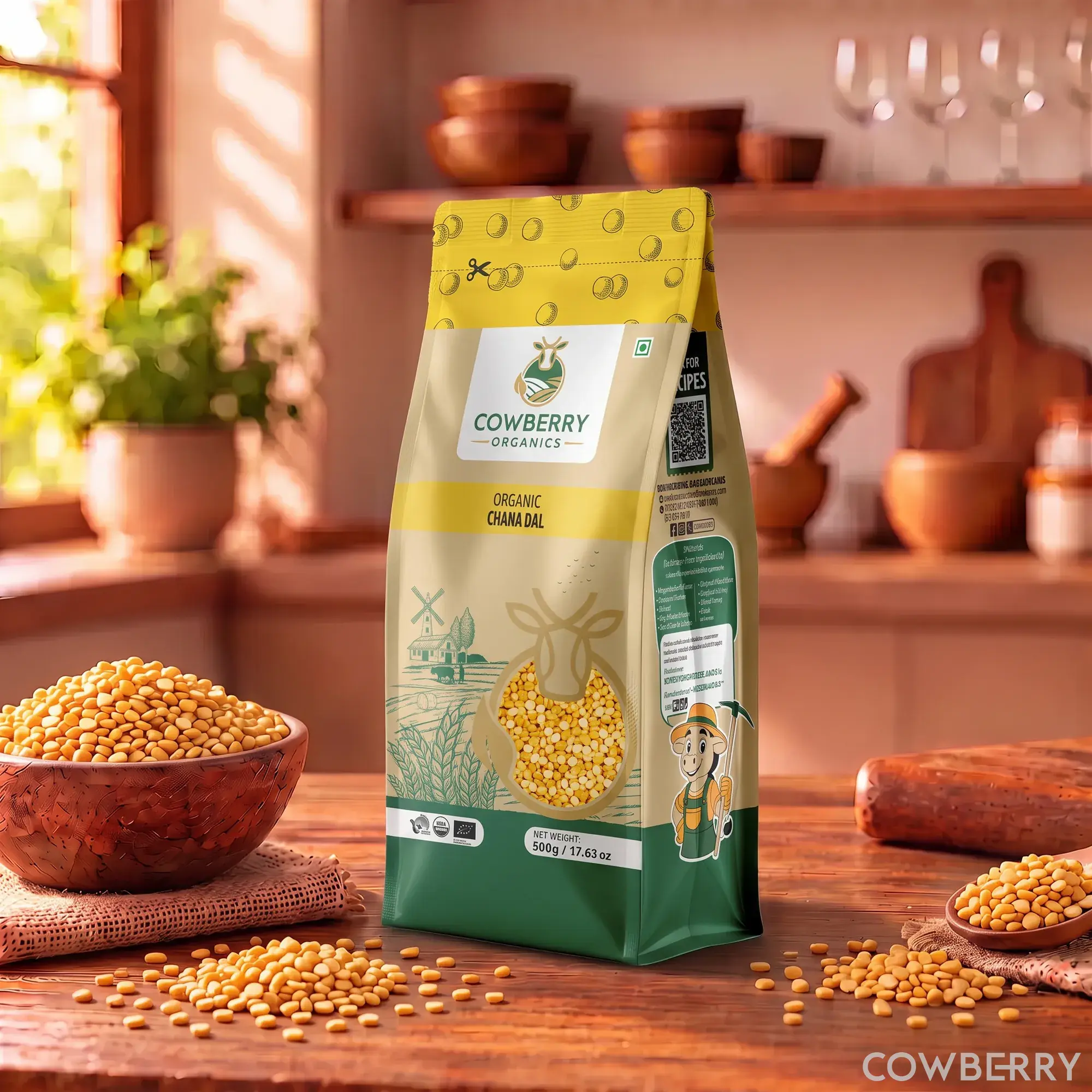
Chana dal protein per 100 g is 21.55 g, with 329 kcal, 15.15 g fibre and 5.31 g fat, raw (IFCT 2017), and boiled chana dal has a glycemic index of 11. That puts it level with toor dal on protein and ahead of toor and moong on fibre. Below: the full table against kala chana and besan, per-katori figures and micronutrients; the chana dal guide covers the rest.
Chana dal nutrition per 100 g: the full table
The table gives the raw, dry values per 100 g from IFCT 2017 for chana dal and kala chana, and from USDA FoodData Central for besan. Reading down the chana dal column: 329 kcal, 21.55 g protein, 5.31 g fat, 46.72 g carbohydrate and 15.15 g fibre, then 6.08 mg iron, 46.32 mg calcium, 118 mg magnesium, 957 mg potassium, 20.83 mg sodium, 3.65 mg zinc and 182 mcg folate. Vitamin C is not reported for the dal.
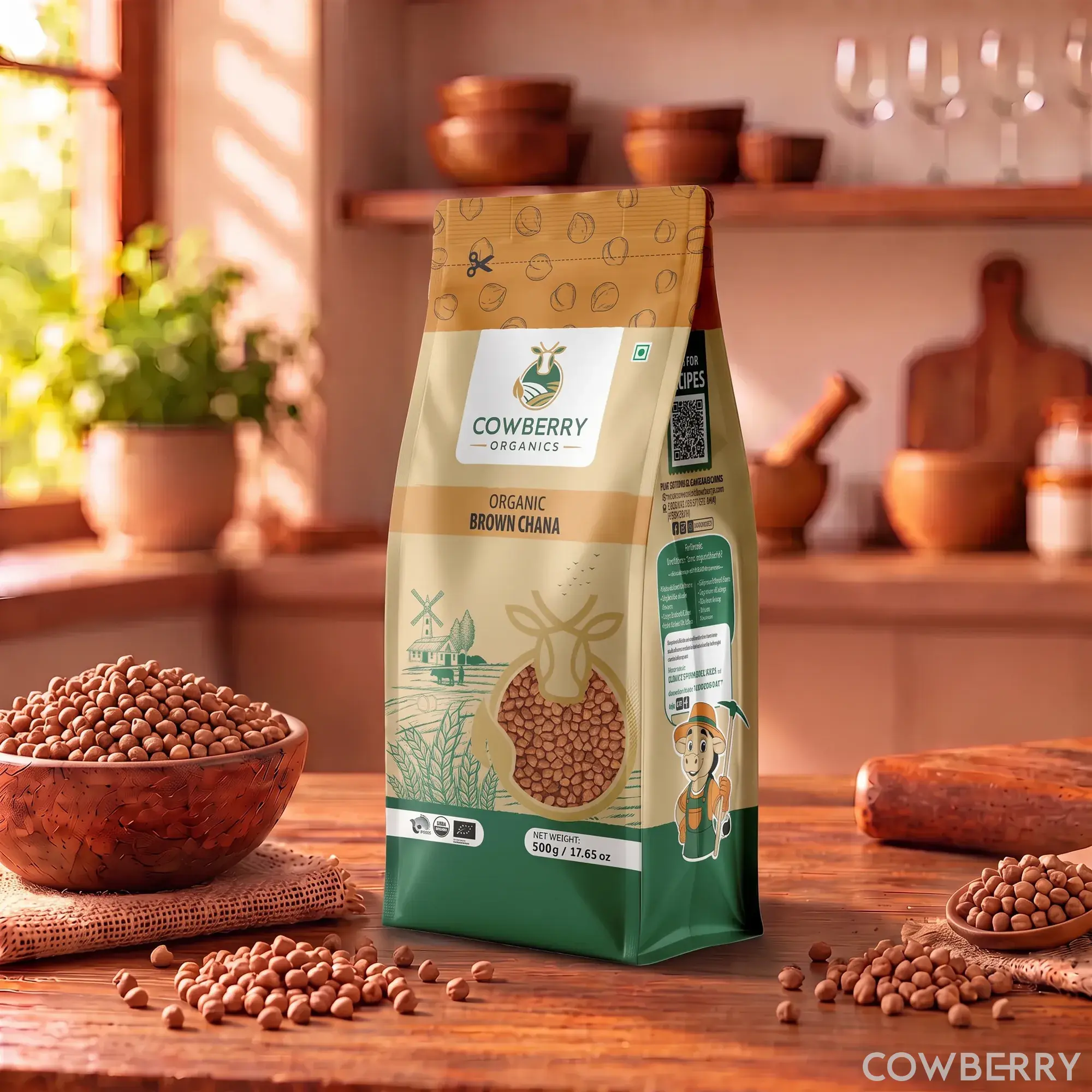
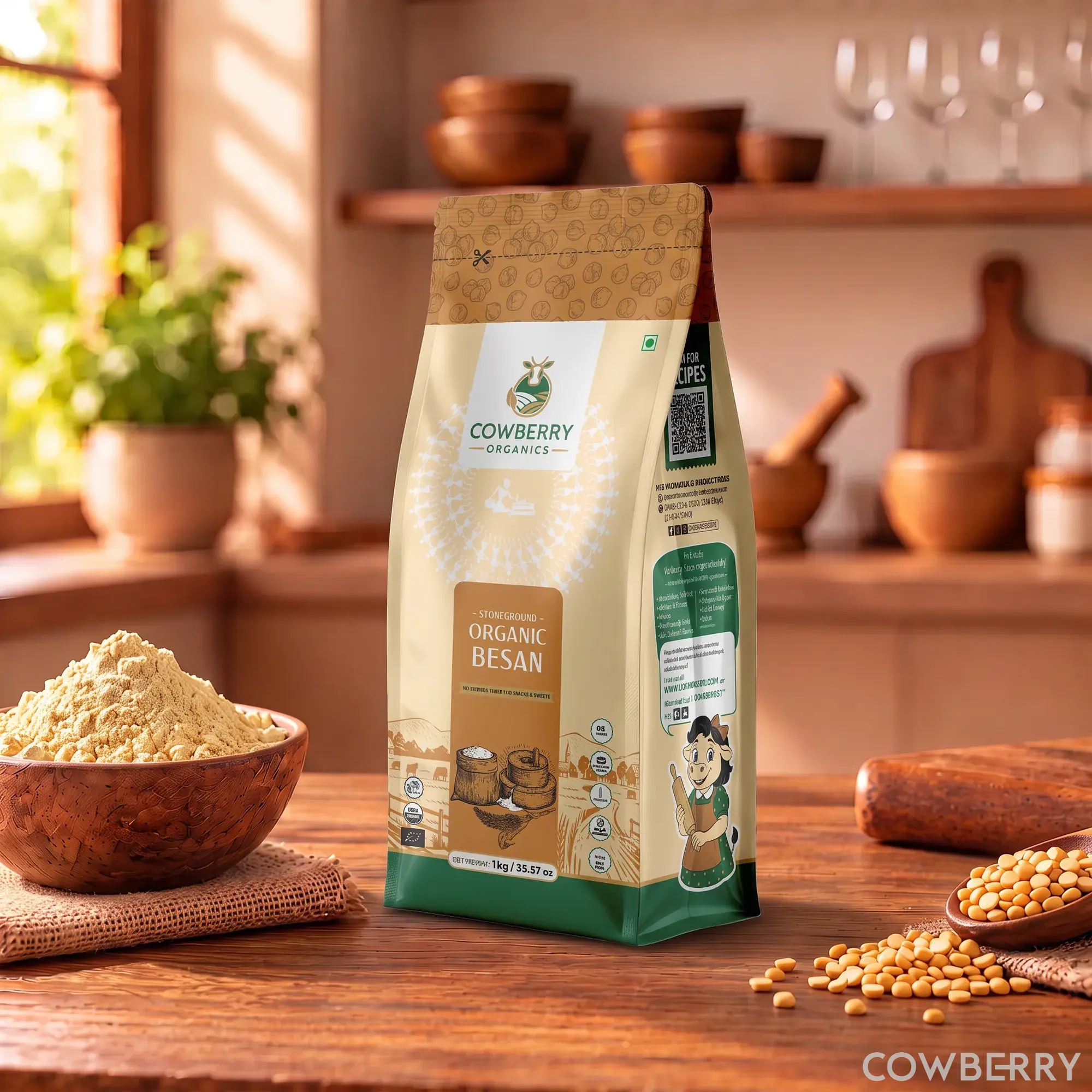
The three columns are one plant in three forms. Kala chana, the whole seed with its skin on, has less energy and protein per 100 g (287 kcal and 18.77 g) but far more fibre, 25.22 g; chana dal is the same seed with the skin taken off and the seed split. Besan, the flour, comes from a different database: the USDA record gives 387 kcal, 22.4 g protein and 10.8 g fibre per 100 g, and figures from two separate tables are not strictly comparable, so small differences from the IFCT columns mean little. Bengal gram nutritional value per 100 g, then, depends on which form you are holding; on energy, protein, fat, carbohydrate and fibre the split dal sits between the other two.
| Nutrient | Chana dal (split) | Kala chana (whole) | Besan (flour) |
|---|---|---|---|
| Energy (kcal) | 329 | 287 | 387 |
| Protein (g) | 22 | 19 | 22 |
| Fat (g) | 5.3 | 5.1 | 6.7 |
| Carbohydrates (g) | 47 | 40 | 58 |
| Dietary fibre (g) | 15 | 25 | 11 |
| Iron (mg) | 6.1 | 6.8 | 4.9 |
| Calcium (mg) | 46 | 150 | 45 |
| Magnesium (mg) | 118 | 160 | 166 |
| Potassium (mg) | 957 | 935 | 846 |
| Sodium (mg) | 21 | 27 | 64 |
| Zinc (mg) | 3.6 | 3.4 | 2.8 |
| Folate (mcg) | 182 | 233 | 437 |
| Vitamin C (mg) | — | — | 0 |
| Glycemic index (GI) | 11 | 23 | — |
Per 100 g raw, edible portion. Composition: IFCT 2017 (ICMR-NIN); USDA FoodData Central (SR Legacy), FDC ID 174288, NDB 16157. GI: University of Sydney GI database. — means not reported. These are average values for the food; the label on a pack gives the values for that product.
Chana dal calories and protein per katori
Nobody eats 100 g of dry dal at a sitting. Every per-katori figure below assumes about 30 g of dry chana dal in the bowl, a pulse weight that appears in several of the ICMR-NIN sample menus, so it is the IFCT value times 0.3. That gives about 99 kcal, 6.5 g protein, 14 g carbohydrate, 1.6 g fat and 4.5 g fibre per katori, plus 1.8 mg iron, 55 mcg folate, 287 mg potassium, 35 mg magnesium and 1.1 mg zinc.
A dal-fry serving made from 50 g of dry dal holds about 165 kcal, 10.8 g protein and 7.6 g fibre from the dal alone; the ghee, onion and tomato of the dish add more and are not counted here. Two katoris a day, 60 g dry, give about 197 kcal, 12.9 g protein and 9.1 g fibre. If you are tracking chana dal calories from a cooked weight instead, work from an assumption, because cooked weight depends on how much water the dal takes up: if your dal triples in weight when cooked, 100 g of plain cooked dal holds about 33 g dry, so divide the raw numbers by three. The numbers on a pack's nutrition panel are for the dry dal, like the table above. Soaking times, whistles and the dishes it goes into are on the chana dal guide.
Chana dal protein per 100 g against its peers
Bengal gram protein per 100 g lands in the same narrow band as toor, moong and urad dal, so protein alone is not a reason to pick chana dal over the others; the ranking of the common dals is on dal protein per 100 g, the common dals compared. Within the chickpea family the order is besan 22.4 g, chana dal 21.55 g and kala chana 18.77 g. On quality, the 2012 chickpea review in the British Journal of Nutrition rates chickpea protein above that of other pulses and finds it short only in the sulphur-containing amino acids, which cereals make up. Combined at 3 parts cereal to 1 part pulse, weighed raw, the two can meet the requirement for every essential amino acid, by the ICMR-NIN guidelines' reckoning; dal-chawal and dal-roti follow that pattern.
Fibre is where chana dal separates from the pack: 15.15 g per 100 g in the split dal, against roughly 9 g in toor and moong dal, and 25.22 g in whole kala chana. Mudryj and colleagues' 2014 pulses review lists fibre with protein, iron, zinc, folate and magnesium as what pulses supply, and calls them low-GI foods. Chana dal cooks into chana dal fry, besan into besan chilla and the whole seed into kala chana curry, so the three columns are three dishes.
Glycemic index of chana dal
Boiled Bengal gram dal scores 11 on the glycemic index, a value that rests on one Indian test logged in the University of Sydney database. That database's own bands put 55 and under as low, 56 to 69 as medium and 70 and over as high; at 11, chana dal is deep in the low band. Whole kala chana averages 23 across nine cooked chickpea entries from several countries (the database does not separate desi from kabuli), with the single entries ranging from 5 to 36. Besan has no plain entry in the database, so this page gives it no GI.
Two cautions. The GI test gives 10 or more healthy people a portion of the food on its own and tracks their blood glucose for two hours, so the figure describes plain dal, not chana dal eaten with a plate of white rice. And a GI from one entry is one measurement: read 11 as "low" rather than as a precise figure. The 2014 pulses review describes pulses as high in fibre and low in GI and reports that they may help people with diabetes maintain healthy blood glucose and insulin levels; that is a finding about pulses in the diet, not a promise for one bowl. People with diabetes should work out their portion of chana dal with a professional: talk to your doctor or dietitian.
Micronutrients in chana dal: iron, folate, magnesium, potassium and zinc
Per 100 g raw, chana dal gives 6.08 mg iron, 182 mcg folate, 118 mg magnesium, 957 mg potassium, 3.65 mg zinc and 46.32 mg calcium, with only 20.83 mg sodium before you salt it. Against toor and moong dal it comes out ahead on iron, zinc and folate and behind on magnesium and potassium. Whole kala chana has more iron, folate, calcium and magnesium than the split dal (6.78 mg, 233 mcg, 150 mg and 160 mg per 100 g), and besan in the USDA record gives 437 mcg folate and 166 mg magnesium.
Three practical notes. Plant iron, the ICMR-NIN guidelines explain, is less bioavailable than the iron in meat, fish and poultry; vitamin C fruits such as lemon, orange or guava, or a coriander and green-chilli chutney, help when eaten in the same meal. Chana dal itself has no reported vitamin C, so squeeze the lemon over the bowl. The same guidelines note that boiling or pressure cooking brings down phytic acid, which holds back iron, calcium, magnesium and zinc, and that tea binds iron, so leave at least an hour between your tea and the meal. Last, 957 mg potassium per 100 g matters to anyone on a potassium-restricted kidney diet, who should count chana dal like any other pulse. The same benefits and cautions are written in Hinglish on chana dal khane ke fayde aur nuksan, and the names of the dal across India on chana dal in English and Indian languages.
FAQs
Does chana dal have protein?
Yes: 21.55 g per 100 g raw (IFCT 2017), roughly a fifth of the dry weight, about the same as toor dal and a little below moong dal. A katori of cooked dal (30 g dry) holds about 6.5 g. Chickpea protein runs short of the sulphur-containing amino acids, which cereals provide; ICMR-NIN puts the cereal-to-pulse ratio that covers every essential amino acid at 3:1 by raw weight.
Is chana dal good for weight loss?
It can be, if it replaces some of the rice or roti instead of being added on top. One katori, from 30 g of the dry dal, comes to about 99 kcal with 6.5 g protein and 4.5 g fibre, and boiled chana dal has a GI of 11. Weight follows the whole day's eating, so go easy on the ghee. If a health condition is involved, talk to your doctor or dietitian.
What is bengal gram?
Bengal gram is the desi chickpea, Cicer arietinum. IFCT 2017 uses the name for both the whole seed, sold as kala chana, and the skinned, split dal, chana dal; ground to flour, it becomes besan. The three forms differ in the table above: per 100 g, the whole seed carries the most fibre, 25.22 g, and the flour the most energy, 387 kcal.
Can chana dal cause gas?
It can, and how much depends on the person and the portion. The ICMR-NIN guidelines say soaking improves the digestibility of legumes and that boiling or pressure cooking destroys the anti-nutritional factors in pulses, so soak chana dal, drain it and cook it until it is completely soft. With 15.15 g fibre per 100 g, it is also sensible to start with one katori if pulses are new to your meals.
How many calories in 1 katori chana dal?
About 99 kcal, if the katori is plain dal cooked from 30 g of dry chana dal. Any ghee or oil in the tadka comes on top of that. A dal-fry serving uses 50 g of dry dal, which gives about 165 kcal by itself; the ghee, onion and tomato of the dish add more. The 329 kcal in the table is per 100 g of raw, dry dal, hence the lower katori figure.
Is bengal gram good for health?
Yes, as an everyday pulse in a balanced diet: per 100 g raw it gives 21.55 g protein, 15.15 g fibre, 6.08 mg iron and 182 mcg folate, and boiled chana dal has a GI of 11. The 2014 pulses review reports that eating pulses improves blood lipid profiles and may help people with diabetes keep blood glucose in a healthy range. Portions and the rest of the plate still count.
References
- Mudryj AN, Yu N, Aukema HM. Nutritional and health benefits of pulses. Appl Physiol Nutr Metab, 2014
- Indian Food Composition Tables (IFCT) 2017, ICMR-National Institute of Nutrition
- USDA FoodData Central (SR Legacy): Chickpea flour (besan), FDC ID 174288
- University of Sydney glycemic index database (GI search)
- University of Sydney: about the glycemic index
- Jukanti AK, Gaur PM, Gowda CL et al. Nutritional quality and health benefits of chickpea (Cicer arietinum L.): a review. Br J Nutr, 2012
- Dietary Guidelines for Indians, ICMR-National Institute of Nutrition
Shop this article
Keep reading
Green gram plant: crop, varieties and how it grows in India
Rajma vs lobia: difference, nutrition and which to choose
Rajma plant: how rajma is grown in India (it is not a tree)