membership background

COWBERRY's Blog: Organic Food, Recipes & Healthy Living

Featured

What Is Brown Sugar? Types, How It Is Made, Nutrition and Uses

What Is Brown Sugar? Types, How It Is Made, Nutrition and Uses

What is brown sugar: sugar with part of the cane's molasses kept in — 380 kcal and 98.1 g of carbohydrate per 100 g. Types (demerara, muscovado, light and dark), names, how it is made, nutrition, uses, storage and buying.
05 Aug 2026by COWBERRY
11 minute read

Fresh Blogs

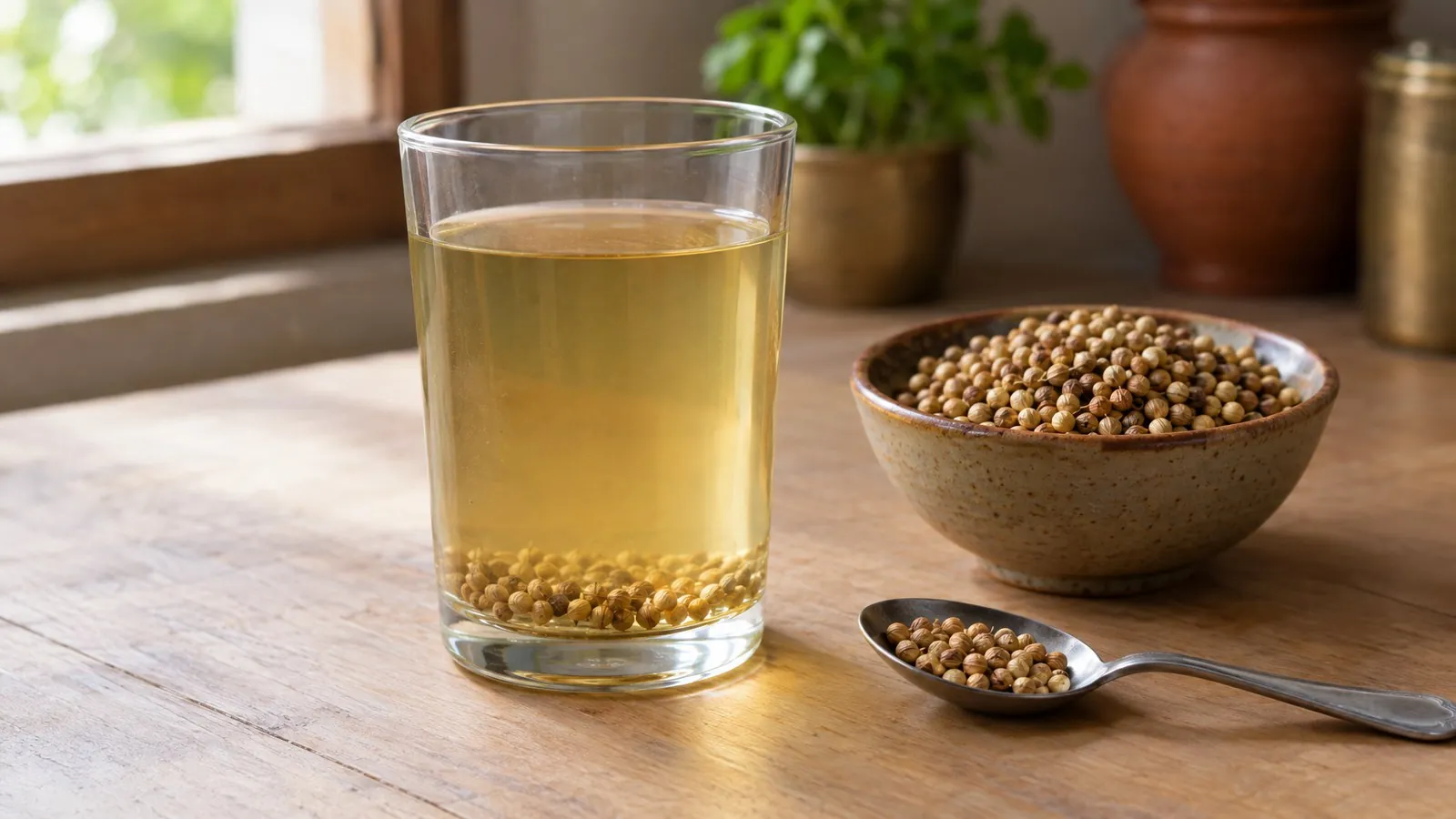
Coriander water benefits: what dhania water actually does

Coriander water benefits: what dhania water actually does

Coriander water benefits, answered honestly: the research reviewed here has no human trial showing coriander water does anything specific. Here is what is known about coriander, what one teaspoon of seeds holds, and how to make and drink the water.
05 Oct 2026by COWBERRY
7 minute read
Red rice vs brown rice: the fibre, GI and honest verdict
Red rice vs brown rice: the fibre, GI and honest verdict
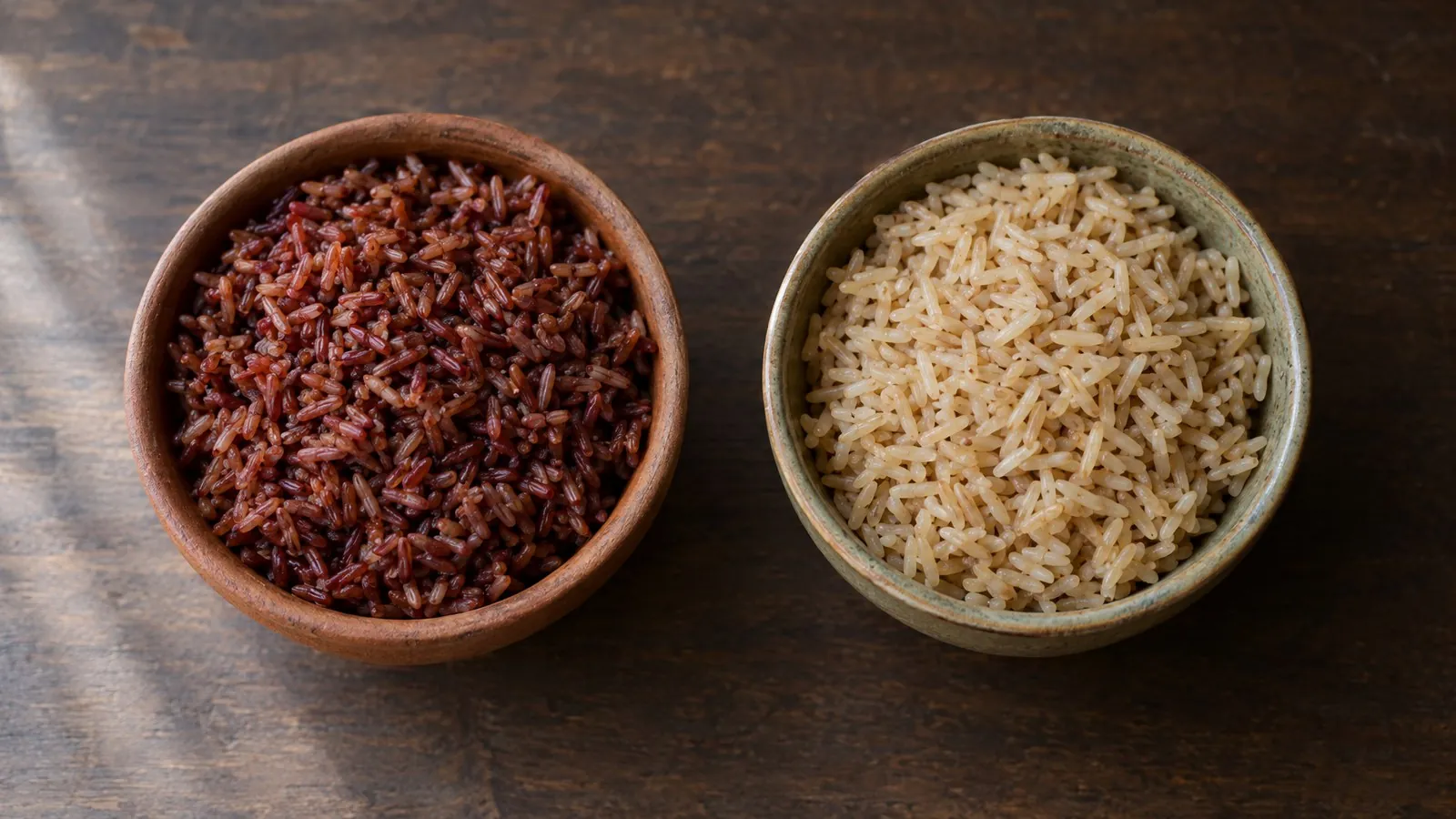
Red rice vs brown rice: brown rice lists more fibre and protein and an India-tested GI of 58, while red rice's seven foreign tests average 62. Side-by-side nutrition per 100 g, GI, cooking, cost and which to choose.
05 Oct 2026by COWBERRY
6 minute read

More Articles

10 benefits of moong dal (and its side effects)
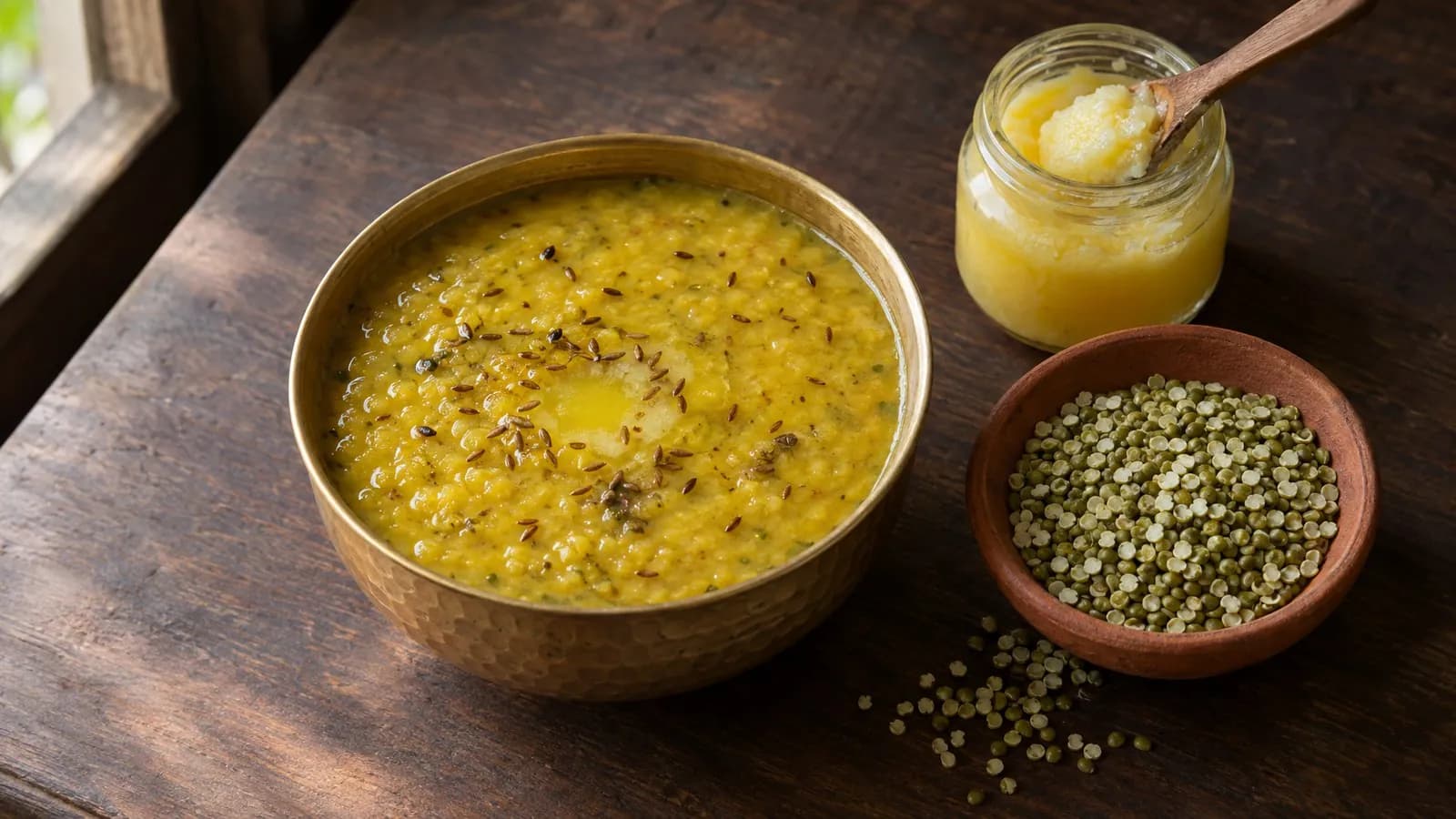
10 benefits of moong dal (and its side effects)

Ten moong dal benefits with the IFCT 2017 number behind each: 23.88 g protein, 9.37 g fibre, 92.11 mcg folate and 1268 mg potassium per 100 g, and a GI of 38. Plus its side effects, who should limit it, how much to eat a day and how to cook it.
03 Jun 2026by COWBERRY
15 minute read
Sesame seeds how to eat: raw, soaked or roasted and how much daily
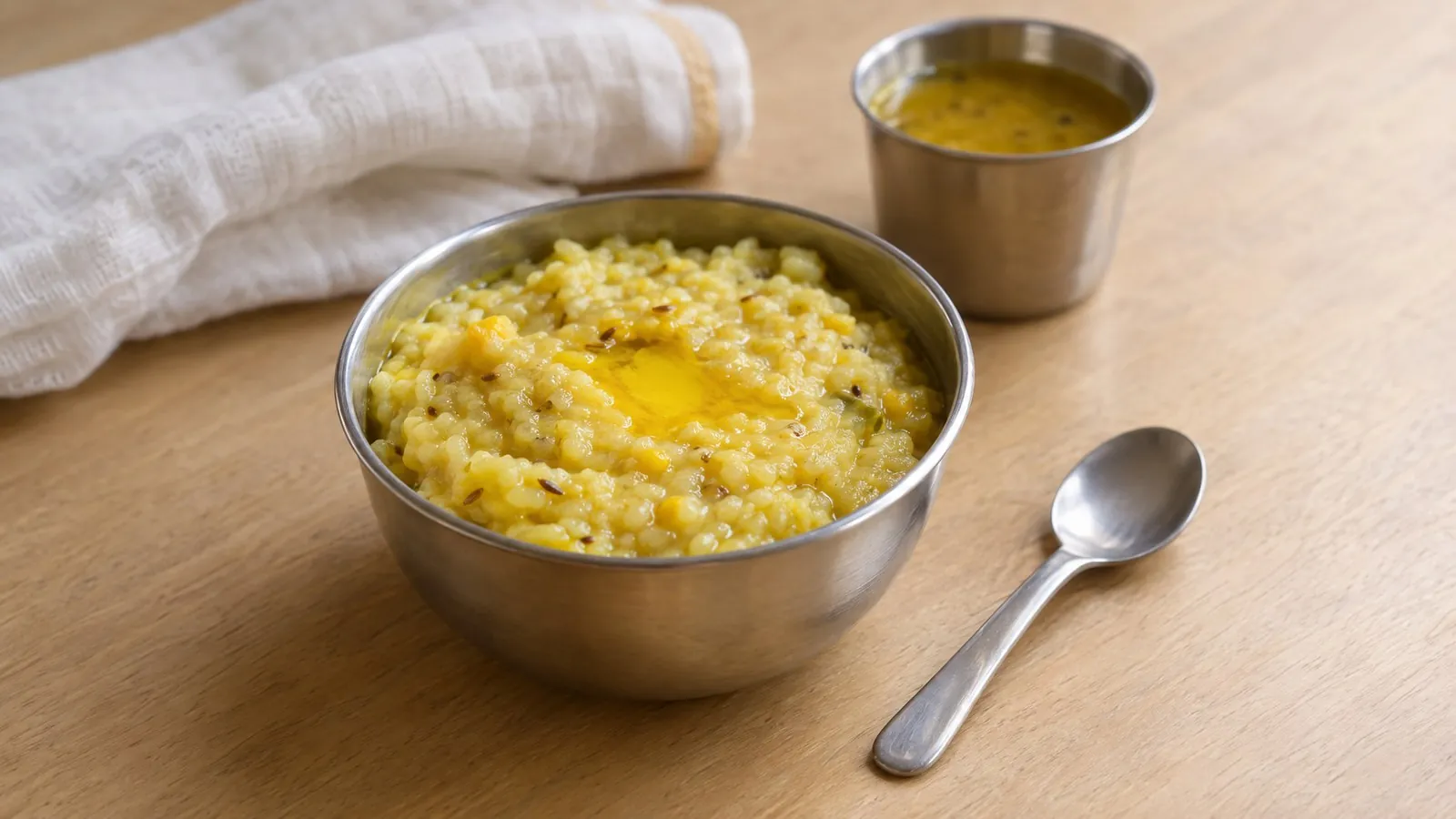
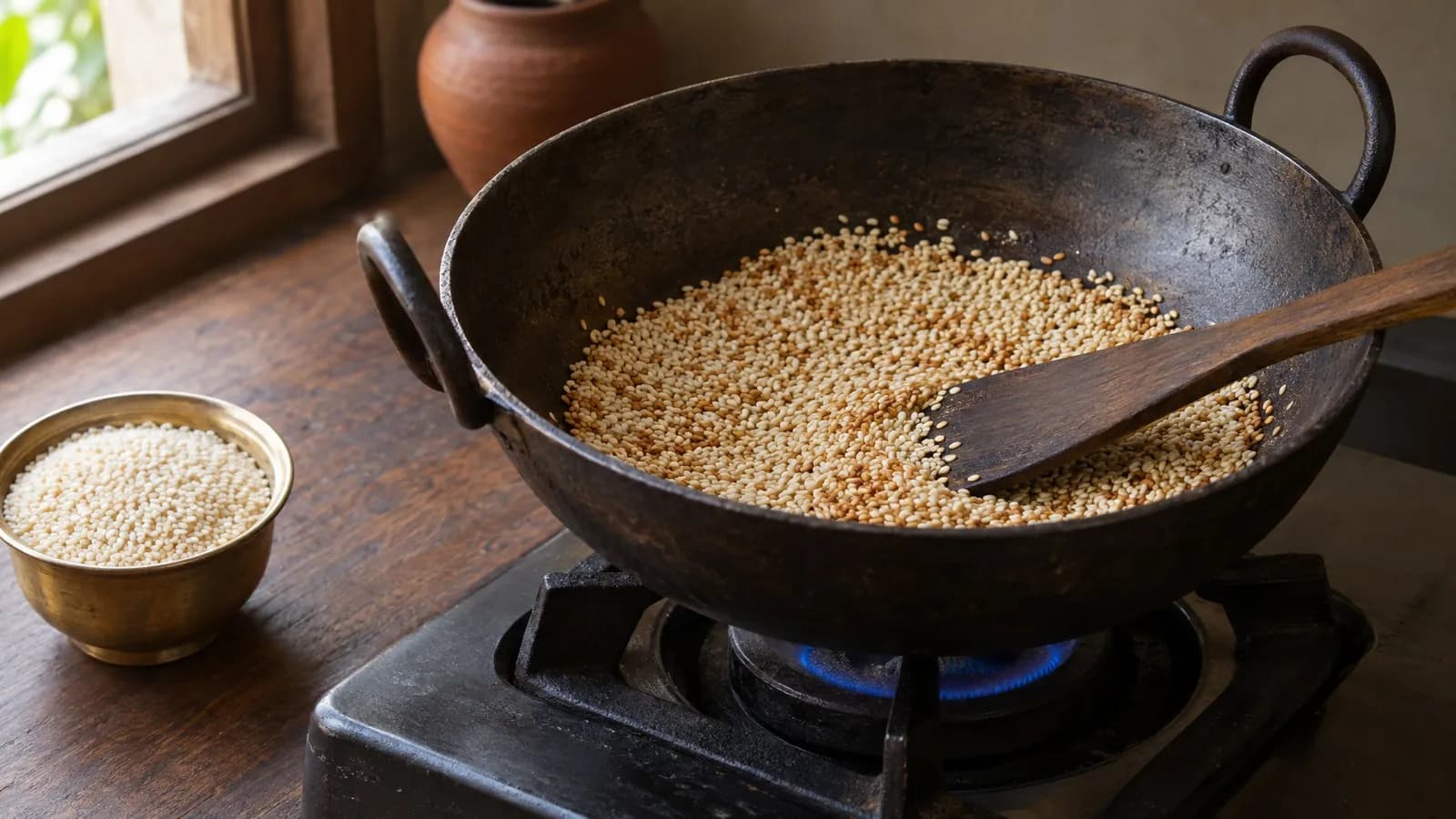
Sesame seeds how to eat: raw, soaked or roasted and how much daily

Sesame seeds how to eat: raw over salads and curd, soaked overnight, dry-roasted in five minutes or rolled into til ke laddu. How much to eat daily, common mistakes and storage.
03 Jun 2026by COWBERRY
6 minute read
A2 ghee for babies: when to start, how much and how to serve it
A2 ghee for babies: when to start, how much and how to serve it

A2 ghee for babies is a food for after six months, never before: when the WHO and ICMR-NIN say other foods can start, the 5 g of oil or ghee in ICMR-NIN's sample menus, how to introduce ghee one new food at a time, what to avoid and the calories in a teaspoon.
03 Jun 2026by COWBERRY
8 minute read
How asafoetida is made: from ferula plant resin to hing
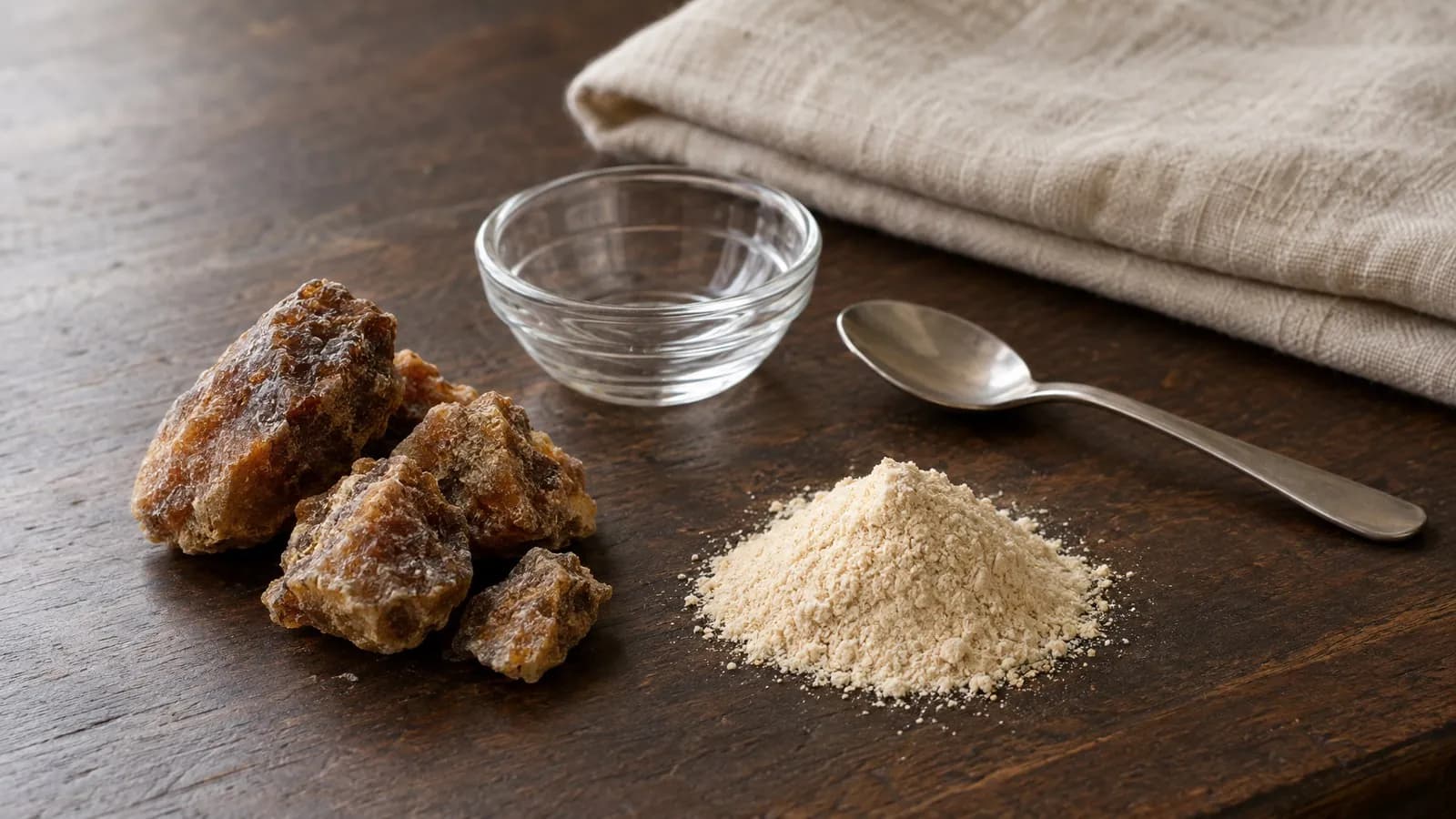
How asafoetida is made: from ferula plant resin to hing

How asafoetida is made: the dried oleo-gum-resin of the roots of Ferula assa-foetida, a plant of arid Iran, Uzbekistan and Afghanistan, ground into hing powder; COWBERRY's is processed in Madhya Pradesh without fillers.
03 Jun 2026by COWBERRY
7 minute read
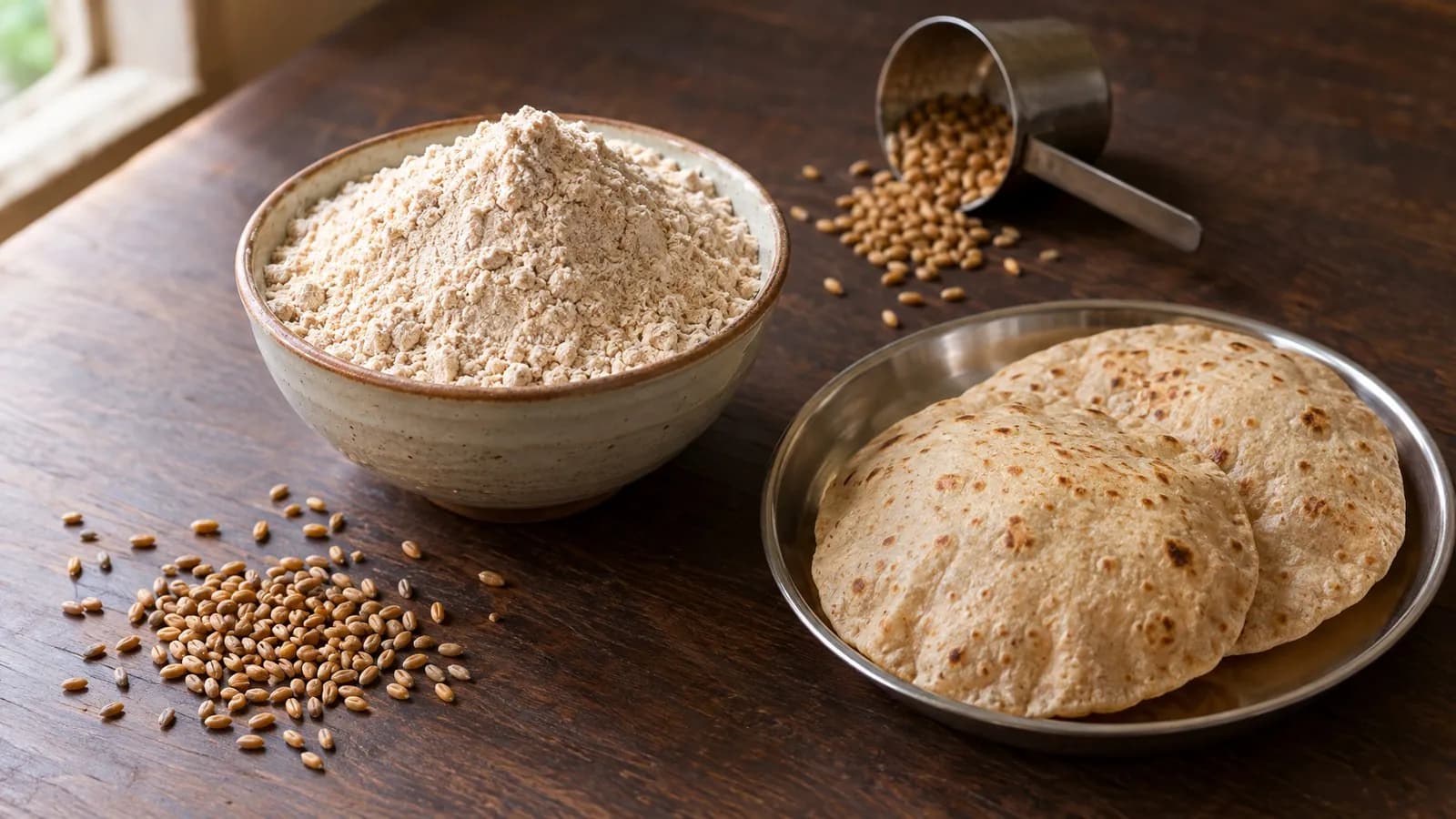
Is sharbati atta good for weight loss? Calories and fibre
Is sharbati atta good for weight loss? Calories and fibre

Is sharbati atta good for weight loss? It can fit, as the counted whole-grain roti: 97 kcal and 3.4 g of fibre a roti, 193 kcal for two. The calorie arithmetic, what fibre does, where the calories sneak in and how to build the plate.
02 Jun 2026by COWBERRY
7 minute read
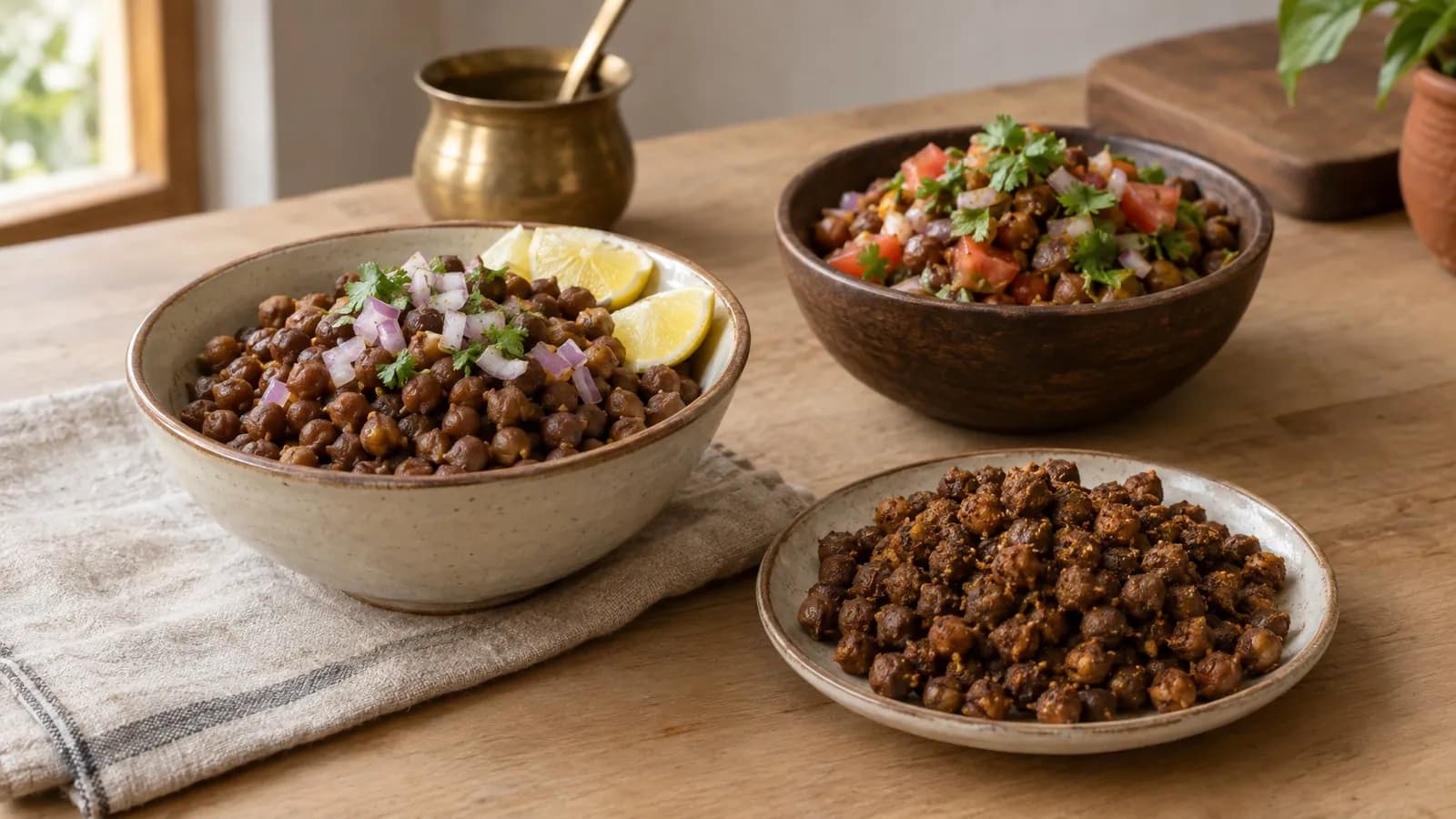
Black chickpeas how to eat: soaked, boiled, roasted and daily
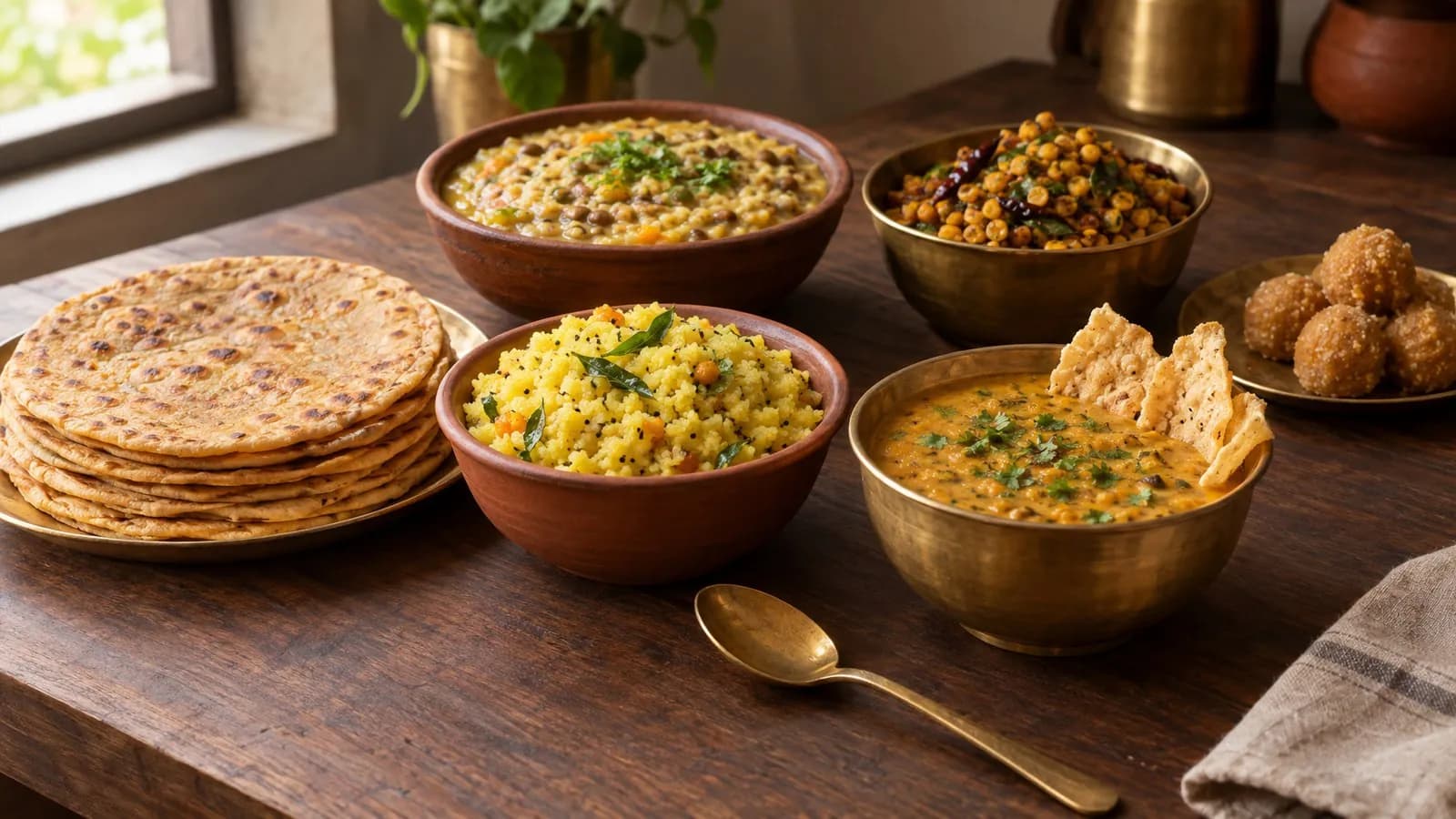
Black chickpeas how to eat: soaked, boiled, roasted and daily

Black chickpeas how to eat: soak 6 to 8 hours, cook soft, then turn one katori (30 g dry) into bowls, chaat, curry, khichdi, tikki or a roasted snack.
02 Jun 2026by COWBERRY
6 minute read
Chana dal recipes by meal: breakfast, lunch and a laddu
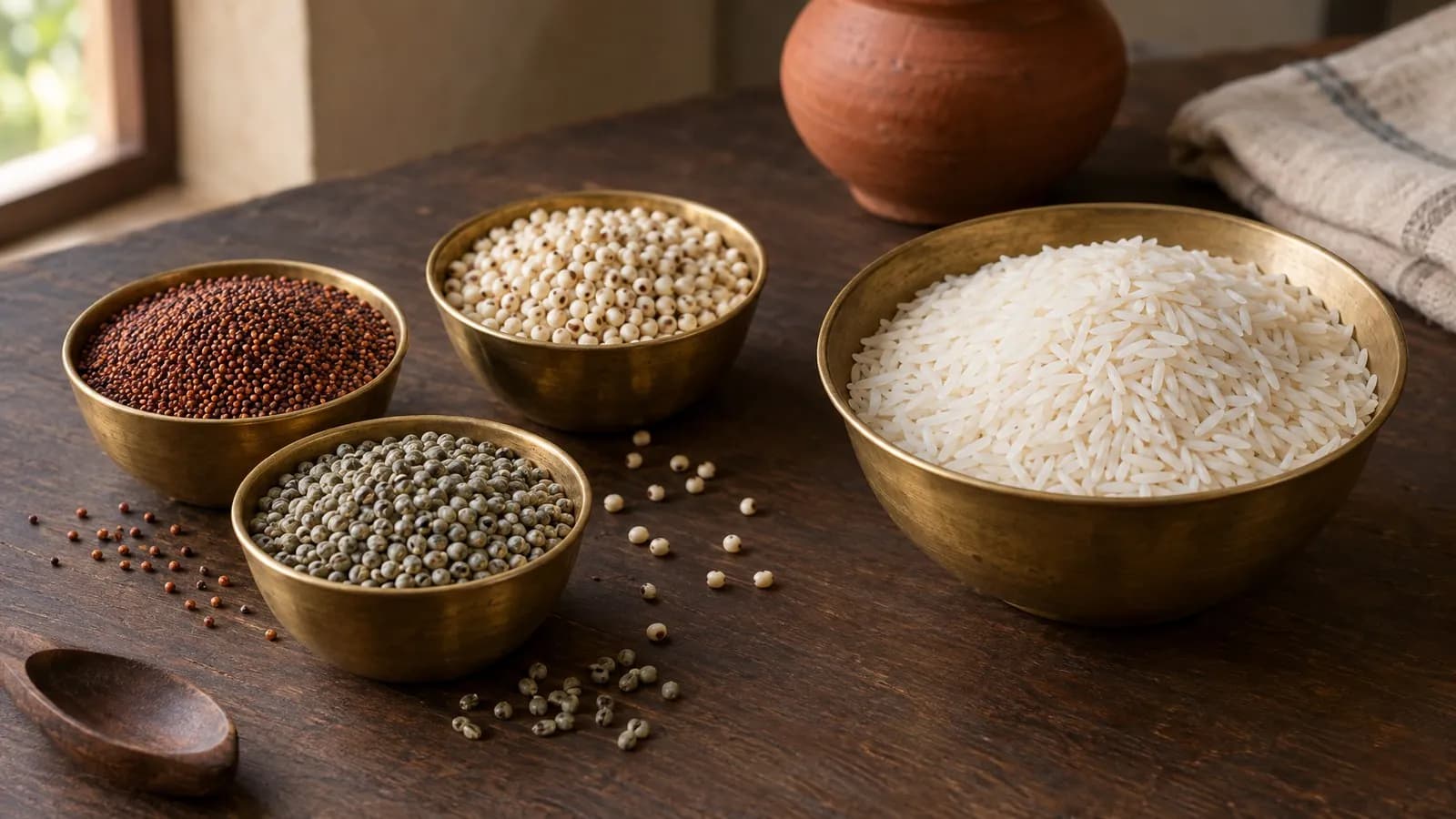
Chana dal recipes by meal: breakfast, lunch and a laddu

Chana dal recipes for every meal: Karnataka roti, steamed upma and Sindhi dal pakwan for breakfast, chana dal fry and khichdi for lunch, and a jaggery laddu. Cooking times, per-serving figures and links to each full recipe.
02 Jun 2026by COWBERRY
6 minute read
Millets vs rice: nutrition, GI, weight and which to choose
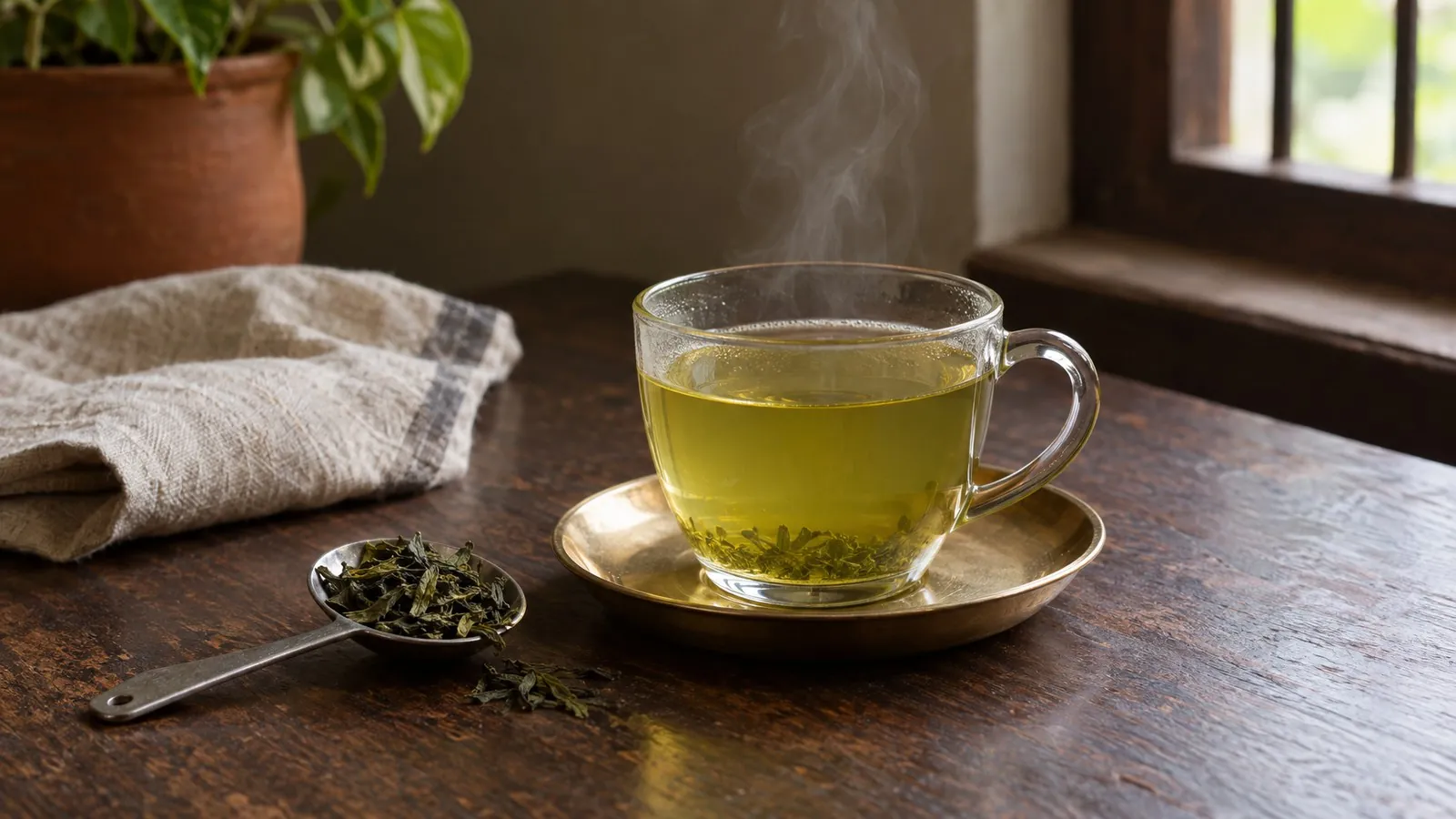
Millets vs rice: nutrition, GI, weight and which to choose

Millets vs rice on fibre, protein, iron, calcium and glycemic index, with IFCT 2017 numbers per 100 g, how each grain cooks and tastes, what each costs in relative terms, and which one suits which meal.
02 Jun 2026by COWBERRY
12 minute read
How to make green tea: water temperature, ratio and steeping time
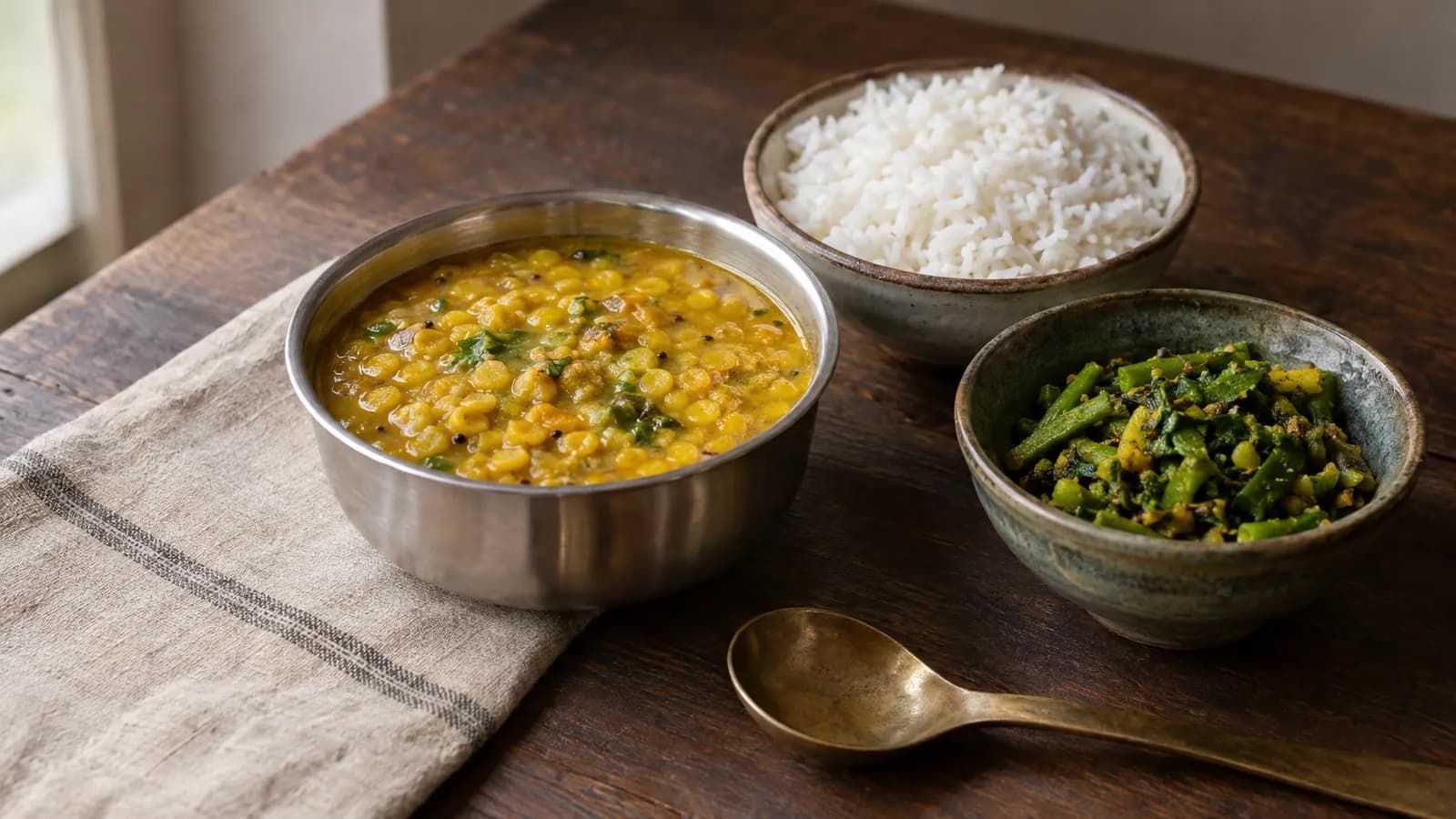
How to make green tea: water temperature, ratio and steeping time

How to make green tea at home with leaves: water at 80 to 85 °C, one teaspoon of leaf per cup, 2 to 3 minutes of steeping, then strain. Why boiling water may make it bitter, and how to fix it.
02 Jun 2026by COWBERRY
5 minute read
Chana dal in pregnancy: benefits, safety and how to eat it
Chana dal in pregnancy: benefits, safety and how to eat it

Chana dal in pregnancy: safe when well cooked, with pulses at 80 g a day in ICMR-NIN guidance. Protein, iron and folate per katori, gas-friendly cooking and the safety notes.
01 Jun 2026by COWBERRY
7 minute read
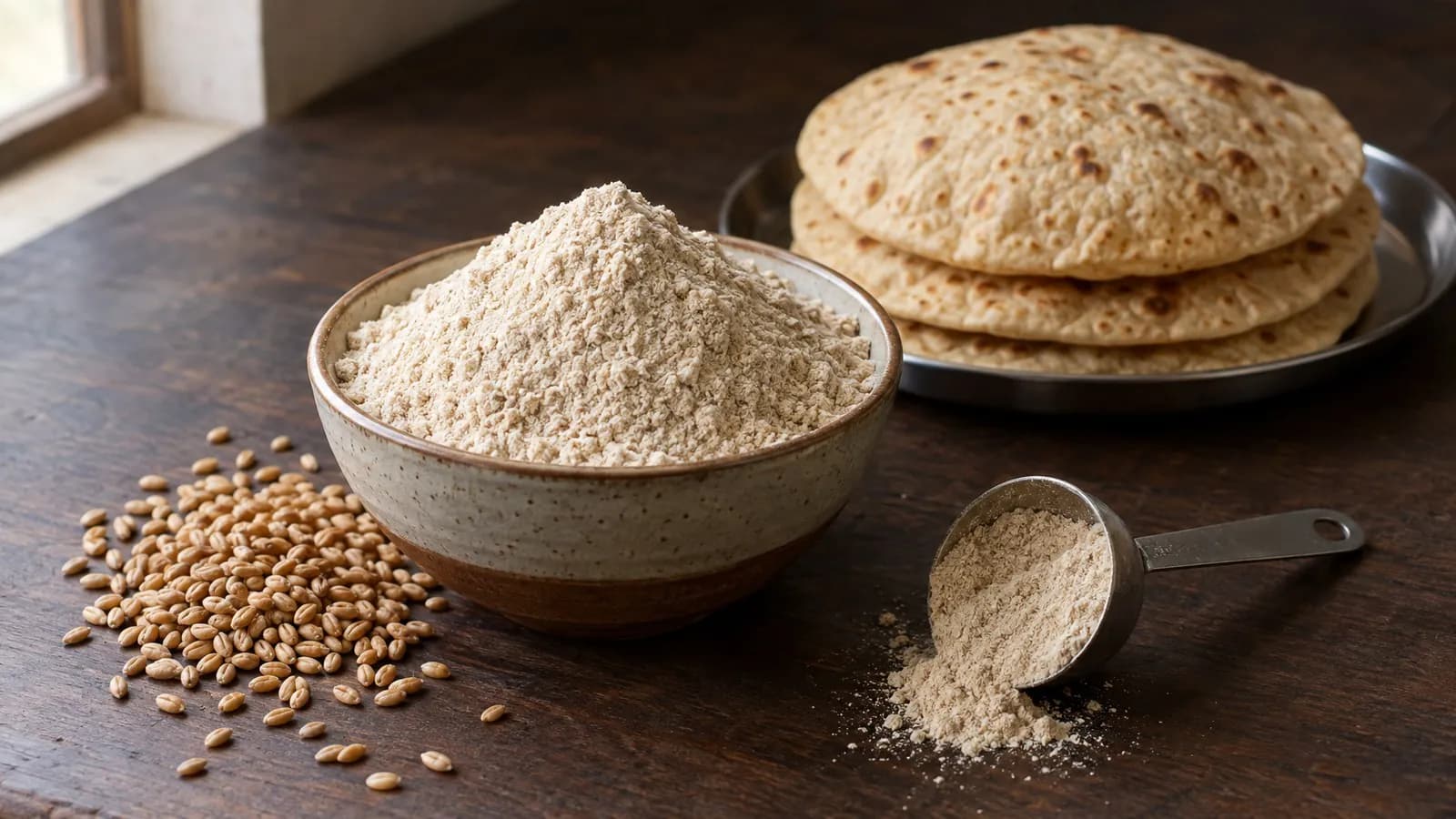
Is sharbati atta good for diabetes? GI and roti numbers
Is sharbati atta good for diabetes? GI and roti numbers

Is sharbati atta good for diabetes? Whole wheat grain has GI 47, a whole wheat flour roti tested at 45.1, and one roti gives 19 g of carbohydrate, so it can sit in a diabetic meal plan when portions and the mix are right. Glycemic index, carbs per roti, what the studies say and how much fits a day.
01 Jun 2026by COWBERRY
8 minute read
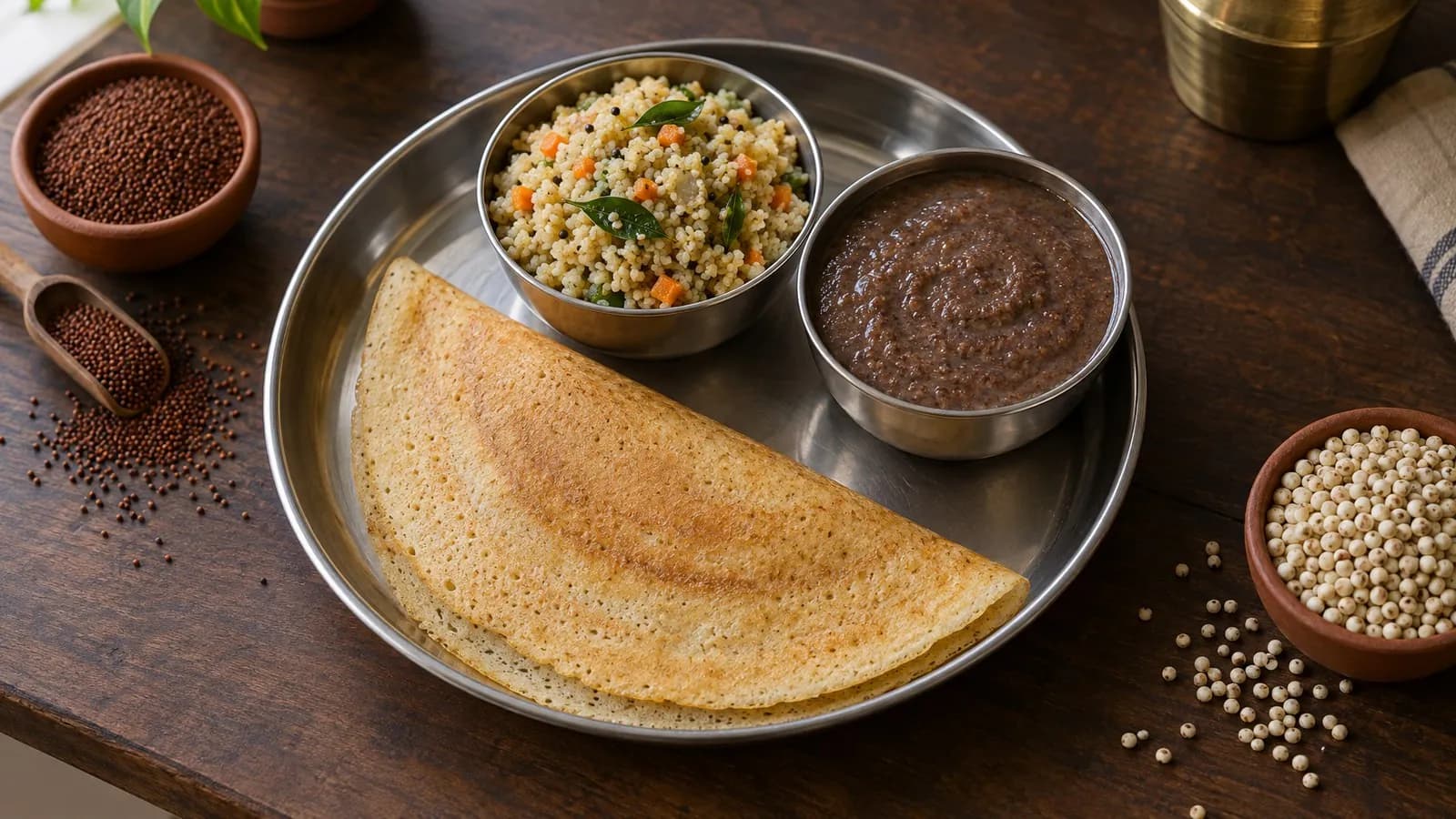
15 millet recipes for breakfast: dosa, upma, khichdi and porridge

15 millet recipes for breakfast: dosa, upma, khichdi and porridge

Fifteen millet recipes for breakfast grouped by millet: ragi dosa, porridge and malt; jowar upma and dosa; bajra khichdi and roti; plus foxtail upma, little millet pongal, kodo idli and barnyard khichdi, with per-100 g nutrition for ragi, jowar and bajra.
01 Jun 2026by COWBERRY
10 minute read