membership background

COWBERRY's Blog: Organic Food, Recipes & Healthy Living

Featured

What Is Brown Sugar? Types, How It Is Made, Nutrition and Uses

What Is Brown Sugar? Types, How It Is Made, Nutrition and Uses

What is brown sugar: sugar with part of the cane's molasses kept in — 380 kcal and 98.1 g of carbohydrate per 100 g. Types (demerara, muscovado, light and dark), names, how it is made, nutrition, uses, storage and buying.
05 Aug 2026by COWBERRY
11 minute read

Fresh Blogs

Coriander water benefits: what dhania water actually does

Coriander water benefits: what dhania water actually does

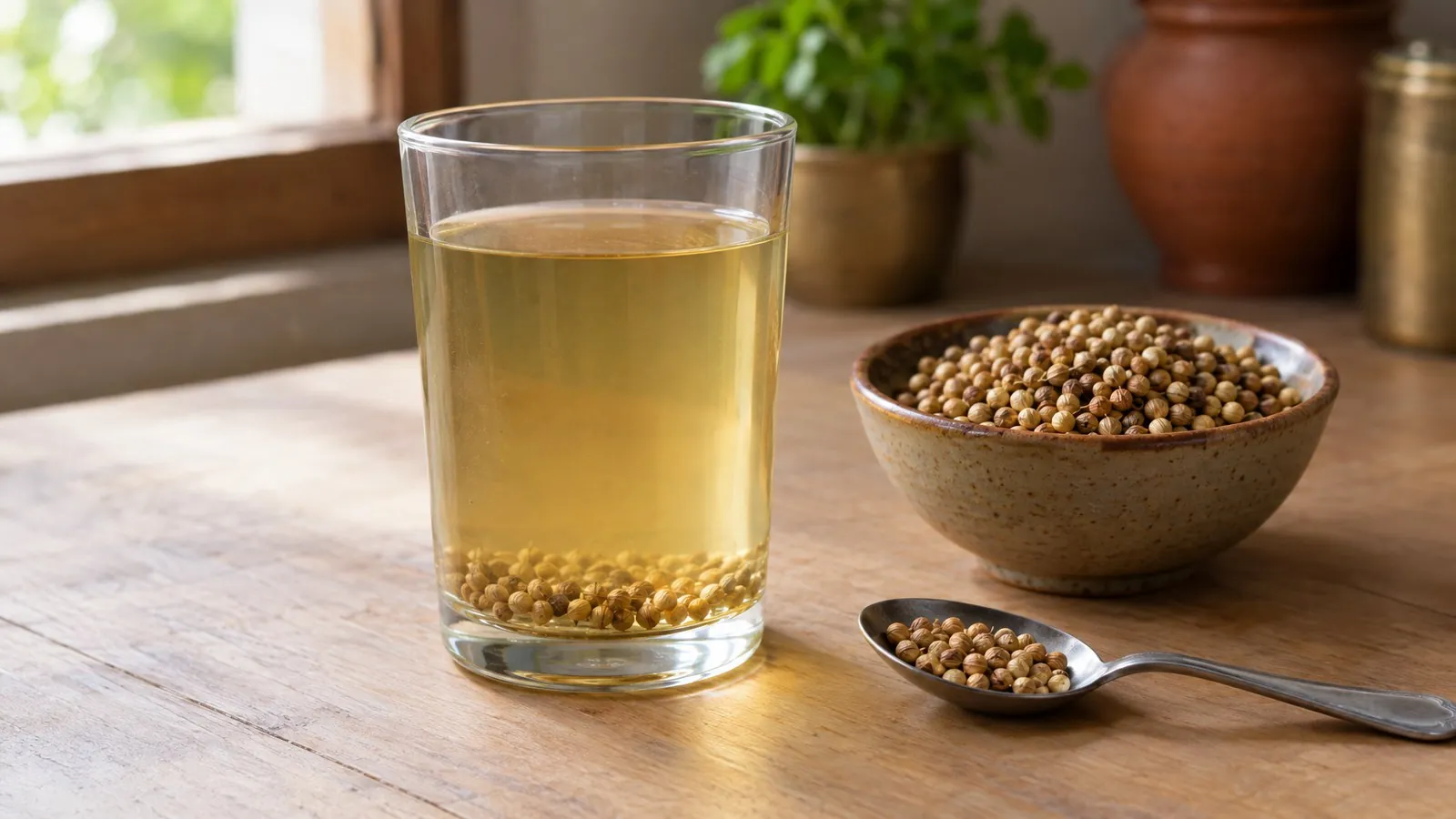
Coriander water benefits, answered honestly: the research reviewed here has no human trial showing coriander water does anything specific. Here is what is known about coriander, what one teaspoon of seeds holds, and how to make and drink the water.
05 Oct 2026by COWBERRY
7 minute read
Red rice vs brown rice: the fibre, GI and honest verdict
Red rice vs brown rice: the fibre, GI and honest verdict
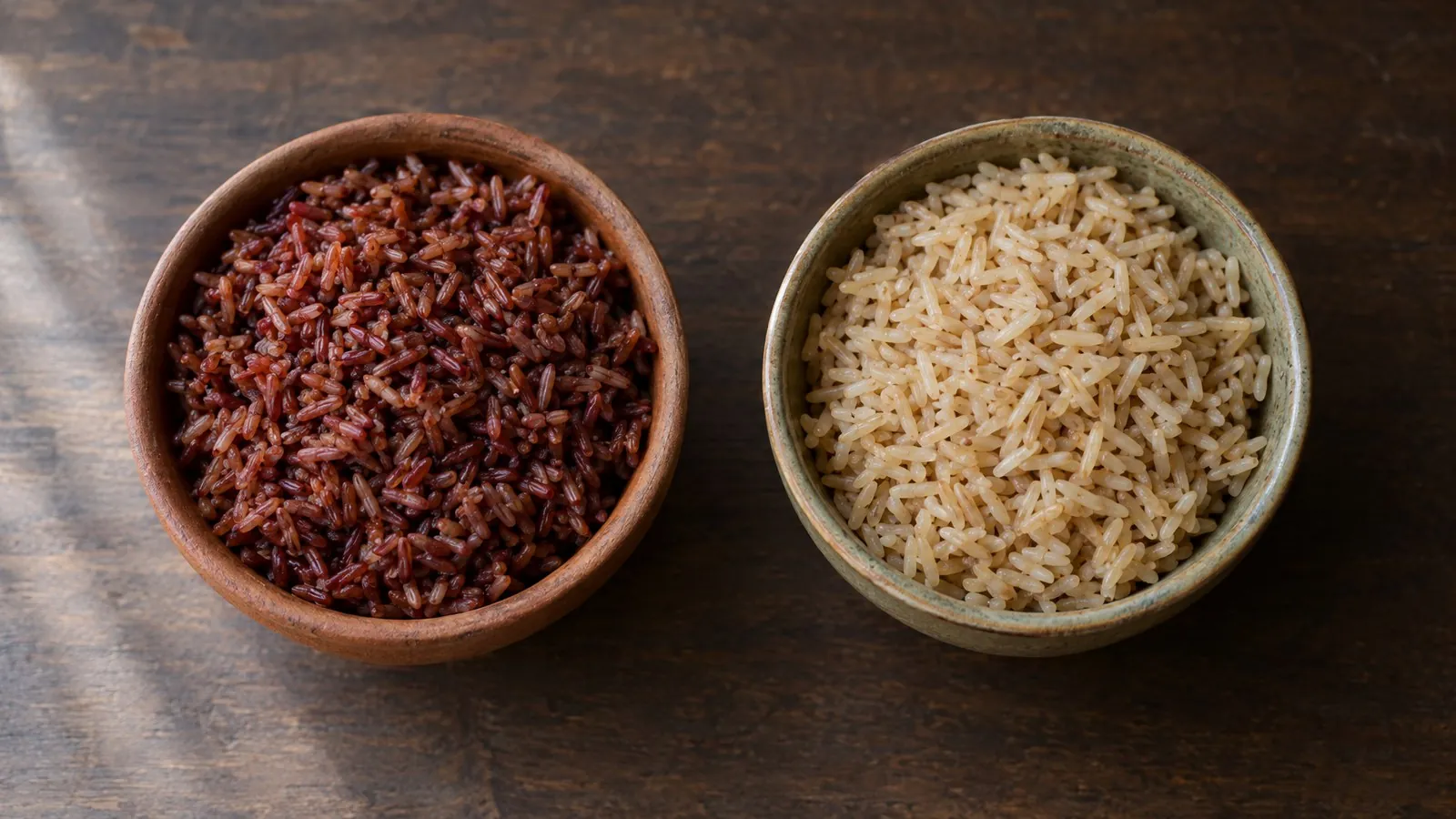
Red rice vs brown rice: brown rice lists more fibre and protein and an India-tested GI of 58, while red rice's seven foreign tests average 62. Side-by-side nutrition per 100 g, GI, cooking, cost and which to choose.
05 Oct 2026by COWBERRY
6 minute read

More Articles

Moong dal protein per 100 g, calories, carbs and fibre: full nutrition
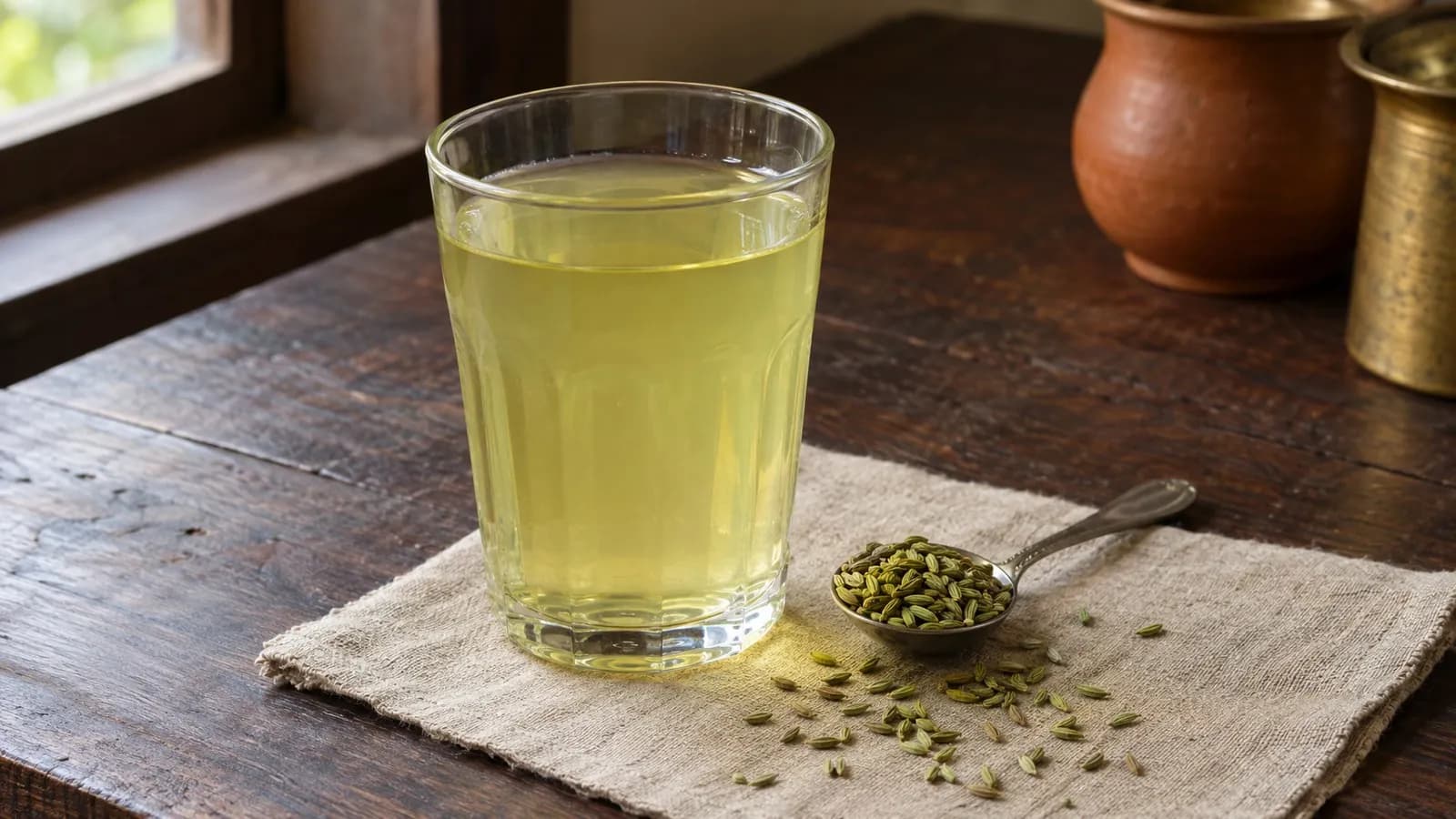
Moong dal protein per 100 g, calories, carbs and fibre: full nutrition

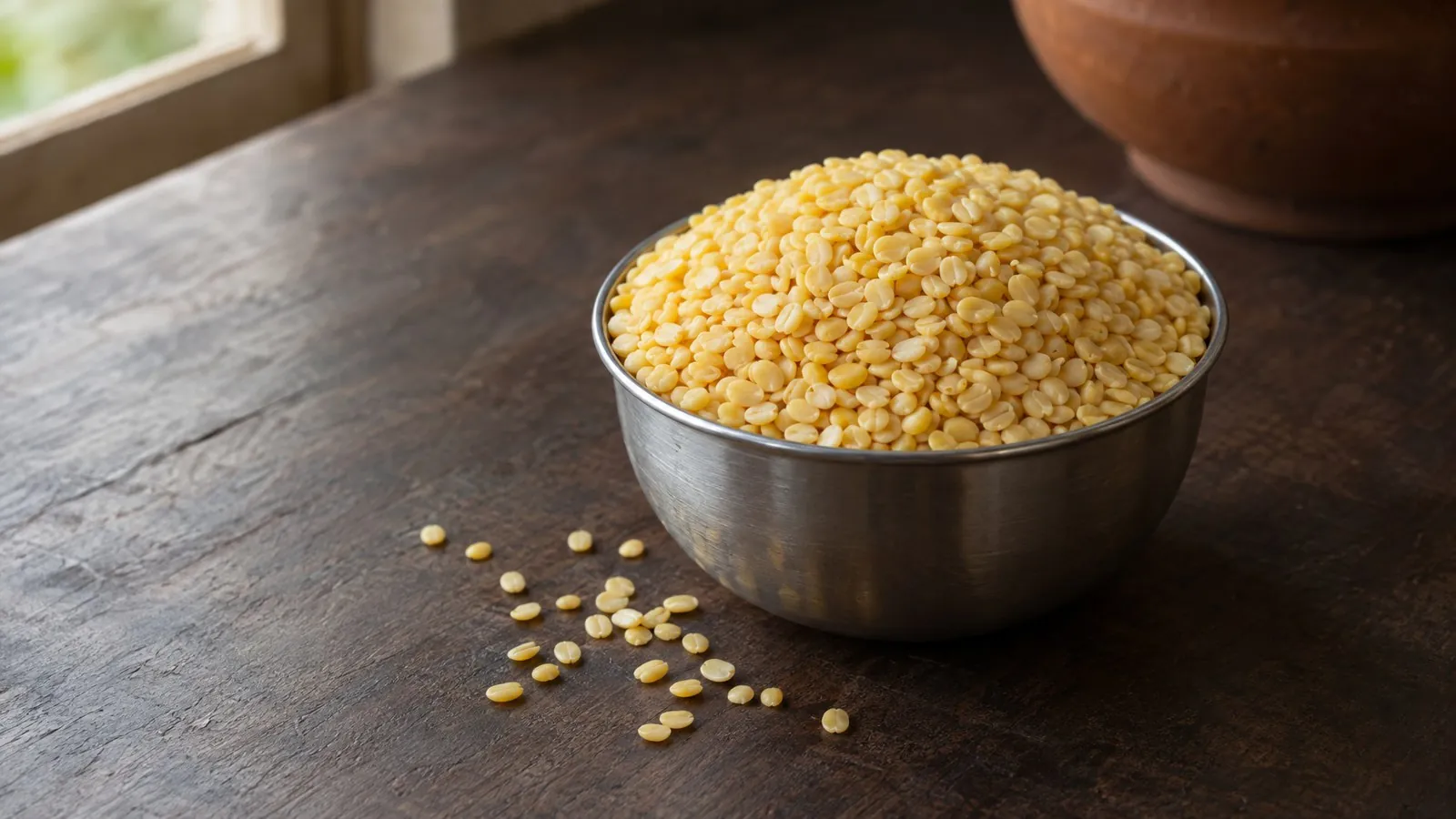
Moong dal has 23.9 g protein, 326 kcal, 52.6 g carbs and 9.4 g fibre per 100 g raw (IFCT 2017) and a GI of 38. Per-katori values, moong vs toor and chana dal, and its folate, iron, potassium and magnesium, all sourced.
06 Jun 2026by COWBERRY
9 minute read
How to make saunf water: overnight soak and when to drink it
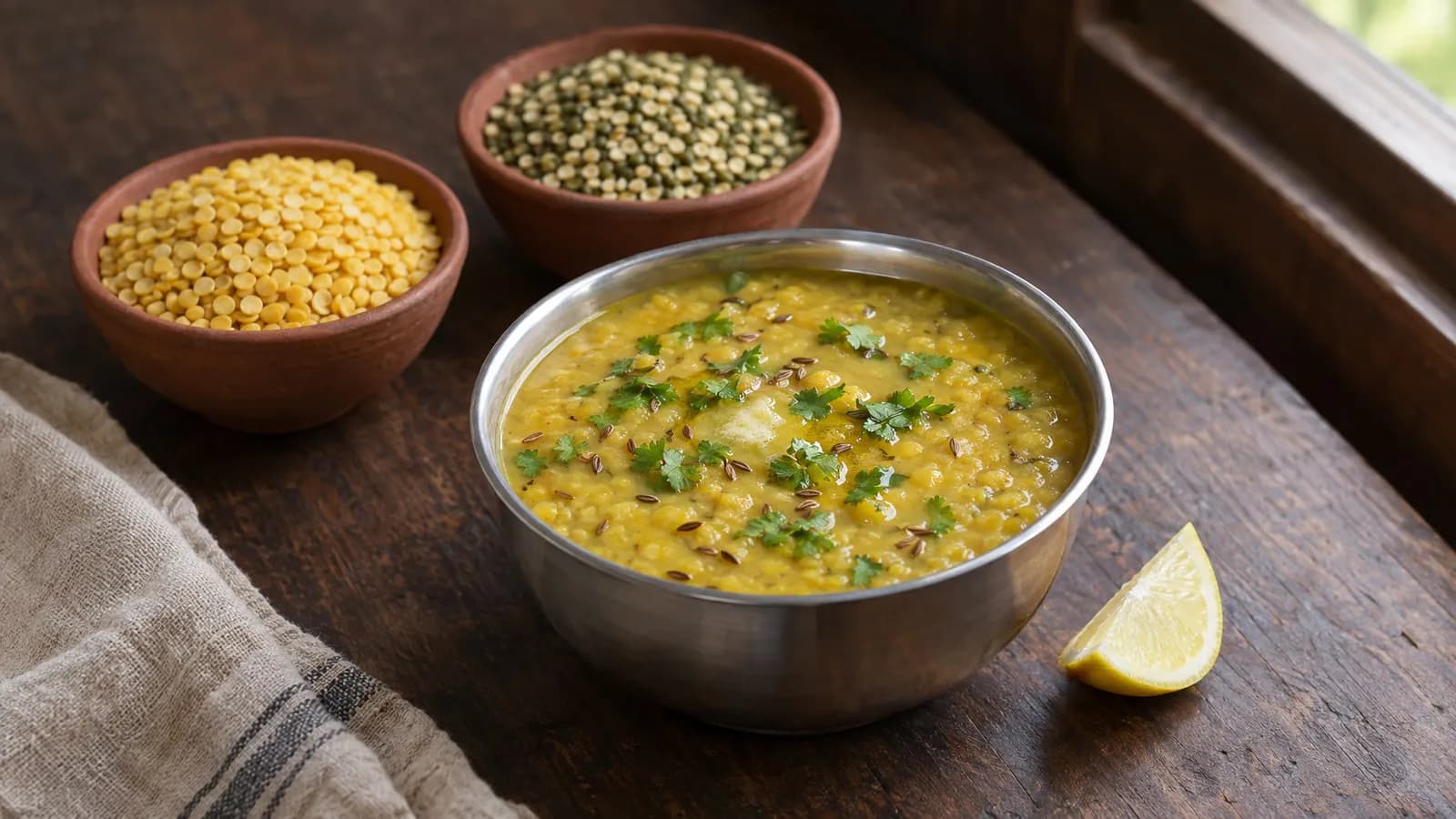
How to make saunf water: overnight soak and when to drink it

How to make saunf water at home: soak one teaspoon of fennel seeds in a 250 ml glass of water overnight, strain in the morning and drink. Ratio, timings, a 15-minute hot method, when to drink it and what one glass gives.
06 Jun 2026by COWBERRY
5 minute read
Moong dal khane ke fayde aur nuksan

Moong dal khane ke fayde aur nuksan

Moong dal khane ke fayde aur nuksan, seedhi Hinglish mein: IFCT 2017 ke numbers (23.88 g protein, 9.37 g fibre, 1268 mg potassium per 100 g, GI 38), kise kam khani chahiye, roz kitni, aur khichdi, chilla aur halwa mein kaise.
05 Jun 2026by COWBERRY
13 minute read
Is desi ghee good for weight loss? Calories, portions and weight gain
Is desi ghee good for weight loss? Calories, portions and weight gain

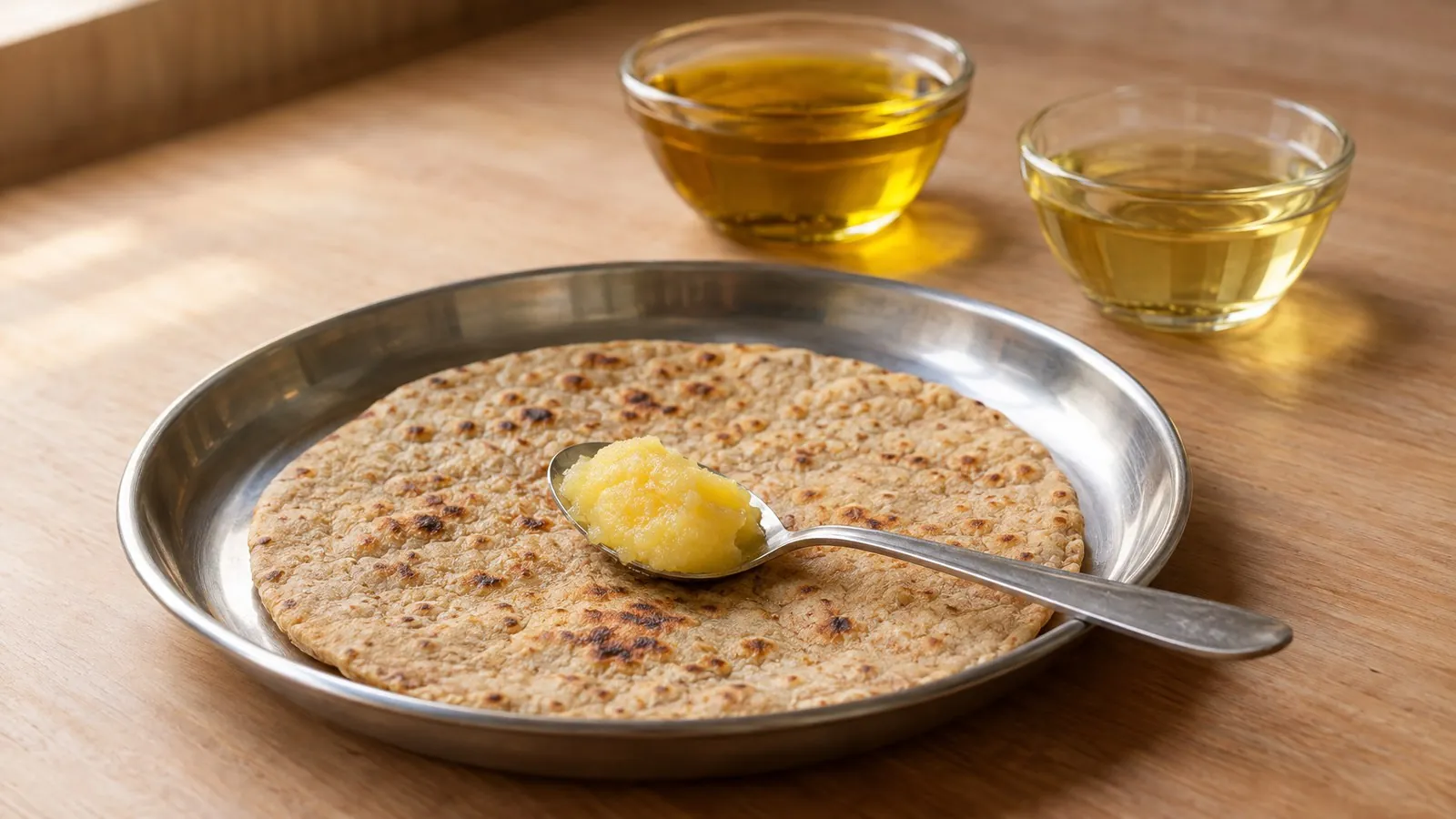
Is desi ghee good for weight loss? Ghee is pure fat: 900 kcal per 100 g and 45 kcal a teaspoon, and no trial shows it burning fat. What the ICMR-NIN 1 to 2 teaspoon rule means, how ghee compares with mustard and groundnut oil, the swaps that matter and what to ask a dietitian.
05 Jun 2026by COWBERRY
6 minute read
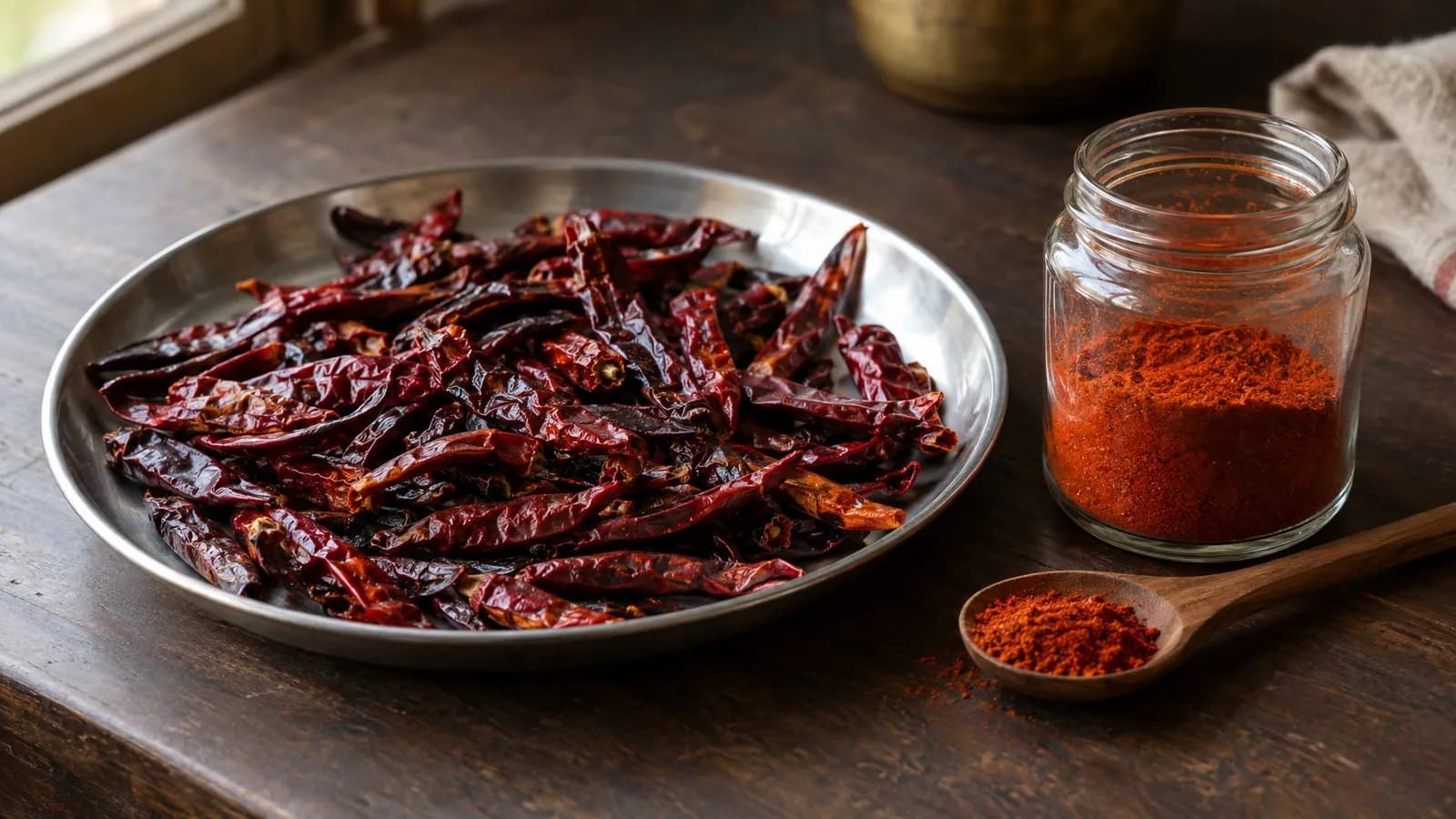
How to make kashmiri lal mirch powder at home
How to make kashmiri lal mirch powder at home

How to make kashmiri lal mirch powder at home: dry-roast whole red chillies for a minute or two, cool them fully, grind fine and store in an airtight jar away from sunlight. Step timings, common mistakes and how long the powder lasts.
05 Jun 2026by COWBERRY
5 minute read
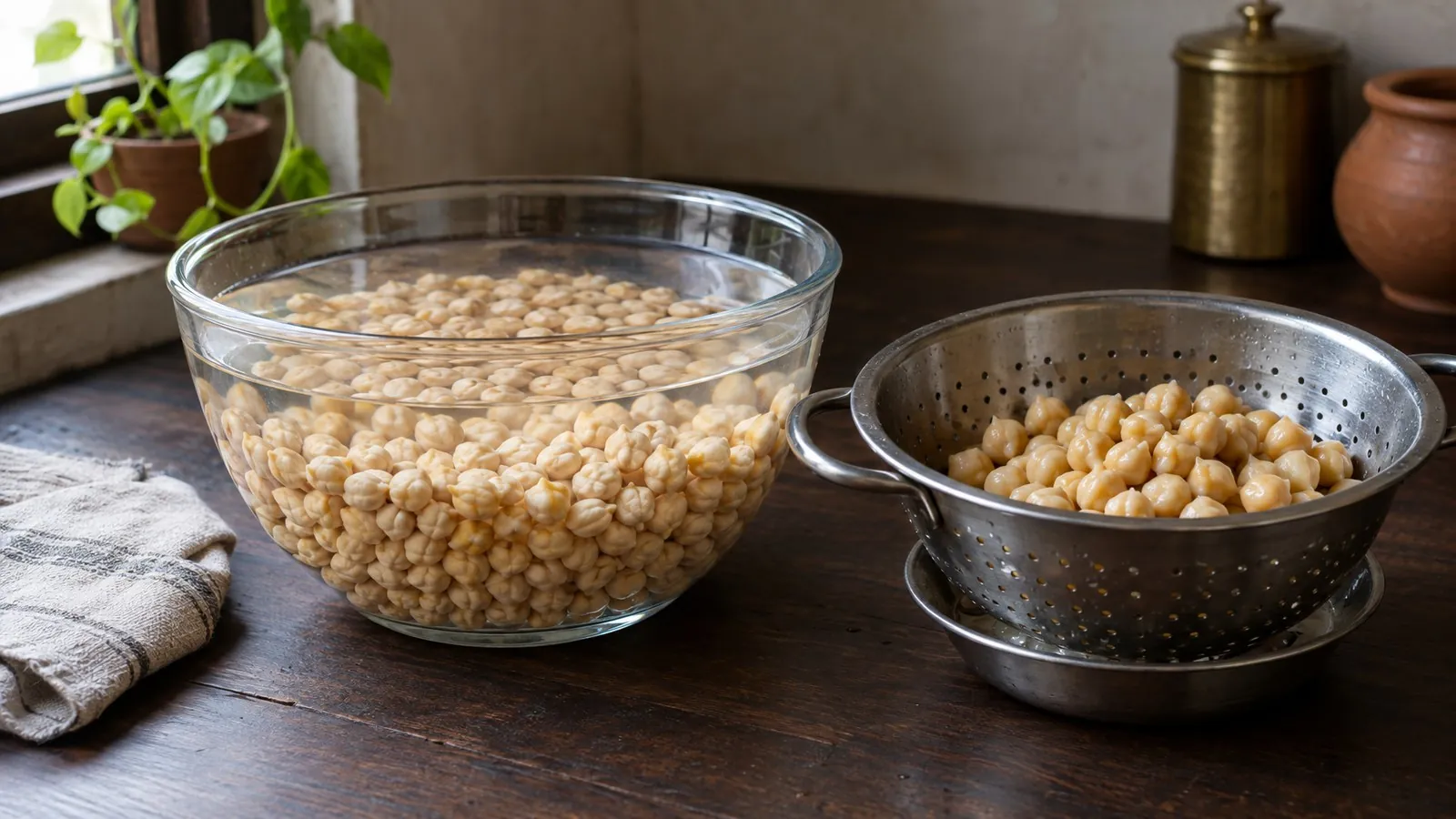
Kabuli chana soaking time: how long to soak and quick-soak
Kabuli chana soaking time: how long to soak and quick-soak

Kabuli chana soaking time: 8 to 12 hours in cold water, or overnight, and a two-hour hot quick soak when the menu is decided late. Steps, water ratio, mistakes and what to do when chana stay hard.
05 Jun 2026by COWBERRY
6 minute read
How to make jeera water (cumin water) at home
How to make jeera water (cumin water) at home

Jeera water how to make: soak a teaspoon of cumin seeds in a cup of water overnight and strain, or boil five minutes and strain. Exact soak and boil timings, morning-vs-night use and how long the water keeps.
04 Jun 2026by COWBERRY
6 minute read
Sharbati wheat in English, Hindi and 13 Indian languages
Sharbati wheat in English, Hindi and 13 Indian languages

Sharbati wheat in English is wheat, whole wheat (Triticum aestivum), and sharbati is a variety name, not a translation. In Hindi it is gehun, and 13 Indian languages each have their own word for the grain. Every name below, with where sharbati wheat grows and what the name means.
04 Jun 2026by COWBERRY
6 minute read
Moong dal in English, Hindi, Kannada (hesaru bele), Telugu and Tamil
Moong dal in English, Hindi, Kannada (hesaru bele), Telugu and Tamil

Hesaru bele in English is moong dal, or split green gram. The name of moong dal in Hindi, Kannada, Telugu, Tamil and eight more Indian languages from the IFCT 2017 list, the dals it is confused with, and where it grows.
04 Jun 2026by COWBERRY
7 minute read
How to eat turmeric: raw haldi, powder and how much per day
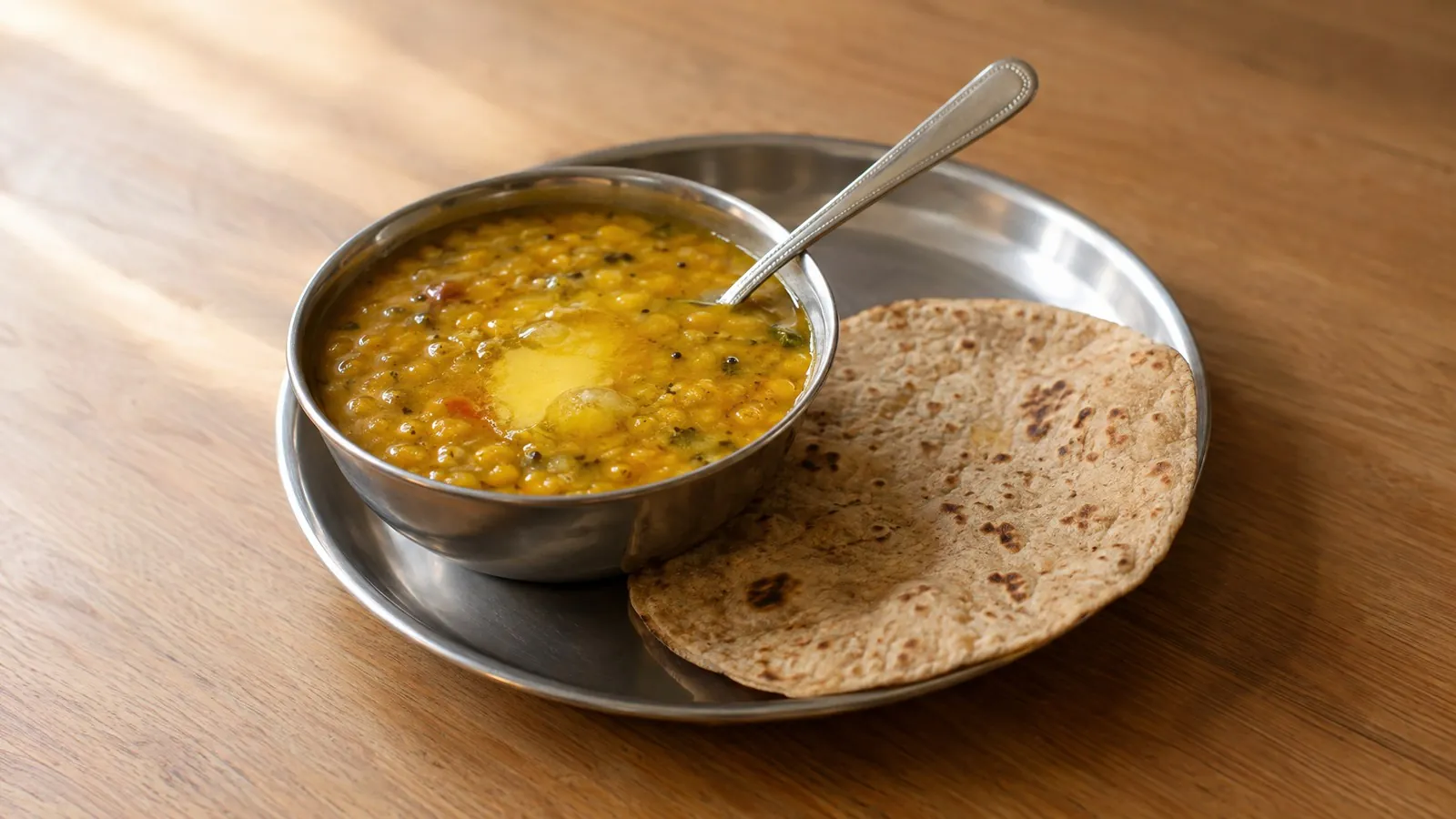
How to eat turmeric: raw haldi, powder and how much per day

How to eat turmeric: cook the powder into the tadka, dal and sabzi, grate raw haldi into chutneys and pickles, and take it as haldi doodh, turmeric tea or water. A level teaspoon is 3 g; amounts, mistakes and what is known about daily intake.
04 Jun 2026by COWBERRY
7 minute read
Is A2 ghee good for diabetes? GI, carbs and how much to have
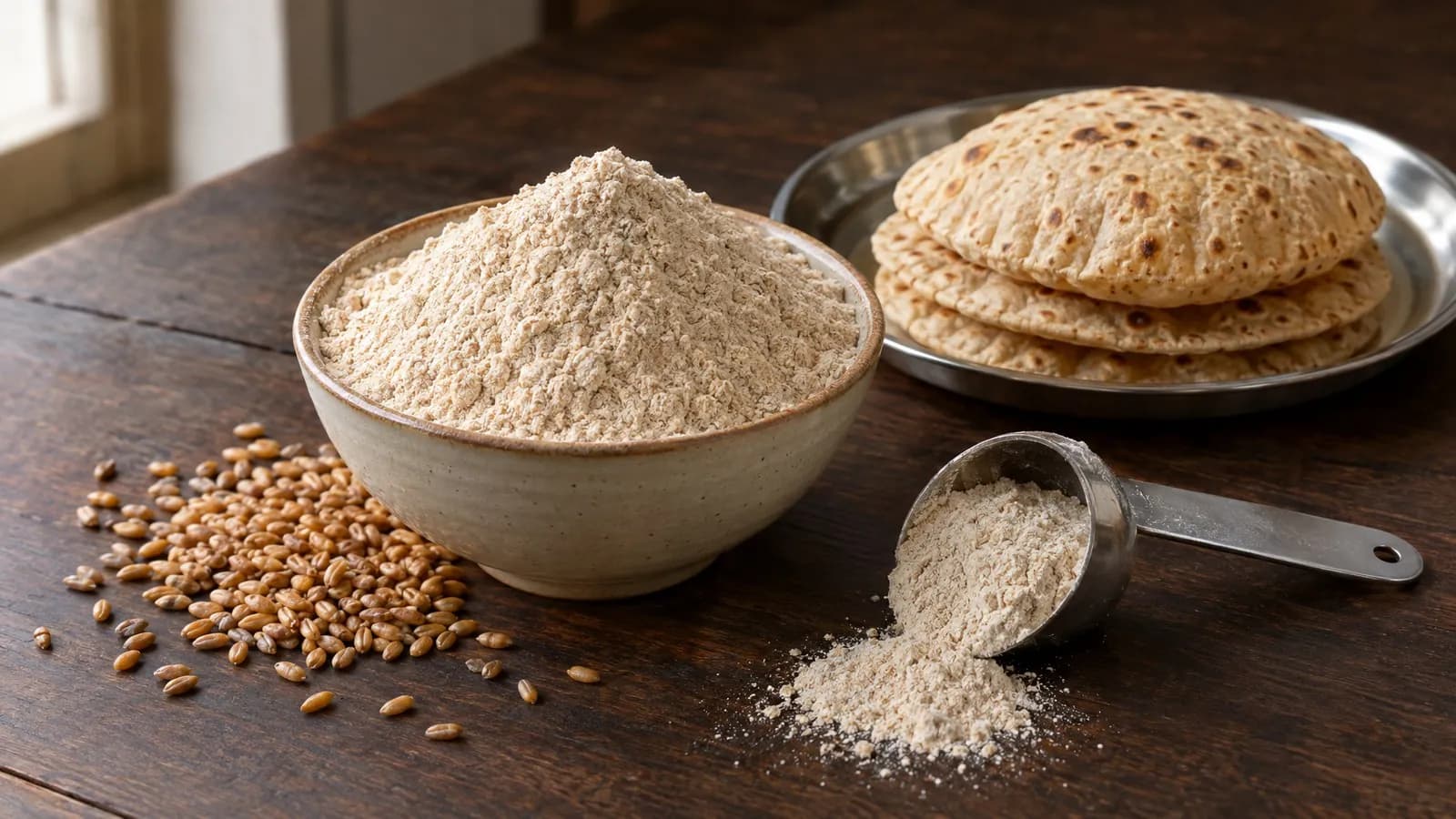
Is A2 ghee good for diabetes? GI, carbs and how much to have

Is A2 ghee good for diabetes? Ghee has 0 g of carbohydrate per 100 g, so it carries no GI figure and adds no glucose. What it does add is fat and 900 kcal per 100 g, plus the saturated fat the WHO guideline and ICMR-NIN ask you to watch. Teaspoons, tadka and what to ask your doctor.
04 Jun 2026by COWBERRY
7 minute read
Glycemic index of wheat: roti GI, atta nutrition per 100g

Glycemic index of wheat: roti GI, atta nutrition per 100g

Glycemic index of wheat: 47 for whole wheat, the mean of two India-tested GI entries, and 45.1 for a Chennai whole wheat flour roti. Plus atta nutrition per 100 g and per roti from IFCT 2017: calories, protein, fibre, iron and magnesium.
03 Jun 2026by COWBERRY
8 minute read