membership background

COWBERRY's Blog: Organic Food, Recipes & Healthy Living

Featured

What Is Brown Sugar? Types, How It Is Made, Nutrition and Uses

What Is Brown Sugar? Types, How It Is Made, Nutrition and Uses

What is brown sugar: sugar with part of the cane's molasses kept in — 380 kcal and 98.1 g of carbohydrate per 100 g. Types (demerara, muscovado, light and dark), names, how it is made, nutrition, uses, storage and buying.
05 Aug 2026by COWBERRY
11 minute read

Fresh Blogs

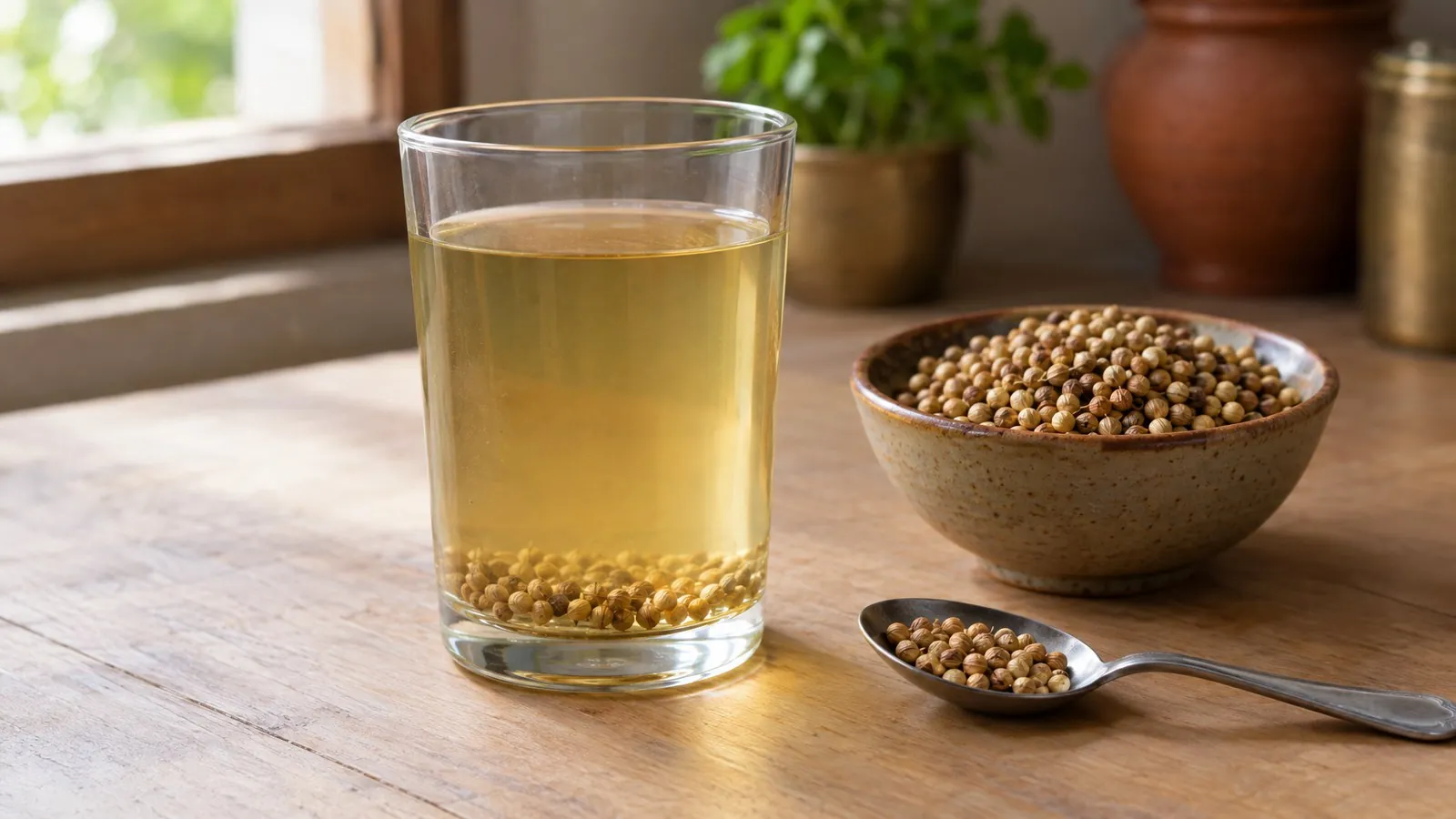
Coriander water benefits: what dhania water actually does

Coriander water benefits: what dhania water actually does

Coriander water benefits, answered honestly: the research reviewed here has no human trial showing coriander water does anything specific. Here is what is known about coriander, what one teaspoon of seeds holds, and how to make and drink the water.
05 Oct 2026by COWBERRY
7 minute read
Red rice vs brown rice: the fibre, GI and honest verdict
Red rice vs brown rice: the fibre, GI and honest verdict
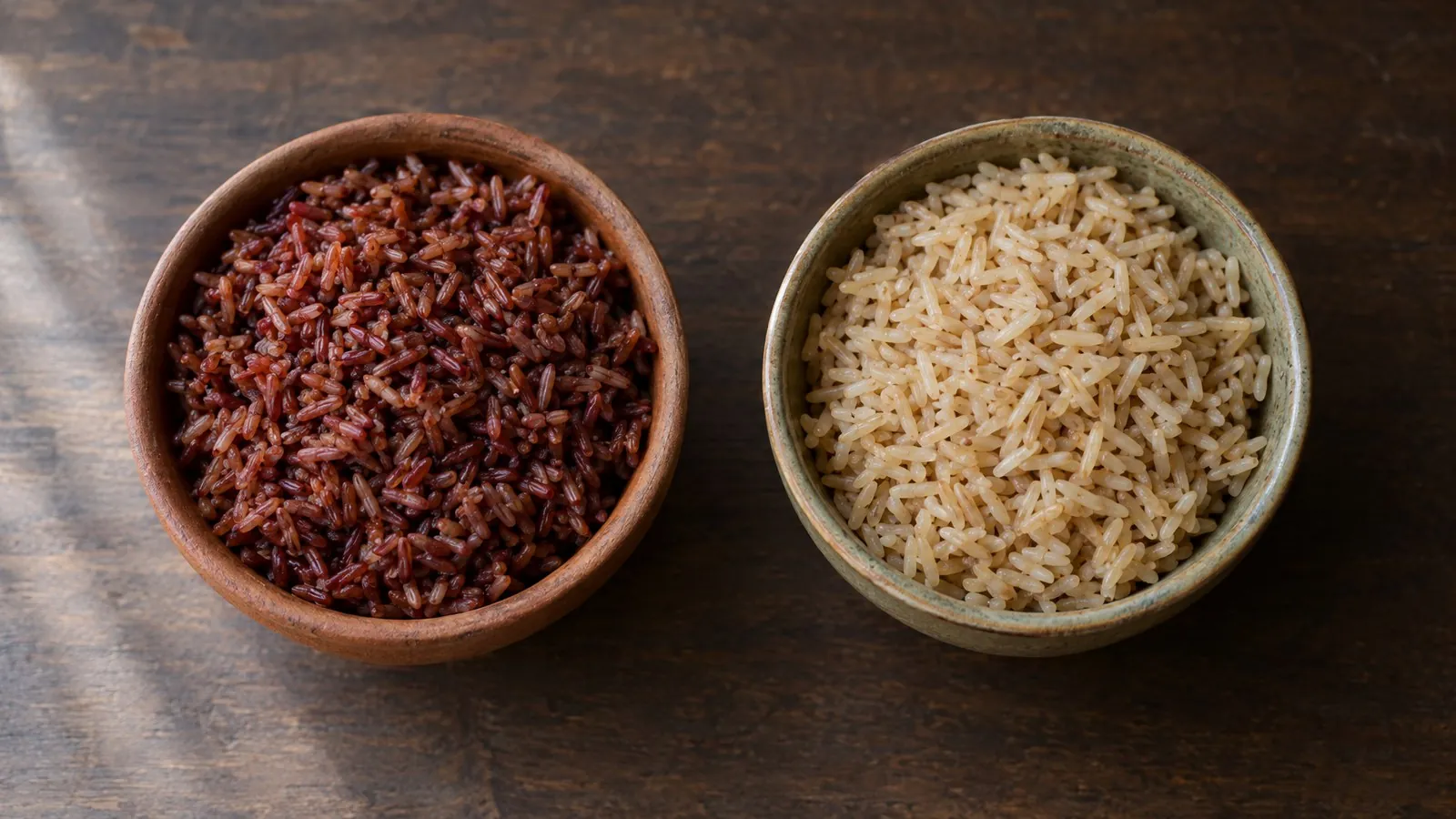
Red rice vs brown rice: brown rice lists more fibre and protein and an India-tested GI of 58, while red rice's seven foreign tests average 62. Side-by-side nutrition per 100 g, GI, cooking, cost and which to choose.
05 Oct 2026by COWBERRY
6 minute read

More Articles

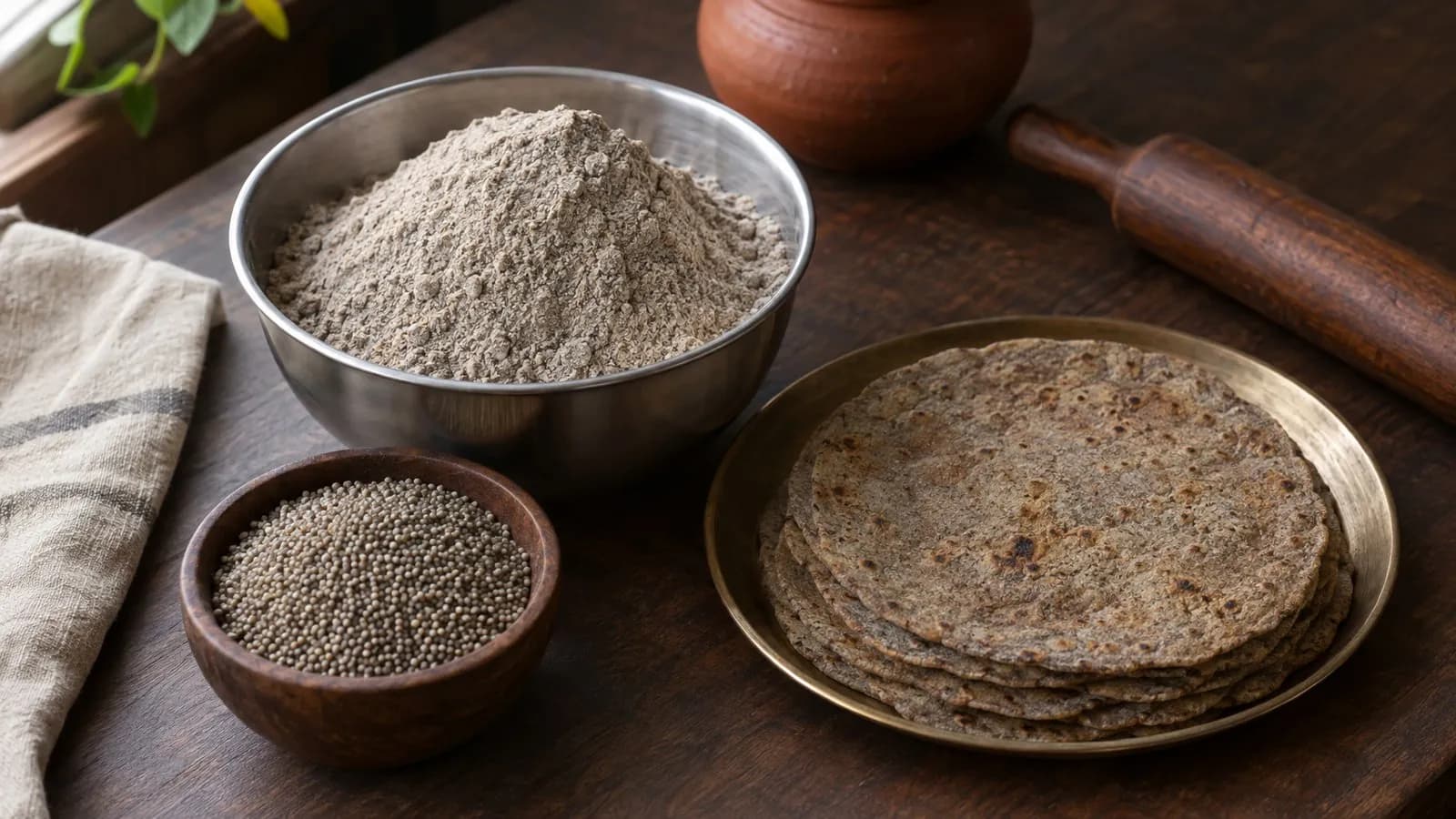
10 benefits of millet atta (and its side effects)
10 benefits of millet atta (and its side effects)

Ten millet atta benefits with the nutrition numbers behind each one, the side effects to know, and how much to eat a day.
02 Sept 2026by COWBERRY
10 minute read
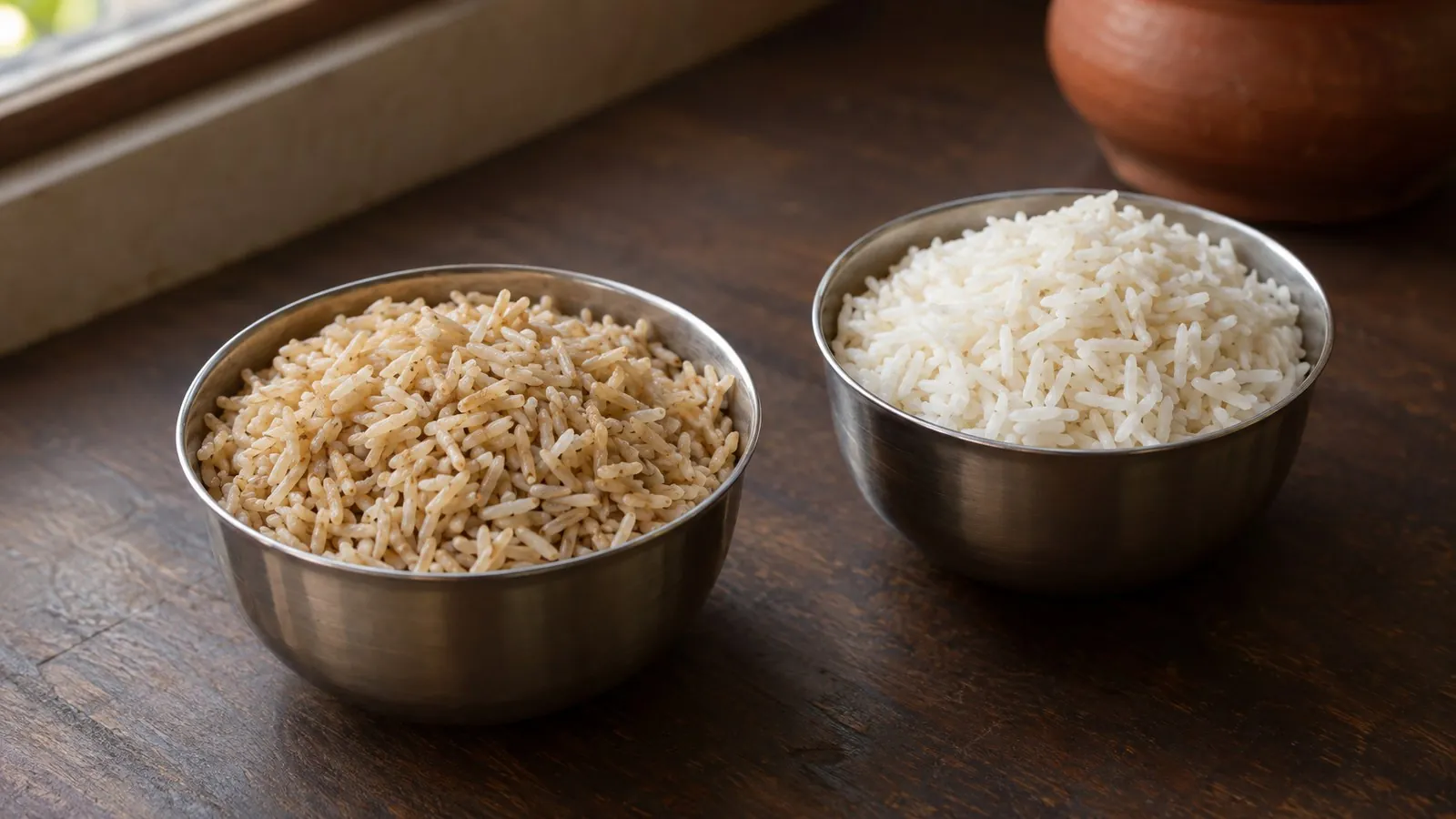
Brown basmati vs white basmati: nutrition and which to choose
Brown basmati vs white basmati: nutrition and which to choose

Brown basmati vs white basmati: the same grain at two stages of milling. IFCT 2017 gives brown rice 4.43 g of fibre per 100 g against 2.81 g for milled rice, calories tied at 354 vs 357, and cooking takes 30-40 vs 12-15 minutes.
02 Sept 2026by COWBERRY
6 minute read
What is orthodox tea? Meaning, process and how it differs
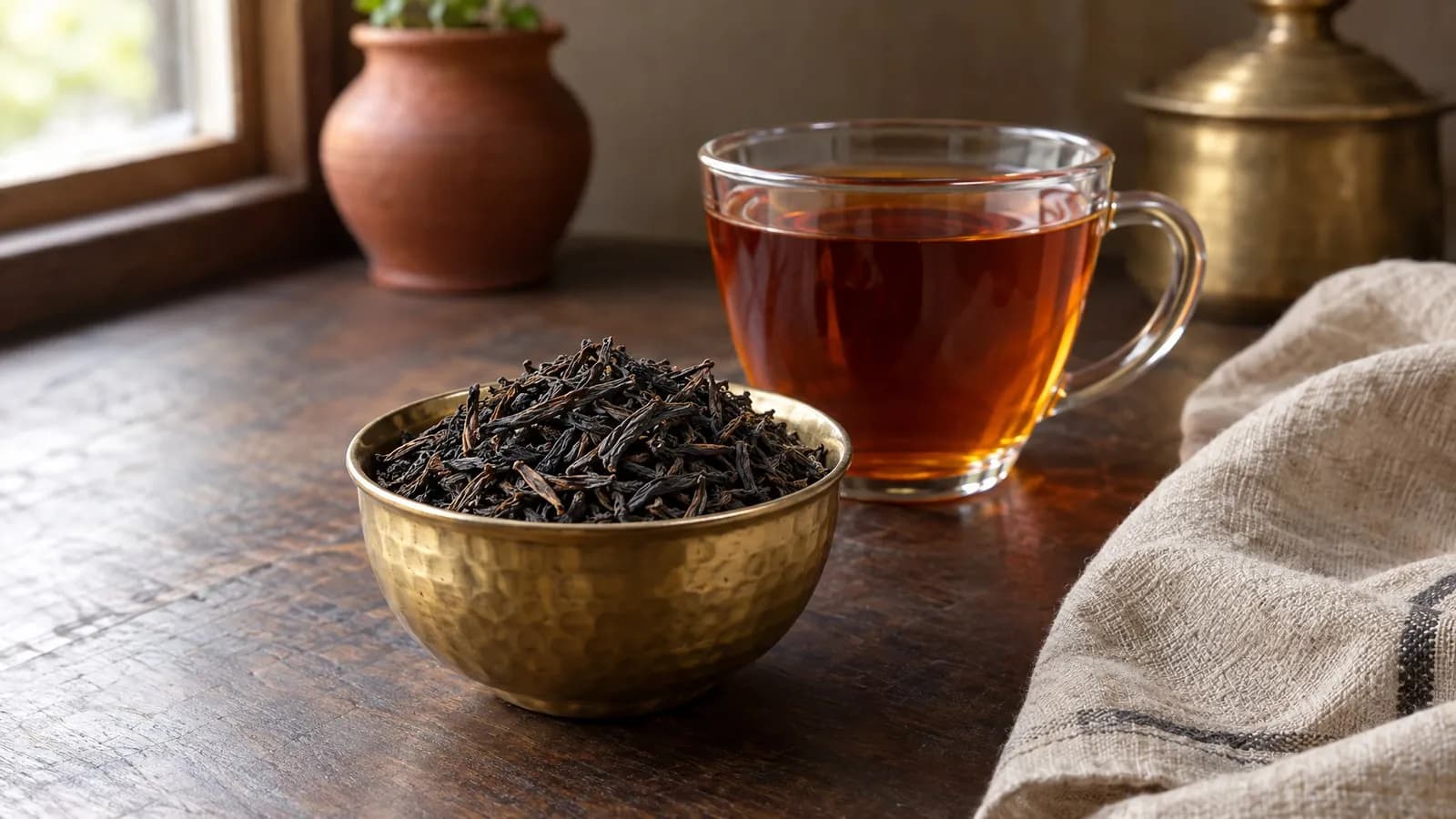
What is orthodox tea? Meaning, process and how it differs

Orthodox tea meaning: the traditional whole-leaf process in which Assam tea leaves are hand-picked and carefully rolled, not cut, for a smooth, layered cup. How it is made and how it differs from CTC.
02 Sept 2026by COWBERRY
8 minute read
Chai patti ke fayde aur nuksan (benefits and side effects)
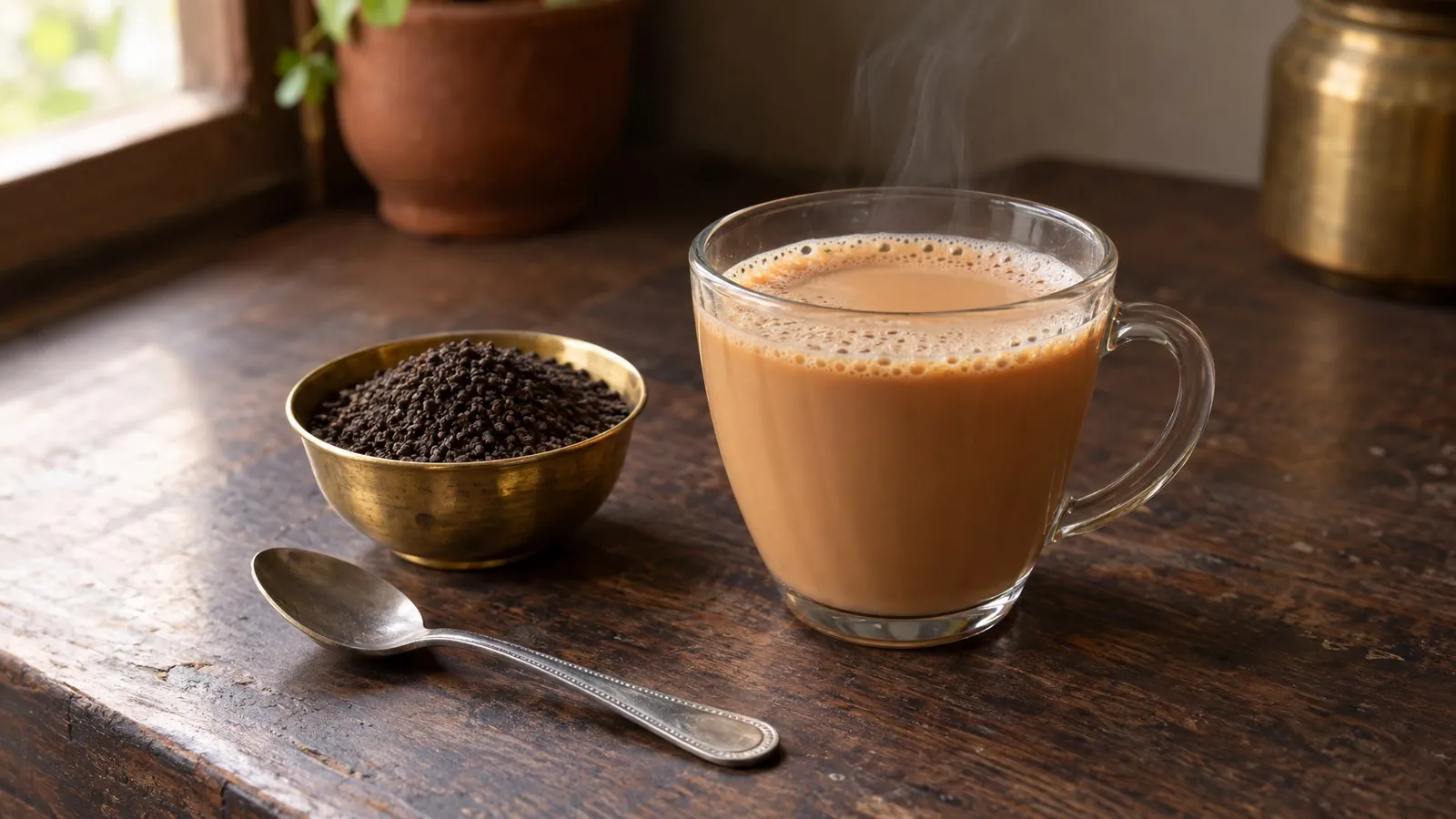
Chai patti ke fayde aur nuksan (benefits and side effects)

Chai patti ke fayde aur nuksan simple Hinglish mein: polyphenols, halki caffeine lift, 2024 ka mortality association, chhota measured LDL effect, aur caffeine aur iron ke nuksan jo manage karne hain.
02 Sept 2026by COWBERRY
9 minute read
Black rice vs white rice: nutrition, GI, taste and which to choose
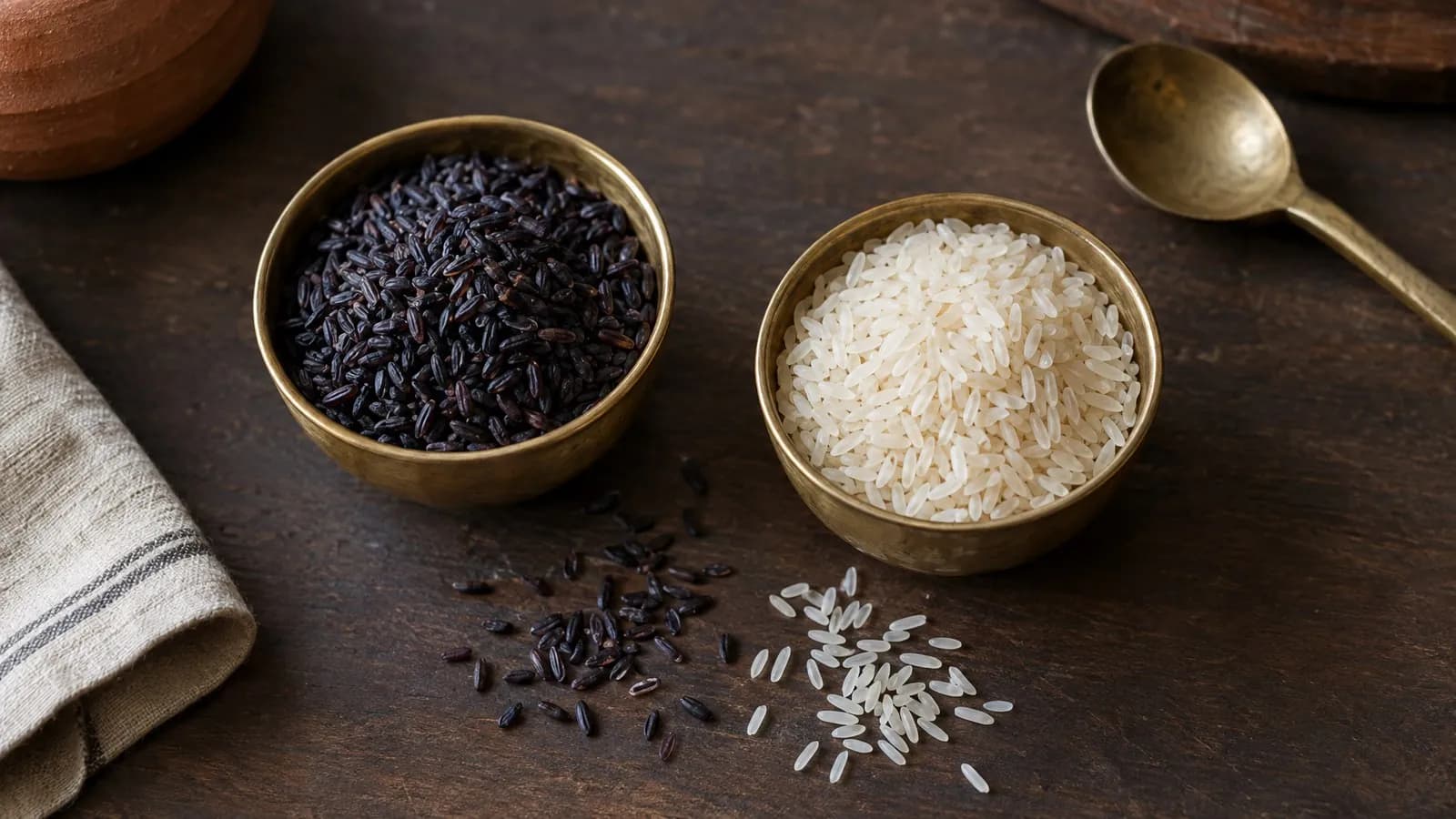
Black rice vs white rice: nutrition, GI, taste and which to choose

Black rice vs white rice: unpolished against polished. Black rice carries more fibre (4.2 g vs 2.81 g per 100 g) and far more magnesium, but its tested GI of 91 sits above the India-tested sona masoori figure of 72. Nutrition, taste, cooking, cost and who should pick which.
01 Sept 2026by COWBERRY
7 minute read
What is kasuri methi? Dried fenugreek leaves, uses and how to store
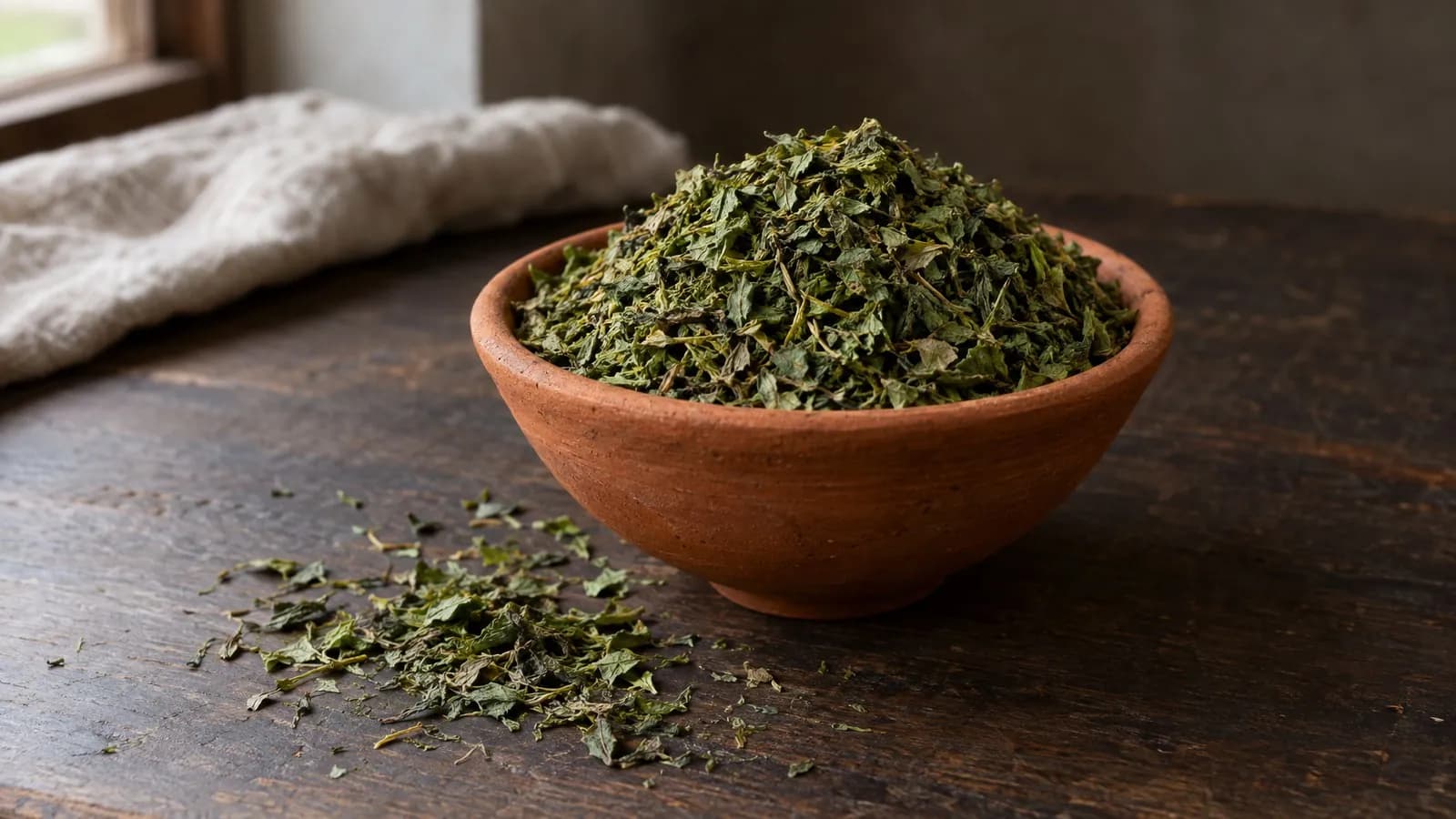
What is kasuri methi? Dried fenugreek leaves, uses and how to store

What is kasuri methi: dried fenugreek leaves, crumbled and used as a finishing herb in curries, dals and gravies. How it is made, how it tastes and how to store it.
01 Sept 2026by COWBERRY
6 minute read
Masoor dal vs toor dal: protein, nutrition and which to choose
Masoor dal vs toor dal: protein, nutrition and which to choose

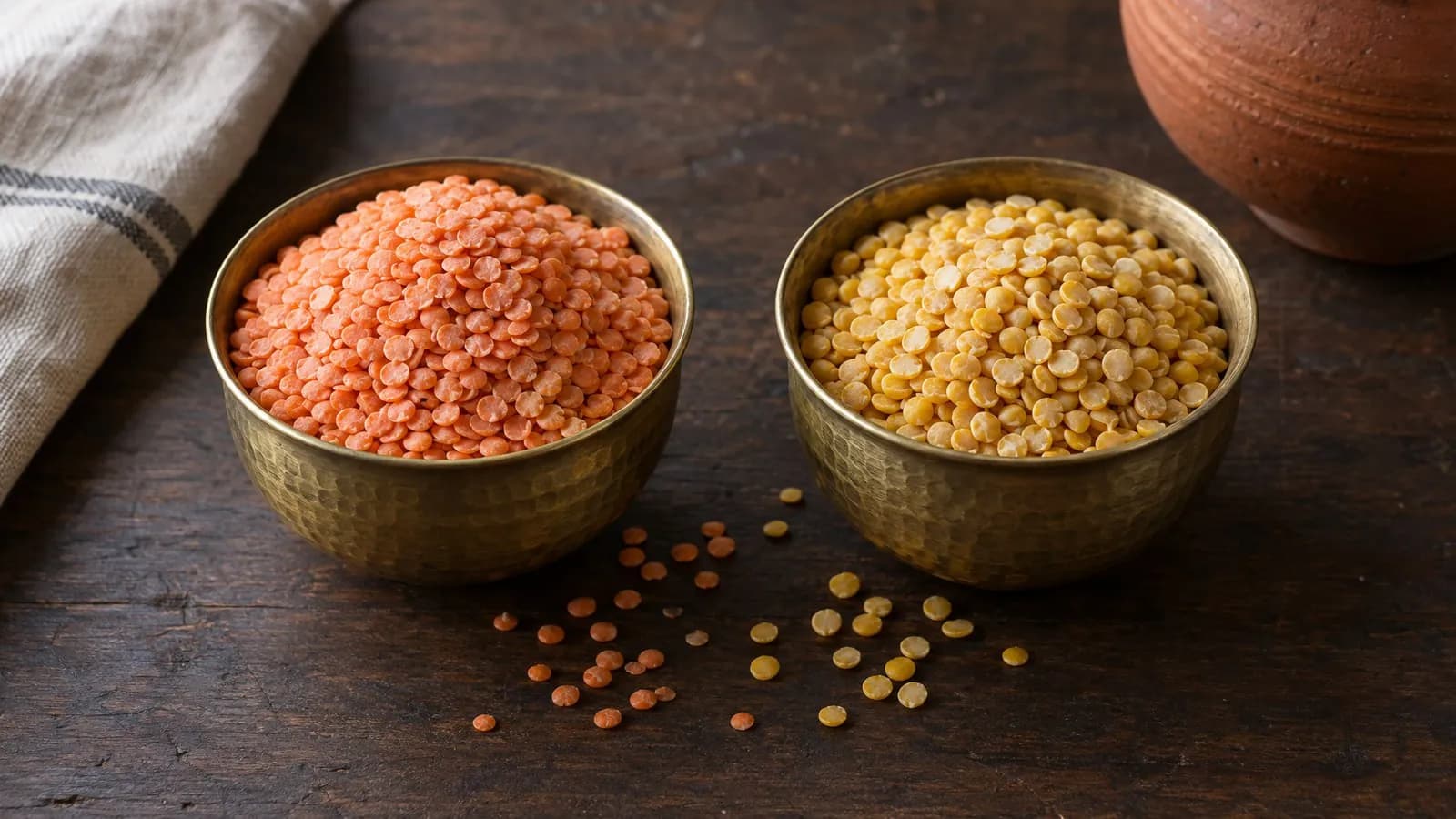
Masoor dal vs toor dal: red lentil against pigeon pea. Masoor has more protein, fibre and iron, toor more folate and calcium; GI 25 vs 20, 323 vs 331 kcal per 100 g.
01 Sept 2026by COWBERRY
8 minute read
Are green tea leaves safe to eat? Benefits and how to eat them
Are green tea leaves safe to eat? Benefits and how to eat them

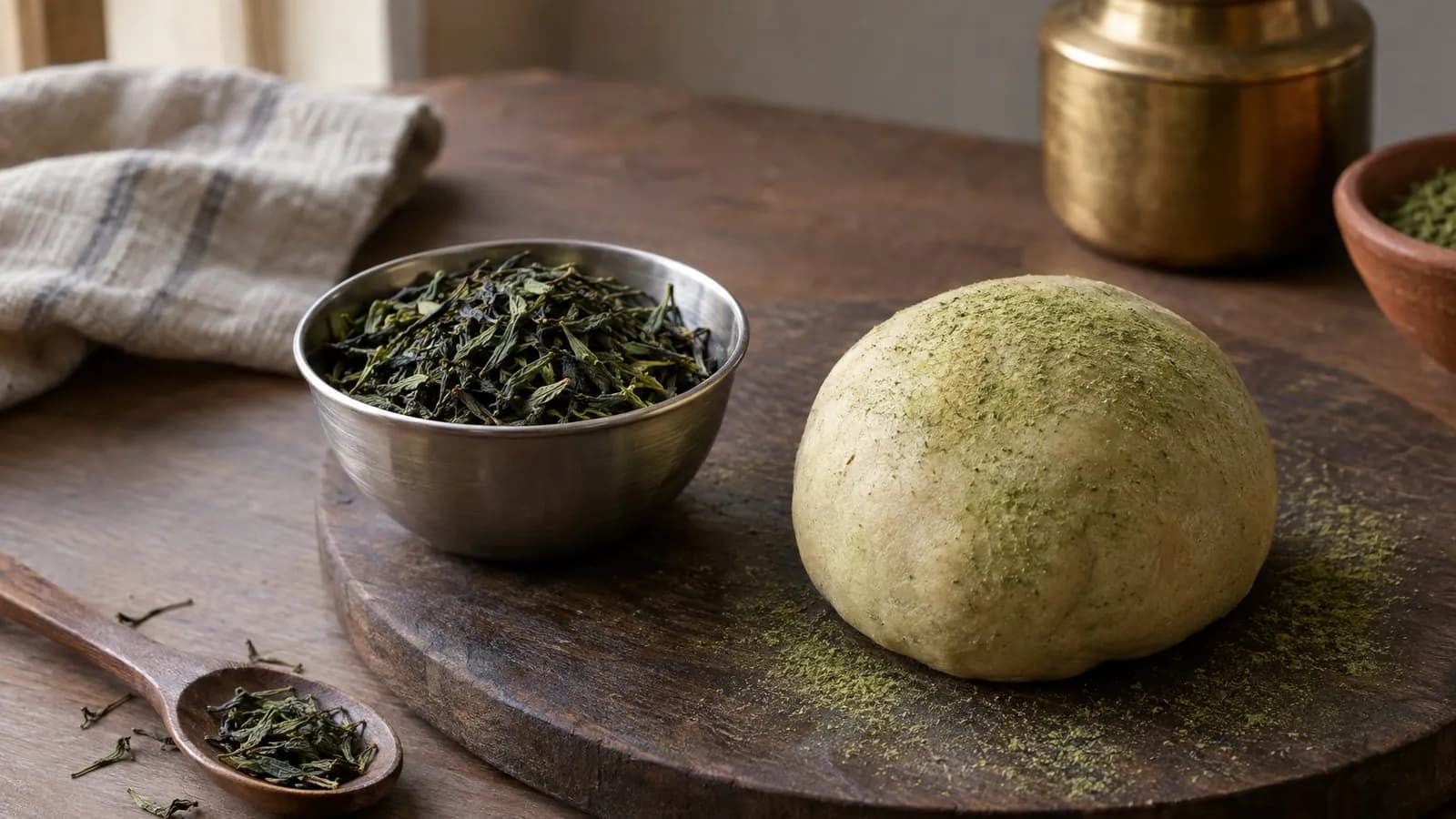
What the 2018 safety review says about eating green tea leaves, the pack nutrition per 100 g, caffeine and tannin cautions, and simple ways to eat the leaves.
01 Sept 2026by COWBERRY
8 minute read
Masoor dal recipes: 5 easy red lentil dishes for every meal
Masoor dal recipes: 5 easy red lentil dishes for every meal

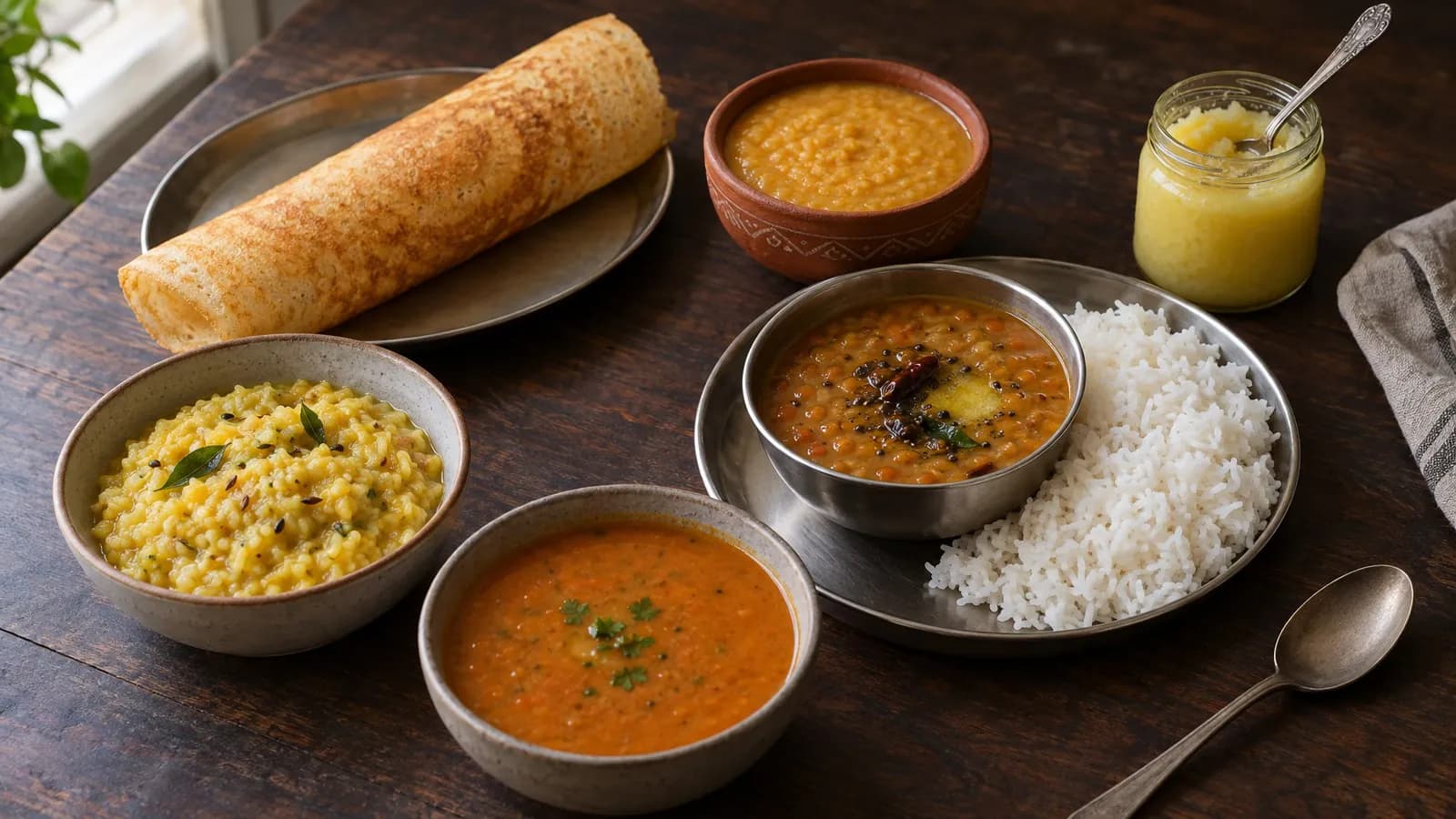
Five masoor dal recipes grouped by meal: porridge and dosa for breakfast, tadka dal and khichdi for lunch, soup for dinner — each with its time, portion and per-bowl protein.
31 Aug 2026by COWBERRY
6 minute read
What is kashmiri red chilli? origin, colour, uses, substitutes
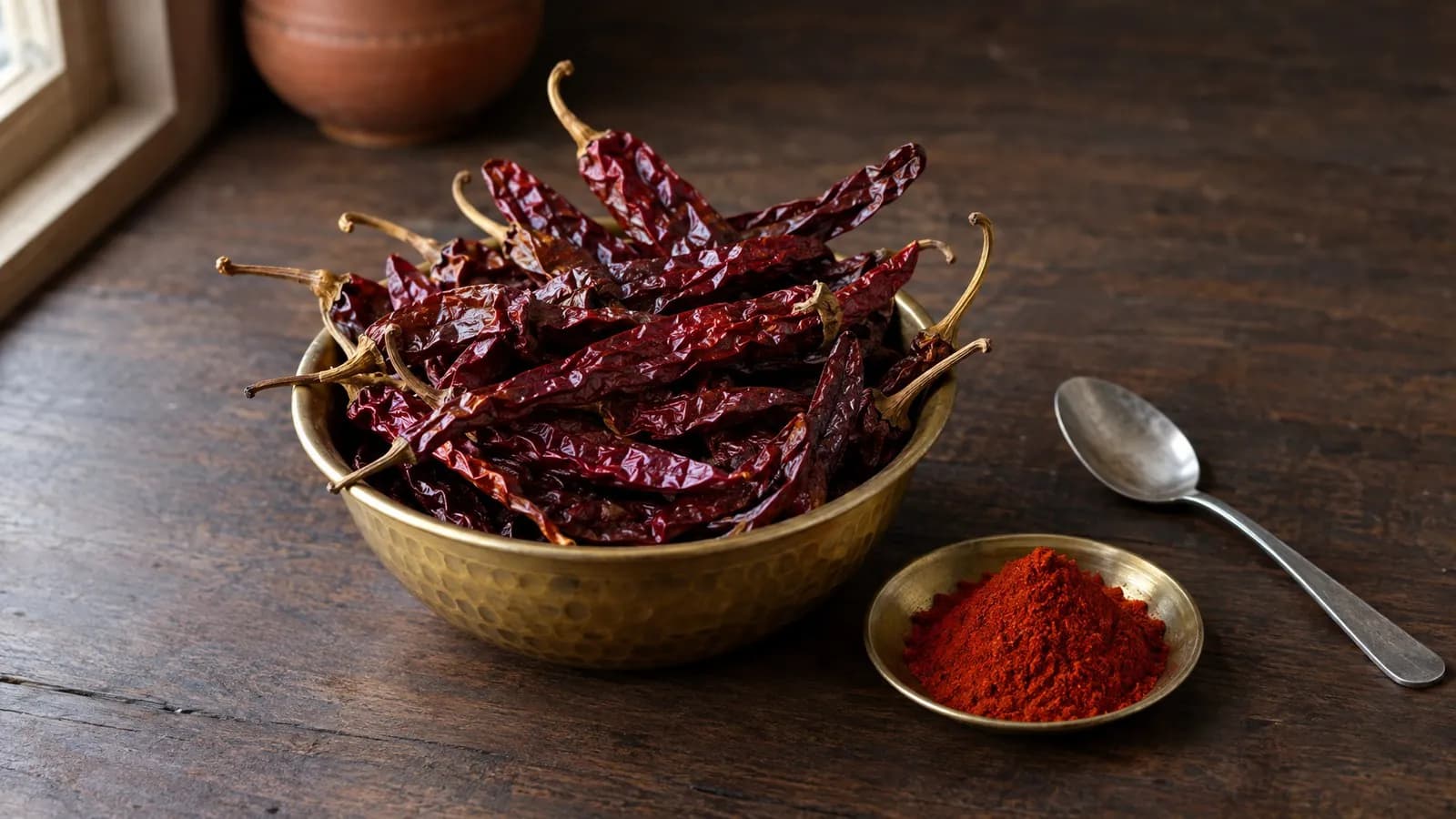
What is kashmiri red chilli? origin, colour, uses, substitutes

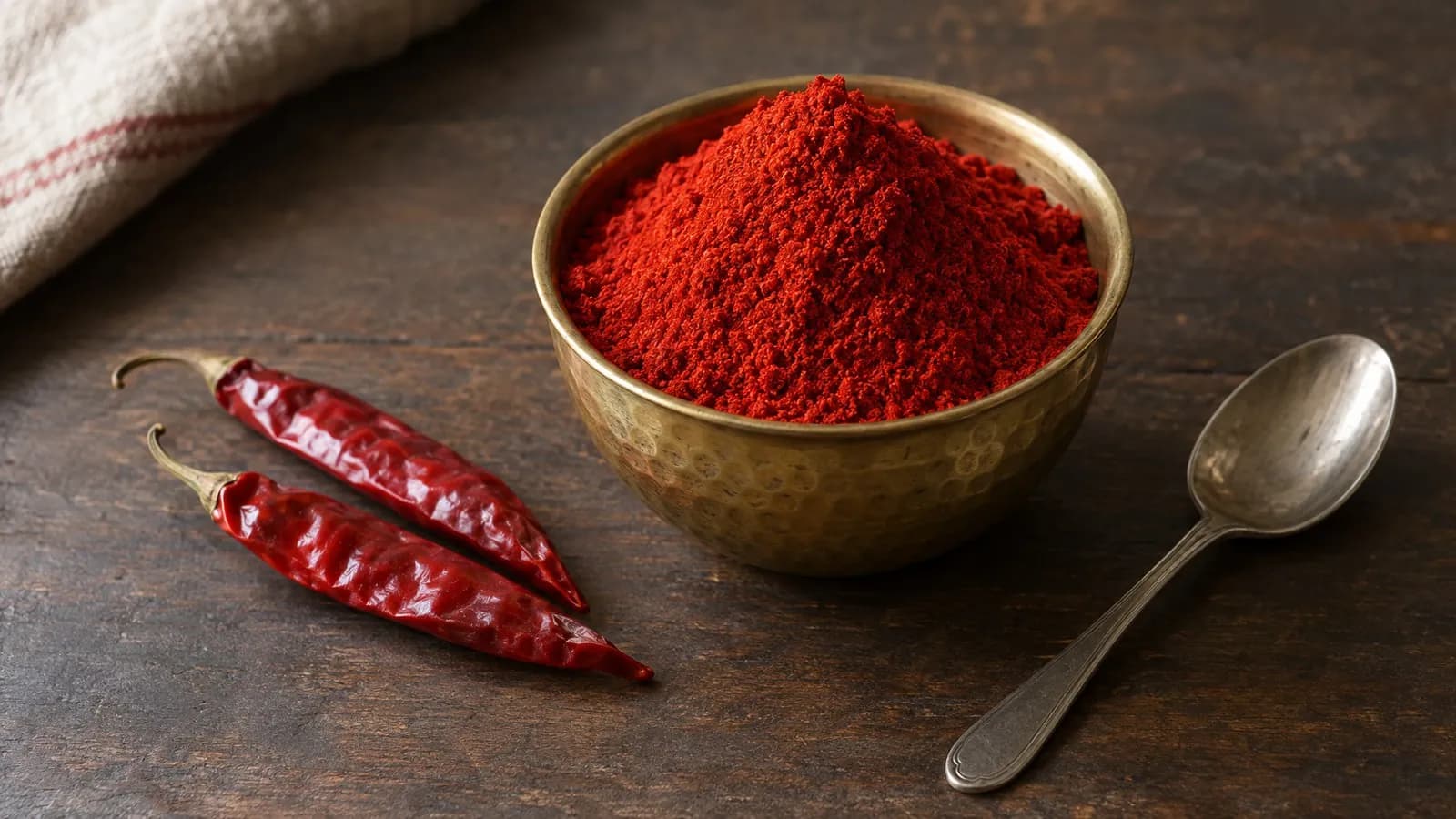
What is kashmiri red chilli? A mild, deep-red variety of dry red chilli from the mountain farming regions of Himachal Pradesh, bought as a powder made for colour. Origin, why it is not spicy, uses and substitutes.
31 Aug 2026by COWBERRY
9 minute read
Byadgi chilli: heat, colour, powder and how to use it
Byadgi chilli: heat, colour, powder and how to use it

Byadgi chilli is a named variety of dry red chilli, the chillies, red entry of IFCT 2017. What the records show and do not show about its heat, colour, powder and uses, honestly separated.
31 Aug 2026by COWBERRY
8 minute read
Black rice nutrition per 100g: calories, protein, fibre and GI

Black rice nutrition per 100g: calories, protein, fibre and GI

Black rice nutrition per 100 g from the USDA food database: 370 kcal, 7.57 g protein, 3.44 g fat, 77.2 g carbs, 4.2 g fibre, 113 mg magnesium, 1.12 mg iron, and a GI of 91 (three tests, 64 to 109). Plus what one katori of cooked black rice gives.
31 Aug 2026by COWBERRY
8 minute read