by COWBERRY

10 minute read
10 benefits of millet atta (and its side effects)

Millet atta benefits read best one nutrient at a time: 11 g of protein and 11.5 g of fibre per 100 g in bajra, 364 mg of calcium in ragi, and a GI of 57 for bajra rotis. The ten below are the ones the nutrition numbers actually support, with the side effects in the back half. For names and nutrition basics, see the millets hub.
Millet atta benefits at a glance
Ten millet atta benefits, each with the nutrient behind it, in one list:
- Protein — 11 g per 100 g in bajra atta
- Fibre — 11.5 g per 100 g in bajra atta
- Calcium — 364 mg per 100 g in ragi atta
- Iron — 6.4 mg per 100 g in bajra atta
- Gluten free — every millet, by nature
- Glycemic index — 57 for bajra rotis, in the medium band
- Satiety — the fibre-and-bulk effect the Dietary Guidelines describe
- Magnesium and potassium — 146 mg and 443 mg per 100 g in ragi
- Low sodium — 5.4 mg per 100 g or less in all five
- Polyphenols — concentrated in the seed coat
The sections after this give each benefit its numbers and its limits; millet flour benefits and side effects belong on the same page, so the cautions come at the end.
Four millet atta benefits backed by the big nutrients
IFCT 2017 prints these values for the raw grain; atta milled from the whole grain is taken here to carry the same numbers.
1. Protein
Bajra atta carries 11 g of protein per 100 g, jowar 10 g, little millet 10.1 g, kodo 8.9 g and ragi 7.2 g. A 30 g roti therefore brings 2.1 to 3.3 g of protein, and a 40 g jowar or bajra bhakri 4 to 4.4 g. Millet protein is poor in the amino acid lysine, so ICAR-IIMR describes it as complementing leguminous and animal proteins rather than standing alone; the Dietary Guidelines for Indians count pulses among the lysine-rich foods that round cereals out. A millet roti with dal is the combination those numbers point to.
2. Fibre
Bajra atta carries 11.5 g of fibre per 100 g, ragi 11.2 g, jowar 10.2 g, little millet 7.7 g and kodo 6.4 g. The Dietary Guidelines for Indians describe dietary fibre as retarding the absorption of carbohydrate and fat and raising the satiety value of the meal. ICAR-IIMR adds that millet bran is a rich source of dietary fibre, so a flour with the bran left in is the one to look for.
3. Calcium
Ragi atta is where the calcium benefit lives. Its 364 mg per 100 g stands far above the rest of the family — 27.6 mg in jowar, 27.4 mg in bajra, 15.3 mg in kodo and 16.1 mg in little millet — and ICAR-IIMR names finger millet the richest calcium source among the millets. A 30 g ragi roti still brings about 109 mg, and a katori of cooked ragi about 146 mg, so even small servings add up.
4. Iron
Bajra atta carries 6.4 mg of iron per 100 g and ragi 4.6 mg; jowar (4 mg), kodo (2.3 mg) and little millet (1.3 mg) sit behind. The 2021 anaemia review by Anitha and colleagues found that across 19 studies on anaemic people, millet-based meals raised haemoglobin by 13.2 per cent against 2.7 per cent on regular diets, and laboratory work in the same review found fermentation lifted bioavailable iron 3.4 times and germination 2.2 times. The Dietary Guidelines note that vitamin C rich foods eaten as part of a regular meal — citrus fruits, guava or coriander-and-chilli chutneys — improve iron absorption from plant foods, and suggest keeping tea away for at least an hour before or after a meal.
Millet flour benefits for blood sugar, weight and blood pressure
5. Glycemic index: bajra at 57, the lowest of the four printed
A GI of 55 or less is low, 56 to 69 medium and 70 or more high (University of Sydney), and kodo millet has no GI figure. Bajra rotis and chapatis tested at a mean GI of 57 (three India-tested entries, flour and water only); the other values are single tests — 66 for de-husked jowar boiled in Botswana, 68 for dehusked ragi soaked and steamed in India, and 89 for little millet cooked unpolished in India (University of Sydney). In Anitha and colleagues' 2021 diabetes meta-analysis, which pooled several millets, long-term millet intake cut fasting blood glucose about 12 per cent and the rise after meals about 15 per cent in people with diabetes, and HbA1c in pre-diabetic participants moved from 6.65 to 5.67 per cent. The is millet atta good for diabetes page has the full picture.
6. Satiety, and the calories across the five
All five millets sit within a 27 kcal band — 321 kcal in ragi to 348 kcal in bajra per 100 g — so swapping one millet for another changes little on paper. What the grains bring is fibre and bulk: the Dietary Guidelines describe fibre as improving satiety, and ICAR-IIMR notes that sorghum aids hunger satisfaction, increases satiety and thereby reduces the risk of developing obesity. The best millet for weight loss page shows how to put these effects to work in a plan.
7. Magnesium, potassium and sodium
Ragi carries 146 mg of magnesium and 443 mg of potassium per 100 g; jowar carries 133 mg and 328 mg, and bajra 124 mg and 365 mg. The Dietary Guidelines describe minerals like these as driving nerve cell transmission, acid/base and fluid balance, plus enzyme and hormone activity. Sodium is the opposite story: 4.8 mg per 100 g in ragi, 5.4 mg in jowar, 4.1 mg in bajra, 3.4 mg in kodo and 4.8 mg in little millet. Salt added in cooking comes on top of the grain's own sodium; the Dietary Guidelines' sample menus allow 5 g of iodised salt in a day's cooking.
Millet flour benefits: gluten free, polyphenols and sprouting
8. Gluten free by nature
ICAR-IIMR's listing places millets among the gluten free and non-glutinous grains, and calls them useful for people with gluten allergy and coeliac disease. The NHS explains that gluten sits in wheat, barley and rye and that a gluten-free diet helps control symptoms; check the label on any bought atta for those grains. Rotis, bhakris and porridges all work with 100 per cent millet atta; dosa batters use millet flour as the base with a little rice flour.
9. Polyphenols in the seed coat
Millets are rich in polyphenols, the health-promoting phytochemicals ICAR-IIMR describes as functioning as antioxidants; in ragi they concentrate in the brick red seed coat. ICAR-IIMR notes that the seed coat stays in the food when ragi is eaten as whole meal, as in roti, mudde and ambali.
10. Sprouting and fermenting
Soaking, popping, sprouting, malting and fermenting are the household methods the Dietary Guidelines for Indians list as improving the digestibility and bioavailability of nutrients in whole grains, with sprouting also raising some vitamins. ICAR-IIMR goes further and recommends sprouted grains for infants and the elderly. Overnight-soaked grain, sprouted grain and fermented batters are the ways these methods reach the plate.
Millet atta side effects: who should limit it
Millet atta side effects are few, and most belong to specific groups rather than to the grain itself.
- Kidney stones. ICAR-IIMR names ragi's oxalic acid as the caution: high intake can increase oxalic acid in the body, and for that reason ragi is not advised for anyone with kidney stones.
- Thyroid questions. A 2024 systematic review found nine papers on millets and goitre, eight on pearl millet (bajra) and one on fonio, none on ragi; the authors found the evidence not strong enough to say pearl millet in a balanced diet causes goitre in the general population, and called for more research (Anitha S, Upadhyay S, Grando S et al., Front Nutr, 2024).
- Getting used to the fibre. The Dietary Guidelines describe fibre as important for proper bowel function and as reducing constipation; take enough water and start with one millet meal in the day.
- Phytic acid. Boiling and pressure cooking decrease phytic acid in cereals to a great extent (Dietary Guidelines for Indians); soaking, germination and fermentation are among the steps that reduce it too (Gupta et al., J Food Sci Technol, 2015).
- Babies. WHO recommends that infants start complementary foods at 6 months of age, in addition to breast milk. For a young baby, ask the paediatrician before introducing millet porridge.
On a prescribed diet — diabetes, kidney or thyroid care — talk to your doctor or dietitian before changing staples. The millets hub walks through who should go easy and why.
How much millet atta per day
The Dietary Guidelines for Indians suggest that 20 to 30 per cent of a day's cereals, by raw weight, come from millets for adults; on the standard 250 g cereal allowance that works out to 50 to 75 g of millets a day. In kitchen terms, that is a katori of cooked millet made from 40 g of raw grain plus one 30 g roti, or two 30 g rotis, spread across the day rather than all at one meal.
How to eat millet atta
Whole grain: whole jowar and bajra need a full 8 hours in water before they cook soft, then pressure cook them like rice; foxtail, little, kodo and barnyard millet are the quick cooks — 10 to 15 minutes on the hob, no pressure cooker needed — and the bajra khichdi recipe starts from whole grain. Atta: knead with warm water and hand-pat rotis — bajra roti shows the method, and jowar bhakri starts from jowar flour. Instant batters: ragi dosa and jowar dosa whisk millet flour with rice flour into a batter that needs no fermentation. For the per-100g numbers behind every serving, see millet nutritional value per 100g.
FAQs
Is millet atta good for health?
Yes. Per 100 g, bajra atta carries 11 g of protein and 11.5 g of fibre, ragi atta 364 mg of calcium and 4.6 mg of iron, and bajra rotis tested at a GI of 57. The ten benefits on this page each rest on one of those numbers, and the cautions are named in the side-effects section.
Why is millet flour bitter?
Millet flour can taste bitter or off when it has gone rancid. ICAR-IIMR explains that crushed germ in milled flour has oil that oxidises into a rancid odour and flavour. A 2025 review of pearl millet flour says milled flour cannot be kept for more than a week because of rancidity and off-flavour, so buy small lots, use them fast and do not use flour that smells or tastes off.
Which millet atta is good for summer?
No source used for this page rates any of the five grains as heating or cooling, so none can be named as the summer pick. All five are eaten through the year; choose by the dish you want, and use a roti, dosa or porridge as you would in any season.
Can millet flour be used for baking?
Yes. ICAR-IIMR lists baking among the secondary processing routes for sorghum products, alongside flaking, extrusion and popping. Because millet flour has no gluten, batters and doughs behave differently from wheat, so start with a recipe written for millet flour rather than a wheat one.
Is millet atta good?
Yes, as part of a mixed Indian plate. Bajra atta leads on protein and fibre, 11 g and 11.5 g per 100 g, and ragi atta leads on calcium at 364 mg per 100 g. Roti, bhakri, dosa or porridge — the form matters less than pairing it with dal or curd and vegetables.
Is millet atta good for diabetes?
Bajra atta has the best-tested GI of the five, 57, in the medium band, with boiled jowar at 66 and cooked little millet at 89, which is high. The 2021 diabetes meta-analysis found long-term millet diets lowered fasting glucose about 12 per cent and after-meal glucose about 15 per cent in people with diabetes. Portions and the full evidence are on the is millet atta good for diabetes page.
Is quinoa a millet?
No. Quinoa is a different crop. ICAR-IIMR lists eight millets commonly grown in India: sorghum, pearl millet, finger millet, foxtail, kodo, proso, barnyard and little millet. Quinoa is not among them.
References
- Indian Food Composition Tables (IFCT) 2017, ICMR-National Institute of Nutrition
- Dietary Guidelines for Indians, ICMR-National Institute of Nutrition
- University of Sydney glycemic index database (GI search)
- Nutritional and health benefits of millets, ICAR-Indian Institute of Millets Research (PDF)
- Anitha S et al. A systematic review and meta-analysis of the potential of millets for managing and reducing the risk of developing diabetes mellitus. Front Nutr, 2021
- Anitha S et al. Millets can have a major impact on improving iron status, hemoglobin level and reducing iron deficiency anaemia: a systematic review and meta-analysis. Front Nutr, 2021
- Anitha S, Upadhyay S, Grando S et al. Does consumption of pearl millet cause goiter? A systematic review of existing evidence. Front Nutr, 2024
- NHS: coeliac disease
- WHO: complementary feeding (health topic)
- Naraharasetti B, Chakraborty S. Thermal and nonthermal processing of pearl millet flour: impact on microbial safety, enzymatic stability, nutrients, functional properties, and shelf-life extension. Compr Rev Food Sci Food Saf, 2025
- Gupta RK, Gangoliya SS, Singh NK. Reduction of phytic acid and enhancement of bioavailable micronutrients in food grains. J Food Sci Technol, 2015
Shop this article
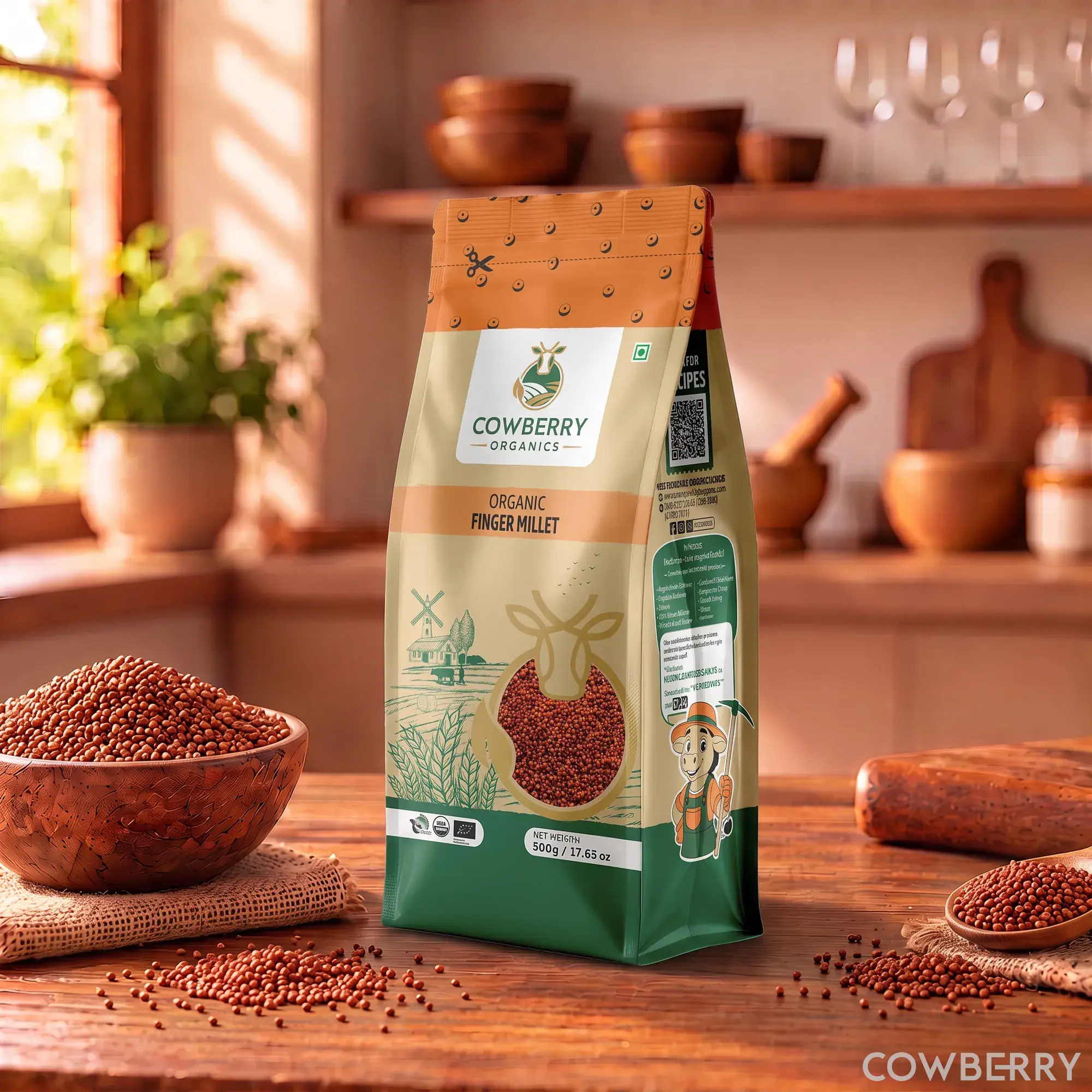
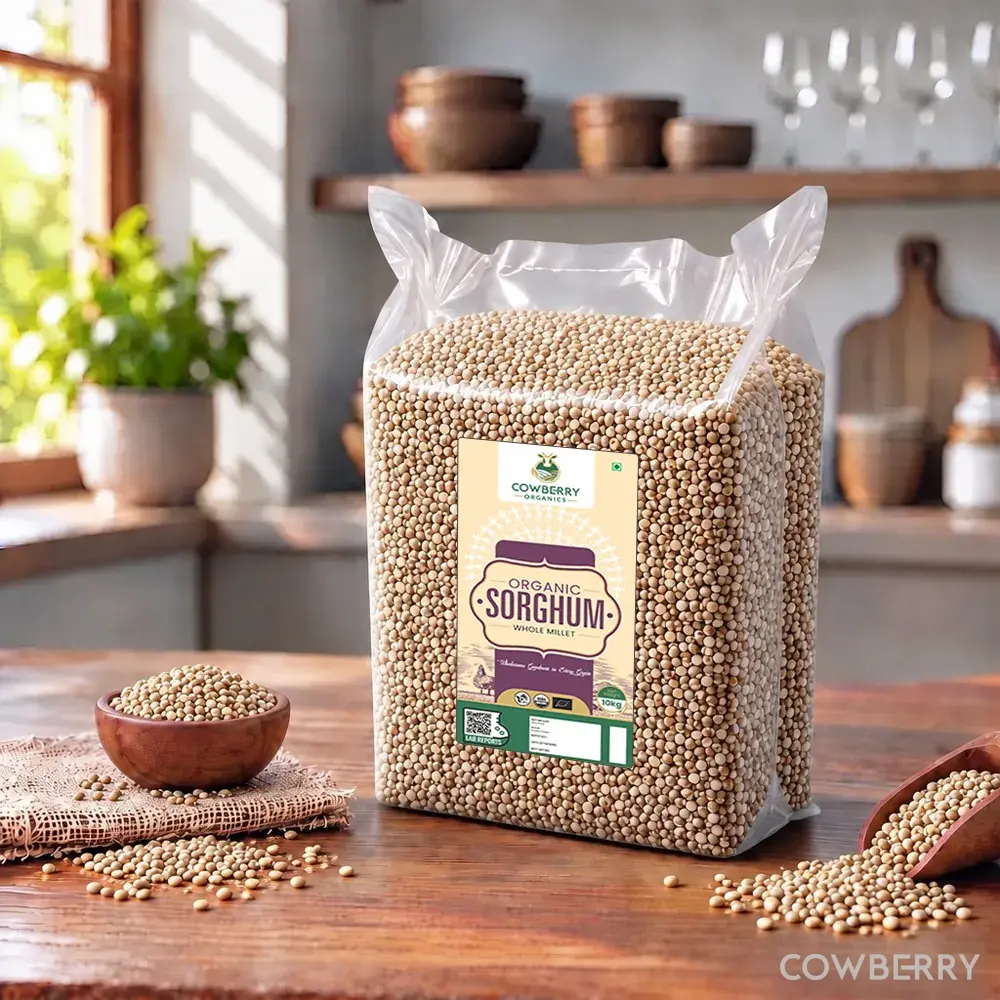
Keep reading
Foxtail millet vs quinoa: nutrition, taste and which to choose
Foxtail millet in Kannada, Hindi, Tamil and other Indian names
10 benefits of kangni (foxtail millet) and its side effects