membership background

Educational articles from COWBERRY

Featured

What Is Brown Sugar? Types, How It Is Made, Nutrition and Uses

What Is Brown Sugar? Types, How It Is Made, Nutrition and Uses

What is brown sugar: sugar with part of the cane's molasses kept in — 380 kcal and 98.1 g of carbohydrate per 100 g. Types (demerara, muscovado, light and dark), names, how it is made, nutrition, uses, storage and buying.
05 Aug 2026by COWBERRY
11 minute read

Fresh Blogs

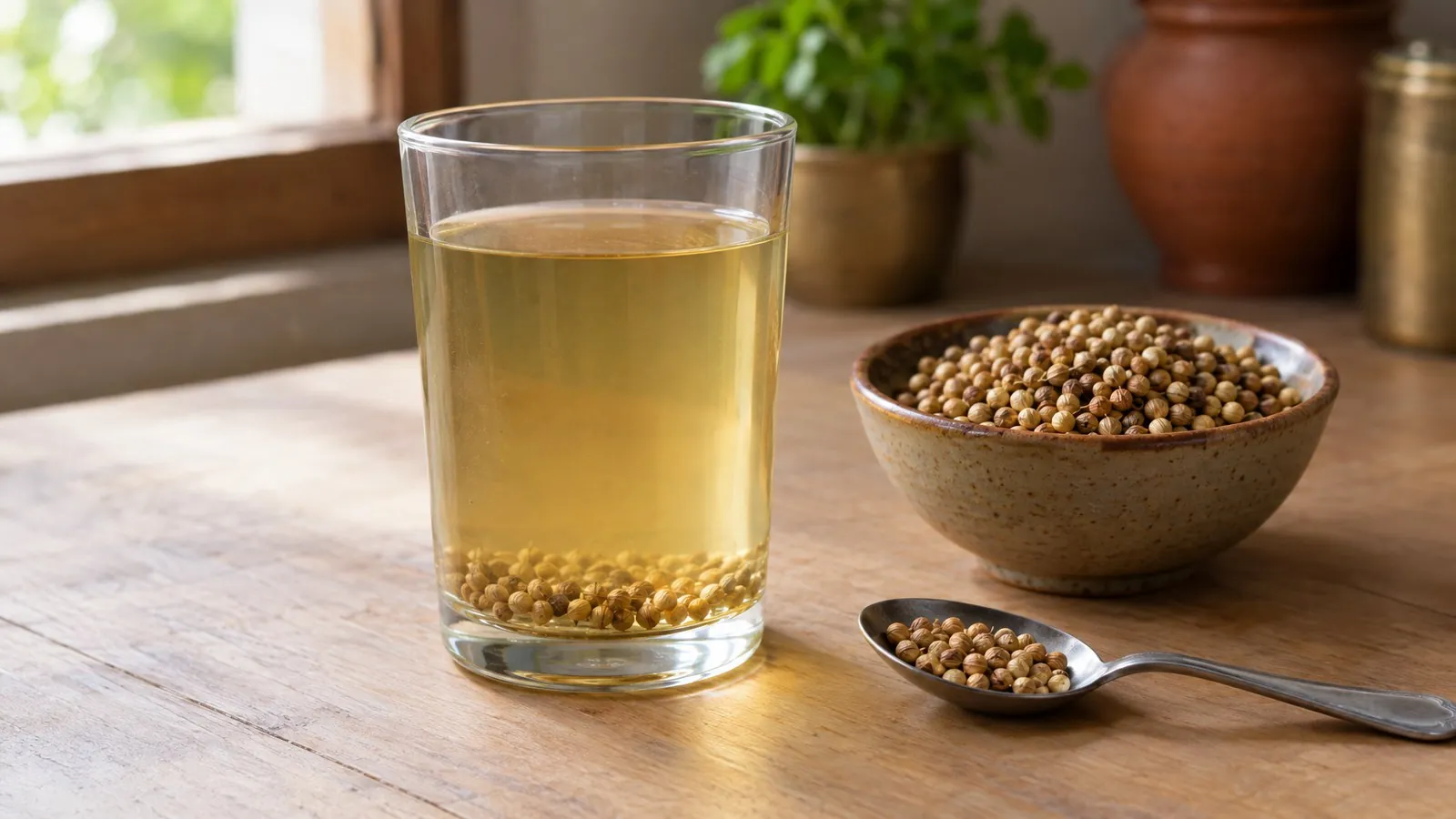
Coriander water benefits: what dhania water actually does

Coriander water benefits: what dhania water actually does

Coriander water benefits, answered honestly: the research reviewed here has no human trial showing coriander water does anything specific. Here is what is known about coriander, what one teaspoon of seeds holds, and how to make and drink the water.
05 Oct 2026by COWBERRY
7 minute read
Red rice vs brown rice: the fibre, GI and honest verdict
Red rice vs brown rice: the fibre, GI and honest verdict
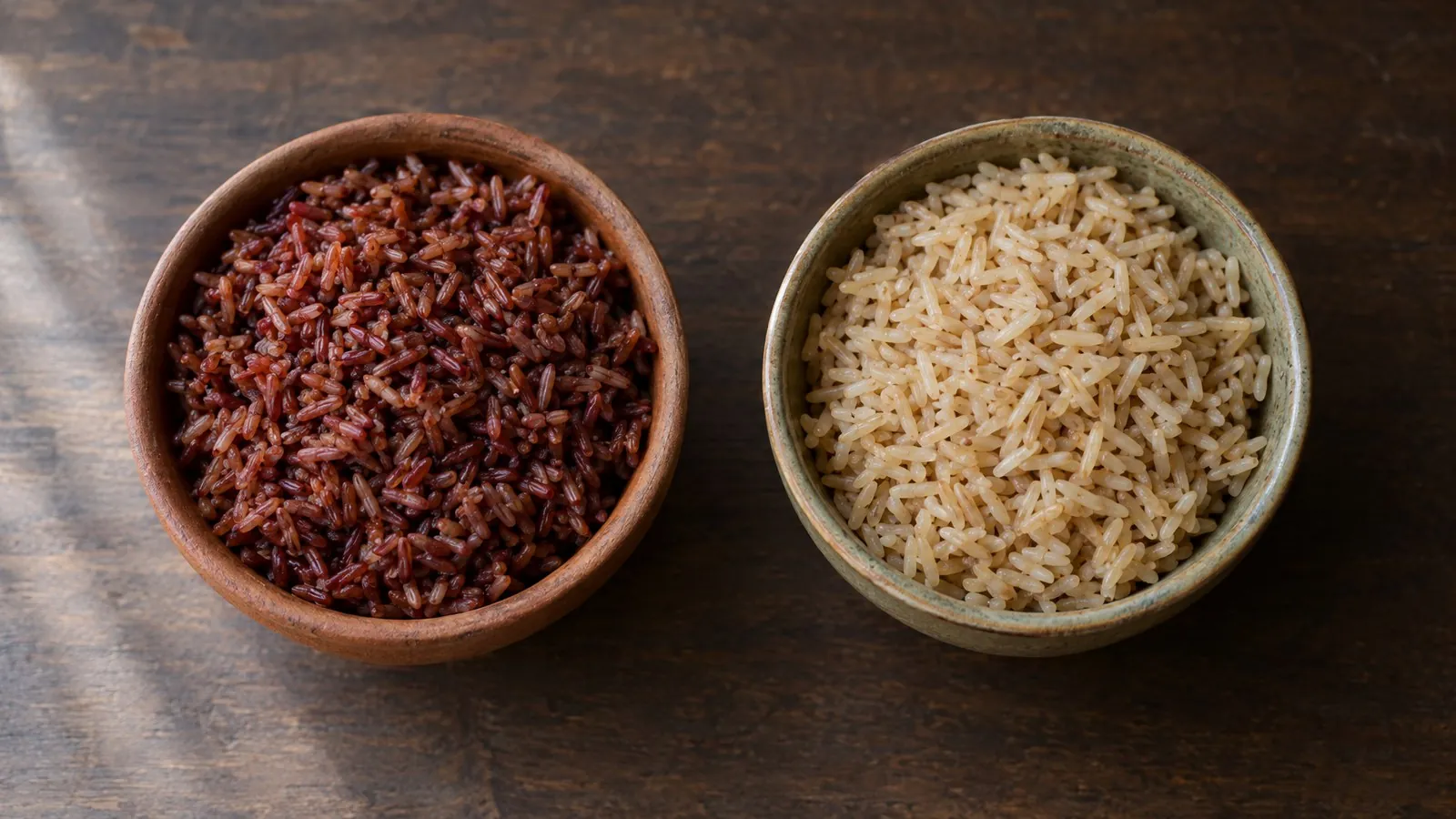
Red rice vs brown rice: brown rice lists more fibre and protein and an India-tested GI of 58, while red rice's seven foreign tests average 62. Side-by-side nutrition per 100 g, GI, cooking, cost and which to choose.
05 Oct 2026by COWBERRY
6 minute read

More Articles

Beauveria bassiana: A Biological Ally for Sustainable Pest Management
Beauveria bassiana: A Biological Ally for Sustainable Pest Management

As agriculture moves steadily toward sustainability, the importance of biological solutions in crop protection is no longer optional—it is strategic. Among the most effective and widely researched bio-control agents is Beauveria bassiana, an entomopathogenic fungus that has emerged as a reliable alternative to chemical insecticides across diverse cropping systems.
25 Mar 2026
10 minute read
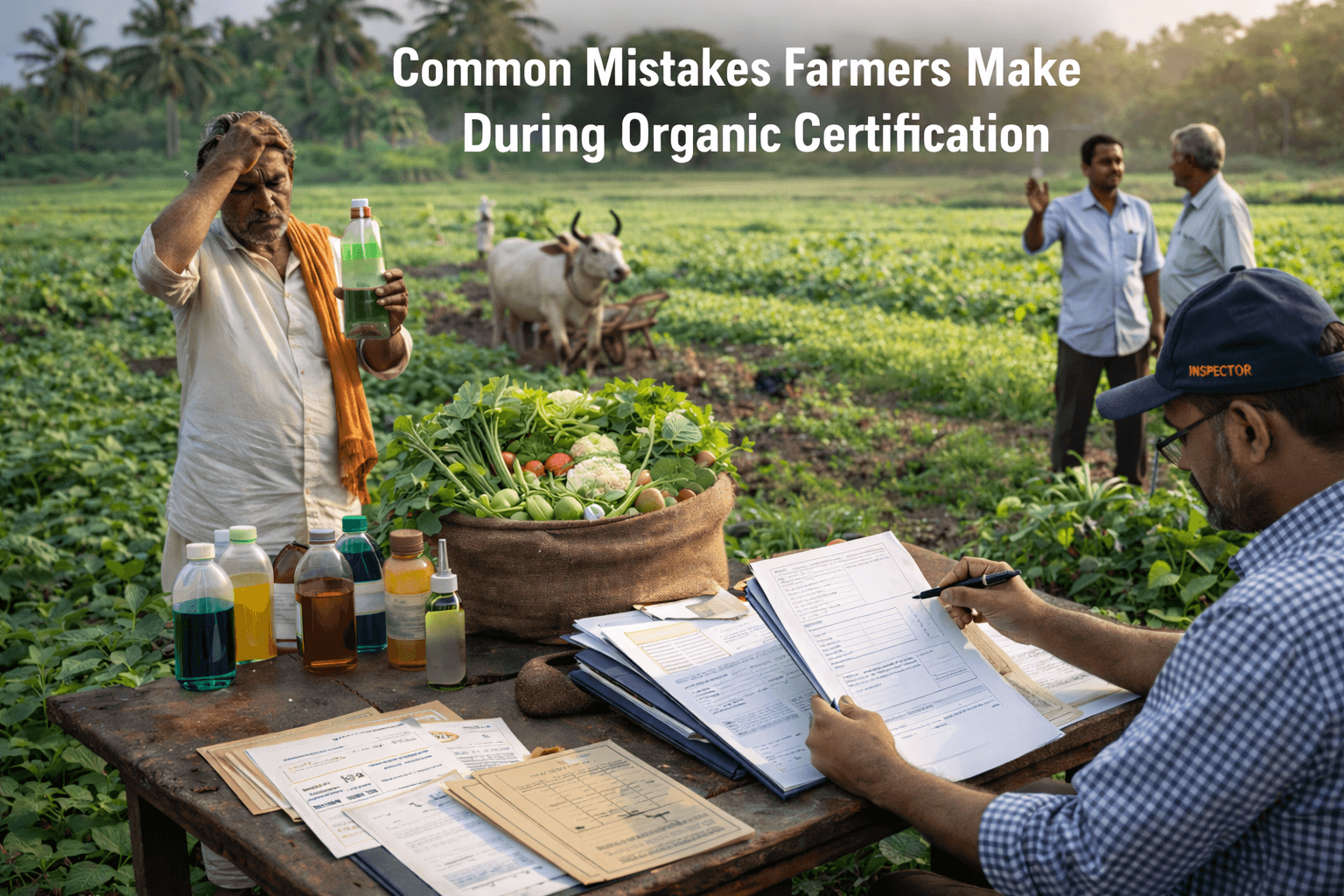
Common Mistakes Farmers Make During Organic Certification

Common Mistakes Farmers Make During Organic Certification

Organic certification under NPOP is meant to protect genuine organic farmers — yet many face delays, rejections, or cancellations not because they farm incorrectly, but because of avoidable mistakes. Understanding these errors early can save time, money, and frustration. Here are the most common mistakes farmers make during organic certification — and how to avoid them.
24 Mar 2026
10 minute read
Understanding the NPOP Standards (A Simple Breakdown)
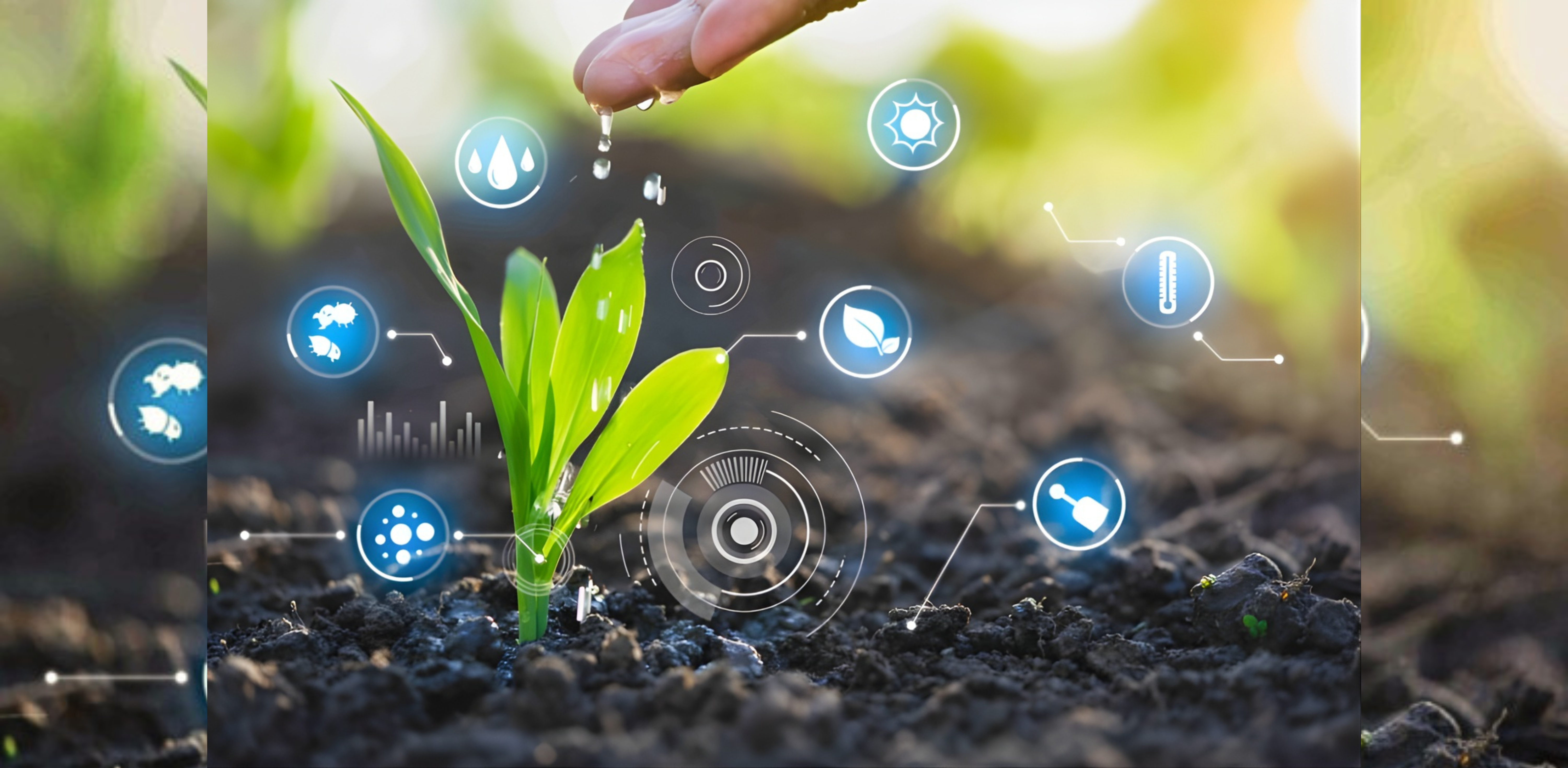
Understanding the NPOP Standards (A Simple Breakdown)

For many farmers and agribusinesses, NPOP sounds complicated, paperwork-heavy, and intimidating. In reality, the National Programme for Organic Production (NPOP) is simply a framework to ensure that organic farming in India is genuine, traceable, and trustworthy — both for domestic and export markets.
Let’s break it down in a practical, easy-to-understand way.
23 Mar 2026
10 minute read
Soil Moisture Biology: How Water Affects Microbes
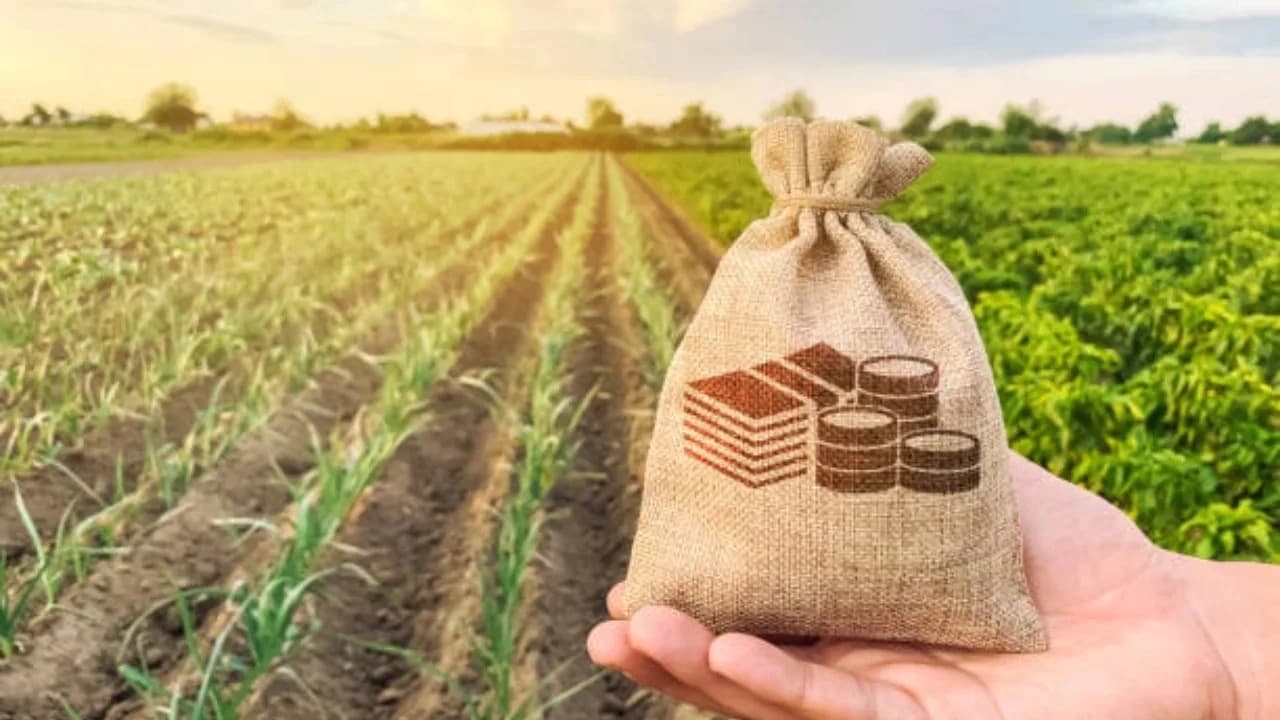
Soil Moisture Biology: How Water Affects Microbes

Farmers often monitor water for crop health — but very few think about how water directly affects the microbes that run the soil. In organic farming, where biological processes drive fertility, soil moisture is not just a physical factor; it is the master switch that determines whether microbes live, multiply, or shut down.
Understanding soil moisture biology can help farmers improve nutrient cycling, reduce input costs, and build resilient soils.
21 Mar 2026
10 minute read
Can Organic Farming Be Profitable in Year 1? Real India Case Studies
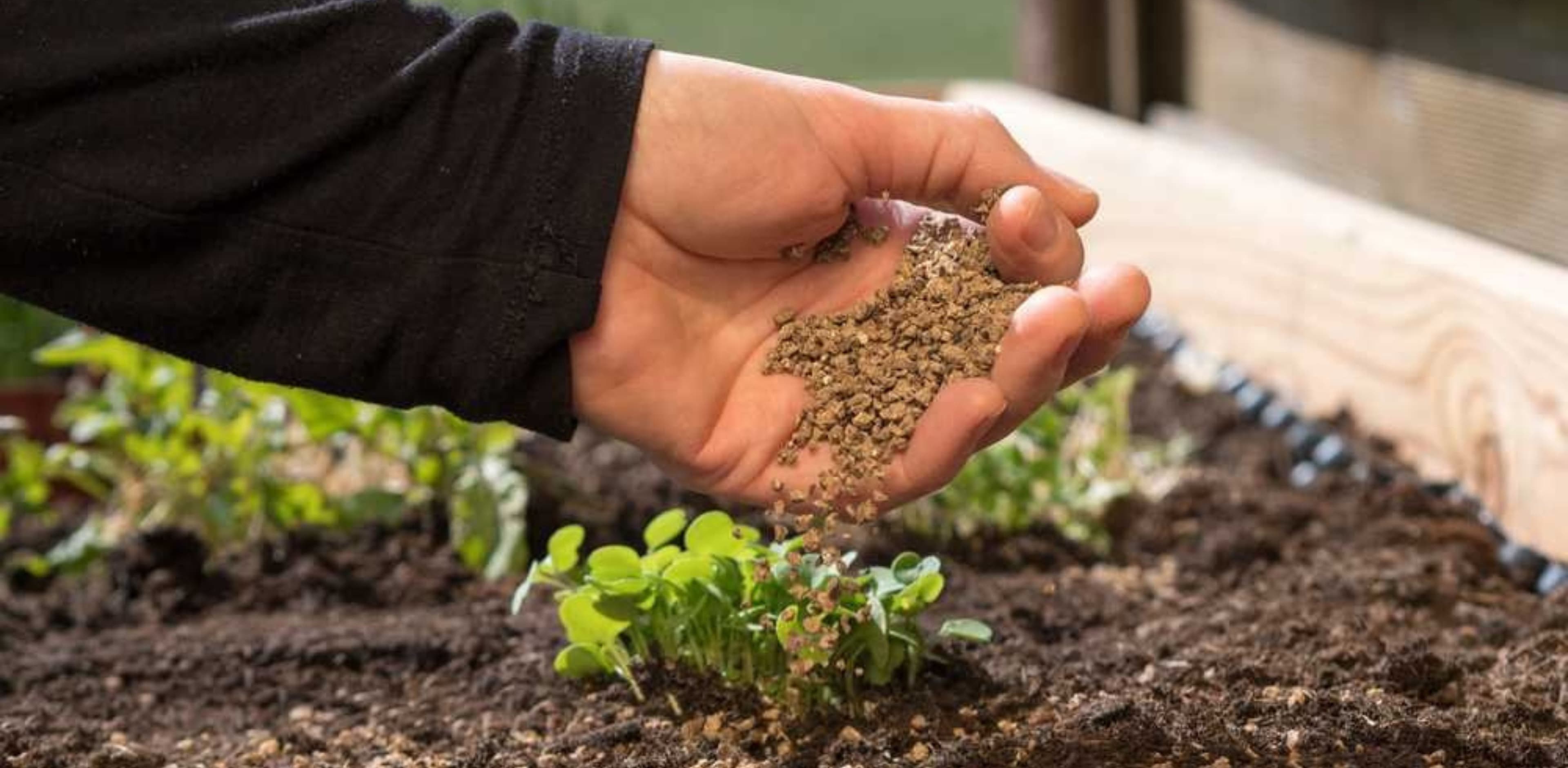
Can Organic Farming Be Profitable in Year 1? Real India Case Studies

A common belief among farmers is that organic farming becomes profitable only after three to five years. While soil improvement and ecosystem recovery do take time, profitability can begin in the very first year — if farmers follow the right models. Across India, several real-world examples show how farmers are reducing costs, improving margins, and creating market advantages from Year 1 itself.
20 Mar 2026
10 minute read
Biofertilizers: Trichoderma, Pseudomonas, Azotobacter — Which One Actually Works?
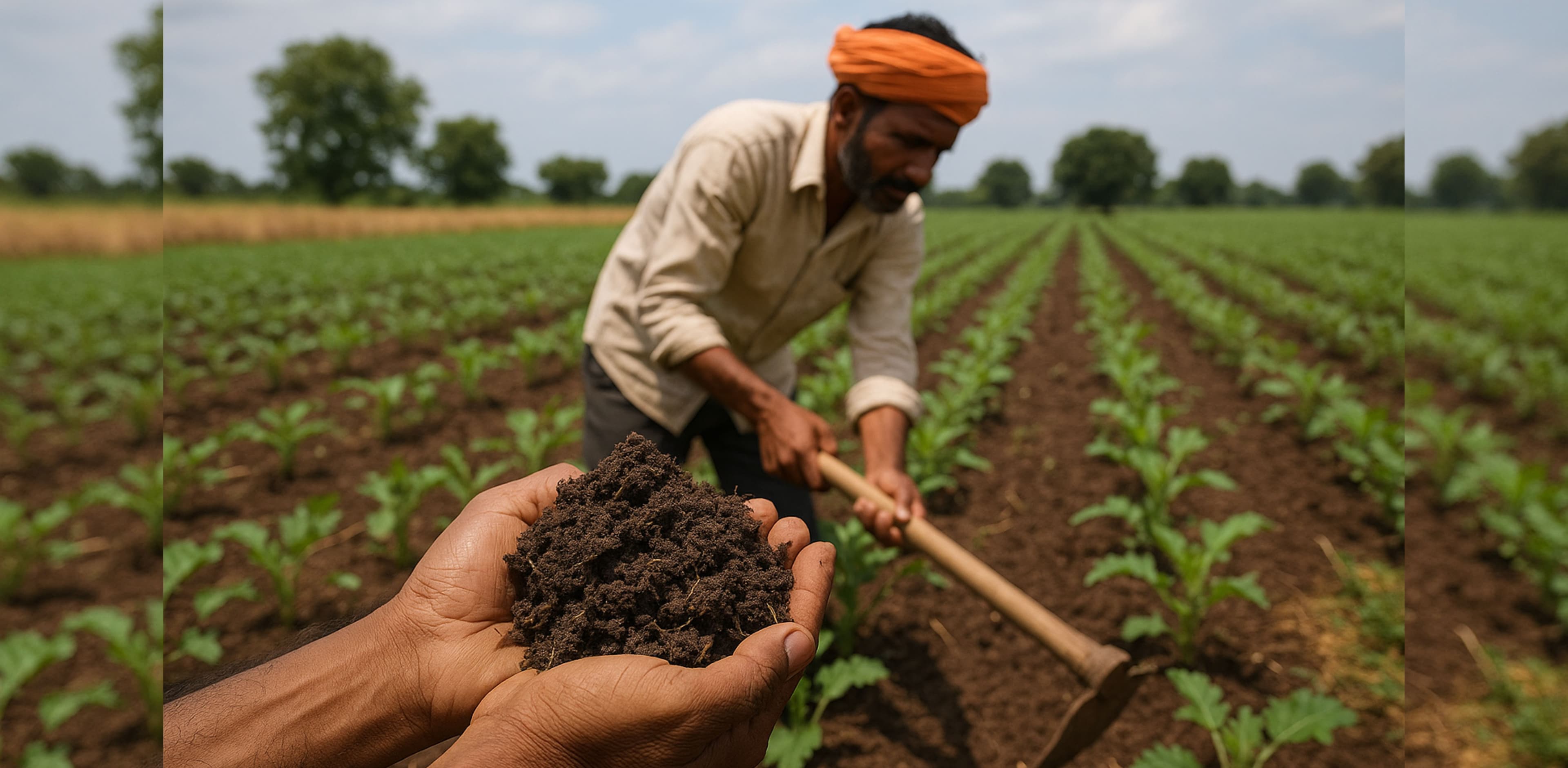
Biofertilizers: Trichoderma, Pseudomonas, Azotobacter — Which One Actually Works?

As organic farming expands in India, biofertilizers have become more than just substitutes for chemicals — they are now core tools for soil health, crop resilience, and low-cost yield improvement. But with so many microbial products in the market, farmers often ask: Which biofertilizer actually works? The answer depends on what problem you want to solve. Each microbe performs a very different function, and when used correctly (and NPOP-compliant), they can transform field performance.
19 Mar 2026
10 minute read
How Organic Farmers Can Rebuild Soil Carbon in 3 Seasons
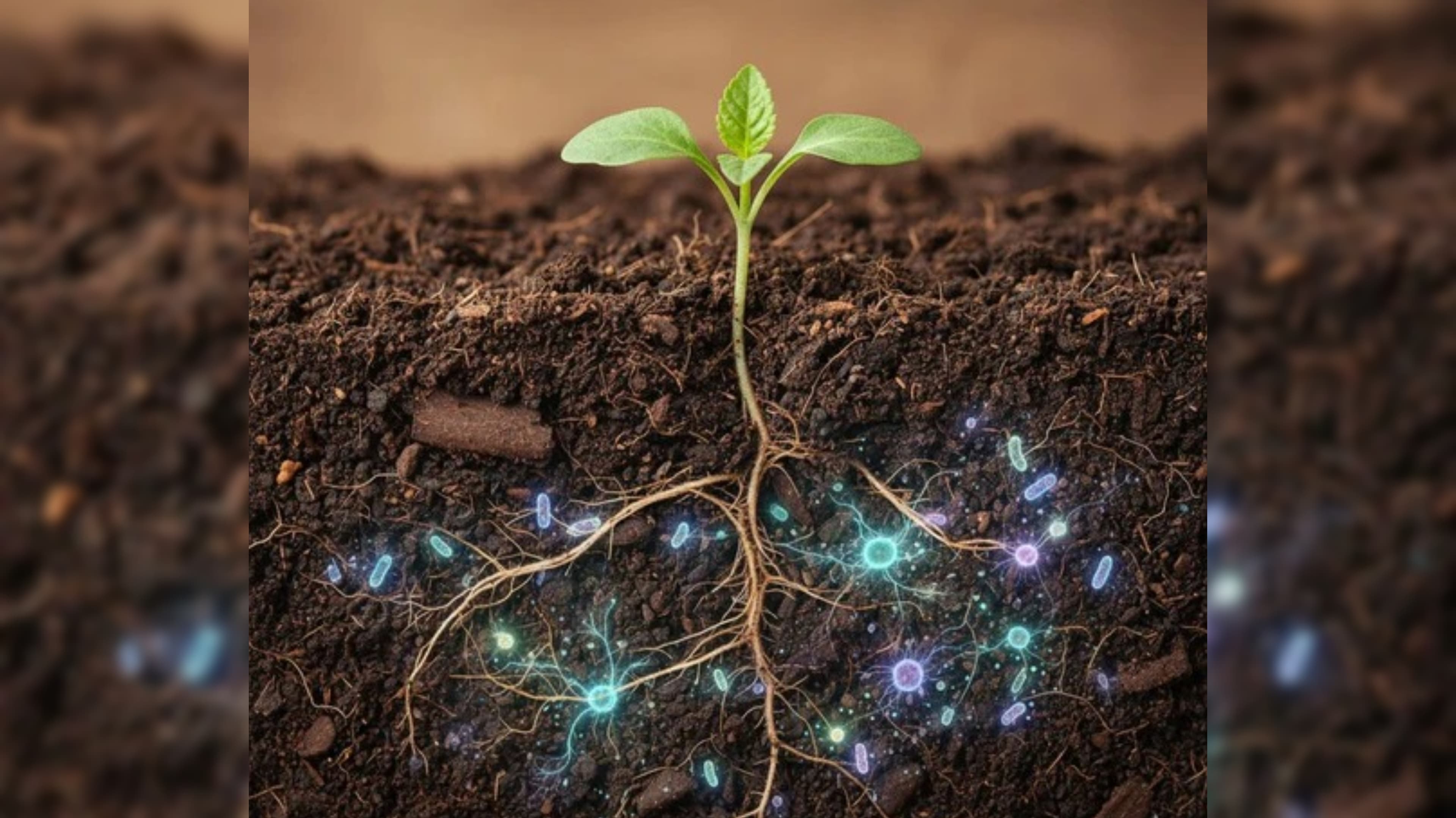
How Organic Farmers Can Rebuild Soil Carbon in 3 Seasons

Healthy soil is the foundation of profitable organic farming. Yet across India, years of intensive tillage, residue burning, and imbalanced fertilization have left soils tired and carbon-poor. The good news: with the right practices, organic farmers can rebuild soil carbon in as little as three cropping seasons — and see visible gains in fertility, structure, and productivity.
18 Mar 2026
10 minute read
The Hidden Workforce: How Soil Microbes Run an Organic Farm

The Hidden Workforce: How Soil Microbes Run an Organic Farm

In organic farming, we often talk about compost, biofertilizers, neem extracts, or slow-release nutrients — but the real heroes working tirelessly beneath our feet are soil microbes. These unseen organisms form the living engine of an organic farm, driving nutrient cycles, plant health, and long-term soil fertility without the need for synthetic inputs.


So, who are these hidden workers? Soil microbiology is an intricate community of bacteria, fungi, actinomycetes, protozoa, and beneficial nematodes. Each plays a unique role, creating a balanced underground ecosystem that powers the visible productivity above ground.
17 Mar 2026
10 minute read
The Future of Organic Certification — Trends, Technology, and Opportunities
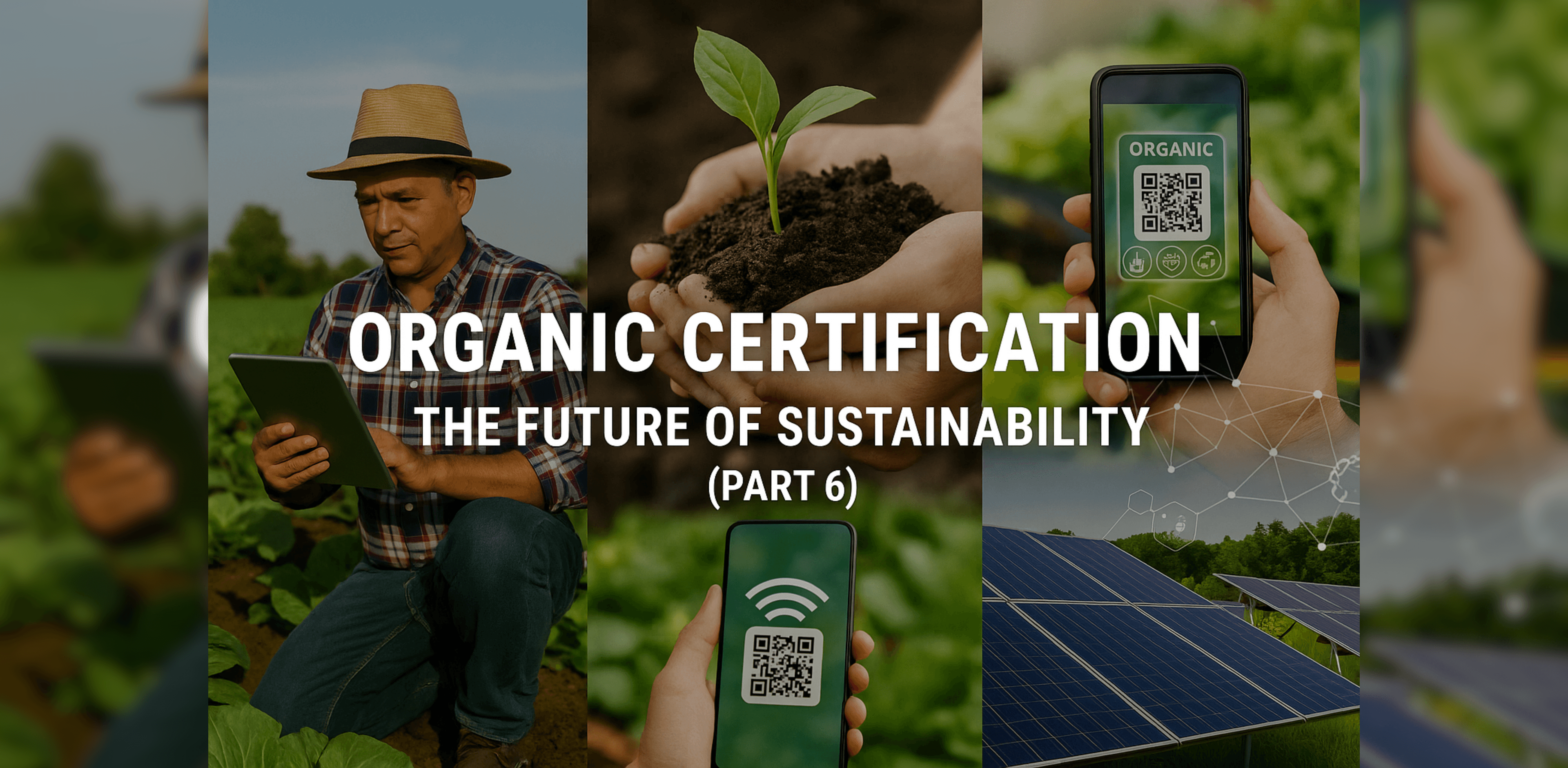
The Future of Organic Certification — Trends, Technology, and Opportunities

(Part 6 of the Series: Everything You Need to Know About Organic Certification)
Organic certification has evolved from a niche concept into a critical pillar of sustainable agriculture. As consumer demand for safe, traceable, and environmentally friendly food continues to rise, the future of organic certification is poised to expand, innovate, and become even more integral to food systems worldwide.
16 Mar 2026
10 minute read
Challenges and Myths in Organic Certification

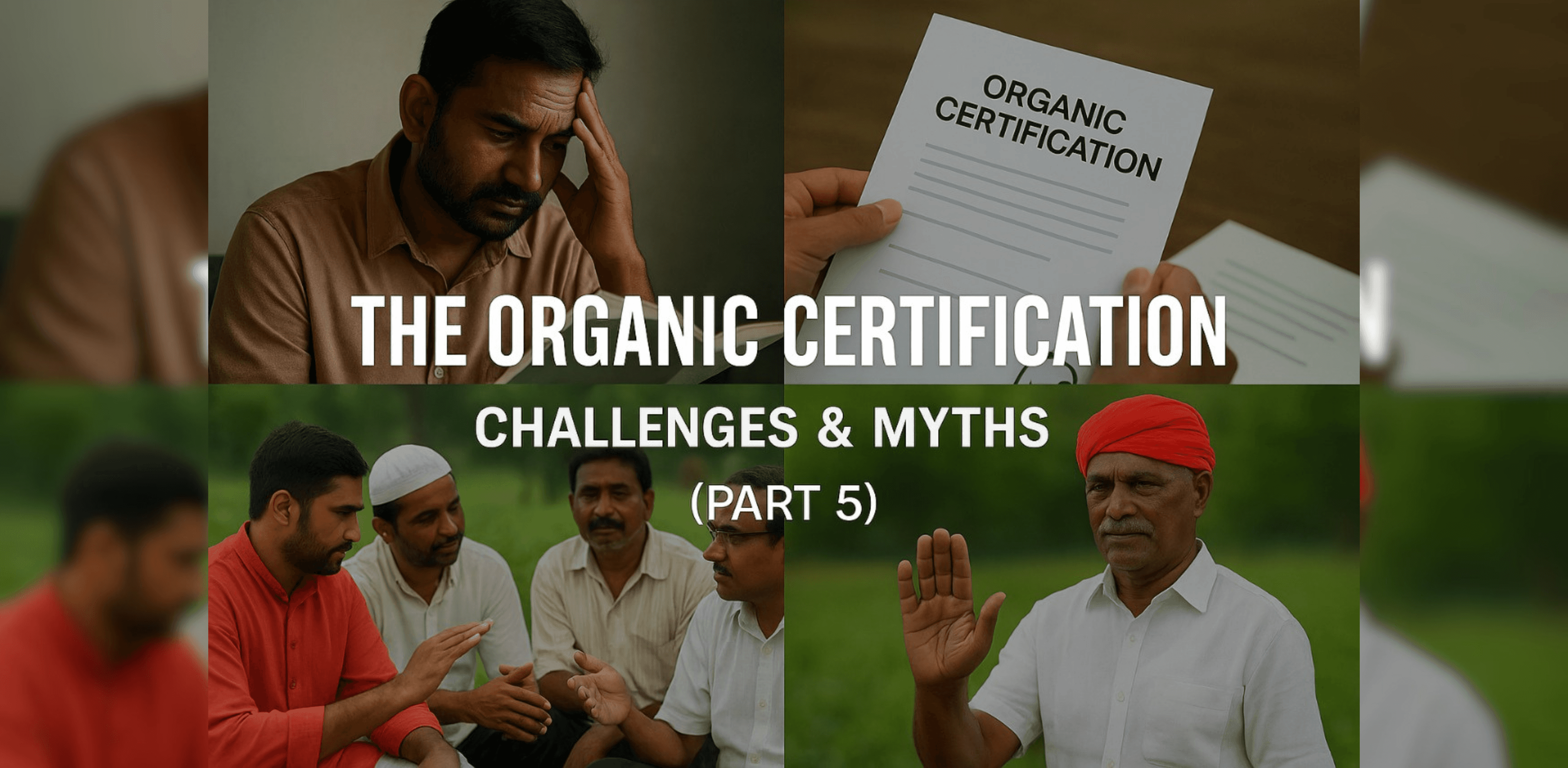
Challenges and Myths in Organic Certification

(Part 5 of the Series: Everything You Need to Know About Organic Certification)
Organic certification is a powerful tool to build trust, access premium markets, and promote sustainable farming. Yet, despite its benefits, many farmers and stakeholders face challenges navigating the process — and several myths persist that can create confusion or hesitation. Understanding these obstacles is key to fostering a robust and credible organic sector.
14 Mar 2026
10 minute read
How Regenerative Farming Creates Better Nutrition
How Regenerative Farming Creates Better Nutrition

What regenerative farming is and why it matters for India | How soil health directly affects the nutritional value of the vegetables and pulses you eat every day | Which Indian vegetarian staples benefit most from regenerative practices | How you can find and choose nutrient-dense, regeneratively grown produce
13 Mar 2026
20 minute read
The Certification Journey — From Farm to Market

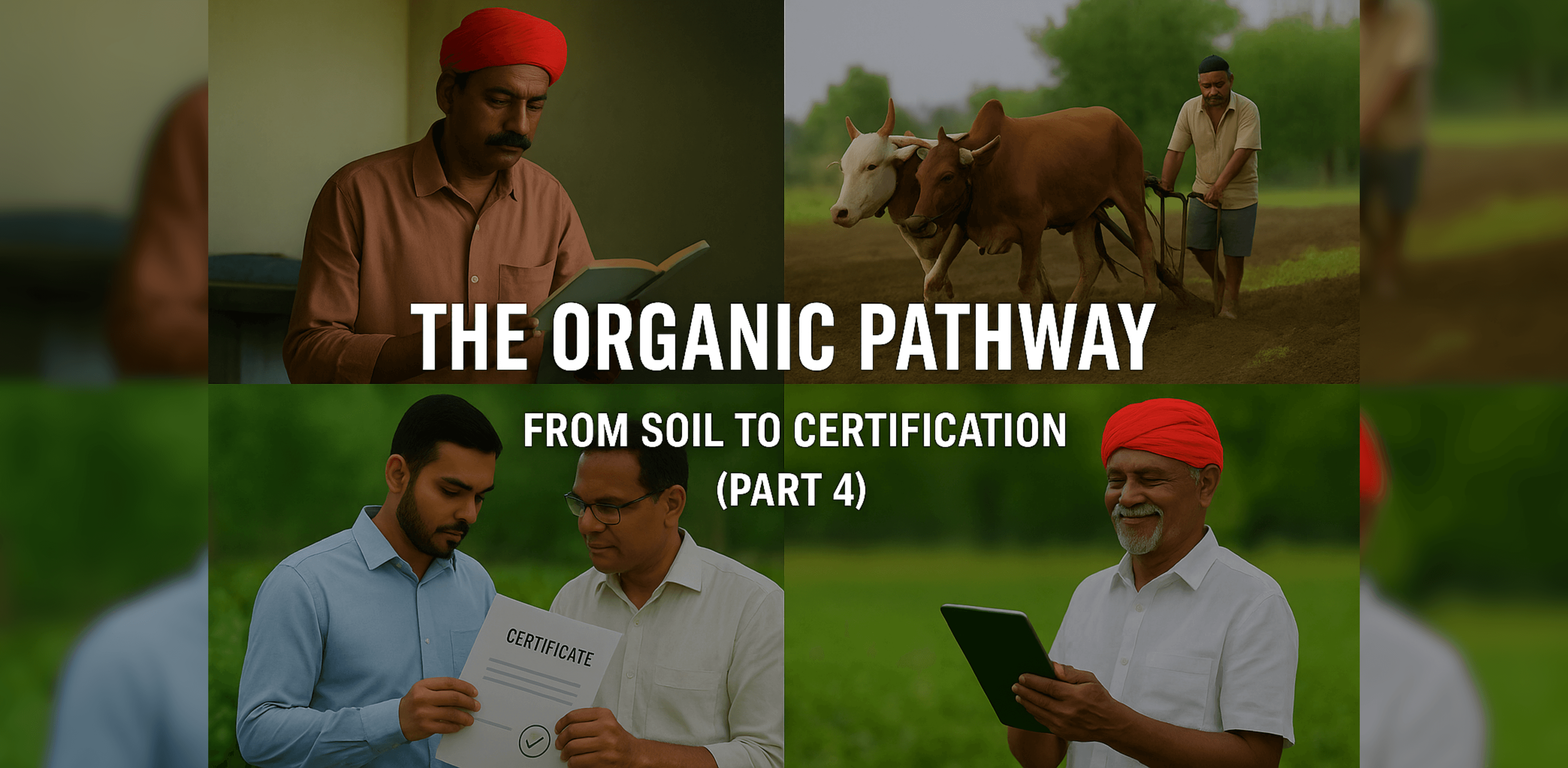
The Certification Journey — From Farm to Market

(Part 4 of the Series: Everything You Need to Know About Organic Certification)
Organic certification is more than a label — it is a process that transforms farming practices into verified credibility. But what does it actually take for a farm to earn the “organic” title? In this article, we break down the journey from the soil to the market, step by step.
13 Mar 2026
10 minute read