
10 minute read
The Future of Digital Traceability in Organics

Why Traceability Can No Longer
Be Manual
Traditional paper-based records
were designed for small volumes and local markets. Today’s organic supply
chains are complex, multi-location, and export-driven. Paper logs struggle to
answer critical questions quickly:
- Where exactly was this crop grown?
- Which inputs were used — and when?
- Was the produce kept separate from non-organic lots?
- Can this information be verified instantly?
Digital traceability systems solve
this gap by turning farm activities into verifiable data.
From Certification Compliance to Market Advantage
Initially, digital tools were
adopted mainly to satisfy certification audits. That is changing fast.
Forward-looking organic brands now
use traceability to:
- Build consumer trust through QR codes
- Share farm stories transparently
- Reduce certification delays and non-compliances
- Improve internal quality control
- Strengthen export credibility
Traceability is shifting from a
compliance cost to a business asset.
What Digital Traceability Actually Looks Like on Farms
The future system is not
complicated software — it is simple, structured data capture.
Key elements include:
- Digital farm maps and plot IDs
- Input application logs (date, quantity, source)
- Harvest and batch records
- Storage and transport tracking
- Integration with certification audits
Even small farms can now manage
this using mobile-based tools, often in local languages.
Role of Blockchain and Advanced Systems
Blockchain is often mentioned in
organic traceability, but its real value lies in immutability — once
data is entered, it cannot be altered. This is especially important for exports
and high-value crops.
However, technology alone is not
the solution. Accuracy at the farm level remains the foundation. Bad
data digitized is still bad data.
What This Means for Farmers and Aggregators
In the coming years:
- Buyers will demand real-time traceability
- Certification audits will become more data-driven
- Informal organic claims will lose credibility
- Digitally transparent farms will access better
markets
Those who adopt early will face fewer disruptions later.
Digital traceability is not about surveillance — it is about trust at scale. As organic farming moves from niche to mainstream, transparent systems will separate genuine practitioners from those relying on labels alone. The future of organics is not just biological — it is biological plus verifiable.
Keep reading

India Organic logo, Jaivik Bharat, USDA and EU labels explained

Carbendazim in Your Kitchen: Hidden Fungicide in Spices
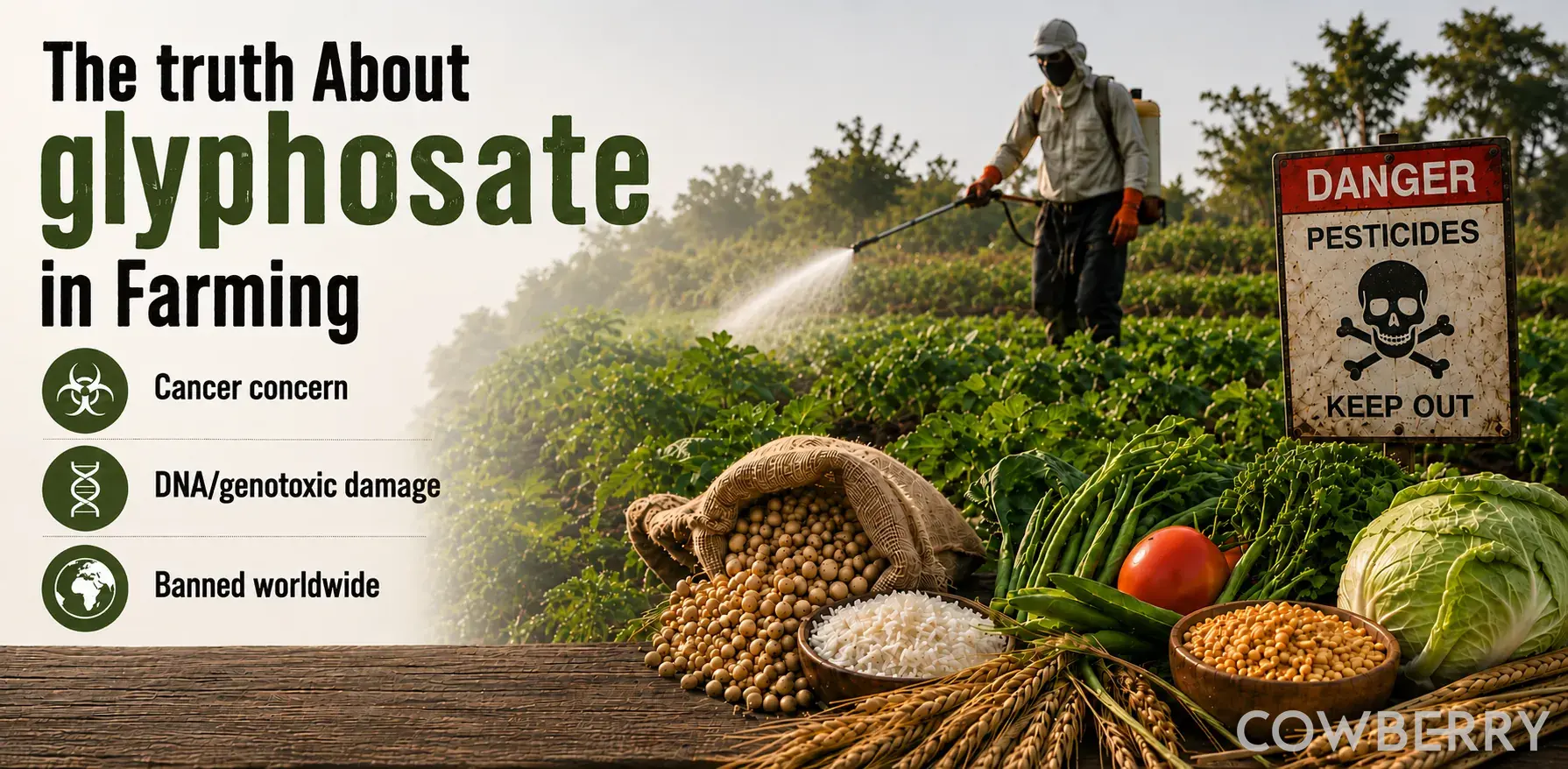
Glyphosate in Your Food: Why It Matters to Your Health