
10 minute read
The Hidden Economics of Organic Farming No One Talks About

The first hidden cost is the transition period. When a farmer shifts from conventional to organic systems, yields typically decline for 2–3 years while soil biology stabilizes. During this phase, produce is often sold at conventional prices because certification is incomplete. Input costs may fall, but revenue uncertainty rises. Working capital pressure during this window is underestimated.
Second is the cost of nutrient
management. Organic systems rely heavily on compost, manures, bio-inputs,
and crop residues. On paper, these appear inexpensive. In practice,
transportation, labor, preparation time, and application costs significantly
increase per-acre expenditure. If livestock is not integrated into the farm
system, purchasing organic inputs from the market can make operations
financially unsustainable.
Labour intensity is another
overlooked factor. Organic farming requires:
- More frequent weeding
- Manual pest monitoring
- Crop diversification management
- Separate post-harvest handling
In regions where agricultural labor is scarce or costly, this becomes a structural constraint.
Then comes yield variability.
Organic farms are biologically resilient but not immune to climatic extremes.
Without synthetic buffers, crop loss risk in pest outbreaks or erratic rainfall
can be higher unless preventive systems are robust. Diversification helps—but
diversification itself requires planning, market access, and operational
complexity.
Certification and compliance add
another layer. Inspection fees, documentation, traceability systems, and
renewal charges are recurring expenses. For small farmers, group certification
reduces costs. For medium and large farms, compliance becomes an administrative
function that requires trained manpower.
Market access is perhaps the most
decisive variable. Organic produce fetches a premium only if:
- Supply chains are direct
- Consumers trust the label
- Quality is consistent
Otherwise, farmers often sell at
near-conventional prices while carrying organic production costs.
Finally, scale behaves differently
in organic systems. Small farms benefit from intensive management and niche
marketing. Large farms require integrated models—livestock, on-farm input
production, intercropping, and multi-layer income streams—to remain viable.
Organic farming can be profitable. But profitability does not come automatically from eliminating chemicals. It emerges from system design, cost discipline, diversification, and market strategy.
The conversation around organic agriculture must move beyond ideology. If we want it to scale meaningfully, we must discuss its economics with the same passion as we discuss its principles.
Keep reading

Carbendazim in Your Kitchen: Hidden Fungicide in Spices
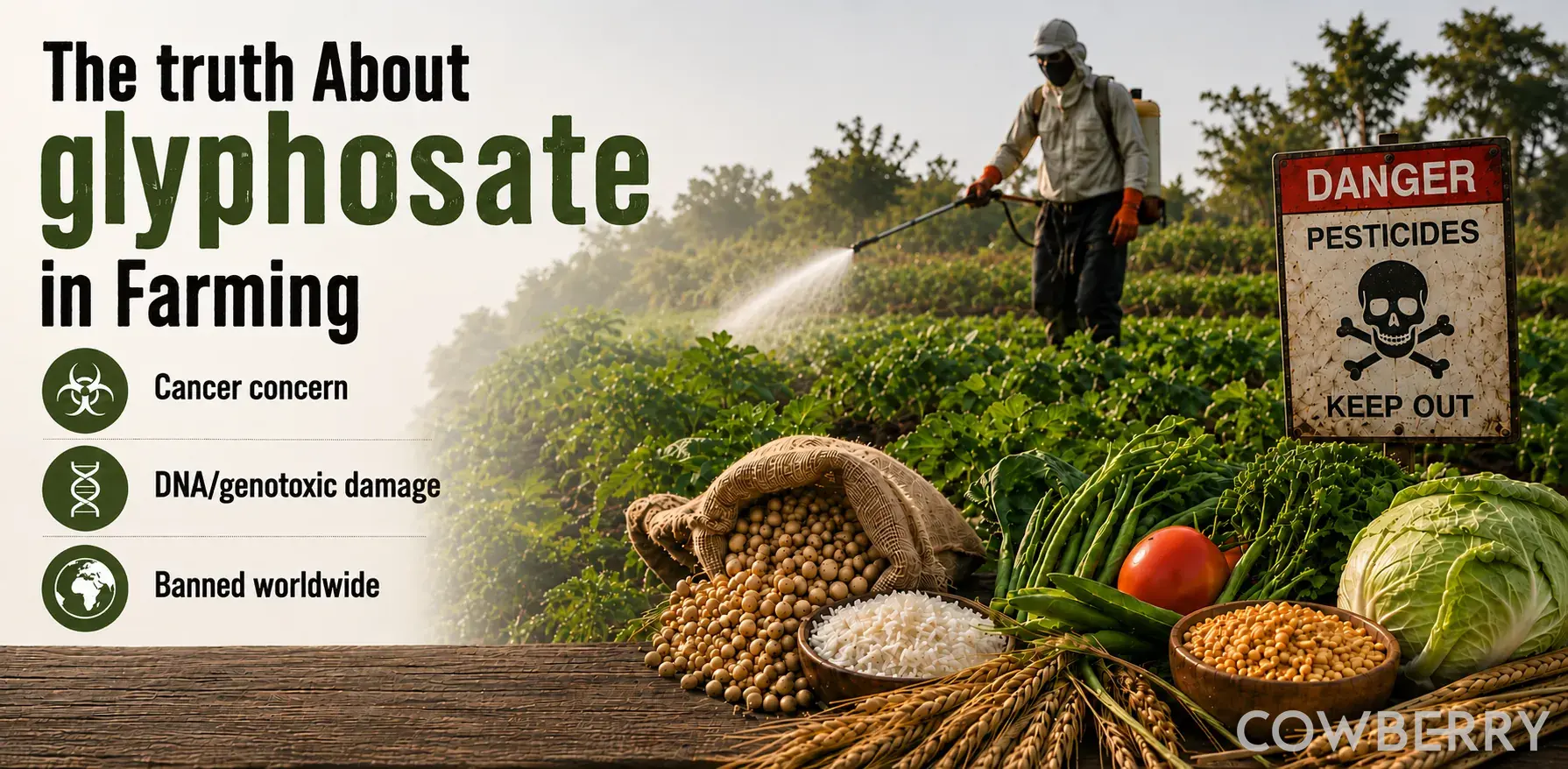
Glyphosate in Your Food: Why It Matters to Your Health
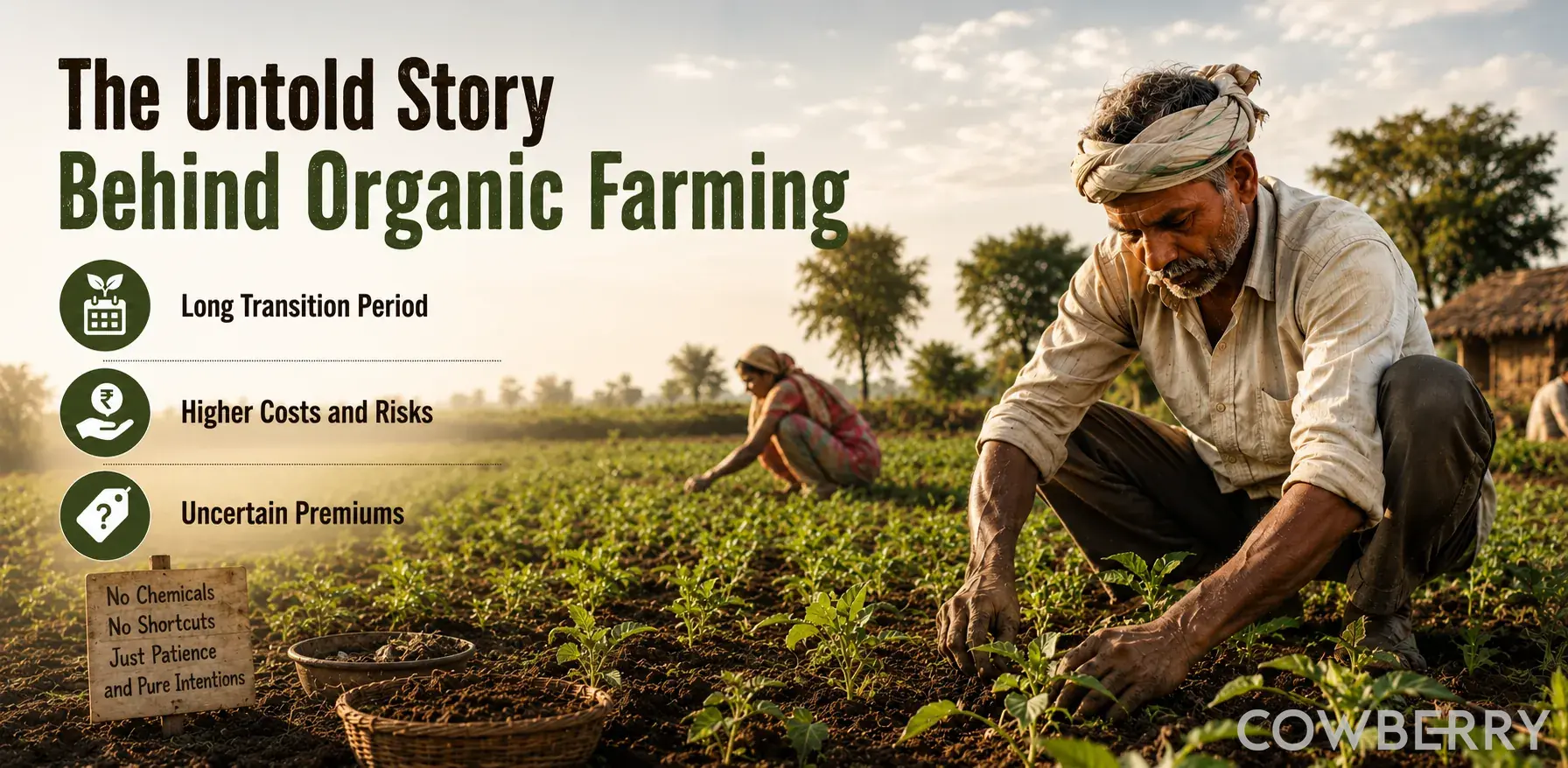
Meet the Farmers: The Hard Work Behind Every Clean Product