membership background

Rice & Poha articles from COWBERRY

Featured

What Is Brown Sugar? Types, How It Is Made, Nutrition and Uses

What Is Brown Sugar? Types, How It Is Made, Nutrition and Uses

What is brown sugar: sugar with part of the cane's molasses kept in — 380 kcal and 98.1 g of carbohydrate per 100 g. Types (demerara, muscovado, light and dark), names, how it is made, nutrition, uses, storage and buying.
05 Aug 2026by COWBERRY
11 minute read

Fresh Blogs

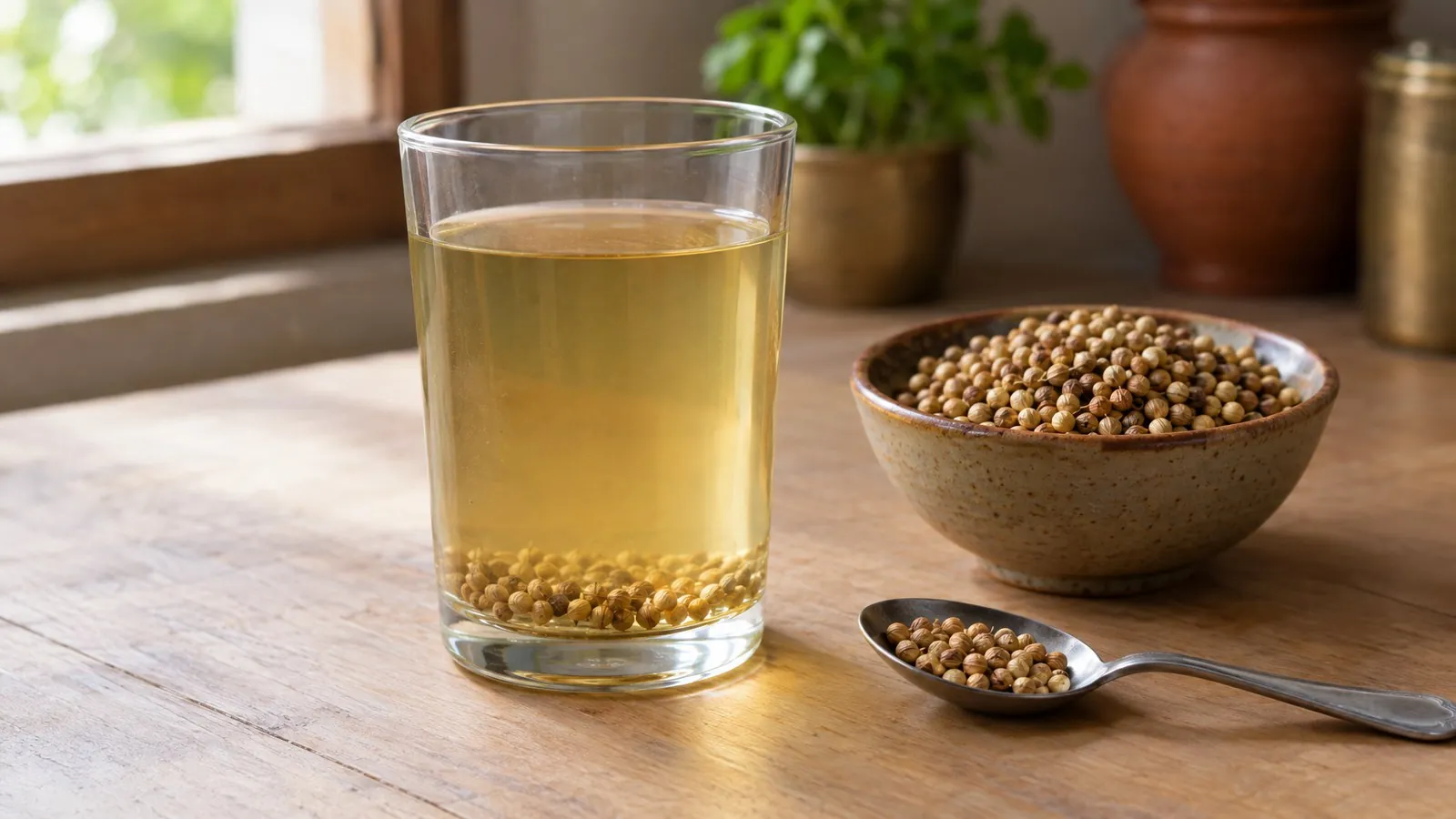
Coriander water benefits: what dhania water actually does

Coriander water benefits: what dhania water actually does

Coriander water benefits, answered honestly: the research reviewed here has no human trial showing coriander water does anything specific. Here is what is known about coriander, what one teaspoon of seeds holds, and how to make and drink the water.
05 Oct 2026by COWBERRY
7 minute read
Red rice vs brown rice: the fibre, GI and honest verdict
Red rice vs brown rice: the fibre, GI and honest verdict
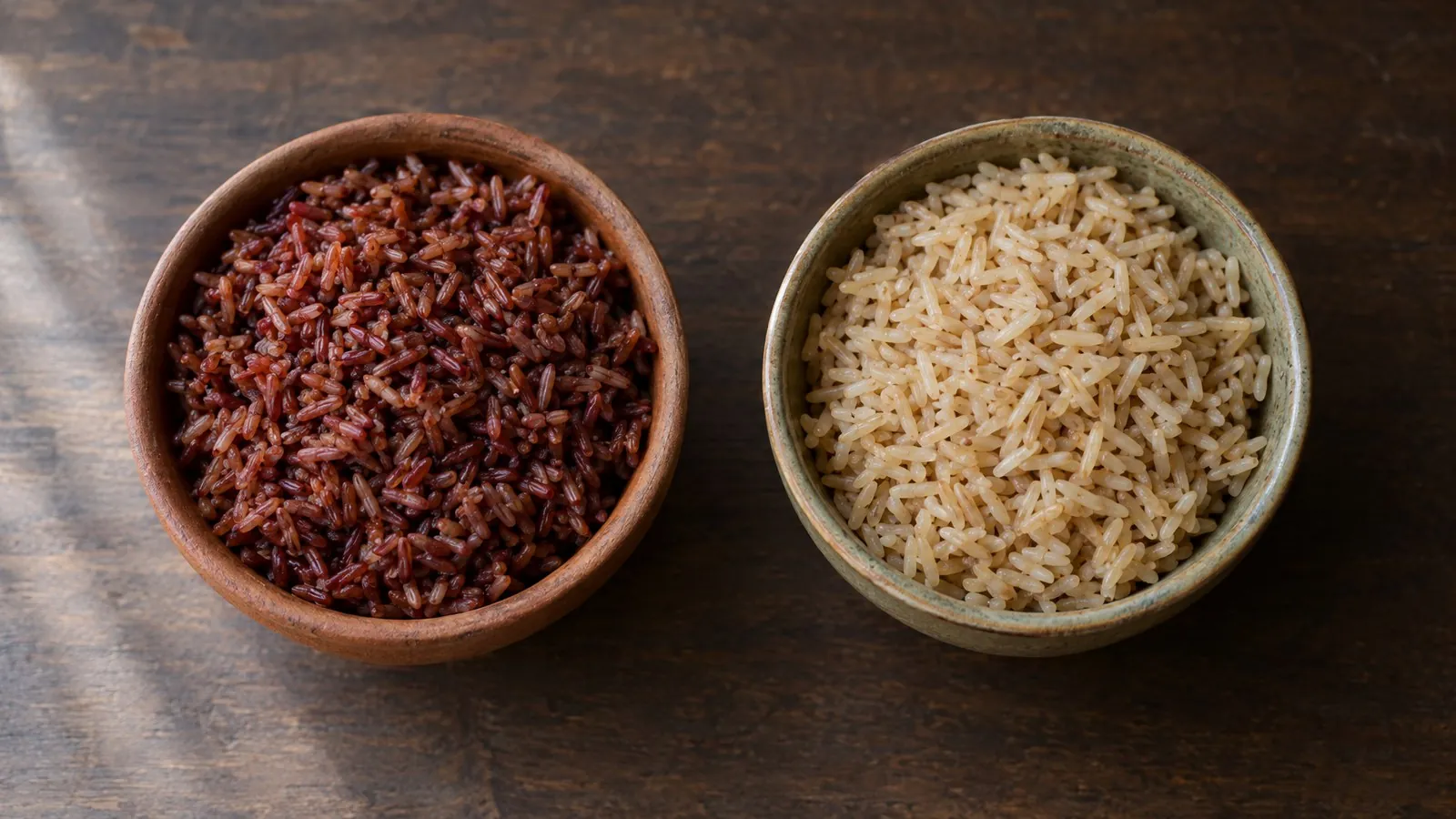
Red rice vs brown rice: brown rice lists more fibre and protein and an India-tested GI of 58, while red rice's seven foreign tests average 62. Side-by-side nutrition per 100 g, GI, cooking, cost and which to choose.
05 Oct 2026by COWBERRY
6 minute read

More Articles

Is brown rice good for diabetes? GI, portion and how to eat it
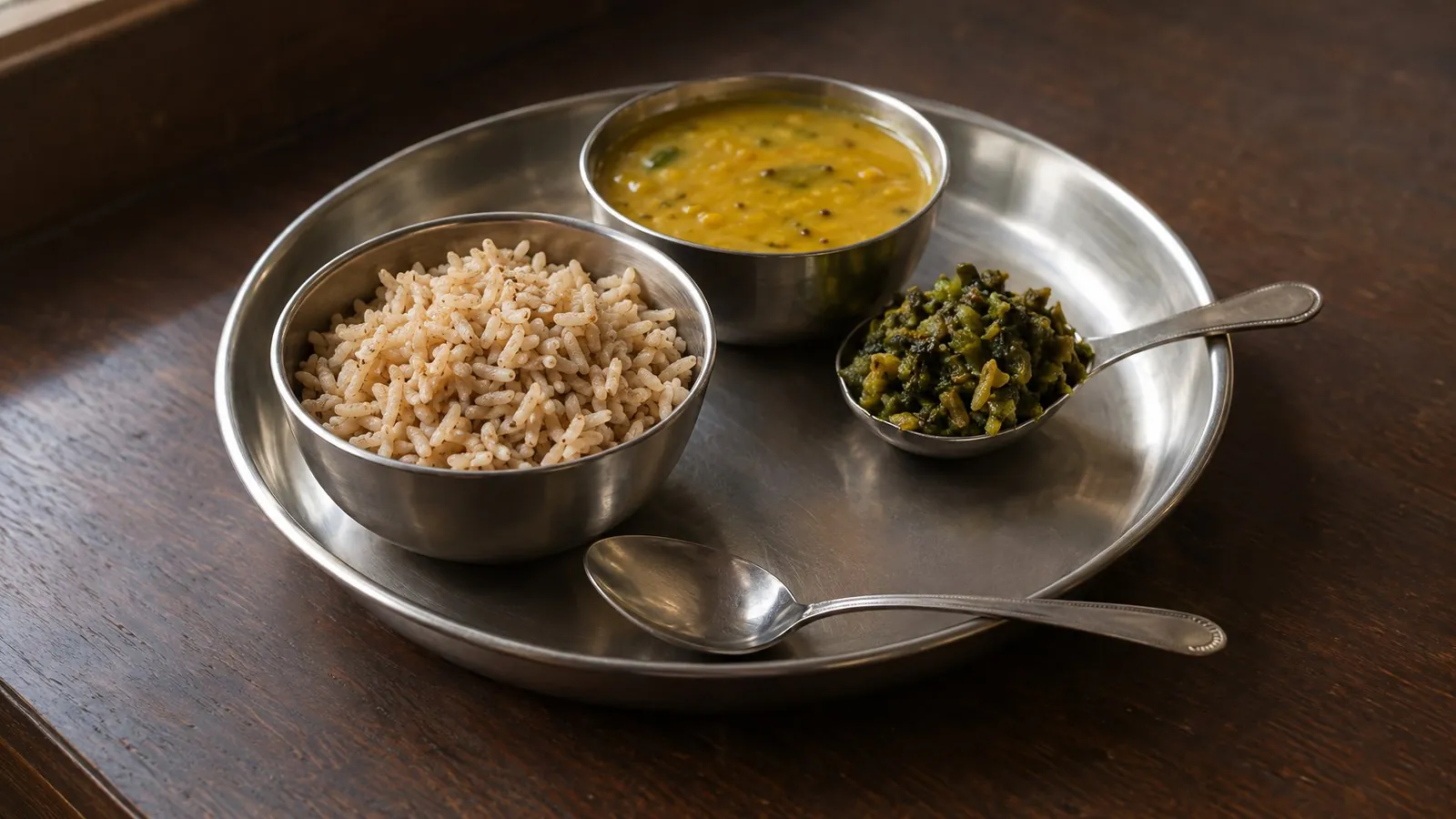
Is brown rice good for diabetes? GI, portion and how to eat it

Is brown rice good for diabetes? It can be, as a measured katori in place of white rice: the tested GI of 58, about 30 g of carbs and a load of 17 per katori, and what the 2022 BMJ Open meta-analysis found.
04 Sept 2026by COWBERRY
8 minute read
10 benefits of brown rice (and its side effects)
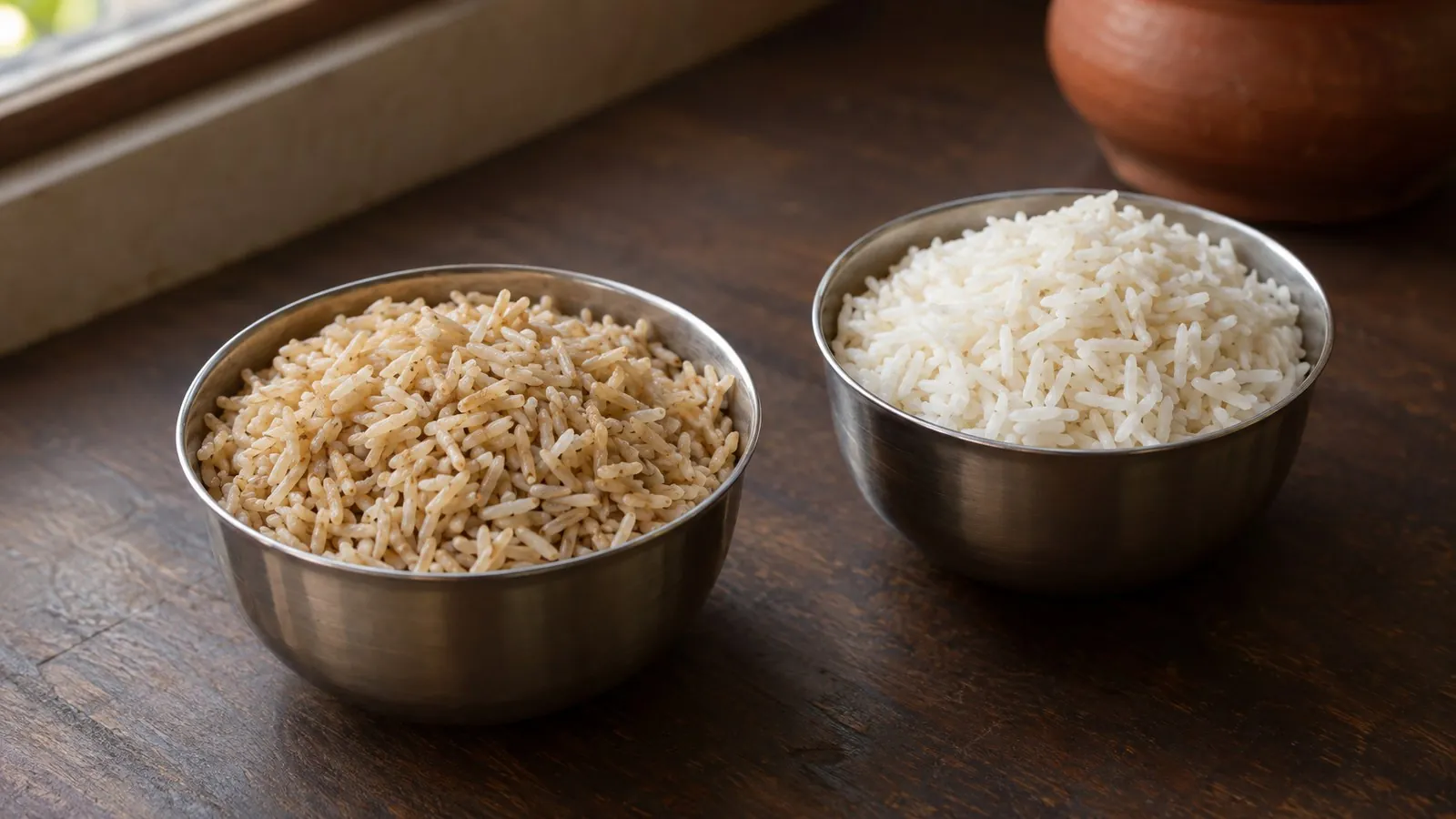
10 benefits of brown rice (and its side effects)

Brown rice benefits in ten numbered points: fibre 4.43 g, protein 9.16 g, magnesium 93.91 mg per 100 g, with the side effects named — phytic acid, the arsenic question — and honest portions.
03 Sept 2026by COWBERRY
7 minute read
Brown basmati vs white basmati: nutrition and which to choose
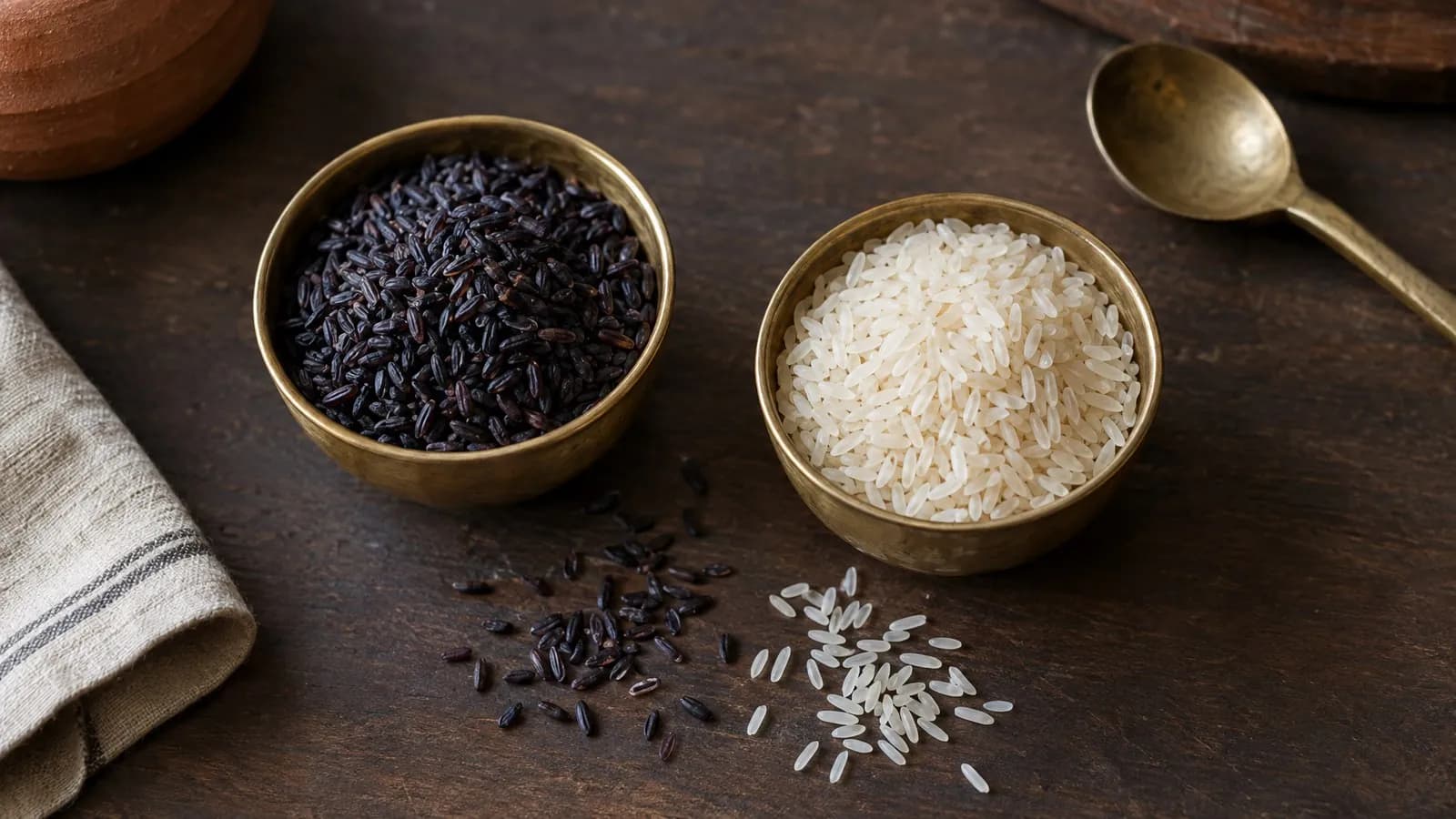
Brown basmati vs white basmati: nutrition and which to choose

Brown basmati vs white basmati: the same grain at two stages of milling. IFCT 2017 gives brown rice 4.43 g of fibre per 100 g against 2.81 g for milled rice, calories tied at 354 vs 357, and cooking takes 30-40 vs 12-15 minutes.
02 Sept 2026by COWBERRY
6 minute read
Black rice vs white rice: nutrition, GI, taste and which to choose
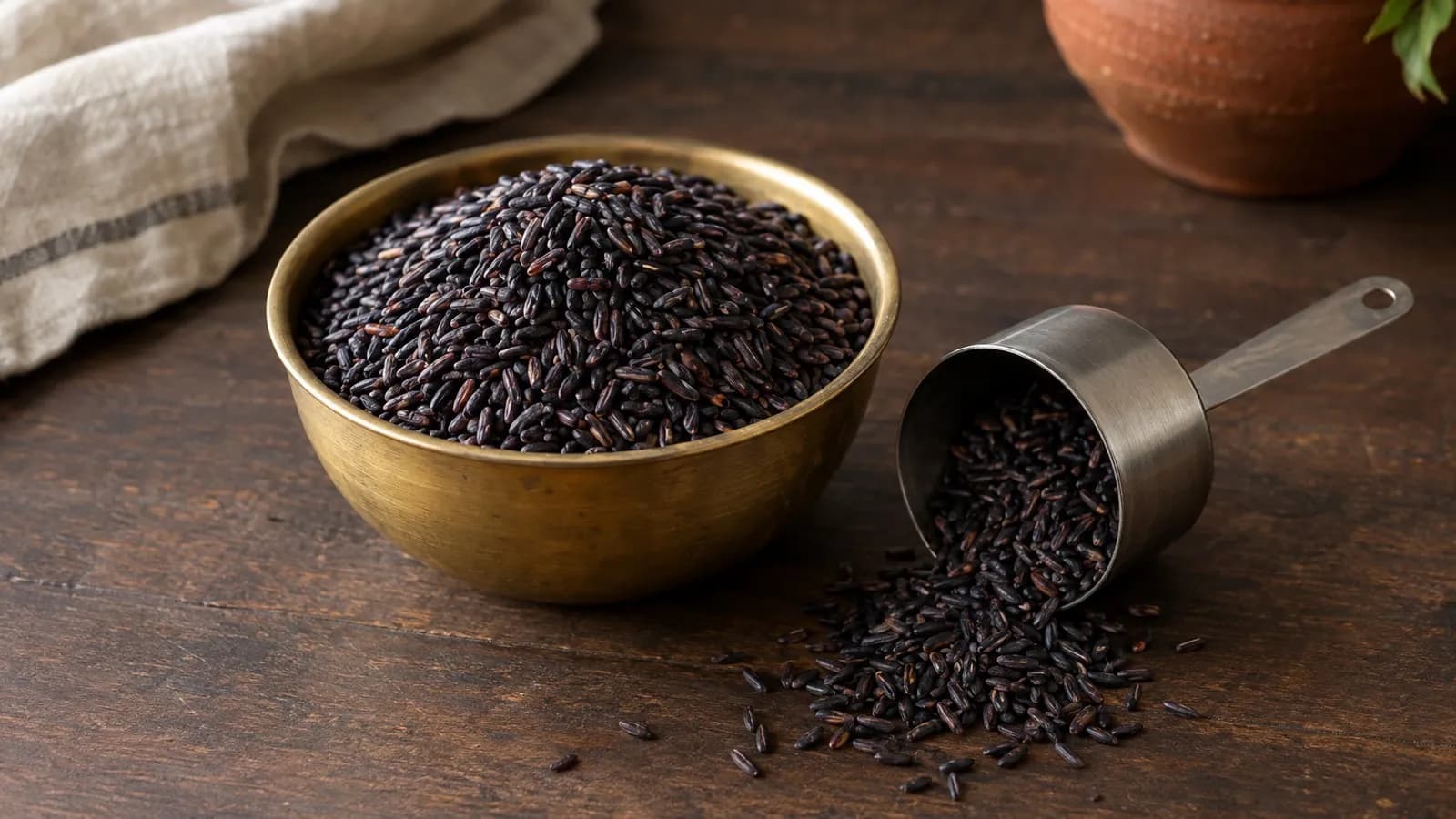
Black rice vs white rice: nutrition, GI, taste and which to choose

Black rice vs white rice: unpolished against polished. Black rice carries more fibre (4.2 g vs 2.81 g per 100 g) and far more magnesium, but its tested GI of 91 sits above the India-tested sona masoori figure of 72. Nutrition, taste, cooking, cost and who should pick which.
01 Sept 2026by COWBERRY
7 minute read
Black rice nutrition per 100g: calories, protein, fibre and GI
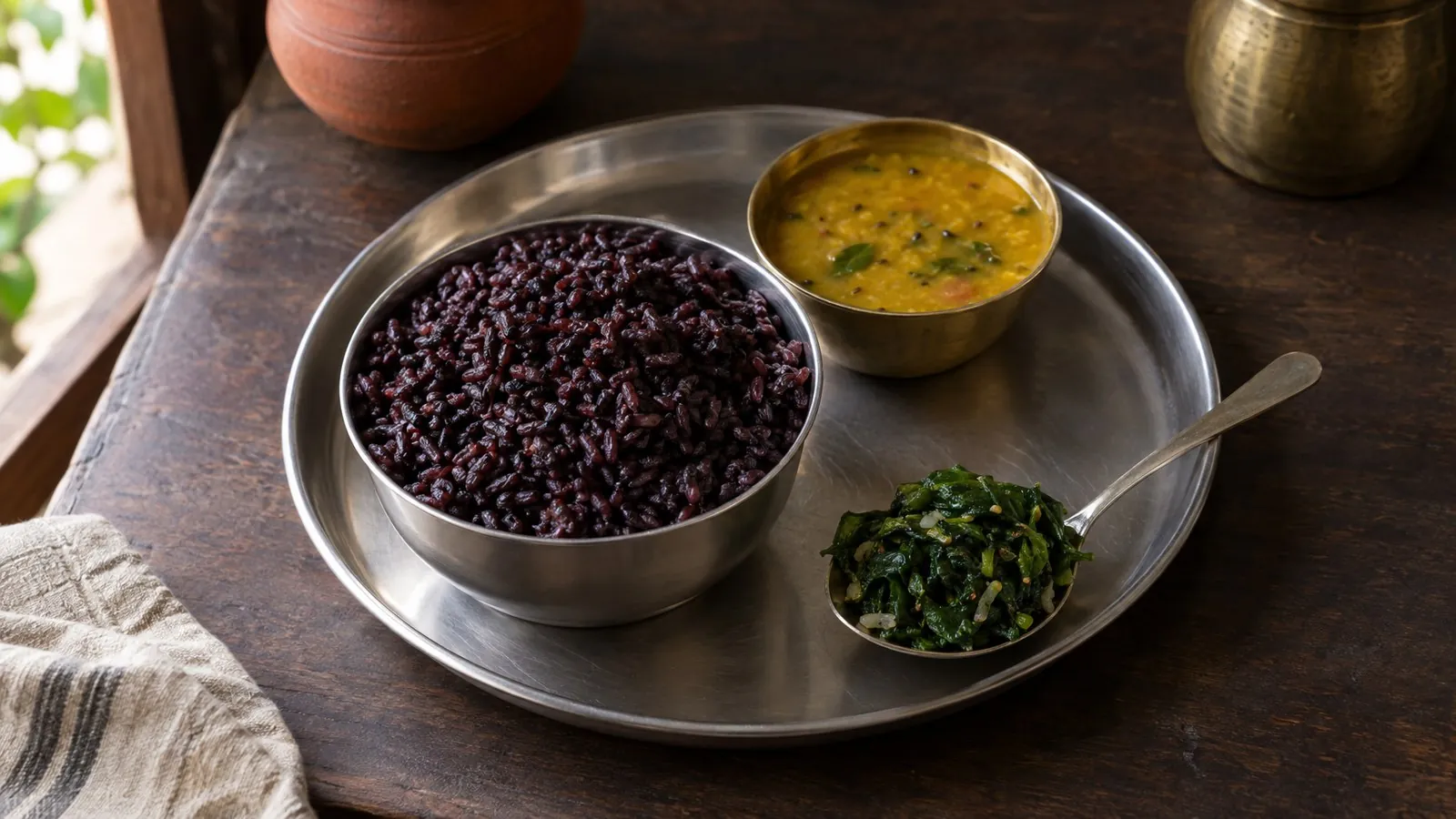
Black rice nutrition per 100g: calories, protein, fibre and GI

Black rice nutrition per 100 g from the USDA food database: 370 kcal, 7.57 g protein, 3.44 g fat, 77.2 g carbs, 4.2 g fibre, 113 mg magnesium, 1.12 mg iron, and a GI of 91 (three tests, 64 to 109). Plus what one katori of cooked black rice gives.
31 Aug 2026by COWBERRY
8 minute read
Black rice for diabetes: GI 91, fibre and what the trials say
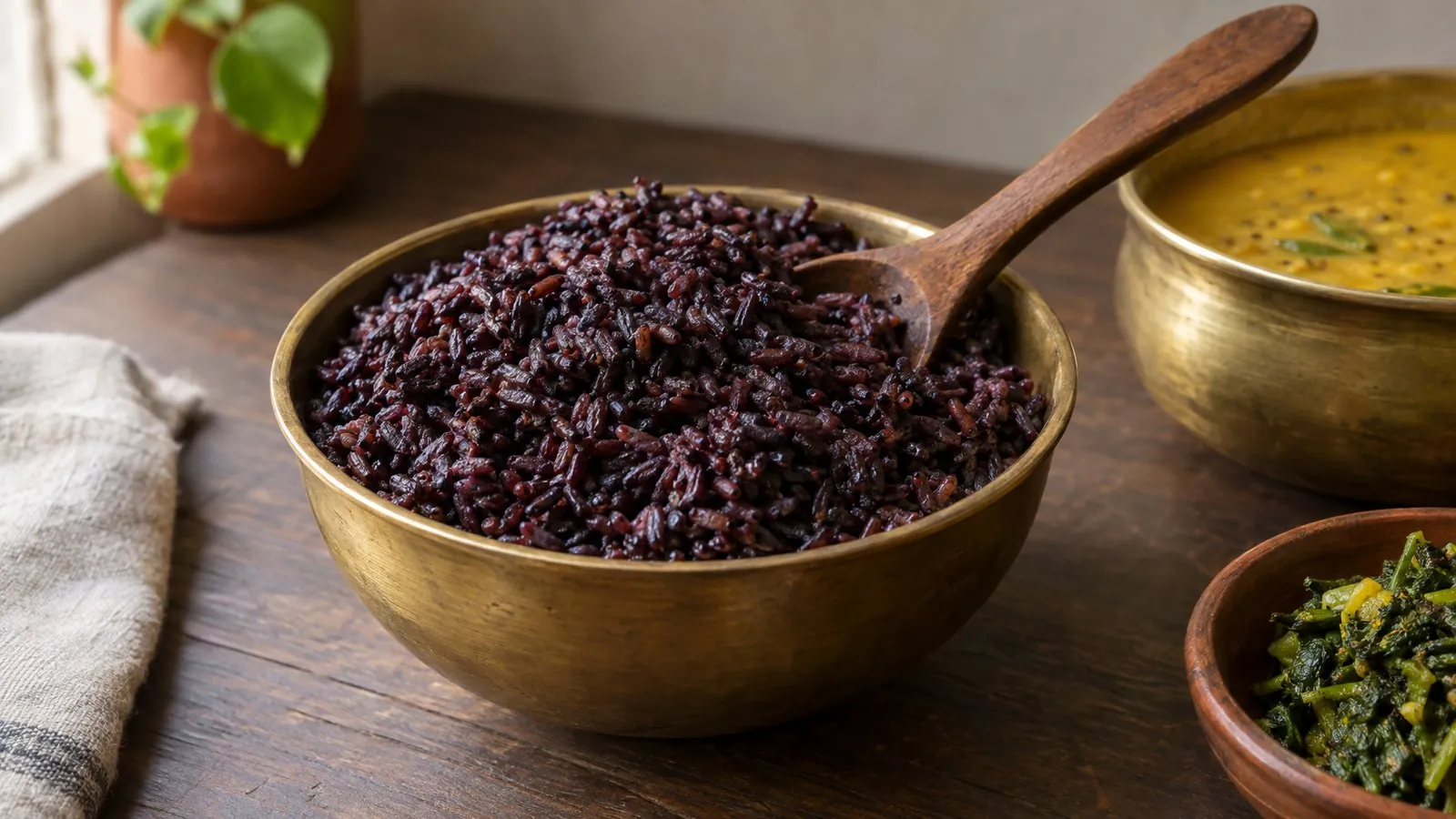
Black rice for diabetes: GI 91, fibre and what the trials say

Black rice for diabetes in honest numbers: the three GI tests of plain cooked black rice average 91 (high band, none from India), and one katori carries about 31 g of carbohydrate and 148 kcal. The 2023 pigmented-rice trial review, portions, pairings, better rice choices and what to avoid.
30 Aug 2026by COWBERRY
10 minute read
Black rice benefits and side effects: fibre, GI and how to eat it
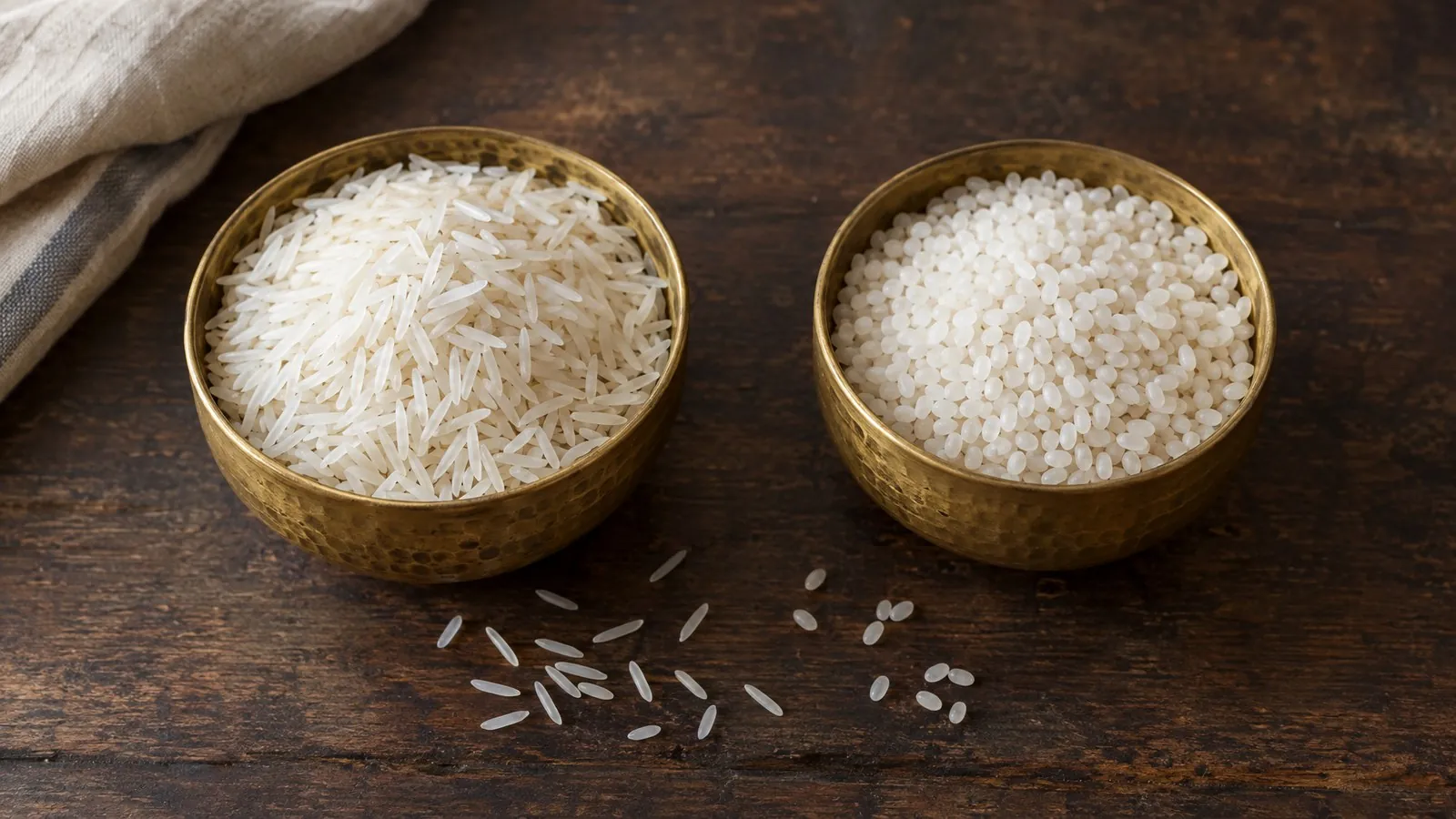
Black rice benefits and side effects: fibre, GI and how to eat it

Black rice benefits and side effects, from the numbers: 4.2 g fibre, 7.57 g protein, 113 mg magnesium and 1.12 mg iron per 100 g, anthocyanins in the dark bran, and a tested GI of 91. What seventeen pigmented-rice trials found, the side effects, how much per day and how to eat it.
29 Aug 2026by COWBERRY
7 minute read
Difference between basmati rice and normal rice: nutrition and taste
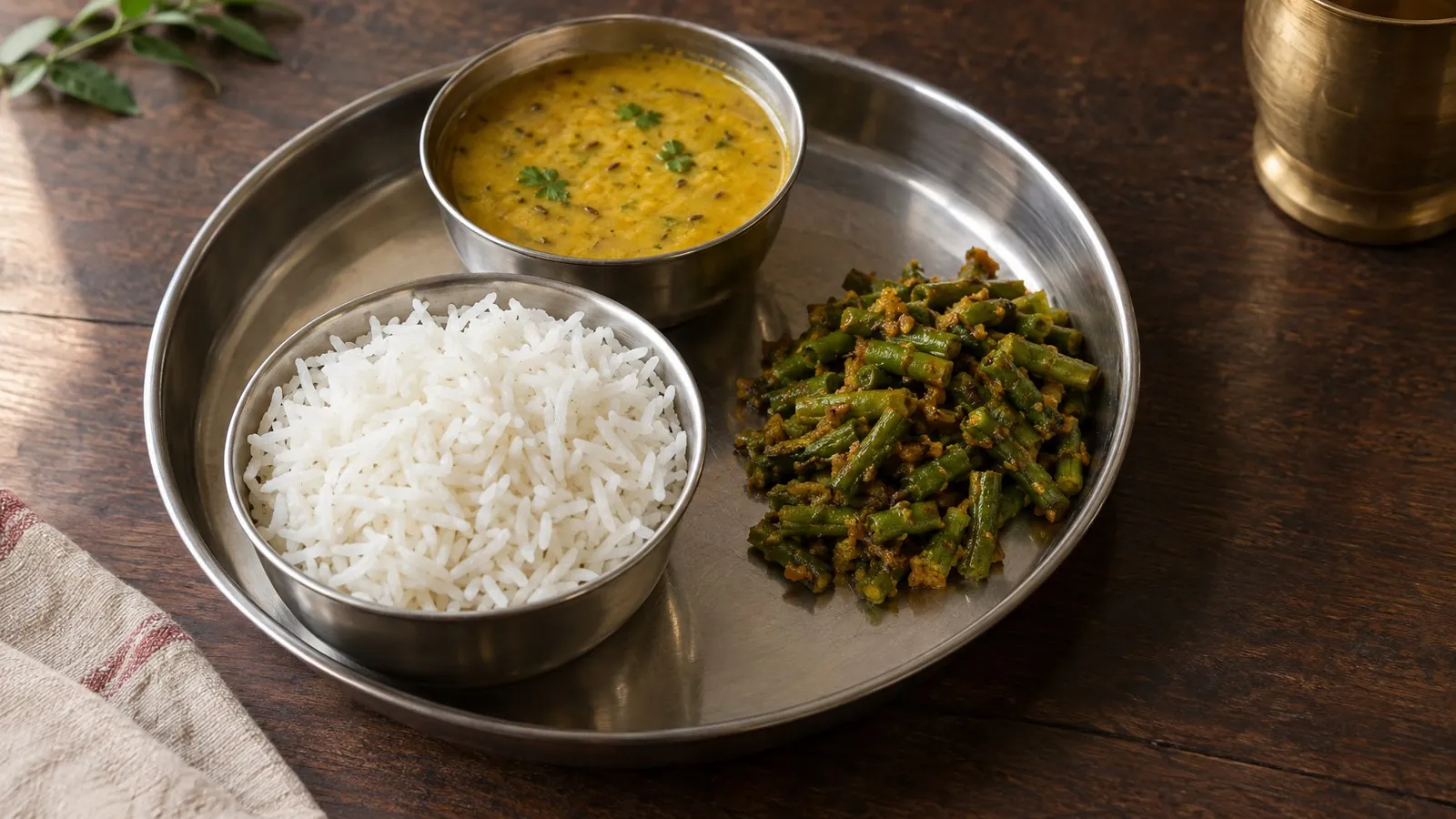
Difference between basmati rice and normal rice: nutrition and taste

Difference between basmati rice and normal rice: both are milled white rice, so the table is one composition with three glycemic index readings (50, 72, 77). Grain, aroma, taste, cost and which to pick.
17 Aug 2026by COWBERRY
7 minute read
Is basmati rice good for diabetes? GI 50, one katori and the research
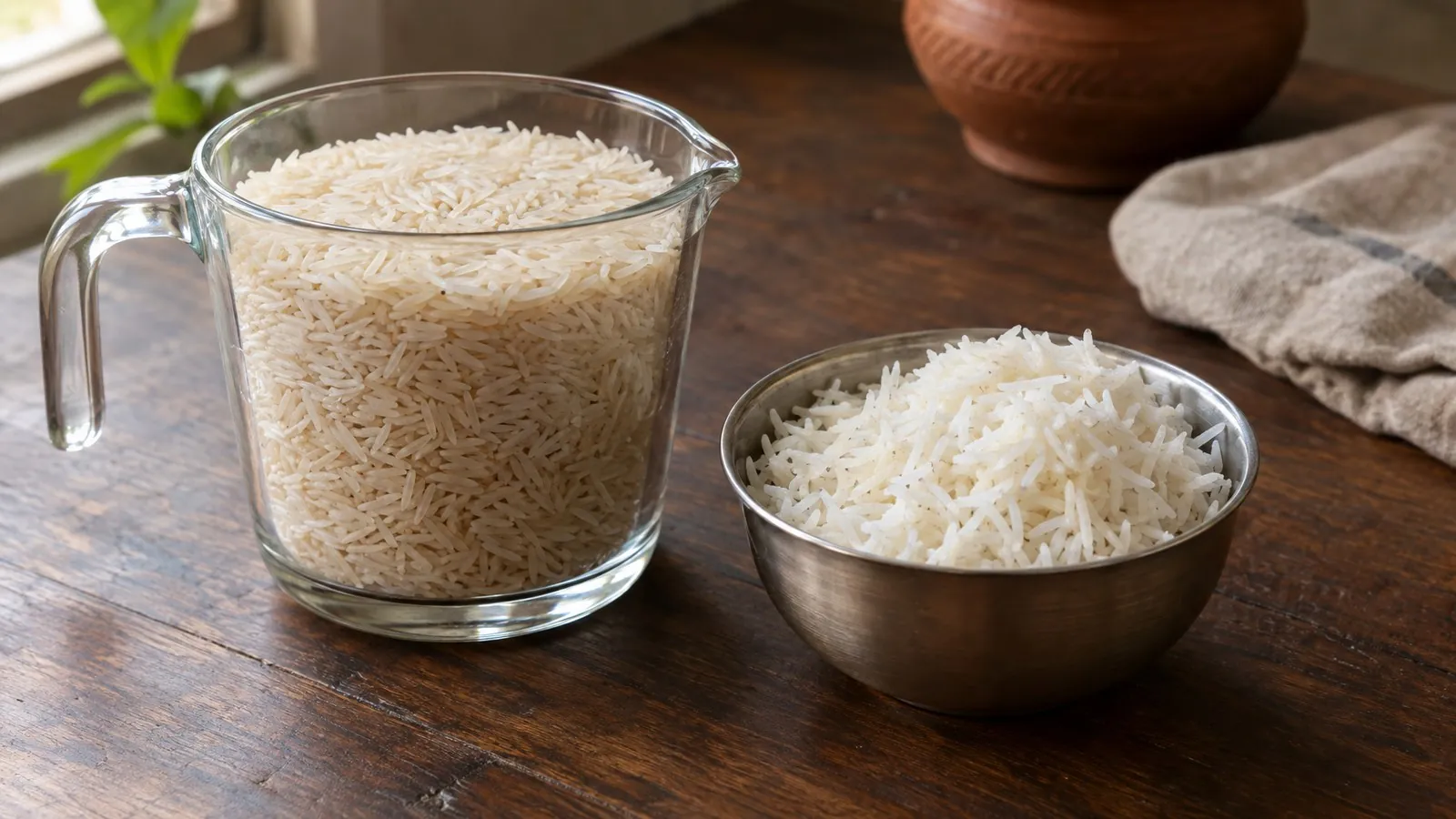
Is basmati rice good for diabetes? GI 50, one katori and the research

Is basmati rice good for diabetes? The India-tested plain white basmati has a glycemic index of 50 and one katori carries 31.3 g of carbohydrate. Portions, what the research says and how to fit basmati into a diabetic plate.
16 Aug 2026by COWBERRY
8 minute read
Basmati rice calories, protein and carbs per 100g
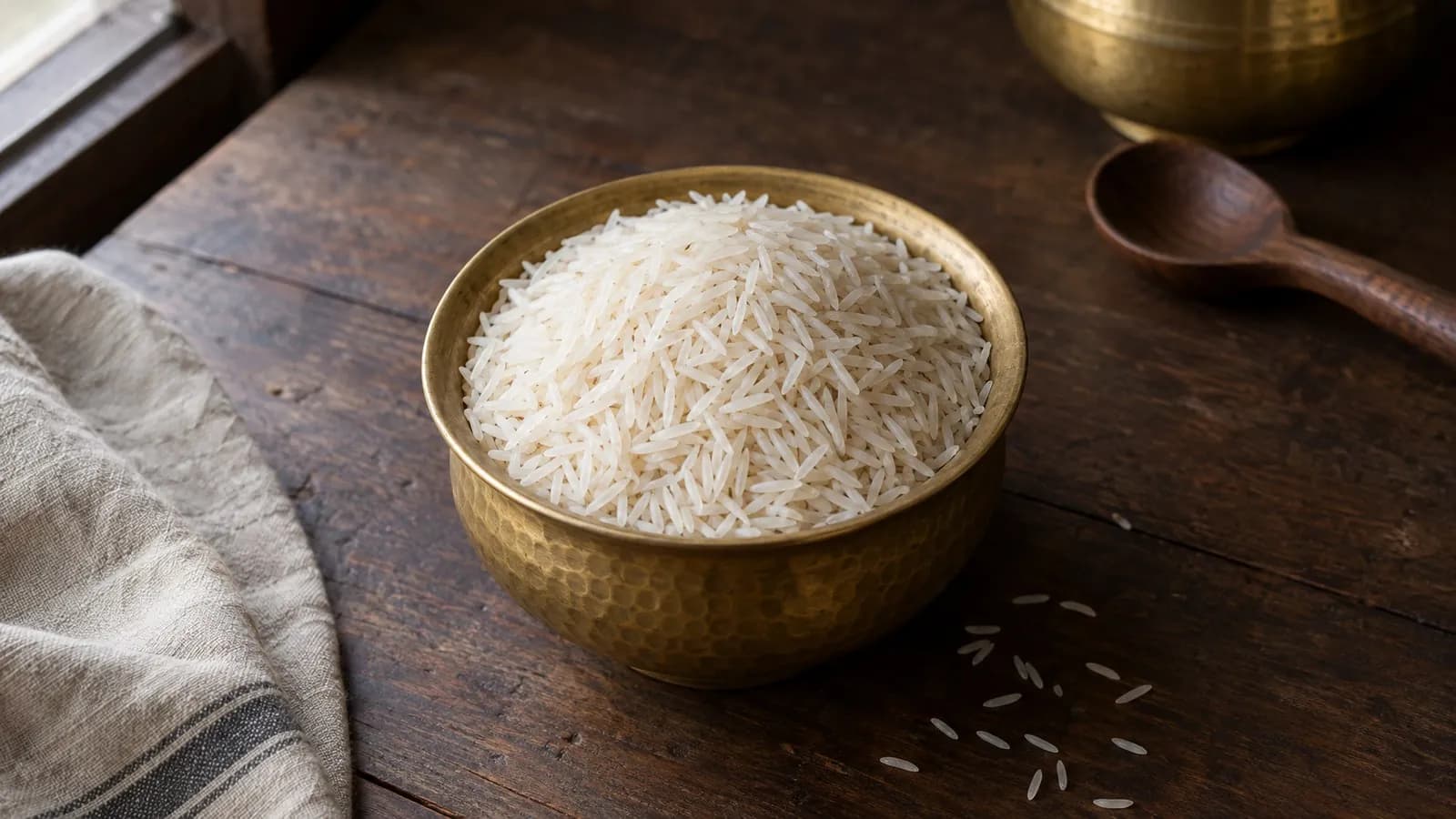
Basmati rice calories, protein and carbs per 100g

Basmati rice calories per 100g: 357 kcal, 78.24 g of carbohydrate, 7.94 g of protein, 0.52 g of fat and 2.81 g of fibre, from IFCT 2017. Per katori and per cup, protein and fibre against brown rice and wheat, the minerals and the GI of 50.
15 Aug 2026by COWBERRY
7 minute read
Basmati rice in English, Hindi and other Indian languages
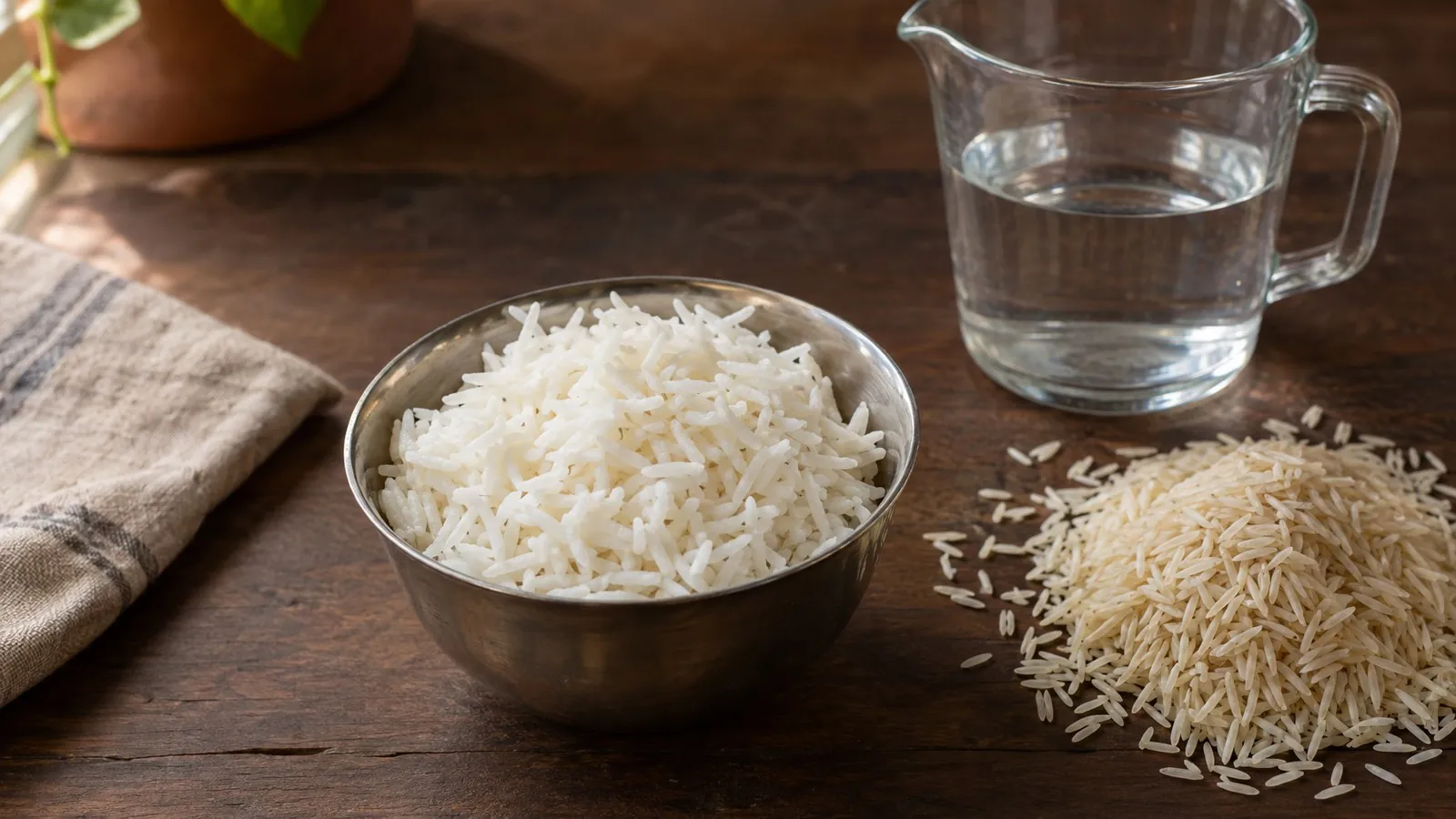
Basmati rice in English, Hindi and other Indian languages

Basmati rice in English is basmati, or basmati rice; in Hindi, basmati chawal; in Kannada, basmati akki; in Tamil, basmati arisi: basmati plus each language's word for rice. The full names table, region by region, from IFCT 2017.
13 Aug 2026by COWBERRY
5 minute read
Basmati rice glycemic index: GI, load and what it means

Basmati rice glycemic index: GI, load and what it means

Basmati rice glycemic index: the India-tested entry records a GI of 50, the low band, and one katori carries a glycemic load of about 15.7. How the test works, what moves a rice's GI, and where basmati sits on the Indian rice shelf.
12 Aug 2026by COWBERRY
7 minute read