by COWBERRY

8 minute read
Is basmati rice good for diabetes? GI 50, one katori and the research

Whether basmati rice is good for diabetes comes down to the portion: the India-tested plain white basmati in the University of Sydney GI database has a glycemic index of 50, in the low band, and one katori carries 31.3 g of carbohydrate. Manageable beside dal and sabzi, not a free pass; the portion decides. The basmati rice hub covers the grain itself; this page covers the numbers and the limits.
Short answer
It can be, with the portion in charge. The single India-tested entry for plain white basmati in the University of Sydney GI database records a glycemic index of 50, which sits in the low band, while a large systematic review finds higher white rice intake associated with a higher risk of type 2 diabetes, so both the rice and the amount matter. The practical version is one katori of cooked basmati, about 31.3 g of carbohydrate, teamed with dal, sabzi, curd or egg rather than a bigger, rice-only plate. Your doctor or dietitian sets the right amount, especially if you take insulin or have kidney disease.
What the numbers say: GI, glycemic load and one katori
The glycemic index of 50 comes from the University of Sydney GI database: a plain white basmati tested in India, cooked for 26 minutes in an electric rice cooker at a 1:2 rice-to-water ratio and measured in 12 people, recorded in a 2016 study published in Nutrients. The database classes 55 and below as low and 70 and above as high, so 50 lands in the low band. Other basmati entries in the same database, tested outside India, spread from the low band into the high one with most in the middle, which is why this page leans on the India-tested reading. The glycemic load of one katori works out to about 15.7.
The plate numbers: one katori of cooked rice comes from 40 g of raw grain, and IFCT 2017 counts milled rice at 78.24 g of carbohydrate, 357 kcal, 2.81 g of fibre and 7.94 g of protein per 100 g raw. Scaled to a katori, that is 31.3 g of carbohydrate, 143 kcal, 1.1 g of fibre and 3.2 g of protein. IFCT has no basmati-specific row, so these are the pooled figures for milled rice; the GI of 50 is the part measured on basmati itself. The full comparison is on the basmati rice glycemic index page.
What the research says
The population evidence points one way. A 2022 systematic review and meta-analysis in BMJ Open pooled the studies on rice and type 2 diabetes and found white rice intake associated with a higher risk of the disease and brown rice with a lower one; that is an association across populations, not a promise for any single bowl. A 2023 review in Foods adds the reason to be careful with one number: the glycemic index of rice changes with variety, nutrient composition, processing and accompanying factors, so a tested GI is a starting point, not a label fixed forever.
Basmati-specific work exists too. A Sri Lankan study in Food Chemistry (2017) tested red and white basmati and placed the white grain in the medium-GI class, with polishing making no difference to the reading; the same study found the GI lower in samples with more amylose and fibre. And a 2015 trial with 15 healthy adults found that cooked white rice cooled for 24 hours in the fridge and then reheated went from 0.64 to 1.65 g of resistant starch per 100 g and produced a smaller rise in blood glucose than the same rice eaten freshly cooked.
How much and how to eat it
Measure the rice: one katori of cooked basmati, from 40 g raw, is the portion every number on this page uses, and your doctor or dietitian can set how many fit your meals. Check your glucose meter two hours after eating; the meter, not any table, tells you how your portion behaves. Build the plate around the rice instead of under it: dal or rajma, a big share of sabzi or salad, curd, and a small katori of rice on the side. The Dietary Guidelines for Indians note that dietary fibre delays and slows the absorption of carbohydrates, and they name pulses and vegetables among the plant foods that carry fibre.
Two kitchen habits help further. Cook the rice in just enough water, and do not wash the grain repeatedly: repeated washing loses minerals and vitamins, as the guidelines warn. And borrow the cool-and-reheat trick from the research above: cook a batch, chill it in the fridge for a day, reheat one portion, and the resistant starch comes along for the meal. The method, with the 1:1.5 water ratio, is on how to cook basmati rice. A soft basmati rice khichdi with moong dal is an easy way to eat the same grain.
Better and worse options in the family
One Indian study (Shobana et al., 2012, in the International Journal of Food Sciences and Nutrition) tested three commonly eaten Indian varieties, sona masoori, ponni and Surti Kolam, and all three landed in the high-GI band. On the India-tested figures, basmati, with its low-band reading, is the lower-GI choice, though basmati tested in other countries mostly reads medium. Whole grains step further: brown rice, including brown basmati, keeps the bran layer, and population studies associate it with lower diabetes risk; the choice is set out on brown rice for diabetes and brown basmati vs white basmati. For the wider shelf of gentler rices, see low GI rice in India, and for how basmati differs from everyday white rice, the difference between basmati rice and normal rice page has the side-by-side table. The basmati rice hub gathers the grain's names, nutrition and benefits.
What to avoid
Skip the big-bowl habit: a second katori doubles the carbohydrate to 62.6 g in one meal, which is a portion problem no rice variety fixes. Avoid sweetened rice dishes as the everyday version: kheer, meetha chawal and sugar-laced pulao all add free sugar on top of the rice's own starch. Avoid a rice-only plate with no dal, pulse or vegetable beside it, and avoid fried rice as a habit, since the oil adds energy the dish does not need. And never adjust, pause or restart diabetes medicine because of anything on this page; changing your medicines on your own is the one mistake no food choice can undo.
Talk to your doctor or dietitian
Basmati rice can fit a diabetes plan, and the plan is personal: weight, activity, medicines, insulin timing and kidney function all move the right portion up or down. Use this page to understand the rice and to count it by the katori, then set the number that fits you with the person who knows your numbers. For a portion, a medication question or a meal plan that suits your life, talk to your doctor or dietitian.
FAQs
Is basmati rice good for diabetics?
It can fit, in a counted portion. The India-tested entry for plain white basmati in the University of Sydney GI database has a glycemic index of 50, in the low band, and one katori carries 31.3 g of carbohydrate. Pair it with dal and sabzi, count it by the katori, and set the amount with your doctor or dietitian.
Does basmati rice spike blood sugar?
It raises blood glucose like any rice, and the size of the portion decides how far. Its one India-tested GI, 50, is in the low band, though basmati tested in other countries mostly reads medium, and the glycemic load of a katori is about 15.7. The meter two hours after the meal will show you your own answer.
Does basmati rice have sugar?
No added sugar, but plenty of starch. Per 100 g raw, IFCT 2017 counts 78.24 g of carbohydrate, and a katori of cooked rice works out to 31.3 g of it; digestion turns that starch into glucose in the blood. That is why the portion, not the word on the pack, does the work in a diabetic meal plan.
Can basmati rice be eaten daily?
Yes, within the day's cereals and with the portion counted. A katori of cooked basmati carries about 31.3 g of carbohydrate, and served with dal, vegetables and curd it shares the plate with the pulses and vegetables the guidelines want there. Rotate it with millets and whole grains through the week, and set how much and how often with your doctor or dietitian.
Which basmati rice is best in India?
For a diabetic plate, pick plain, long-grain white basmati with no added flavours or colouring; the India-tested GI of 50 belongs to plain polished basmati. Buy from a known brand or an organic producer so the pack is what it says, store it in an airtight container in a cool, dry place, and count it by the katori whichever bag you choose.
What is basmati rice?
Basmati is a long-grain aromatic rice known for slender grains that lengthen as they cook, a delicate aroma and a fluffy, non-sticky texture; COWBERRY's is grown in Uttarakhand and Punjab. It suits biryani and pulao as well as everyday dal-chawal. Its names in other languages are on basmati rice in English, Hindi and other Indian languages.
Is basmati rice healthy?
As a staple, yes: it gives carbohydrate for energy, about 31.3 g per cooked katori along with 1.1 g of fibre and 3.2 g of protein, and its GI of 50 sits in the low band. It is not a vegetable, a protein source or a medicine, so it earns its place only inside a mixed plate. The wider picture is on basmati rice benefits.
References
- Indian Food Composition Tables (IFCT) 2017, ICMR-National Institute of Nutrition
- Dietary Guidelines for Indians, ICMR-National Institute of Nutrition
- University of Sydney glycemic index database (GI search)
- University of Sydney: about the glycemic index
- Yu J, Balaji B et al. White rice, brown rice and the risk of type 2 diabetes: a systematic review and meta-analysis. BMJ Open, 2022
- Ngo TV, Kunyanee K et al. Insights into recent updates on factors and technologies that modulate the glycemic index of rice and its products. Foods, 2023
- Somaratne GM, Prasantha BDR, Dunuwila GR, et al. Effect of polishing on glycemic index and antioxidant properties of red and white basmati rice. Food Chem, 2017
- Sonia S, Witjaksono F, Ridwan R. Effect of cooling of cooked white rice on resistant starch content and glycemic response. Asia Pac J Clin Nutr, 2015
- Shobana S, Kokila A, Lakshmipriya N, et al. Glycaemic index of three Indian rice varieties. Int J Food Sci Nutr, 2012
Shop this article
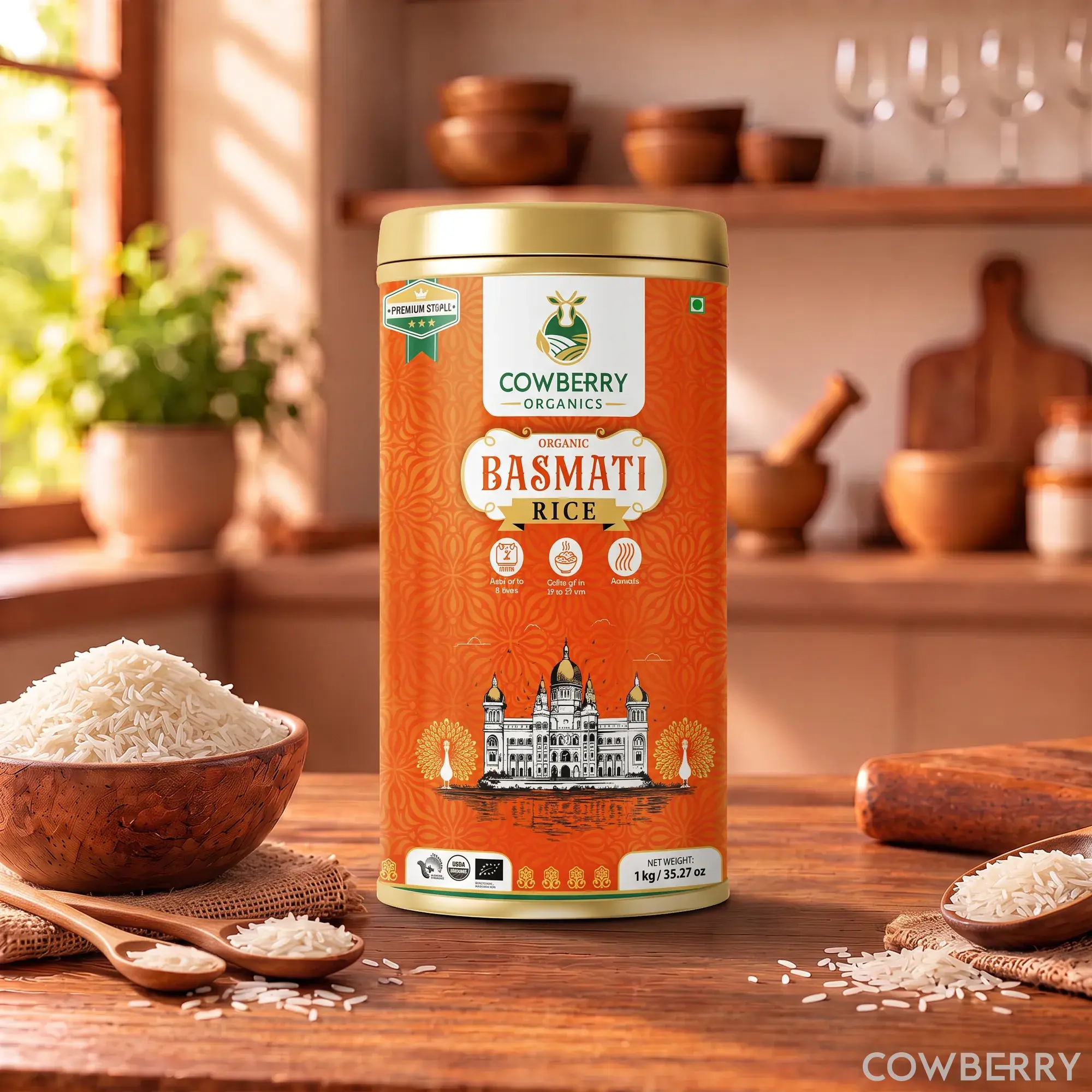
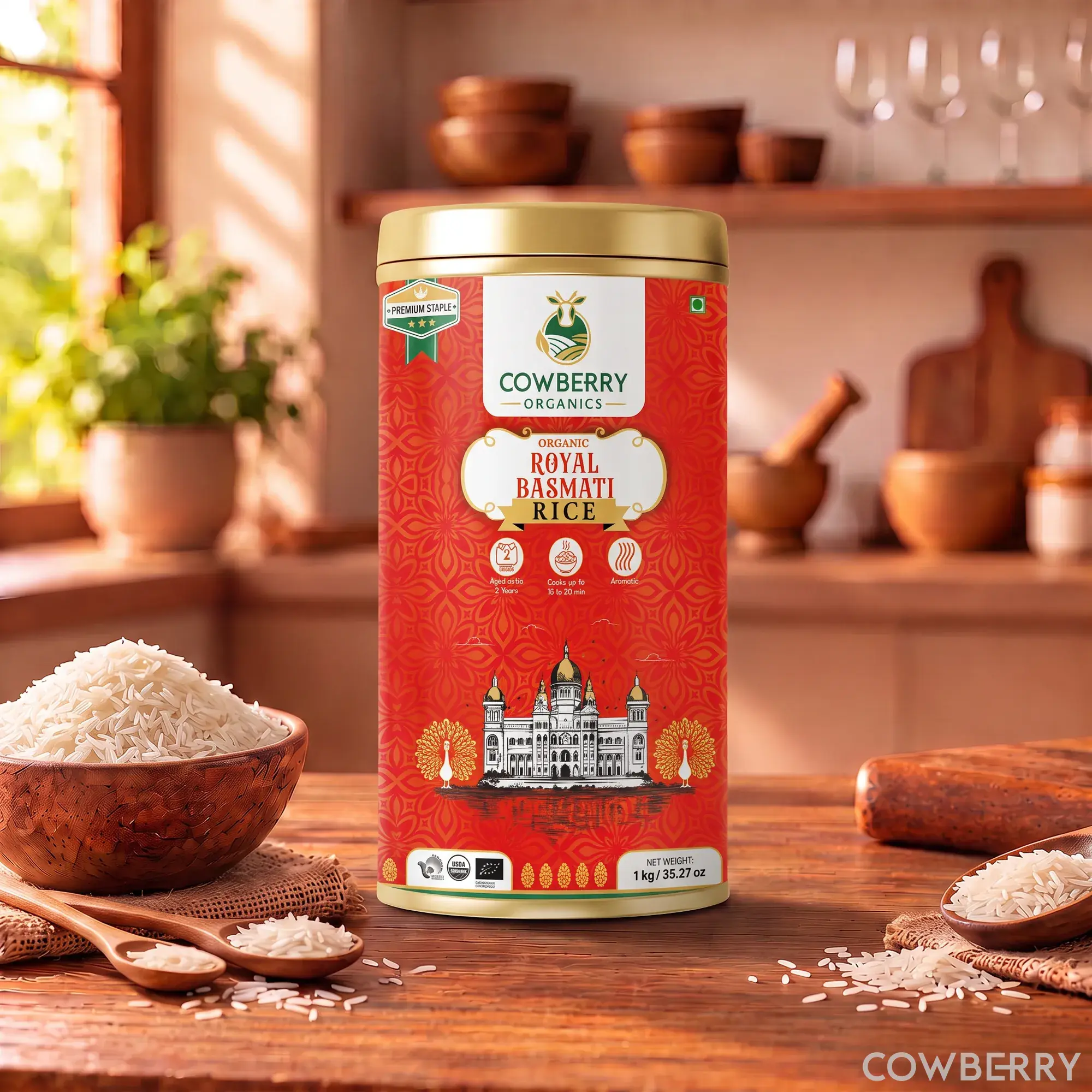
Keep reading
Red rice vs brown rice: the fibre, GI and honest verdict
Red rice vs black rice: nutrition, glycemic index and which to choose
Red rice nutrition per 100g: calories, protein, fibre and GI