
COWBERRY's Blog: Organic Food, Recipes & Healthy Living
Featured

What Is Brown Sugar? Types, How It Is Made, Nutrition and Uses
Fresh Blogs

Coriander water benefits: what dhania water actually does

Red rice vs brown rice: the fibre, GI and honest verdict


More Articles

Soil Moisture Biology: How Water Affects Microbes
Can Organic Farming Be Profitable in Year 1? Real India Case Studies

Biofertilizers: Trichoderma, Pseudomonas, Azotobacter — Which One Actually Works?
How Organic Farmers Can Rebuild Soil Carbon in 3 Seasons

The Hidden Workforce: How Soil Microbes Run an Organic Farm
In organic farming, we often talk
about compost, biofertilizers, neem extracts, or slow-release nutrients — but
the real heroes working tirelessly beneath our feet are soil microbes. These
unseen organisms form the living engine of an organic farm, driving nutrient
cycles, plant health, and long-term soil fertility without the need for
synthetic inputs.
So, who are these hidden workers?
Soil microbiology is an intricate community of bacteria, fungi, actinomycetes,
protozoa, and beneficial nematodes. Each plays a unique role, creating a
balanced underground ecosystem that powers the visible productivity above
ground.

The Future of Organic Certification — Trends, Technology, and Opportunities
Challenges and Myths in Organic Certification

How Regenerative Farming Creates Better Nutrition
The Certification Journey — From Farm to Market
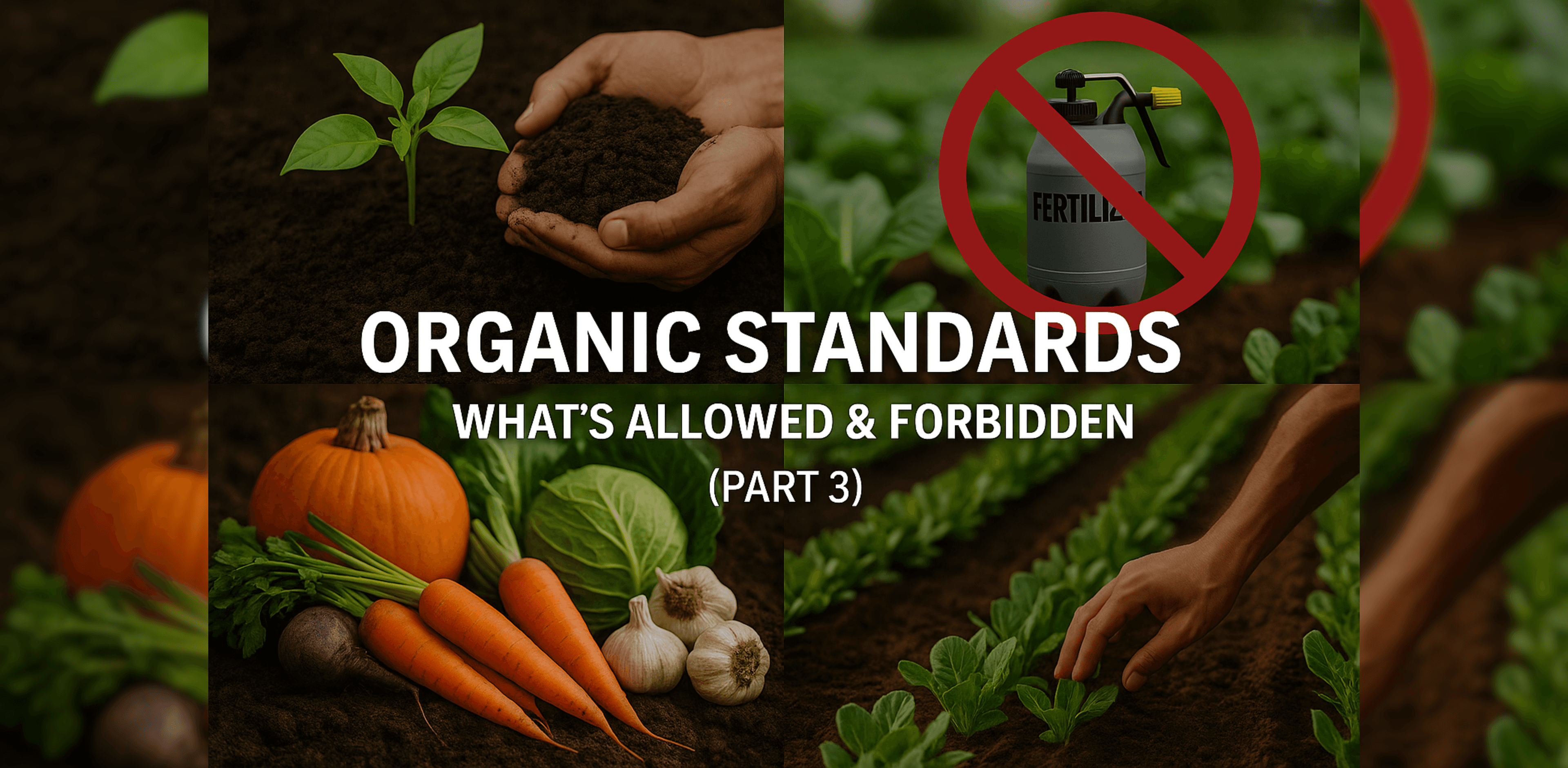
Organic Standards and Rules — What’s Allowed and What’s Forbidden

India’s Organic Certification System — NPOP, PGS, and the Journey to the India Organic Logo

The Foundations of Organic Certification — Why It Matters