
10 minute read
Soil Moisture Biology: How Water Affects Microbes

1. Microbes Thrive in Moist
Soils — But Not in Wet Soils
Soil microbes need water to move,
feed, and colonize organic matter. When moisture is at the right level (field
capacity), microbes:
- Break down compost and FYM faster
- Convert organic N into plant-available ammonium
- Build humus
- Increase root–microbe interactions
But when soils become waterlogged,
oxygen drops sharply. This shifts microbial activity towards anaerobic species
— slowing decomposition and nutrient cycling.
Result: Plants look yellow
even when nutrients are present because microbes cannot mineralize them.
2. Dry Soil = Dormant Biology
In dry conditions, most beneficial
microbes go into survival mode. Their metabolic activity reduces by up to
80–95%.
This means:
- Slower release of nutrients from organic matter
- Poor response to Jeevamrit or Ghanjeevamrit
- Weak root–microbe interaction
- Reduced humus formation
Dry spells also limit the movement
of microbes, making it harder for them to colonize the rhizosphere.
3. Moisture Pulses Create
Biological “Bursts”
A sudden rain or irrigation after
a dry period causes a microbial flush — a rapid burst of activity.
This is the moment when:
- Decomposition spikes
- Nutrients become quickly available
- Soil smell becomes earthy due to actinomycetes
- Root uptake increases
Farmers who plan their nutrient
applications around these moisture pulses can get better results with the same
inputs.
4. Organic Farming Practices
That Support Moisture-Driven Biology
To keep beneficial microbes
active, farmers must maintain stable soil moisture without extremes.
The most effective NPOP-compliant
practices include:
- Mulching with crop residues or dry grasses
- NADEP compost to improve structure and water
retention
- Jeevamrit/Ghanjeevamrit to boost microbial
colonies
- Intercropping and cover cropping to shade
soil
- Reduced tillage to protect soil pores and
fungal networks
- Biofertilizers (Trichoderma, PSB, Azotobacter) that establish well in moist conditions
Conclusion
Water is not just for plants it is for microbes as well. When moisture is balanced, soil biology becomes the strongest engine of fertility. By managing soil to stay moist, not wet or dry, farmers unlock the full power of organic nutrients and start building soils that stay productive year after year.
Keep reading

Carbendazim in Your Kitchen: Hidden Fungicide in Spices
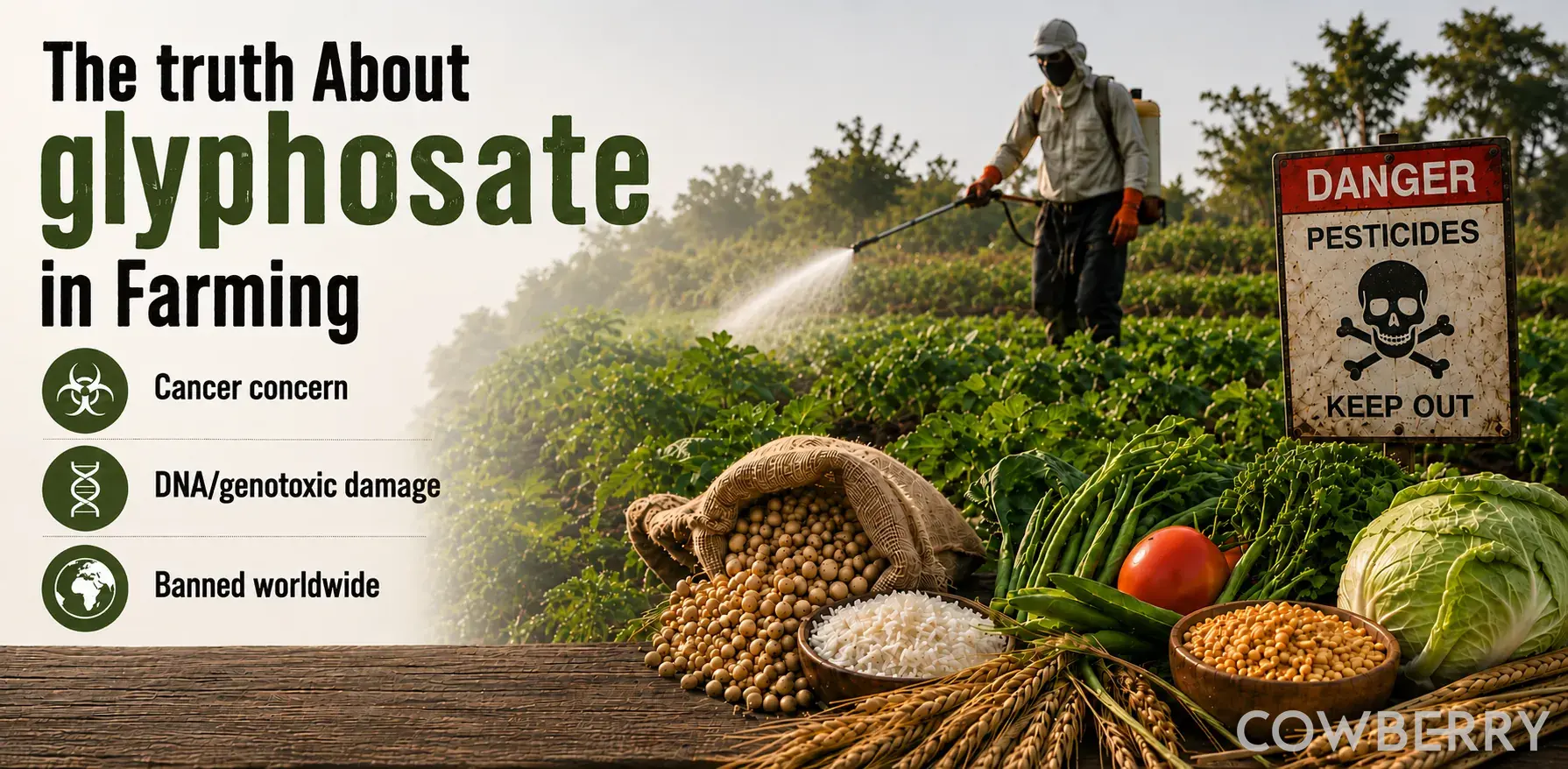
Glyphosate in Your Food: Why It Matters to Your Health

Meet the Farmers: The Hard Work Behind Every Clean Product