by COWBERRY

6 minute read
How to drink orthodox tea: water temperature, amount and timing

How to drink orthodox tea comes down to a few simple rules: one teaspoon of leaves, then water at 90-95 °C, a steep of 3 to 5 minutes, then strain and drink it plain or with lemon or honey. This page turns those rules into a step-by-step pot, with the mistakes to avoid and the quantities that matter. It is one part of our chai patti guide to tea.
The short answer: one teaspoon, hot water, 3 to 5 minutes
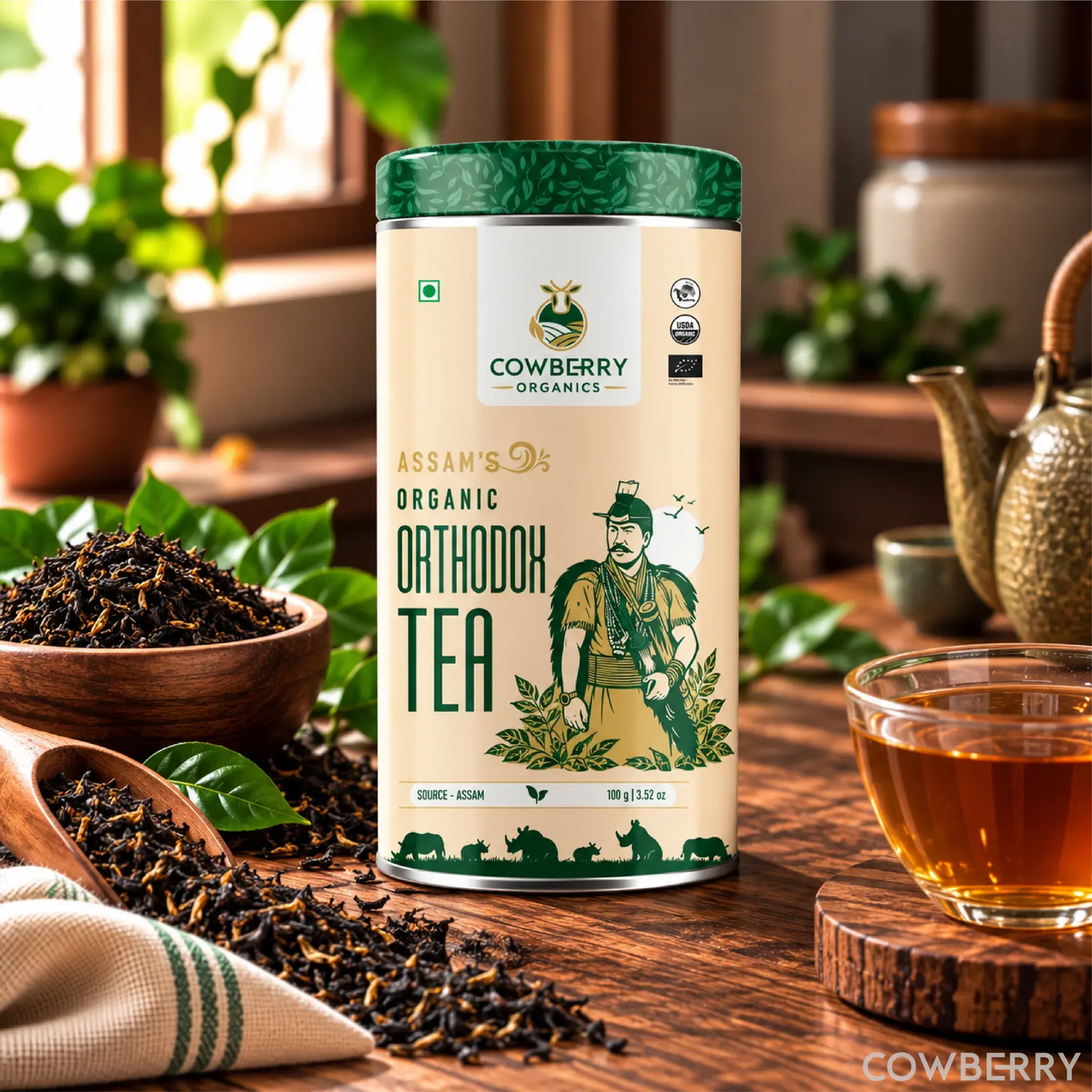
The whole method fits in one line. Add one teaspoon of orthodox tea to hot water at 90-95 °C, steep for 3 to 5 minutes depending on your preferred strength, then strain and drink it plain or with lemon or honey. Those are the pack's own numbers for the leaf, and the rest of this page turns them into a working pot, with the mistakes that spoil the cup and the storage that keeps the leaf good. The leaf behind the cup is the whole-leaf black tea explained in our guide to what is orthodox tea, and the wider tea shelf is on the chai patti hub.
What you need: a kettle, a teapot and a strainer
You need nothing special: a kettle or a pan to heat the water, a teapot or a big cup that gives the leaves room to unfurl, a teaspoon, and a strainer. Whole leaves open out as they steep, so give them space; a cramped tea ball squashes the leaf and a crowded pot steeps unevenly. Warm the pot with a splash of hot water first and pour it away, which keeps the tea hot for the whole steep.
How to make orthodox tea step by step
The steps, in order:
- Heat fresh water and stop it just short of a rolling boil, around 90-95 °C.
- Put one teaspoon of orthodox leaves into the warm pot for each cup you are making.
- Pour the hot water over the leaves, cover the pot and let it steep.
- Steep for 3 to 5 minutes: three minutes for a lighter cup, five for a stronger one.
- Strain the tea off the leaves, then enjoy the cup plain, with lemon or with honey.
The leaves can work again: top up the pot with fresh hot water and steep a little longer for a second, lighter cup.
The quantities that matter
Every number in this method comes from the pack's brewing guidance, gathered here:
- Leaf: one teaspoon per cup.
- Water: heated to 90-95 °C, just off a full boil.
- Steep: 3 to 5 minutes, longer for more strength, shorter for less.
- Serving: plain, or with lemon or honey.
- Storage: an airtight container somewhere cool and dry, out of sunlight, moisture and strong smells.
One more timing that matters is about meals, not the pot: tea holds on to the iron in a meal and keeps some of it from being absorbed, so the ICMR-NIN dietary guidelines say tea should be avoided for at least an hour before, during or soon after a meal. A controlled trial published in 2017, with 12 healthy UK women, found that waiting a full hour after an iron-containing meal roughly halved tea's effect on iron absorption. For how long the pack stays good, see does chai patti expire.
Common mistakes that make orthodox tea bitter
Bitter orthodox tea is almost always one of a few habits. Water at a hard rolling boil scalds the whole leaf; stop the kettle just short of it. A steep that runs past five minutes keeps drawing the harsher notes out of the leaf; lift the strainer at the time you chose. More leaf than a teaspoon per cup does not make a stronger, better cup, just a sharp one. And leaving the leaves in the pot while you drink turns the last cup harsh; pour the tea off the leaves as soon as the steep is done.
Plain, lemon, honey or milk?
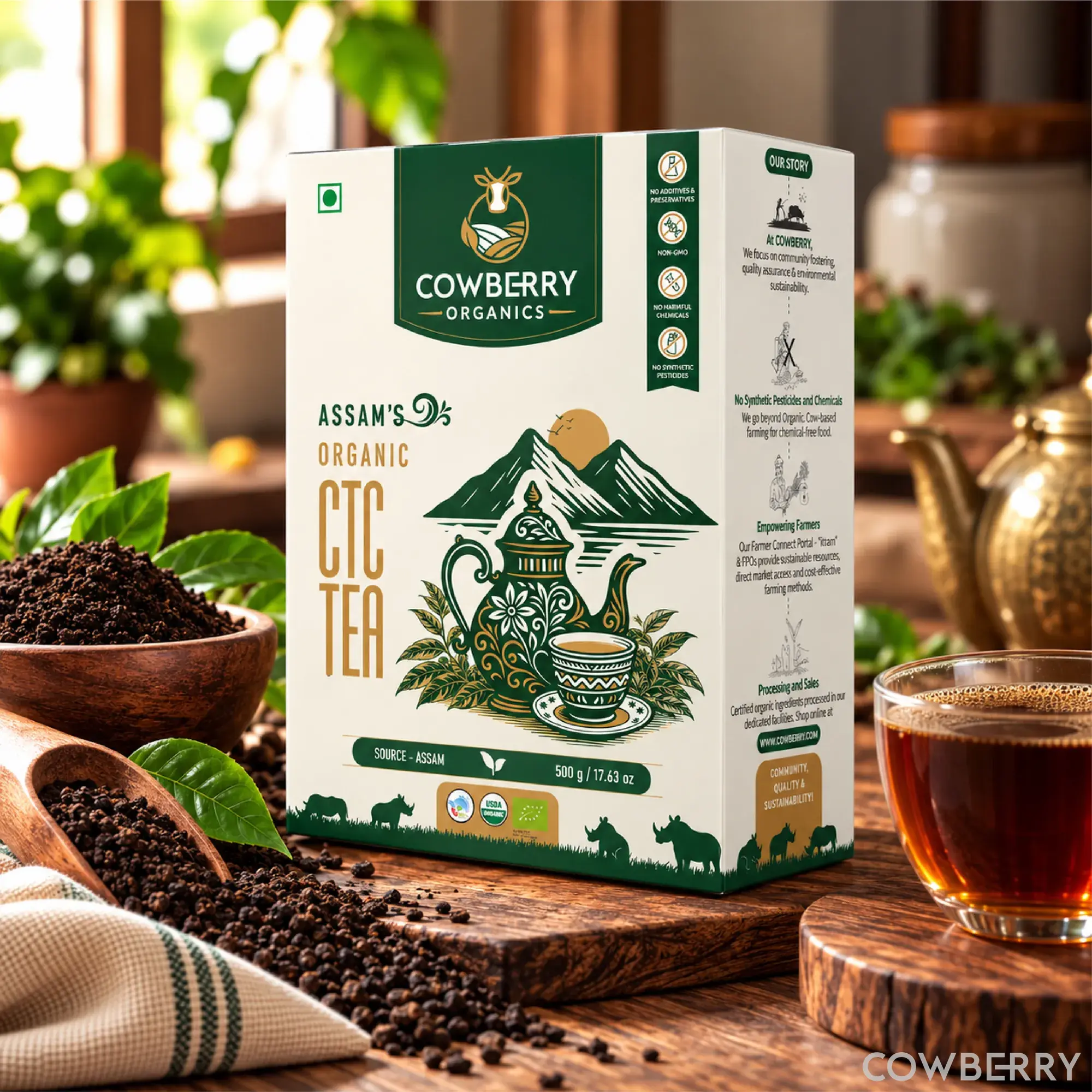
The pack's guidance serves the cup plain, or with lemon or honey, and the smooth, malty cup carries itself without sugar. Milk is the line where the teas split: orthodox is the leaf for a plain cup, while the strong, milky chai is CTC's job. Our chai patti recipe shows the milky pot made with CTC, and masala chai adds ginger and spice; for more loose-leaf ideas, see the loose leaf tea recipes round-up. Whatever goes in the cup, keep the leaf itself dry and back in its airtight pack after each use.
FAQs
How much loose leaf tea to use per cup?
One level teaspoon of orthodox leaves per cup, which is the measure the pack's brewing guidance gives. If you want the next pot lighter or darker, adjust by half a teaspoon rather than by the time, so the cup keeps its balance.
How to use orthodox tea?
Add one teaspoon of leaves to hot water at 90-95 °C, steep for 3 to 5 minutes to the strength you like, then strain; the pack serves it plain, with lemon or with honey. That is the pack's own guidance, and the full step-by-step method is above.
Can loose leaf tea be reused?
Yes, and orthodox whole leaves are the tea for it: add fresh hot water to the used leaves and steep a little longer for a second, lighter cup. The second cup comes out milder because most of the strength left in the first pour, and the leaf is done when the cup tastes thin.
Can loose leaf tea be cold brewed?
Yes, the same leaves work in cold water: cover the leaves with cold water, leave the pot in the fridge until the water has taken on enough colour and taste for you, then strain. The cup comes out smooth and gentle; there is no fixed time for cold brewing, so go by taste.
Does orthodox tea have caffeine?
Yes. Orthodox tea is black tea, so the cup carries caffeine no matter the water temperature and steep time. For the per-cup amounts across tea styles and the pregnancy limits, see how much caffeine is in tea.
What is orthodox tea?
Orthodox tea is the traditional whole-leaf black tea: picked and carefully rolled whole, not cut into granules, so the cup lands smoother and more layered, with a delicate aroma. It is the opposite of CTC's small granules, and the full story is on our what is orthodox tea guide.
References
Shop this article
Keep reading
Coffee vs tea: caffeine, benefits and which is better
Coffee calories per 100g: powder, beans and filter coffee
Coffee in pregnancy: how much caffeine is safe