
Poha chivda
Preparation Time
10 minutes
Cooking Time
20 minutes
Difficulty Level
easy
Meal Type
Evening Snack
Serves 10
Key Ingredients
- Thick poha, about 2 1/2 cups
About This Recipe
Chivda is the crisp savoury mix that Maharashtrian homes make in bulk for Diwali faral and keep in a jar the rest of the year for chai time, train journeys and unexpected guests. Poha chivda is the everyday version, built on poha rather than the fried gram flour of other mixes, which is why it is light enough to eat by the handful. This chivda recipe is the roasted kind: the poha is dry-roasted in a kadai until it crushes easily, and only the peanuts, curry leaves and chillies see oil, so the whole batch needs just three tablespoons of oil.
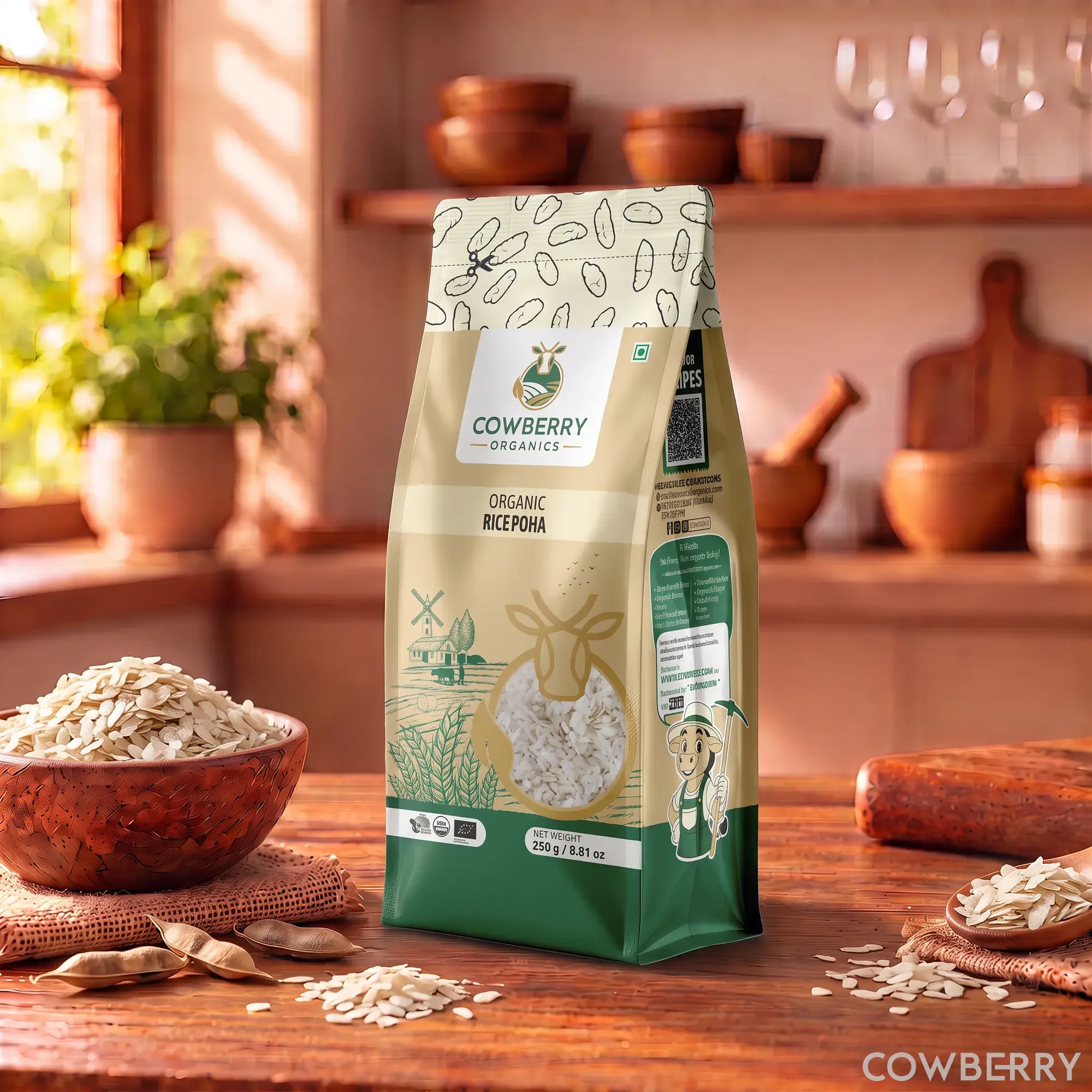
The flavour is salt, heat and a faint sweetness from jaggery powder, with turmeric for colour and hing in the background; the crunch comes from the flakes and the peanuts, and from roasted chana dal if you add it. This version uses thick poha, like COWBERRY's organic rice poha, roasted slowly so each flake dries through instead of only browning; there is no rinse, and the flakes go in dry. Thin poha also works and roasts in about half the time; the thick poha vs thin poha page shows the difference. Dry coconut slices, a few raisins or cashews go in with the peanuts if you like the Diwali version. Sugar can stand in for jaggery, or leave the sweetness out. Plain poha is just rice, with no gluten of its own, and the poha recipes roundup lists what else to cook with the flakes.
Ingredient List
Serving Size:
1x
2x
3x
Poha
- Thick poha, about 2 1/2 cups — 250 g
Tempering
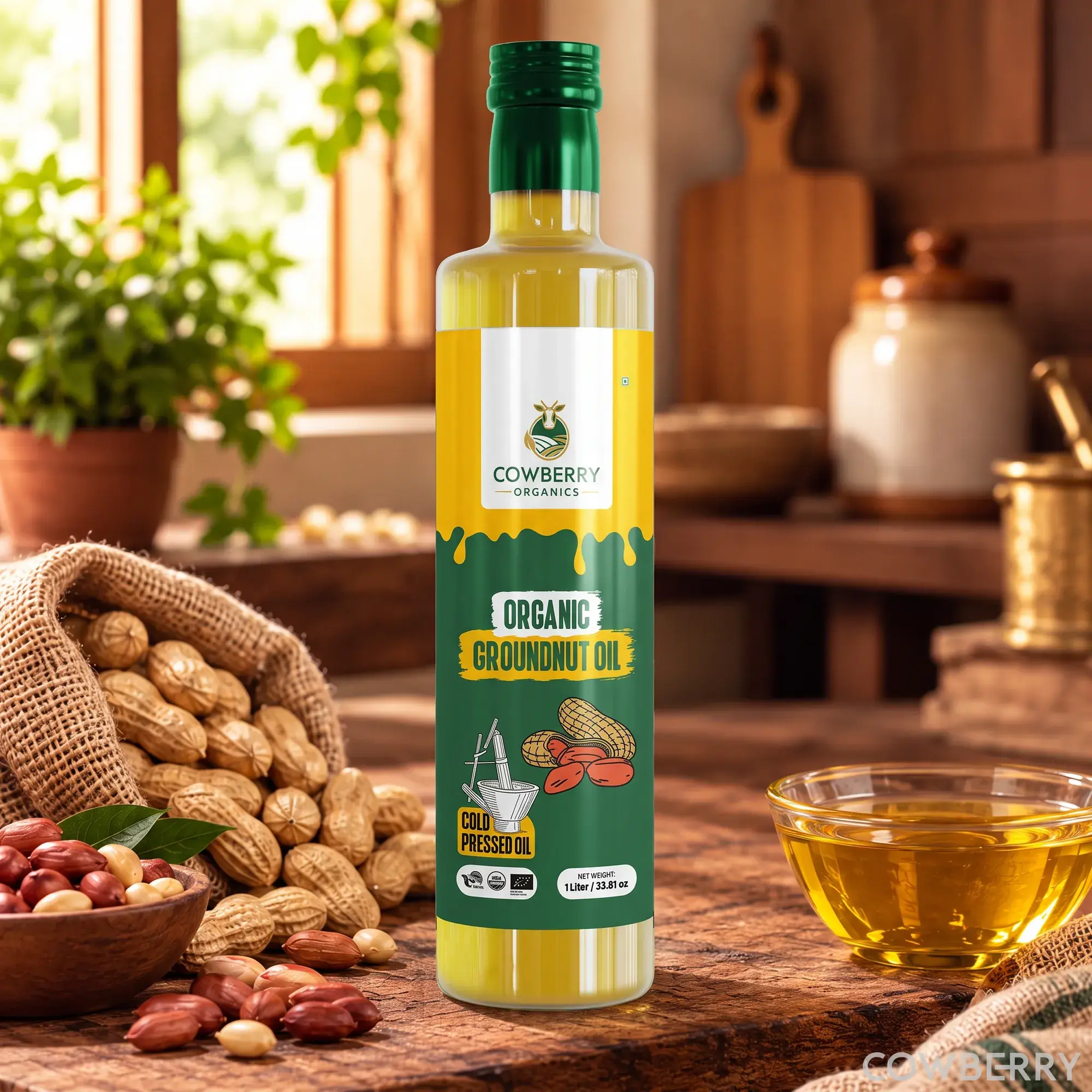
- Groundnut oil — 3 tbsp
- Raw peanuts — 1/2 cup

- Mustard Seeds — 1 tsp
- Fresh curry leaves — 15 leaves
- Green chillies, slit into thin strips — 4 pieces
- Hing (asafoetida) — 1 pinch

- Turmeric Powder — 1/2 tsp
Seasoning

- Salt — 1 1/2 tsp
- Jaggery powder (optional) — 1 tbsp
- Red chilli powder — 1/2 tsp
- Roasted chana dal (optional) — 1/3 cup
Skip The Store !
Get all you need for the recipe in just a few clicks
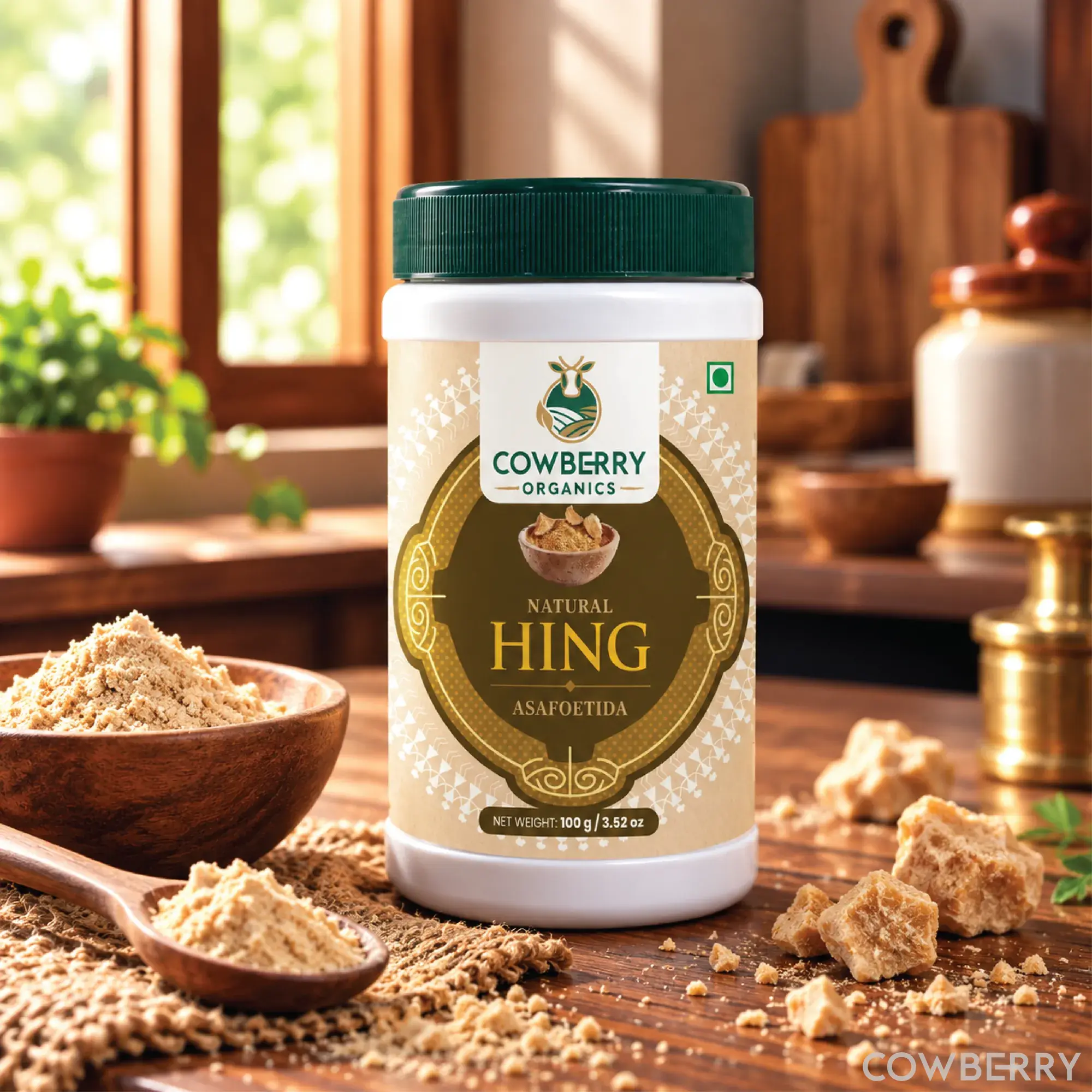
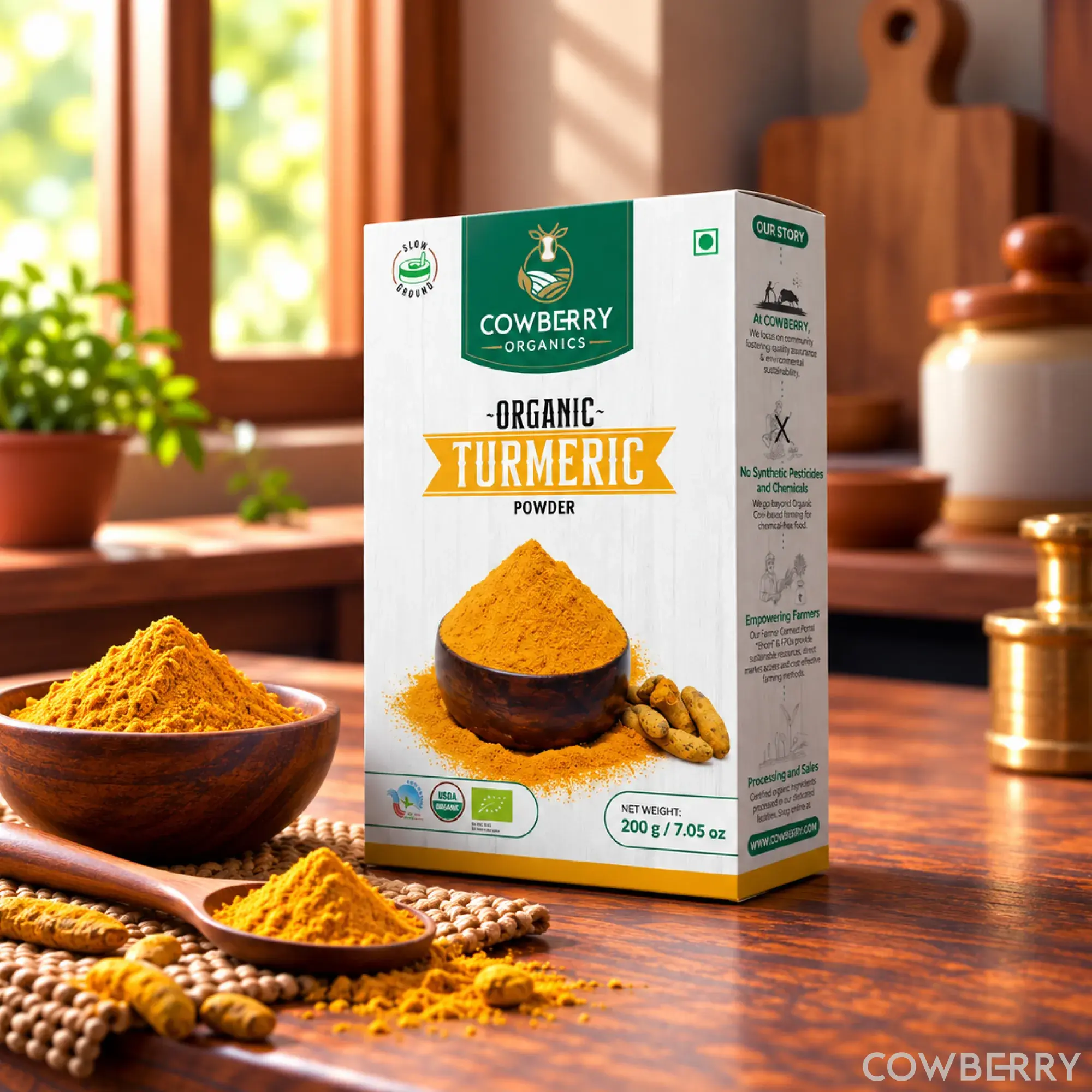
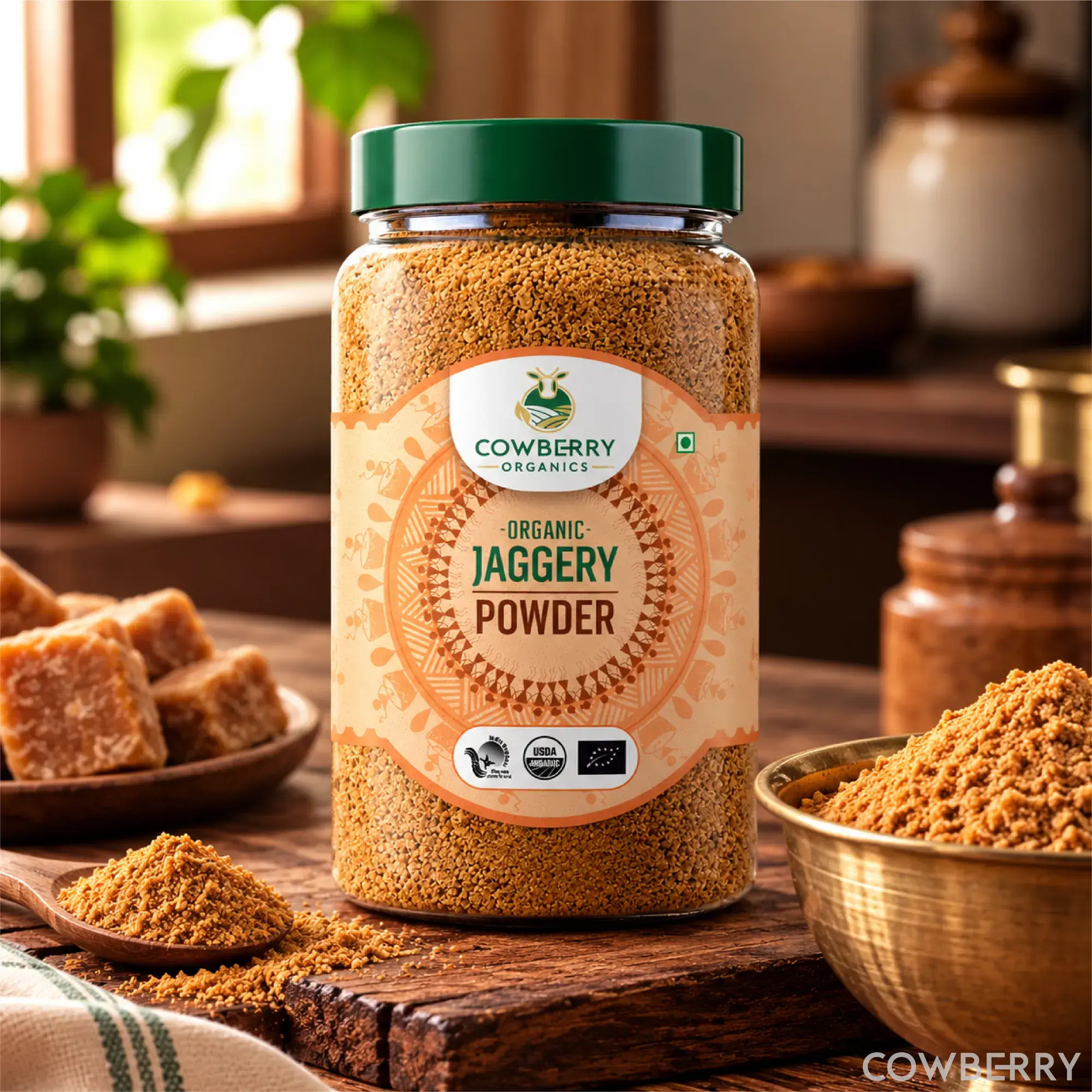
Serving Suggestions
Serve a katori of chivda with evening chai, pack it dry in a tiffin box, or turn it into a five-minute chaat: toss a cup with chopped onion, tomato, coriander, a squeeze of lemon and a pinch of chaat masala just before eating. On a Diwali plate it sits beside chakli, laddu and shankarpali. A spoonful over a plate of kanda poha or Indori poha adds the crunch those soft dishes need.
Tips for Cooking Poha chivda
Roast the thick poha on the lowest flame in two batches, stirring the whole time; one burnt handful makes the jar bitter. Roasted chana dal, if you use it, needs no frying; stir it in with the salt. Season while everything is warm, and cool the mix on a tray until it is at room temperature before it goes into the jar; trapped steam is what makes chivda go soft.

Chef’s Note
Store the chivda in a dry steel or glass jar with a tight lid, using a dry spoon every time; it stays crisp for about three weeks. A katori of about 38 g, a tenth of the batch, gives 170 kcal, 3.5 g protein (about half from the flakes, half from the peanuts) and 1.6 g fibre. Roasting, not deep-frying, keeps the fat to 7.6 g a serving. The figures count the optional jaggery, not the chana dal or seasonings.
Per serving (approx.): 170 kcal, protein 3.5 g, carbs 22 g, fat 7.6 g, fibre 1.6 g. Computed from IFCT 2017 / USDA values for the listed quantities. Measures: 1 cup = 240 ml, 1 tbsp = 15 ml, 1 tsp = 5 ml.
Happy Cooking !!
!!
ByCOWBERRY
Jul 21, 2026
Recipes You’ll Love
More everyday cooking with COWBERRY organics, from the same kitchen.
Sweet poha with milk and jaggery

Preparation Time
5 Min
Cooking Time
10 Min
Difficulty Level
easy

Preparation Time
15 Min
Cooking Time
5 Min
Difficulty Level
easy

Preparation Time
10 Min
Cooking Time
10 Min
Difficulty Level
easy