
Kanda poha
Preparation Time
10 minutes
Cooking Time
15 minutes
Difficulty Level
easy
Meal Type
Breakfast
Serves 4
Key Ingredients
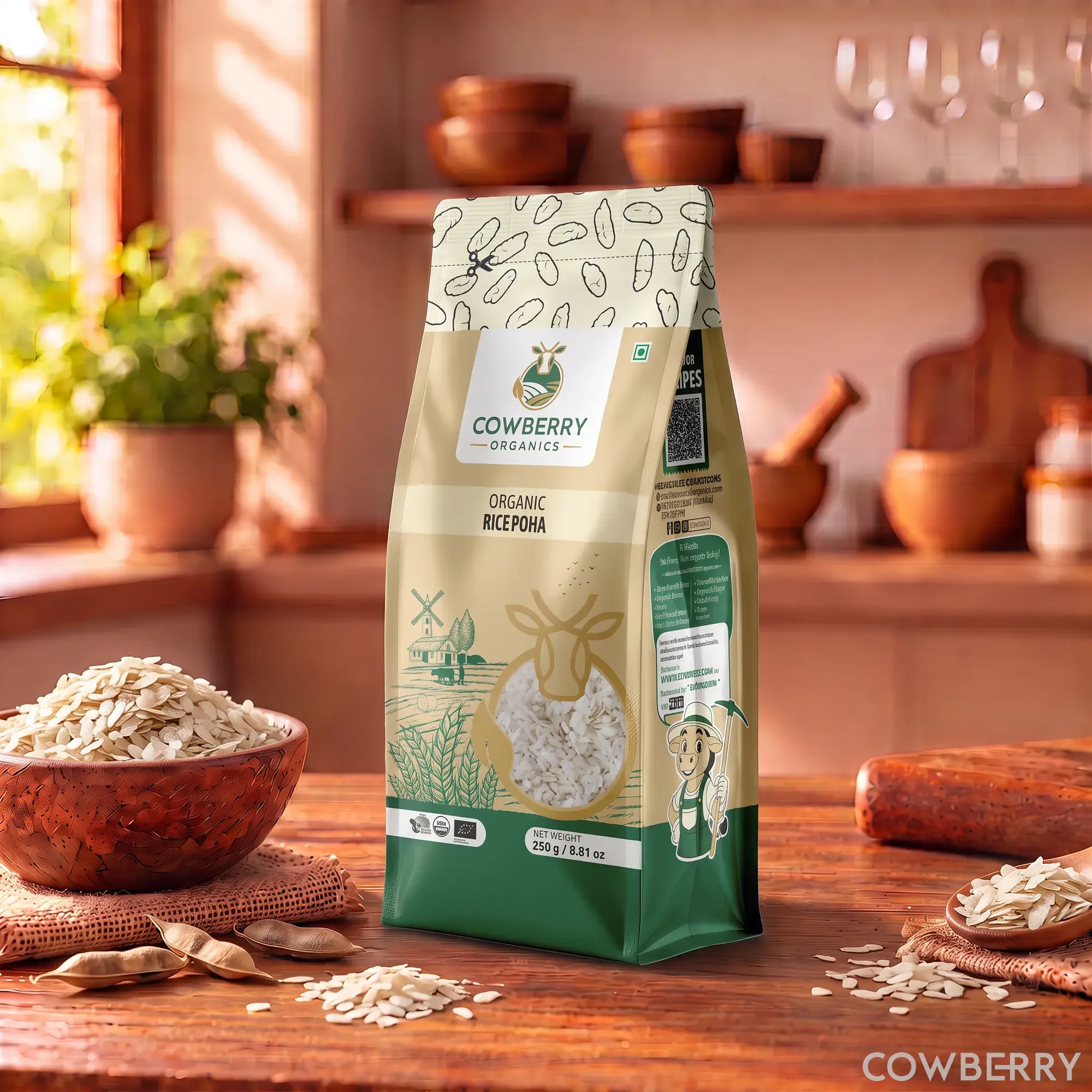
- Thick poha
About This Recipe
Kanda poha (kanda is Marathi for onion) is a poha recipe many Maharashtrian homes wake up to, ladled out of steel dabbas at railway stations and made at home for breakfast, for guests and for the four o'clock tiffin. It belongs to the same family as batata poha, which adds potato, and the two are often combined as kanda batata poha; this version keeps to onion so the peanuts and curry leaves come through.
The one rule that separates good poha from a gluey one is how the flakes are wet. Thick poha is rinsed in a sieve under running water for about ten seconds and left to drain; it softens in its own dampness within five minutes. Soaking it in a bowl is what turns it to mush, and thin poha does not hold up here, because it turns to paste; our thick poha vs thin poha guide sorts out which flake suits which dish.
The taste is a balance of salt, a little sugar, the sourness of lemon and the heat of green chilli, with turmeric for colour and peanuts for crunch. Raw peanuts fried in the same oil are traditional; leave them out or swap in roasted chana dal for a nut-free plate. Fresh grated coconut on top is a Konkan habit. Because poha is simply flattened rice, the flakes carry no gluten of their own. Eleven other ways to cook the same flakes, from upma to kheer, are collected in our poha recipes roundup.
Ingredient List
Serving Size:
1x
2x
3x
Poha
- Thick poha — 2 cups

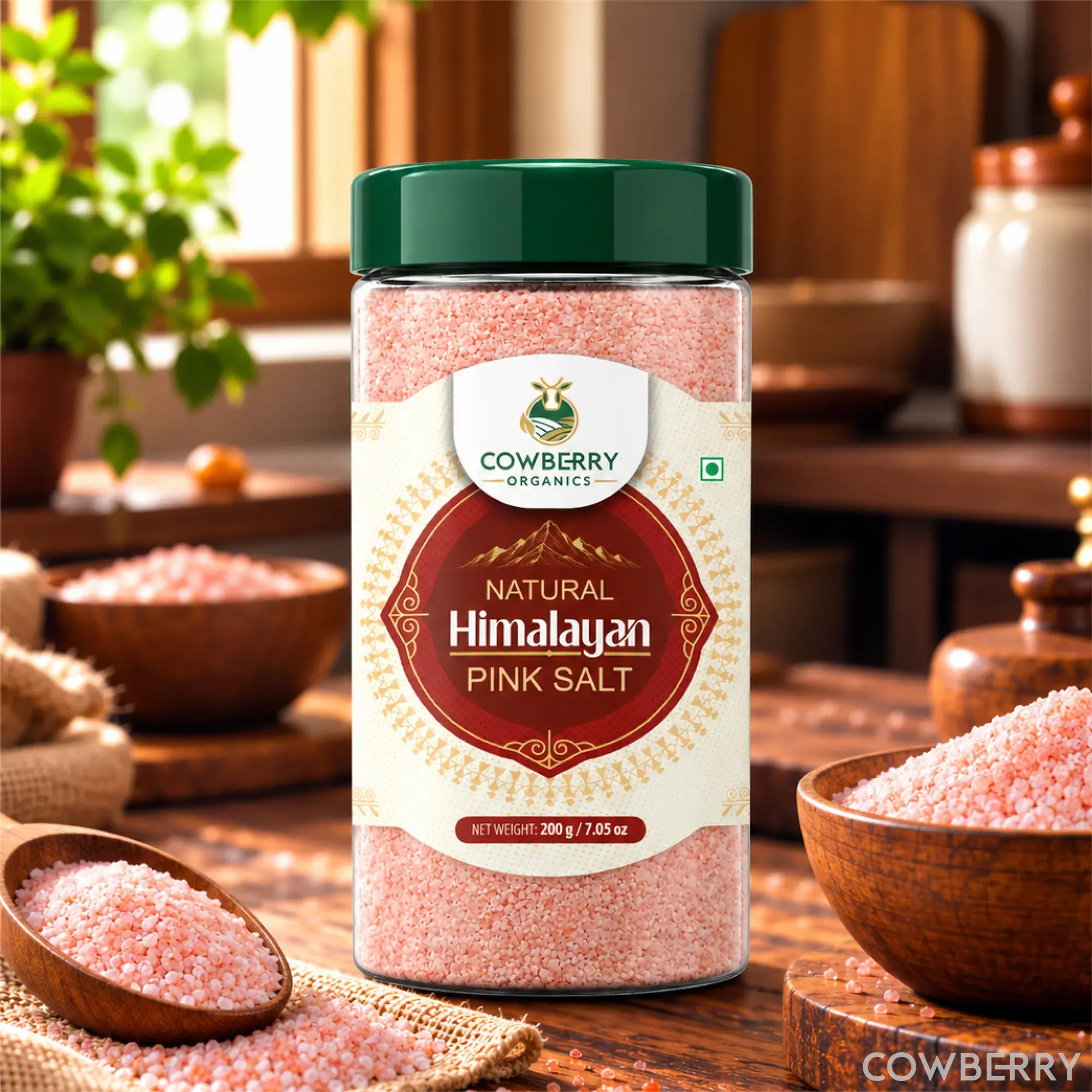
- Salt — 1 tsp
- Sugar (optional) — 1 tsp
Tempering
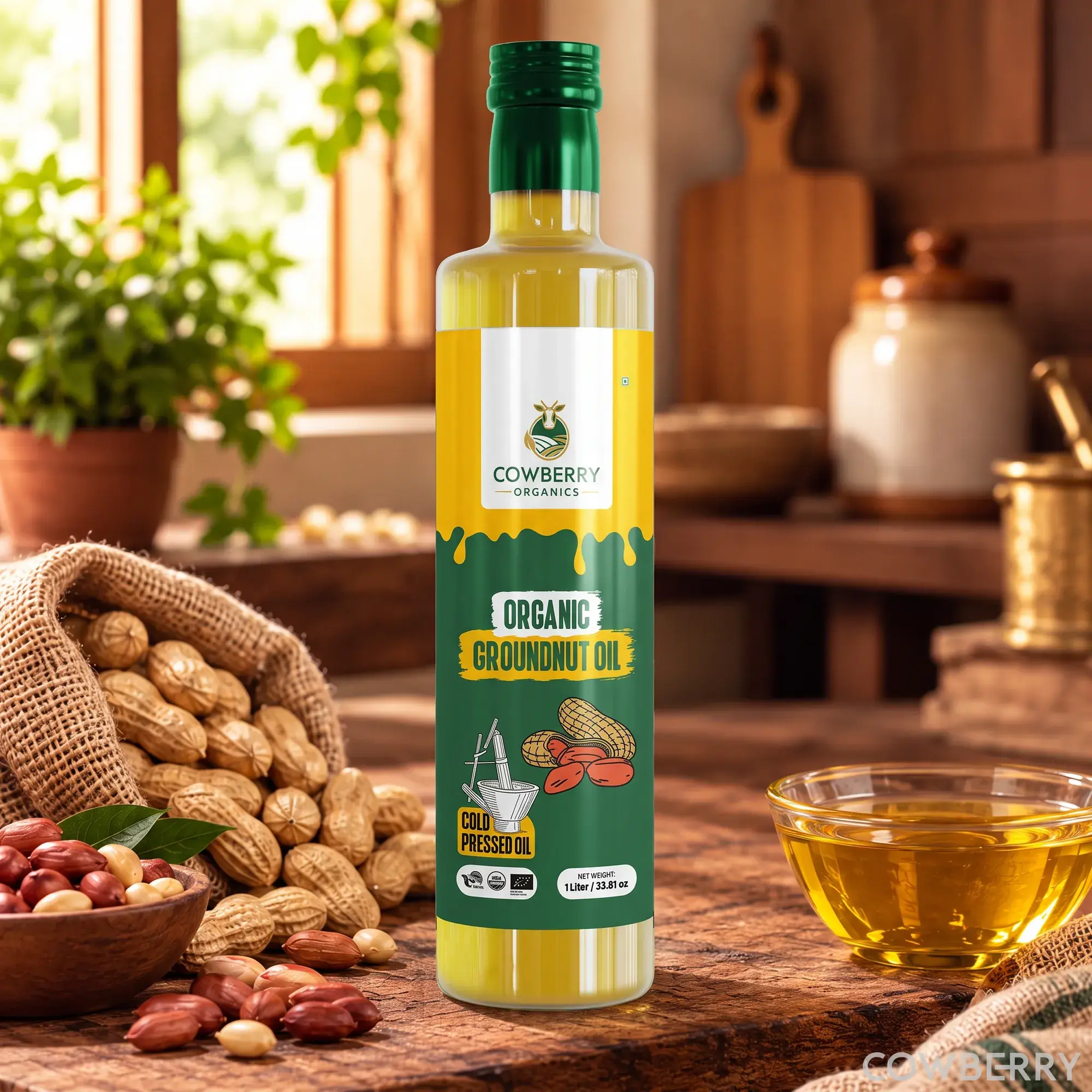
- Groundnut oil — 2 tbsp
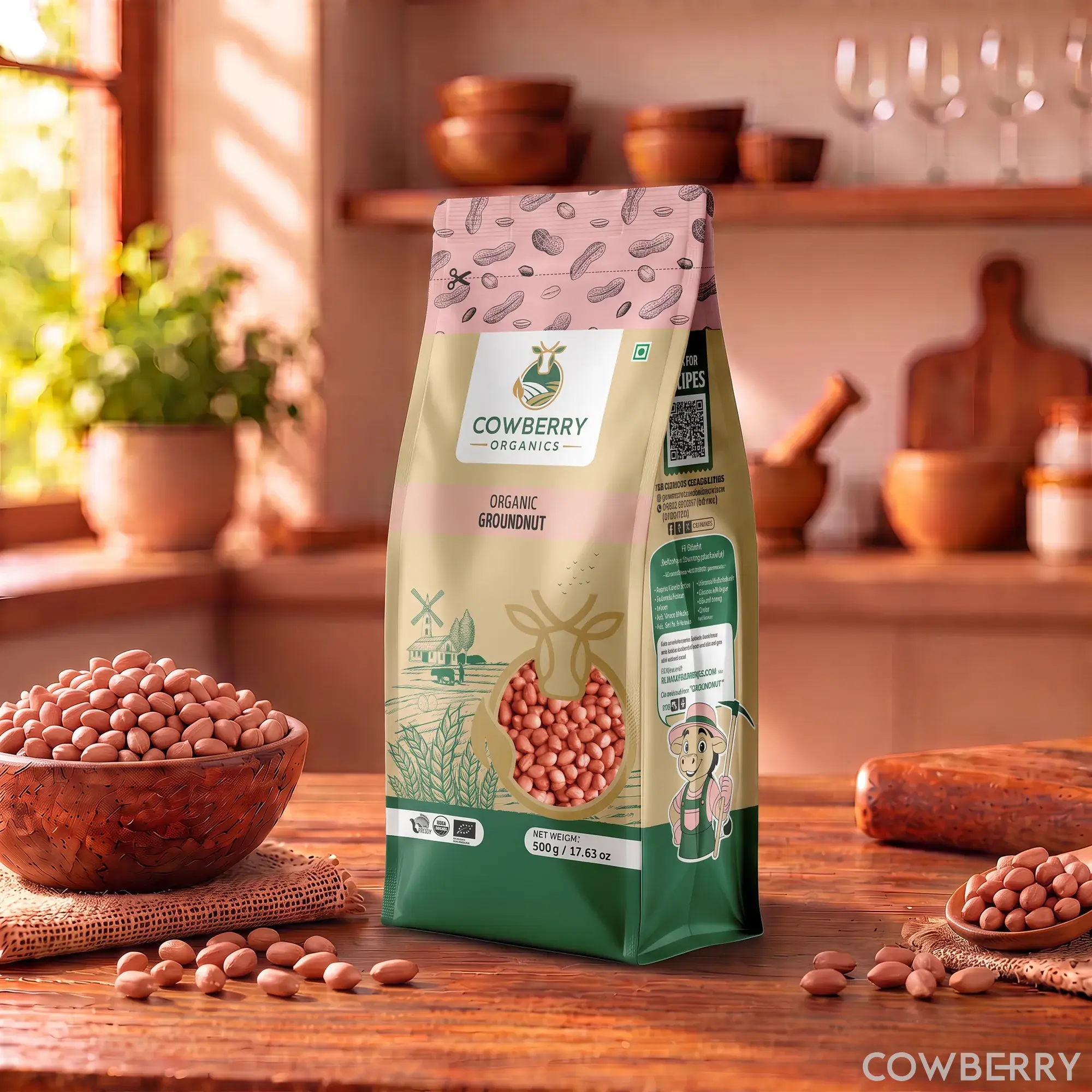
- Raw peanuts — 1/4 cup

- Mustard Seeds — 1 tsp
- Fresh curry leaves — 10 leaves
- Green chillies, slit or chopped — 2 pieces
- Hing (asafoetida) — 1 pinch
- Onion, finely chopped — 1 large

- Turmeric Powder — 1/2 tsp
- Water, to sprinkle — 1 tbsp
To finish
- Lemon juice — 1 tbsp
- Fresh coriander leaves, chopped — 2 tbsp
- Fresh grated coconut (optional) — 2 tbsp
Skip The Store !
Get all you need for the recipe in just a few clicks
Serving Suggestions
Serve hot, straight from the pan, with a wedge of lemon, extra chopped onion and a spoonful of fine sev or farsan on top, the way Mumbai's street stalls do. Save the cutting chai for an hour later; tea binds the iron in the meal. For a fuller breakfast add a bowl of curd or a boiled egg; for guests, a small dish of poha chivda on the side supplies the crunch that soft kanda poha lacks.
Tips for Cooking Kanda poha
Rinse, never soak: run water through the poha in a sieve for ten seconds, drain, and leave it for five minutes. Press a flake between finger and thumb; it should give without crumbling. Salt and sugar go onto the wet poha before it meets the pan, so they season evenly. Keep the flame low once the poha is in, cover for two minutes to steam, and squeeze the lemon off the heat, because cooked lemon turns bitter.

Chef’s Note
Use thick poha that smells clean and faintly of rice; grey or powdery flakes are old and will break. A plate of this kanda poha, a quarter of the recipe, comes to about 294 kcal with 5.8 g protein and 2.5 mg iron, most of the iron from the poha itself (IFCT 2017 gives 4.46 mg iron per 100 g of raw rice flakes).
Per serving (approx.): 294 kcal, protein 5.8 g, carbs 41 g, fat 12 g, fibre 2.6 g. Computed from IFCT 2017 / USDA values for the listed quantities. Measures: 1 cup = 240 ml, 1 tbsp = 15 ml, 1 tsp = 5 ml.
Happy Cooking !!
!!
ByCOWBERRY
Jul 14, 2026
Recipes You’ll Love
More everyday cooking with COWBERRY organics, from the same kitchen.
Sweet poha with milk and jaggery

Preparation Time
5 Min
Cooking Time
10 Min
Difficulty Level
easy

Preparation Time
15 Min
Cooking Time
5 Min
Difficulty Level
easy

Preparation Time
10 Min
Cooking Time
10 Min
Difficulty Level
easy