
Poha upma
Preparation Time
10 minutes
Cooking Time
10 minutes
Difficulty Level
easy
Meal Type
Breakfast
Serves 2
Key Ingredients
- Thick poha
About This Recipe
Upma usually means rava, semolina roasted and simmered with a tempering; the poha version swaps in soaked rice flakes, which need no roasting and only a few minutes of steam. It is close to kanda poha but leaves the onion out, so the tempering carries the whole flavour and the plate stays light.
The flakes are rinsed under running water, drained and left to soften in their own dampness, never soaked in a bowl; that single rule separates good poha from a gluey one. The peanuts are roasted first and folded in at the end so they stay crunchy under the steam.
The flakes stay whole and fluffy, with the peanuts giving crunch and the turmeric giving colour. Add boiled potato cubes or green peas along with the tempering for a fuller plate, or swap the peanuts for cashews; fresh grated coconut on top is a southern habit. Stick to the thick grade; thin flakes turn to paste in this method. For more breakfasts from these flakes, the poha recipes roundup has the rest.
Ingredient List
Serving Size:
1x
2x
3x
Poha
- Thick poha — 1 cup

- Salt — 1 tsp
Tempering
- Groundnut oil — 1 1/2 tbsp
- Raw peanuts — 2 tbsp

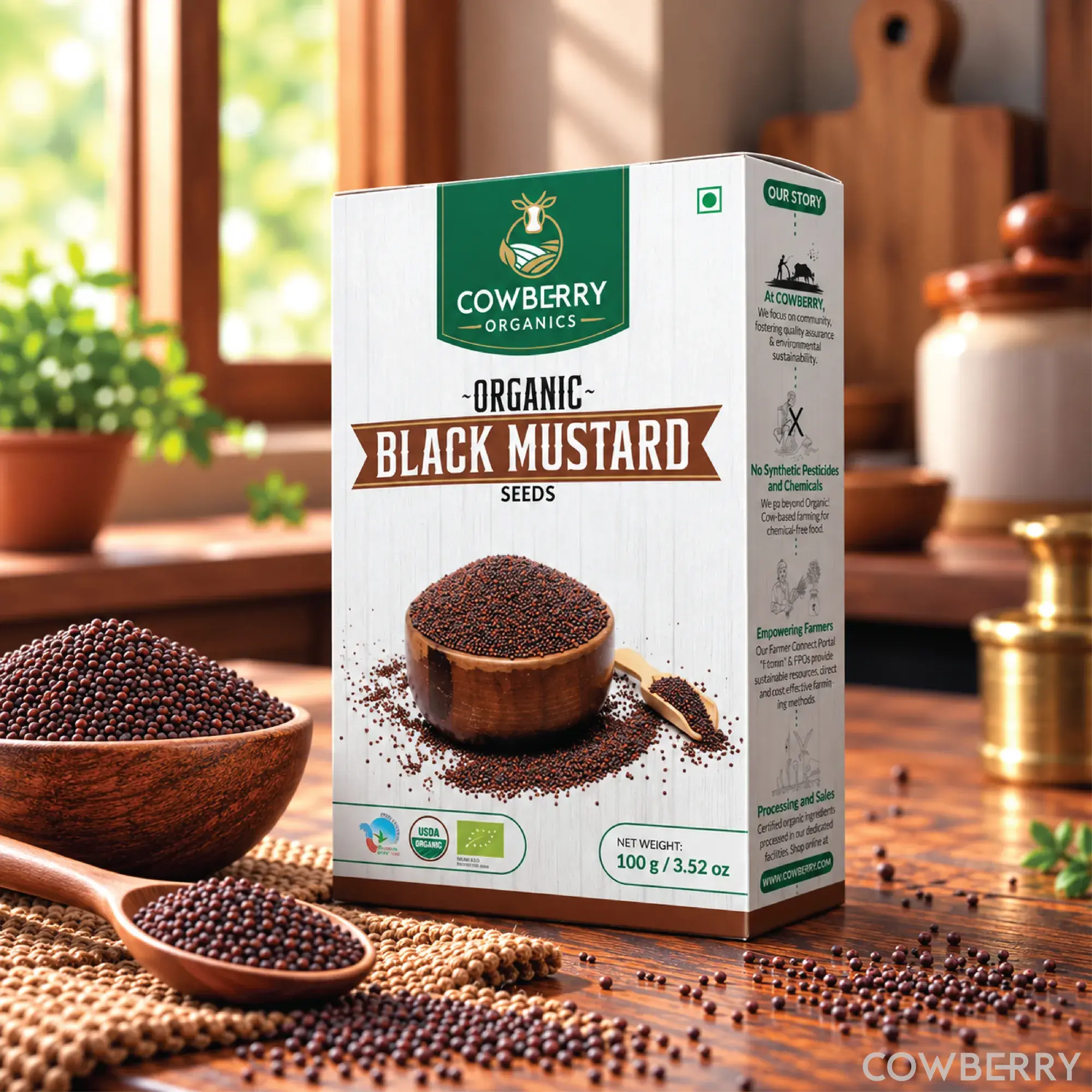
- Mustard Seeds — 1 tsp
- Fresh curry leaves — 10 leaves
- Green chillies, slit — 2 pieces

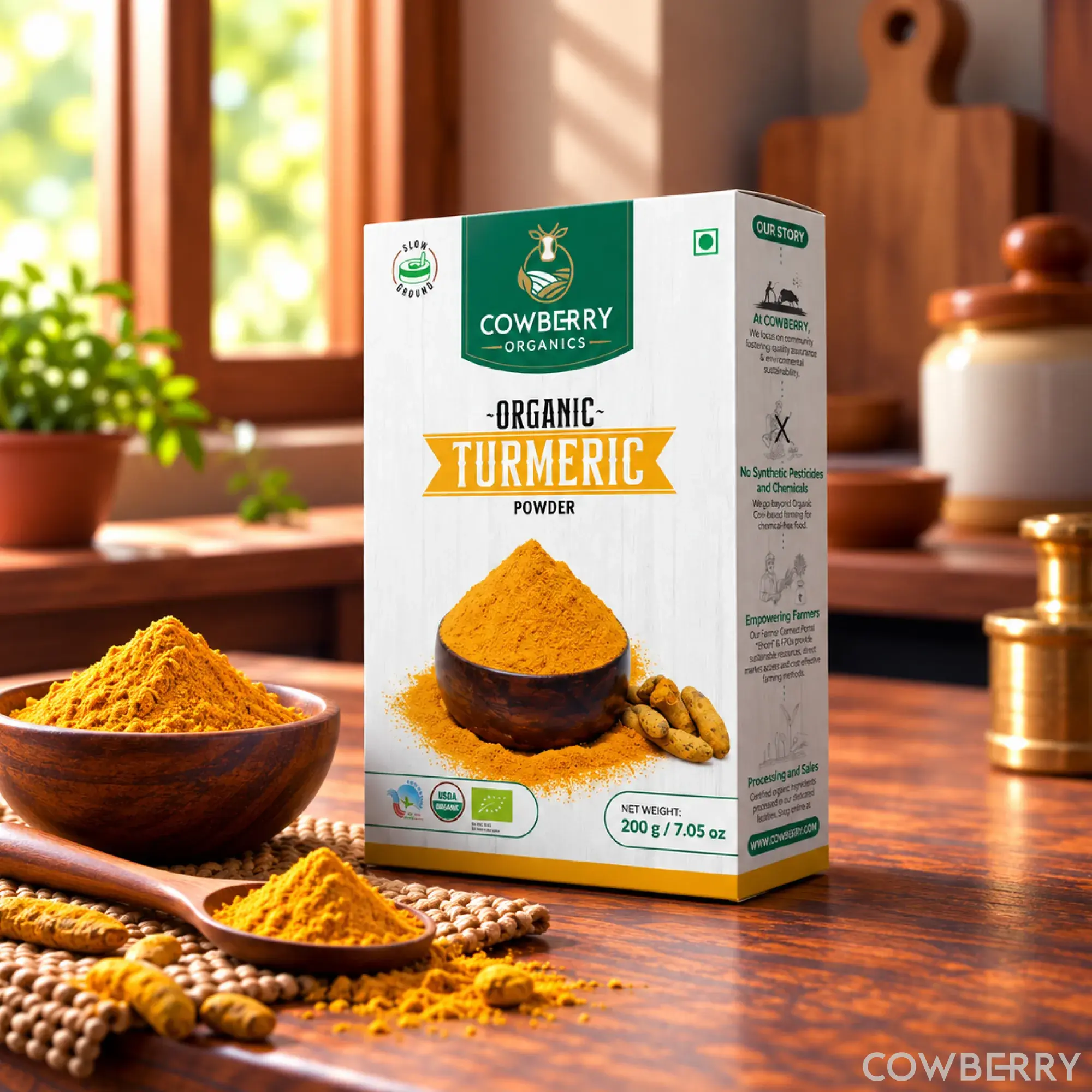
- Turmeric Powder — 1/2 tsp
Finishing
- Lemon juice — 1 tbsp
- Water, to sprinkle — 1 tbsp
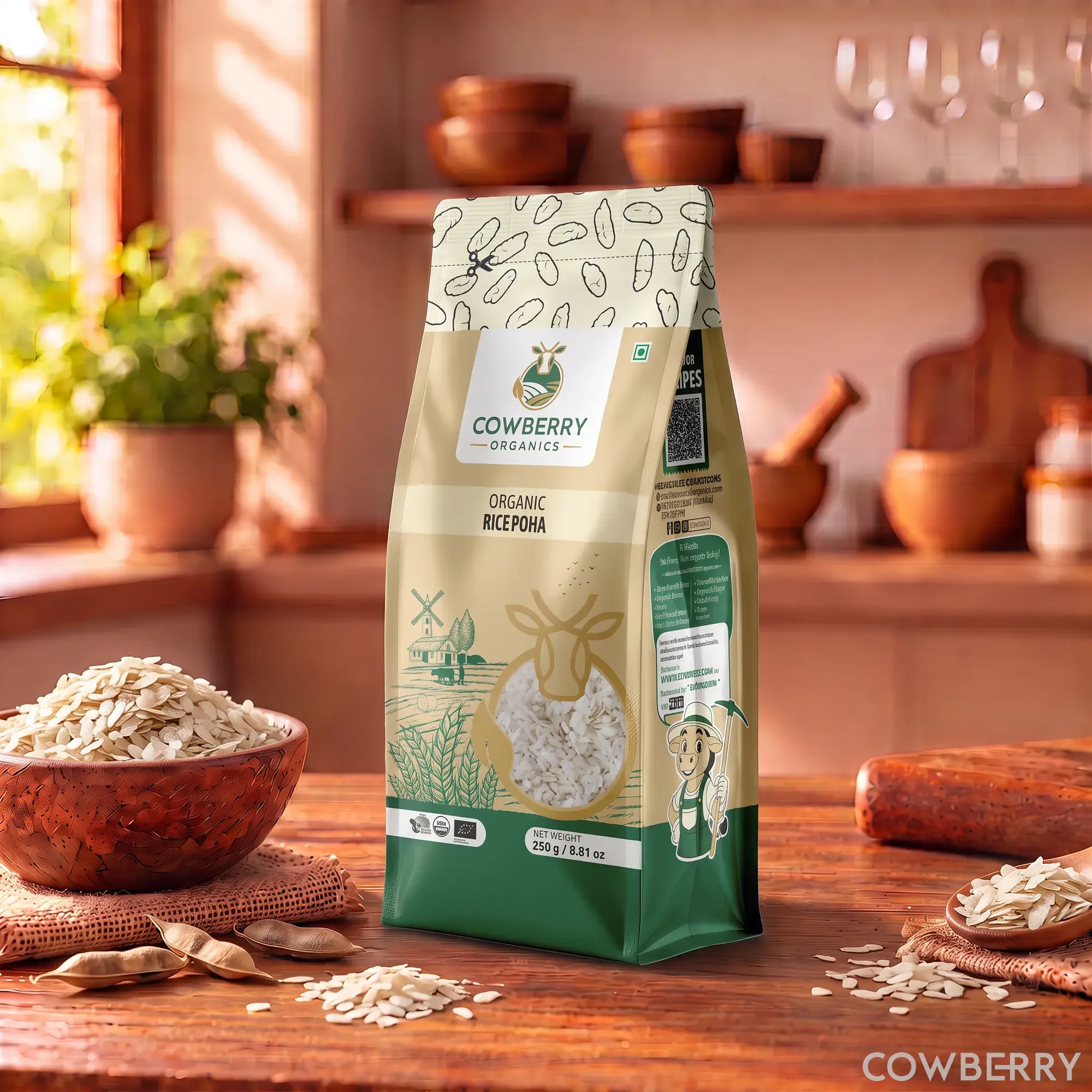
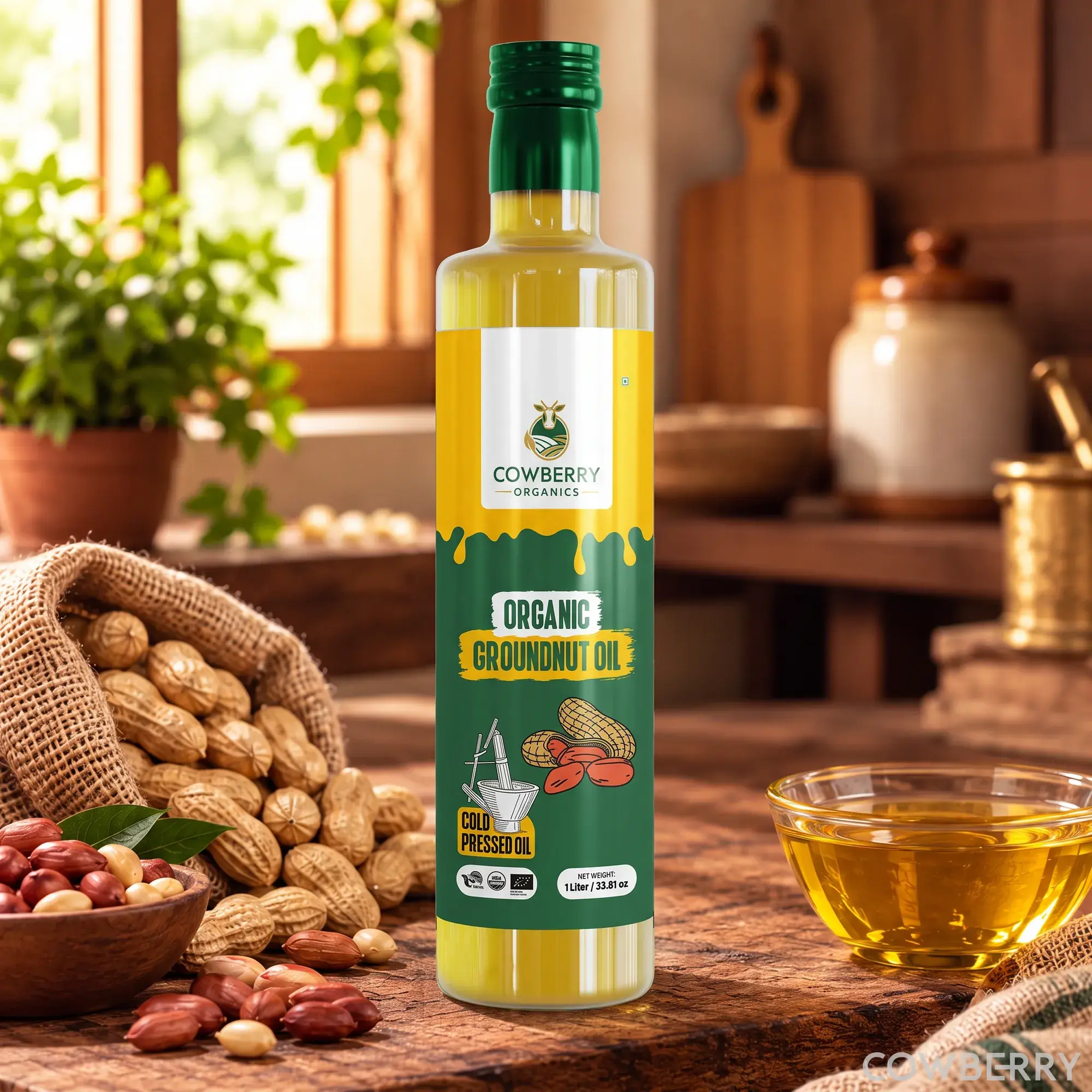
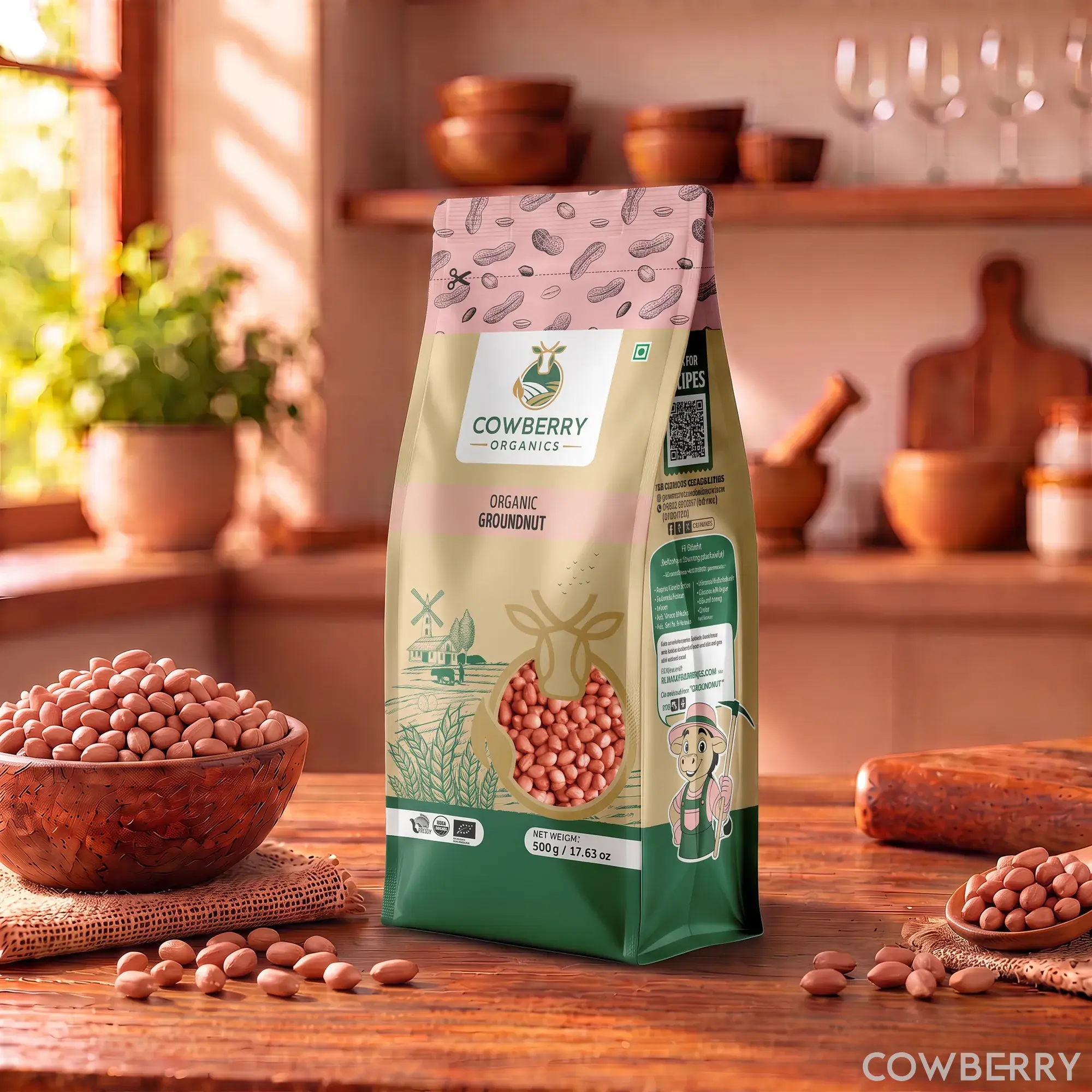
Skip The Store !
Get all you need for the recipe in just a few clicks
Serving Suggestions
Serve hot with a lemon wedge, a bowl of curd or a cup of chai; a spoon of sev on top gives crunch. It travels well in a tiffin, so double the recipe for two lunches. If you like the no-onion breakfast, the poha recipes roundup collects the others from the same flakes.
Tips for Cooking Poha upma
Rinse, drain and rest is the whole wetting step; the flakes must soften in their own dampness, and a bowl of water would turn them to paste. Roast the peanuts to a shade darker than pale gold, because they keep cooking after they leave the oil. Once the poha is in the pan, keep the flame low and steam it covered; the lemon goes in only off the heat.

Chef’s Note
A plate of this upma, made from 50 g of dry flakes, comes to about 334 kcal with 6.2 g protein, 40.3 g carbs, 16.2 g fat and 2.9 g fibre, counting the poha, peanuts, mustard seeds and oil. The tempering is the whole flavour here, so let the mustard seeds crackle fully and the curry leaves crisp before anything else goes in.
Per serving (approx.): 334 kcal, protein 6.2 g, carbs 40 g, fat 16 g, fibre 2.9 g. Computed from IFCT 2017 / USDA values for the listed quantities. Measures: 1 cup = 240 ml, 1 tbsp = 15 ml, 1 tsp = 5 ml.
Happy Cooking !!
!!
ByCOWBERRY
Sep 21, 2026
Recipes You’ll Love
More everyday cooking with COWBERRY organics, from the same kitchen.
Sweet poha with milk and jaggery

Preparation Time
5 Min
Cooking Time
10 Min
Difficulty Level
easy

Preparation Time
15 Min
Cooking Time
5 Min
Difficulty Level
easy

Preparation Time
20 Min
Cooking Time
20 Min
Difficulty Level
easy