
Bajra khichdi
Preparation Time
20 minutes
Cooking Time
45 minutes
Difficulty Level
easy
Meal Type
Dinner
Serves 4
Key Ingredients
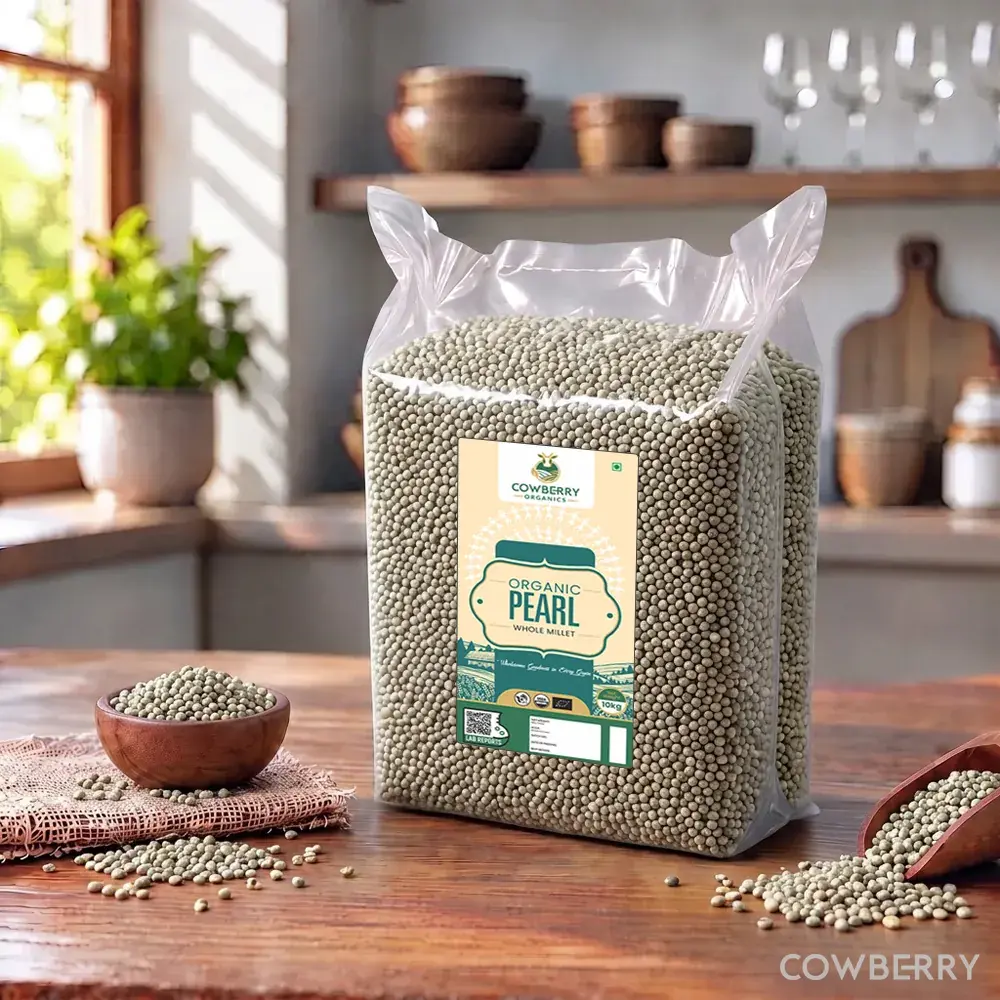
- Whole bajra (pearl millet)
About This Recipe
In the desert districts of Rajasthan, bajra is the main crop, grown where maize or wheat would struggle, and many families turn it into bajre ki khichdi on winter evenings: the whole grain, not the flour, soaked all day, pounded in an okhli to crack it, and cooked slowly with moong dal until thick and creamy. It is eaten with a lump of gud, a bowl of curd or kadhi, and more ghee than a city kitchen would admit to. This recipe keeps to a plain version.
This recipe keeps the whole bajra grain because that is where the fibre and minerals sit: 11.5 g fibre and 6.4 mg iron per 100 g (IFCT 2017), more iron than ragi or jowar. Cracking the soaked grain in a mixer does the okhli's work in ten seconds and shortens the cooking. The dal-to-millet ratio is one to two, which gives a khichdi that is nutty and soft rather than porridgy, and the moong dal rounds out bajra's protein.
Substitutions: yellow moong dal in place of split green moong makes a paler, softer khichdi; a handful of chopped carrot, peas or bottle gourd added before cooking turns it into a full meal; skip the hing if you dislike it and crush a clove of garlic into the ghee instead. Bajra flour cannot replace the grain here; cooked in water, flour turns into a smooth porridge rather than a grainy khichdi.
Ingredient List
Serving Size:
1x
2x
3x
Khichdi
- Whole bajra (pearl millet) — 1 cup
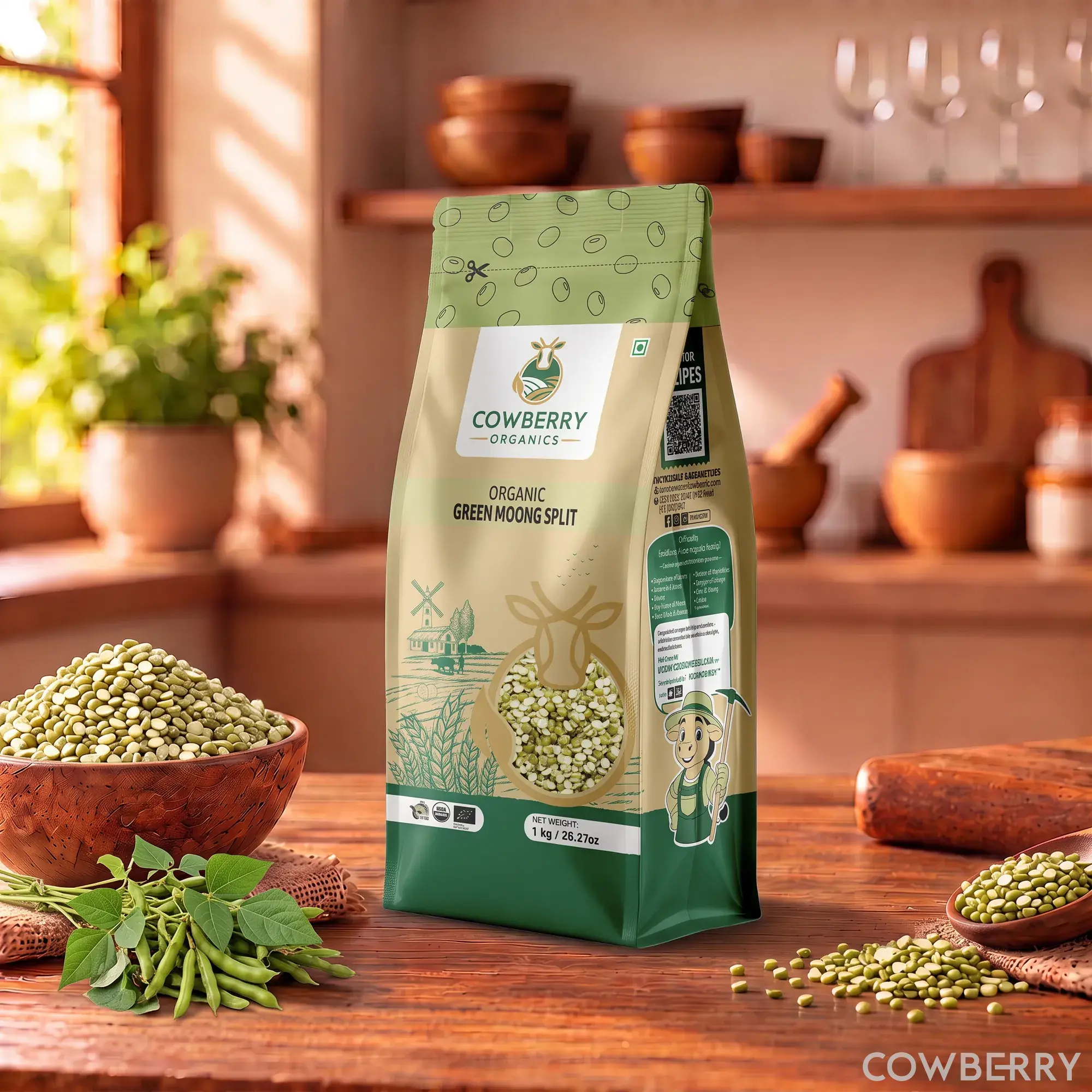
- Split green moong dal (chilka moong) — 1/2 cup
- Water (plus 2 tbsp for cracking the grain) — 5 cups

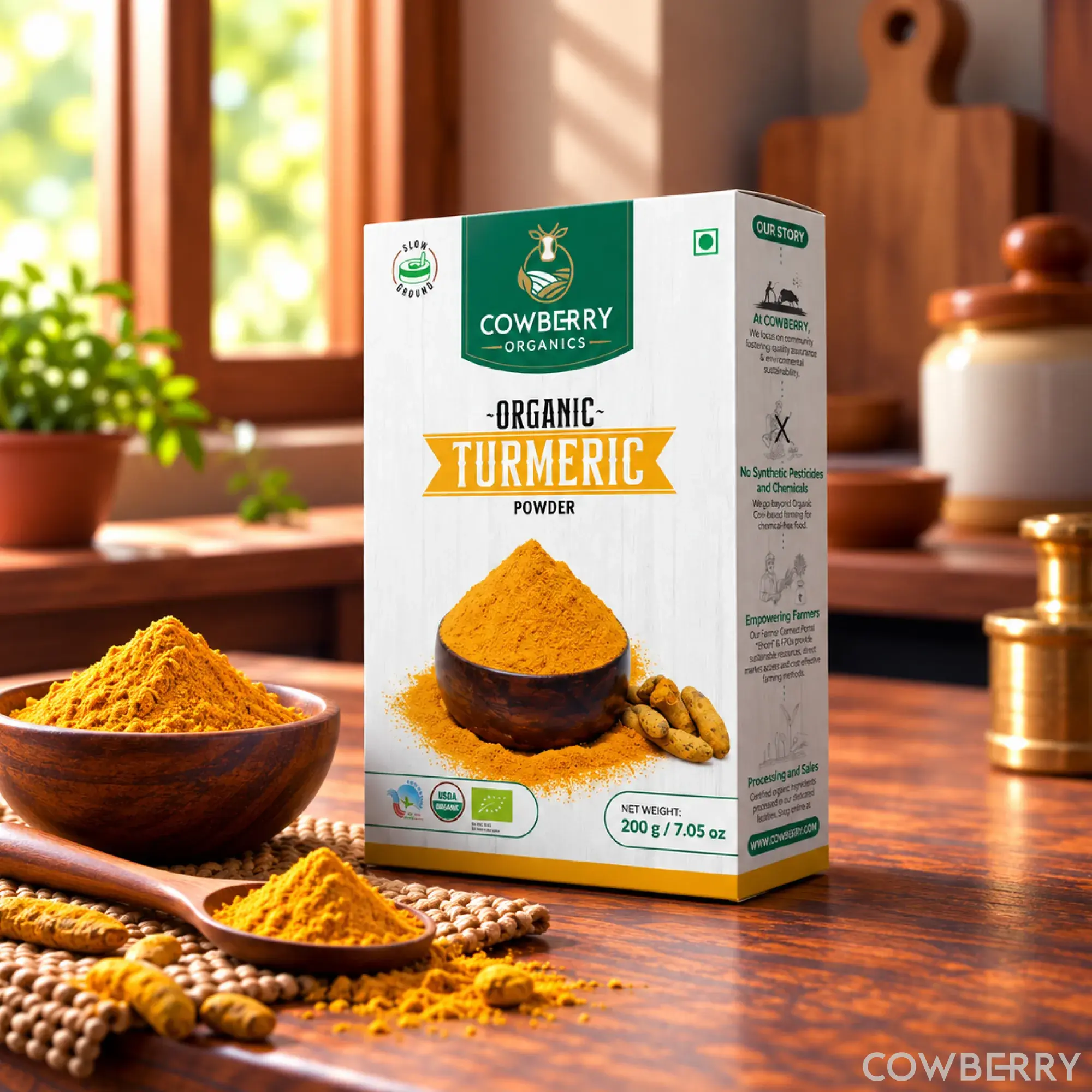
- Turmeric Powder — 1/4 tsp

- Salt — 1 tsp
Tempering

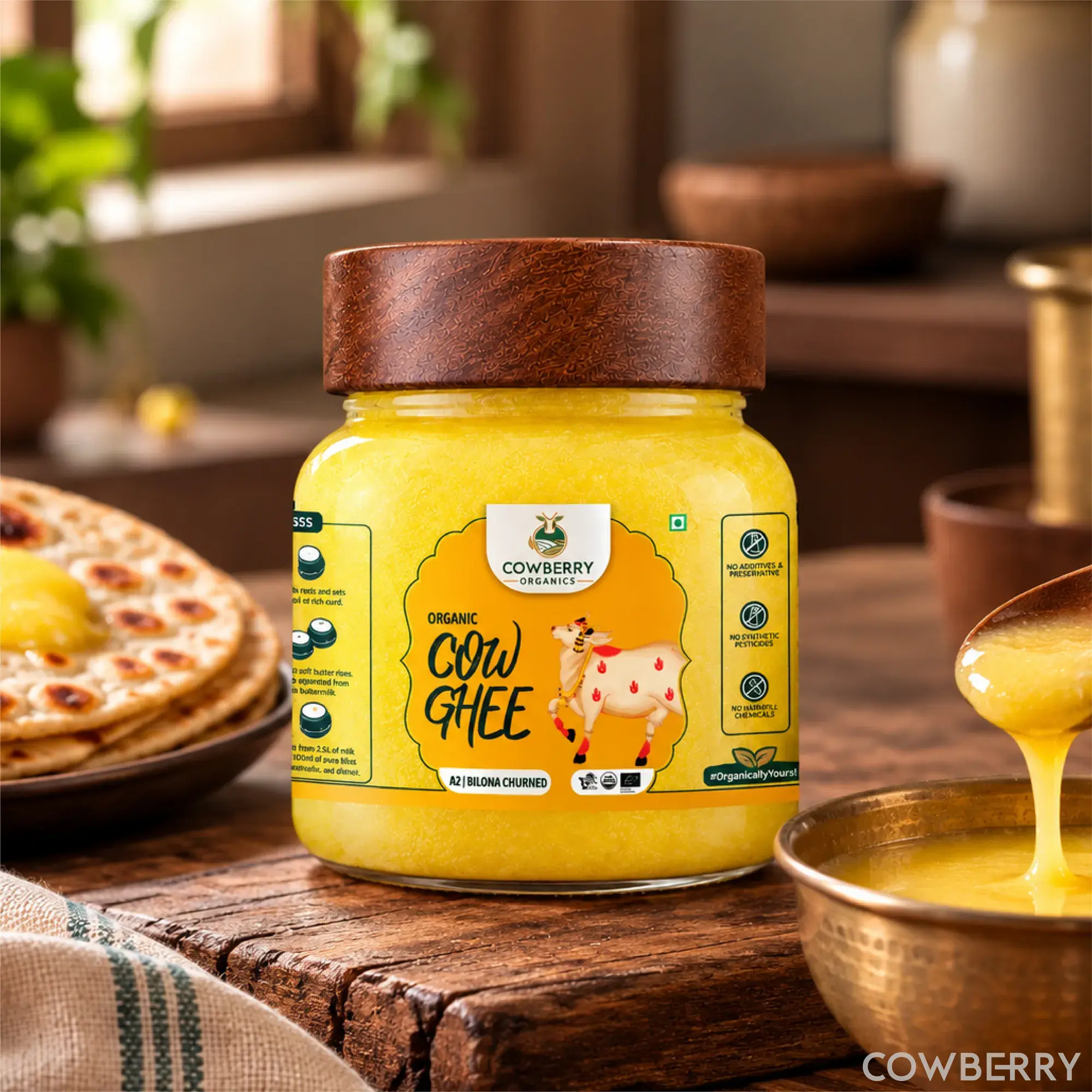
- Ghee — 2 tbsp

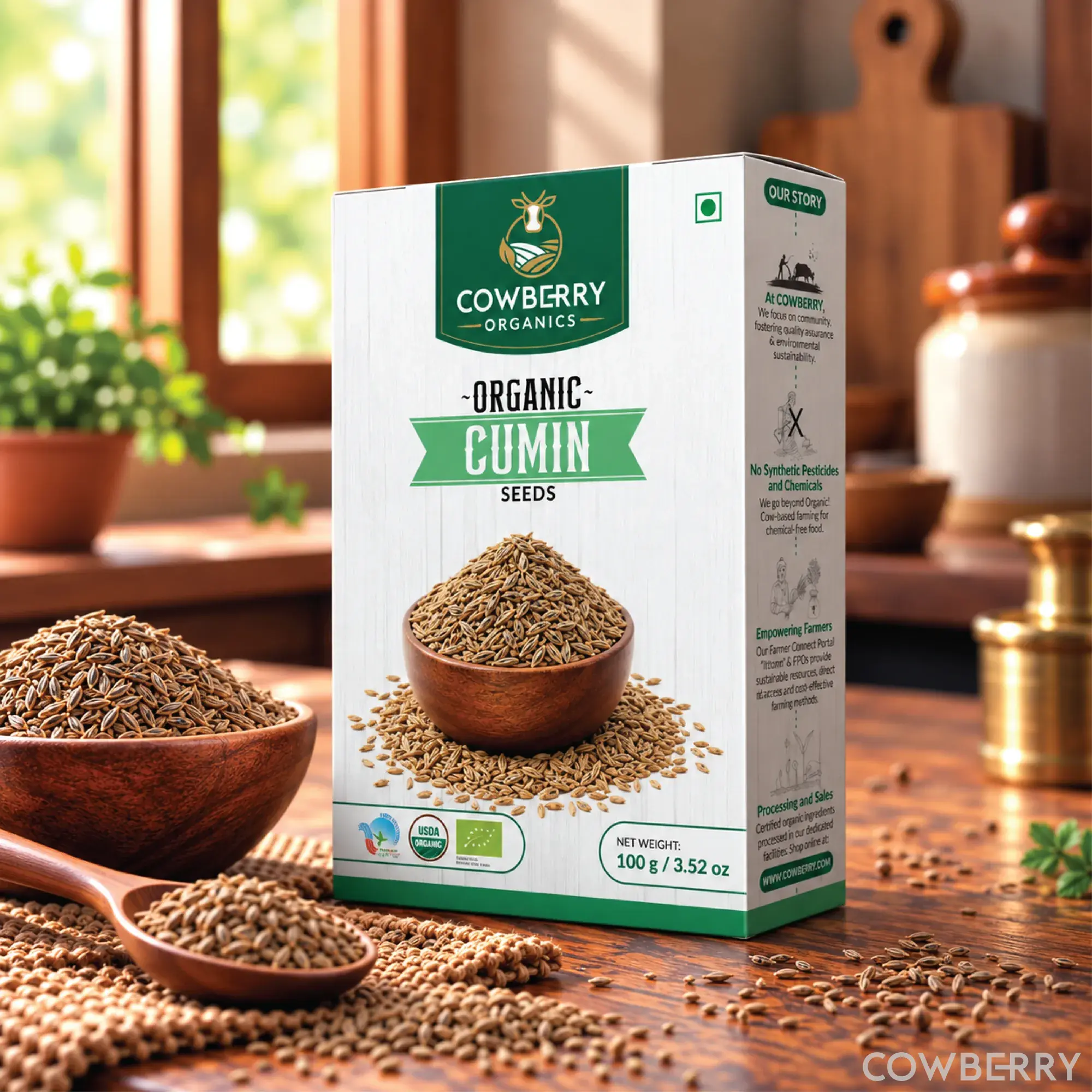
- Cumin Seeds — 1 tsp
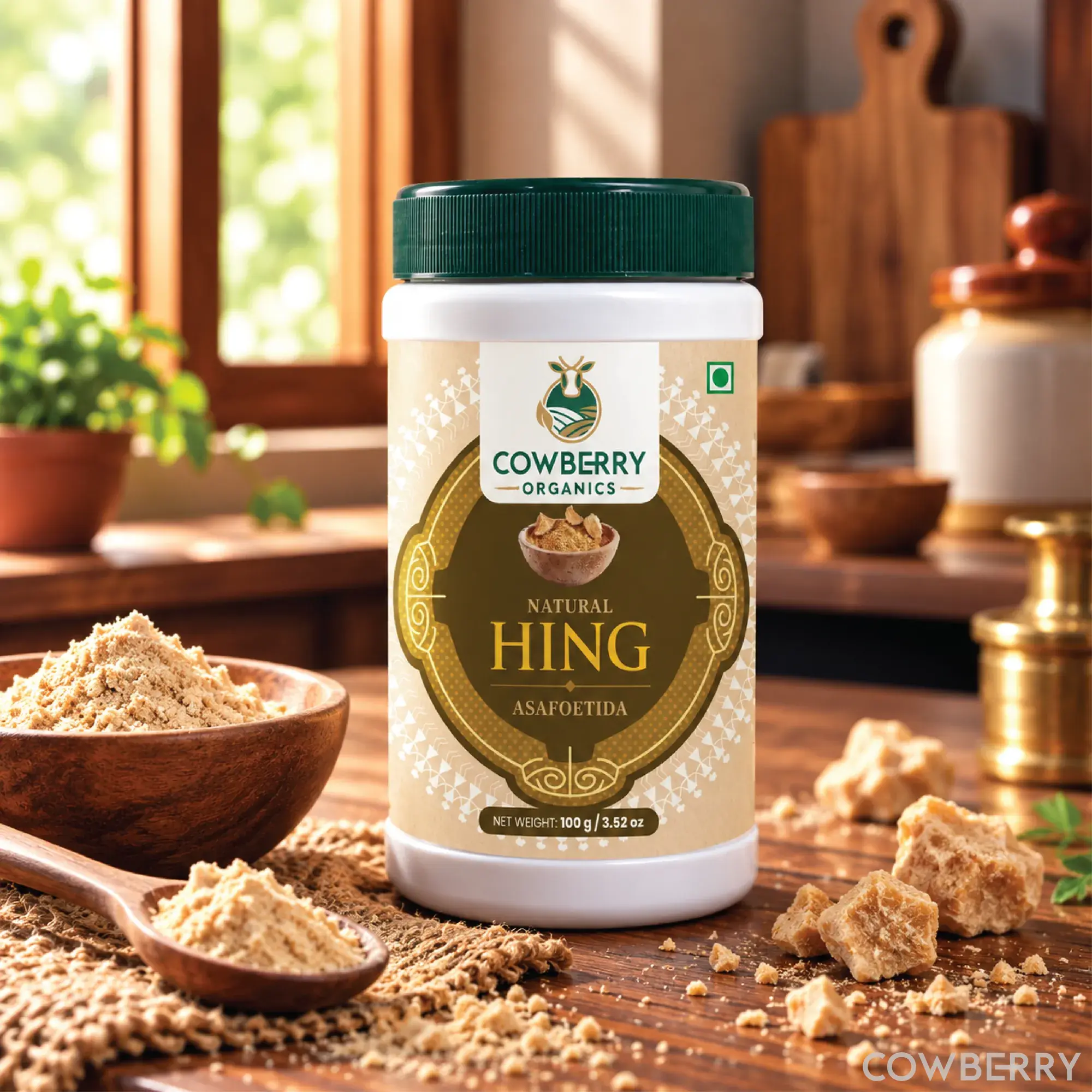
- Hing (asafoetida) — 1 pinch
- Ginger, grated — 1 tsp
- Green chilli, slit — 1 piece
To serve

- Curd — 1 cup
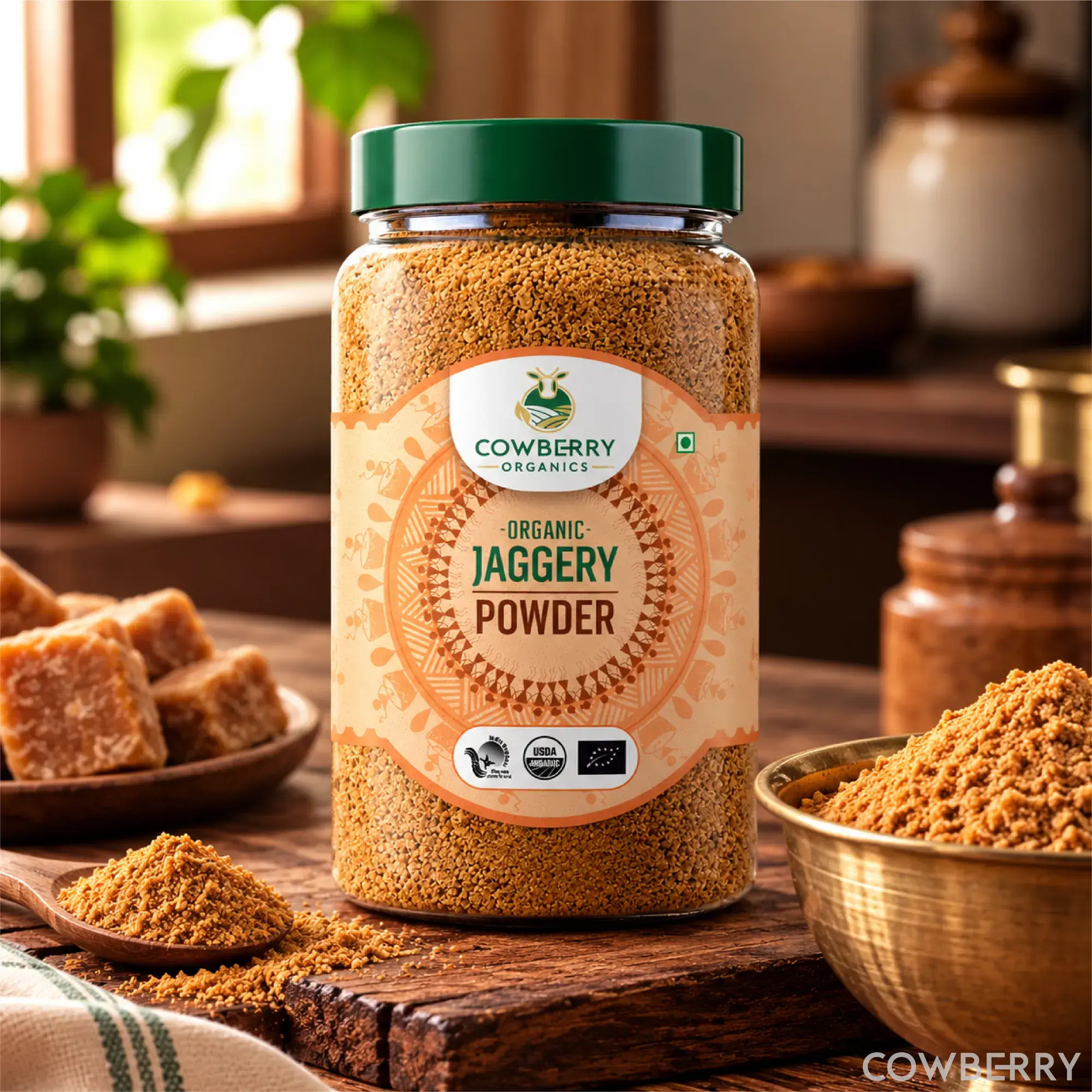
- Jaggery powder — 2 tbsp
- Ghee, extra — 4 tsp
Skip The Store !
Get all you need for the recipe in just a few clicks
Serving Suggestions
Serve it steaming, with a spoon of ghee melting on top, a bowl of curd and a piece of jaggery on the side, so each spoonful can be sweet, sour or salty. A ladle of besan kadhi or a spoon of lehsun (garlic) chutney turns it into a full thali, and a roasted papad adds the crunch. Leftovers thicken overnight in the fridge; loosen them with hot water or buttermilk and reheat on a low flame until hot right through.
Tips for Cooking Bajra khichdi
Soak the bajra for at least 8 hours; under-soaked grain stays chewy however long you cook it. Crack the drained grain in two or three short pulses; a paste makes the khichdi gluey. Use five cups of water for one cup of bajra and half a cup of dal, and keep the lid shut until the cooker goes quiet. Old bajra takes longer than this season's grain, so give it an extra whistle if the grains have not split.

Chef’s Note
Buy whole bajra that smells sweet and looks an even grey-green with no dust; a musty smell means old grain. One serving of this khichdi comes to about 323 kcal with 11.4 g protein, 8.1 g fibre and 4.2 mg iron, before the extra ghee, curd and jaggery on the side. Many families keep it for winter; in summer, halve the ghee and eat it with chhaas. The same grain milled into flour makes the bajra roti.
Per serving (approx.): 323 kcal, protein 11 g, carbs 44 g, fat 11 g, fibre 8.1 g. Computed from IFCT 2017 / USDA values for the listed quantities. Measures: 1 cup = 240 ml, 1 tbsp = 15 ml, 1 tsp = 5 ml.
Happy Cooking !!
!!
ByCOWBERRY
Jul 01, 2026
Recipes You’ll Love
More everyday cooking with COWBERRY organics, from the same kitchen.

Preparation Time
10 Min
Cooking Time
15 Min
Difficulty Level
easy

Preparation Time
10 Min
Cooking Time
25 Min
Difficulty Level
easy

Preparation Time
19 Min
Cooking Time
15 Min
Difficulty Level
moderate