
Batata poha (Gujarati style)
Preparation Time
15 minutes
Cooking Time
15 minutes
Difficulty Level
easy
Meal Type
Breakfast
Serves 2
Key Ingredients
- Thick poha
About This Recipe
In Gujarat the dish is called batata poha, batata being the word for potato, and the flakes themselves are known as paunva there, the name the ICMR-NIN local-names list records for the same rice flakes. Gujarati poha leaves out the onion that kanda poha is built on and lets potato, peanuts, sesame and the sweet-sour finish do the work, so the plate comes out quieter and a little sweeter than its Maharashtrian cousin.
It is a different plate from kanda poha, which is onion poha without potato, and from Indori poha, which is steamed and scented with fennel; here the poha steams in the pan over fried potato. The potato is boiled first and then fried in the same oil that roasted the peanuts, so everything carries one toasty flavour. The jaggery goes in while the flakes steam, and the lemon is squeezed over the plate off the flame.
The sweet-sour balance is the signature; taste before serving and nudge it either way with a pinch of jaggery or a few drops of lemon. Leave the potato out and the same method gives plain Gujarati poha; add green peas along with the potato for a vegetable version. Use thick poha only here; thin poha pastes up in the pan. The poha recipes roundup gathers more breakfasts from the same flakes.
Ingredient List
Serving Size:
1x
2x
3x
Poha
- Thick poha — 1 cup

- Salt — 1 tsp
Potato
- Potatoes, boiled, peeled and diced — 2 medium
- Groundnut oil — 1 1/2 tbsp
- Raw peanuts — 2 tbsp
Tempering

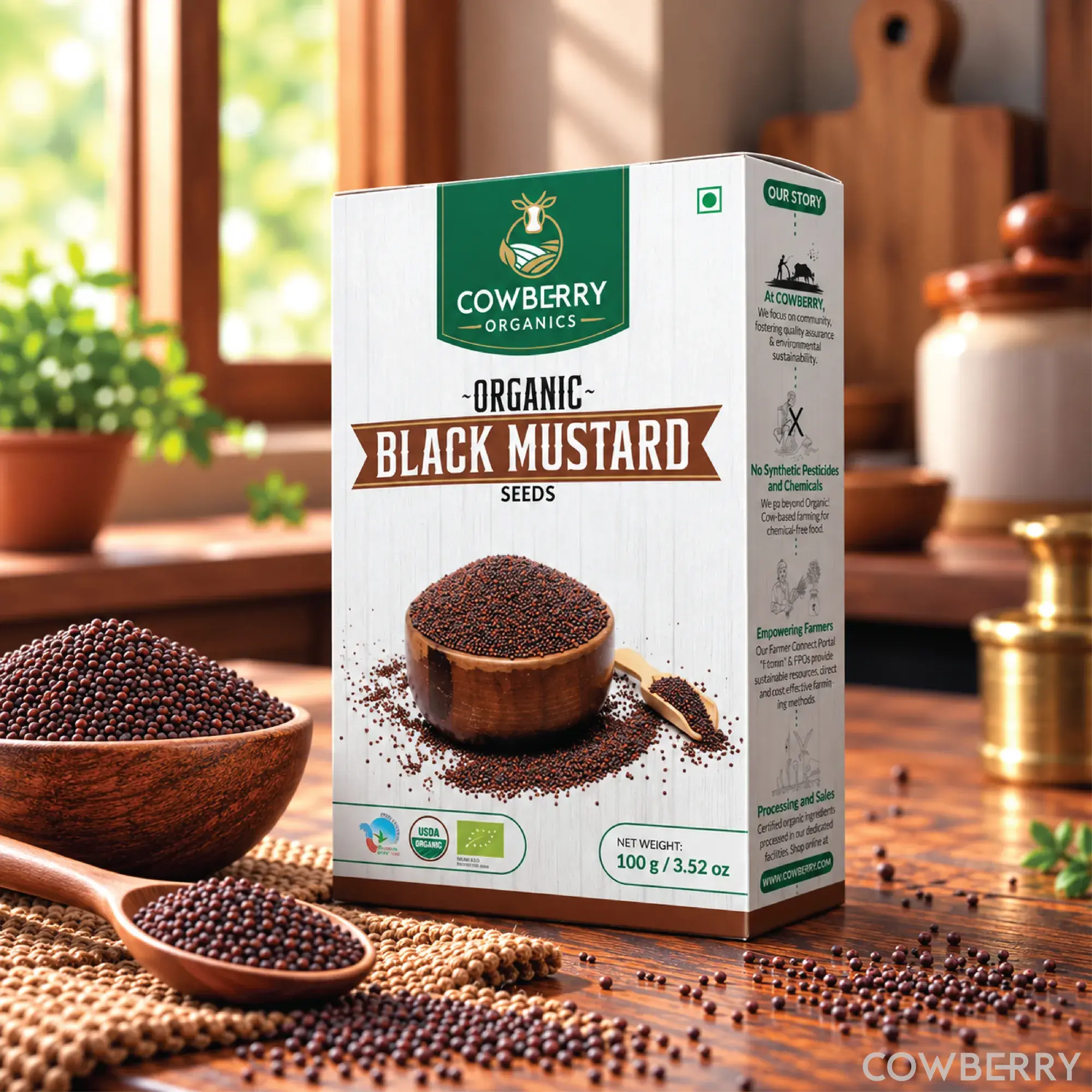
- Mustard Seeds — 1 tsp
- Fresh curry leaves — 8 leaves
- Green chillies, slit — 2 pieces

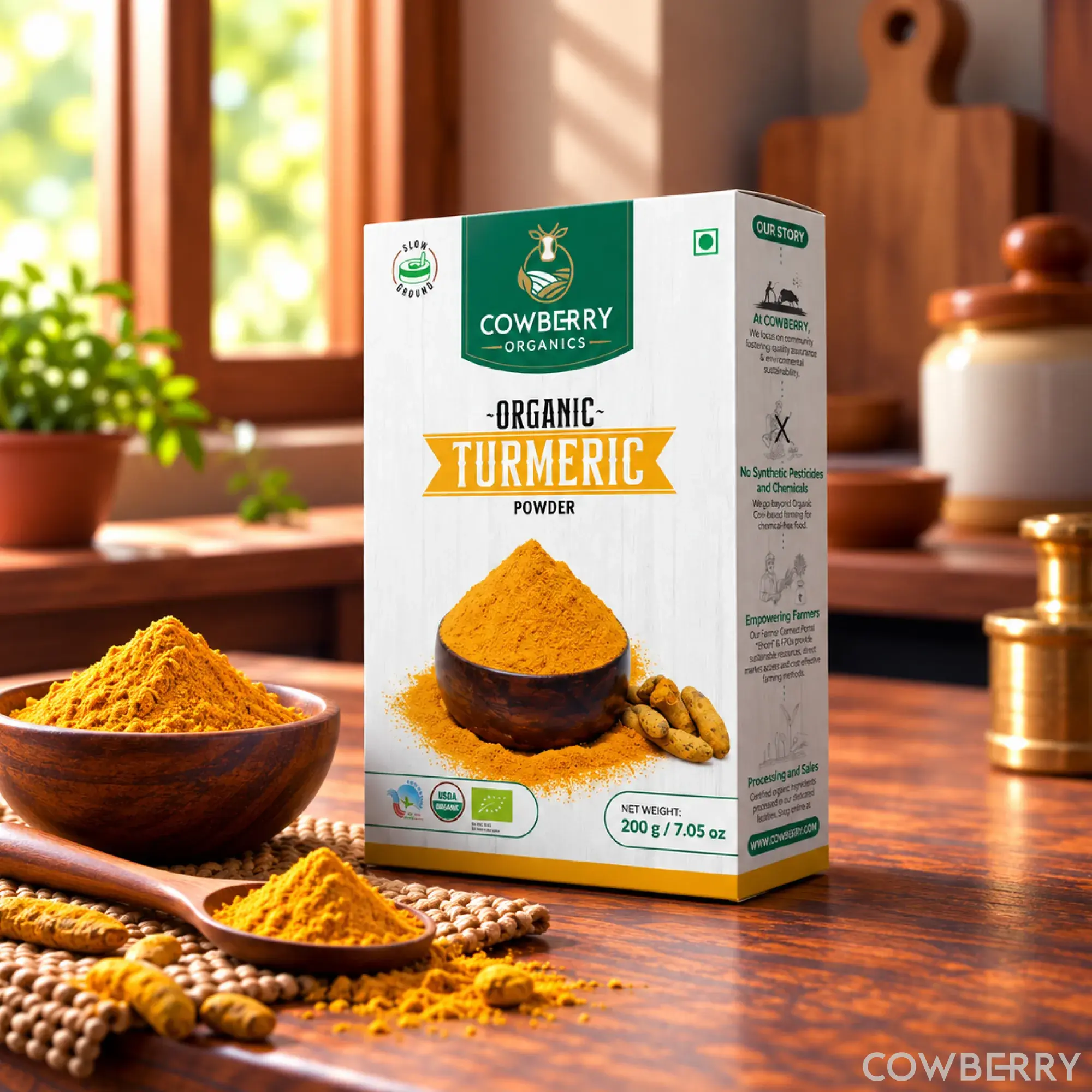
- Turmeric Powder — 1/2 tsp
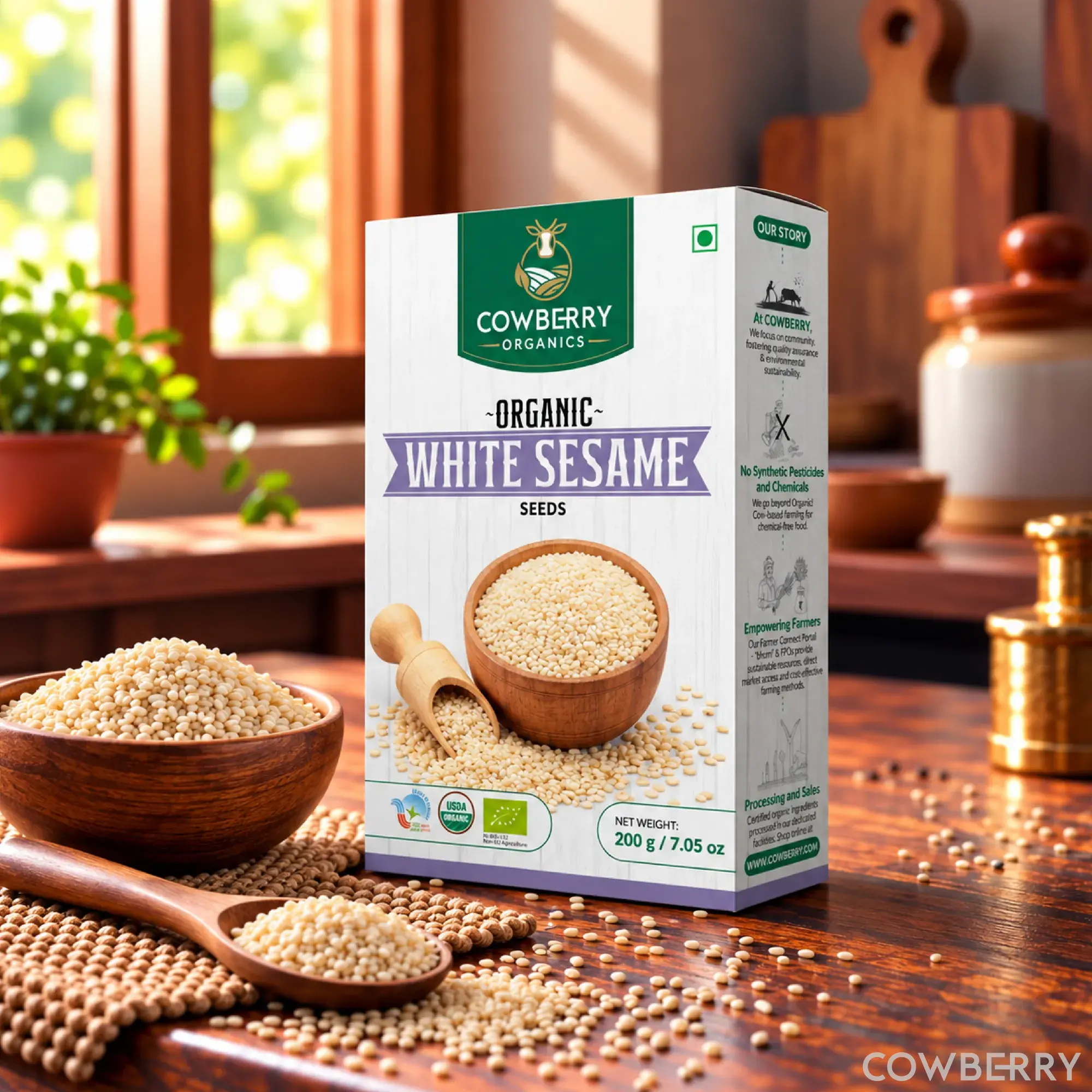
- White sesame seeds — 1 tsp
Finishing
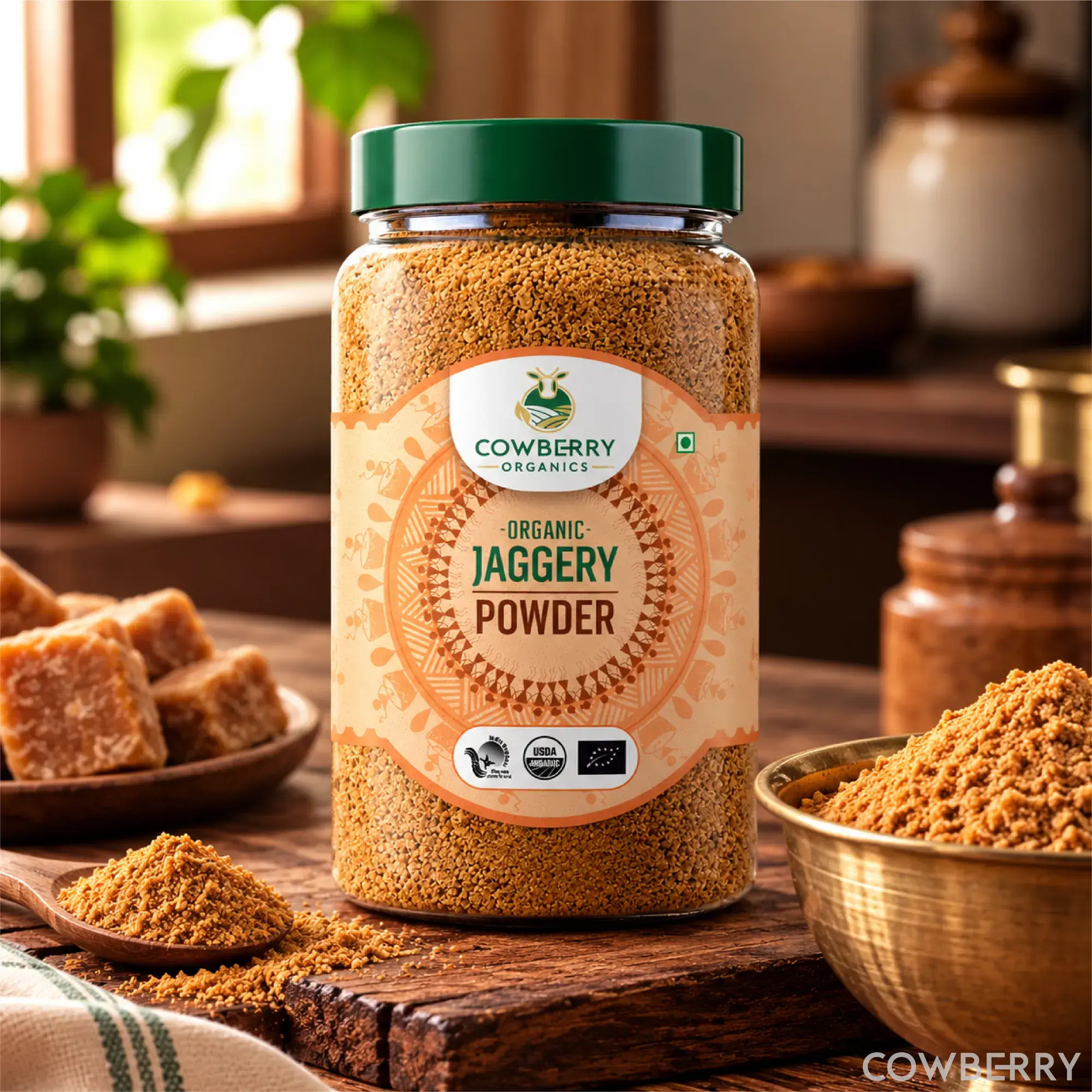
- Jaggery powder — 1 tbsp
- Lemon juice — 1 tbsp
- Fresh coriander leaves, chopped — 2 tbsp
- Water, to sprinkle — 1 tbsp
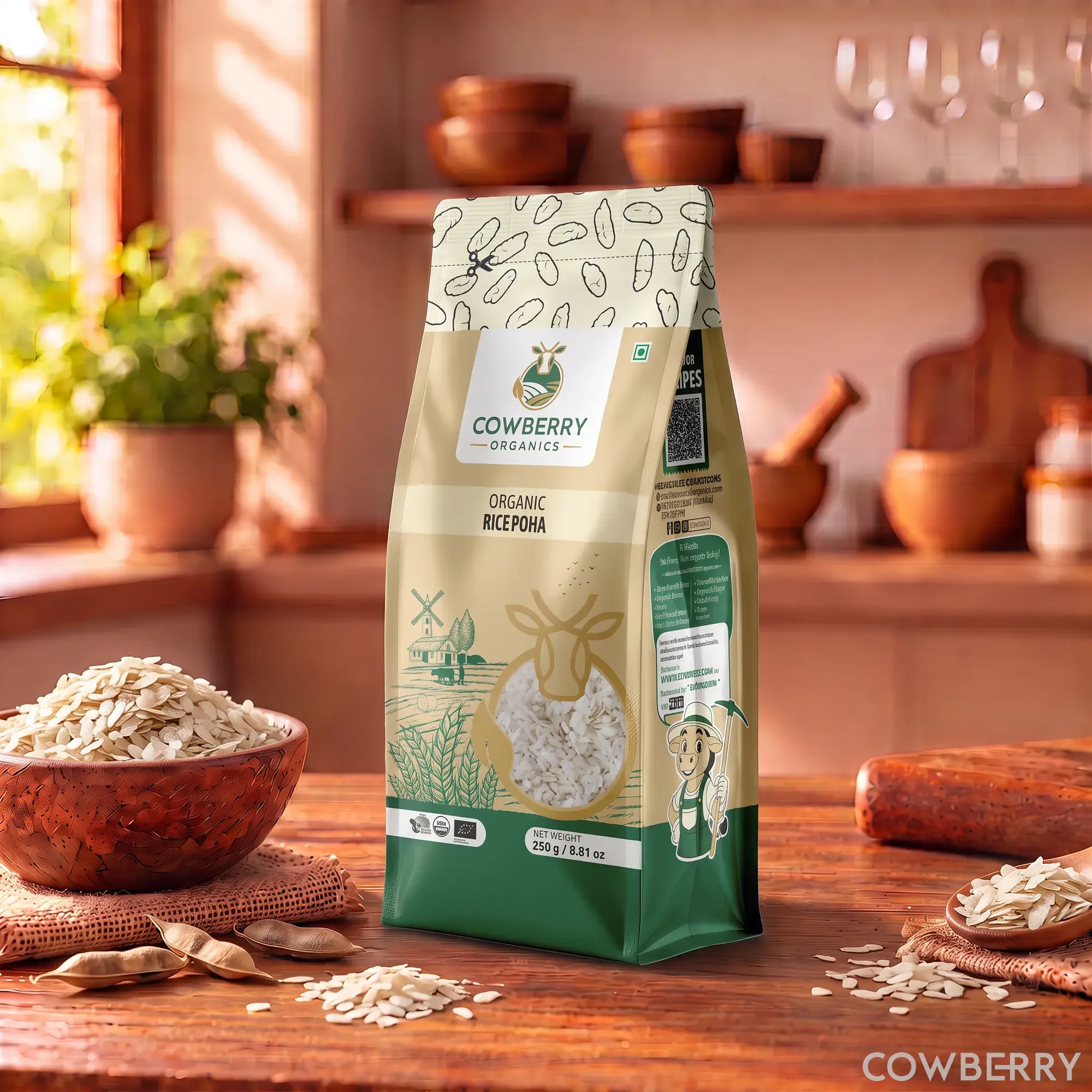
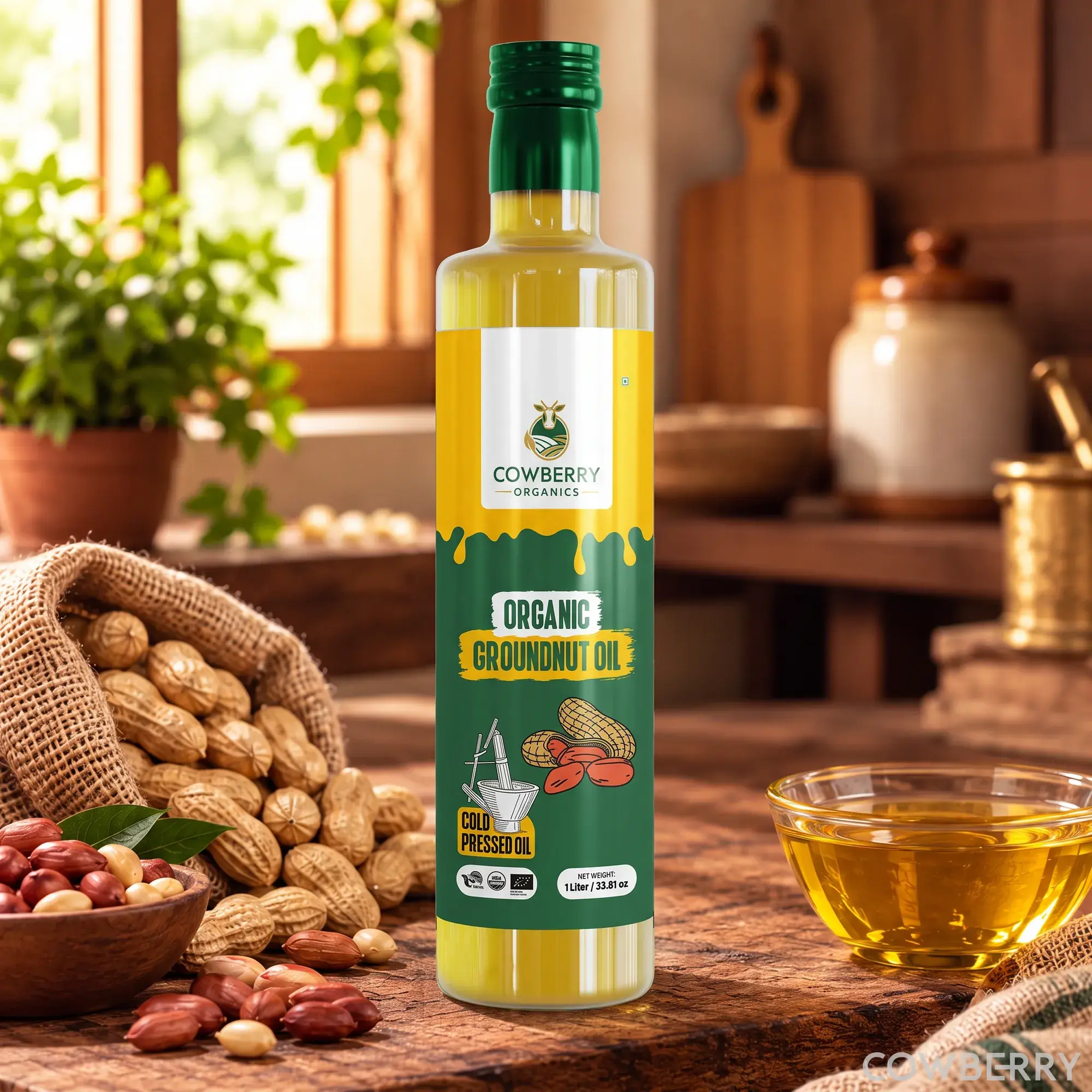
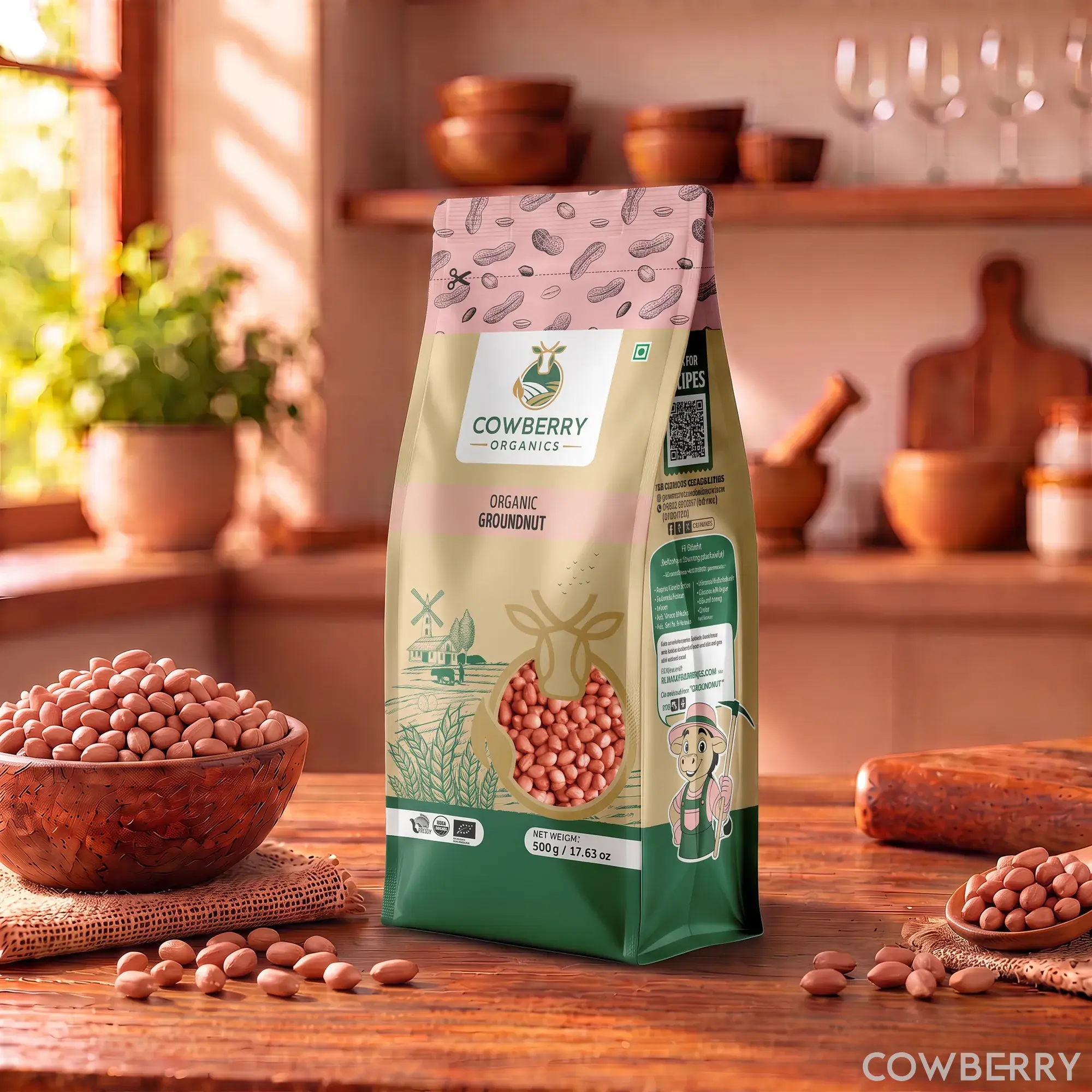
Skip The Store !
Get all you need for the recipe in just a few clicks
Serving Suggestions
Serve hot with a lemon wedge and a spoon of fine sev or farsan on top, or with a bowl of curd for a fuller breakfast. It travels well in a tiffin; carry the lemon separately and squeeze it at the table. For more breakfasts from the same flakes, see the poha recipes roundup.
Tips for Cooking Batata poha (Gujarati style)
Boil the potatoes a few minutes ahead so they are cool enough to dice. Jaggery melted onto the damp poha never catches on the pan the way sugar can. Toast the sesame only until it pops; it burns in seconds. Press a flake between finger and thumb before it goes in; it should give without crumbling, and keep a spoon of water ready in case the pan looks dry.

Chef’s Note
A plate of this batata poha, made from 50 g of dry poha, comes to about 368 kcal with 6.7 g protein, 46.8 g carbs, 16.8 g fat and 3.2 g fibre, counting the poha, peanuts, sesame, mustard seeds, jaggery and oil; the potato sits outside the count, so a full plate carries a little more.
Per serving (approx.): 368 kcal, protein 6.7 g, carbs 47 g, fat 17 g, fibre 3.2 g. Computed from IFCT 2017 / USDA values for the listed quantities. Measures: 1 cup = 240 ml, 1 tbsp = 15 ml, 1 tsp = 5 ml.
Happy Cooking !!
!!
ByCOWBERRY
Apr 26, 2026
Recipes You’ll Love
More everyday cooking with COWBERRY organics, from the same kitchen.
Sweet poha with milk and jaggery

Preparation Time
5 Min
Cooking Time
10 Min
Difficulty Level
easy

Preparation Time
15 Min
Cooking Time
5 Min
Difficulty Level
easy

Preparation Time
10 Min
Cooking Time
10 Min
Difficulty Level
easy