
Poha dosa
Preparation Time
55 minutes
Cooking Time
20 minutes
Difficulty Level
easy
Meal Type
Breakfast
Serves 4
Key Ingredients
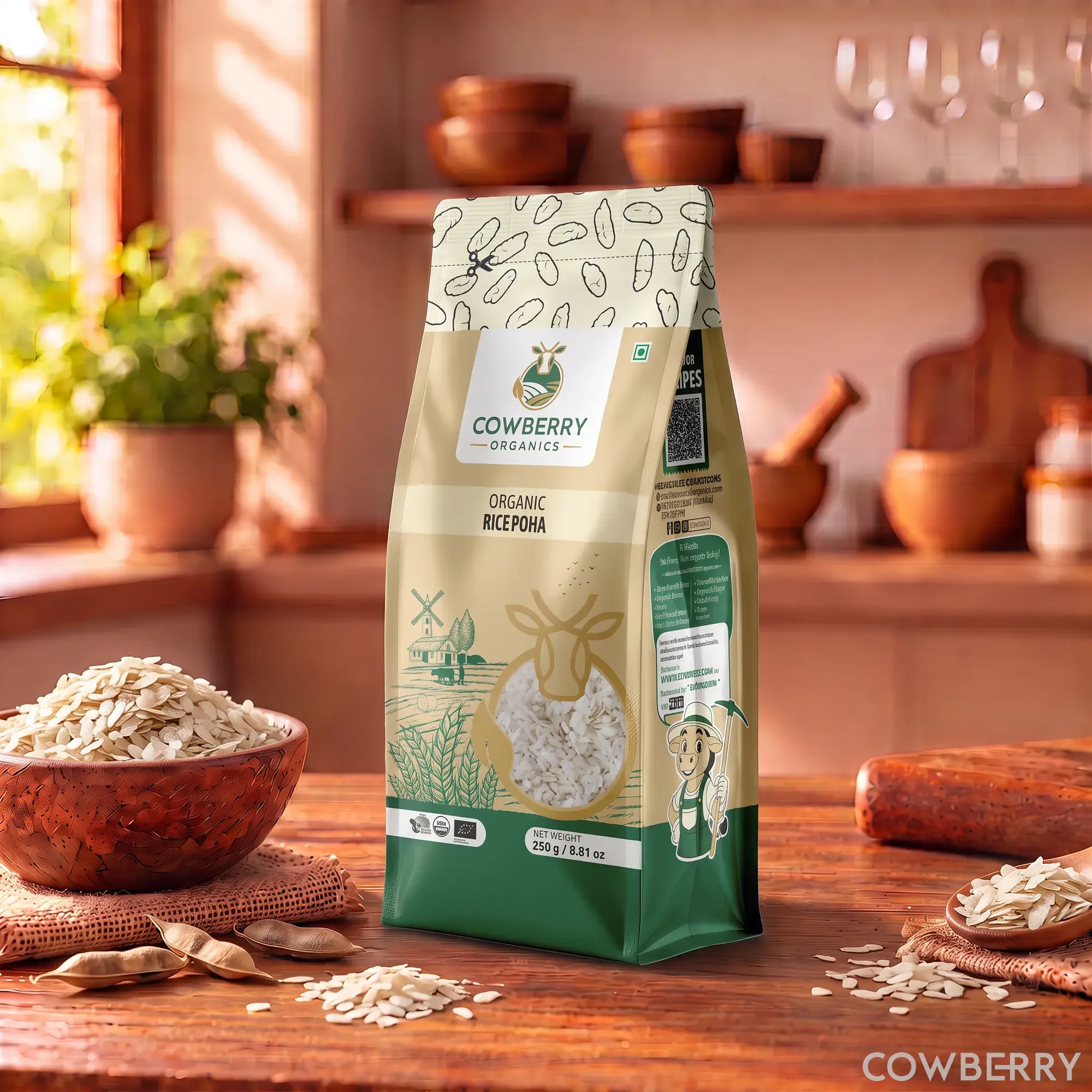
- Thick poha
About This Recipe
Poha goes into dosa batter because the flakes are rice that has already been cooked: soaked and ground, they soften the batter, help the dosa brown and keep the centre soft, and they let the batter skip fermentation altogether. The classic fermented dosa takes eight to ten hours of rising; this version needs a 30-minute soak and a short rest instead.
Poha also works as a dosa substitute: when the urad dal or rice runs short, a soaked handful of flakes stretches the batter and lightens the dosa. The flakes are rinsed into the grinder straight from the soak, so nothing is wasted. If you have dosa batter that will not ferment, grinding in a quarter cup of soaked poha is a common rescue.
The batter pours like thin cream and spreads into a dosa that is golden and lacy at the rim, soft and slightly spongy in the middle, with a mild rice taste that takes chutney and sambar well. As with every poha dish, thick flakes suit this batter better than thin ones; the poha hub explains the two grades. Pour the same batter thick, top it with onion and chilli, and it cooks into a poha uttapam. The poha recipes roundup has more ways with the flakes.
Ingredient List
Serving Size:
1x
2x
3x
Batter
- Thick poha — 1/2 cup
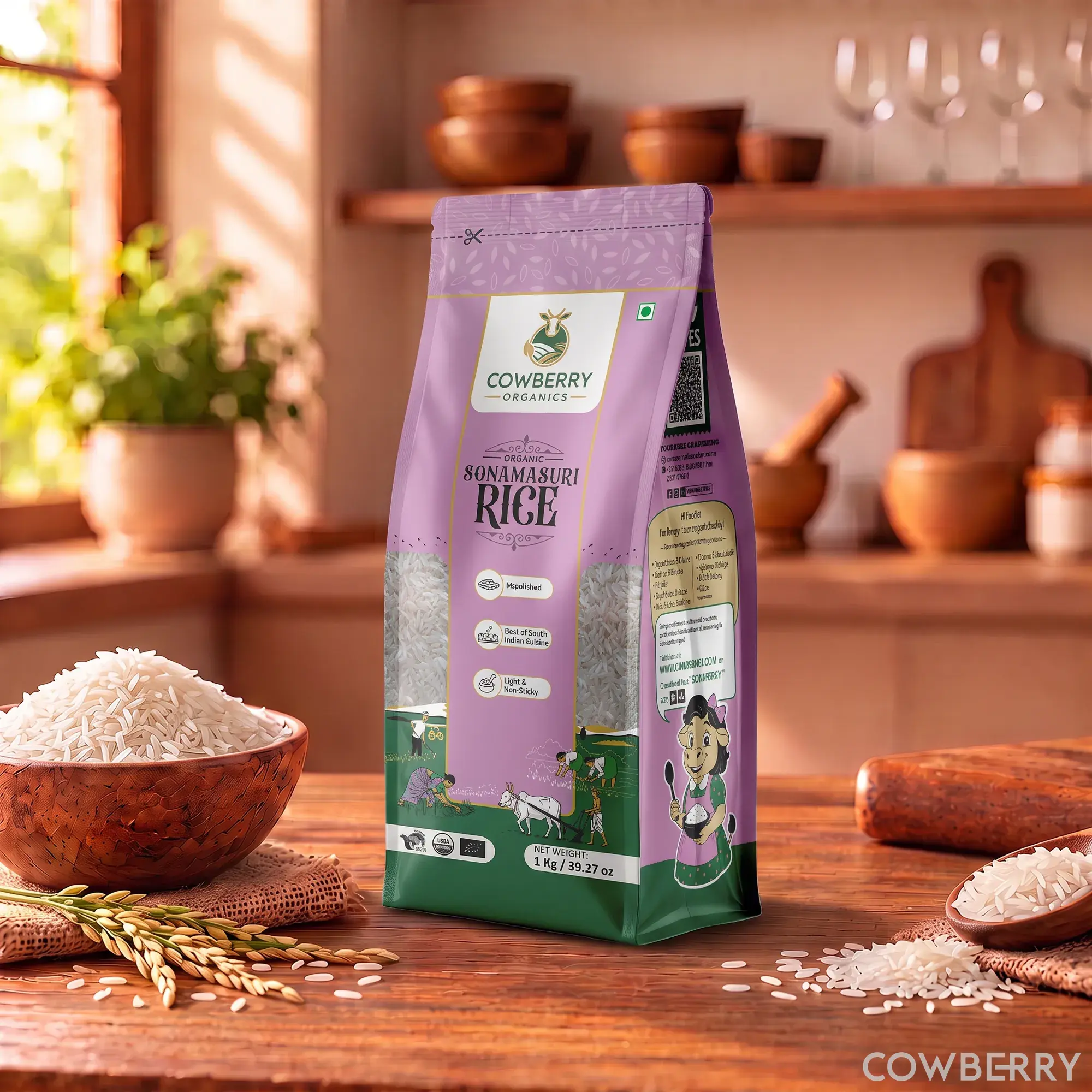
- Sona masoori rice — 3/4 cup
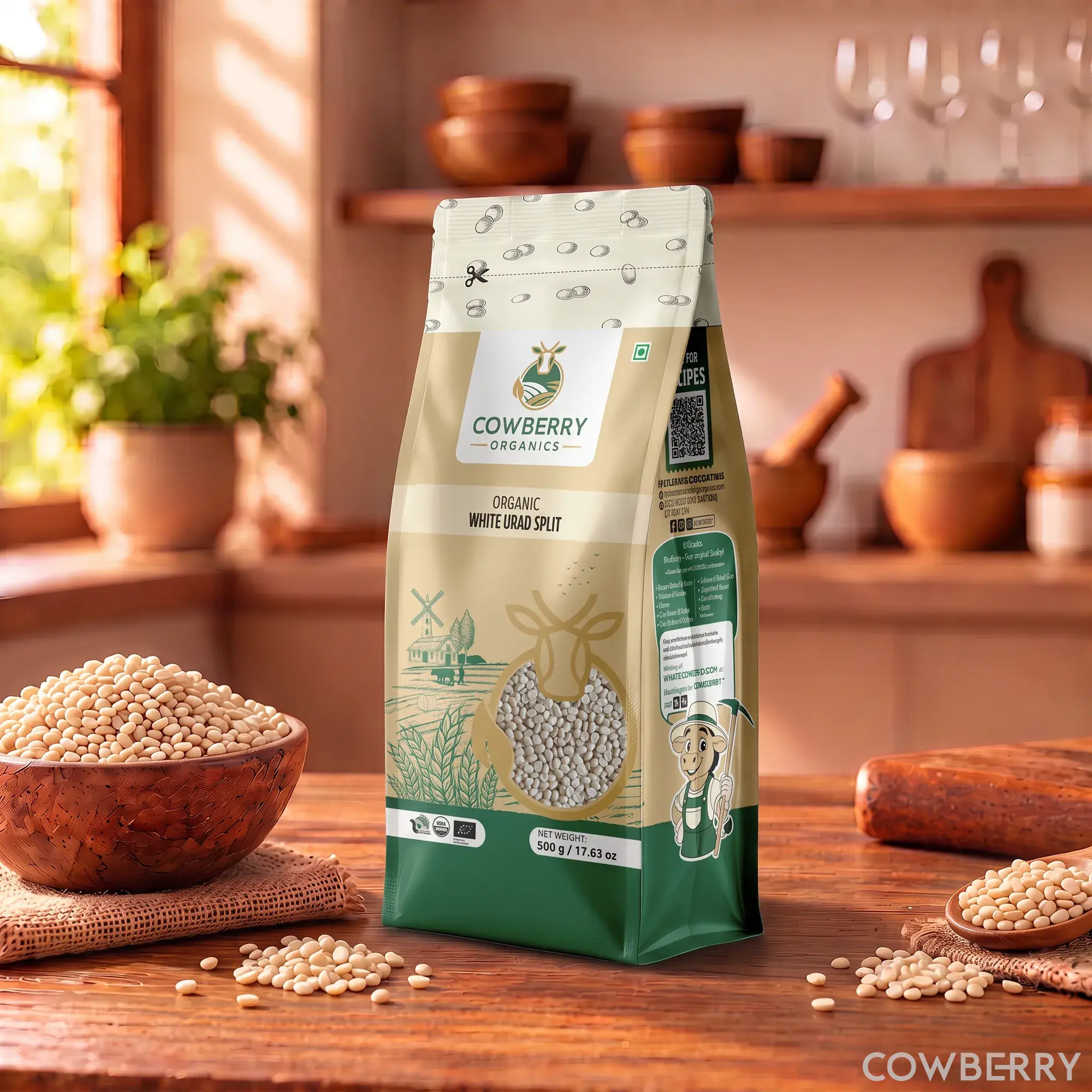
- White urad dal (dhuli urad) — 2 tbsp

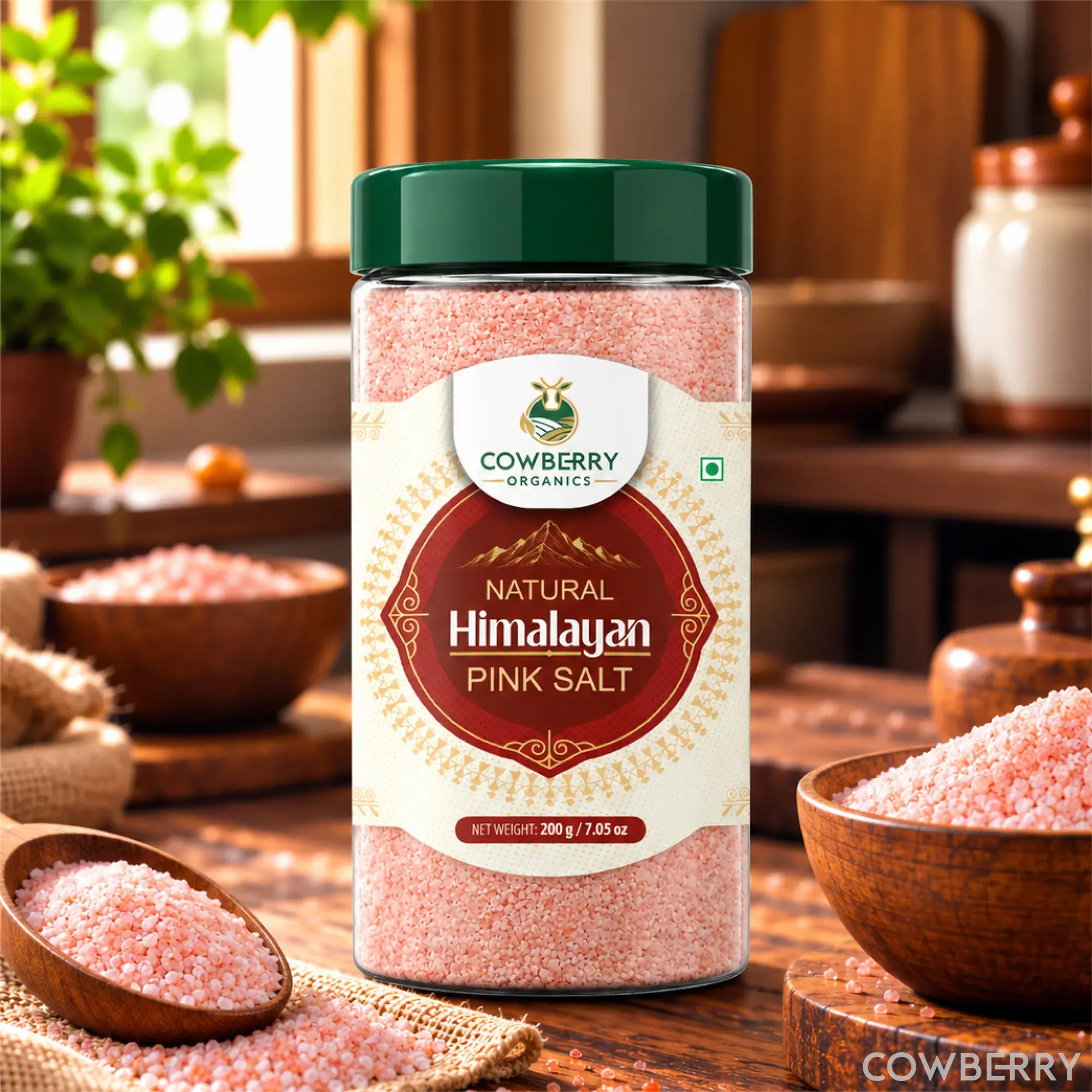
- Salt — 1 tsp
- Water — 1 1/2 cups
For cooking
- Groundnut oil — 2 tbsp
Skip The Store !
Get all you need for the recipe in just a few clicks
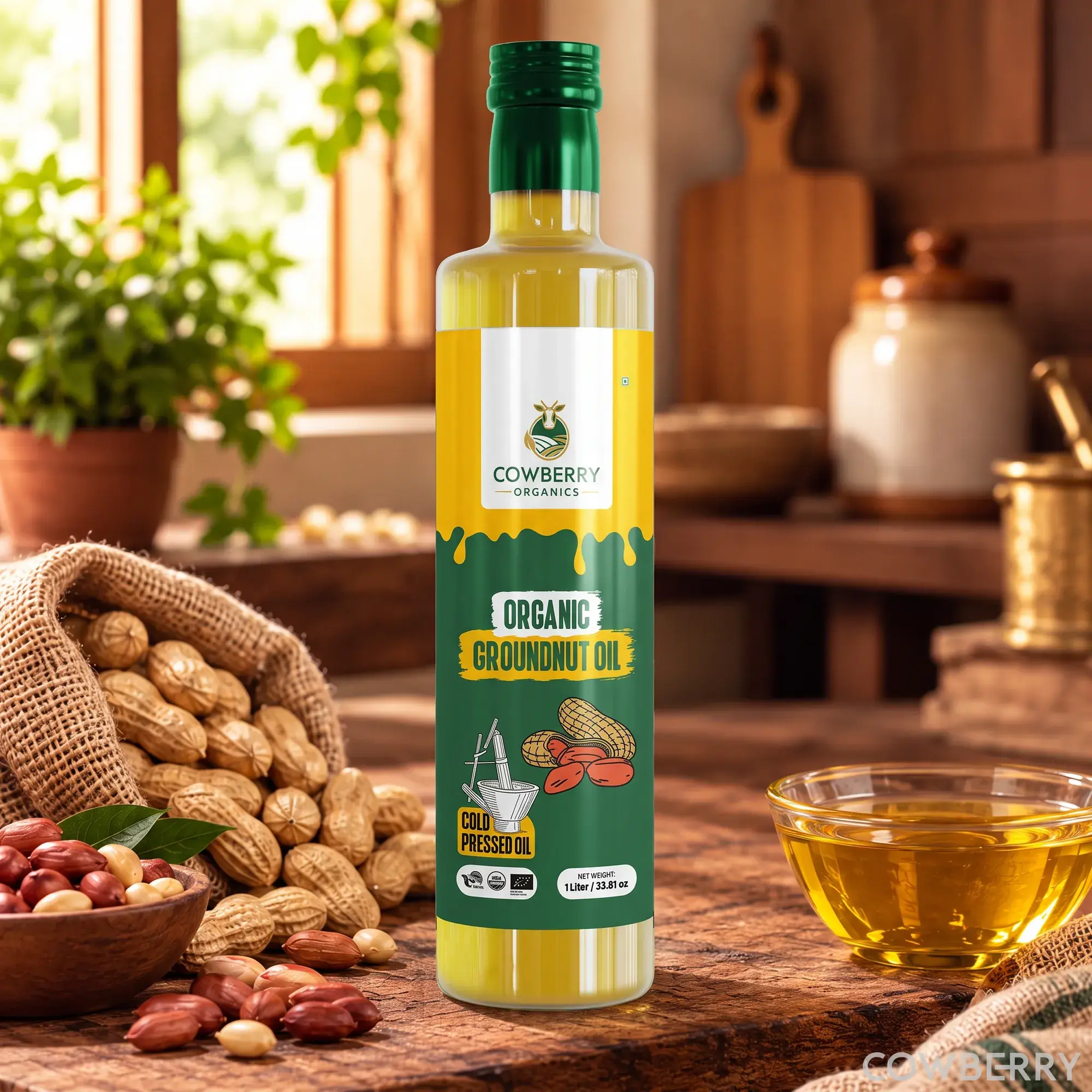
Serving Suggestions
Serve hot with coconut chutney, sambar on the side or podi with a spoon of ghee; the mild batter takes strong chutneys well. Thick rounds of the same batter cook into poha uttapam for a fuller breakfast, and thin pours make a lacy, neer-style dosa. Eight dosas feed four at breakfast or a family snack table.
Tips for Cooking Poha dosa
Batter consistency decides everything: it should pour like thin cream and spread in one or two passes. Heat the tawa until water drops sizzle and vanish before the first pour. The batter thickens as it stands, so keep a little water and thin it before each dosa; use the first dosa as the test. A quick wipe with a damp cloth between dosas lets the next one lift clean.

Chef’s Note
One serving of two dosas adds up to about 265 kcal with 5.3 g protein, 42.1 g carbs, 7.9 g fat and 2.2 g fibre, counting the poha, rice, urad dal and the oil, all of which is assumed to end up on the dosas. The dosa needs no ferment, but the 15-minute rest matters; it lets the flakes drink the water and the batter pour thin.
Per serving (approx.): 265 kcal, protein 5.3 g, carbs 42 g, fat 7.9 g, fibre 2.2 g. Computed from IFCT 2017 / USDA values for the listed quantities. Measures: 1 cup = 240 ml, 1 tbsp = 15 ml, 1 tsp = 5 ml.
Happy Cooking !!
!!
ByCOWBERRY
Sep 15, 2026
Recipes You’ll Love
More everyday cooking with COWBERRY organics, from the same kitchen.
Sweet poha with milk and jaggery

Preparation Time
5 Min
Cooking Time
10 Min
Difficulty Level
easy

Preparation Time
15 Min
Cooking Time
5 Min
Difficulty Level
easy

Preparation Time
10 Min
Cooking Time
10 Min
Difficulty Level
easy