by COWBERRY

5 minute read
Sattu in English, Hindi, Punjabi and Odia

Sattu in English is toasted gram flour, the wording of the Wikipedia article on sattu; the FSSAI standard titles the same chana sattu 'Roasted Bengal Gram Flour'. In Hindi the flour is sattu, in Punjabi satui and in Odia chhatua; each name below carries its own footnote, and the sattu hub covers the flour's nutrition and uses.
Sattu in English, Hindi and Indian languages: the quick answer
Each language has its own word for the same roasted gram: in English toasted gram flour, in Hindi sattu, in Punjabi satui and in Odia chhatua. IFCT 2017's local-names list has no entry for sattu, so the table's four names each cite the Wikipedia article on sattu, whose English wording for the flour is toasted gram flour; the FSSAI standard titles the same flour roasted Bengal gram flour (chana sattu).
| Language | Name (romanised) |
|---|---|
| English | Toasted gram flour |
| Hindi | Sattu |
| Marathi | — |
| Gujarati | — |
| Punjabi | Satui |
| Bengali | — |
| Odia | Chhatua |
| Assamese | — |
| Kannada | — |
| Telugu | — |
| Tamil | — |
| Malayalam | — |
| Urdu | — |
| Sanskrit | — |
| Botanical name | — |
Source: no source found. — means no name recorded in the source.
English ‘Toasted gram flour’: Wikipedia: Sattu. Hindi ‘Sattu’: Wikipedia: Sattu. Punjabi ‘Satui’: Wikipedia: Sattu. Odia ‘Chhatua’: Wikipedia: Sattu.
Sattu meaning in English, and the botanical name
Sattu meaning in English is toasted gram flour, the article's wording; the FSSAI standard titles the same preparation "Roasted Bengal Gram Flour (Chana Sattu)", and the definition behind it starts from Cicer arietinum — sound gram, cleaned, washed and dried — roasted before grinding. "Sattu powder in English" and "sattu flour" name the same thing: the flour of roasted gram. "Chana sattu in English" follows from the same line: chana is Bengal gram, so chana sattu is the flour of roasted Bengal gram. The botanical name belongs to the grain, not the preparation: sattu itself has no botanical name because it is a preparation, and the gram behind it is Cicer arietinum, the chickpea of the 2012 British Journal of Nutrition review. The main distinction: besan is dehusked gram ground without roasting, while the gram for sattu is roasted before grinding, which the standard calls chana sattu. Wikipedia adds that sattu is also made from roasted barley or a mix of grains; this page is about the gram kind.
Sattu on the label: chana sattu
The name that matters on a pack is the standard's: chana sattu means roasted Bengal gram flour, and the label name is the quickest way to be sure you are buying the roasted flour rather than its raw cousin besan. The four names — toasted gram flour in English, sattu in Hindi, satui in Punjabi and chhatua in Odia — sit in the table above, each footnoted to its source. The sattu hub lists the flour's pages, from how it is made to its place in a weight plan.
Often confused with: besan, gram flour and chana dal
Three pairs cause most of the mix-ups, and the FSSAI standards settle all three.
- Besan vs sattu. Besan is dehusked Bengal gram ground without roasting; sattu is the gram roasted before grinding. Each has its own standard, and the roast is the difference between them.
- Gram flour vs sattu. Besan's standard covers dehusked gram milled with no roast; the sattu name itself, toasted gram flour, keeps the roasting in the wording. Read the pack name to see which one you have.
- Chana dal vs sattu. Chana dal is the split, raw pulse; sattu is the same gram roasted first and milled into flour. In between the two sits the roasted whole gram, which the dietary guidelines count among nutritious snack options.
Where the gram grows
Sattu is not a crop, so it has no growing region of its own; the gram it is milled from does. Chickpea, says the 2012 review in the British Journal of Nutrition, ranks among the important pulse crops, grown and consumed across the world, with the Afro-Asian countries in the lead. The name that travels with sattu is chana, or Bengal gram, as in the FSSAI standard's title, and the roasting-and-grinding method behind it is laid out step by step on how is sattu made.
FAQs
What is sattu called in english?
Toasted gram flour, the English wording in the Wikipedia article on sattu; the FSSAI standard's own title for the same flour is roasted Bengal gram flour (chana sattu). "Chana sattu in English" follows the standard: chana sattu is Bengal gram, roasted and then ground.
What is sattu?
A flour of gram (Cicer arietinum) that is roasted before it is ground: cleaned, washed and dried gram, roasted, then milled, per the FSSAI standard. The roasting is already done, so it is stirred into drinks like the sattu drink or worked into doughs without further cooking.
What is sattu powder?
The same flour by another word: sattu is a powder by form, so "sattu powder" and "sattu flour" both mean roasted ground gram. The standard's English name for it is roasted Bengal gram flour.
What is sattu flour?
Roasted gram flour: the gram is roasted before it is ground, so the flour arrives ready to use. Besan is the other gram flour — dehusked gram ground raw, the one that still needs cooking.
Difference between besan and sattu?
One pulse, two processes. Besan is dehusked Bengal gram, ground raw, with its own FSSAI standard; sattu is the gram roasted first and ground after, with its own. The roast is the difference between them.
Is chana dal and sattu same?
No. Chana dal is the split, raw pulse of Bengal gram; sattu is flour milled from gram that has been roasted first. The roasted whole gram in between is a snack on its own, and ground, it becomes sattu.
References
- FSSAI: Food Products Standards and Food Additives Regulations compendium (Version XXII, 02.03.2022): 2.4.4 Besan and 2.4.33 Roasted Bengal Gram Flour (Chana Sattu)
- Dietary Guidelines for Indians, ICMR-National Institute of Nutrition
- Jukanti AK, Gaur PM, Gowda CL et al. Nutritional quality and health benefits of chickpea (Cicer arietinum L.): a review. Br J Nutr, 2012
- Indian Food Composition Tables (IFCT) 2017, ICMR-National Institute of Nutrition
Keep reading
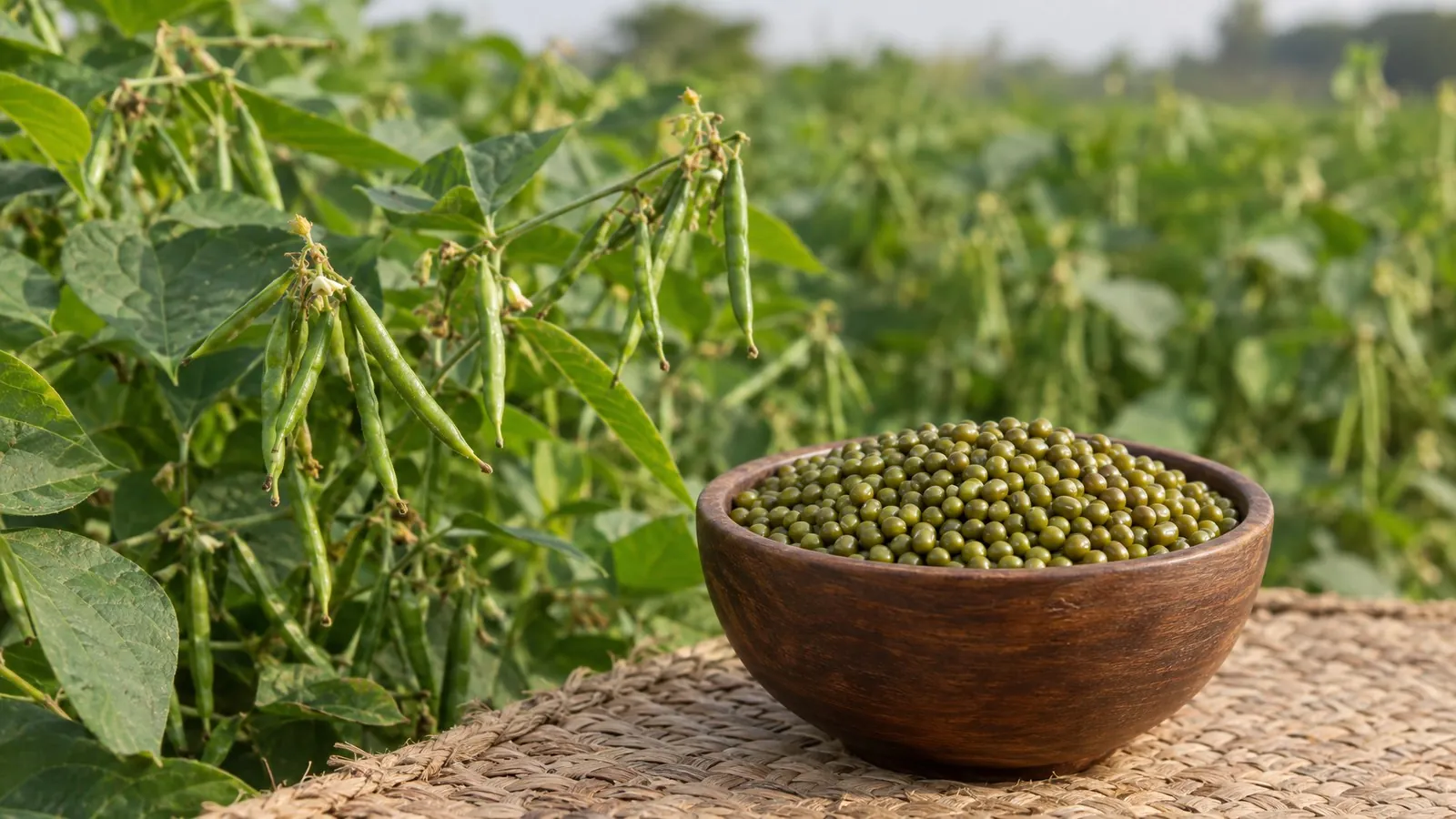
Green gram plant: crop, varieties and how it grows in India
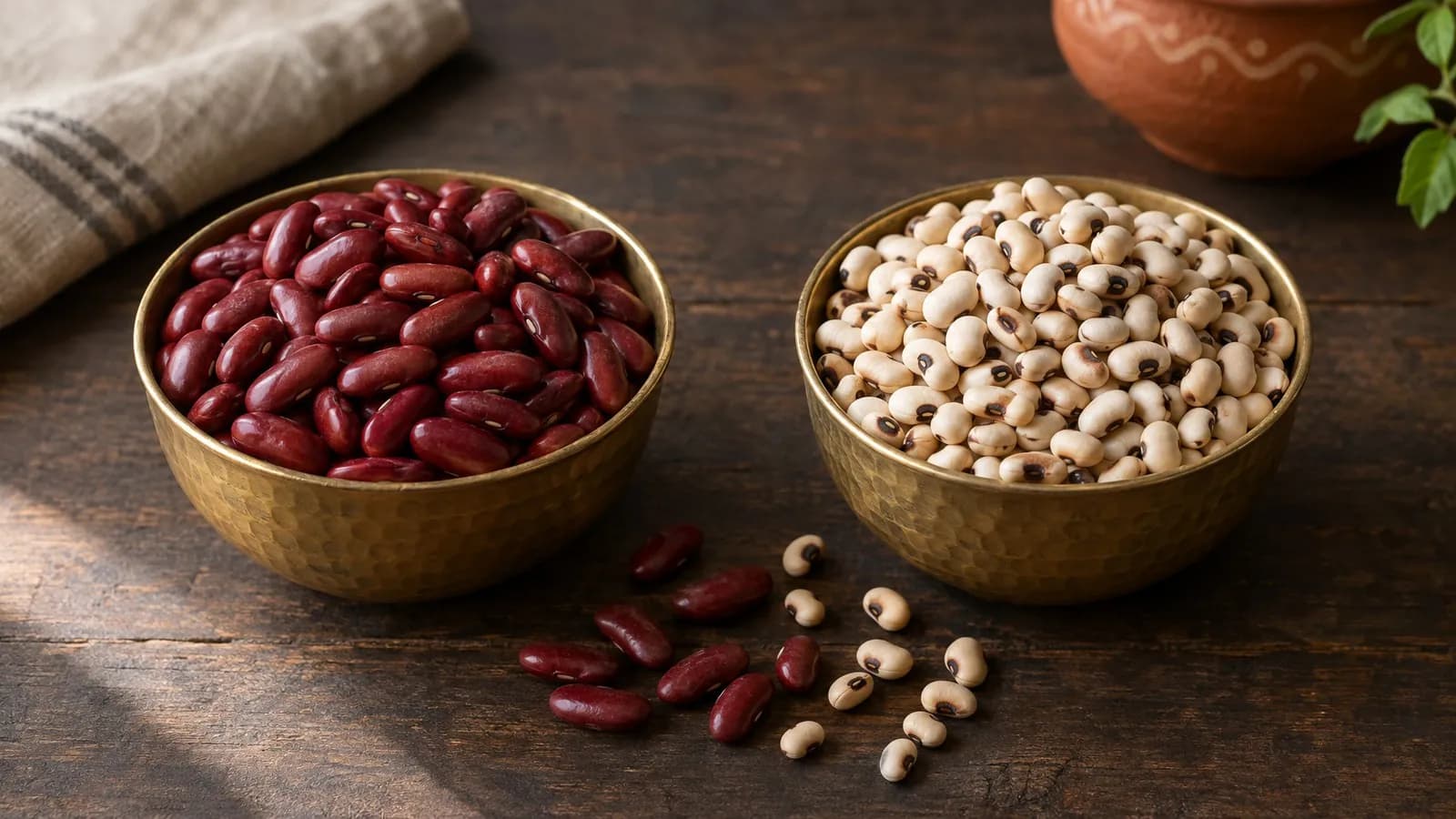
Rajma vs lobia: difference, nutrition and which to choose
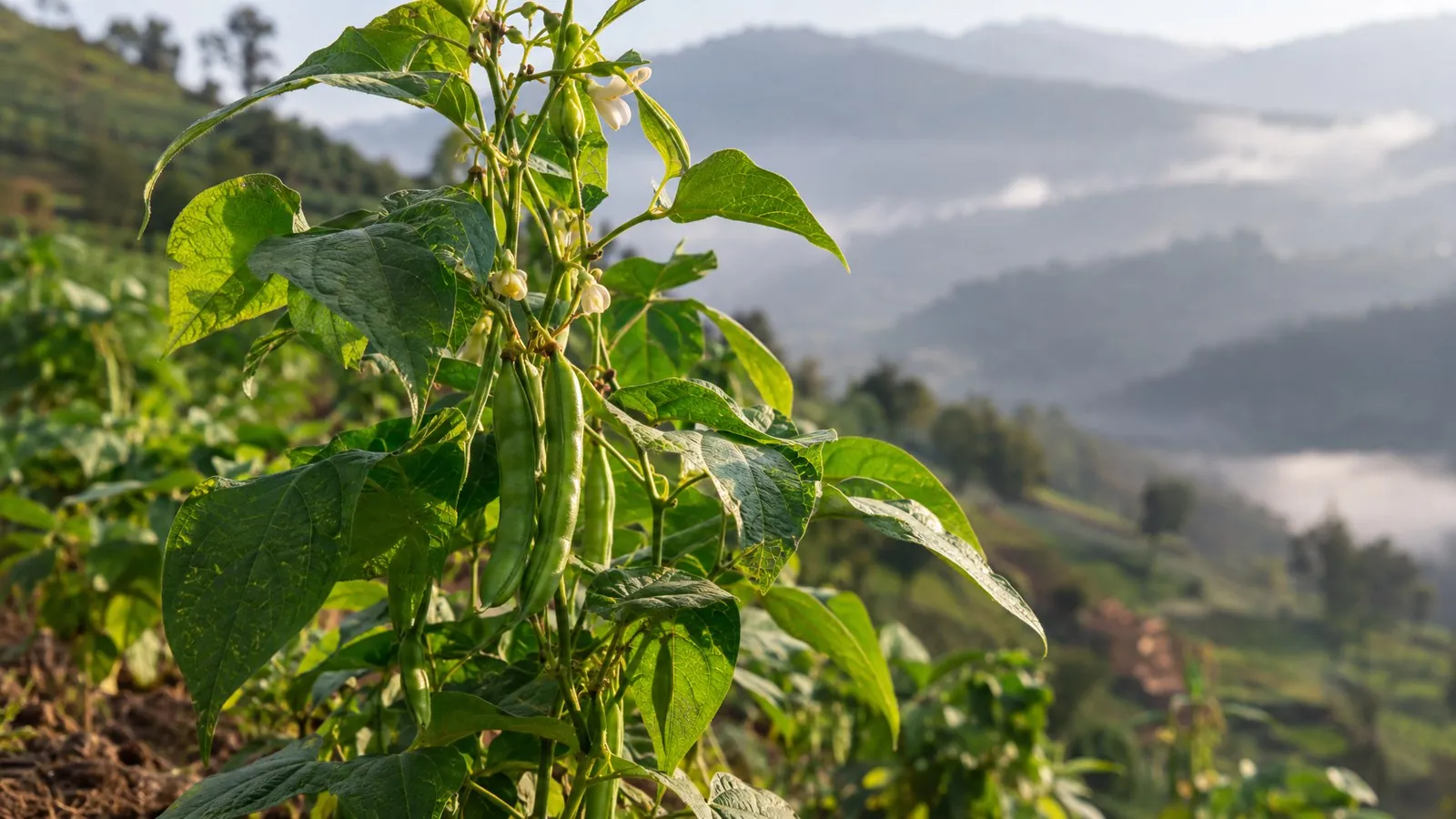
Rajma plant: how rajma is grown in India (it is not a tree)