by COWBERRY

5 minute read
Cumin in English, Hindi and Indian languages

Cumin in Hindi is jira, spelled jeera the way it sounds; cumin in English is cumin seeds, botanical name Cuminum cyminum. The other Indian languages have their own words, all from IFCT 2017's local-names list: jeeru in Gujarati, jeerakam in Tamil, jeelakarra in Telugu and jire in Bengali. The table below lists all fifteen; the seed itself is on the cumin seeds guide.
Cumin in Hindi, English and the other Indian languages: quick answer
Cumin in Hindi is jira (jeera), and cumin in English is cumin seeds. Every spelling below comes from the IFCT 2017 local-names list for Cuminum cyminum, food code G025, so every spelling is the list's own, not a new transliteration. Two names deserve a note. Hindi jira is usually written jeera on packets and menus — the same word spelled the way it sounds — and Gujarati jiru is likewise jeeru in common spelling. Assamese, for its part, is jeera straight from the list.
The quick table for the languages people search: Hindi jira (jeera), Gujarati jiru (jeeru), Tamil jeerakam, Telugu jeelakarra, Malayalam jeerakam and Bengali jire. The full table, every name plus the botanical name, sits below.
Every name, one table
The table below is the IFCT 2017 local-names list for cumin seeds in full: English first, then Hindi and the other Indian languages, with the botanical name at the end. Read it as the language map of one seed — the same Cuminum cyminum answers to jira in the north, jeerakam in the south and cumin seeds in English. The two footnotes are the common packet spellings jeera and jeeru.
| Language | Name (romanised) |
|---|---|
| English | Cumin seeds |
| Hindi | Jira, Jeera |
| Marathi | Jira |
| Gujarati | Jiru, Jeeru |
| Punjabi | Jira |
| Bengali | Jire |
| Odia | Jira |
| Assamese | Jeera |
| Kannada | Jeerage |
| Telugu | Jeelakarra |
| Tamil | Jeerakam |
| Malayalam | Jeerakam |
| Urdu | Jira |
| Sanskrit | Jiraka |
| Botanical name | Cuminum cyminum |
Source: IFCT 2017 (ICMR-NIN) local-names list. — means no name recorded in the source.
Hindi ‘Jeera’: spelling variant of the IFCT 2017 name ‘Jira’. Gujarati ‘Jeeru’: spelling variant of the IFCT 2017 name ‘Jiru’.
Jeera in English, and English in jeera: sorting the two
Jeera in English is cumin seeds, the English food name IFCT 2017 lists for the seed, and in the kitchen the two words are interchangeable, because jeera and cumin name one spice. Whatever a packet calls it, a single botanical name, Cuminum cyminum, covers both the Hindi word and the English one. (Shahi jeera is a different question, sorted on the jeera vs shahi jeera page.)
Cumin in English sometimes means the ground spice, cumin powder, and jeera likewise slides between the whole seed and the powder; the dish decides. The recipes on this site, like jeera aloo, name the whole seed where it is crackled in ghee.
The names, language by language: north to south
One word covers much of the country: jira in Hindi, Marathi, Punjabi, Odia and Urdu, with jire in Bengali and jeera in Assamese. South India splits differently: jeerage in Kannada, jeelakarra in Telugu, and jeerakam in both Tamil and Malayalam. Sanskrit lists jiraka, close kin to the Hindi and Marathi jira.
That map matters at the market: a Tamil-speaking kitchen asks for jeerakam where a Marathi one says jira, and both take home the same seed. The name to read on a pack is any of the names above; the plant behind every one of them is Cuminum cyminum, and the seed itself, from nutrition to storage, is on the cumin seeds guide.
Why the spelling shifts: jira, jeera and jeeru
The list spells the Hindi name jira and the Gujarati name jiru; shops and recipes write jeera and jeeru, and the difference is only the vowel. Both spellings say the same seed, so neither is wrong: the list carries one transliteration, and everyday usage writes the sound as it is heard. On this site the pages use jeera, the common spelling, alongside the list's jira.
When you buy, the pack label is the last word, not the spelling: COWBERRY's cumin seeds pack Rajasthan and Gujarat jeera under the English name cumin seeds, the name IFCT 2017 lists for the same seed. Whatever the label's spelling, the botanical name Cuminum cyminum is what to check if you are ever unsure.
Cumin vs jeera vs shahi jeera vs saunf: the names that get confused
Four words share the shelf and get swapped. Cumin and jeera are the same seed, as the table above shows. Shahi jeera shares the jeera part of its name but is not in the table above; the page that sorts the two is jeera vs shahi jeera. Saunf (fennel seed) is a different spice again — the table above does not list it, and IFCT 2017's names list keeps fennel seed as a separate food.
FAQs
What is cumin in Hindi?
Cumin in Hindi is jira, the Hindi name in IFCT 2017's local-names list, and in everyday spelling jeera. Hindi, Marathi, Punjabi, Odia and Urdu all carry jira in the same list. One spice, one Hindi name, written two ways.
What is jeera called in English?
Jeera in English is cumin seeds, the English food name IFCT 2017 lists for Cuminum cyminum. Ground, the same seed is sold as cumin powder. In recipes, cumin and jeera are interchangeable words for the one spice.
Is cumin and jeera the same?
Yes. Cumin is the English word and jeera (jira in the list) is the Hindi word for the same seed, Cuminum cyminum, and every regional name in the table above is the same plant again. The two words differ only by language, not by spice.
Difference between cumin and jeera?
There is none: they are the same spice, in English and Hindi respectively, with one botanical name, Cuminum cyminum. What does differ is jeera and shahi jeera, two names that get sorted out on the jeera vs shahi jeera page. Saunf (fennel seed) is another spice again.
What is cumin in Tamil?
Cumin in Tamil is jeerakam, the Tamil name in IFCT 2017's local-names list, and Malayalam lists the same word. Kannada has jeerage and Telugu jeelakarra for the same seed. All four South Indian names belong to Cuminum cyminum.
What is jeera?
Jeera is the Hindi word for cumin seeds, the small brown seeds of Cuminum cyminum that crackle in the tadka of many Indian dals and sabzis. The English name cumin, the Hindi jira and every name in the table above point at this one seed.
References
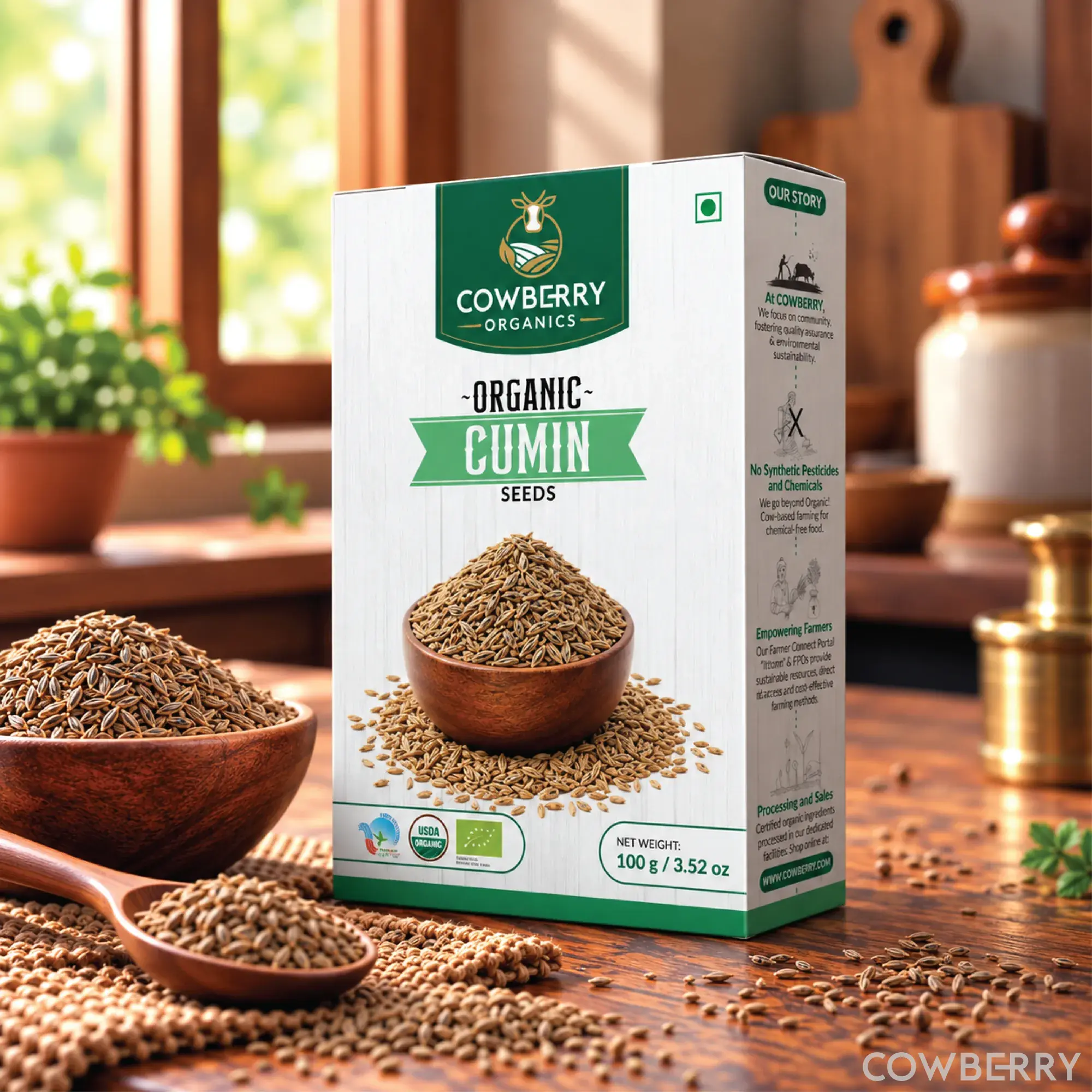
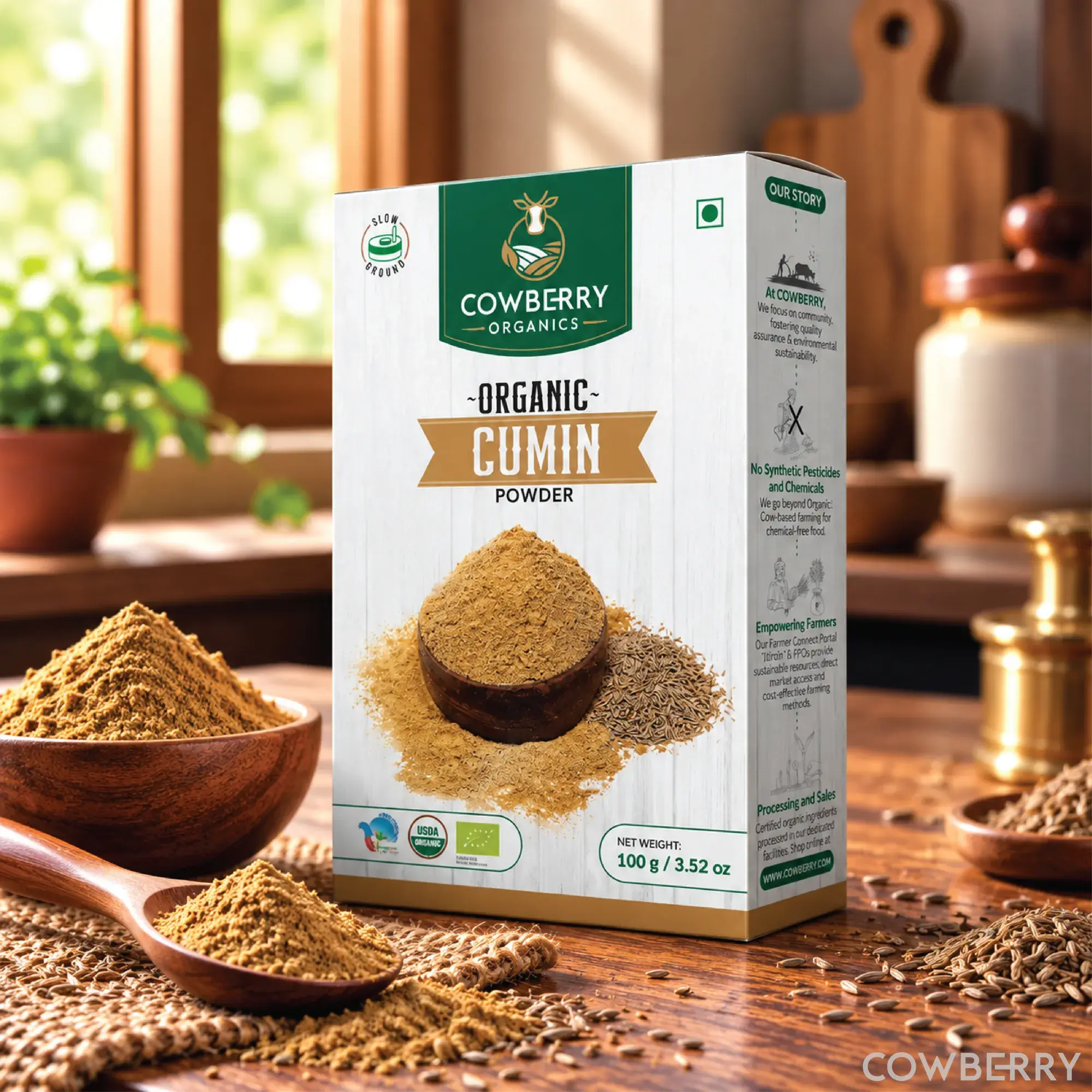
Shop this article
Keep reading
Coriander water benefits: what dhania water actually does
Peanuts in Hindi (moongfali): groundnut names in Indian languages
Coriander vs cilantro: are they the same herb?