by COWBERRY

6 minute read
Is makki good for diabetes? GI, portion size and what to avoid

Is makki good for diabetes? As a grain, maize is high in carbohydrates and its GI of 73 puts it in the high band, so it can fit in measured portions, not as the whole plate. The numbers and pairings below show how it can sit in a diabetes meal plan; the grain itself is covered on the makki (maize) hub page.
Is makki good for diabetes? The short answer
Makki is a whole grain, and whole grains in general are linked with lower diabetes risk: a 2013 meta-analysis of 16 cohort studies found a relative risk of developing type 2 diabetes of 0.68 per three servings of whole grains a day, against 0.95 for refined grains. But maize's own numbers are blunt: GI 73, 64.77 g of carbohydrates per 100 g, 334 kcal, with 12.24 g of fibre.
So makki can sit in a diabetes meal plan as a measured whole-grain portion, not as the whole meal. In a Lancet series of reviews on carbohydrate quality, the evidence for dietary fibre was graded stronger than for GI, and maize brings that fibre; the full nutrient table is on the makki nutritional value per 100g page.
Makki ka glycemic index: 73, and what the number means
The glycemic index ranks carbohydrate foods by how the carbohydrate in a test portion raises blood glucose. The maize figure, GI 73, comes from one test of maize grain steamed for 40 minutes, carried out in South Korea, not India; the database's other maize entries are porridges, not plain grain. The database calls a GI of 55 or less low and 70 or more high, which puts 73 in the high band.
The catch: in the Lancet meta-analyses, the certainty of evidence was low to very low for glycaemic index and moderate for dietary fibre. Higher fibre intakes went with lower risk of several diseases, type 2 diabetes among them, and risk reduction across a range of outcomes was greatest at a daily fibre intake of 25 g to 29 g. Those studies left out people who already had a chronic disease. So the number 73 says watch the portion; it does not say maize is off the plate.
Makki roti for diabetes: 40 g of flour is the working portion
One makki roti (40 g flour) is the portion to count with. From that 40 g of maize flour come 133.6 kcal, 25.9 g of carbohydrates, 4.9 g of fibre, 3.5 g of protein and 1.5 g of fat. Eat it with dal or vegetables and check how your blood glucose responds; your doctor or dietitian can set the number of rotis that suits you.
For reference, in a GI test in Chennai, whole wheat roti scored 45.1; no GI for makki roti is given here, and the 73 above is for steamed maize grain. NIN's balanced-meal advice pairs cereals with pulses in a 3:1 or 5:1 cereal-pulse ratio, which is the dal-and-roti plate; the classic recipe is makki ki roti.
Can maize increase blood sugar?
Yes, as any carbohydrate food can. Maize is dense in carbohydrates, 64.77 g per 100 g, so a big portion or several rotis will push blood glucose up.
The meal decides how much. NIN's guidance says fibre-rich foods such as pulses, nuts, whole grains including millets, vegetables and fruits help maintain levels of blood glucose, insulin, cholesterol and triglycerides. Trials agree for the dal on the plate: pulses alone or inside low-GI and high-fibre diets improved glycaemic markers in meta-analysed trials. So the practical move is to eat the roti with dal or vegetables rather than with sugar-laden sides.
How to eat makki with diabetes
Start from the plate, not the grain. NIN's My Plate for the Day fills essentially half the plate with vegetables and fruits, and its guidance says at least half of the recommended cereals should be whole grains; makki atta counts as whole grain. One roti (40 g flour) with saag or a mixed-vegetable sabzi, a small bowl of dal and curd makes a meal that fits that shape.
What to skip: sugar-sweetened drinks with the meal and extra ghee layered on the roti. NIN's weight guidance also applies: if weight is part of your diabetes picture, the portion maths is on the weight-loss page for makki.
Talk to your doctor
Blood glucose responses are personal: the same roti can land differently depending on medication, insulin timing, activity and the rest of the day's food. Use the portions above as a starting point, test around meals, and adjust with your care team. For the full makki story, names to recipes, see the makki (maize) hub page.
If you take glucose-lowering medicines or insulin, or if readings run high after meals, talk to your doctor or dietitian before making makki a regular part of your diet.
FAQs
Is makki good for diabetes?
It can fit in measured portions. Maize is a whole grain with 12.24 g of fibre per 100 g, and NIN lists fibre-rich whole grains among the foods that help maintain blood glucose and insulin levels. Its GI of 73 is high, so eat it with dal or vegetables, not as the whole meal, and ask your doctor or dietitian how many rotis suit you.
Is maize good for diabetes?
Same grain, same answer: it can fit in measured portions. The key numbers: 64.77 g of carbohydrates per 100 g, GI 73, and 12.24 g of fibre. Whole-grain rotis eaten with dal, vegetables and curd are a better fit than refined cereal foods with added sugar; in cohort studies, whole grains, not refined grains, were linked with lower type 2 diabetes risk.
Can maize increase blood sugar?
Yes. Every carbohydrate food raises blood glucose, and maize is carbohydrate-dense at 64.77 g per 100 g, so large portions will push readings up. Keep the portion measured: eat the roti with dal or saag, test around the meal, and ask your doctor or dietitian what portion suits you.
Does makki roti increase blood sugar?
Yes. A single makki roti (40 g flour) brings 25.9 g of carbohydrates, so it will raise blood sugar. Eat it with pulses and vegetables, which NIN says help maintain blood glucose and insulin levels, and check with your doctor or dietitian how many rotis fit your meal plan.
Does makki atta have gluten?
No. Maize is naturally gluten-free, so makki atta is a gluten-free roti flour, as COWBERRY's product page also states. Gluten-free is not sugar-free, though: the flour still holds 64.77 g of carbohydrates per 100 g, so the portions above apply just the same.
Is makki good for weight loss?
It can, as part of a calorie-controlled plate: NIN notes that fibre-rich foods such as whole grains improve satiety, and maize has 12.24 g of fibre per 100 g, but at 334 kcal per 100 g the portions matter. The full calorie and portion maths is on the weight-loss page for makki.
References
- Indian Food Composition Tables (IFCT) 2017, ICMR-National Institute of Nutrition
- Dietary Guidelines for Indians, ICMR-National Institute of Nutrition
- University of Sydney glycemic index database (GI search)
- University of Sydney: about the glycemic index
- Sievenpiper JL, Kendall CW, Esfahani A, et al. Effect of non-oil-seed pulses on glycaemic control: a systematic review and meta-analysis of randomised controlled experimental trials in people with and without diabetes. Diabetologia, 2009
- Aune D, Norat T, Romundstad P, et al. Whole grain and refined grain consumption and the risk of type 2 diabetes: a systematic review and dose-response meta-analysis of cohort studies. Eur J Epidemiol, 2013
- Reynolds A, Mann J, Cummings J, et al. Carbohydrate quality and human health: a series of systematic reviews and meta-analyses. Lancet, 2019
- Radhika G, Sumathi C, Ganesan A, et al. Glycaemic index of Indian flatbreads (rotis) prepared using whole wheat flour and 'atta mix'-added whole wheat flour. Br J Nutr, 2010
Shop this article
Keep reading
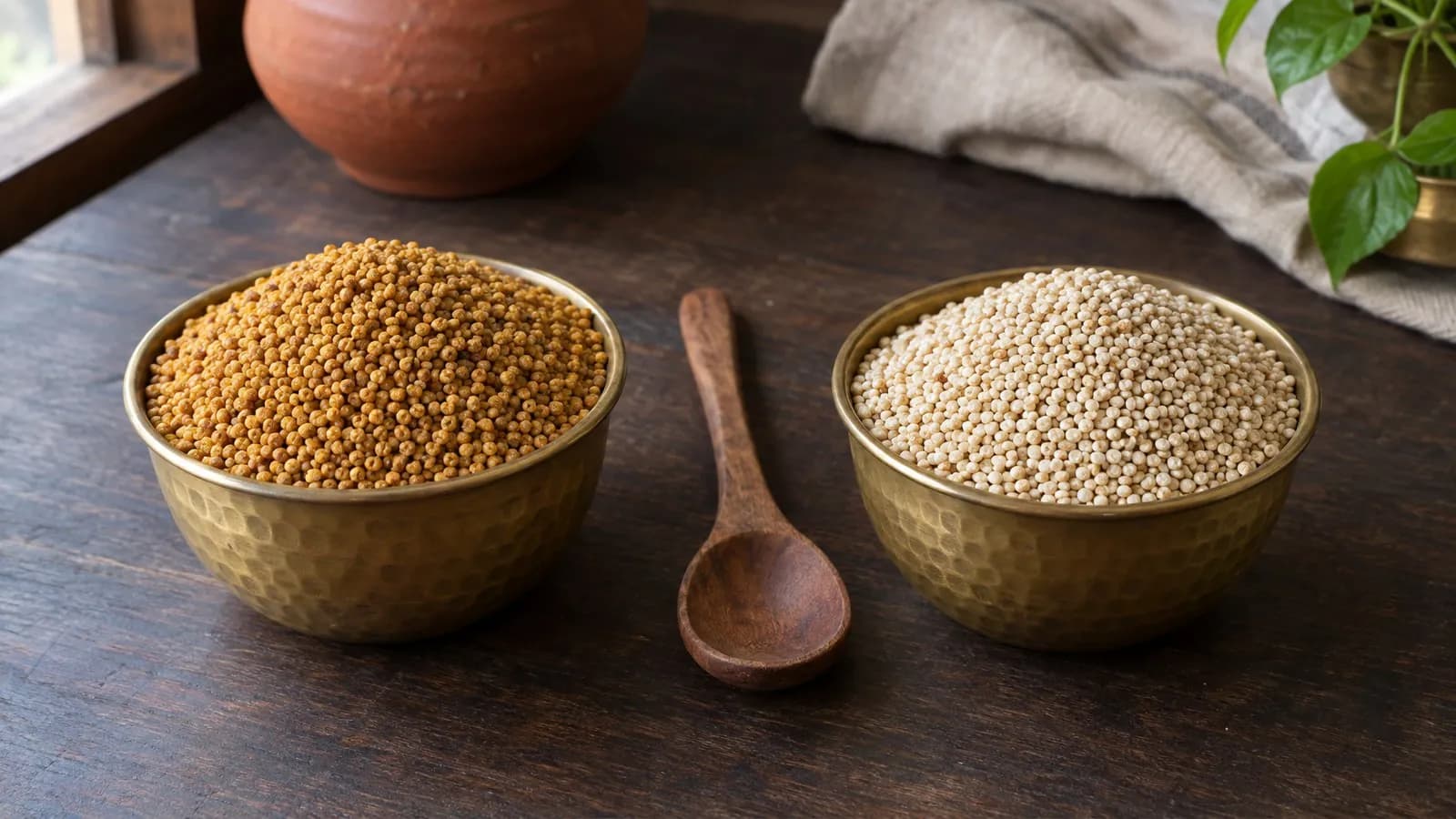
Foxtail millet vs quinoa: nutrition, taste and which to choose
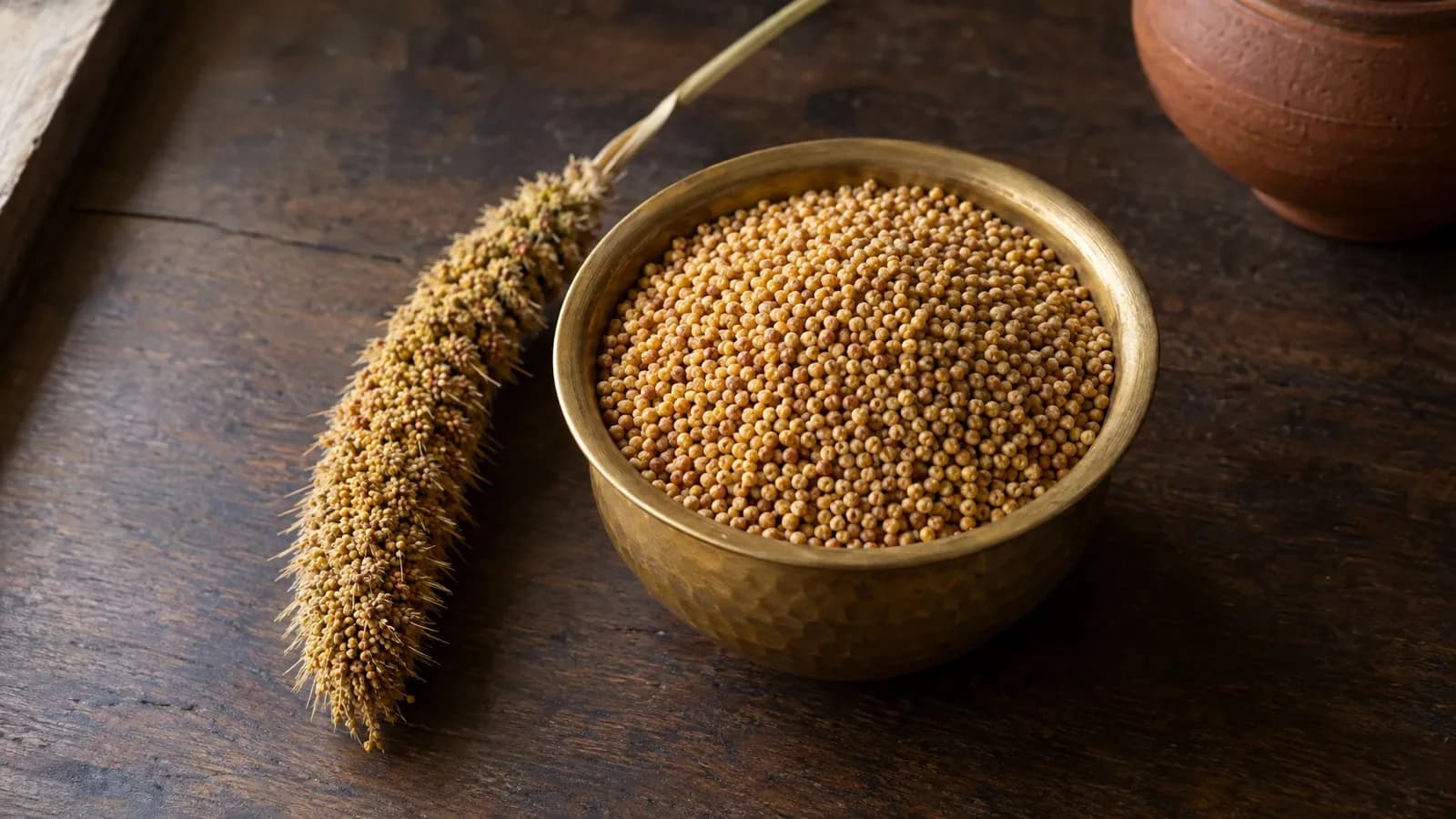
Foxtail millet in Kannada, Hindi, Tamil and other Indian names
10 benefits of kangni (foxtail millet) and its side effects