by COWBERRY

8 minute read
Jeera water benefits: cumin benefits and side effects

Jeera water benefits are small and mostly unproven: the teaspoon of cumin seeds behind a cup carries about 8 kcal, 0.5 mg of iron and 22 mg of calcium, and no cited study measures how much reaches the water. The sections separate what the numbers support from what none of the cited trials shows, then cover side effects and amounts. The seed itself is on the cumin seeds page.
Jeera water benefits: what the seeds in a cup hold
Jeera water is one teaspoon of cumin seeds (2.5 g) in a cup of water (240 ml), left overnight for eight to ten hours or boiled for five minutes, then strained; the step-by-step method is on the jeera water how to make page.
The teaspoon of seeds behind that cup carries about 8 kcal, 0.6 g of carbohydrate, 0.8 g of fibre, 0.35 g of protein, 0.5 mg of iron and 22 mg of calcium; none of the studies in the references measures how much of that passes into the water, and the cup has no caffeine and no sugar unless you stir it in yourself.
What the cup is not shown to do matters more than what it holds. A 2014 journal review of culinary herbs and spices, published in the International Journal of Molecular Sciences, puts the honest frame on it: because such foods are normally eaten in small quantities and with other foods, the size of any real health benefit is unclear. Take jeera water as a light flavoured water, and expect nothing from it beyond that arithmetic.
Cumin benefits, nutrient by nutrient
Cumin benefits begin and end with the nutrient figures, so each one below is tied to what IFCT 2017 lists and then scaled to the teaspoon actually eaten.
Iron
IFCT 2017 lists 20.58 mg of iron per 100 g of cumin seeds. The ICMR-NIN Dietary Guidelines call iron essential for making haemoglobin, the oxygen-carrying protein of the blood, and note that iron from plant foods is poorly bioavailable; they advise vitamin C rich fruits, such as guava or orange, after meals to improve absorption. At the real serving the number shrinks: one teaspoon (2.5 g) carries about 0.5 mg of iron, a small top-up, not a supply.
Calcium, potassium and magnesium
The minerals, per 100 g (IFCT 2017): 878 mg of calcium, 1886 mg of potassium, 442 mg of magnesium and 125 mg of sodium. The same guidelines credit minerals with keeping skin, hair, nails, blood and soft tissues intact and with governing nerve cell transmission, fluid balance and enzyme activity, and they pair sodium with potassium for balance. Per teaspoon the amounts land at about 22 mg of calcium, 47 mg of potassium and 11 mg of magnesium, real but garnish-sized.
Fibre
Total dietary fibre is 30.35 g per 100 g. The ICMR-NIN guidelines describe what fibre does: it delays the absorption of carbohydrate and fat, adds satiety, and increases the bulk of the stools, and they call it important for proper bowel function. A teaspoon of jeera contributes about 0.8 g of fibre, so the per-100 g figures of a spice are a profile to read, not a serving to eat.
Two figures are simply absent: IFCT 2017 lists no vitamin C value and no glycemic index for cumin seeds, and nothing else in the references supplies one. The full table, with cumin set beside coriander seeds and ajwain, sits on the jeera nutritional value per 100g page.
Jeera benefits in research: what is studied and what is shown
A 2021 review in Phytotherapy Research (Singh and colleagues) maps what cumin contains and what it is used for: alkaloids, flavonoids and terpenoids, with cuminaldehyde the major bioactive, plus a survey of traditional uses and of pharmacology that includes antioxidant, anti-inflammatory and antimicrobial activity. Much of that pharmacology is pre-clinical, and the review's closing line is the one to keep front and centre: well-designed clinical trials with proper placebo arms are still wanted before cumin's place in human health can be called trustworthy.
That is the gap between studied and shown. Activity in a laboratory preparation is a research direction, not a jeera benefit in people, and a 2014 journal review of herbs and spices adds the reasons: digestion, bioavailability and interactions with other foods may all stand between a spice's chemistry and any effect in the body. Traditional use is real and documented; measured human benefit, for cumin, mostly is not.
Cumin and blood sugar: what the eight trials found
The strongest human evidence for cumin and blood sugar comes from a 2021 meta-analysis in Phytotherapy Research by Karimian and colleagues, which pooled eight randomised controlled trials covering 552 adults. In the pooled result, fasting blood sugar on cumin supplements came out 17.77 mg/dl under the placebo reading; the interval around it ran from 36.42 mg/dl below to 0.87 mg/dl above, crossing zero, and the p value of .06 fell short of significance. Insulin and the HOMA-IR index of insulin resistance stayed statistically unchanged as well, with p values of .16 and .48.
The authors' verdict, in their own words, is that the trials do not support cumin supplements as a way to improve glycemic markers in adults. The estimates lean downward, but the trials do not show that cumin lowers blood sugar, and no such claim is made. What jeera does reliably is season a diabetic meal without adding carbohydrate of consequence; the full picture is on the jeera for diabetes patients page.
Cumin side effects: what the sources list and what they do not
Begin with the honest part: IFCT 2017 and the abstracts of the three reviews in the references list no side effects for cumin eaten as a spice in kitchen amounts. The 2021 review in Phytotherapy Research includes toxicology among its topics, and its summary attaches no specific warning to culinary use. Cumin is eaten by the pinch and the teaspoon, and no source in the references sets a group apart who must avoid it.
The cautions that do have support are about expectations, not the seed. Cumin capsules bought to bring blood sugar down are not supported by the eight trials. Cumin water sold as a weight-loss drink has no human evidence behind it in any of the references.
If you manage diabetes or take regular medicine, keep cumin as a seasoning, and check with your doctor or dietitian before reaching for cumin supplements, or before any spice takes the place of what was prescribed for you.
How much cumin per day, and how to eat it
No daily amount of cumin is recommended in any of the references: ICMR-NIN's Dietary Guidelines set none, and the eight trials tested supplements and did not show a significant effect on glycemic markers. The amounts the sources do give are kitchen ones, and they are small. One teaspoon (2.5 g) of seeds makes a cup of jeera water or a cup of cumin seeds tea; two teaspoons season the jeera rice recipe that serves four; two teaspoons go into the jeera aloo batch for four.
How to eat it is the easy part. Crackle whole seeds in a little ghee at the start of a dal or sabzi, use the powder in dry masalas and curd, or steep the seeds for the two drinks above. Store the seeds whole in a sealed jar and smell them before use; the buying and storage detail is on the cumin seeds guide.
FAQs
Why cumin seeds are good?
For the numbers on the label and the flavour in the pan. Per 100 g, cumin seeds hold 20.58 mg of iron, 878 mg of calcium, 442 mg of magnesium, 1886 mg of potassium and 30.35 g of fibre (IFCT 2017), at 305 kcal. A real teaspoon shrinks all of it: about 0.5 mg of iron, 22 mg of calcium, 0.8 g of fibre and 8 kcal. What that teaspoon reliably delivers is the jeera aroma.
Is jeera water good for health?
As a drink, yes: it is water steeped with a teaspoon of cumin seeds, with no caffeine and no sugar unless you add it, and the seeds behind a cup carry about 8 kcal. As a remedy, nothing is shown. A 2014 review in the International Journal of Molecular Sciences gives the reason: herbs and spices are normally eaten in small quantities with other foods, which leaves any genuine benefit unclear. Drink it for the taste, not as a medicine.
Does jeera water help in weight loss?
There is no weight-loss claim to make for jeera water, because none of the studies in the references shows human evidence for one. The seeds behind a cup carry about 8 kcal, and how much of it reaches the water is not measured. Swapped in for a sweetened drink, it saves the sweetener's calories and no more. Weight loss comes from the whole diet, not from a spoon of seeds in water.
Does jeera help in digestion?
Cumin carries a record of traditional uses, which the 2021 review in Phytotherapy Research surveys; the same review notes its numerous culinary and traditional attributes. Whether jeera measurably changes digestion in people is not shown by any of the trials in the references. Season with it freely, and expect no measured digestive effect.
Which jeera is used in jeera rice?
Whole cumin seeds, the ones used in the jeera rice and jeera aloo recipes on this site. For jeera rice the seeds are crackled in hot ghee first, about 15 to 20 seconds, and only then the rice joins the pan, so the seeds flavour the ghee before the rice goes in. Keep one jar of whole seeds; it covers rice, tadka and both drinks.
Does jeera cause constipation?
Nothing in the references lists jeera as a cause of constipation; it is eaten by the pinch and the teaspoon, with about 0.8 g of fibre per teaspoon. If your stomach disagrees with any food, cut it back and drink more water, and see a doctor if the problem stays. No digestion claim is made in either direction.
References
- Indian Food Composition Tables (IFCT) 2017, ICMR-National Institute of Nutrition
- Dietary Guidelines for Indians, ICMR-National Institute of Nutrition
- Singh N, Yadav SS, Kumar S et al. A review on traditional uses, phytochemistry, pharmacology, and clinical research of dietary spice Cuminum cyminum L. Phytother Res, 2021
- Karimian J, Farrokhzad A, Jalili C. The effect of cumin (Cuminum cyminum L.) supplementation on glycemic indices: A systematic review and meta-analysis of randomized controlled trials. Phytother Res, 2021
- Opara EI, Chohan M. Culinary herbs and spices: their bioactive properties, the contribution of polyphenols and the challenges in deducing their true health benefits. Int J Mol Sci, 2014
Shop this article
Keep reading
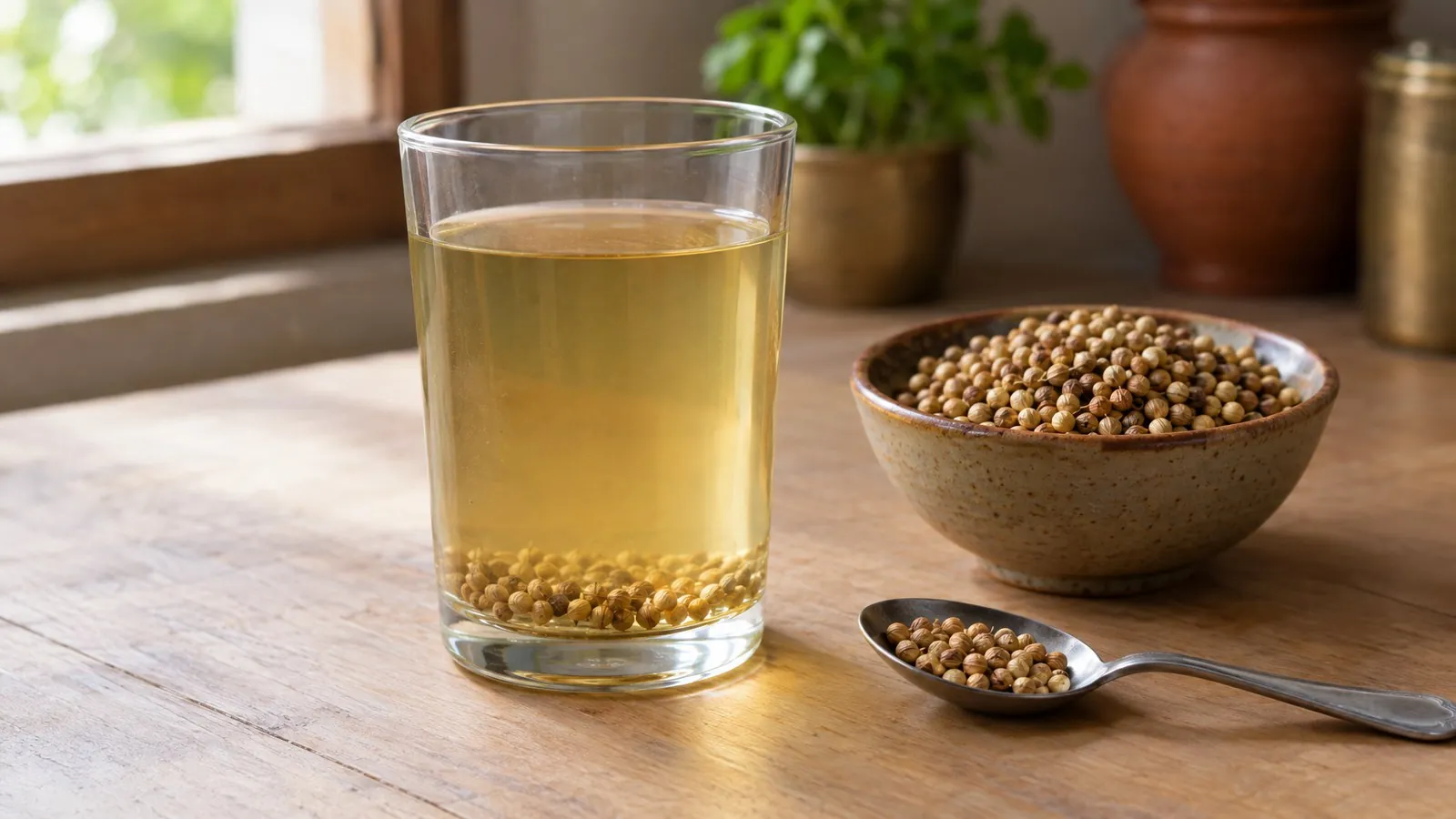
Coriander water benefits: what dhania water actually does
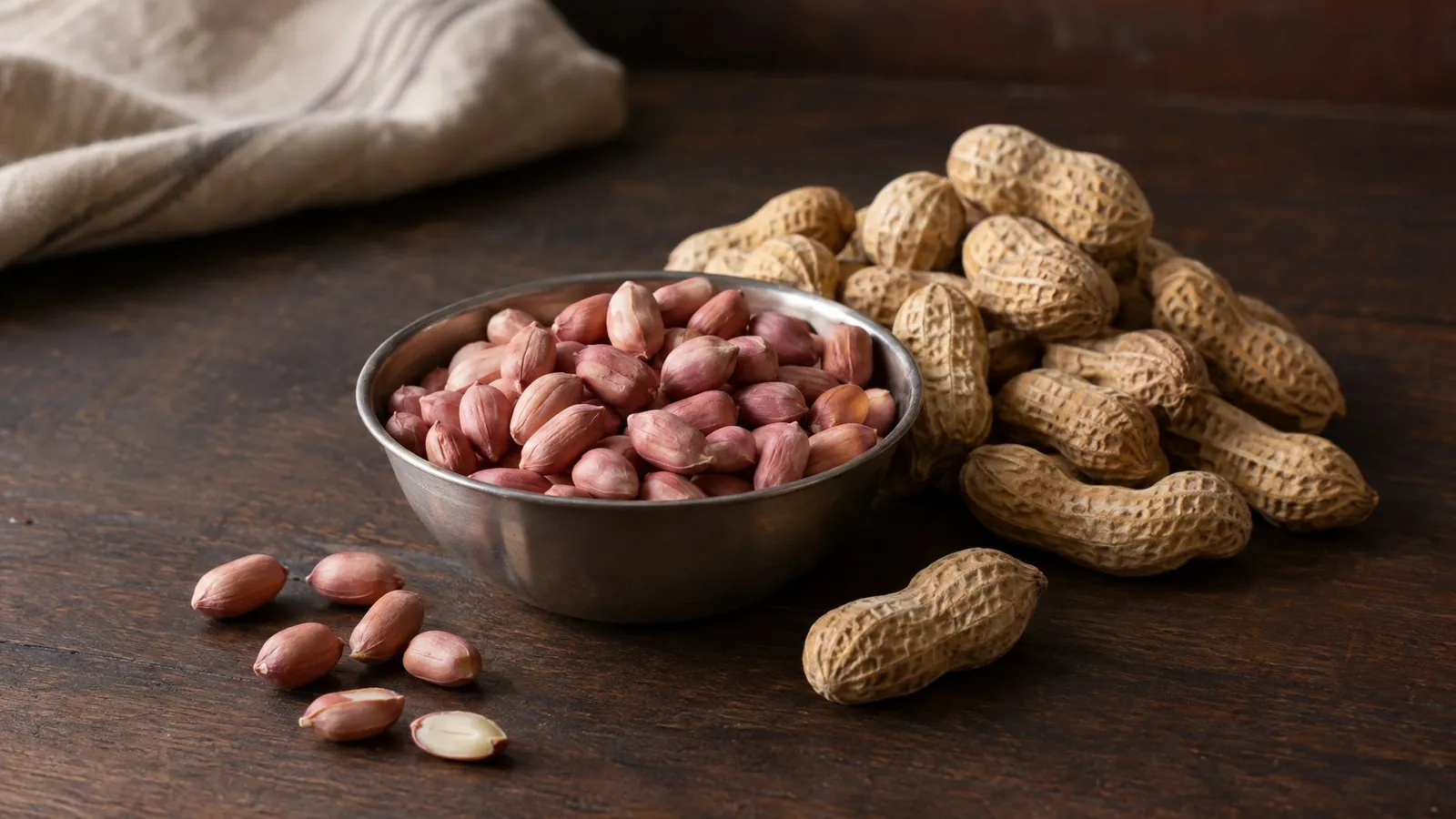
Peanuts in Hindi (moongfali): groundnut names in Indian languages
Coriander vs cilantro: are they the same herb?