
Ragi mudde
Preparation Time
5 minutes
Cooking Time
20 minutes
Difficulty Level
moderate
Meal Type
Lunch
Serves 3
Key Ingredients
- Ragi (finger millet) flour
About This Recipe
Ragi mudde, or mudde oota, is the everyday lunch of the old Mysuru region: Mandya, Mysuru, Ramanagara, Hassan, Tumakuru and the villages around Bengaluru, where ragi is a staple grain. Farmers ate it before a long day in the fields; today it is served the same way at roadside military hotels and in city homes on a Sunday, with bassaru, uppusaaru or a mutton saaru.
This is the classic method: water boils first, the flour goes in as a heap and cooks in the steam, and only then is it beaten smooth with the mudde kolu, the wooden stick with a flat end that every Karnataka kitchen keeps for this one job. A small slurry of flour stirred into the water at the start keeps the centre of the ball from staying raw, and a teaspoon of ghee keeps the dough soft.
A good mudde is smooth, springy and slightly sticky, with no dry pockets of flour. It is not chewed: you pinch off a piece, dip it in saaru and swallow. Sprouted ragi flour gives a paler, sweeter ball. Some homes add a spoon of rice flour for a softer mudde, or leave out the salt because the saaru carries it.
Ingredient List
Serving Size:
1x
2x
3x
Mudde
- Ragi (finger millet) flour — 1 1/4 cup
- Water — 3 cups
- Cold water, for the slurry — 1/4 cup

- Salt — 1/2 tsp
- Ghee (1 tsp for the water, 1 tsp on each mudde) — 4 tsp
To shape and serve
- Cold water, for wetting the bowl and your hands — 1/2 cup
- Bassaru, uppusaaru or any thin saaru, hot — 2 cups
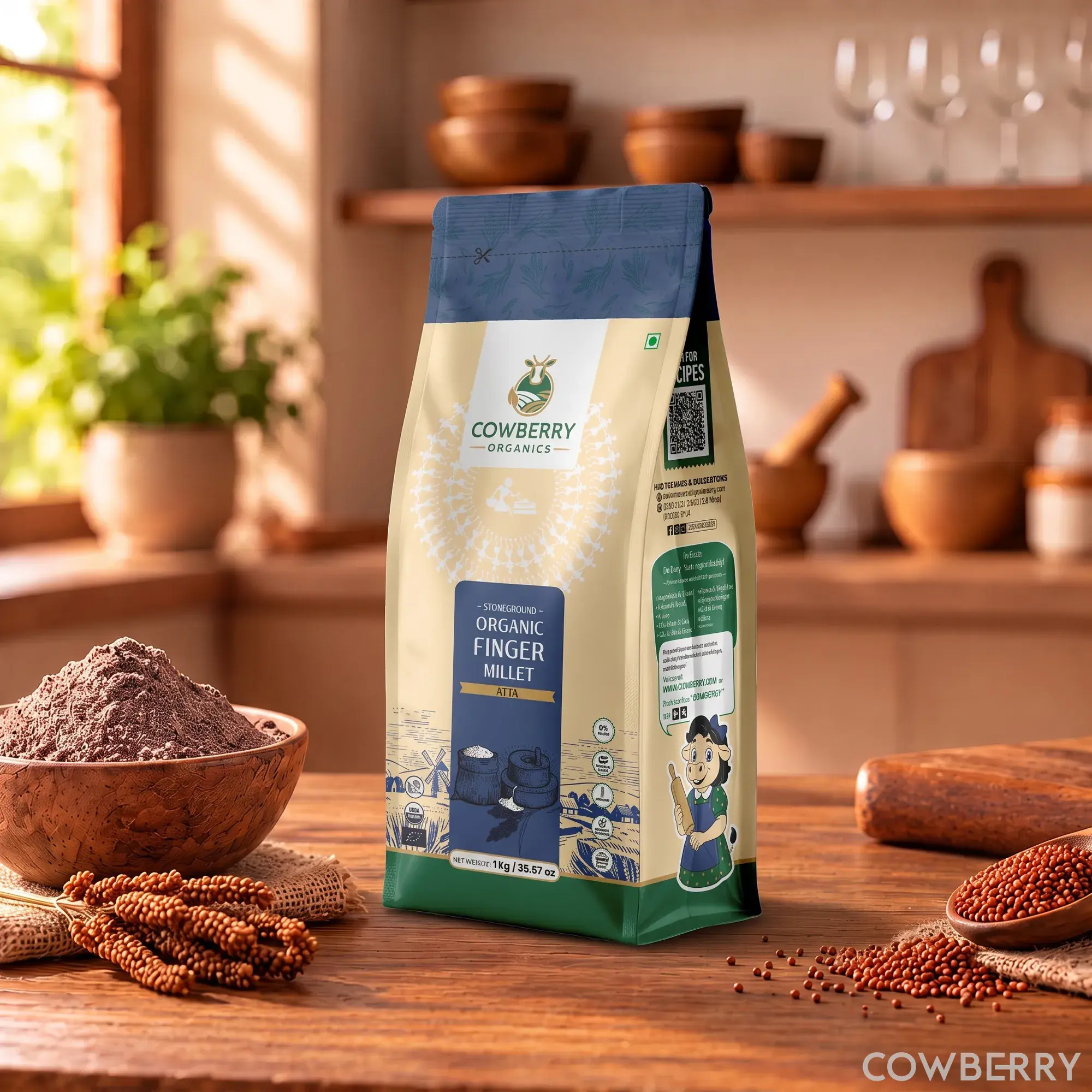
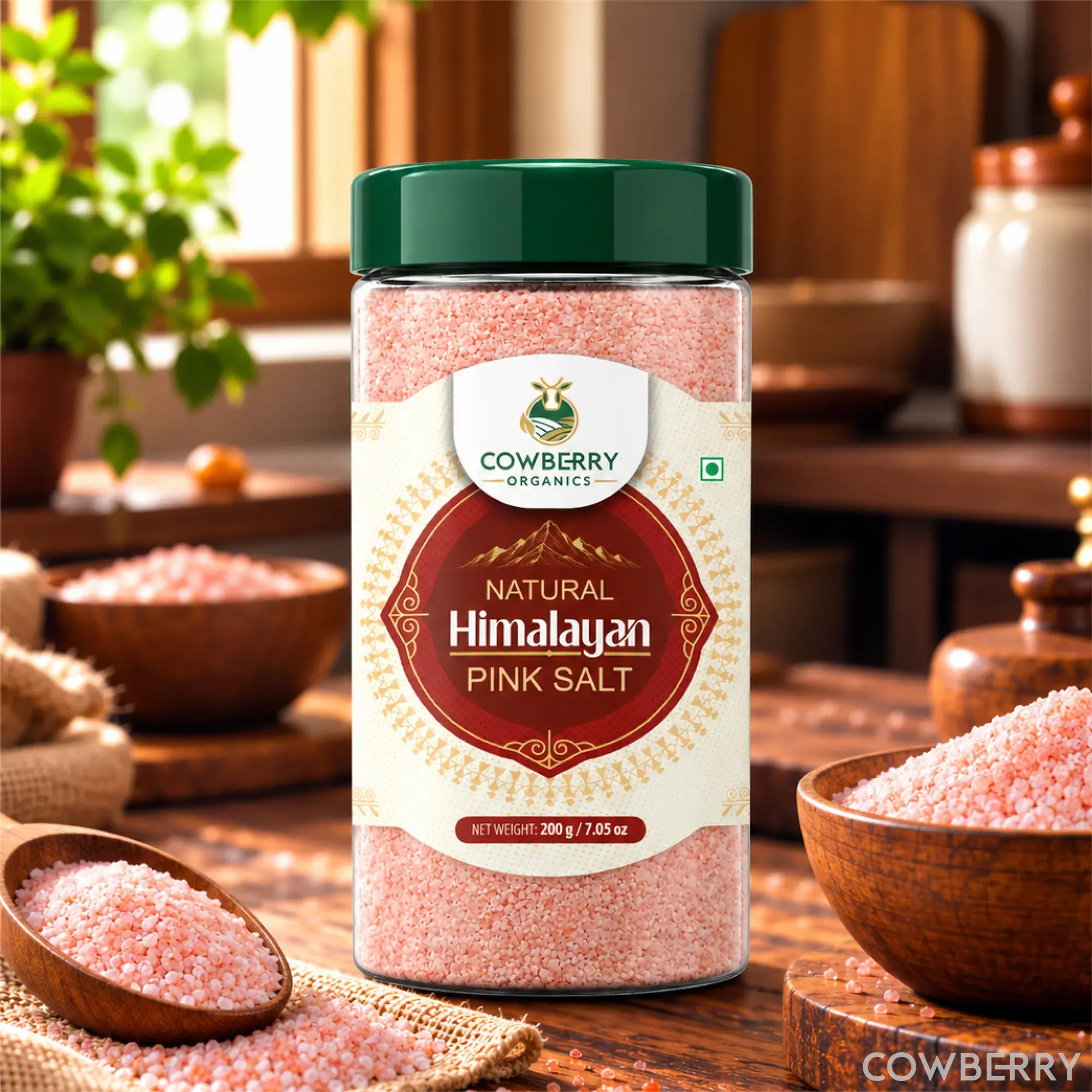
Skip The Store !
Get all you need for the recipe in just a few clicks

Serving Suggestions
Serve each mudde in a wide, shallow bowl with hot bassaru (the thin dal-and-greens saaru made from the water the dal was cooked in), uppusaaru, soppu saaru or, in non-vegetarian homes, a peppery mutton or chicken saaru. A spoon of ghee on top, a piece of raw onion and a green chilli on the side complete the plate. For the rest of the meal, see the ragi recipes roundup.
Tips for Cooking Ragi mudde
Keep the water at about two and a half times the flour by volume and use a heavy pan; a thin one scorches the base before the flour cooks. Do not stir the heap until it has steamed; that is where lumps come from. Shape with wet hands while the dough is hot, and eat mudde hot, because it turns firm as it cools. Leftover mudde, kept in the fridge overnight, can be sliced and pan-fried the next morning.

Chef’s Note
Mudde is only as good as its flour. Recently milled ragi gives a deep brown, faintly sweet ball; flour kept open for months turns rancid, and no saaru hides that. One mudde, a third of this recipe with 1 1/3 tsp of ghee, comes to about 220 kcal, 5.6 g fibre and 182 mg calcium.
Per serving (approx.): 220 kcal, protein 3.6 g, carbs 33 g, fat 7.6 g, fibre 5.6 g. Computed from IFCT 2017 / USDA values for the listed quantities. Measures: 1 cup = 240 ml, 1 tbsp = 15 ml, 1 tsp = 5 ml.
Happy Cooking !!
!!
ByCOWBERRY
Jul 25, 2026
Recipes You’ll Love
More everyday cooking with COWBERRY organics, from the same kitchen.

Preparation Time
10 Min
Cooking Time
20 Min
Difficulty Level
easy

Preparation Time
10 Min
Cooking Time
30 Min
Difficulty Level
easy

Preparation Time
20 Min
Cooking Time
25 Min
Difficulty Level
moderate