
Puliyogare
Preparation Time
13 minutes
Cooking Time
42 minutes
Difficulty Level
moderate
Meal Type
Lunch
Serves 4
Key Ingredients
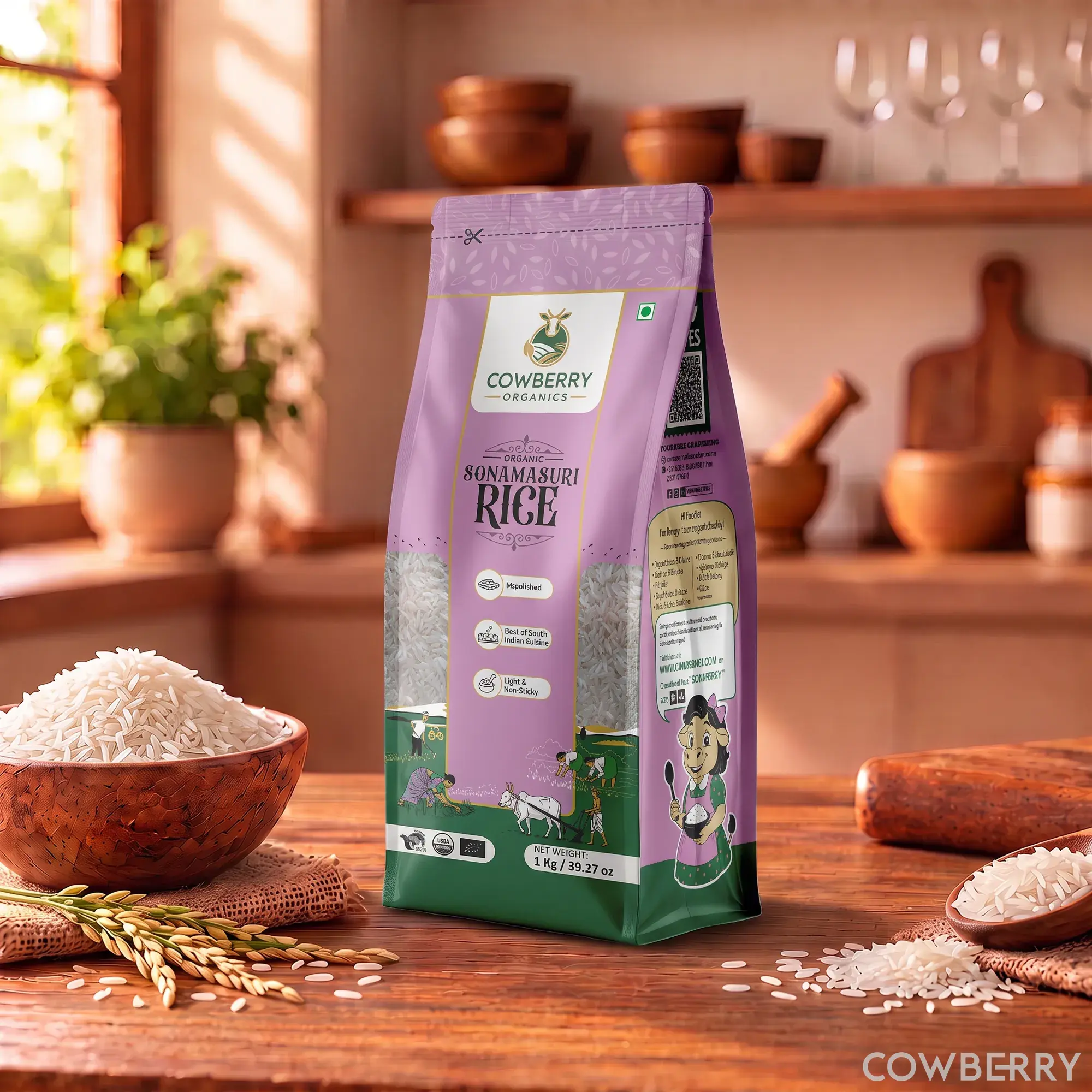
- Sona masoori rice
About This Recipe
Puliyogare is the mixed rice of Karnataka temples, handed out as prasad in leaf cups and made at home for journeys: plain rice folded with a dark, glossy gojju that carries all the flavour. The gojju is the whole dish, and it is made first or made ahead, because the rice itself is deliberately plain, cooked only with salt.
How to make tamarind rice at home comes down to two jobs. Cook the rice with two cups of water to a cup, then spread it on a plate to cool completely, or the hot grains drink the gojju and turn to mush. Meanwhile, soak the tamarind in hot water, roast and grind the sesame and groundnuts, and simmer the extract with jaggery until thick and glossy. The balance is tamarind against jaggery, sour held by sweet, and the tempering is the usual set: mustard, the two dals, chillies and curry leaves in oil.
The grain is sona masoori, which stays separate the way a mixed rice needs; our guide to rice (chawal) covers the grain itself. The coconut cousin of the same cooled-rice trick is coconut rice, and the cool, curd-set partner for the same leaf is curd rice.
Ingredient List
Serving Size:
1x
2x
3x
Rice
- Sona masoori rice — 1 1/2 cups
- Water — 3 cups

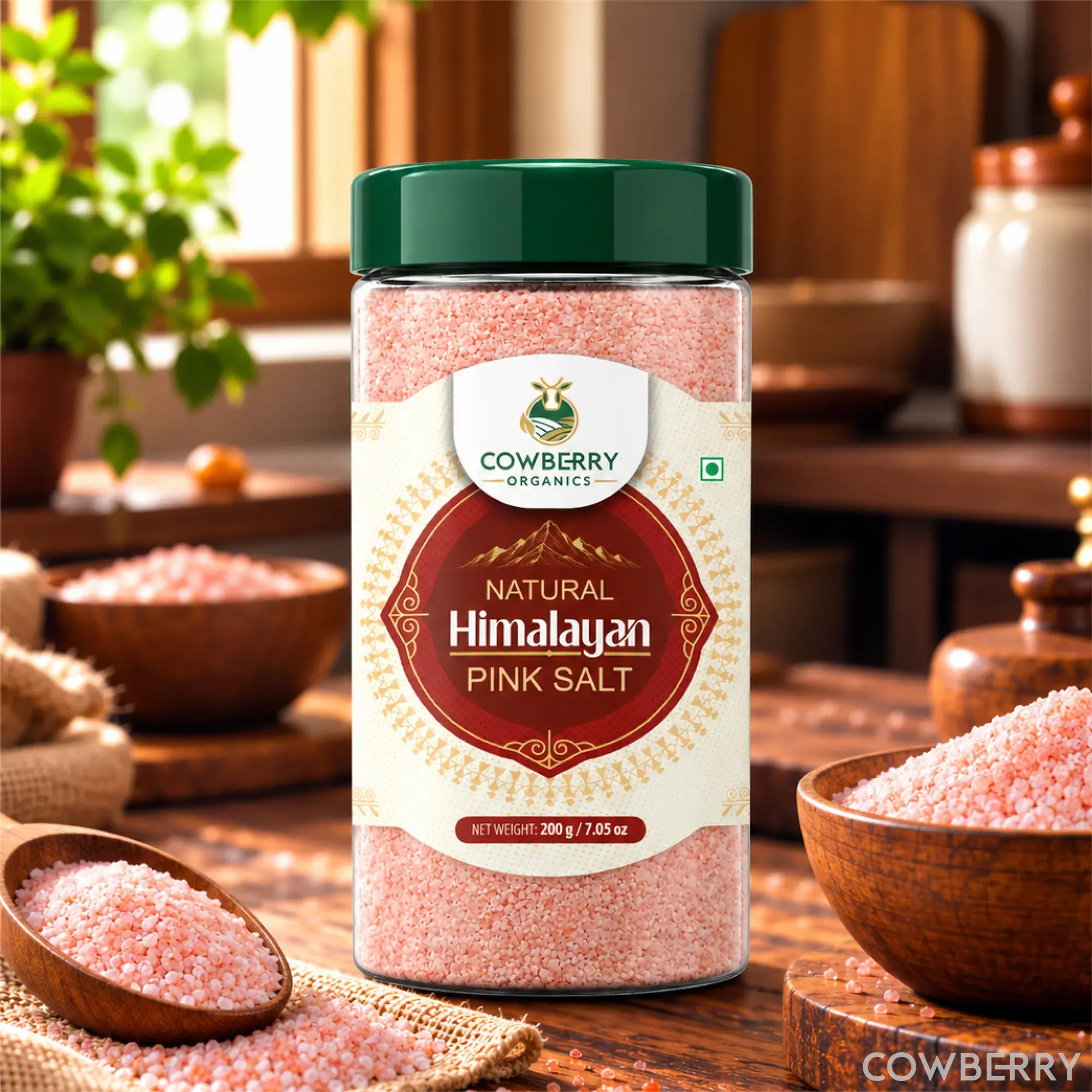
- Salt — 1 tsp
Gojju
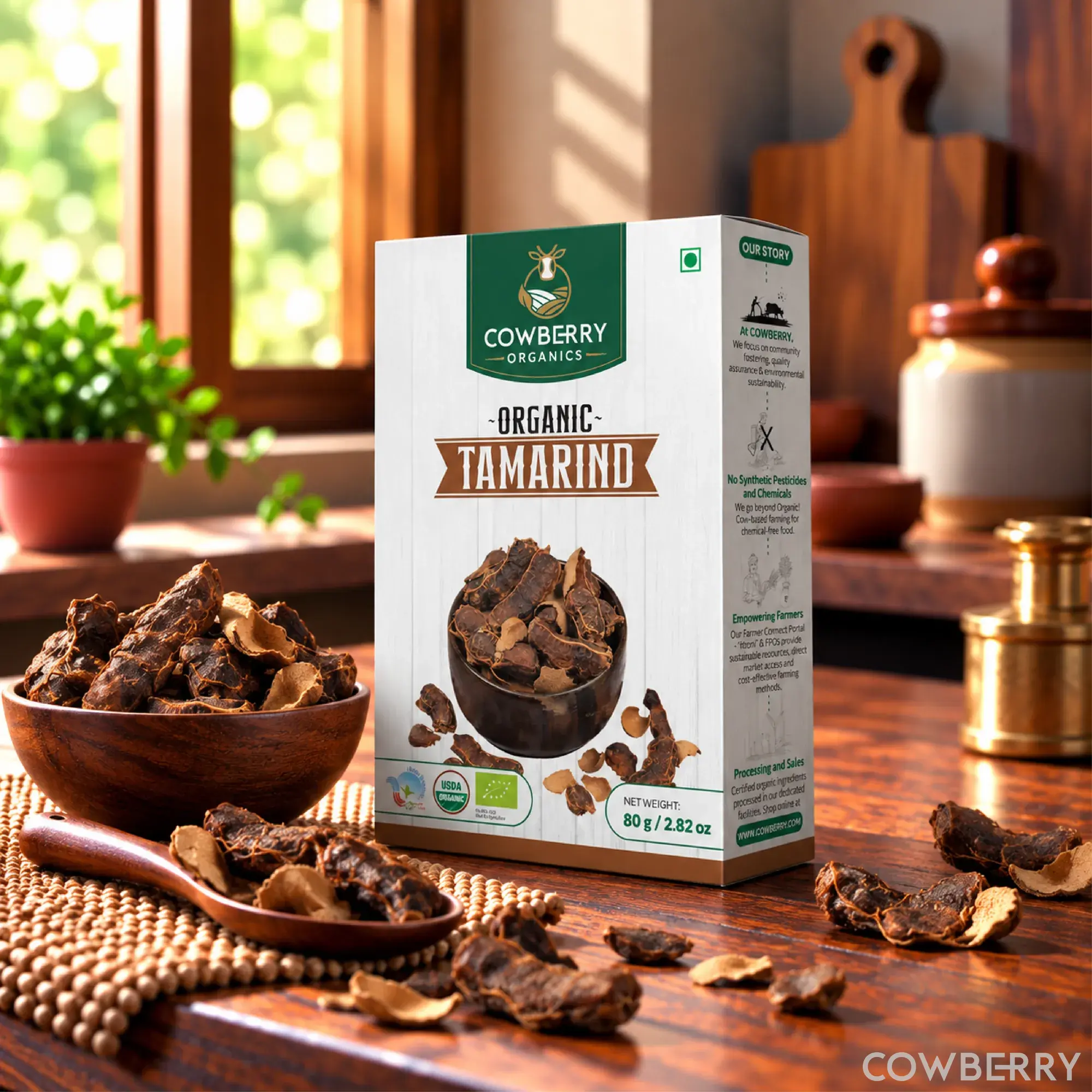
- Tamarind pulp — 2 tbsp
- Hot water for the tamarind — 1 cup
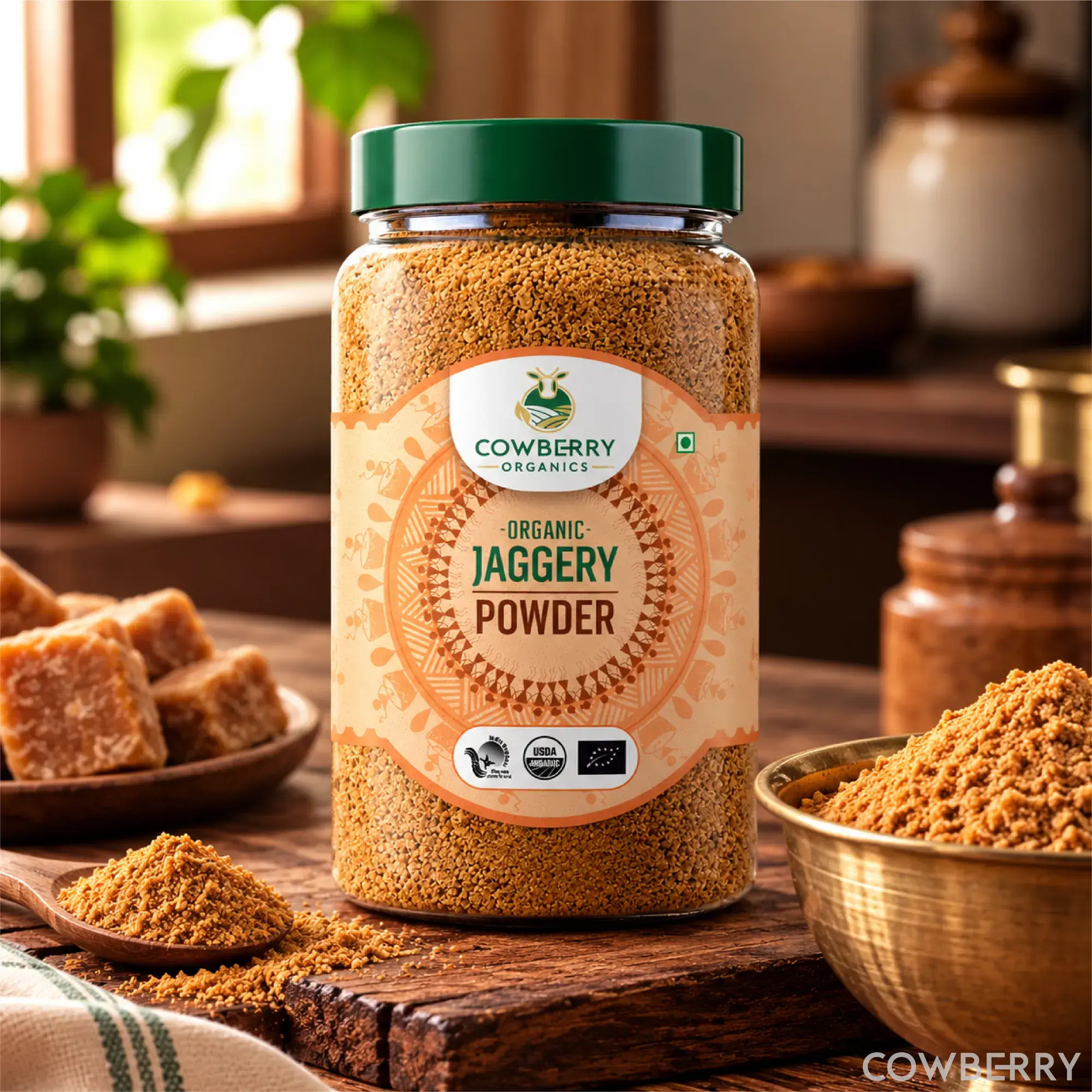
- Jaggery powder — 2 tbsp
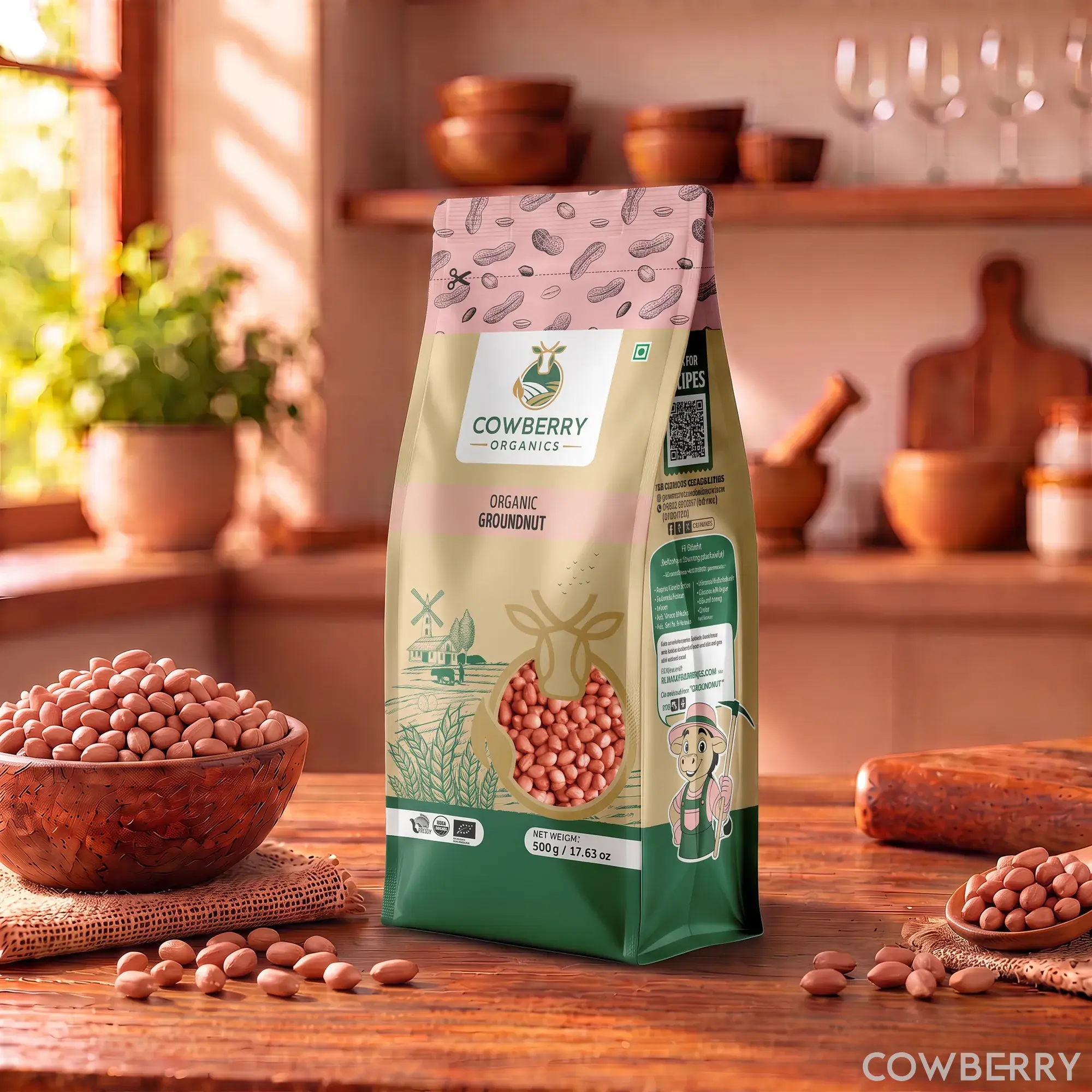
- Groundnuts — 1/4 cup
- White sesame seeds — 2 tbsp
Tempering
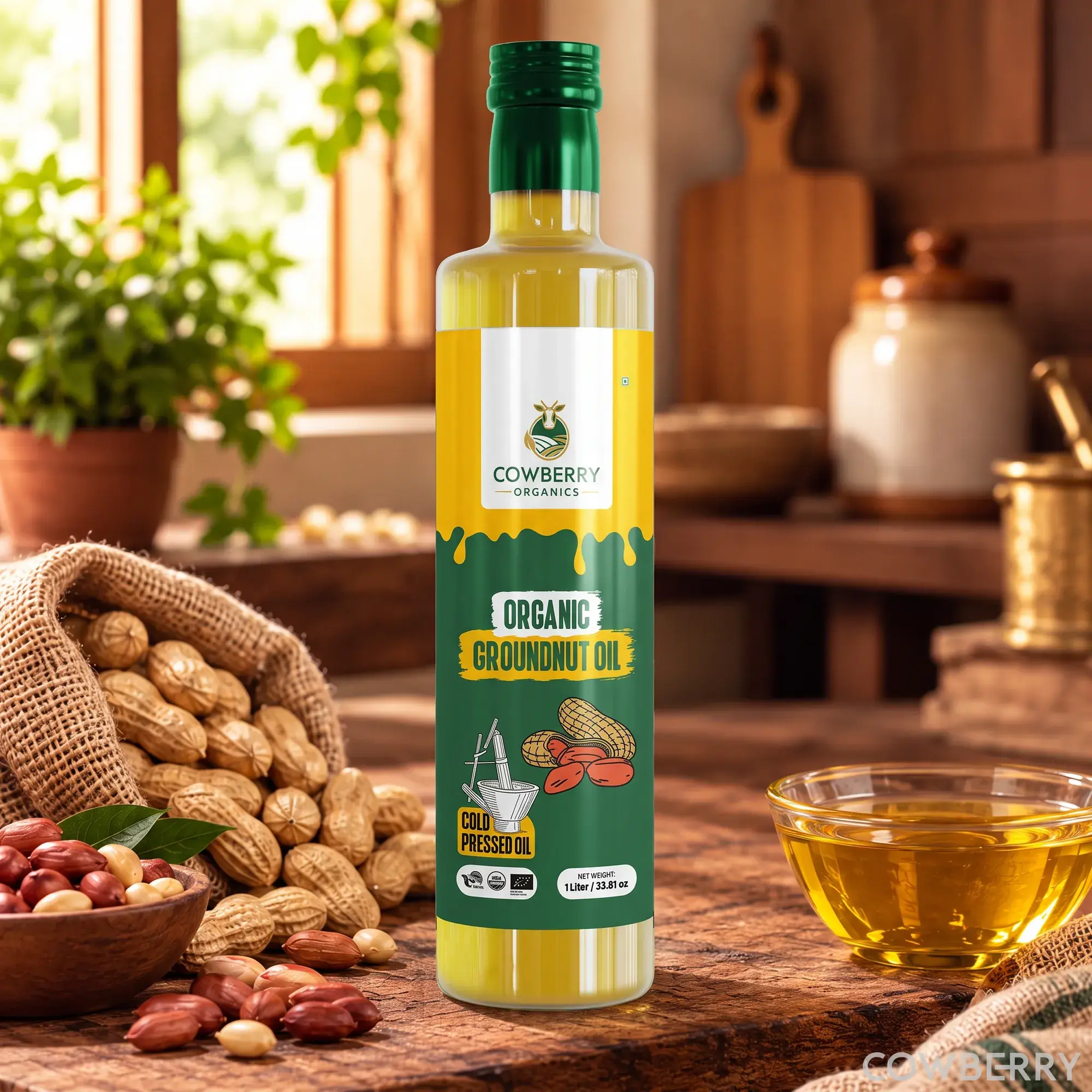
- Groundnut oil — 2 tbsp

- Mustard Seeds — 1 tsp

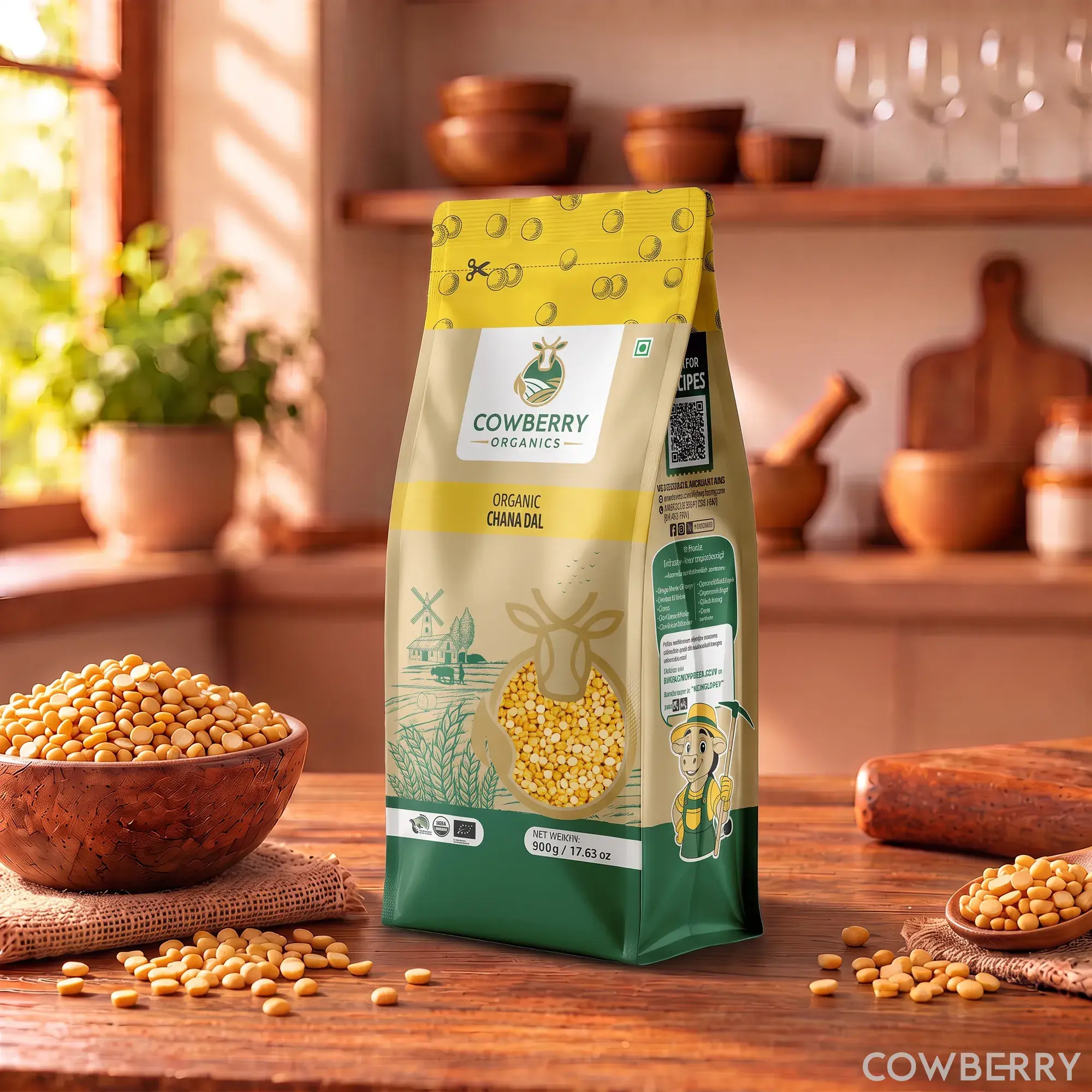
- Chana Dal — 1 tbsp

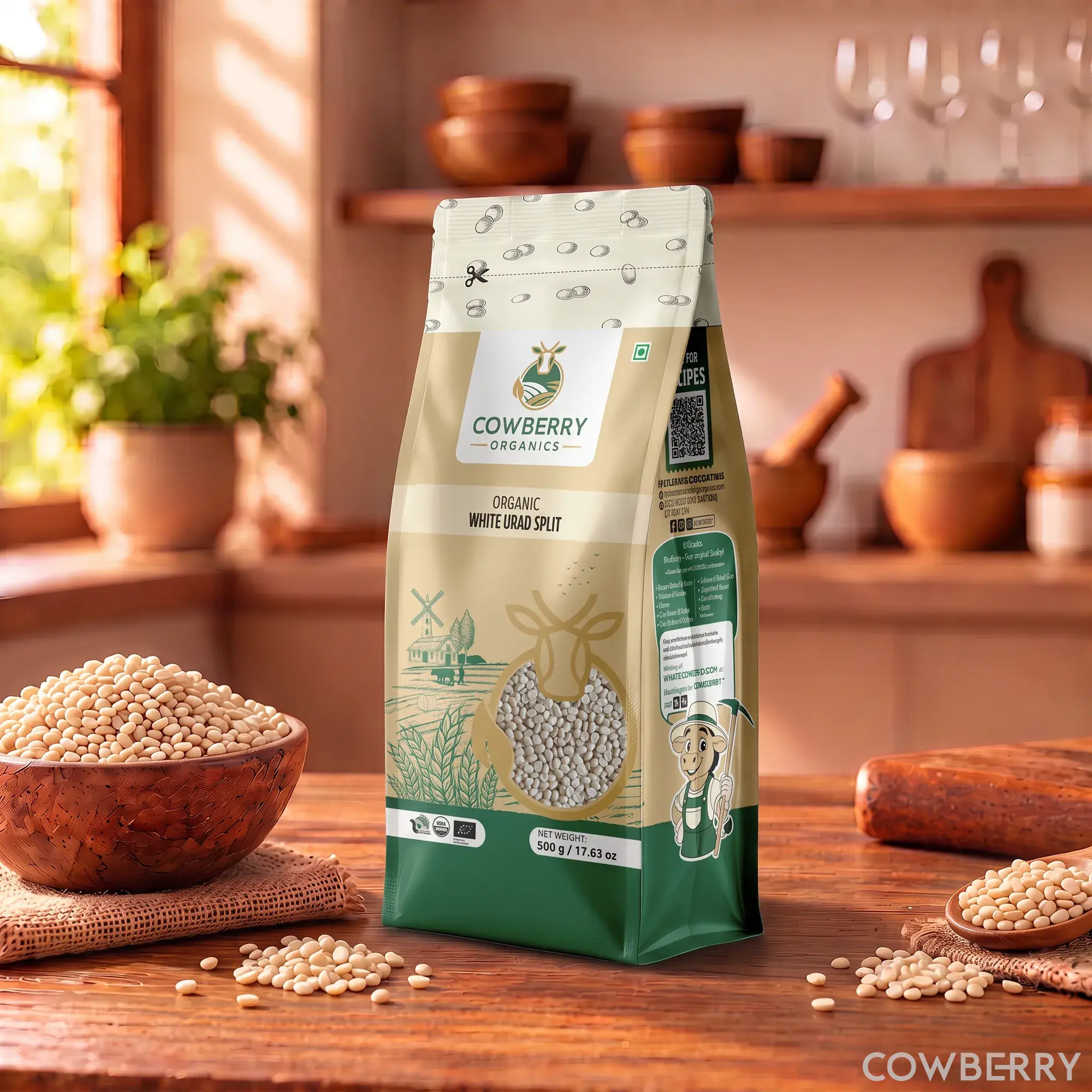
- White Urad Dal — 1 tbsp
- Dried red chillies, broken — 3 pieces

- Curry Leaves — 1 sprig
- Hing (asafoetida) powder — 1/4 tsp

- Turmeric Powder — 1/4 tsp
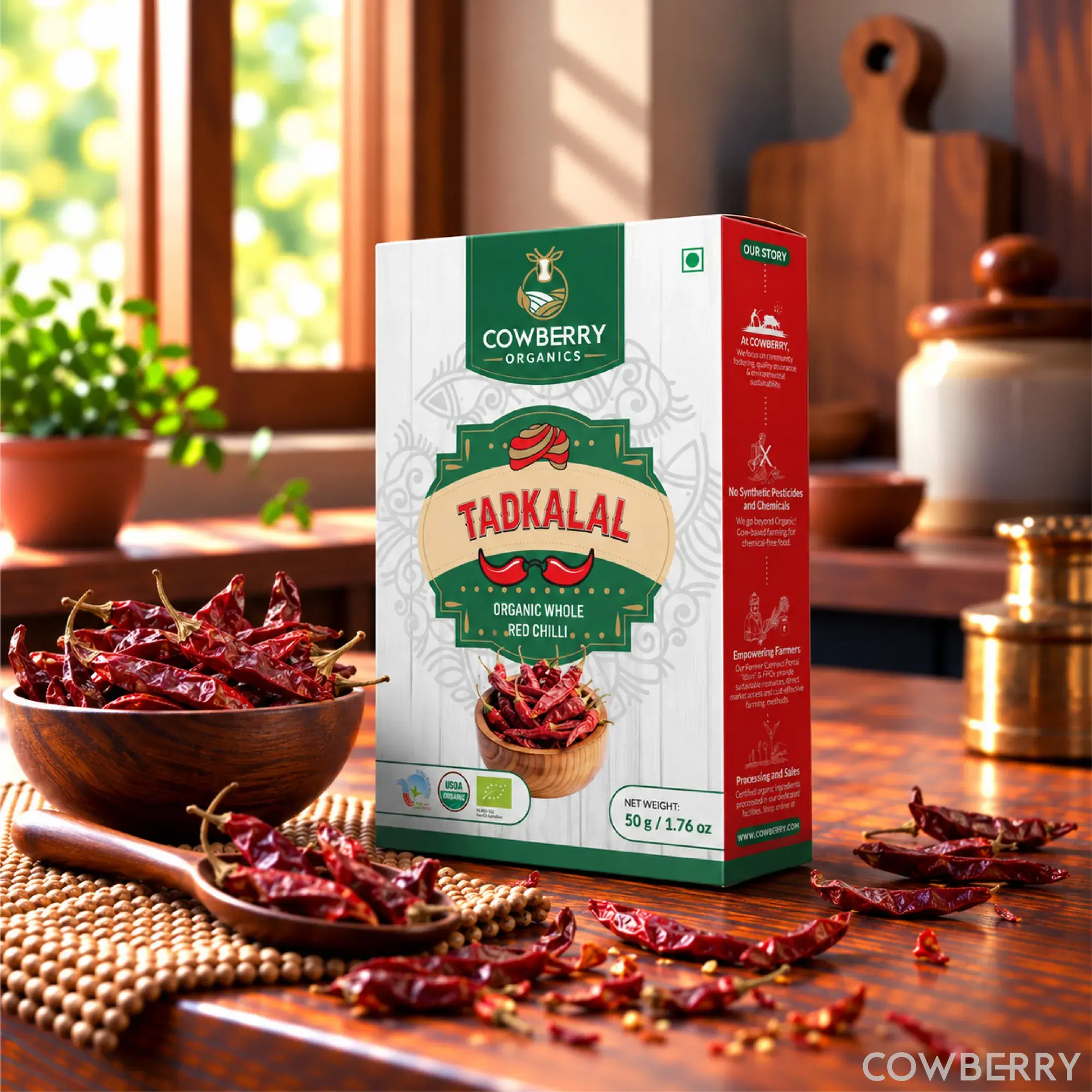
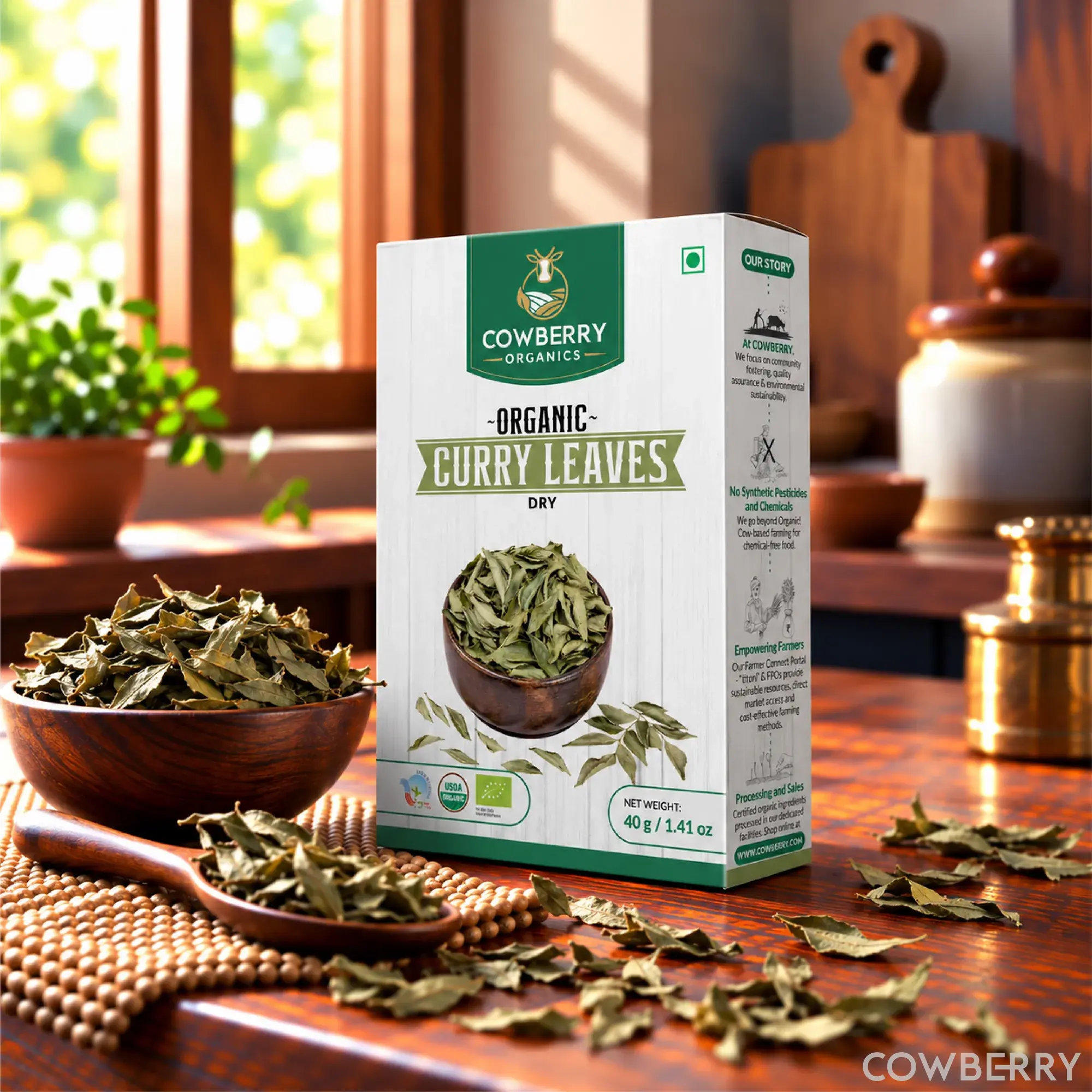
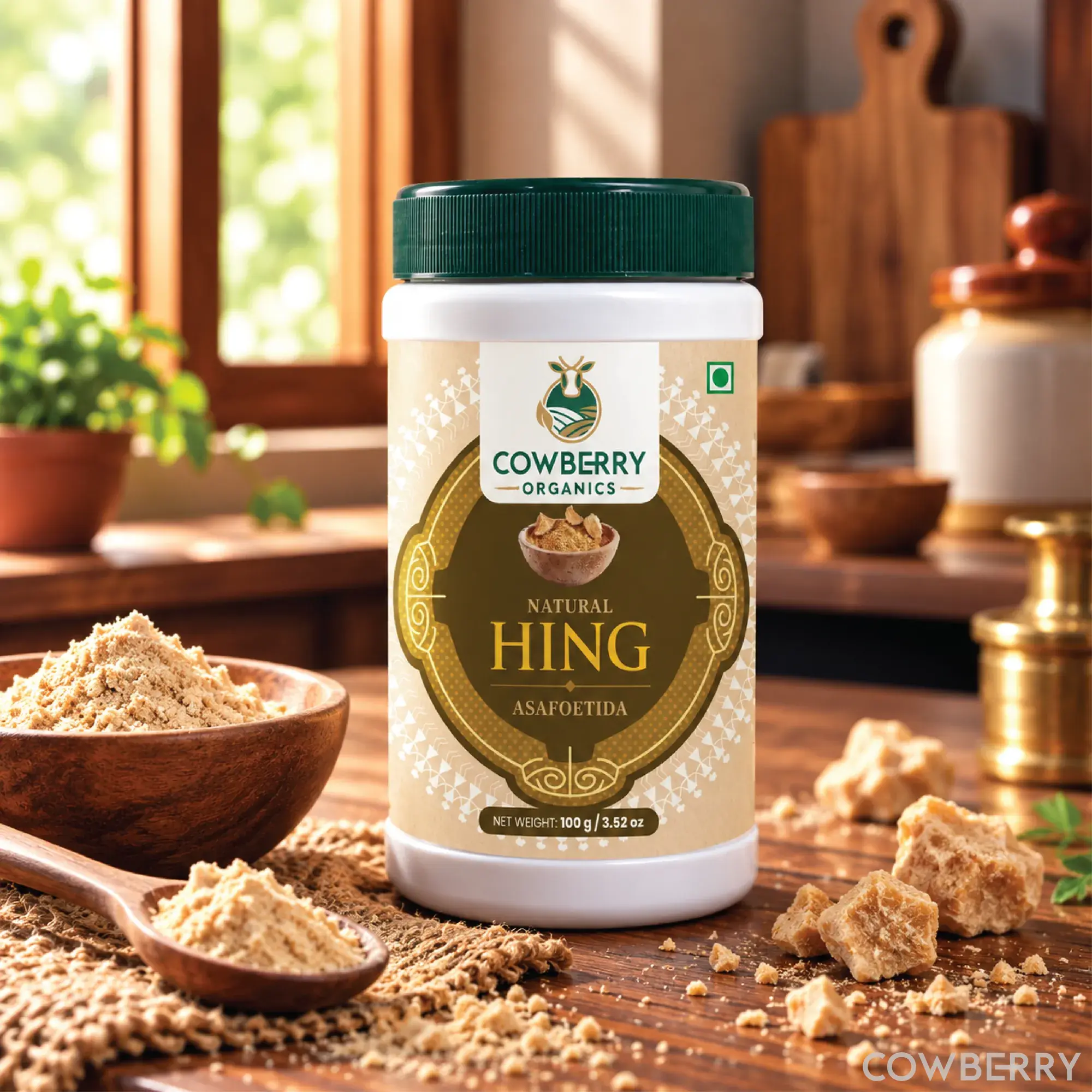
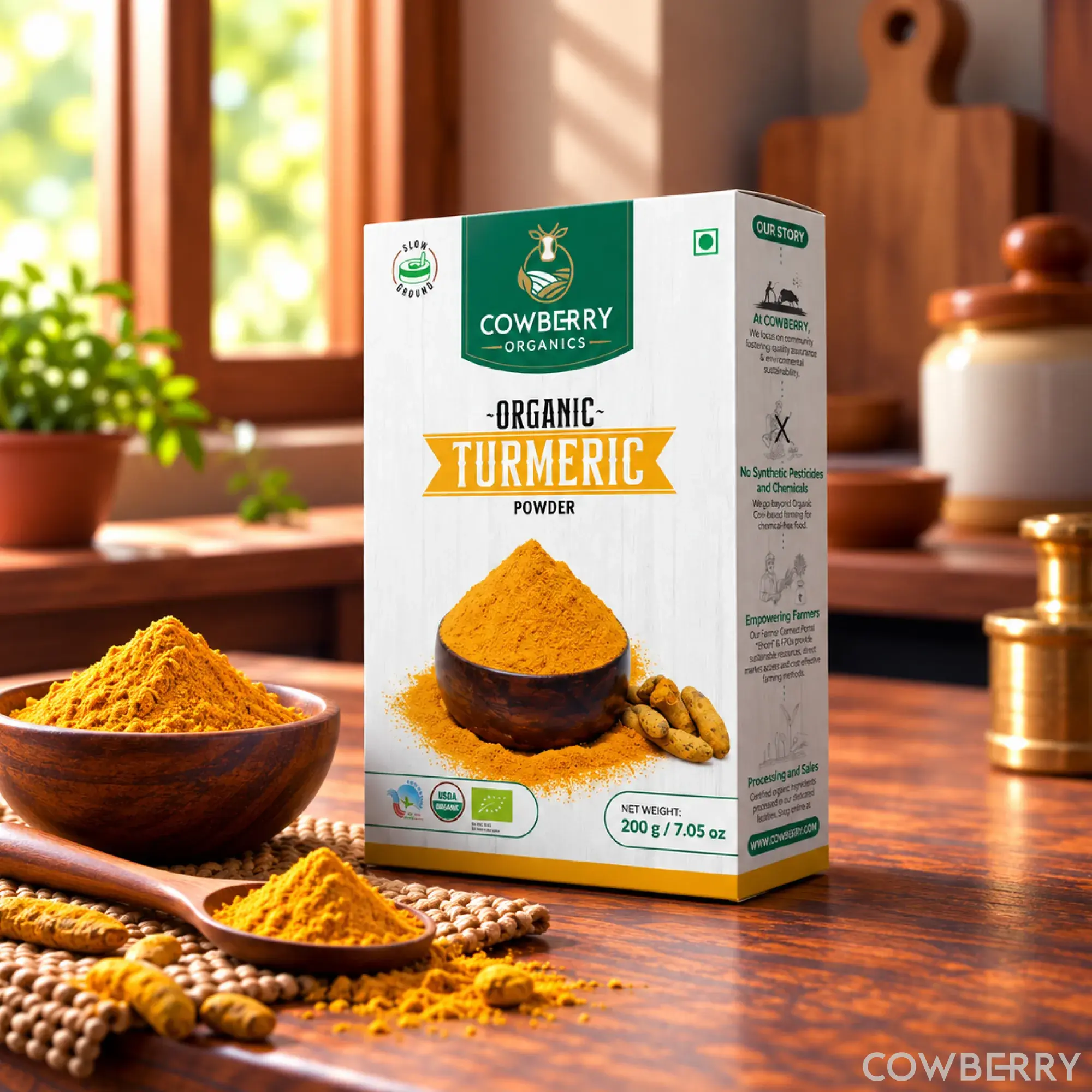
Skip The Store !
Get all you need for the recipe in just a few clicks


Serving Suggestions
Serve at room temperature in leaf cups or bowls, with fried papad, pickle or a dot of ghee over the rice. It is the classic travel food and a good lunchbox, since it is meant to be eaten at room temperature. Kept covered in the fridge it lasts up to two days, brought back to room temperature before eating.
Tips for Cooking Puliyogare
Cool the rice completely before the gojju goes in, or the dish turns pasty. Simmer the gojju until it looks glossy and a line drawn through it holds for a second; undercooked tamarind tastes raw. Stir the ground sesame and groundnut powder in at the very end, off the flame, so the aroma stays. Taste the gojju before you add all the jaggery, since tamarind sours vary.

Chef’s Note
Make a double batch of gojju and keep the extra in the fridge, up to two days, for the next pot of rice. A serving comes to about 451 kcal, 9.4 g of protein and 4.2 g of fibre; the numbers count the rice, tamarind, groundnuts, sesame, oil and jaggery, and the tempering spices are not in them.
Per serving (approx.): 451 kcal, protein 9.4 g, carbs 72 g, fat 13 g, fibre 4.2 g. Computed from IFCT 2017 / USDA values for the listed quantities. Measures: 1 cup = 240 ml, 1 tbsp = 15 ml, 1 tsp = 5 ml.
Happy Cooking !!
!!
ByCOWBERRY
Sep 25, 2026
Recipes You’ll Love
More everyday cooking with COWBERRY organics, from the same kitchen.

Preparation Time
16 Min
Cooking Time
20 Min
Difficulty Level
easy

Preparation Time
5 Min
Cooking Time
35 Min
Difficulty Level
easy

Preparation Time
32 Min
Cooking Time
22 Min
Difficulty Level
moderate