
Makki upma (maize upma)
Preparation Time
10 minutes
Cooking Time
15 minutes
Difficulty Level
easy
Meal Type
Breakfast
Serves 3
Key Ingredients
- Maize (makki) flour
About This Recipe
Upma is usually made with rava, but the same temper-and-steam method works with makki atta, the flour of the maize grain. Roasting the flour in the tempering cooks out the raw cereal taste, and adding the water hot stops the flour from clumping, so the upma comes out grainy and soft instead of a stiff paste.
This version rests the cooked upma off the flame before serving, which is what keeps it loose in the bowl; the carrot and green peas go in before the flour, so the upma is a vegetable breakfast rather than a plain starch.
Use cold-pressed groundnut oil instead of ghee for a vegan bowl, or skip the vegetables and add a second green chilli for a plain upma to eat with pickle and curd. Any leftovers keep fine in the fridge for up to two days, and a splash of hot water while reheating brings back the soft grain. Makki atta is maize ground into flour and has no gluten; if you cook gluten-free, check every pack you buy.
Ingredient List
Serving Size:
1x
2x
3x
Upma
- Maize (makki) flour — 1 cup
- Hot water — 3 cups

- Salt — 1 tsp
Tempering

- Ghee — 2 tbsp

- Mustard Seeds — 1 tsp

- Cumin Seeds — 1/2 tsp
- Hing (asafoetida) powder — 1/4 tsp

- Curry Leaves — 10 leaves
- Green chilli, finely chopped — 2 pieces
- Ginger, grated — 1 tsp
Vegetables
- Onion, finely chopped — 1 piece
- Carrot, finely diced — 1 piece

- Green Peas — 1/4 cup
To finish
- Lemon juice — 1 tbsp
- Fresh coriander leaves, chopped — 2 tbsp
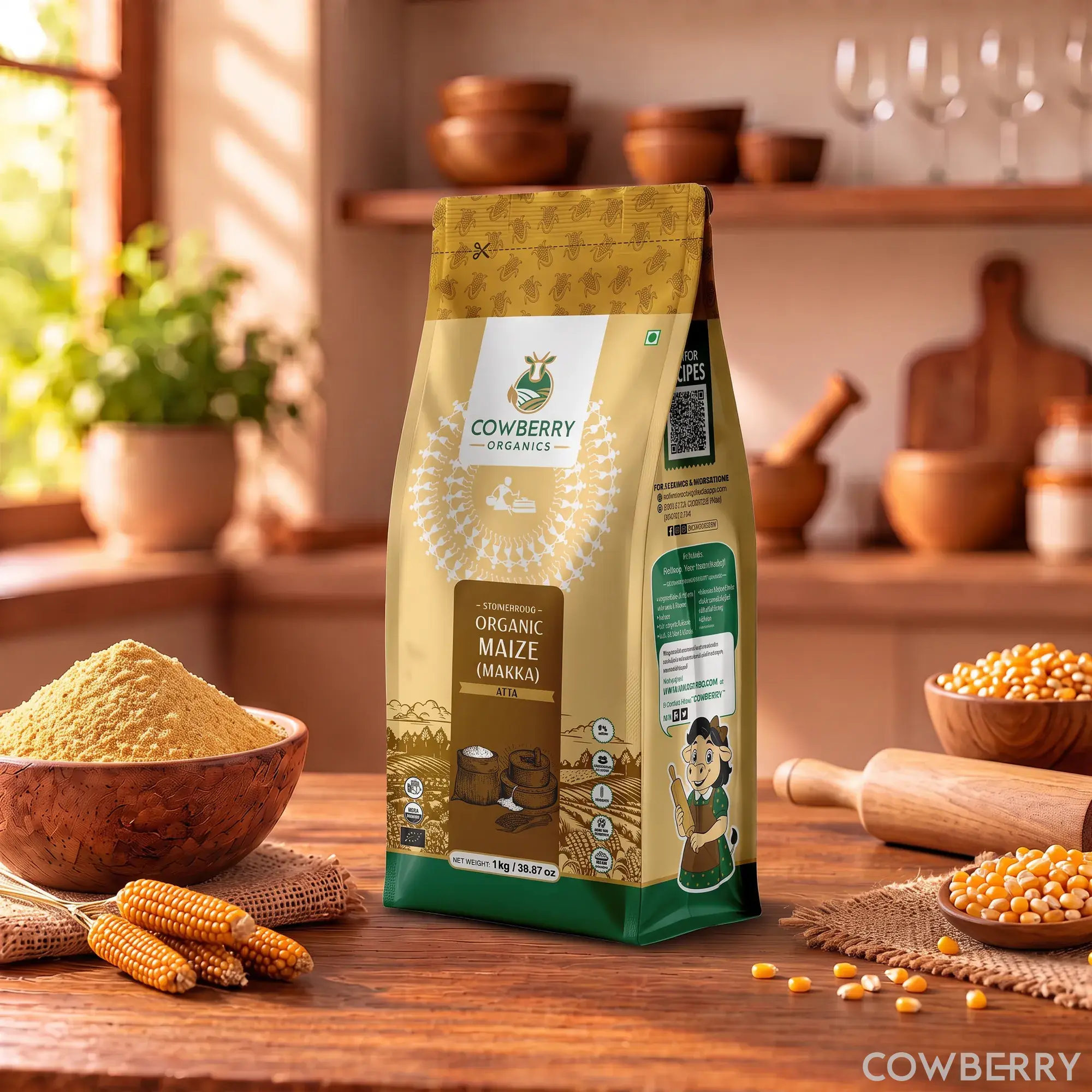
Skip The Store !
Get all you need for the recipe in just a few clicks
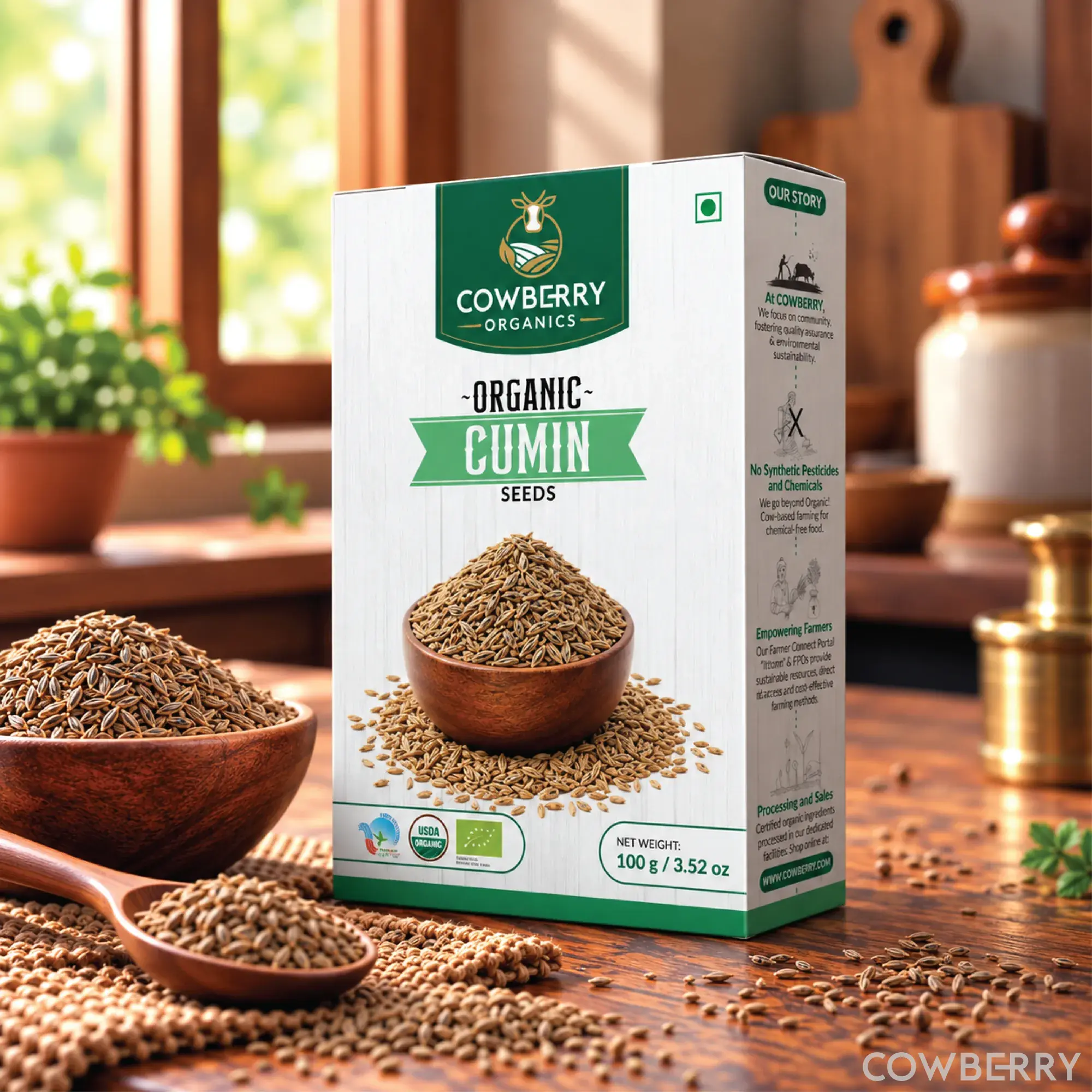
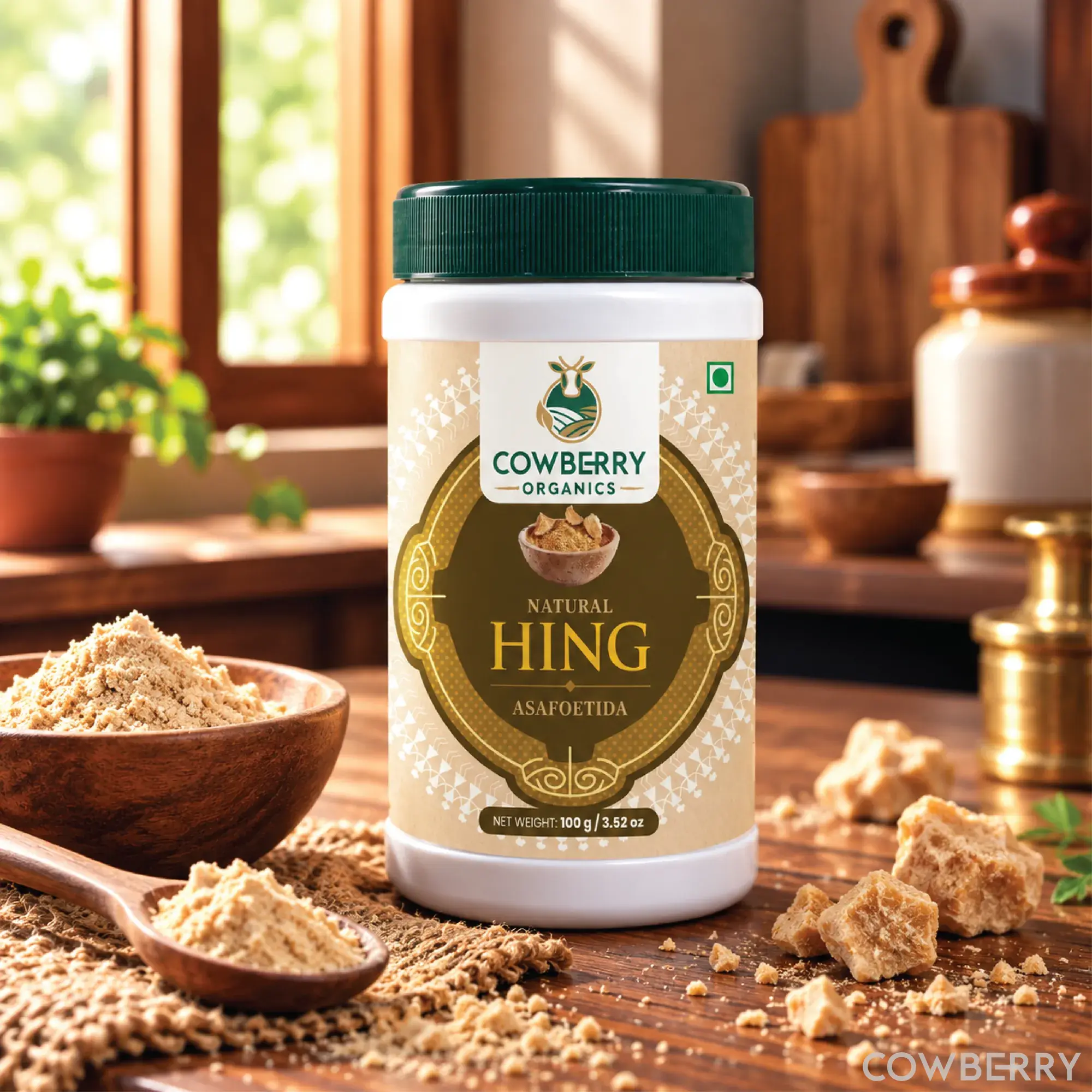
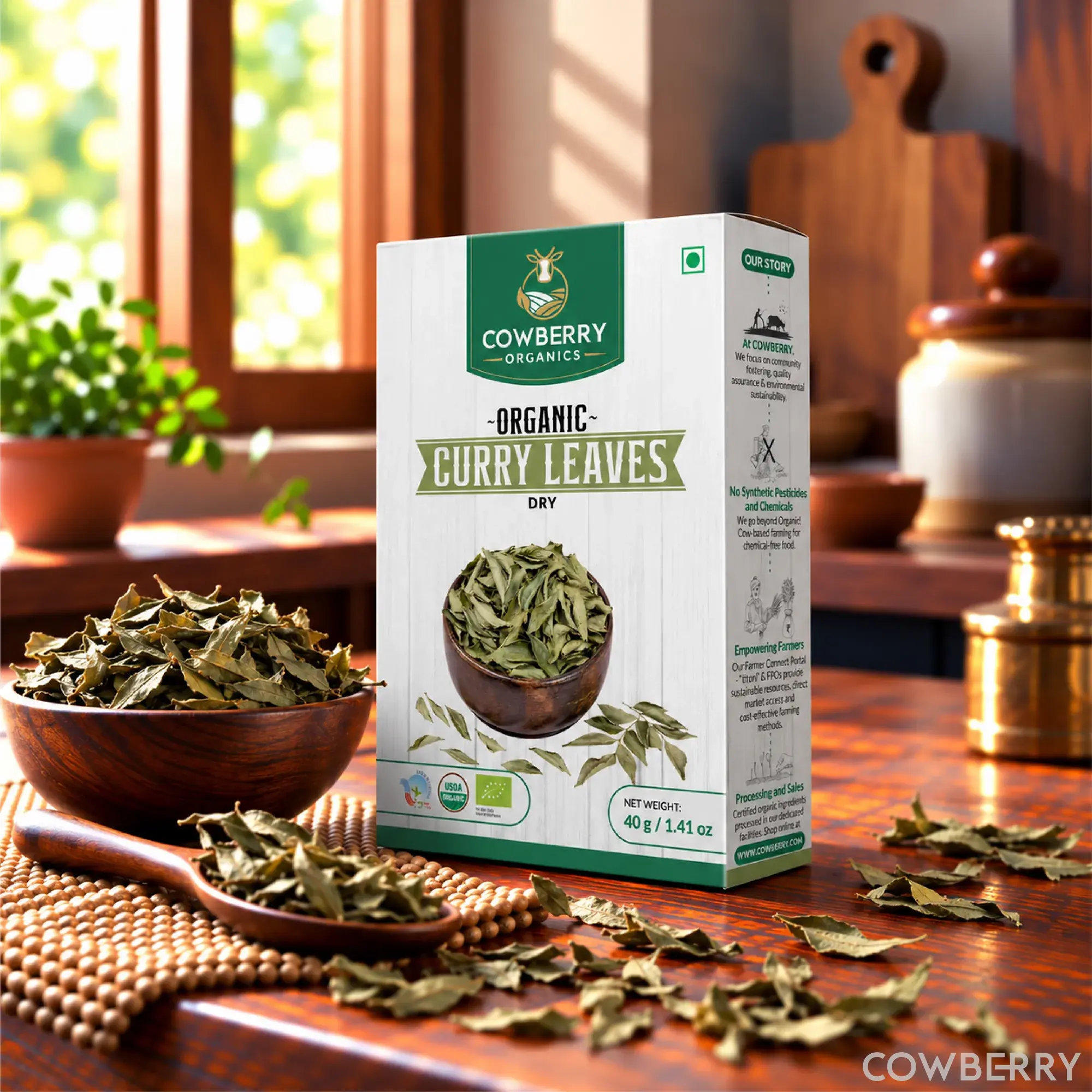
Serving Suggestions
Serve the upma hot, straight from the kadhai, with a bowl of plain curd, a wedge of lemon and a spoon of mango pickle; coconut chutney works too. For the flatbread of the same flour, the makki ki roti recipe shows the hand-patted method, and the maize recipes roundup gathers porridge, khichdi and more.
Tips for Cooking Makki upma (maize upma)
Use a heavy kadhai so the flour toasts evenly without scorching; the flour is ready when it darkens a shade and smells toasted, not when it browns. Pour the water in a steady stream while you stir, and keep the flame at its lowest for the steam so the upma cooks through without catching. If it sits before serving, stir in a little hot water to loosen it.

Chef’s Note
The toast-and-steam order is the whole trick: flour roasted before the water goes in keeps its grain, and the off-flame rest finishes the cooking. One bowl of this recipe adds up to about 235 kcal: 4 g protein, 26.4 g carbs, 12.3 g fat and 5.4 g fibre, with the ghee supplying most of the fat.
Per serving (approx.): 235 kcal, protein 4 g, carbs 26 g, fat 12 g, fibre 5.4 g. Computed from IFCT 2017 / USDA values for the listed quantities. Measures: 1 cup = 240 ml, 1 tbsp = 15 ml, 1 tsp = 5 ml.
Happy Cooking !!
!!
ByCOWBERRY
Aug 16, 2026
Recipes You’ll Love
More everyday cooking with COWBERRY organics, from the same kitchen.

Preparation Time
19 Min
Cooking Time
15 Min
Difficulty Level
moderate

Preparation Time
10 Min
Cooking Time
20 Min
Difficulty Level
easy

Preparation Time
20 Min
Cooking Time
25 Min
Difficulty Level
moderate