
Kodo millet khichdi
Preparation Time
30 minutes
Cooking Time
31 minutes
Difficulty Level
easy
Meal Type
Lunch
Serves 4
Key Ingredients
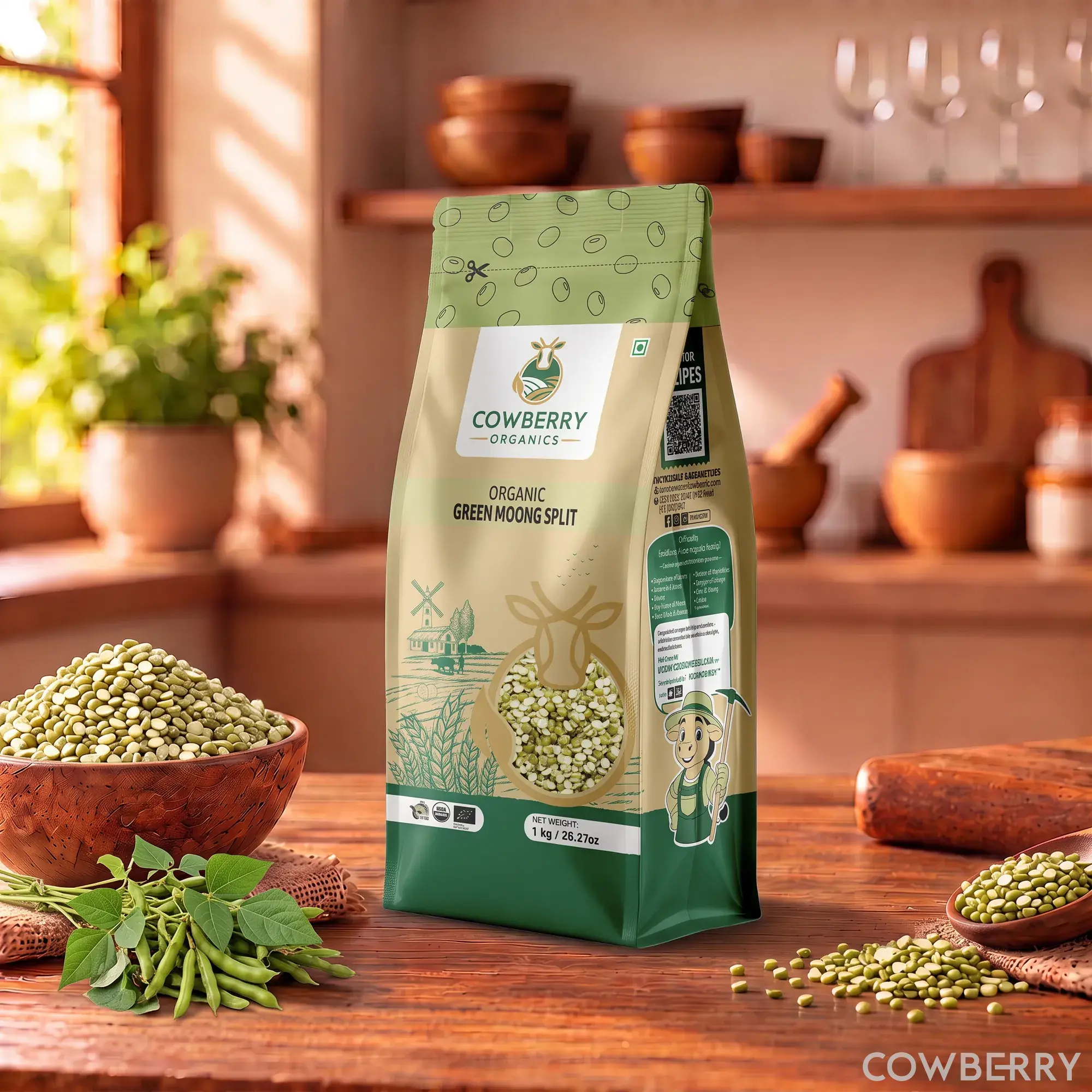
- Green moong split (chilka moong dal)
About This Recipe
The millet behind this dish answers to several names across India: varagu in Tamil, harka in Karnataka, kodra in Gujarat. That last name is where kodra khichdi comes from. This recipe is the everyday one-pot version of it: kodo millet and moong dal pressure cooked soft together, finished with a ghee tempering. For the grain itself, the kodo millet hub covers names, nutrition and how to cook it.
The cooking is built around kodo's tiny grains, which soften quickly: a few minutes too long under pressure and the pot turns to mush. This version keeps the water tight at four cups for the cup of millet and the half cup of dal, and drops the flame to low once the first whistle sounds, so the khichdi comes out soft and grainy, the dal melted around the grains and carrying the tempering.
A cup of kodo and half a cup of dal make four bowls, each one carrying about 50 g of dry millet and 25 g of dal. Yellow moong dal swaps in one for one for a paler, creamier pot; a handful of chopped carrot and peas turns it into a vegetable khichdi. Foxtail millet can stand in for kodo, but it has its own timings, so follow the foxtail millet khichdi recipe when you swap; for the whole family, the types of millets in India guide sets out how each one cooks.
Ingredient List
Serving Size:
1x
2x
3x
Khichdi
- Kodo millet (varagu) — 1 cup
- Green moong split (chilka moong dal) — 1/2 cup

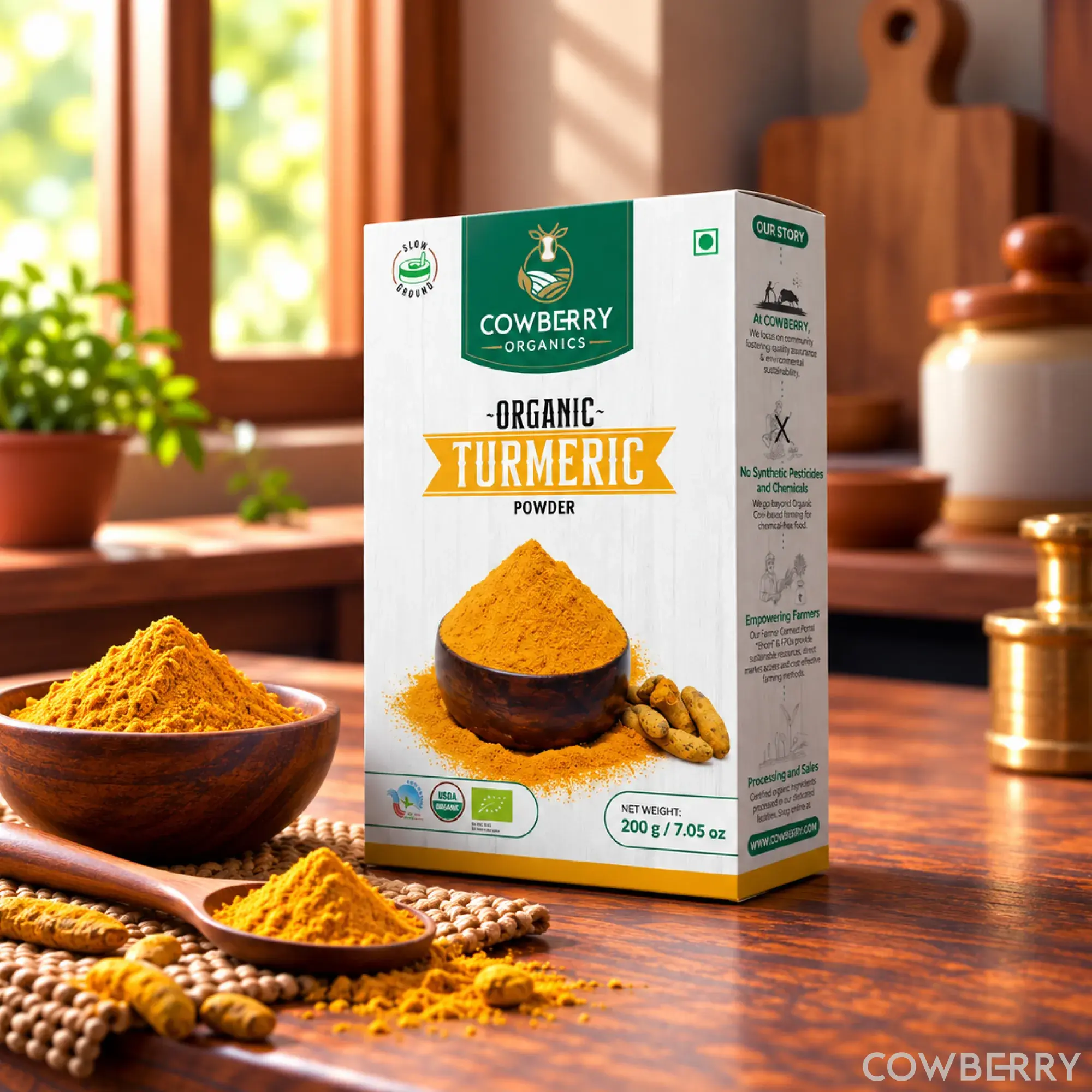
- Turmeric Powder — 1/2 tsp

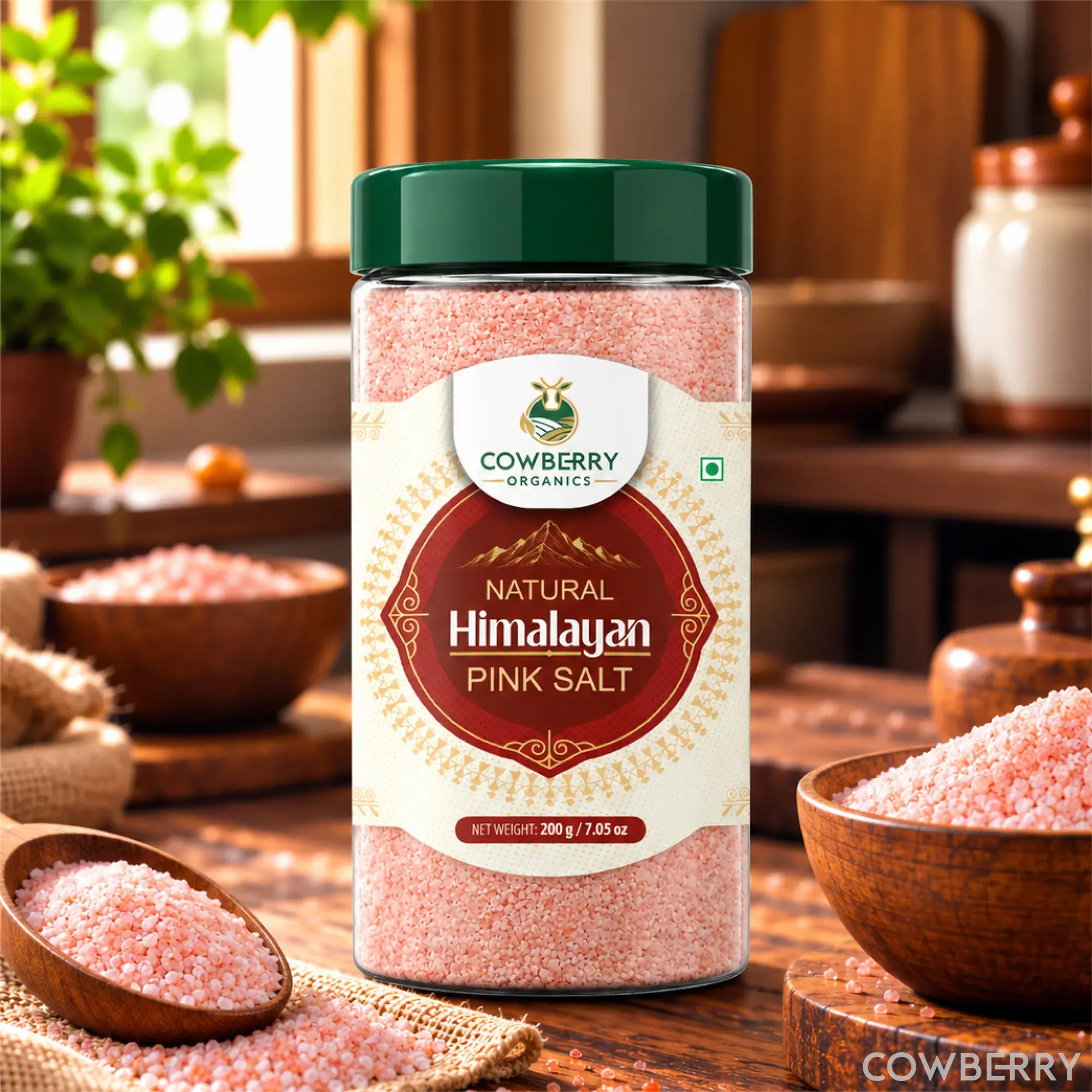
- Salt — 1 1/2 tsp
- Hot water — 4 cups
Tempering
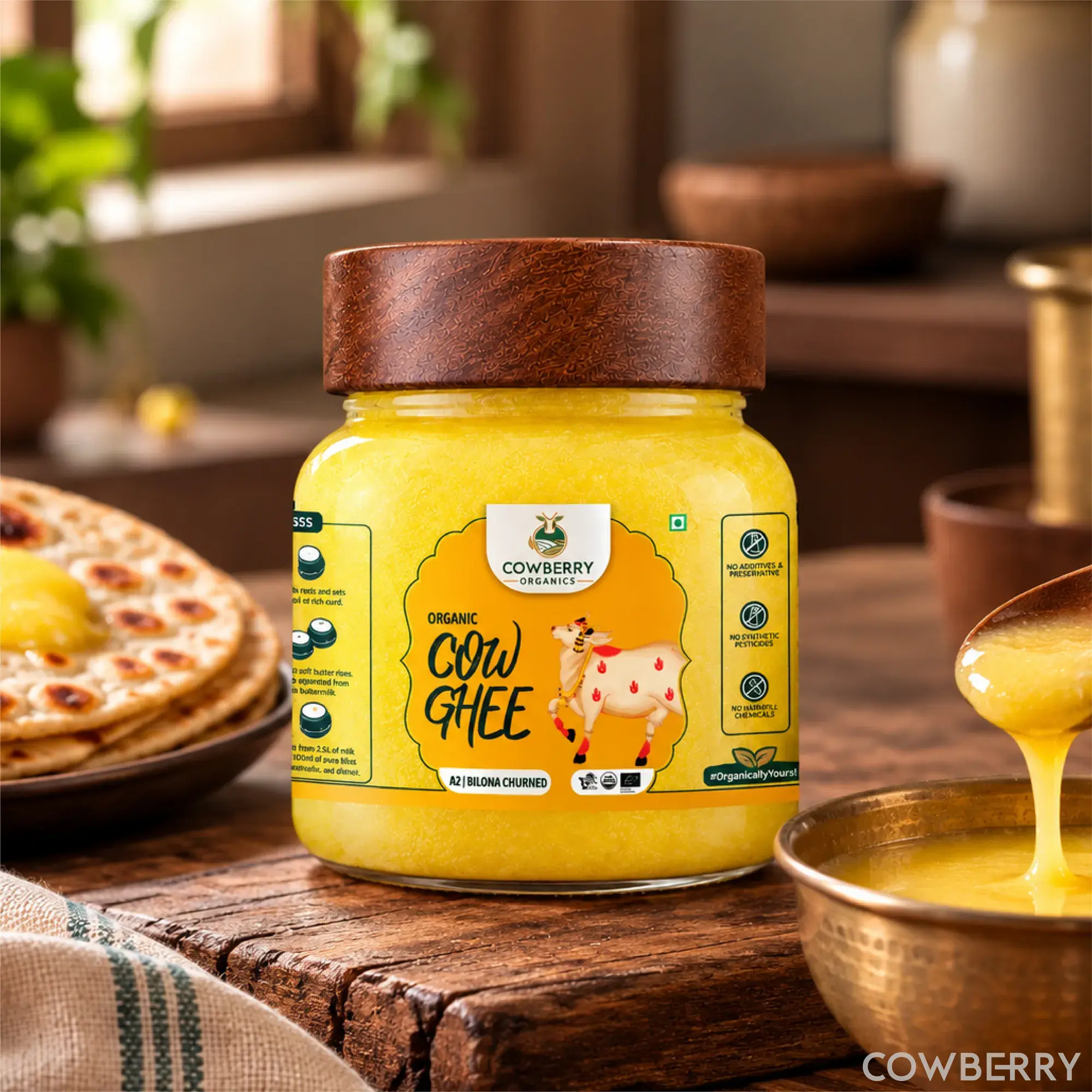
- Ghee (half for the tempering, half to serve) — 2 tbsp

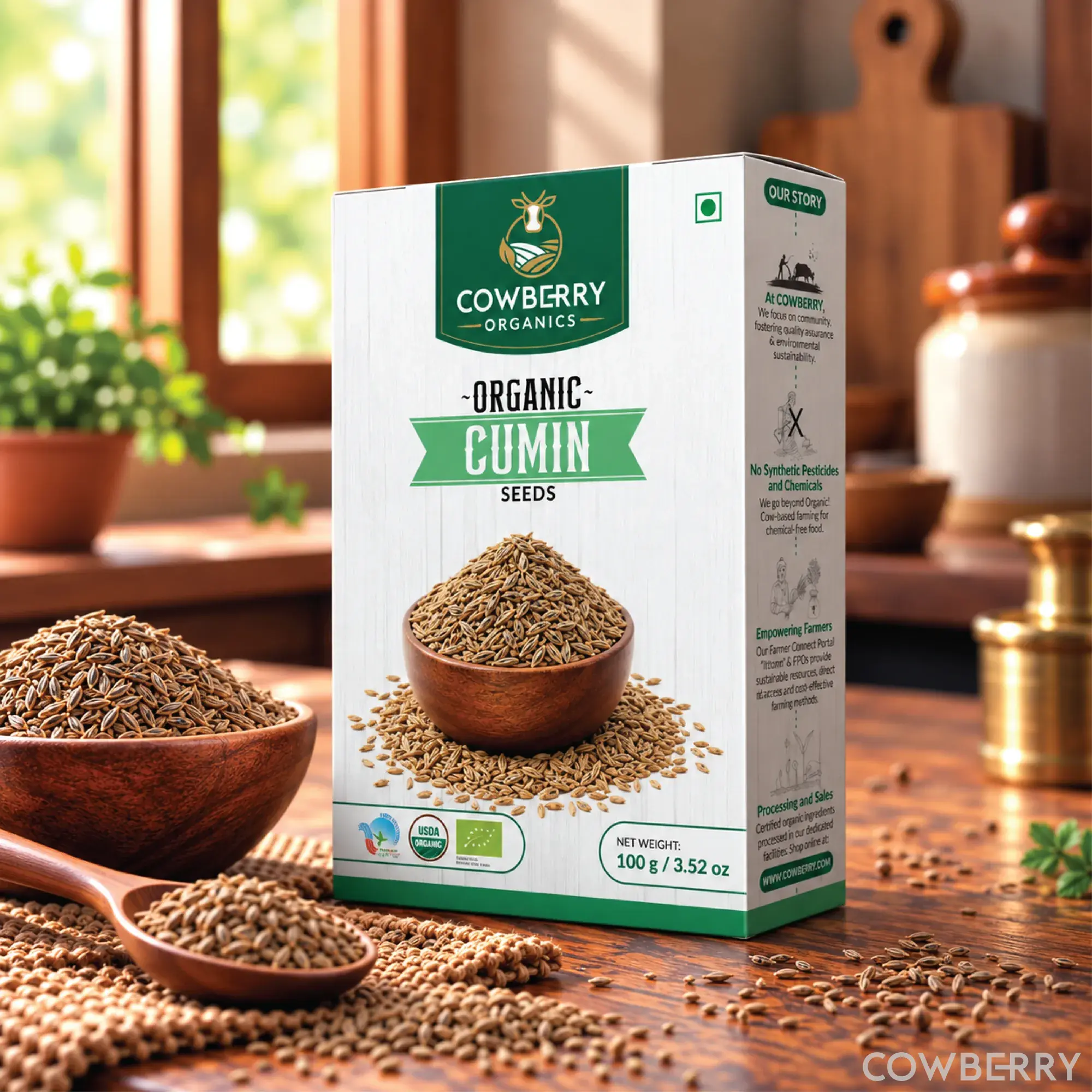
- Cumin Seeds — 1 tsp
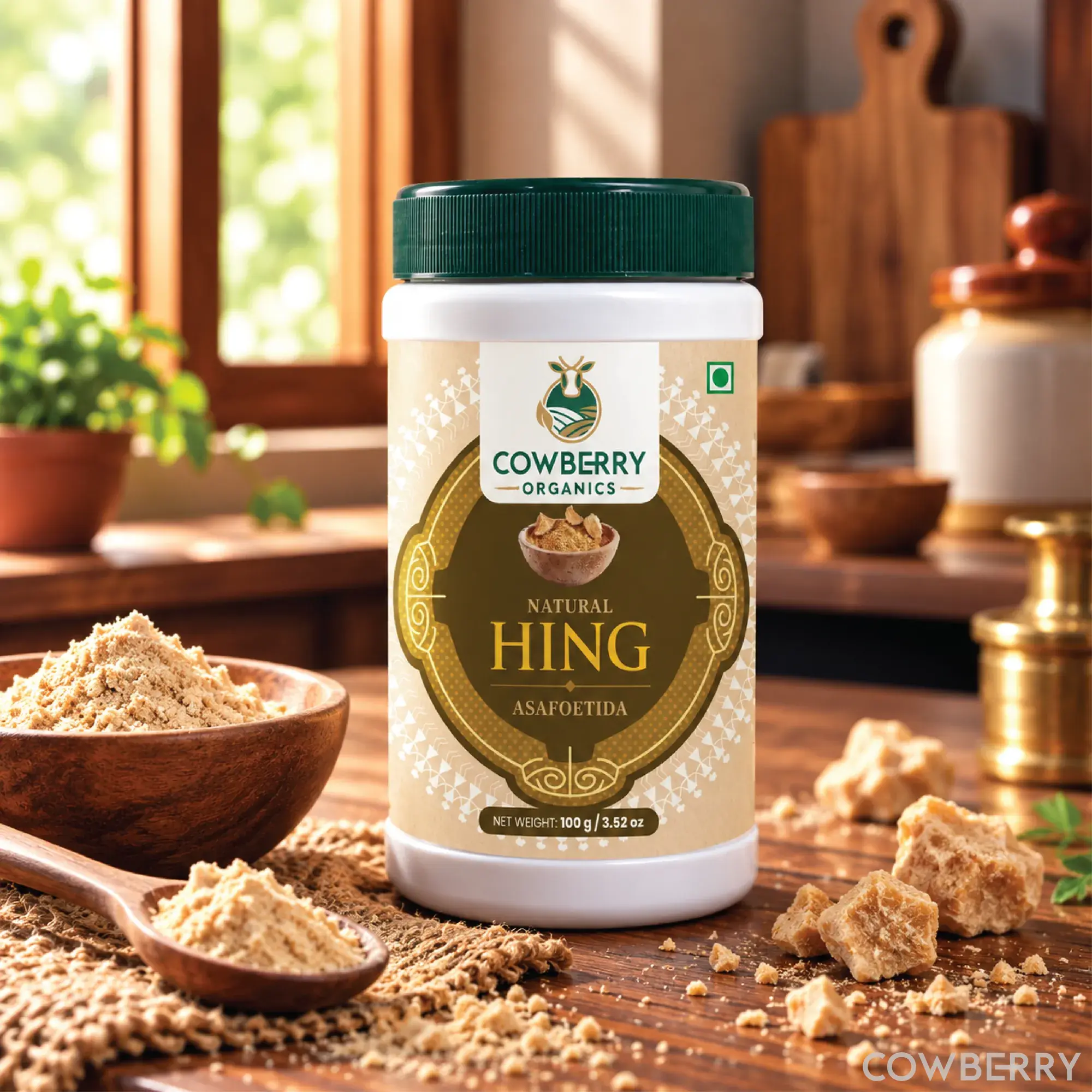
- Hing (asafoetida) powder — 1/4 tsp
- Ginger, finely chopped — 1 tsp
- Green chilli, slit — 1 piece
To finish
- Hot water, for thinning — 1/2 cup
Skip The Store !
Get all you need for the recipe in just a few clicks
Serving Suggestions
Serve the khichdi hot, spooning the rest of the ghee over the bowls, with plain curd, a roasted papad and lime or mango pickle. A ladle of kadhi turns it into a fuller meal, and for a lunchbox mash it lightly and skip the green chilli. Cooked khichdi keeps in the fridge for up to two days; stir in a splash of hot water as you reheat it.
Tips for Cooking Kodo millet khichdi
The one mistake with kodo is overcooking: the grains pass from soft to paste quickly, so hold to the six minutes and check before adding a whistle. Let the grains soak the full 30 minutes, so the millet and dal finish at the same moment. Warm water shortens the wait for pressure. Keep the lid shut through the natural release, and salt the cooking water before you close the lid.

Chef’s Note
Kodo cooks on a shorter clock than rice, and its done point is easy to miss: stop at the first check rather than pushing for one more whistle. Each bowl works out to about 315 kcal, 10.4 g protein and 5.5 g fibre, counting the millet, dal and ghee together.
Per serving (approx.): 315 kcal, protein 10 g, carbs 46 g, fat 9.1 g, fibre 5.5 g. Computed from IFCT 2017 / USDA values for the listed quantities. Measures: 1 cup = 240 ml, 1 tbsp = 15 ml, 1 tsp = 5 ml.
Happy Cooking !!
!!
ByCOWBERRY
Aug 10, 2026
Recipes You’ll Love
More everyday cooking with COWBERRY organics, from the same kitchen.

Preparation Time
35 Min
Cooking Time
20 Min
Difficulty Level
easy

Preparation Time
20 Min
Cooking Time
15 Min
Difficulty Level
easy

Preparation Time
45 Min
Cooking Time
45 Min
Difficulty Level
moderate